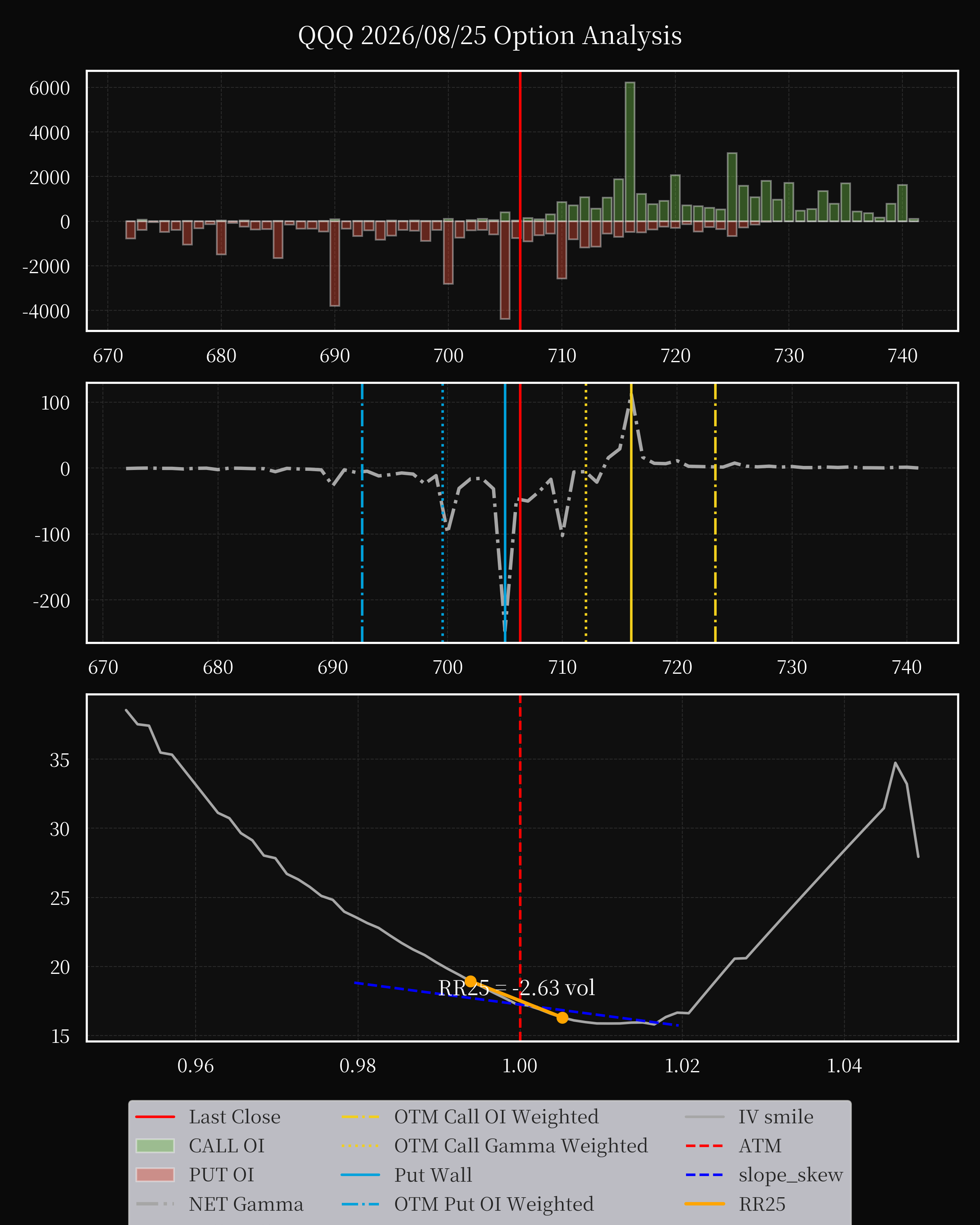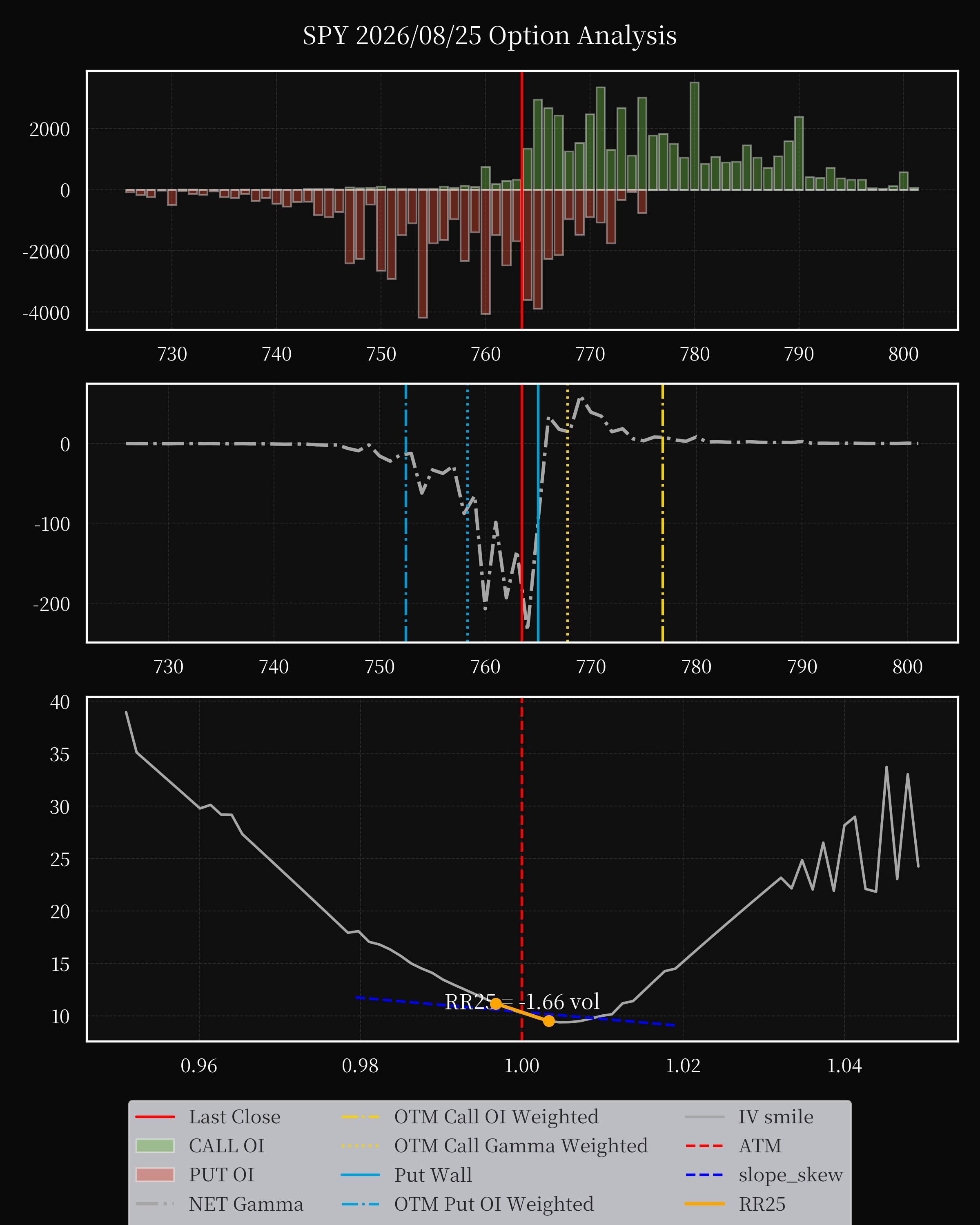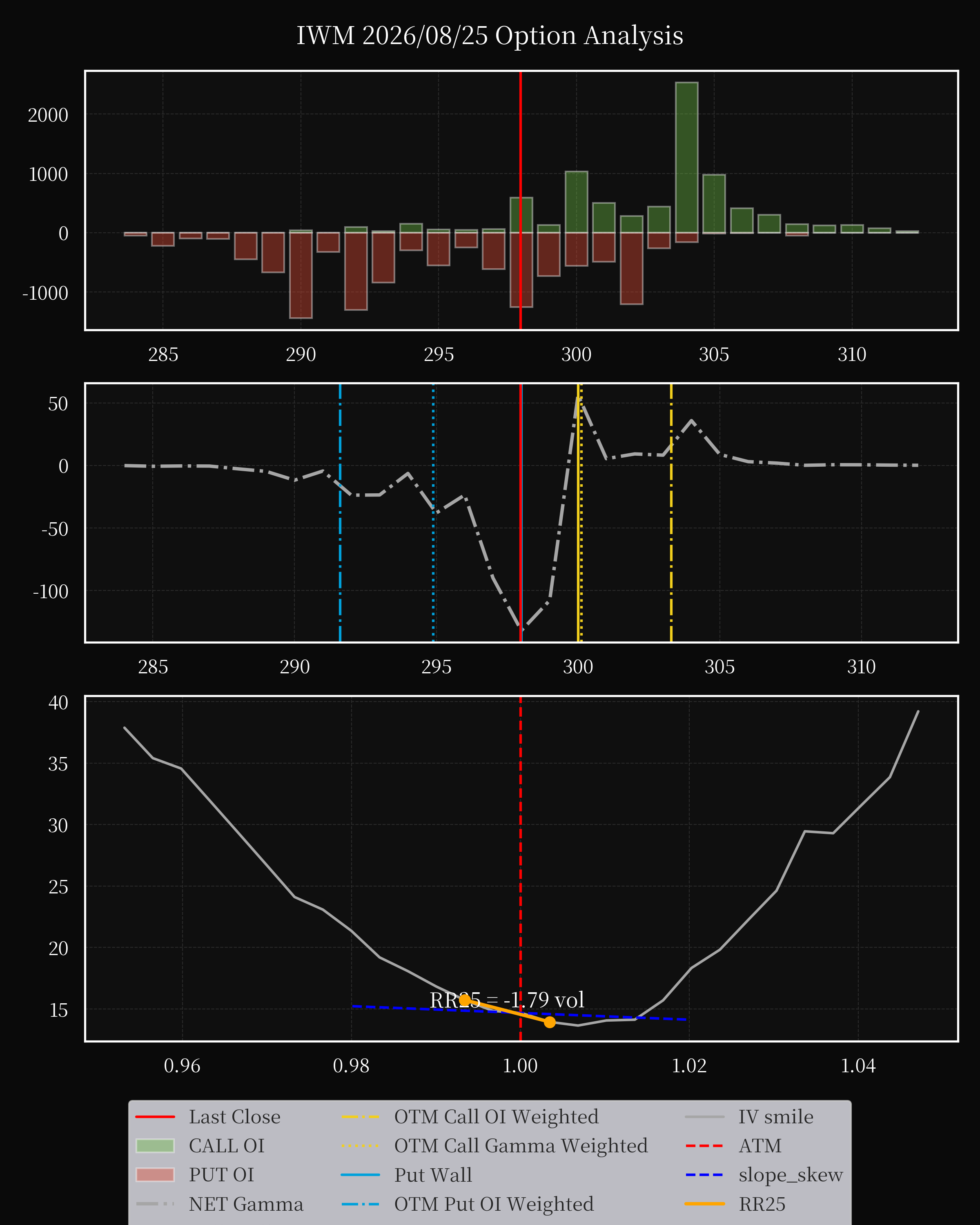
Overall
The US economic landscape today is defined by a confluence of geopolitical escalations, monetary policy maneuvers, and sector-specific dynamics that collectively shape market sentiment and asset valuations. At the forefront, the administration’s renewed threat of tariffs against Canada—targeting automobiles, auto parts, and steel—signals a deepening trade conflict with significant implications for North American supply chains and corporate earnings. The proposed 50% tariff, set to commence in January, follows a recent imposition of duties on Canadian exports, which itself was triggered by the collapse of last-minute trade negotiations. This tit-for-tat escalation underscores the fragility of cross-border economic relations and introduces heightened uncertainty into earnings forecasts for major US manufacturers such as Ford, General Motors, and Stellantis, all of which face material exposure to Canadian markets. Concurrently, the administration’s announcement of new sanctions against Iran, targeting over 60 entities and vessels facilitating Tehran’s nuclear and missile programs, further complicates global trade flows, particularly concerning China’s role as a key oil buyer. These developments collectively weigh on risk sentiment, contributing to a broader risk-off environment that has pressured equity markets despite mixed sectoral performances.
The bond market remains a focal point of policy intervention and market reaction, as Treasury Secretary Scott Bessent’s efforts to suppress long-term yields through targeted bond buybacks are increasingly scrutinized for their potential to distort market signals and exacerbate inflationary pressures. Citadel Securities has cautioned that while these actions may temporarily suppress yields, they do not eliminate underlying fiscal concerns, instead shifting investor focus toward the sustainability of government debt and the dollar’s purchasing power. The recent 30-year Treasury yield breaching 5%—a threshold not witnessed since pre-financial crisis levels—reflects both the market’s skepticism regarding the efficacy of financial repression and the persistent risk of imported inflation. Furthermore, the US national debt surpassing $40 trillion amplifies concerns about long-term fiscal discipline, with analysts warning that sustained low-rate environments are unlikely to return absent significant structural reforms. This backdrop intensifies scrutiny of corporate bond spreads, particularly for issuers reliant on refinancing in a higher-rate regime, as well as for financial institutions exposed to interest rate volatility.
Corporate earnings and sectoral performance continue to diverge, with technology and automotive sectors experiencing pronounced volatility amid shifting policy and macro conditions. Nvidia’s stock decline, driven by strategic pricing adjustments and increased capital allocation toward AI infrastructure, exemplifies the challenges facing semiconductor firms as they navigate both demand cycles and competitive pressures. Meanwhile, automotive manufacturers remain vulnerable to tariff shocks and input cost fluctuations, with Ford, GM, and Stellantis collectively down nearly 9% following tariff announcements. In contrast, defensive sectors such as healthcare and utilities have demonstrated relative resilience, buoyed by regulatory tailwinds and stable demand profiles. The broader equity market, however, has been pressured by mixed signals from earnings reports, bond market turbulence, and geopolitical risk, resulting in muted gains despite selective outperformance by industrials and select technology names.
The regulatory environment surrounding financial institutions and capital markets is undergoing recalibration, with implications for wealth management, investment banking, and fintech innovation. The Treasury’s limited engagement on questions about future bond auction mechanics and potential buyback extensions highlights a broader policy ambiguity that complicates long-term planning for both public and private sector entities. Simultaneously, the expansion of digital asset frameworks and the evolving role of stablecoins as potential conduits for international transactions have attracted bipartisan legislative attention, signaling a tentative but deliberate move toward formalizing crypto market oversight. These developments intersect with broader debates over financial stability, particularly as institutions grapple with heightened cyber risks, liquidity management challenges, and the integration of emerging technologies into core operations.
Looking ahead, several catalysts will shape market direction across asset classes. Earnings season will remain pivotal, with companies such as Intuit, Zoom, and Dick’s Sporting Goods providing early indicators of consumer spending resilience and corporate margin pressures. Real estate metrics, including new home sales and the Case-Shiller Index, will offer additional clarity on housing demand dynamics amid persistent affordability constraints. On the policy front, the administration’s approach to China’s economic influence—particularly regarding technology transfers and critical mineral supply chains—will influence investor sentiment toward industrials and materials sectors. Additionally, the evolving narrative around corporate governance, shareholder activism, and ESG integration will continue to influence capital allocation decisions and valuation multiples. As markets navigate these multifaceted risks and opportunities, investors must balance tactical positioning against structural trends, recognizing that policy outcomes and geopolitical developments will remain central drivers of financial market performance in the near term.
The interplay between fiscal discipline, monetary policy, and global trade dynamics has created a complex operating environment for both corporations and investors. The Federal Reserve’s dual mandate to sustain maximum employment while anchoring inflation expectations faces heightened uncertainty as bond yields rise and fiscal deficits expand. While the administration’s aggressive tariff posture seeks to recalibrate trade balances and protect strategic industries, the potential for retaliatory measures from key partners such as Canada, the EU, and China introduces significant downside risks to export-dependent sectors. The recent escalation in US-Iran tensions, coupled with the administration’s willingness to deploy economic coercion as a foreign policy tool, further complicates risk assessments for energy markets and global commodity flows. These developments collectively challenge traditional valuation frameworks, necessitating more granular analysis of policy impacts on earnings, cost structures, and competitive positioning.
Corporate responses to this evolving landscape will be critical in determining relative performance. Companies with diversified geographic footprints and flexible supply chains are better positioned to mitigate tariff shocks and currency volatility, while those reliant on single-market exposure face heightened vulnerability. The automotive sector’s exposure to both tariff shocks and the transition toward electrification underscores the importance of strategic agility in capital allocation and product development. Similarly, technology firms must navigate regulatory scrutiny, supply chain constraints, and the capital-intensive demands of AI infrastructure investments. Meanwhile, financial institutions face dual pressures from regulatory compliance costs and the need to adapt business models to digital disruption and changing client expectations.
Looking beyond immediate market reactions, the long-term implications of these trends warrant careful consideration. The erosion of multilateral trade agreements and the rise of protectionist measures threaten to fragment global value chains, increasing operational complexity and cost structures for multinational enterprises. The US’s approach to international economic relations—characterized by unilateral sanctions, aggressive tariff policies, and assertive diplomatic posturing—may prompt strategic realignments among trading partners, with potential shifts toward regional trade blocs and alternative financial infrastructures. These structural shifts will influence capital flows, investment strategies, and ultimately, the composition of global economic output. Investors must therefore adopt a forward-looking lens, integrating scenario analysis and stress testing into portfolio construction to navigate an increasingly fragmented and policy-driven global economy.
In summary, today’s market environment reflects the convergence of geopolitical confrontation, monetary policy experimentation, and corporate adaptation to structural change. The interdependencies between trade policy, bond market dynamics, and sector-specific fundamentals create a volatile backdrop for asset allocation decisions. While certain sectors may benefit from targeted policy support or technological innovation, the overarching theme is one of heightened uncertainty and strategic recalibration. Investors are advised to maintain disciplined risk management practices, monitor policy developments closely, and remain agile in response to evolving market conditions. The coming weeks will likely reveal further clarity on the administration’s strategic objectives and the market’s capacity to absorb these complex and interrelated challenges.
The confluence of tariff announcements, bond market interventions, and corporate earnings volatility has underscored the fragility of consensus-driven economic policy in an era of heightened geopolitical competition. The administration’s aggressive stance toward Canada, Iran, and China reflects a broader recalibration of US strategic priorities, yet the absence of detailed implementation plans renders many policy outcomes speculative. Treasury Secretary Bessent’s emphasis on “more show than tell” highlights the administration’s reliance on signaling and diplomatic pressure rather than concrete operational details, thereby amplifying market uncertainty. This approach, while potentially preserving flexibility, risks misalignment between policy intent and market expectations, particularly as investors attempt to price in the likelihood and timing of specific punitive measures.
The bond market’s reaction to Scott Bessent’s buyback strategy illustrates the challenges inherent in using monetary policy tools to achieve fiscal objectives. While the Treasury’s interventions may temporarily suppress yields, they do not address underlying concerns about fiscal sustainability or inflationary pressures. Analysts warn that prolonged financial repression could undermine investor confidence in US debt, leading to higher borrowing costs and diminished purchasing power for the dollar. This dynamic is particularly salient given the already elevated national debt levels, which have surpassed $40 trillion, and the persistent risk of supply shocks affecting commodity prices. As yields climb, sectors sensitive to interest rates—such as real estate and utilities—face heightened valuation headwinds, compounding the impact of policy-driven uncertainty on broader market sentiment.
Corporate earnings reports released today reveal divergent trends that reflect both company-specific strategies and broader macro pressures. Automotive manufacturers, already exposed to tariff risks, suffered further declines amid negative sentiment regarding future demand and input costs. Conversely, technology firms continue to grapple with pricing pressures and capital allocation decisions as they invest heavily in AI infrastructure. The sector’s performance will be closely watched for signals regarding sustainable growth versus speculative investment, with implications for valuation multiples and investor confidence. Meanwhile, healthcare and consumer staples demonstrate relative resilience, buoyed by regulatory tailwinds and stable demand, offering a potential haven amid market turbulence.
The regulatory landscape for financial services and capital markets remains fluid, with implications for wealth management, investment banking, and fintech innovation. The Treasury’s limited engagement on bond auction mechanics and buyback extensions underscores a broader policy ambiguity that complicates long-term planning for institutional investors. At the same time, legislative efforts to formalize crypto regulation signal a tentative but significant shift toward integrating digital assets into mainstream financial systems. These developments intersect with ongoing debates over financial stability, cybersecurity risks, and the role of technology in reshaping traditional business models. Institutions must therefore balance innovation with prudence, ensuring compliance frameworks evolve alongside emerging risks and opportunities.
Looking ahead, several key catalysts will shape market direction across asset classes. Earnings season will provide critical insights into corporate resilience and margin pressures, particularly for industries exposed to trade policy shifts and interest rate changes. Real estate metrics will offer additional clarity on housing demand and the impact of monetary policy on mortgage markets. On the policy front, the administration’s approach to China’s economic practices—including technology transfers and critical mineral supply chains—will influence investor sentiment toward industrials and materials sectors. Additionally, the evolving narrative around corporate governance and ESG integration will continue to affect capital allocation decisions and valuation multiples. As markets navigate these multifaceted challenges, investors must adopt a disciplined, forward-looking perspective that balances tactical positioning with strategic resilience in the face of uncertainty.
The interplay between fiscal policy, monetary intervention, and geopolitical risk has created a volatile backdrop for financial markets. The Federal Reserve’s efforts to manage inflation while supporting employment face headwinds from rising bond yields and fiscal deficits, while the administration’s aggressive trade posture introduces additional layers of complexity. Corporate responses to these dynamics will determine relative performance across sectors, with companies demonstrating agility in supply chain management, cost control, and strategic investment likely to outperform. Meanwhile, technological innovation—particularly in AI and digital infrastructure—remains a key driver of long-term growth prospects, albeit tempered by regulatory scrutiny and competitive pressures. Investors are advised to monitor policy developments closely, reassess risk exposures regularly, and remain prepared to adapt portfolios in response to evolving market conditions.
In conclusion, today’s market environment reflects the intersection of geopolitical confrontation, monetary policy experimentation, and corporate adaptation to structural change. The administration’s renewed focus on tariffs, sanctions, and strategic economic competition has introduced significant uncertainty into global markets, with implications for equity valuations, bond yields, and sector-specific dynamics. While certain industries may benefit from targeted policy support or technological innovation, the overarching theme is one of heightened complexity and strategic recalibration. Investors must balance tactical positioning against structural trends, recognizing that policy outcomes and market reactions will remain central drivers of financial performance in the near term. Maintaining disciplined risk management practices, staying informed on policy developments, and remaining agile in response to evolving conditions will be essential for navigating this intricate landscape effectively.
The convergence of trade tensions, bond market interventions, and corporate earnings volatility has underscored the fragility of consensus-driven economic policy in an era of heightened geopolitical competition. The administration’s aggressive stance toward Canada, Iran, and China reflects a broader recalibration of US strategic priorities, yet the absence of detailed implementation plans renders many policy outcomes speculative. Treasury Secretary Bessent’s emphasis on “more show than tell” highlights the administration’s reliance on signaling and diplomatic pressure rather than concrete operational details, thereby amplifying market uncertainty. This approach, while potentially preserving flexibility, risks misalignment between policy intent and market expectations, particularly as investors attempt to price in the likelihood and timing of specific punitive measures.
The bond market’s reaction to Scott Bessent’s buyback strategy illustrates the challenges inherent in using monetary policy tools to achieve fiscal objectives. While the Treasury’s interventions may temporarily suppress yields, they do not eliminate underlying fiscal concerns, instead shifting investor focus toward the sustainability of government debt and the dollar’s purchasing power. Citadel Securities has cautioned that financial repression risks weakening the dollar and fueling inflation, as lower yields reduce the appeal of the currency and potentially lift import prices. This dynamic is particularly salient given the recent 30-year Treasury yield breaching 5%—a level not witnessed since before the financial crisis—reflecting both market skepticism regarding fiscal discipline and persistent inflationary pressures.
Corporate responses to these developments will be critical in determining relative performance. Automotive manufacturers remain vulnerable to tariff shocks and input cost fluctuations, with Ford, GM, and Stellantis collectively down nearly 9% following recent announcements. Technology firms continue to grapple with pricing pressures and capital allocation decisions as they invest heavily in AI infrastructure. Meanwhile, healthcare and consumer staples demonstrate relative resilience, buoyed by regulatory tailwinds and stable demand profiles. The broader equity market, however, has been pressured by mixed earnings reports, bond market turbulence, and geopolitical risk, resulting in muted gains despite selective outperformance by industrials and select technology names.
The regulatory environment surrounding financial institutions and capital markets is undergoing recalibration, with implications for wealth management, investment banking, and fintech innovation. The Treasury’s limited engagement on bond auction mechanics and buyback extensions highlights a broader policy ambiguity that complicates long-term planning for both public and private sector entities. Simultaneously, the expansion of digital asset frameworks and the evolving role of stablecoins as potential conduits for international transactions have attracted bipartisan legislative attention, signaling a tentative but deliberate move toward formalizing crypto market oversight. These developments intersect with broader debates over financial stability, cybersecurity risks, and the integration of emerging technologies into core operations.
Looking ahead, several catalysts will shape market direction across asset classes. Earnings season will remain pivotal, with companies such as Intuit, Zoom Communications, and Dick’s Sporting Goods providing early indicators of consumer spending resilience and corporate margin pressures. Real estate metrics, including new home sales and the Case-Shiller Index, will offer additional clarity on housing demand dynamics amid persistent affordability constraints. On the policy front, the administration’s approach to China’s economic influence—particularly regarding technology transfers and critical mineral supply chains—will influence investor sentiment toward industrials and materials sectors. Additionally, the evolving narrative around corporate governance, shareholder activism, and ESG integration will continue to affect capital allocation decisions and valuation multiples.
The interplay between fiscal discipline, monetary policy, and global trade dynamics has created a complex operating environment for both corporations and investors. The Federal Reserve’s dual mandate to sustain maximum employment while anchoring inflation expectations faces heightened uncertainty as bond yields rise and fiscal deficits expand. While the administration’s aggressive tariff posture seeks to recalibrate trade balances and protect strategic industries, the potential for retaliatory measures from key partners such as Canada, the EU, and China introduces significant downside risks to export-dependent sectors. The recent escalation in US-Iran tensions, coupled with the administration’s willingness to deploy economic coercion as a foreign policy tool, further complicates risk assessments for energy markets and global commodity flows.
Corporate responses to this evolving landscape will be critical in determining relative performance. Companies with diversified geographic footprints and flexible supply chains are better positioned to mitigate tariff shocks and currency volatility, while those reliant on single-market exposure face heightened vulnerability. The automotive sector’s exposure to both tariff shocks and the transition toward electrification underscores the importance of strategic agility in capital allocation and product development. Similarly, technology firms must navigate regulatory scrutiny, supply chain constraints, and the capital-intensive demands of AI infrastructure investments. Meanwhile, financial institutions face dual pressures from regulatory compliance costs and the need to adapt business models to digital disruption and changing client expectations.
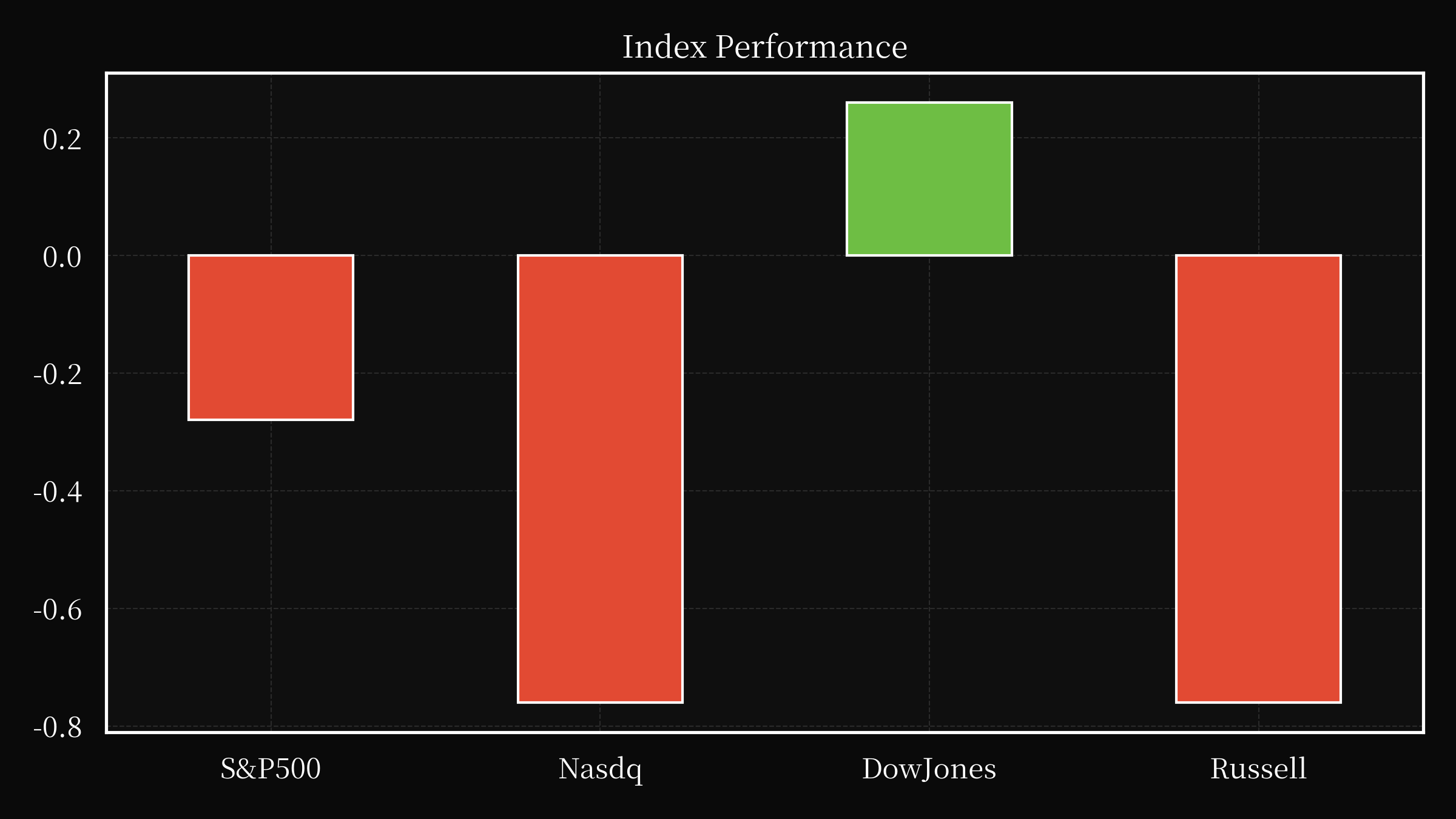
The broader equity market, however, remains constrained by mixed signals from earnings reports, bond market turbulence, and geopolitical risk. The S&P 500’s modest decline reflects cautious sentiment amid concerns over inflationary pressures, while the Nasdaq’s underperformance highlights sector-specific vulnerabilities. Chip stocks, semiconductor manufacturers, and AI-focused enterprises continue to experience volatility as investors weigh growth prospects against macroeconomic uncertainties. Defensive sectors such as healthcare and utilities demonstrate relative resilience, buoyed by stable demand and regulatory tailwinds, offering potential refuge amid broader market uncertainty.
In conclusion, today’s market environment reflects the convergence of geopolitical confrontation, monetary policy experimentation, and corporate adaptation to structural change. The administration’s aggressive stance toward Canada, Iran, and China underscores a broader recalibration of US strategic priorities, yet the absence of detailed implementation plans renders many policy outcomes speculative. Treasury Secretary Bessent’s emphasis on “more show than tell” highlights the administration’s reliance on signaling and diplomatic pressure rather than concrete operational details, thereby amplifying market uncertainty. This approach, while potentially preserving flexibility, risks misalignment between policy intent and market expectations, particularly as investors attempt to price in the likelihood and timing of specific punitive measures.
The bond market’s reaction to Scott Bessent’s buyback strategy illustrates the challenges inherent in using monetary policy tools to achieve fiscal objectives. While the Treasury’s interventions may temporarily suppress yields, they do not eliminate underlying fiscal concerns, instead shifting investor focus toward the sustainability of government debt and the dollar’s purchasing power. Citadel Securities has cautioned that financial repression risks weakening the dollar and fueling inflation, as lower yields reduce the appeal of the currency and potentially lift import prices. This dynamic is particularly salient given the recent 30-year Treasury yield breaching 5%—a level not seen since before the financial crisis—reflecting both market skepticism regarding fiscal discipline and persistent inflationary pressures.
Corporate responses to these developments will be critical in determining relative performance. Automotive manufacturers remain exposed to tariff shocks and input cost fluctuations, with Ford, GM, and Stellantis collectively down nearly 9% following recent announcements. Technology firms continue to grapple with pricing pressures and capital allocation decisions as they invest heavily in AI infrastructure. Meanwhile, healthcare and consumer staples demonstrate relative resilience, buoyed by regulatory tailwinds and stable demand profiles. The broader equity market, however, has been pressured by mixed earnings reports, bond market turbulence, and geopolitical risk, resulting in muted gains despite selective outperformance by industrials and select technology names.
The regulatory environment surrounding financial institutions and capital markets is undergoing recalibration, with implications for wealth management, investment banking, and fintech innovation. The Treasury’s limited engagement on bond auction mechanics and buyback extensions highlights a broader policy ambiguity that complicates long-term planning for institutional investors. Simultaneously, legislative efforts to formalize crypto regulation signal a tentative but significant shift toward integrating digital assets into mainstream financial systems. These developments intersect with ongoing debates over financial stability, cybersecurity risks, and the role of technology in reshaping traditional business models. Institutions must therefore balance innovation with prudence, ensuring compliance frameworks evolve alongside emerging risks and opportunities.
Looking ahead, several key catalysts will shape market direction across asset classes. Earnings season will provide critical insights into corporate resilience and margin pressures, particularly for industries exposed to trade policy shifts and interest rate changes. Real estate metrics will offer additional clarity on housing demand and the impact of monetary policy on mortgage markets. On the policy front, the administration’s approach to China’s economic practices—including technology transfers and critical mineral supply chains—will influence investor sentiment toward industrials and materials sectors. Additionally, the evolving narrative around corporate governance and ESG integration will continue to affect capital allocation decisions and valuation multiples. As markets navigate these multifaceted challenges, investors are advised to maintain disciplined risk management practices, monitor policy developments closely, and remain agile in response to evolving market conditions.
The interplay between fiscal policy,
Watch List
RGNX
RegenXBio Inc. has received a clinical hold from the U.S. Food and Drug Administration (FDA) on its RGX-121 investigational new drug application for the treatment of Mucopolysaccharidosis type II (MPS II), also known as Hunter Syndrome. The hold stems from asymptomatic MRI findings observed in five participants during the CAMPSIITE study, and RegenXBio does not anticipate resubmitting the Biologics License Application (BLA) in the near term. The company believes these findings are unique and require further investigation. Despite this setback, RegenXBio remains focused on its other gene therapy programs, including RGX-202 for Duchenne muscular dystrophy and retinal disease candidates, with key milestones on track. The FDA’s monitoring plan, implemented after the initial clinical hold, revealed asymptomatic spine MRI findings in five participants, which investigators deemed nonserious. Ongoing patient imaging and longer-term follow-up data are being evaluated to fully understand the implications of these findings. RegenXBio’s partner, Nippon Shinyaku, is also involved in assessing the situation and incorporating FDA feedback into the RGX-121 development plan. The company continues to pursue its mission of developing curative gene therapies for rare and retinal diseases, with significant advancements in its AAV platform demonstrated through treatments for Novartis’ ZOLGENSMA.
SQFT
Presidio Property Trust, Inc. announced a five-year lease extension for its largest tenant, Johns Hopkins University, at its Baltimore property, extending the term to December 31, 2031. This lease extension secures occupancy for the Bloomberg School of Public Health, occupying 31,752 square feet. The company, an internally managed REIT with holdings in model home properties, expressed satisfaction with retaining this long-standing tenant. Gary Katz, Presidio’s CEO, highlighted the property’s suitability for Johns Hopkins’ long-term needs. Presidio’s real estate portfolio spans Colorado, Maryland, North Dakota, Texas, and Southern California, primarily consisting of office, industrial, and retail properties leased to homebuilders. The filing includes financial statements and exhibits, detailing the company's operations and investments. Note: Forward-looking statements regarding the company’s intentions and expectations are included, acknowledging the inherent risks and uncertainties associated with these projections.
QCRH
QCR Holdings, Inc. announced a cash dividend increase to $0.15 per share, payable on October 5, 2026, to stockholders holding shares as of September 18, 2026. This represents a rise from the previous quarterly dividend of $0.10 and reflects the company’s strong financial performance and management’s confidence in its future. President and CEO Todd A. Gipple highlighted the dividend increase as the second in 2026, emphasizing the company’s balance sheet strength and consistent earnings. The company’s board views this decision as a commitment to delivering long-term value for its shareholders.
NSSC
NAPCO Security Technologies, Inc. announced strong financial results for the fourth quarter and full fiscal year 2026, exceeding expectations. The company reported record Q4 revenue of $55.8 million and Adjusted EBITDA of $20.6 million, driven by robust recurring service revenue growth and increased equipment sales, particularly in door-locking and intrusion products. Sales of StarLink fire communicators also contributed significantly to growth. Recurring service revenue, representing 45% of total revenue, continued its double-digit expansion, with a projected run rate of $103 million. Net income increased by 53% and Non-GAAP Adjusted EBITDA by 44% compared to the prior year, resulting in a 36.8% Adjusted EBITDA margin. In response to this success, the Board of Directors increased the quarterly cash dividend by 13.3% to $0.17 per share. These positive results reflect a continued focus on innovation and demand for the company’s high-tech security solutions and school safety offerings.
ASST
Strive, Inc. announced a recent purchase of 1,110 Bitcoin during August 17th-21st, 2026, averaging approximately $73,409 per coin, inclusive of fees. Simultaneously, the company adjusted its holdings, increasing cash and cash equivalents, and its investments in STRC Stock and SATA Stock. This announcement included a cautionary statement outlining potential risks, including legal proceedings, management distraction, dilution from share issuances, and adverse client reactions, alongside broader economic factors. Strive acknowledged that these forward-looking statements are based on current assumptions and that actual results could differ materially. The company’s disclosures also referenced its 2025 Form 10-K for further details and emphasized the importance of reviewing that document for a complete understanding of its financial situation and potential risks. Investors are advised to consider these factors when evaluating Strive’s performance and the trading potential of its Class A and SATA stocks.
OPTT
Ocean Power Technologies, Inc. (OPT), a company specializing in maritime operational infrastructure and autonomous ocean systems, recently updated its preliminary financial results for the fiscal year and quarter ended April 30, 2026. Following additional audit procedures and consultations, the company revised its accounting treatment, leading to adjustments in previously reported figures. Revenue decreased by approximately $0.4 million to $3.7 million, while gross loss and operating loss also saw reductions. However, net loss increased by approximately $5.2 million, rising from $43.7 million to $48.9 million, largely due to a loss on changes in fair value. The company’s core offerings include Merrows™ AI integration for Maritime Domain Awareness, PowerBuoy® platforms for power and data, and WAM-V® autonomous surface vessels and marine robotics. Despite these revisions, OPT continues to focus on providing intelligent maritime solutions for defense, oil and gas, and renewable energy markets. The company’s announcement was accompanied by a cautionary note regarding forward-looking statements, highlighting the inherent risks and uncertainties associated with the business and emphasizing the potential for actual results to differ materially from expectations.
TNON
Tenon Medical, Inc., a medical device company focused on sacro-pelvic disorders, has regained compliance with Nasdaq’s minimum bid price requirement. On August 24, 2026, Nasdaq notified the company of this resolution, stemming from a prior 1-for-35 reverse stock split and a period where the company’s stock price consistently met the required threshold. Tenon Medical has developed The Catamaran SI Joint Fusion System, and is currently pursuing commercial opportunities in SI joint procedures, revision procedures, and SI-joint fusion adjuncts. The company’s stock continues to trade on the Nasdaq Capital Market under the symbol TNON. This announcement follows a recent acquisition of SiVantage, Inc. and SIMPL Medical, LLC, further solidifying Tenon Medical’s commitment to its core focus on innovative treatment solutions for sacro-pelvic disorders. The company’s forward-looking statements regarding its ability to maintain compliance and continued trading reflect its ongoing efforts and expectations for the future.
BTAI
BioXcel Therapeutics, Inc. has entered into a Thirteenth Amendment to its existing Credit Agreement with lenders, primarily Oaktree Fund Administration LLC. This amendment extends the deadline to August 28, 2026, to either repay all outstanding loan obligations through a full cash repayment or execute an alternative capital solutions transaction that meets the lenders’ approval. The amendment reflects the company’s ongoing efforts to restructure its debt. Specifically, BioXcel is required to secure definitive agreements within the extended timeframe outlining a plan to either fully repay the debt or obtain a capital solution deemed acceptable by the lenders, considering factors such as closing certainty, regulatory approvals, and shareholder support. This action follows previous amendments, including the Twelfth Amendment, and remains subject to the full terms and conditions of the original Credit Agreement. The company’s administrative agent, Oaktree Fund Administration LLC, will continue to oversee the process, and all lenders have agreed to amend and restate the agreement accordingly.
PFS
Okay, let's break down this lengthy legal document excerpt. It's a section of an indenture (a legal agreement) likely governing a debt instrument, probably a bond or note. Here's a summary of the key provisions and their implications: 1. Benchmark Transition & Replacement: * Core Issue: The document anticipates that the “benchmark” interest rate used to calculate payments on the debt (likely SOFR – Secured Overnight Financing Rate) might change or become unsuitable. * Benchmark Transition Event: A “Benchmark Transition Event” occurs when SOFR is replaced with an alternative reference rate. * Replacement Date: The “Benchmark Replacement Date” is the date the new benchmark rate takes effect. * Automatic Application: If a Benchmark Transition Event happens, the rules governing interest rate calculations *automatically* switch to apply to the new benchmark. * Calculation Agent Role: The “Calculation Agent” (a party designated to perform calculations) has the authority to make these determinations and elections. * Decision-Making Process: The company, the Calculation Agent, and the Trustee all have roles in these decisions, with the Calculation Agent having significant authority. * Binding Decisions: Any determination, decision, or election made by these parties is binding on the noteholders, the company, and the trustee. 2. Trustee’s Role & Limitations: * No Responsibility for Rate Selection: The Trustee *does not* have responsibility for selecting the benchmark rate or any alternative rate. This is a crucial point – the Trustee is essentially a passive observer. * Reliance on Company/Calculation Agent: The Trustee *must* rely on the determinations made by the Company and the Calculation Agent. They cannot independently verify or challenge these decisions. * Protection from Unavailability: The Trustee is protected if the benchmark rate becomes unavailable (e.g., due to a disruption in the market). 3. Interest Rate Calculation & Payment: * Fixed-to-Floating: The note has a fixed interest rate for a period (the “Fixed Rate Period”) and then switches to a floating rate based on the benchmark (SOFR during the “Floating Rate Period”). * SOFR Conventions: The specific rules for calculating the floating rate are governed by “Three-Month Term SOFR Conventions,” which are defined elsewhere in the indenture. * Payment Dates: Interest is paid semi-annually on specific dates.
Z
Zillow Group has reached a resolution with the Federal Trade Commission and five states regarding its multifamily rental listings syndication agreement with Redfin, effectively resolving a lawsuit that had been ongoing. The core of the agreement, the partnership allowing Zillow to syndicate listings to Redfin, will continue through June 30, 2030, maintaining the existing arrangement. This resolution allows Zillow to maintain its focus on innovation for renters and property managers, and ultimately, to make renting easier and more accessible. Moving forward, Zillow and Redfin will also offer standalone multifamily advertising products, expanding choices for housing providers and renters alike. This partnership has already demonstrated positive results, with multifamily properties listed on Redfin increasing nearly fourfold and Zillow listings growing by almost 40%. The resolution is viewed as a win for both renters and housing providers, solidifying Zillow’s commitment to improving the rental market experience.
IAN Financial Vision is an AI-native financial research platform combining proprietary knowledge graphs, quantitative valuation models, and large language models to generate point-in-time investment research. All reports are produced using a structured research workflow with human review prior to publication..