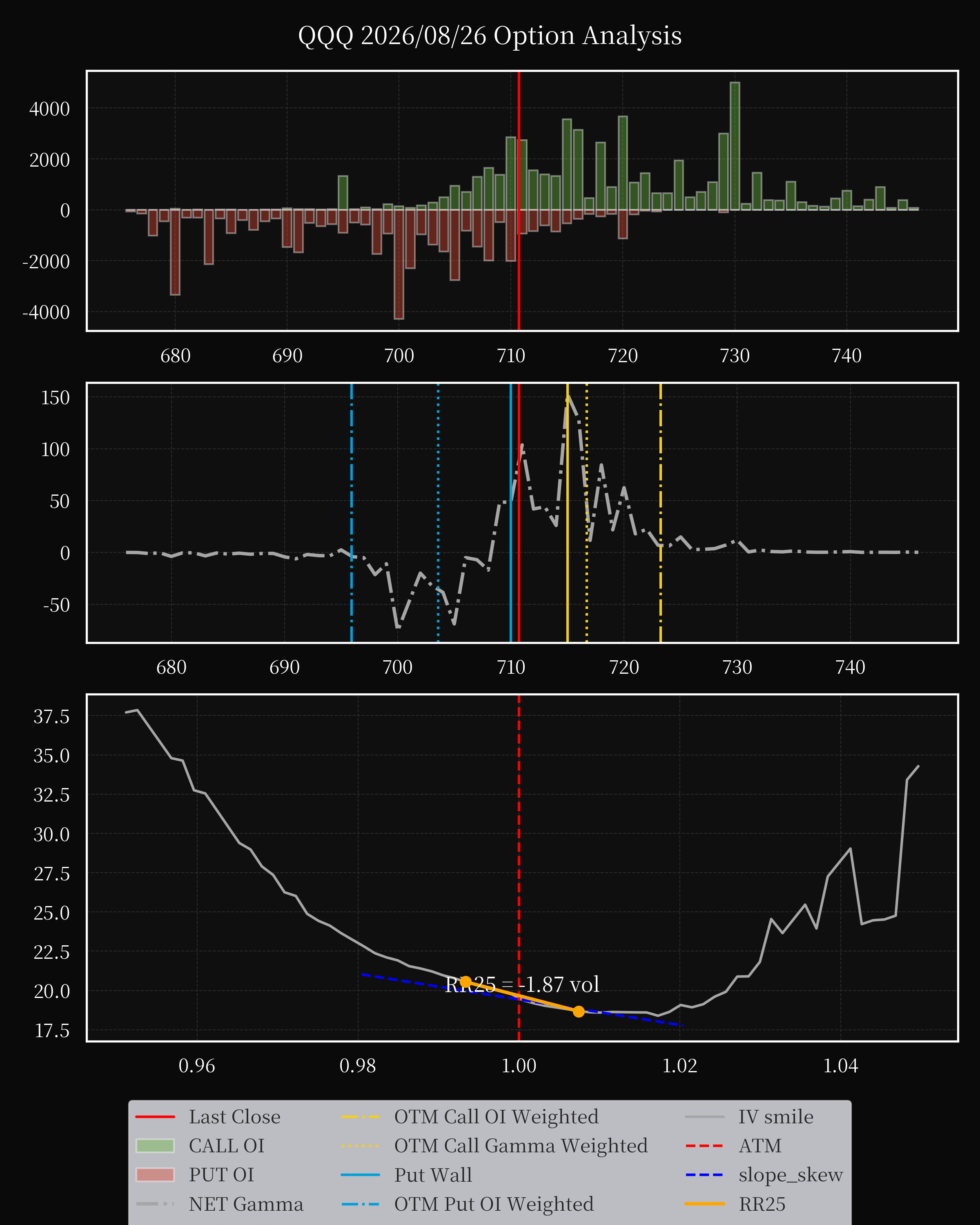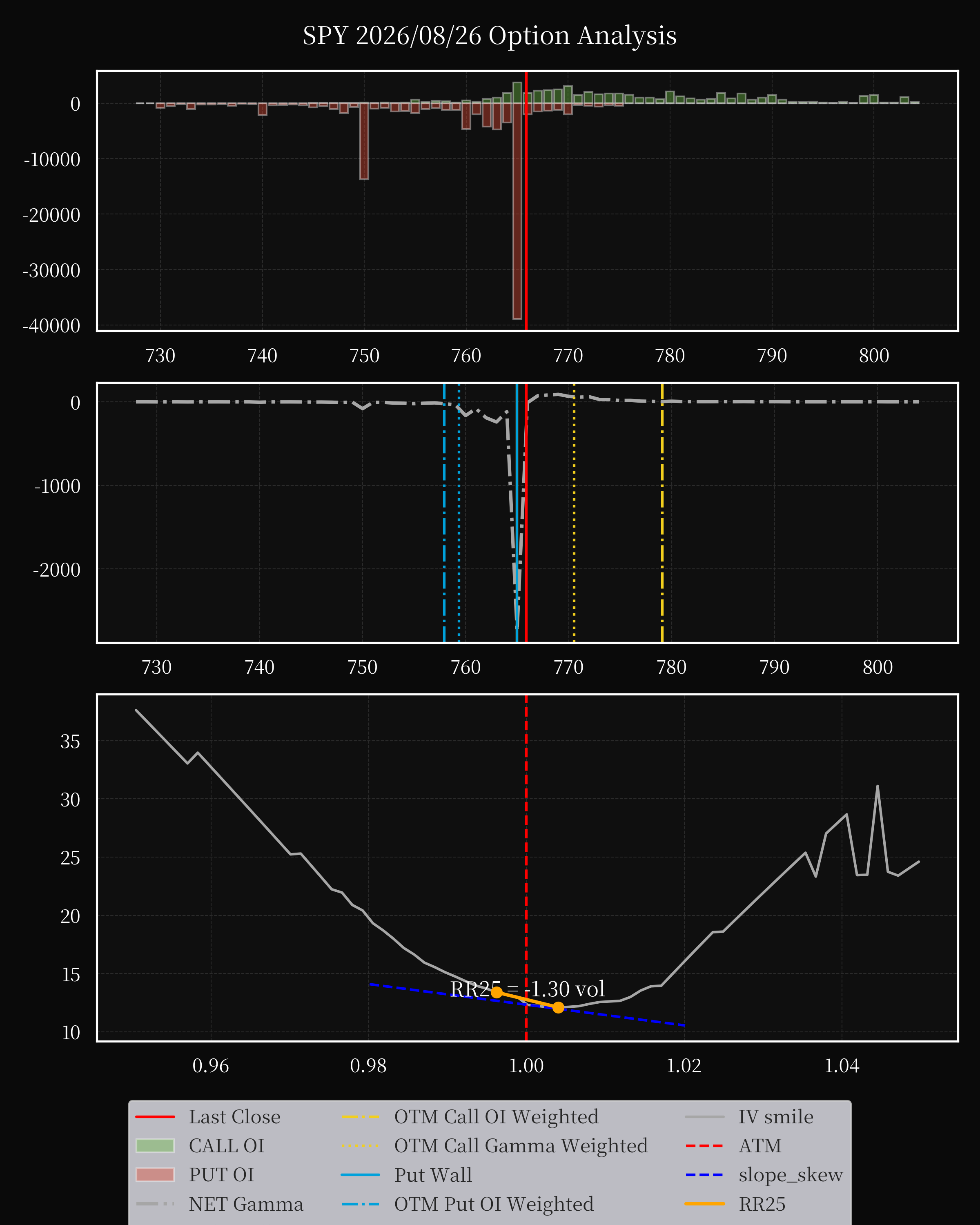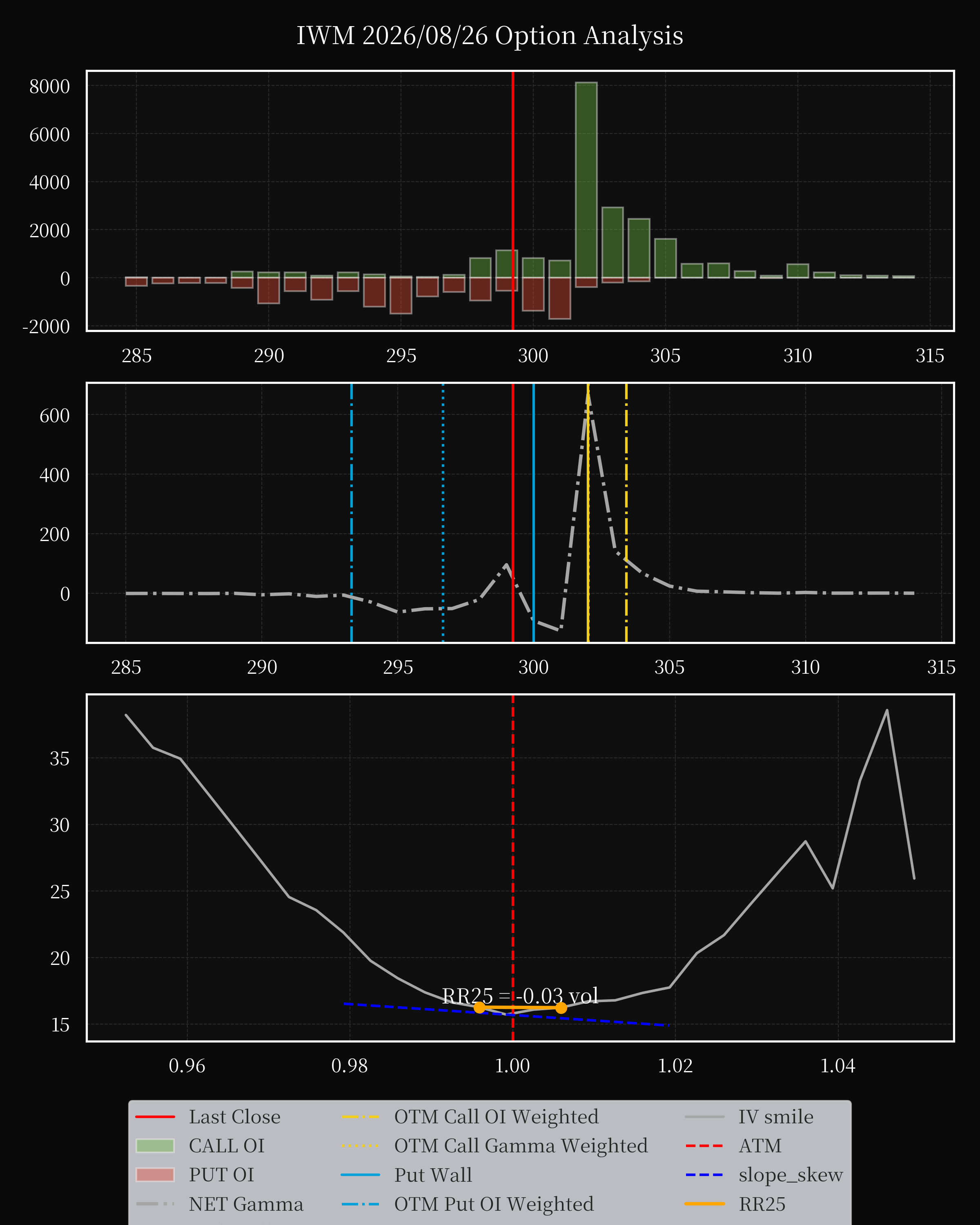
Overall
Markets Ahead: A Cold, Data-Driven Dissection of Tuesday’s Economic Landscape
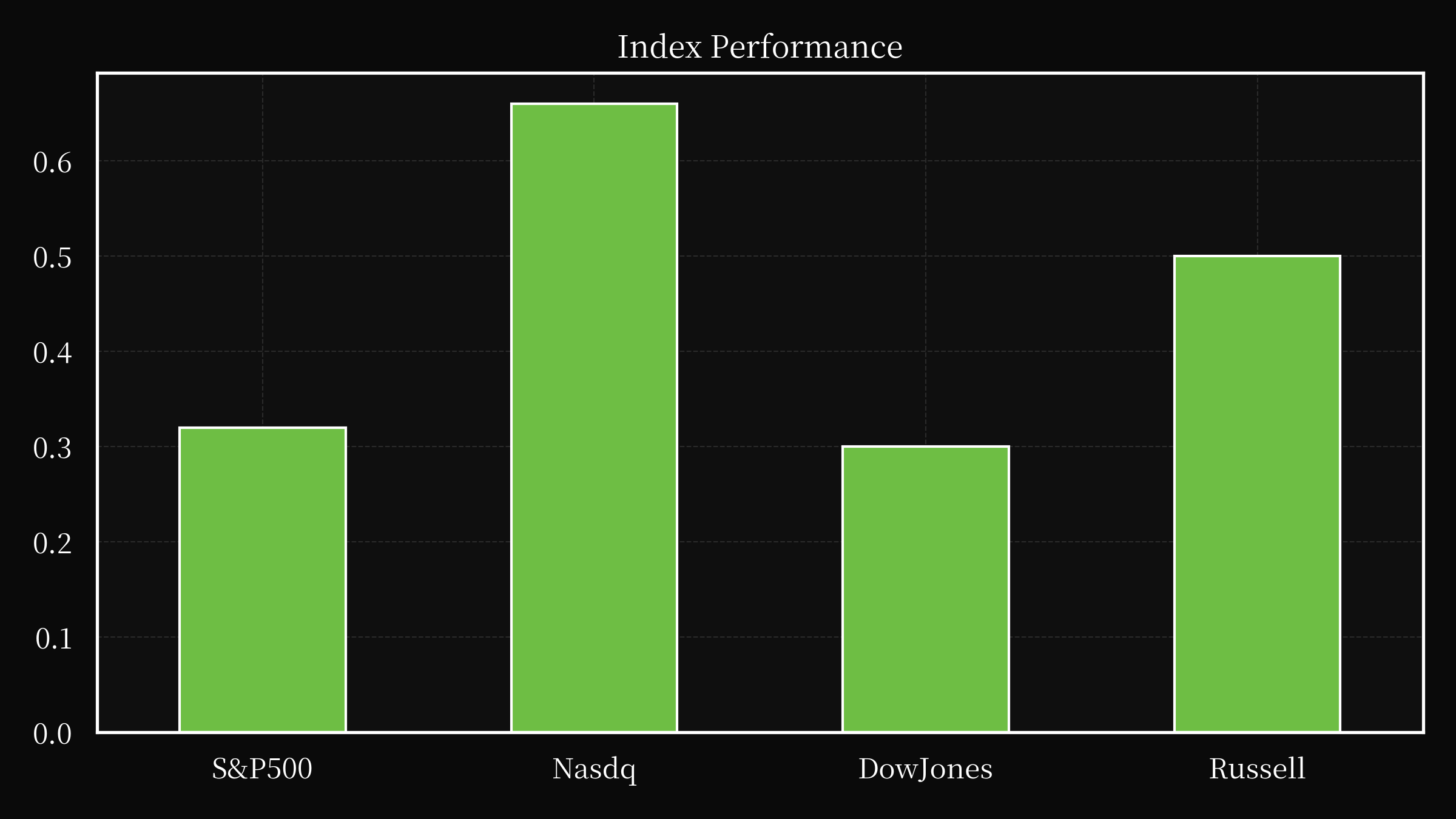
The markets opened Tuesday with a blend of cautious optimism and palpable anxiety, as investors digested a mix of geopolitical brinkmanship, corporate earnings surprises, and the lingering aftershocks of a volatile summer. The S&P 500, Nasdaq, and Dow Jones all posted modest gains, yet none could mask the underlying fractures in the global economic order—from U.S.-Canada trade hostilities to the accelerating race for AI supremacy. This report synthesizes the most consequential developments, distilling their implications for equities, bonds, and commodities, while underscoring the fragile balance sustaining today’s market euphoria.
Geopolitical Friction: Trade Wars and Sanctions as Market Catalysts
The most immediate catalyst for market volatility stemmed from escalating U.S.-Canada tensions. Following the collapse of trade negotiations, Canada announced plans to impose retaliatory tariffs up to 50% on $20 billion in U.S. goods—targeting staples like dairy, steel, and motorcycles—while the U.S. moved to match Canada’s move against digital assets, luxury goods, and automotive parts. These measures risk transforming bilateral trade disputes into a broader economic cold war, with both nations’ currencies and equities exposed to renewed friction. Analysts warn that prolonged tit-for-tat tariffs could erode decades of integrated supply chains, particularly in automotive sectors reliant on cross-border production. Beyond North America, Washington’s announcement of new sanctions against Iran, aimed at crippling its oil exports and financial networks, further destabilized an already fragile Middle East. The specter of wider conflict, coupled with Beijing’s ambiguous stance, has pushed oil prices to a tentative reprieve, yet the risk of sudden escalation remains a shadow over global growth forecasts.
Corporate Earnings: A Tale of Two Tech Titans
The earnings season delivered a stark contrast between Nvidia and its peers, crystallizing divergent narratives for the AI-driven rally. Nvidia, the valuation darling whose chips power generative AI models from OpenAI to Google, defied a seven-day losing streak—the longest since its 2022 peak—to post a 3% gain, buoyed by institutional buying ahead of its Q3 results. This recovery, however, underscores the market’s precarious dependence on a single company’s fortunes. With the broader semiconductor sector languishing amid inventory corrections and weaker-than-expected demand, investors are pinning hopes on Nvidia’s ability to catalyze an AI infrastructure boom. Yet even as the stock rebounds, its dominance raises red flags: a repeat of the 2021 “Magnificent Seven” concentration risk, where mega-caps eclipse smaller innovators.
Compounding this uncertainty, Marvell Technology’s earnings—set to trail Nvidia’s—highlighted the sector’s bifurcation. Marvell’s networking chips, critical for data center interconnects, outperformed expectations, signaling resilience in niche AI hardware bets. This divergence suggests that while Nvidia may anchor the AI narrative, competitors like Marvell could profit from the democratization of AI tools across cloud, edge, and enterprise applications. Meanwhile, Tesla’s Cybercab launch, delayed but undeterred, continues to symbolize the market’s appetite for disruptive narratives—even as its pricing strategy faces scrutiny amid weak consumer demand for EVs.
Commodities and Inflation: A Delicate Balancing Act
Commodity markets offered a fleeting reprieve, with crude oil sliding 3.9% to $88.58 as investors interpreted U.S. tariffs on Iran as a de-escalation of immediate energy supply risks. This dip eased pressure on bond yields, allowing the 10-year Treasury to retreat to 4.62%, yet the reprieve remains fragile. Oil’s volatility reflects deeper uncertainties: while OPEC+ production cuts support prices, the U.S. shale sector’s resurgence and China’s strategic reserves could inject countervailing forces. Concurrently, inflation data revealed a mixed picture—core CPI eased to 3.3% year-over-year, yet shelter costs and wage growth kept expectations anchored near 4%. This duality complicates Federal Reserve policy, as policymakers weigh whether recent price stabilization reflects transitory factors or a return to sustainable equilibrium.
Equity Market Mechanics: Sector Rotation and Structural Shifts
The equity market’s modest gains masked significant sectoral rotations. Technology stocks, buoyed by AI optimism, outperformed, while small-cap and consumer discretionary names faltered under inflationary headwinds and supply chain disruptions. Retail investors, increasingly attuned to macro risks, gravitated toward defensive positions, evidenced by Dick’s Sporting Goods’ 31% intraday plunge amid soft sneaker sales—a microcosm of broader challenges facing brick-and-mortar retailers. Meanwhile, the rise of ETF closures—217 in 2023 alone—signaled institutional recalibration, with asset managers prioritizing liquidity and thematic exposure over legacy products.
Perhaps most consequential was the growing recognition of AI’s asymmetric impact across industries. Beyond Nvidia’s dominance, companies like Palantir and AMD are positioning themselves as specialized enablers of AI infrastructure, while legacy players like Intel and AMD race to reclaim relevance. This shift mirrors a broader technological realignment, where value accrues not to platform owners alone but to firms mastering the “last mile” of AI deployment—from edge computing to enterprise software.
Policy and Political Risks: The Midterm Wildcard
Domestically, the Supreme Court’s procedural ruling on state challenges to mail-in voting has injected volatility into the electoral landscape. Though legal experts dismiss the likelihood of the decision altering election outcomes, its timing—weeks before ballots are cast—has amplified uncertainty, particularly in swing states. This legal limbo intersects with broader political risks: President Trump’s aggressive tariffs and rhetoric on “economic nationalism” have emboldened protectionist policies, yet these measures risk alienating business interests critical to long-term growth. The midterm elections, now less than six weeks away, will serve as a referendum on this approach, with polling indicating a tightening race amid voter concerns over inflation and job security.
Outlook: Navigating Fractures and Fetishes
As markets close Tuesday, three themes dominate the outlook. First, geopolitical tensions—whether in Washington’s sanctions play or Tehran’s nuclear calculus—will remain the wildcard, capable of upending commodity balances and risk appetite overnight. Second, the AI narrative, while still potent, faces scrutiny over valuation excesses and execution risks, particularly for Nvidia and its suppliers. Finally, the Federal Reserve’s response to persistent core inflation and labor market resilience will dictate the pace of rate cuts, with markets increasingly pricing in a 2024 pause.
For investors, the lesson is clear: in an era of fragmented globalization and technological singularity, diversification demands not just sectoral breadth but a granular understanding of how policy, innovation, and geopolitics intersect. The markets’ next move hinges less on earnings surprises than on the ability to anticipate—and adapt to—the next wave of systemic shocks.
---
This analysis is intended for informational purposes only and should not be construed as investment advice. Past performance is not indicative of future results. Always consult a qualified professional before making financial decisions.
Watch List
NYAX
Nayax Ltd. announced a definitive agreement to acquire IPS Group, Inc., a leading provider of smart parking technology, for $350 million in an all-cash transaction. This strategic move significantly expands Nayax’s addressable cashless opportunity by approximately $85 billion, bringing its total potential to $342 billion by 2029. The acquisition combines Nayax’s global payments infrastructure and distribution network with IPS’s established technology, encompassing over 250,000 parking spaces across more than 120 countries, primarily targeting Continental Europe. Together, the companies aim to create a unified platform for cities, offering solutions for curb and run parking alongside EV charging. Nayax’s “playbook” of acquiring vertical solutions and integrating them with its payment stack will be utilized, leveraging IPS’s two decades of field-proven technology and expertise. With IPS’s strong market position and Nayax’s global reach, the combined entity is poised to become a major player in unattended commerce, particularly within the demanding urban environment of cities with strict compliance requirements. The deal is being advised by Jefferies LLC and Reed Smith LLP, while Harris Williams and Kirkland & Ellis LLP are advising IPS Group and Windjammer Capital Investors respectively.
SNT
Senstar Technologies Corporation announced its second-quarter 2026 financial results, reporting a 8% increase in revenue to $10.4 million compared to $9.7 million in the prior year’s second quarter. This growth was largely driven by strong performance from its LiDAR business, particularly within the EMEA and APAC regions, alongside continued momentum in utilities, data centers, and correctional facilities. The integration of Blickfeld, a company specializing in perimeter intrusion detection, contributed significantly to the results, achieving profitable EBITDA and unlocking synergies. Despite temporary impacts from government shutdown-related project delays, the company maintains a healthy pipeline and anticipates a resumption of activity in the second half of the year. Operating expenses increased by 18% due to investments in innovative security solutions and costs associated with the Blickfeld acquisition. While operating income declined due to the inclusion of Blickfeld, financial income improved substantially. Net income decreased to $0.4 million, or $0.02 per share, compared to $1.2 million, or $0.05 per share, in the prior year. The company’s cash position remains strong at $8.0 million. Senstar continues to prioritize revenue conversion and scaling previously delayed projects, demonstrating confidence in its strategy for sustainable, profitable growth. The company will host an investor conference call at 9:00 a.m. Eastern Time to discuss these results further.
AG
First Majestic Silver Corp. has filed a NI 43-101 technical report for its Los Gatos Silver Mine, supporting existing mineral resource and reserve estimates. The report, effective as of August 25, 2026, confirms the mine’s Measured and Indicated Mineral Resources, totaling significant volumes of silver, gold, and copper, with a 70% attributable interest to First Majestic through the Los Gatos Joint Venture. The report also details Proven and Probable Mineral Reserves, aligning with the same effective date and ownership structure. The technical work was conducted by a team of qualified persons adhering to NI 43-101 standards and incorporates data verified through robust QA/QC programs. Notably, the Mineral Resource estimates remain consistent with prior disclosures, reflecting mining depletion through December 31, 2025. First Majestic’s operations include four mines in Mexico and a development project in Nevada, and the company also operates a minting facility. The technical report provides detailed tonnage, metal content, and grade information, available for review on SEDAR+. The company emphasizes that the Mineral Resources are not guaranteed to be converted into reserves, highlighting the inherent uncertainties associated with mining projects.
GLPG
Lakefront Biotherapeutics NV (LKFT) announced several key developments. Firstly, the company repurchased 117,471 of its own shares through a discretionary mandate between August 17th and 21st, 2026, bringing its total outstanding shares to 1,033,528. Secondly, the FDA granted Orphan Drug Designation to gamgertamig, a BCMAxCD3 bispecific T cell engager, for the treatment of pemphigus, a debilitating autoimmune disease. Gamgertamig is being jointly developed with Gilead Sciences and is currently in Phase 2 studies, with plans for expanded clinical trials in 2027, including a 1b study with autoimmune cytopenias and another focusing on seropositive autoimmune diseases. Lakefront is also working with Keymed Biosciences, who holds the rights to develop the program in Greater China. Additionally, Bank of America Corporation has crossed the 10% threshold of Lakefront’s voting rights, triggering a transparency notification under Belgian law. Lakefront Biotherapeutics is focused on developing medicines for serious diseases with high unmet needs, anchored by gamgertamig, and backed by a strong capital position. The company’s future success is dependent on navigating clinical trial risks and regulatory approvals, as highlighted in its forward-looking statements.
CLIK
Click Holdings Limited, a leading provider of HR and senior care solutions in Hong Kong, announced a robust fourth-quarter performance, particularly within its logistics segment, which experienced a remarkable surge of over 42% year-over-year. This impressive growth was fueled by optimization efforts, successful onboarding of enterprise clients, and favorable market conditions in Hong Kong and Mainland China that continue to support flexible logistics staffing needs. The company achieved a record monthly revenue of HK$4.4 million in June and delivered over 135,000 service hours during Q4, demonstrating strong client trust in its talent platform. Strategic investments in enhancing the digital platform, coupled with targeted digital marketing, have successfully reduced acquisition costs while attracting significant enterprise clients. The logistics division is now generating strong operating leverage and cash flow, providing a solid foundation for expansion plans, including the development of its high-margin Care U senior care platform. With a talent pool exceeding 25,000 professionals across nursing, logistics, and professional services, Click Holdings is strategically positioned to capitalize on market opportunities within Hong Kong and the Greater Bay Area. The company’s forward-looking statements acknowledge the inherent risks and uncertainties associated with its operations and future projections.
SLF
Sun Life Financial Inc. and Wilton Re have announced a strategic partnership to establish Windsor Life Re, a U.S.-affiliated reinsurer supported by capital commitments from both companies. This collaboration combines Wilton Re’s reinsurance expertise with Sun Life’s insurance and asset management capabilities. Initially, Windsor Life Re will reinsure approximately US$1.7 billion in in-force life and annuity blocks from Wilton Re, with SLC Management, Sun Life’s asset manager, serving as lead asset manager for a new reinsurance vehicle targeting up to US$10 billion in assets. The partnership is expected to deploy around US$900 million in capital, solidifying Sun Life’s strategic goal to expand its global alternatives asset manager, SLC Management, which manages US$316 billion in assets. Windsor Life Re’s growth is anticipated to reach approximately US$10 billion, further enhancing Sun Life’s presence in the U.S. life insurance and annuity market. The launch of the partnership is projected for the first half of 2027, subject to regulatory approvals. This move represents a significant step for both companies, leveraging their respective strengths to create a robust and scalable reinsurance and asset management platform.
DPRO
Draganfly Inc. has appointed Brigadier General AJ Pasagian, a retired U.S. Marine Corps Commander and former Commanding General of Marine Corps Systems Command, as President of Draganfly Defense USA Operations. This strategic move reflects the company’s response to surging demand for its defense and security products and services within the rapidly evolving drone technology market. General Pasagian will lead Draganfly Defense USA, overseeing strategic growth, strengthening government and industry relationships, and expanding the company’s operational footprint. Prior to joining Draganfly, he held leadership roles at KPMG, bringing over 35 years of experience in defense acquisition and government operations to the role. CEO Cameron Chell highlighted Pasagian’s expertise as crucial for meeting U.S. demand for Draganfly’s defense capabilities, while Pasagian expressed enthusiasm for building upon Draganfly’s established position as a North American leader in drone technology and autonomous systems, with a focus on delivering reliable solutions to U.S. defense and government customers. This appointment underscores Draganfly’s commitment to expanding its U.S. operations and solidifying its role in transforming industries through innovative drone solutions.
ING
ING announced significant progress on its €1.0 billion share buyback program, repurchasing 1,755,612 shares during the week of August 17-21, 2026, at an average price of €30.24, totaling €53.09 million. To date, the bank has repurchased 22,495,805 shares under the program at an average price of €27.45, representing approximately 61.74% of the total buyback value of €617.41 million. These actions are aimed at reducing ING’s share capital. ING, a global financial institution with a strong European presence, highlighted its commitment to sustainability, evidenced by an MSCI ESG rating upgrade to ‘AAA’ in October 2025 and a Sustainalytics ESG risk rating of 16.7. The bank’s annual accounts adhere to IFRS-EU standards and are regularly assessed by independent research providers, including Euronext, STOXX, Morningstar, and FTSE Russell. It’s important to note that all figures are unaudited and subject to potential rounding differences. Furthermore, forward-looking statements within the document are subject to change and reflect ING’s current assessment of market conditions and potential risks.
ENGS
Energys Group Limited, a specialist in energy efficiency and decarbonization solutions for the built environment, has significantly bolstered its capabilities through the acquisitions of two key partners: Cube Lighting and Design Limited and Cube Solar Installations Limited, both effective August 20, 2026. These acquisitions, valued at strengthening Energys Group’s offerings within energy-efficient lighting and solar technologies, represent a strategic move to enhance service delivery and customer value. Cube Lighting, a specialist in LED lighting and decarbonization, and Cube Solar, a turnkey solar PV and battery storage business, bring complementary expertise to the company’s existing portfolio. CEO Cox highlighted the excitement surrounding the integration, emphasizing the opportunity to build upon the combined strengths of the businesses and capitalize on the growing demand for energy reduction and renewable solutions within the UK market. Roberts, Director of Cube Lighting, echoed this sentiment, expressing pride in the team’s transition into the Energys family and the significant milestone achieved. Energys Group, which began as an energy conservation consultancy in 1998, continues to expand its reach and impact, aligning with the UK’s Net Zero agenda by delivering innovative solutions for both public and private sector organizations.
HITI
High Tide Inc. (HITI), a cannabis retail and operations company, announced it will release its third fiscal quarter 2026 financial results after market close on September 14, 2026. Following the release, the company will host a webcast at 11:30 AM Eastern Time on September 15, 2026, featuring Founder and CEO Raj Grover and CFO Mayank Mahajan. The webcast will cover the company’s financial performance and outlook for the remainder of the fiscal year. High Tide operates primarily through its Canna Cabana retail chain, the largest cannabis retail brand globally with 229 locations across Canada and one internationally, and also manages e-commerce platforms and a pharmaceutical import business, Remexian, focused on medical cannabis distribution. The company has been recognized for its growth, appearing on both Canada’s Top Growing Companies and the Financial Times list of Americas’ Fastest Growing Companies. However, the release cautioned that forward-looking statements are inherently uncertain and subject to various risks, including those outlined in the company’s risk factors. The information was provided by High Tide Inc. and neither the TSXV nor its Regulation Services Provider accepts responsibility for its accuracy.
IAN Financial Vision is an AI-native financial research platform combining proprietary knowledge graphs, quantitative valuation models, and large language models to generate point-in-time investment research. All reports are produced using a structured research workflow with human review prior to publication..