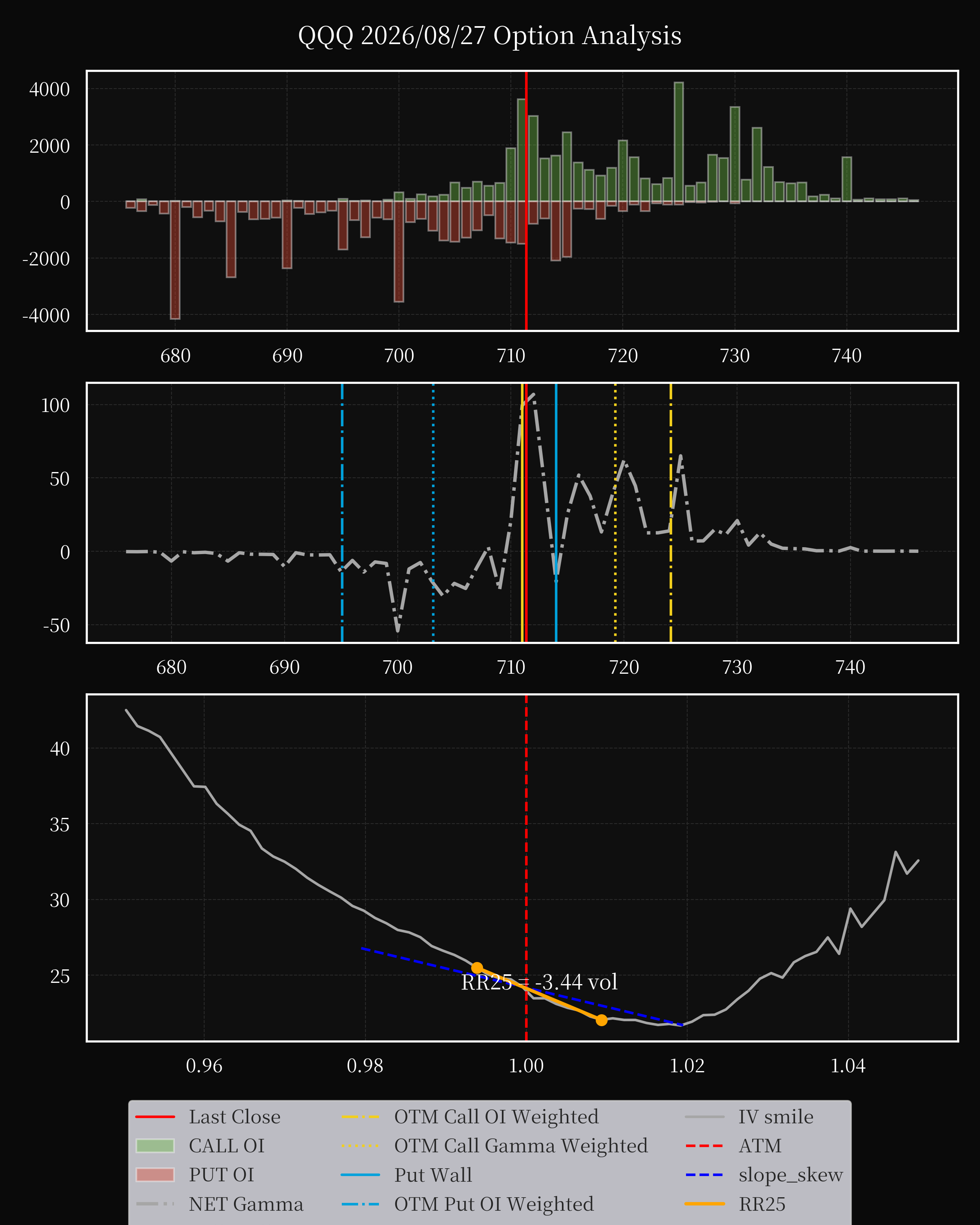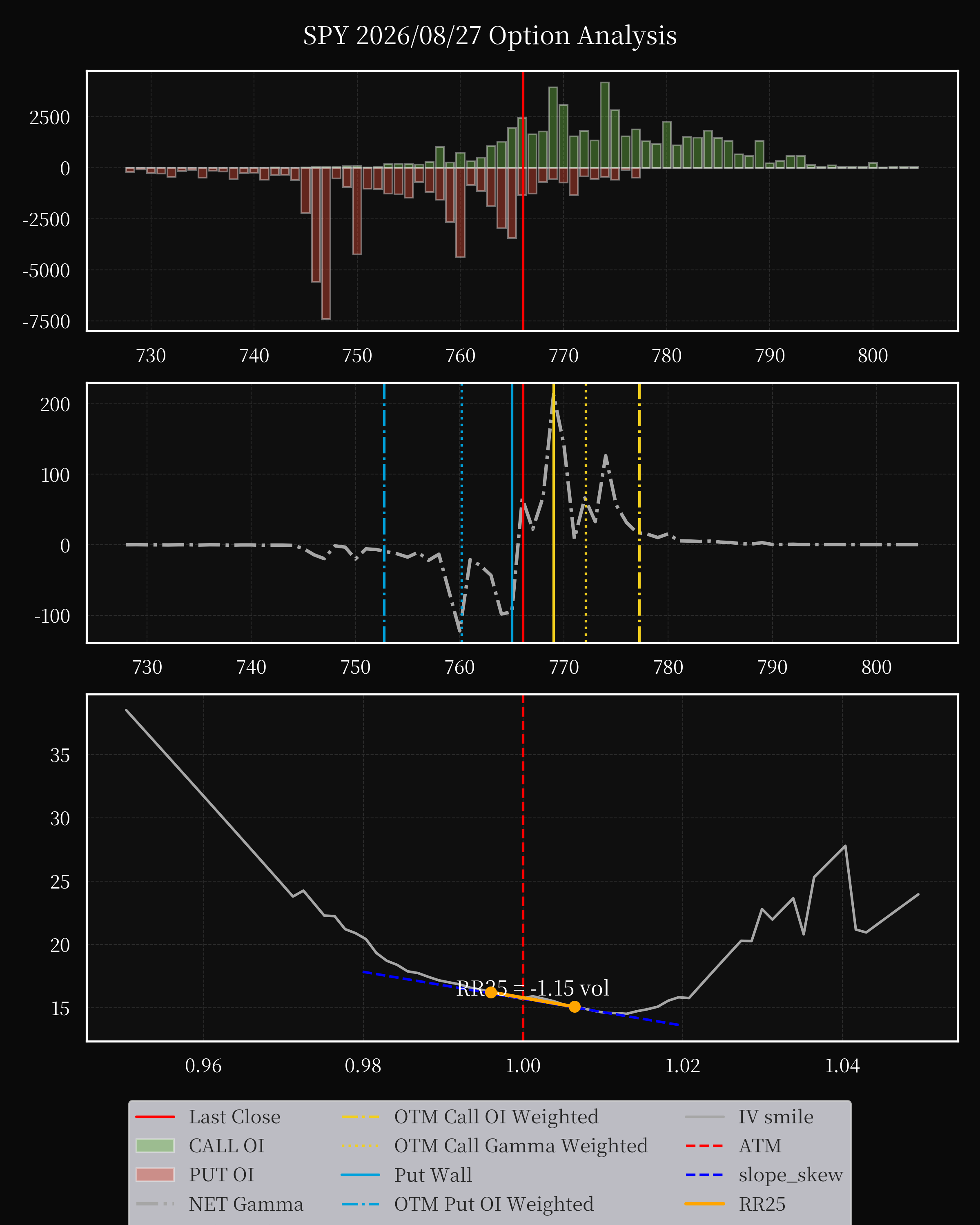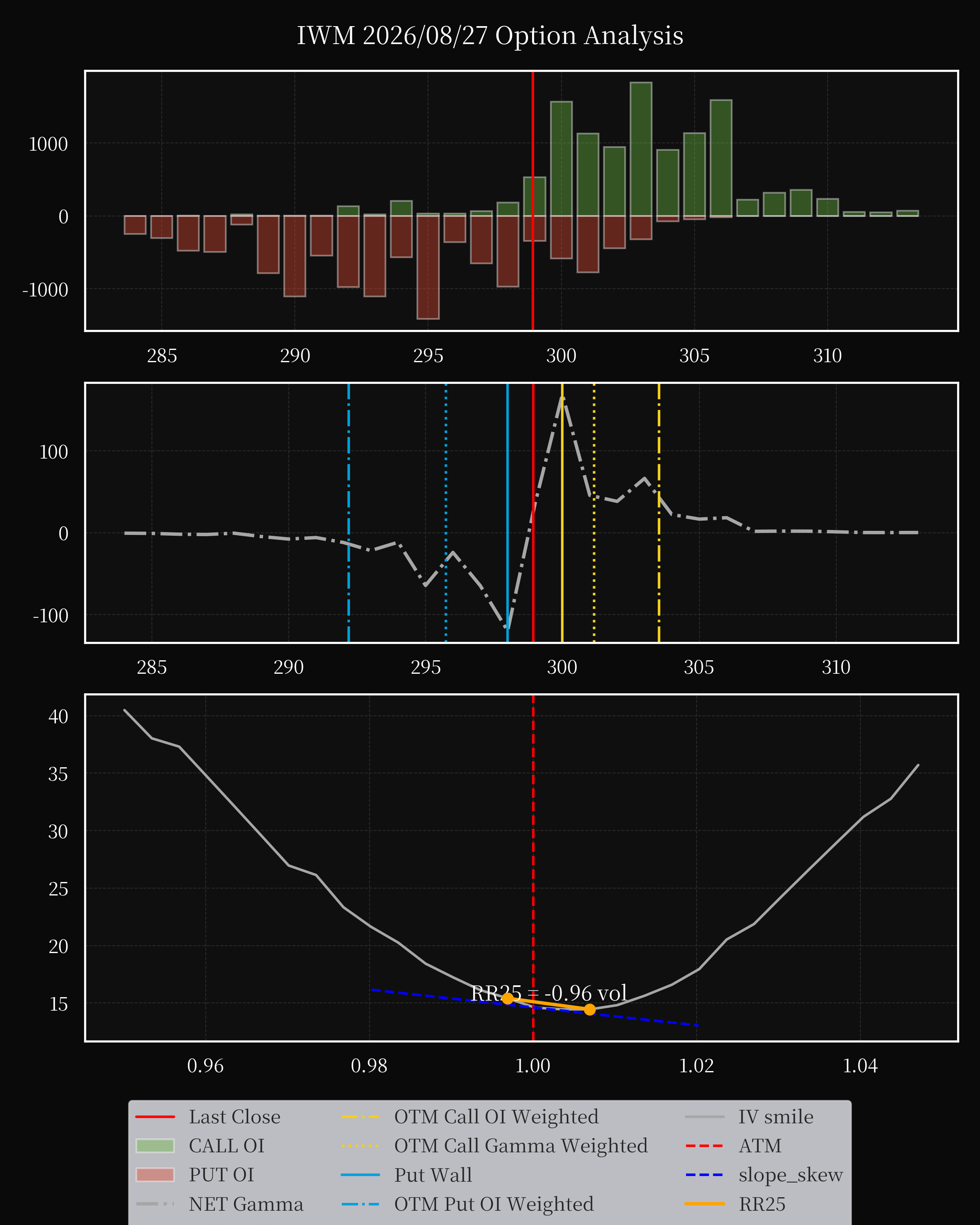
Overall
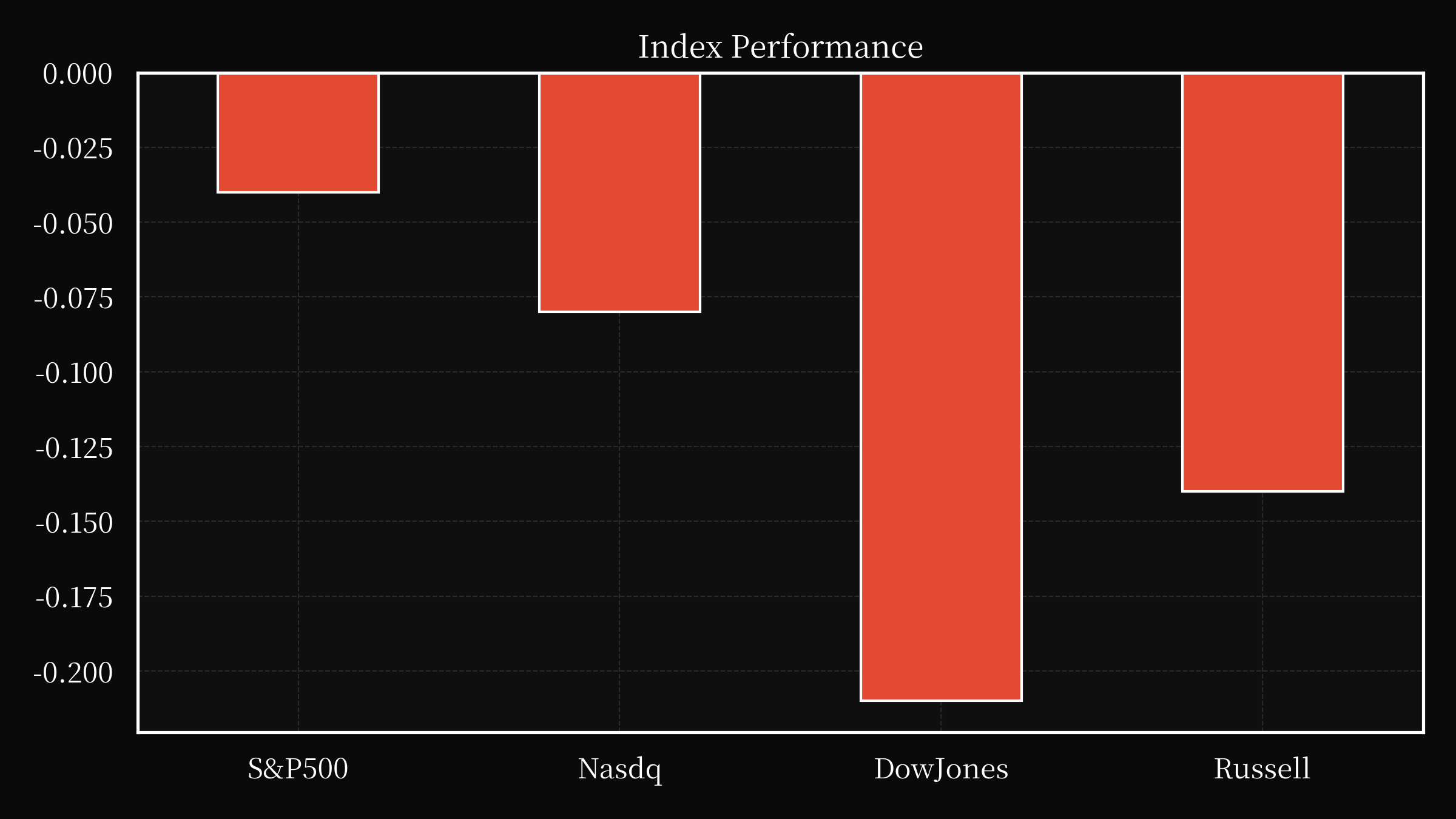
The U.S. equity markets closed Wednesday with a mix of resolution and caution, as major corporate settlements, earnings reports, and macroeconomic data shaped the trading day. The most significant headline centered on Meta Platforms’ $18 billion settlement with 48 state attorneys general over allegations of harm to teenagers, a development that triggered a modest rally in the company’s shares. The agreement, which also mandated a two-hour time limit for users under 18 on its social media platforms, underscored the intensifying regulatory scrutiny facing Big Tech. This outcome, coupled with Meta’s broader strategic pivot toward younger demographics and content moderation, signaled a recalibration of risk management priorities. The stock’s 1.1% gain reflected both relief at avoiding protracted litigation and the market’s recognition of the settlement’s potential to mitigate future regulatory penalties and reputational damage.
Simultaneously, Nvidia’s earnings release dominated market sentiment, as the AI chip giant posted record quarterly results with revenue of $96.2 billion, surpassing analyst expectations. Net income of $59.7 billion further reinforced Nvidia’s position as the linchpin of the current AI-driven growth cycle. The results, however, were accompanied by a muted reaction from investors, who remain wary of whether the AI spending boom can sustain its momentum amid broader economic uncertainties. The stock’s slight intraday decline, despite the earnings beat, highlighted the market’s bifurcated view: optimism about Nvidia’s technological leadership and long-term prospects, tempered by concerns over valuation multiples and cyclical demand risks. Analysts emphasized the company’s expanding role in data center infrastructure and generative AI development, yet cautioned that near-term growth could decelerate if enterprise adoption slows or if geopolitical tensions disrupt supply chains.
The Federal Reserve’s latest inflation data added another layer of complexity to market dynamics. The core personal consumption expenditures (PCE) price index held steady at 3.7% in July, marginally above the Fed’s 2% target, with the exclusionary figure rising to 3.3% when food and energy prices were removed. This outcome maintained pressure on the Fed to keep interest rates elevated, reinforcing the broader macroeconomic backdrop of tightening monetary policy. The persistence of inflationary pressures, even in a moderated form, constrained the upside for risk assets, as higher borrowing costs weighed on growth-oriented equities and heightened sensitivity to earnings volatility. The data also underscored the Fed’s dilemma: balancing inflation control against the risk of triggering a broader economic slowdown, particularly as labor markets remain robust but consumer spending shows signs of moderation.
In the broader equity landscape, market participants gravitated toward defensive positioning amid mixed signals from corporate results and inflation trends. The Dow Jones Industrial Average’s modest gains were driven by industrial and financial sectors, reflecting optimism around infrastructure spending and higher interest rate environments, while technology stocks experienced divergent performance. Meta’s settlement and Nvidia’s earnings provided focal points for sector-specific narratives, but broader indices like the S&P 500 and Nasdaq faced headwinds from profit-taking and uncertainty over future earnings growth. Retail and consumer discretionary stocks, including Dollar General and Dollar Tree, saw volatility tied to earnings revisions and inventory management concerns, illustrating the challenges facing traditional brick-and-mortar businesses in an increasingly digital economy.
Corporate governance and social responsibility themes also gained prominence, particularly in light of Bill Gates’ public warnings about the societal disruptions caused by rapid AI adoption. His essay, published on his personal website, warned of the “turbulent” transition ahead for workers displaced by automation and artificial intelligence, urging leaders to prepare for the human capital implications of technological advancement. This commentary resonated amid ongoing debates about AI’s role in reshaping labor markets, education systems, and corporate accountability frameworks. The convergence of regulatory action, earnings performance, inflation dynamics, and societal concerns painted a picture of an economy at a crossroads, where innovation and risk management must coexist amid shifting expectations from investors, policymakers, and the public.
The interplay between these factors underscored the market’s evolving risk appetite and its reliance on clear, actionable developments to guide decision-making. While Meta’s settlement and Nvidia’s earnings provided concrete catalysts for short-term volatility, the broader environment remained sensitive to shifts in monetary policy, geopolitical developments, and corporate strategy. Investors, balancing growth optimism against macroeconomic headwinds, approached equities with a cautious lens, prioritizing companies demonstrating resilience, adaptability, and disciplined capital allocation. The day’s trading concluded with a sense of measured progress, yet the underlying themes—regulatory pressure, technological disruption, and inflationary constraints—continued to define the contours of market strategy and performance in the months ahead.
The U.S. equity markets closed Wednesday with a blend of resolution and uncertainty, as corporate settlements, earnings reports, and macroeconomic indicators collectively shaped the day’s narrative. The most consequential development was Meta Platforms’ $18 billion settlement with 48 state attorneys general over allegations of harm to teenagers, a resolution that brought a degree of clarity to an otherwise ambiguous legal landscape. The agreement, which included a two-hour daily usage cap for users under 18, addressed immediate regulatory concerns while signaling Meta’s willingness to adapt its platform policies under external pressure. This outcome, combined with the company’s broader strategic adjustments aimed at retaining younger users, reflected a recalibration of risk management priorities in response to intensifying scrutiny from lawmakers and advocacy groups. The stock’s modest 1.1% gain underscored the market’s recognition of the settlement’s potential to mitigate future liabilities and reputational damage, even as it acknowledged the ongoing challenges of balancing user engagement with responsible content moderation.
Simultaneously, Nvidia’s earnings report dominated headlines, as the AI chip leader posted record quarterly results with revenue of $96.2 billion and net income of $59.7 billion, surpassing analyst expectations. The results reinforced Nvidia’s dominance in the AI infrastructure market, driven by surging demand for its GPUs in data centers and generative AI applications. However, the stock’s slight intraday decline despite the earnings beat highlighted investor caution regarding the sustainability of the AI spending cycle. Analysts emphasized the company’s expanding role in enterprise computing and cloud services, yet cautioned that near-term growth could decelerate if global demand for high-end chips softened or if supply chain constraints emerged. The market’s bifurcated view—optimism about Nvidia’s technological leadership tempered by concerns over valuation multiples—reflected broader uncertainties about whether AI adoption could maintain its current pace amid macroeconomic headwinds.
The Federal Reserve’s latest inflation data further complicated market dynamics, as the core personal consumption expenditures (PCE) price index held steady at 3.7% in July, marginally above the Fed’s 2% target. The exclusionary figure, rising to 3.3% when excluding food and energy prices, reinforced the central bank’s imperative to maintain restrictive monetary policy. This outcome constrained the upside for risk assets, as higher borrowing costs weighed on growth-oriented equities and amplified sensitivity to earnings volatility. The persistence of inflationary pressures, even in a moderated form, underscored the Fed’s delicate balancing act between curbing price pressures and avoiding a broader economic contraction. The data also highlighted the fragility of the recovery in consumer spending, which showed signs of moderation despite resilient labor market conditions, adding to concerns about the durability of the current expansion.
Sector-specific trends further illustrated the market’s nuanced response to divergent corporate performances. The Dow Jones Industrial Average’s modest gains were driven by industrial and financial stocks, reflecting optimism around infrastructure spending and higher interest rate environments, while technology stocks experienced mixed outcomes. Meta’s settlement provided a focal point for tech sector sentiment, but broader indices like the S&P 500 and Nasdaq faced pressure from profit-taking and uncertainty over future earnings growth. Retail and consumer discretionary names, including Dollar General and Dollar Tree, saw volatility tied to inventory management concerns and earnings revisions, underscoring the challenges facing traditional retailers in an increasingly digital economy. Meanwhile, the cybersecurity sector benefited from heightened awareness of AI-driven threats, as CrowdStrike’s stock surged on a full-year earnings forecast exceeding expectations, signaling sustained demand for advanced threat detection solutions.
Corporate governance and social responsibility themes gained prominence amid Bill Gates’ public warnings about the societal disruptions caused by rapid AI adoption. His essay, published on his personal website, warned of the “turbulent” transition ahead for workers displaced by automation and artificial intelligence, urging leaders to prepare for the human capital implications of technological advancement. This commentary resonated within broader debates about AI’s role in reshaping labor markets, education systems, and corporate accountability frameworks. The convergence of regulatory action, earnings performance, inflation dynamics, and societal concerns painted a picture of an economy at a crossroads, where innovation and risk management must coexist amid shifting expectations from investors, policymakers, and the public.
The interplay between these factors underscored the market’s evolving risk appetite and its reliance on clear, actionable developments to guide decision-making. While Meta’s settlement and Nvidia’s earnings provided concrete catalysts for short-term volatility, the broader environment remained sensitive to shifts in monetary policy, geopolitical developments, and corporate strategy. Investors, balancing growth optimism against macroeconomic headwinds, approached equities with a cautious lens, prioritizing companies demonstrating resilience, adaptability, and disciplined capital allocation. The day’s trading concluded with a sense of measured progress, yet the underlying themes—regulatory pressure, technological disruption, and inflationary constraints—continued to define the contours of market strategy and performance in the months ahead. The convergence of these forces reinforced the necessity for proactive risk management, strategic agility, and long-term vision in navigating an increasingly complex and interconnected global economy.
Watch List
NVDA
NVIDIA Corporation announced its second quarter fiscal 2027 results, reporting a record revenue of $96.2 billion, a 106% increase year-over-year and an 18% increase sequentially. This growth was primarily driven by Data Center revenue at $89.0 billion, up 117% year-over-year, and Edge Computing revenue at $7.2 billion, up 27% year-over-year. The company’s gross margins remained strong at 75.0% for both GAAP and non-GAAP figures. Jensen Huang highlighted the “inflection point” for AI, emphasizing the accelerating demand and the expansion of AI labs and infrastructure buildout. NVIDIA returned approximately $26.0 billion to shareholders through share repurchases and cash dividends. The company’s outlook for the third quarter projects revenue of $108.0 billion, with a focus on continued growth in Data Center and Edge Computing. Key developments included the full production ramp of the Vera Rubin platform, supporting partners like Google Cloud and Microsoft Azure, and the arrival of NVIDIA Spectrum-6 switch systems and NVIDIA Vera CPUs. Furthermore, NVIDIA unveiled new innovations like the NVIDIA Vera BlueField™-4 STX and launched the NVIDIA DSX™ platform, alongside strategic partnerships to mobilize $500 billion in third-party capital for AI infrastructure. The company also announced continued strong performance in MLPerf benchmarks and expanded its security innovations for AI systems, solidifying its leadership in the rapidly evolving AI landscape.
SSEA
This is a complex legal document, and I've analyzed it to provide a breakdown of its key components and their significance. Here's a summary, categorized for clarity: I. Core Agreements & Obligations: * Overall Commitment: The document establishes a framework for a merger between Starry Sea Acquisition Corp (SSEA) and SuperiorMed Holdings Limited. It’s a detailed agreement outlining the steps, conditions, and responsibilities of both parties. * Key Transaction: The core of the agreement is the merger, involving SSEA absorbing SuperiorMed. This creates a new entity (SuperiorMed Healthcare Group) that will be publicly traded. * Lock-Up Agreement: A significant portion of the SSEA shareholders (the “Principal Shareholders”) will be subject to a 180-day lock-up period after the transaction closes, restricting their ability to sell their shares. This is common in SPAC mergers to provide stability for the new company. * Ongoing Compliance: Both parties are obligated to comply with all applicable laws, regulations, and agreements, including those related to securities offerings and tax matters. II. Key Provisions & Clauses: * Reasonable Best Efforts: Both parties commit to using “reasonable best efforts” to fulfill their obligations, indicating a high level of commitment but also acknowledging that success isn’t guaranteed. * Consent to Third-Party Agreements: The agreement requires the company to obtain consents from various third parties (e.g., landlords, regulatory bodies) to ensure a smooth transition. * Key Personnel Agreements: Key employees of the company will sign non-disclosure, non-solicitation, and non-compete agreements to protect the company’s intellectual property and customer relationships. * Equity Incentive Plan: The acquiring company (SSEA) will establish an equity incentive plan to attract and retain key personnel. * Financial Reporting: The company is obligated to provide regular financial statements to the acquiring company, ensuring transparency and accountability. * Tax Compliance: The parties are responsible for paying all applicable taxes and complying with tax regulations. * Continuity of Premises: The company must ensure that its leased premises remain available for use. * Material Adverse Effect (MAE): A crucial clause – if a “Material Adverse Effect” occurs, the acquiring company can terminate the agreement. The definition of MAE is intentionally broad, giving the acquirer significant leverage. *
MERC
Mercer International Inc. has secured a CAD$20 million (approximately US$14 million) investment from the Government of Canada, through Prairies Economic Development Canada (PrairiesCan), to support its Mercer Peace River Pulp Ltd. subsidiary. This funding, part of the Regional Tariff Response Initiative, will be used to modernize the mill in northern Alberta, focusing on improvements to productivity, carbon capture and storage, and expansion capabilities. The investment includes a CAD$1 million contribution and a repayable CAD$19 million contribution, slated for repayment in 2031. The announcement highlights the company’s commitment to strengthening its operations and bolstering the regional forest products economy. Mercer CEO Juan Carlos Bueno emphasized the investment's importance in modernizing the mill and supporting jobs in northern Alberta. The funding builds upon existing carbon dioxide capture demonstration unit work. This initiative underscores the Canadian government’s support for businesses impacted by trade challenges and aims to foster a more resilient and competitive forestry sector.
AME
AMETEK, Inc. has completed its acquisition of a portfolio of instrumentation businesses from Indicor, LLC, for a total transaction value of $5.0 billion in an all-cash deal. This acquisition brings together Indicor Instrumentation, a leading manufacturer of mission-critical solutions for industrial and scientific applications, with AMETEK’s existing Electronic Instruments Group and Electromechanical Group. The deal is expected to contribute approximately $350 million to AMETEK’s 2026 sales and will be modestly accretive to the company’s 2026 adjusted earnings. Indicor’s products cater to attractive end markets aligning with AMETEK’s portfolio and generating significant revenue from consumables, services, and aftermarket support. AMETEK’s Chairman and CEO, David A. Zapico, expressed excitement about the strategic fit and the team’s expertise, highlighting opportunities for integration and value creation within AMETEK’s established operating model.
CSR
Following a recent adjustment, 05 Real Estate & Construction has modified its revolving credit agreement. Specifically, the company opted to terminate an accordion option that had previously expanded its borrowing capacity to $400 million. This action, effective August 28, 2026, reduces the available borrowing capacity back to its original $250 million level. This adjustment was triggered by a notification to the Bank of Montreal, the administrative agent, and follows a prior increase in the credit agreement’s capacity to $400 million in May 2025. The core terms of the agreement remain unchanged aside from this reduction in borrowing capacity.
HPQ
HP Inc. announced a strong third-quarter fiscal 2026, reporting net revenue of $15.7 billion, up 12.5% year-over-year in constant currency. This growth was driven by increased sales in premium products and new customer acquisition across segments including WXP, Print, workstations, and AI PCs. The company highlighted strategic improvements in memory supply and fulfillment rates, alongside a focus on environmentally conscious practices. Interim CEO Bruce Broussard emphasized the company’s strategic positioning as an edge platform leader in the evolving AI landscape. HP’s financial performance also showed positive signs, with net cash provided by operating activities reaching $1.7 billion and a free cash flow of $1.6 billion. Accounts receivable and inventory levels were monitored closely, with inventory remaining relatively stable. The company raised its full-year free cash flow guidance to a range of $3.0 to $3.2 billion. Segmentally, Personal Systems revenue increased by 18% (17% in constant currency), while Printing revenue decreased by 2% (4% in constant currency). Despite a 16% overall unit decline, Commercial Personal Systems saw a 22% increase. HP also announced a repurchase of approximately 12.2 million shares of common stock and raised its FY26 estimates for free cash flow. The company continues to navigate a challenging cost environment while investing in long-term growth, reflecting a commitment to innovation and strategic positioning within the AI market.
AMIX
Autonomix Medical, Inc. has entered into a warrant inducement offer with an investor to sell up to 857,462 shares of its common stock. This transaction involves the exercise of existing Series D-1 and D-2 warrants at a price of $5.75 per share, with an anticipated gross proceeds of approximately $4.9 million before fees. The shares are registered for resale, and the company expects to receive this revenue upon completion. New warrants will be issued immediately exercisable at $6.25 per share, subject to adjustments for stock dividends, splits, or other corporate events. These new warrants have a cashless exercise option if no registration statement is available six months after issuance. Maxim Group LLC is acting as financial advisor for the transaction, receiving a 7.0% fee of the total proceeds. The company agreed to file a registration statement (Form S-3) for the resale of the new warrant shares, aiming for an effective filing within 45-75 days. The Holder of the New Warrants has certain rights, including the potential to receive consideration equal to the Black Scholes value in the event of a fundamental transaction, and the right to receive the same type of consideration as common stockholders. The company will file a registration statement for the resale of the new warrant shares and use commercially reasonable efforts to have it declared effective within the specified timeframe. Finally, the company agreed to pay liquidated damages of $1,000 per warrant share if delivery is not timely made.
VCTR
Victory Capital Holdings, Inc. (“Victory”) has announced its acquisition of First Eagle Investments, a global asset manager with approximately $222 billion in assets under management, for $7.0 billion. This transformative transaction will combine Victory’s capabilities with First Eagle’s, resulting in a company managing approximately $571 billion in client assets. The deal is subject to customary closing conditions and is expected to close in the first quarter of 2027. Victory intends to operate First Eagle’s platform while retaining its brand and investment processes, focusing on a differentiated global value multi-asset capability and complementary equity and fixed income expertise. Key benefits include enhanced organic growth, a larger distribution footprint, and access to First Eagle’s $41 billion CLO and alternative credit platform. The acquisition is projected to be approximately 35% accretive to 2027E adjusted earnings per share, with synergies of $280 million. Following the transaction, Victory Capital will be one of the largest publicly traded traditional asset managers in the U.S. Genstar Capital, the current owner of First Eagle, will retain a stake of approximately 14.6% in Victory Capital on a fully diluted, as-converted basis. The company’s existing debt structure will be modified, including the assumption of $575 million of First Eagle’s existing notes. Investors and security holders are encouraged to review the proxy statement and other relevant documents for comprehensive information about the proposed acquisition.
ONC
BeOne Medicines Ltd. (formerly BeiGene, Ltd.) filed an 8-K disclosing key differences in financial reporting between U.S. Generally Accepted Accounting Principles (GAAP) and PRC GAAP. The company utilizes a straight-line method for recognizing share-based compensation expenses under GAAP, aligning with graded vesting schedules, while PRC GAAP requires an accelerated method. This difference results in a recorded tax benefit in shareholder equity under PRC GAAP, which isn't reflected in U.S. income tax calculations. Furthermore, the company’s lease accounting adheres to GAAP, recognizing a lease liability and right-of-use asset, employing a straight-line expense method. In contrast, PRC GAAP mandates separate recognition of interest and depreciation expenses for lease assets. The company also transferred royalty rights to a third party in 2025, accounting for the upfront payment as a liability under GAAP, with subsequent royalty payments tracked as receivables and payables. The company’s approach to estimating future royalty payments and related interest expense is regularly reassessed to reflect changes in projections, highlighting the complexities arising from differing accounting standards.
UEIC
Okay, let's break down these financial terms and clauses from the loan agreement. Here's a summary and explanation of each section, focusing on the key implications: 1. Benchmark and Rate Determination: * "Benchmark settings at or after such time to reinstate such previously removed tenor...": This establishes that the interest rate will be tied to a benchmark rate (likely SOFR - Secured Overnight Financing Rate). The agreement allows for adjustments to the rate if the benchmark is temporarily removed. * "Rate based upon the then-current Benchmark or such tenor for such Benchmark...": The interest rate will be calculated using the current value of the benchmark rate. * "...will not be used in any determination of the Alternate Base Rate.": This is crucial. If the benchmark rate is unavailable, the agreement doesn't revert to a fixed rate; it uses a different calculation method (the "Alternate Base Rate"). This suggests a complex rate structure. 2. Governmental Tax Payments & Documentation: * "Loan Parties shall timely pay to the relevant Governmental Authority in accordance with applicable law or, at the option of the Administrative Agent, timely reimburse it for the payment of any Other Taxes...": The Loan Parties (borrower) are responsible for paying taxes, but the Administrative Agent has the option to pay them on their behalf and be reimbursed. * "...a copy of the return reporting such payment or other evidence of such payment or other evidence of such payment reasonably satisfactory to the Administrative Agent...": Requires providing proof of tax payments to the Administrative Agent. * "IRS Form W-9 and W-8BEN/E...": This section addresses tax withholding for non-U.S. lenders. Lenders must provide these forms to certify their tax status and claim exemptions or reduced withholding rates under tax treaties. This is standard practice for international lenders. 3. Compliance & Default Provisions: * "Without limiting the generality of the foregoing, any Lender that is a United States Person for U.S. federal income Tax purposes shall deliver to the Borrower and the Administrative Agent on or prior to the date on which such Lender becomes a Lender under this Agreement (and from time to time thereafter upon the reasonable request of the Borrower or the Administrative Agent), executed originals of IRS Form W-9...": This is a standard requirement for U.S. lenders to comply with U.S. tax laws. * "Schedule 5
IAN Financial Vision is an AI-native financial research platform combining proprietary knowledge graphs, quantitative valuation models, and large language models to generate point-in-time investment research. All reports are produced using a structured research workflow with human review prior to publication..