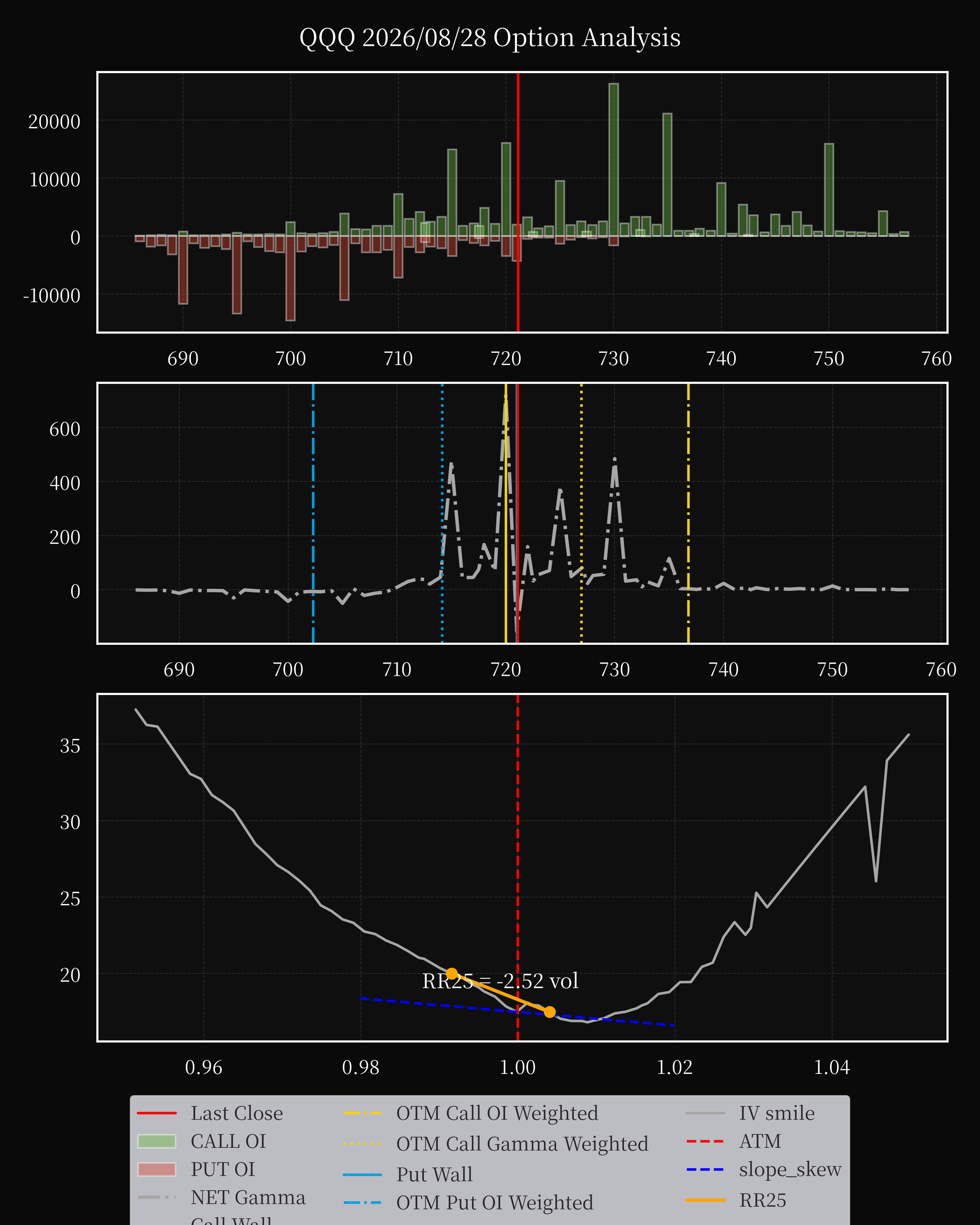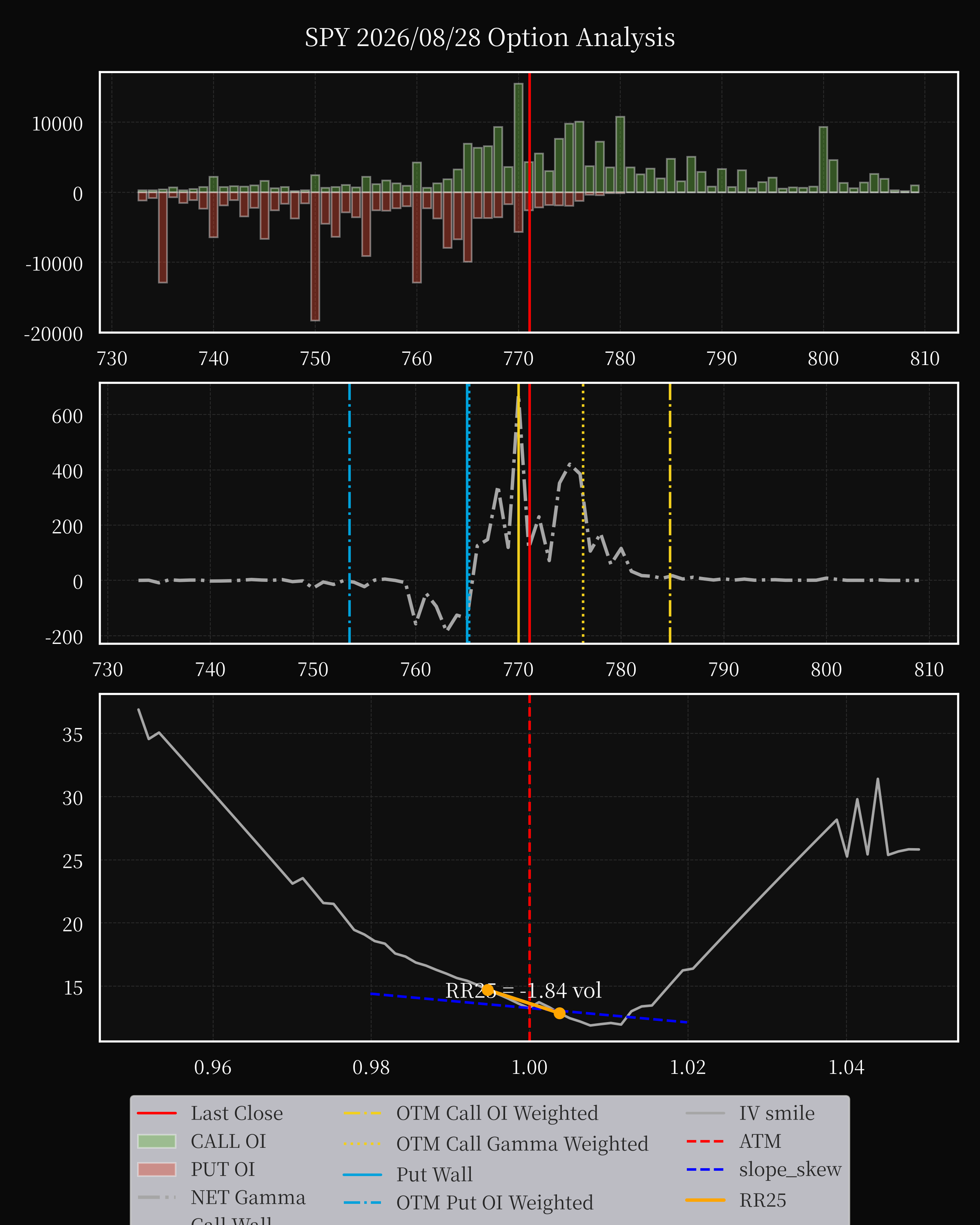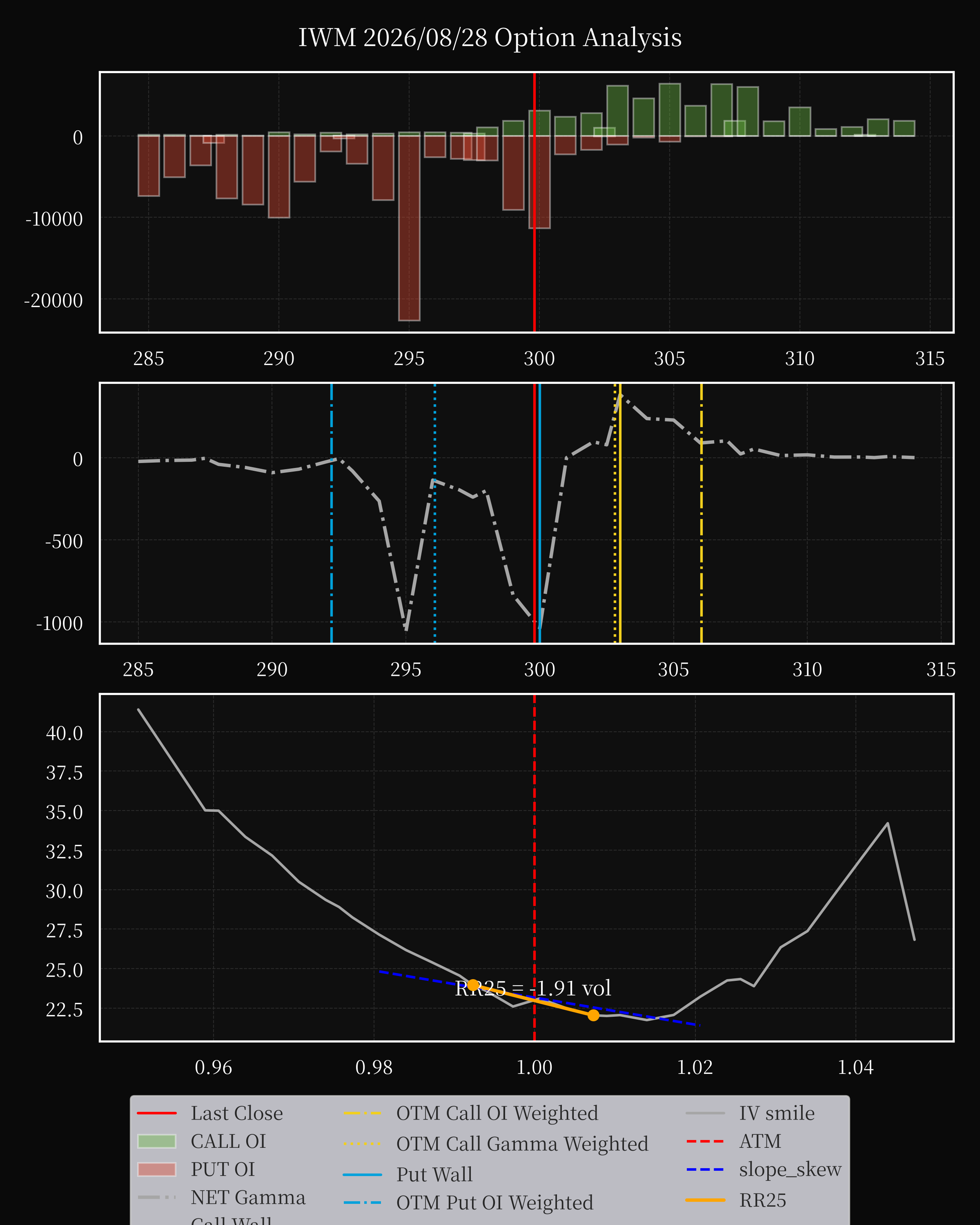
Overall
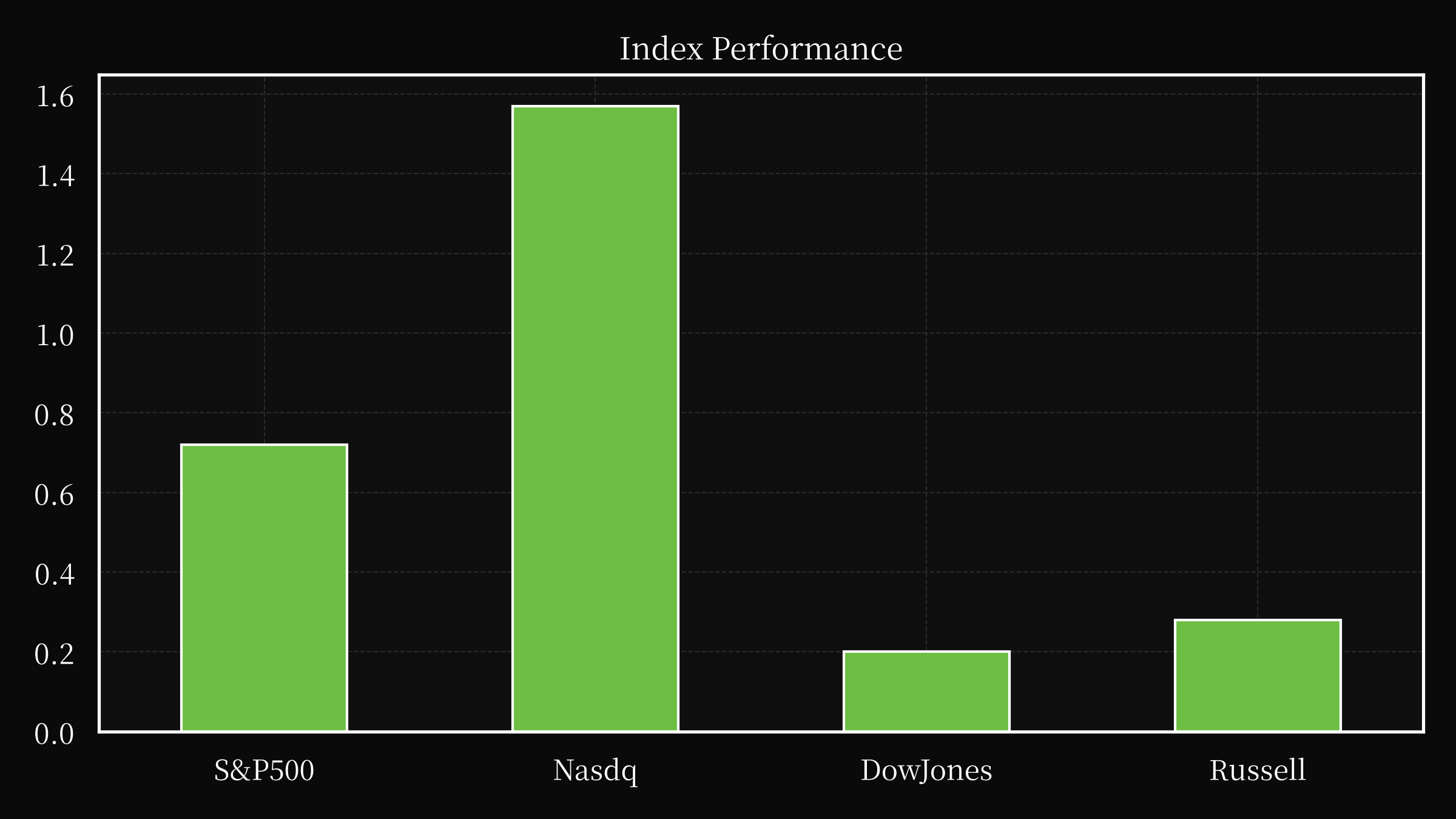
Nvidia’s earnings-driven surge and the broader tech rally underscore a market dynamic where expectations often eclipse actual results, creating pronounced swings in equity valuations. The company’s Q2 results, which included a 70% projected revenue growth—well above the 45% consensus estimate—propelled its share price nearly 9% in after-hours trading. This outperformance, however, is not without context: the company’s guidance remains tethered to supply constraints, and its management’s commentary on external risks, such as Bill Gates’ AI-related job displacement warnings, reveals a nuanced stance on macroeconomic and technological shifts. Such statements are not mere rhetoric; they reflect a strategic recalibration of how Nvidia positions itself within the AI ecosystem, balancing optimism about innovation with caution about societal disruption. The stock’s reaction to these dual narratives—technological leadership and labor market anxiety—highlights the dual-edged nature of growth in an era where public perception and market sentiment are inextricably linked.
The broader software sector’s performance further illustrates the interplay between earnings beats and sector-specific headwinds. Salesforce’s 23% jump following a partnership with Anthropic, for instance, signals investor confidence in its AI integration capabilities, yet this rally is tempered by the sector’s overall volatility. Companies like Crowdstrike and Okta, while benefiting from heightened cybersecurity demand, face headwinds from macroeconomic uncertainty, as evidenced by the S&P 500’s modest 0.7% gain. This dichotomy—strong individual performers against a backdrop of cautious market sentiment—reveals the fragility of momentum in equity markets. The S&P 500’s performance, while positive, is not robust enough to insulate investors from sector-specific risks, particularly as interest rate expectations loom. The Federal Reserve’s potential for rate hikes, as hinted by Boston Fed President Susan Collins, introduces a layer of complexity, as higher borrowing costs could disproportionately affect growth-oriented stocks reliant on future earnings. This dynamic underscores the importance of understanding not just individual company fundamentals but also the macroeconomic forces shaping the broader market landscape.
Nvidia’s strategic positioning in the AI hardware and software value chain amplifies its significance in this context. The company’s dominance in GPU manufacturing, coupled with its expanding software ecosystem, positions it as a critical player in the AI infrastructure race. However, this leadership is not without challenges. The supply constraints mentioned by CFO Colette Kress highlight the physical limitations of scaling production, a bottleneck that could delay the realization of growth projections. Simultaneously, the company’s engagement with policymakers—exemplified by Jensen Huang’s rebuttal of Gates’ AI job displacement concerns—demonstrates an effort to preempt regulatory scrutiny. Such statements are not just defensive; they are part of a broader strategy to shape public discourse around AI’s societal impact, a move that could influence both investor sentiment and regulatory outcomes. The interplay between technical innovation, supply chain realities, and public policy advocacy thus defines Nvidia’s trajectory in a market where technological progress and political economy are in constant tension.
The stock’s reaction to external events, such as Bill Gates’ AI warnings, further illustrates the market’s sensitivity to ideological and political narratives. While Gates’ concerns about AI-driven job displacement resonate with certain demographics, Huang’s counterargument—that AI will create more jobs than it displaces—reflects a broader debate about the technology’s net impact. This debate is not confined to the boardroom; it permeates public discourse and influences investor behavior. The market’s response to such narratives is often immediate, as seen in Nvidia’s after-hours surge, which suggests that investors are not merely reacting to financial metrics but also to the evolving narrative around AI’s role in the economy. This phenomenon underscores the growing importance of non-financial factors—such as public perception, regulatory risk, and geopolitical stability—in shaping equity valuations. The stock’s performance, therefore, is as much a function of its ability to navigate these intangible forces as it is of its financial results.
The broader implications of Nvidia’s performance extend beyond its own stock, influencing the entire tech sector’s valuation and investor expectations. The company’s ability to outperform despite supply constraints and macroeconomic uncertainty sets a benchmark for other growth-oriented firms. However, this outperformance also raises questions about sustainability. If Nvidia’s growth projections are contingent on resolving supply bottlenecks and maintaining AI leadership, then any deviation from these assumptions could trigger a sharp correction. The market’s current optimism is thus predicated on a series of favorable conditions, including continued AI adoption, stable regulatory environments, and uninterrupted supply chains. The fragility of these conditions means that Nvidia’s stock, while a bellwether for AI innovation, is also a barometer for the market’s risk appetite. Investors must weigh the potential for outsized returns against the risks of overvaluation, particularly in a sector where growth expectations are already elevated.
The role of institutional investors and market structure further complicates the analysis. Nvidia’s significant weight in major indices, such as the S&P 500, means that its performance has a cascading effect on broader market indices. A surge in its stock can buoy the S&P 500, while a correction could drag it down, creating a feedback loop that amplifies volatility. This interdependence is particularly pronounced in today’s market, where passive investing and index-driven strategies dominate. The implications of Nvidia’s movements are thus not confined to its own shareholders but ripple through the entire market, influencing the behavior of other investors and the overall market sentiment. The company’s ability to maintain its momentum, therefore, is not just a function of its internal dynamics but also of the broader ecosystem of capital flows and index rebalancing.
The macroeconomic backdrop, including interest rate expectations and geopolitical risks, adds another layer of complexity. The Federal Reserve’s potential for rate hikes, as suggested by Boston Fed President Collins, introduces a risk of higher discount rates, which could depress the valuations of growth stocks like Nvidia. This risk is compounded by the ongoing geopolitical tensions, particularly in the Middle East, where oil flows through the Strait of Hormuz remain a critical factor. The recent increase in crude exports, while positive for energy prices, also highlights the delicate balance between supply and demand in global markets. Any disruption in this balance—whether due to geopolitical conflicts or production shifts—could have far-reaching consequences for inflation, energy costs, and, by extension, corporate profitability. Nvidia’s exposure to these macroeconomic variables underscores the need for a holistic approach to market analysis, one that integrates both microeconomic fundamentals and macroeconomic trends.
The narrative around AI’s societal impact also intersects with broader economic and political debates. Nvidia’s leadership in AI hardware and software positions it at the center of this discourse, as its products enable advancements in fields ranging from healthcare to autonomous systems. However, the company’s engagement with policymakers, as seen in Huang’s comments, suggests an awareness of the ethical and regulatory challenges inherent in AI development. This engagement is not merely defensive; it is a strategic move to shape the regulatory environment in ways that align with its business interests. The outcome of these efforts could determine whether AI’s growth trajectory remains unhindered or faces regulatory constraints that curb its potential. The market’s reaction to such developments—whether through stock price movements or shifts in investor sentiment—reflects the growing recognition of the interplay between technology, policy, and economics.
Finally, the broader implications of Nvidia’s performance extend to the investment community’s approach to risk and reward. The stock’s volatility, driven by both earnings surprises and macroeconomic factors, serves as a case study in the challenges of navigating a market where traditional valuation metrics are increasingly supplemented by qualitative assessments. Investors must now contend with the dual pressures of quantitative performance and qualitative narratives, a shift that demands a more nuanced understanding of market dynamics. The lessons from Nvidia’s recent performance—its ability to capitalize on AI’s momentum, its exposure to supply and policy risks, and its role in shaping public discourse—highlight the need for a multidimensional approach to investing. In an era where technology and politics are inextricably linked, the ability to synthesize these factors will be critical for long-term success. The market’s response to Nvidia’s story, therefore, is not just a reflection of its financial health but a microcosm of the broader forces shaping the modern economy.
Watch List
IREN
IREN Limited (NASDAQ: IREN) announced its full fiscal year 2026 results, highlighting significant advancements in its AI Cloud platform. The company achieved a contracted annual recurring revenue (ARR) of $4 billion, with an operating ARR of $1 billion, largely sold out for 2026 and with strong discussions underway for 2027 and 2028. IREN secured a new multi-year contract with a leading frontier AI lab and continues to expand its customer base across hyperscalers, enterprises, and AI developers. The company invested $2.8 billion in GPU financings, primarily supporting non-investment grade customer deployments. Key milestones included the delivery of the first of four 50MW (IT) liquid-cooled deployments at its Childress, Texas data center, achieving NVIDIA Exemplar Cloud status, and the commissioning of new data centers in locations like Mackenzie, Australia, and Badajoz, Spain. IREN also completed the acquisitions of Mirantis and Nostrum, bolstering its software and services capabilities. The company’s capital-efficient GPU financing strategy, totaling $3.6 billion, significantly supports its growth initiatives. While the FY26 results reflected a transition from Bitcoin mining to AI Cloud Services, with a substantial increase in AI Cloud revenue, non-cash impairments impacted net income. IREN remains well-capitalized with substantial cash reserves and committed financing, positioning it for continued expansion within the rapidly growing AI Cloud market.
THFF
Okay, let's break down this lengthy and complex text. It appears to be a collection of clauses and provisions from a legal agreement, likely a merger or acquisition document. Here's a categorized summary of the key elements, along with explanations of what they mean: I. Restrictions on Actions (Significant Constraints) * Partnership/Development Restrictions: The first paragraph is a broad restriction preventing the company from engaging in new real estate activities or partnerships. This is standard to protect the acquiring company's interests and prevent conflicts. * Risk Management Policy Changes: The company is prohibited from altering its interest rate risk management policies, procedures, or practices. This ensures the acquiring company has control over how risk is managed. * Following Existing Policies: The company must adhere to its existing policies and practices regarding interest rate risk. * Avoiding Interest Rate Risk: The company must use "commercially reasonable means" to avoid increasing its exposure to interest rate risk. * Liens: The company cannot place liens on its assets (except for secured borrowings). This prevents the company from creating additional claims against its assets. * Charitable Contributions: Limits on charitable donations – $10,000 individually and $100,000 aggregate. This is common to prevent the company from using funds for non-business activities. II. Buyer’s Obligations & Restrictions (Protecting the Acquirer) * Ordinary Course of Business: The buyer (First Financial) must continue operating the company in its normal way during the transition period. * Maintaining Business & Relationships: The buyer must use “best efforts” to maintain the company’s business, employees, and customer relationships. * No Adverse Impact: The buyer cannot take actions that would negatively affect the merger or the ability of either party to complete the transaction. * Shareholder Approval: The merger requires approval from the shareholders of both companies. * Information Disclosure: Both companies must promptly disclose any material information to shareholders and regulatory agencies (SEC). This is crucial for transparency and compliance. * Cooperation & Consultation: The parties must cooperate and consult with each other on all matters related to the merger. * Filing Requirements: The buyer is required to file specific applications and notices with regulatory agencies (Federal Reserve Board, OCC, FDIC, etc.) within 45 days of the agreement. *
ROIV
Roivant Sciences Ltd., operating through its subsidiary Priovant Therapeutics, Inc., announced the FDA approval of LISRAYA™ (brepocitinib), a first-in-class TYK2/JAK1 inhibitor, for the treatment of adults with dermatomyositis (DM). This marks the first approved therapy specifically targeting the underlying biology of the disease. LISRAYA, taken once daily, has demonstrated significant efficacy in improving skin disease, muscle strength, physical function, and overall disease burden, alongside a substantial steroid-sparing benefit, as evidenced by the landmark VALOR trial. The trial, the largest DM trial ever conducted, showed benefits as early as Week 4 and sustained through the 52-week study, with a notable 55% of patients achieving moderate or better improvement on the Total Improvement Score and minimizing or eliminating steroid use. Roivant CEO Matt Gline expressed optimism about LISRAYA’s potential as a first-of-its-kind treatment and highlighted the company’s continued focus on advancing its late-stage programs in related autoimmune conditions. The approval follows extensive research and clinical data, including a key focus on patient experience and reducing reliance on traditional, less targeted therapies. LISRAYA is now available in the United States, offering a new hope for patients living with this complex and debilitating disease.
ACMR
ACM Research, Inc. (06 Technology) has filed an 8-K report detailing a pre-commencement tender offer for its 12(b) security. The filing includes extensive, seemingly random alphanumeric strings, likely representing data related to the offer’s structure and details. The document’s purpose is to formally announce this event to the public. It’s important to note the unusual formatting of the document, which appears to be a result of an unofficial English translation of a Mandarin Chinese document. The report was prepared by the company’s Chief Financial Officer and Treasurer and indicates a standard filing process for such events.
KOSS
Koss Corporation reported a positive fiscal year 2026, with net sales increasing by 5.8% to $3,263,853, driven primarily by a significant rise in direct-to-consumer (DTC) sales, particularly for Porta Pro headphones, which saw a 36.2% increase. The company’s net income also improved substantially, rising from a $232,696 loss in the prior year’s fourth quarter to a $476,801 profit. This growth was further bolstered by a custom headphone sale to the Education market segment and tariff refunds totaling $1.0 million. While European markets continued to experience declines, the company’s overall financial performance demonstrated a strong recovery, with a full-year net loss of $391,464, a considerable decrease from the $874,831 loss in 2025. Koss Corporation is continuing its diversification strategy, aiming for predictable revenue streams, and anticipates further growth through strategic acquisitions over the next five years.
RIVN
Rivian Automotive, Inc. announced the departure of its Chief Financial Officer, Claire McDonough, effective October 30, 2026, as she pursues a new opportunity and relocates to the East Coast. McDonough has played a key role in the company’s growth, including its successful $13.7 billion IPO and the establishment of robust financial frameworks. Derek Mulvey, the Company’s Vice President of Finance, will serve as Interim CFO during the transition. Rivian is currently undertaking a comprehensive search for a permanent CFO, evaluating both internal and external candidates. This transition follows McDonough’s significant contributions to Rivian’s financial foundation, strategic partnerships, and investor relations, particularly during the company’s initial public offering. The company’s CEO, R.J. McDonough, expressed gratitude for Claire’s leadership and confidence in Derek Mulvey’s ability to maintain operational continuity.
LTRYW
Sports Entertainment Gaming Global Corporation (SEGG) is facing scrutiny from The Nasdaq Stock Market regarding delinquent quarterly filings, specifically for the fiscal quarters ended March 31, 2026, and June 30, 2026. The company received a letter from Nasdaq’s Listing Qualifications Department, citing these outstanding reports as a deficiency and requesting an updated compliance plan to be submitted by September 4, 2026. This follows prior deficiency notices related to the delayed filing of its annual 10-K report for 2025, which has since been remedied. Nasdaq has granted SEGG a 180-day period to address the issue, allowing the company to submit its revised plan and continue trading on The Nasdaq Capital Market under the symbol SEGG. The company intends to promptly file the outstanding reports and work diligently to regain compliance with Nasdaq’s requirements.
PPL
Following an approval by the Rhode Island Public Utilities Commission (RIPUC), The Narragansett Electric Company d/b/a Rhode Island Energy (RIE) has secured rate increases totaling $114.1 million annually for electric and $93.7 million for gas. These increases, alongside a 9.275% return on equity and a 48/52 debt-to-equity ratio, are part of RIE’s approved accounting proposals. The RIPUC also modified certain expenses, established new performance metrics, and directed RIE to file a new tariff for extra-large electric loads by December 31, 2026. Furthermore, the commission addressed a Hold Harmless Commitment related to PPL’s acquisition of RIE, authorizing an alternative that will provide customers with approximately $170 million in bill credits. PPL Corporation reaffirms its 2026 earnings per share forecast and long-term growth targets. The approval is effective September 1, 2026, and a final order is expected in the coming weeks, subject to potential appeals.
DIOD
Diodes Incorporated has completed its acquisition of ElevATE Semiconductor, a fabless semiconductor company specializing in high-performance analog and mixed-signal solutions for Automated Test Equipment (ATE), for $250 million in an all-cash transaction. This strategic move expands Diodes’ product portfolio and strengthens its position in the growing ATE market, driven by increasing semiconductor complexity. ElevATE, based in San Diego, California, develops innovative solutions for demanding semiconductor test challenges. The acquisition is expected to contribute approximately $50 million in revenue within the first twelve months and is anticipated to be immediately accretive to Diodes’ financial performance. Diodes’ President and CEO, Gary Yu, highlighted the integration of ElevATE’s technology and expertise, emphasizing the combined company’s ability to deliver broader solutions and expand its presence in high-value analog and mixed-signal applications. The acquisition aligns with Diodes’ portfolio expansion initiatives and leverages its existing global infrastructure and manufacturing capabilities to capitalize on the rising demand for semiconductor test solutions.
SOWG
Sow Good Inc. has finalized a significant amendment to a Share Purchase Agreement (SPA) with Ryzon Materials Limited, Uranex Tanzania Limited, Magnis Tech, and Uranex ESIP, relating to the acquisition of shares in Uranex and Magnis Tech. The amendment restructures the transaction to see the Company subscribing for 99.97% of the issued share capital of Uranex and Magnis Tech, with the Sellers retaining the remaining 0.03% as nominees. The consideration for this subscription is AUD$96,413,866, clarifying the value as previously announced in the SPA. The amendment also includes an Investment and Share Subscription Agreement, where the Company will issue 343,331 Ordinary Shares at TZS 343,331,000 to the Sellers. This transaction solidifies Sow Good Inc.'s commitment to the Nachu Graphite Project through strategic investments in key partners. The amendment and subscription agreement were formally executed on August 21, 2026, and are filed as Exhibits 2.1 and 10.1 respectively.
IAN Financial Vision is an AI-native financial research platform combining proprietary knowledge graphs, quantitative valuation models, and large language models to generate point-in-time investment research. All reports are produced using a structured research workflow with human review prior to publication..