Overall
Kevin Warsh’s Jackson Hole remarks marked a recalibration of the Federal Reserve’s communication strategy, one that sought to reinforce the central bank’s resolve against persistent inflation while tempering market expectations regarding imminent policy adjustments. The Fed Chair’s insistence on being “ready to act” in the face of stubborn inflationary pressures—despite the absence of a clear, forward-looking commitment to rate hikes—conveyed a nuanced message to investors and policymakers alike. This approach reflected a delicate balancing act: acknowledging the necessity for decisive action without prematurely signaling a shift in monetary policy stance. The market’s reaction, as evidenced by the 60% probability of a rate increase in the following month, underscored the sensitivity of financial markets to authoritative guidance, particularly when such guidance is couched in terms of preparedness rather than explicit intent.
The broader context of Warsh’s speech must be understood against a backdrop of elevated inflation readings and a Federal Reserve that remains deeply cautious about prematurely normalizing policy. Despite some improvement in core inflation metrics, the Fed Chair emphasized that underlying trends had not shown sufficient improvement to warrant optimism. This stance aligned with a growing consensus among economists that inflationary pressures, while moderating in certain sectors, remained entrenched in others, particularly services and labor markets. The market’s recalibration of future rate paths, therefore, was not a reflection of policy certainty but rather a pragmatic acknowledgment of the risks inherent in premature easing. The 2-year Treasury yield’s rise to 4.348% and the muted response in long-term rates indicated that investors had absorbed the message that the Fed’s focus remained squarely on price stability, even at the cost of near-term volatility.
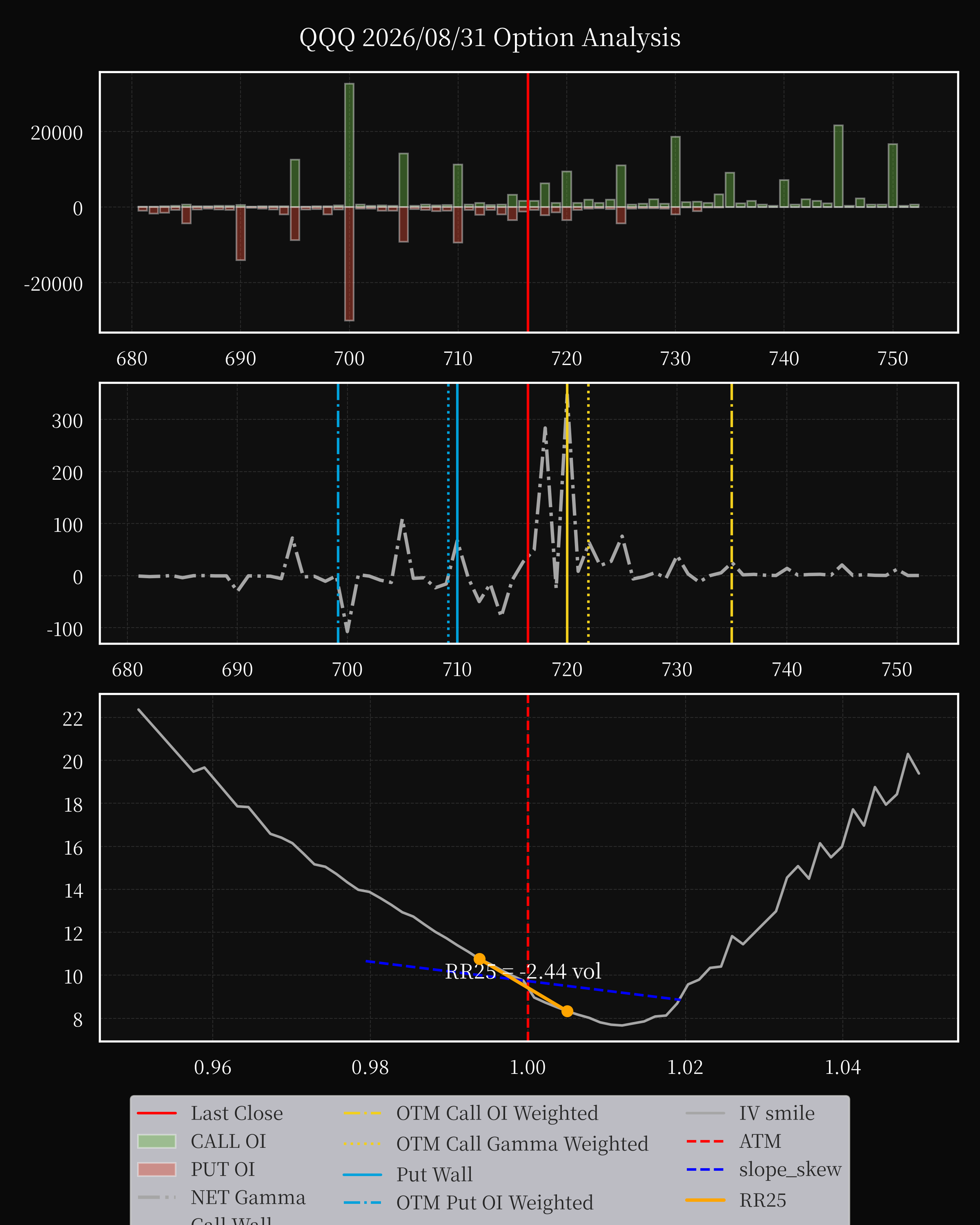
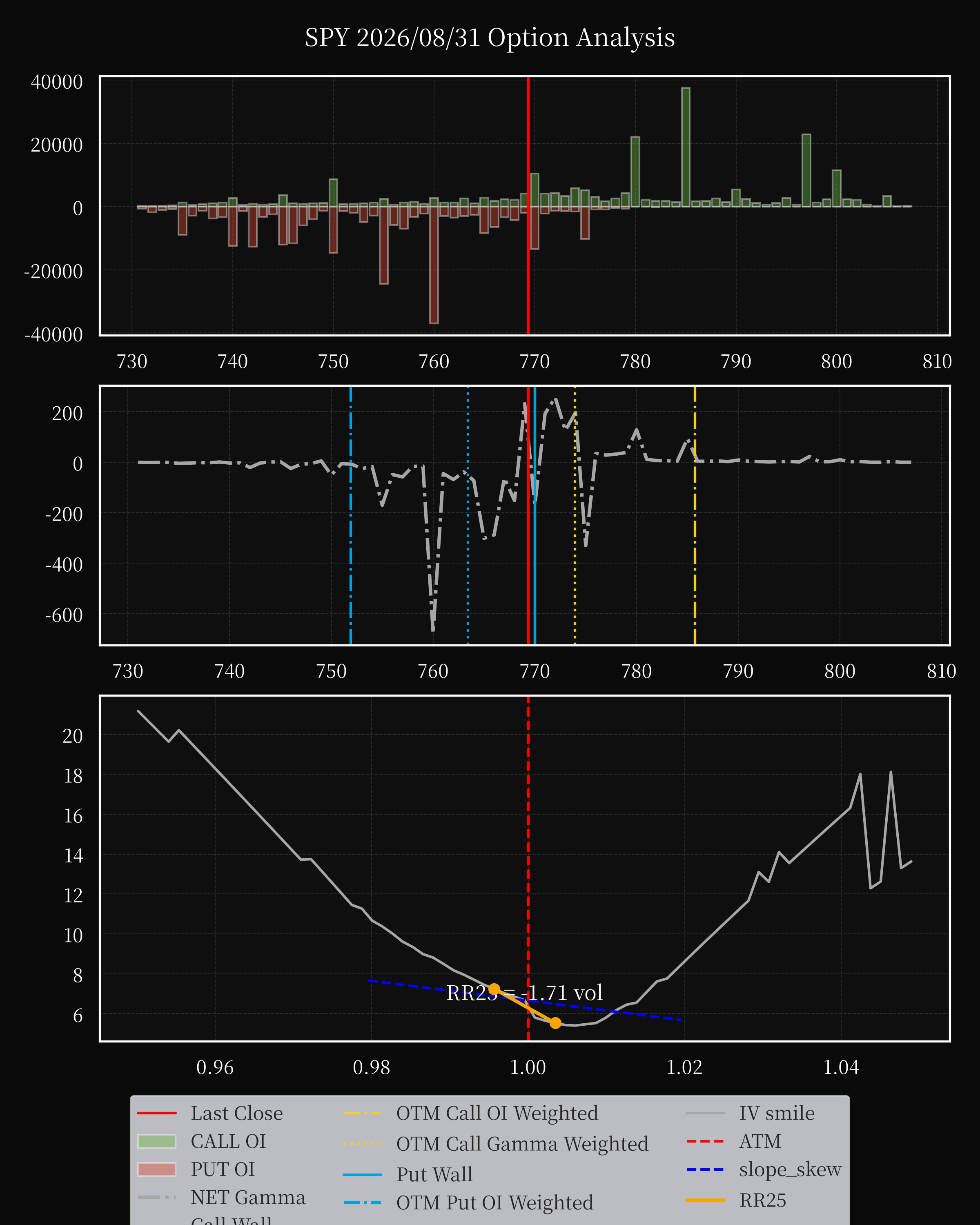
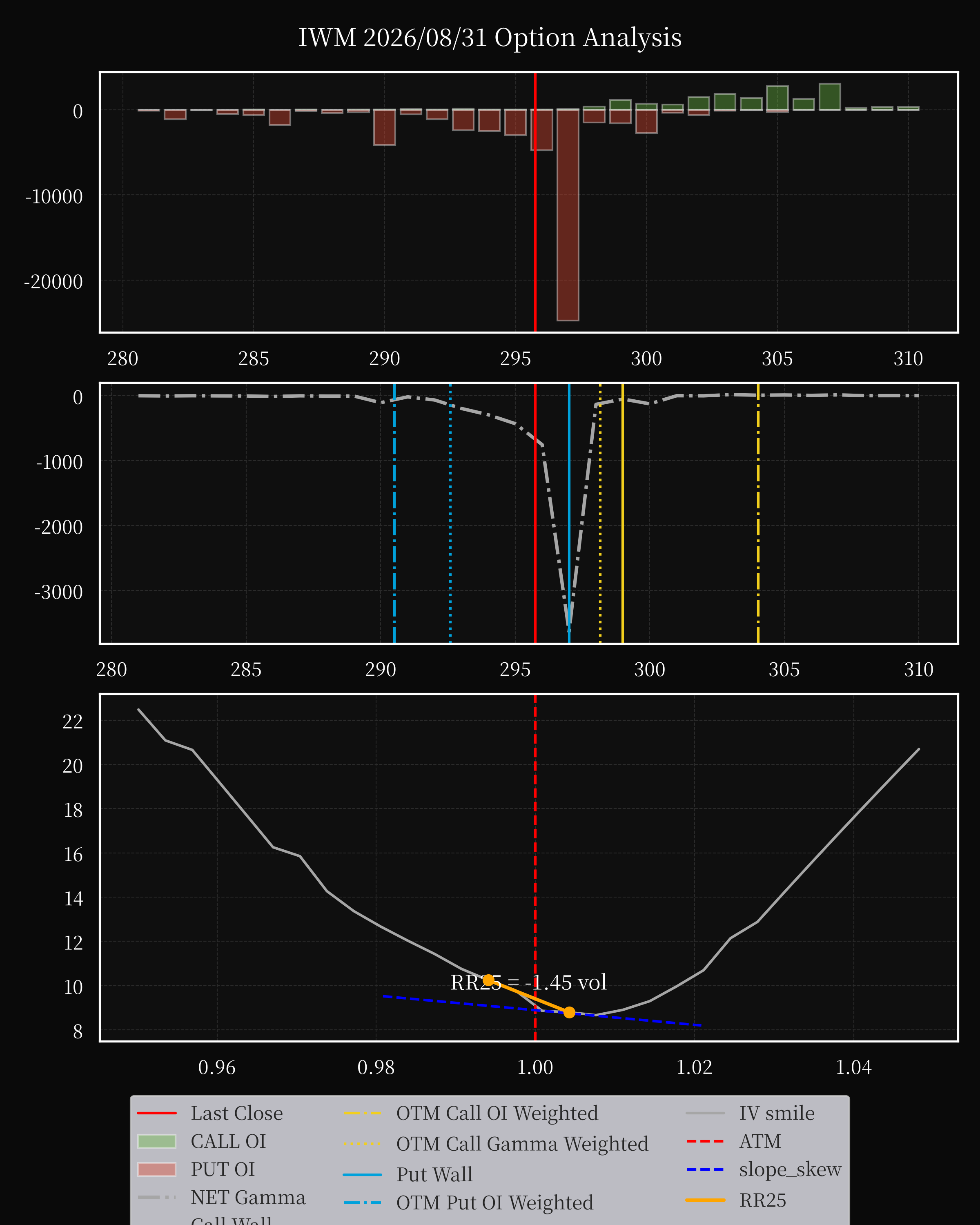
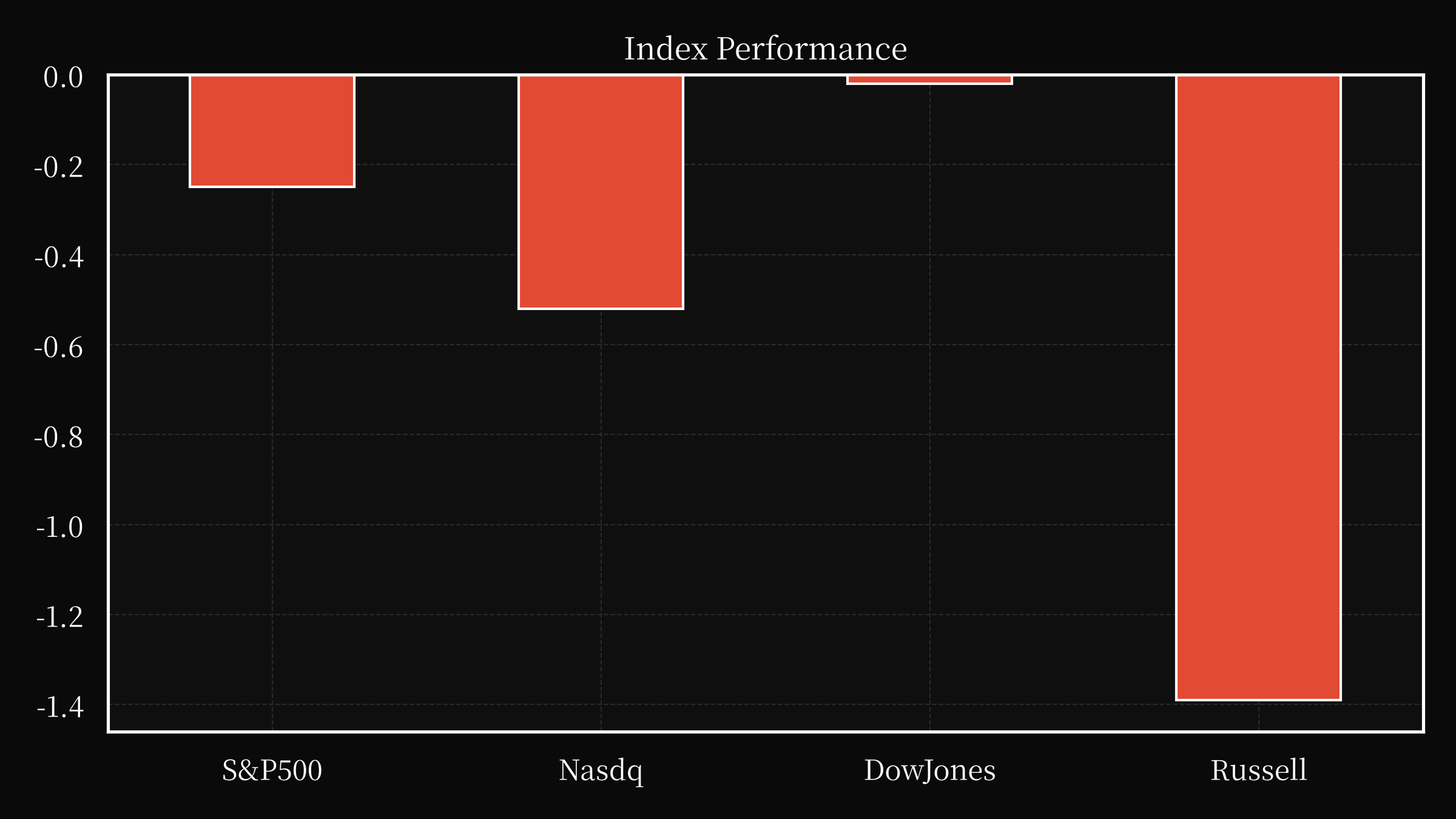
In parallel, the U.S. equity market experienced a modest correction, with the S&P 500 slipping 0.25% and the Nasdaq declining 0.5%. Such movements, while not dramatic, signaled a repricing of risk in light of the Fed’s more assertive tone. The broader equity market’s sensitivity to monetary policy signals—especially in an environment where inflation remains above target—demonstrates the interplay between macroeconomic fundamentals and central bank rhetoric. The S&P 500’s underperformance relative to its historical volatility norms, coupled with the Nasdaq’s sharper decline, suggests that growth-sensitive sectors, particularly technology, are being re-evaluated in the context of higher discount rates and uncertain policy trajectories.
Simultaneously, commodity markets reacted to the evolving macro backdrop. Gold, a traditional hedge against policy uncertainty and inflation, fell more than 3%, reflecting both a risk-off sentiment and the market’s assessment of the Fed’s commitment to fighting inflation. This decline in gold prices, while counterintuitive given the inflationary backdrop, underscores the complexity of investor behavior during periods of policy ambiguity. The dollar, often a proxy for risk appetite, also experienced pressure, though the data provided does not specify its exact movement. The interplay between inflation expectations, real yields, and currency valuations remains a critical focal point for understanding the dynamics shaping global capital flows.
The energy sector, particularly U.S. firms engaged in Latin American oil ventures, emerged as a notable theme within the broader market narrative. Chevron’s reported pursuit of multi-billion-dollar investments in Venezuelan oil fields, alongside Halliburton’s potential expansion into the region, highlighted a strategic pivot by U.S. energy companies toward high-yield, albeit politically sensitive, opportunities. These developments, while not directly tied to the Fed’s policy stance, illustrate how corporate behavior can respond to macro-level shifts in inflation, geopolitical risk, and regulatory environments. The broader implications for energy supply chains, commodity pricing, and international relations are significant, particularly as global energy markets remain vulnerable to supply disruptions and geopolitical tensions.
The market’s reaction to Warsh’s speech also reflected a broader reassessment of risk premia across asset classes. The 10-year Treasury yield’s modest increase, coupled with the 2-year’s sharper rise, signaled a re-pricing of duration risk in anticipation of tighter monetary conditions. This shift had implications not only for fixed-income investors but also for equity valuations, particularly those reliant on long-duration cash flows. The muted performance of growth stocks, in particular, illustrated the sensitivity of valuations to changes in discount rates—a phenomenon that has become increasingly pronounced in an era of historically low interest rates and elevated asset valuations.
Moreover, the Fed’s communication strategy, while intended to provide clarity, introduced a layer of ambiguity that markets struggled to reconcile. The phrase “readiness to act” was deliberately vague, leaving room for interpretation regarding the timing, magnitude, and frequency of potential rate hikes. This ambiguity, while perhaps necessary to preserve policy flexibility, introduced uncertainty that can weigh on investment decisions and economic confidence. The market’s recalibration of expectations—evident in the increased probability of a rate hike—demonstrates how central bank language can shape financial outcomes independently of actual policy changes. The interplay between rhetoric and reality remains a defining feature of modern monetary policy, particularly in environments characterized by high inflation and structural economic shifts.
In the realm of corporate earnings and sectoral performance, the day’s developments underscored both resilience and vulnerability. Companies such as Broadcom, Palo Alto Networks, and Dell Technologies, reporting earnings in the coming weeks, were poised to influence market sentiment further. Meanwhile, the energy sector’s focus on Latin America, exemplified by Chevron and Halliburton’s potential ventures, highlighted a strategic realignment toward resource-rich regions amid global supply constraints. These developments, while not directly tied to monetary policy, contributed to the broader narrative of economic adaptation in response to inflationary pressures and geopolitical uncertainty.
The legal and regulatory landscape also continued to evolve, with the SEC’s charges against investment advisor firms for fraudulent filings adding to the backdrop of heightened scrutiny. Such enforcement actions, while not central to the day’s market narrative, reinforced the importance of governance and compliance in maintaining investor trust. The broader implications for asset management, particularly in alternative investments and private equity, were significant, as regulatory clarity remains a critical determinant of capital flows and market stability.
From a technical standpoint, the market’s reaction to Warsh’s comments illustrated the enduring influence of momentum and sentiment on price discovery. The S&P 500’s decline, while modest, was consistent with a broader trend of profit-taking and rebalancing in the face of policy uncertainty. The Nasdaq’s sharper drop reflected the tech sector’s sensitivity to interest rate expectations, reinforcing the cyclical nature of growth stock valuations. These movements, while influenced by macroeconomic factors, also underscored the importance of sector-specific dynamics in shaping overall market performance.
The geopolitical dimension of the day’s news further complicated the economic outlook. The U.S. government’s engagement with Venezuela, particularly in the context of energy investments and diplomatic outreach, illustrated the intersection of foreign policy and economic strategy. The potential for increased U.S. involvement in Venezuelan oil operations, while fraught with risk, represented a calculated attempt to secure energy supplies and counterbalance regional influence. Such developments, though not directly affecting monetary policy, contributed to the broader macroeconomic environment in which central banks operate.
In sum, Kevin Warsh’s Jackson Hole address served as a pivotal moment in the Federal Reserve’s communication strategy, reasserting its commitment to inflation control while navigating the complexities of market expectations. The resultant market adjustments—ranging from yield curve steepening to equity sector rotation—reflected a recalibration of risk and opportunity in an environment characterized by persistent inflation, geopolitical uncertainty, and evolving corporate strategies. The interplay between policy rhetoric, economic data, and market psychology underscores the multifaceted nature of modern financial markets, where central bank actions and corporate behavior are inextricably linked. As investors and policymakers continue to grapple with these dynamics, the lessons from this day’s developments remain instructive for understanding the forces shaping the global economic landscape.
The market’s response to Warsh’s comments also highlighted the enduring relevance of valuation frameworks and risk management principles in an era of heightened volatility. The S&P 500’s modest decline, despite strong earnings from certain sectors, illustrated the challenges of reconciling growth prospects with rising discount rates. This tension is particularly acute for investors employing long-duration strategies, as the cost of capital has increased significantly since the low-rate era of the early 2000s. The implications for portfolio construction, asset allocation, and risk mitigation strategies are profound, requiring a nuanced understanding of both macroeconomic trends and microeconomic fundamentals.
Furthermore, the day’s events reinforced the importance of cross-asset correlations in shaping market outcomes. The simultaneous movement in equities, bonds, and commodities underscored the interconnectedness of global financial markets, where policy decisions in one region can have cascading effects elsewhere. The Federal Reserve’s actions, for instance, not only influence U.S. economic conditions but also reverberate through global capital flows, commodity prices, and exchange rates. This interconnectedness necessitates a holistic approach to investment management, where diversification, hedging, and scenario analysis become essential tools for navigating uncertainty.
The role of technology stocks in driving market performance also warranted closer examination. The surge in certain tech equities, despite broader market pressures, pointed to the sector’s resilience amid shifting valuation paradigms. Companies benefiting from artificial intelligence advancements, cloud infrastructure expansion, and digital transformation initiatives continued to attract investor attention, even as traditional growth metrics came under scrutiny. This dichotomy between innovation-driven outperformance and broader market caution reflects the evolving nature of value creation in the digital age, where disruptive technologies can both challenge and redefine established economic models.
Additionally, the day’s coverage of corporate earnings and sectoral developments provided insight into the underlying drivers of economic activity. Companies like Chevron and Halliburton, positioned to capitalize on energy market dynamics, exemplified the strategic importance of resource security and infrastructure investment in an era of supply constraints. These developments, while sector-specific, contributed to broader themes of energy transition, geopolitical risk management, and the reconfiguration of global supply chains. The implications for investors extend beyond immediate earnings beats, encompassing long-term trends in energy demand, regulatory policy, and technological adoption.
The legal and regulatory context also continued to evolve, with the SEC’s enforcement actions signaling a renewed focus on market integrity and investor protection. The charges against investment advisor firms for fraudulent filings highlighted the persistent challenges of maintaining transparency and accountability in financial markets. These regulatory developments, while not directly tied to monetary policy, reinforced the importance of governance frameworks in sustaining investor confidence and market stability. The broader implications for asset management, particularly in alternative asset classes and private markets, were significant, as regulatory clarity remains a critical determinant of capital allocation and risk management.
In conclusion, Kevin Warsh’s Jackson Hole speech and the subsequent market reactions encapsulated the complexities of modern monetary policy, corporate strategy, and global economic interdependence. The Federal Reserve’s recalibrated communication strategy, aimed at balancing inflation concerns with policy flexibility, elicited a measured but discernible response from financial markets. The interplay between macroeconomic fundamentals, sectoral dynamics, and geopolitical developments underscored the multifaceted nature of investment decision-making in an environment characterized by uncertainty and rapid change. As markets continue to adapt to evolving policy signals, corporate strategies, and global risks, the lessons from this day remain instructive for understanding the forces shaping the trajectory of financial markets and the broader economy.
The market’s recalibration of expectations, evident in the increased probability of a rate hike, illustrated the enduring influence of central bank communication on investor behavior. The Federal Reserve’s emphasis on readiness to act, while intentionally vague, conveyed a message of resolve that resonated with markets seeking clarity amid inflationary pressures. This dynamic highlights the critical role of language and signaling in monetary policy, where subtle shifts in tone can have outsized impacts on financial conditions and asset valuations. The interplay between rhetoric and reality remains a defining feature of modern central banking, particularly in environments where inflation persistence challenges traditional policy frameworks.
The broader implications for equity markets were equally significant, as sectoral rotations reflected both optimism and caution in the face of changing rate expectations. The technology sector’s volatility, driven by valuation concerns and interest rate sensitivity, underscored the challenges of sustaining growth narratives amid tightening financial conditions. Meanwhile, energy stocks, buoyed by geopolitical developments and resource security considerations, demonstrated resilience despite broader market headwinds. These divergent performances illustrated the importance of sector-specific analysis in constructing portfolios capable of navigating cyclical and structural shifts in the economy.
The day’s developments also reinforced the significance of cross-asset correlations in shaping market outcomes. The simultaneous movement in equities, bonds, and commodities highlighted the interconnectedness of global financial systems, where policy decisions in one region can have cascading effects elsewhere. The Federal Reserve’s actions, for instance, not only influenced U.S. economic conditions but also reverberated through global capital flows, commodity prices, and exchange rates. This interconnectedness necessitated a holistic approach to investment management, where diversification, hedging, and scenario analysis became essential tools for navigating uncertainty.
Finally, the evolving regulatory landscape underscored the importance of governance and compliance in maintaining market integrity. The SEC’s enforcement actions against investment advisor firms for fraudulent filings served as a reminder of the persistent challenges of ensuring transparency and accountability in financial markets. These regulatory developments, while not directly tied to monetary policy, contributed to the broader narrative of risk management and investor protection, reinforcing the need for robust frameworks that sustain confidence in capital markets. The implications for asset managers, particularly in alternative asset classes and private markets, were profound, as regulatory clarity remains a critical determinant of capital allocation and risk management.
In summary, the market’s reaction to Kevin Warsh’s Jackson Hole comments reflected a complex interplay of macroeconomic fundamentals, corporate strategy, geopolitical risk, and regulatory dynamics. The Federal Reserve’s recalibrated communication strategy, aimed at balancing inflation concerns with policy flexibility, elicited a measured but discernible response from financial markets. The subsequent adjustments in asset prices, sectoral rotations, and cross-asset correlations illustrated the multifaceted nature of investment decision-making in an environment characterized by uncertainty and rapid change. As markets continue to adapt to evolving policy signals, corporate behavior, and global risks, the lessons from this day remain instructive for understanding the forces shaping the trajectory of financial markets and the broader economy.
Watch List
UUUU
Energy Fuels Inc. has successfully completed the acquisition of Australian Strategic Materials Limited (ASM) through a scheme of arrangement, marking a significant step in its strategic focus on critical materials. The acquisition, finalized on August 28, 2026, involved a total consideration of approximately US$243.4 million, comprised of US$217.2 million in share consideration and US$26.2 million in cash. ASM shareholders received 0.053 shares of Energy Fuels or cash payment of AUS$0.13, alongside the share consideration. Option holders received A$0.50 per ASM option. This transaction underscores Energy Fuels’ commitment to securing supply chains for essential materials, particularly in the mining and quarrying sector. The completed acquisition reflects a strategic move to bolster the company's position within the critical materials market.
INTZ
This document appears to be a legal agreement, likely a security agreement, related to a financing transaction. Here's a breakdown of its key elements and purpose: Overall Purpose: The document establishes a security interest granted by a borrower (likely a company named "Intrusion Inc.") to a secured party (likely "Streeterville Capital, LLC") in exchange for a loan. This means that if the borrower defaults on the loan, the secured party has a legal claim to the borrower's assets to cover the debt. Key Sections and Their Meanings: * Introductory Paragraphs: Clearly state the parties involved (Intrusion Inc. and Streeterville Capital, LLC) and the purpose of the agreement – to create a security interest. * Scope of Security (the "Collateral"): This is the most extensive part of the document. It lists *everything* that the borrower is pledging as security for the loan. This is incredibly broad and includes: * Equity Interests: Ownership shares in all subsidiaries. * Customer Accounts & Contracts: All customer relationships and related contracts. * Physical Assets: A massive list of equipment, vehicles, inventory, and fixtures. * Intellectual Property (IP): Patents, trademarks, copyrights, trade secrets, software, designs, and other forms of intellectual property. This is a *major* component, reflecting the likely nature of Intrusion Inc.'s business. * Financial Assets: Accounts receivable, royalties, licenses, and other intangible assets. * General Assets: Cash, deposit accounts, documents, and other miscellaneous items. * Grant of Security Interest: This section formally states that Intrusion Inc. is granting Streeterville Capital, LLC a security interest in all of the listed collateral. * Representations and Warranties: These are statements made by Intrusion Inc. confirming that it owns the assets, has the right to use them, and that they are free from any liens or encumbrances. These are crucial for Streeterville Capital, LLC to assess the risk of the loan. * Default Provisions: While not explicitly detailed here, a typical security agreement would outline the events that constitute a default (e.g., failure to make payments) and the remedies available to Streeterville Capital, LLC (e.g., foreclosure, liquidation of assets). * Governing Law: Specifies that Utah law will govern the agreement.
ONDS
Following the acquisition of World View Enterprises Inc., Ondas Inc. has filed a Form 8-K to disclose the resale of 99,105 shares of its common stock by certain stockholders. These shares were originally acquired in connection with the aforementioned acquisition. The filing details a legal opinion from Snell & Wilmer L.L.P. confirming the validity and issuance of these shares. Specifically, the shares were sold by the Selling Stockholders as part of a registration statement on Form S-3 (File No. 333-290121) which became effective on September 9, 2025. This filing provides further transparency regarding the company’s capital structure following the World View Enterprises acquisition.
FNGR
FingerMotion, Inc. (Nasdaq: FNGR) is undergoing a strategic shift, announced by new management, centered around a partnership with BlueFlare Energy Solutions Inc. to develop behind-the-meter artificial intelligence and high-performance computing infrastructure in North America. The company’s plan leverages BlueFlare’s existing capabilities in site origination, power generation, and modular construction to rapidly deploy data center capacity, particularly targeting enterprise AI compute customers in Canada and the United States. A key initial step was the acquisition of a 9.9% stake in Lyken.AI, marking the company’s entry into the AI inference market. FingerMotion intends to build a modular, scalable infrastructure, generating power on-site and matching deployment closely with customer demand, addressing the constraints of traditional grid-dependent data centers. The company’s existing mobile payment and data analytics operations in China will continue alongside this new infrastructure initiative. This strategy is driven by a market need for localized, flexible compute solutions, particularly among industries like banking and healthcare, and is supported by a favorable regulatory environment in Western Canada, which prioritizes tethered generation projects. FingerMotion believes this model offers a competitive advantage over larger hyperscaler projects, and the company is focused on securing contracts and financing for these projects.
CYCU
Cycurion, Inc. (NASDAQ: CYCU) announced a significant turnaround, showcasing improved financials and a strengthened business foundation. Notably, the company achieved a gross margin of 29.1% in the second quarter of 2026, a substantial increase from 6.1% in the prior quarter, alongside a debt reduction exceeding half since year-end 2024. Strategic acquisitions of Secuvant and Digital Ally/Kustom expanded their client base to over 800 agencies and bolstered intellectual property assets. A key milestone was the signing of a $54.6 million award supporting the Department of Health and Human Services (HHS), projected to generate over $5 million in annual recurring revenue starting in November. The company holds firm revenue visibility with $15 to $17 million in committed revenue for 2026, 2027, and 2028, coupled with a $34 million open pipeline. To optimize its capital structure, Cycurion implemented a $500,000 share repurchase program. Addressing a recent stock manipulation campaign, the company is pursuing legal action. Finally, the company executed a 1-for-8 reverse stock split to meet listing requirements, a move viewed as a strategic step to reflect the company’s improved performance rather than a fundamental reset. The company’s target is to achieve break-even profitability and a cash-positive operating position by the second quarter of 2027, a goal Chairman and CEO Kevin Kelly is personally accountable for.
KRMN
Effective August 26, 2026, Karman Holdings Inc. secured a Sixth Amendment to its existing Credit Agreement with Citibank. This amendment increased the company’s term loans by $100 million, bringing the total to $863.961 million, primarily to fund the acquisition of Walker Precision Engineering. The funds will also cover associated fees and expenses. Walker, a specialist in missile seeker systems, is expected to bolster Karman’s European expansion, particularly supporting existing defense programs across multiple EU nations. This acquisition represents a significant step for Karman, expanding its global footprint and technological capabilities. The amendment maintains the original terms of the Credit Agreement, excluding the incremental loan, and remains in effect until further modifications are made. The company completed the Walker acquisition on August 28, 2026, for approximately $95 million, subject to customary adjustments, further solidifying Karman's strategic growth initiatives.
SRXH
This is a very complex and lengthy legal document excerpt. Here's a breakdown of its key components and their significance, aiming for clarity and understanding: I. Core Purpose & Context * Transaction Documents: This section is part of a larger set of documents related to a business transaction (likely a merger, acquisition, or investment). The document outlines specific terms and conditions. * No Commitment to Financing: The primary purpose is to explicitly state that the Buyer (the entity acquiring the company) has *not* made any commitments or promises regarding providing financing to the Company. This is crucial to avoid the Buyer being obligated to fund the deal if the Company's financial situation changes. * Material Inducement: The Company acknowledges that the Buyer's willingness to enter the agreement is a key factor ("material inducement"). II. Key Clauses & Their Implications 1. Due Diligence & Representations: * No Effect on Representations: The Buyer’s due diligence (investigation) *cannot* modify or invalidate the Company’s representations and warranties (promises about its business). This protects the Company from liability if it made accurate statements. * SEC Documents: The Buyer's reliance on information from the Company’s filings with the Securities and Exchange Commission (SEC) is also restricted. Any reference to these documents must explicitly state that. 2. Notice & Communication: * Formal Written Notices: All communications (consent, waivers, etc.) *must* be in writing. * Delivery Methods: Specifies three acceptable methods for delivering notices: personal delivery, electronic mail (with record-keeping), or overnight courier service. * Address & Email: Provides the Company’s address and email address for official communications. 3. Registration Rights (Crucial Section): * Purpose: This section governs the Buyer's right to register the Company's stock for public sale. This is standard in these types of deals to allow the Buyer to eventually exit their investment. * Key Provisions: * Buyer’s Right to Sell: The Buyer has the right to sell shares of the Company’s stock on the public market. * Company’s Obligation to Register: The Company is obligated to file registration statements with the SEC to allow the shares to be sold. * Extended Transition Period: The Company has a period (typically 60
IBIO
iBio, Inc. announced its fiscal year 2026 financial results, highlighting a transformative year marked by its transition into a clinical-stage biotechnology company. Revenue for the year ended June 30, 2026, totaled approximately $0.1 million, a decrease from $0.4 million in the prior year. This decline was primarily driven by increased research and development (R&D) expenses, which rose to $19.6 million from $8.3 million, largely due to consultant and outside services related to its IBIO-610 and IBIO-600 programs. The company secured successful financing extending its cash runway into fiscal year 2028 and bolstered its leadership team. Key developments included the initiation of the Phase 1 clinical trial for IBIO-600, a long-acting anti-myostatin monoclonal antibody, and continued progress on the IBIO-610 program, which demonstrated preclinical data supporting its potential for fat-selective weight loss alongside GLP-1 therapies. iBio remains focused on advancing its obesity and cardiometabolic pipeline, with plans for four cohorts in the IBIO-600 Phase 1 trial and the potential for infrequent dosing of IBIO-610. The company’s differentiated pipeline, combined with its strategic investments and experienced leadership, positions it to deliver sustained therapeutic effects and address unmet medical needs in areas like obesity, cardiometabolic diseases, and cardiopulmonary conditions.
CYTK
Cytokinetics, Incorporated announced positive results from the ACACIA-HCM Phase 3 clinical trial, demonstrating statistically significant improvements in patients with non-obstructive hypertrophic cardiomyopathy (nHCM). The trial, presented at the European Society of Cardiology (ESC) Congress 2026 and published in the New England Journal of Medicine, showed improvements in both Kansas City Cardiomyopathy Questionnaire Clinical Summary Score (KCCQ-CSS) and maximal exercise performance (pVO₂) compared to placebo. These results were consistent across various patient subgroups, bolstering confidence in the potential of this treatment. Cytokinetics plans to submit a supplemental New Drug Application (sNDA) to the FDA in the fourth quarter of 2026. The company is also preparing to host an investor event and webcast today at 2:00 PM Central European Summer Time (8:00 AM Eastern Time). The ACACIA-HCM trial’s success marks the first positive clinical trial for nHCM, and if approved, this treatment could represent a significant advancement for patients with this condition.
BNTX
BioNTech has terminated its Phase 2 clinical trial, BNT122-01, evaluating the individualized mRNA cancer immunotherapy, autogene cevumeran, as an adjuvant treatment for high-risk Stage II and III colorectal cancer. The decision, made in consultation with Genentech, followed a recommendation from the Data Safety Monitoring Board (DSMB) who determined that the trial’s futility boundary had been crossed and that further continuation was unlikely to yield meaningful results. Despite a numerical imbalance observed in overall survival, no new safety signals were identified. This trial aimed to assess the efficacy of autogene cevumeran as a monotherapy, a strategy deemed challenging due to the “cold” immunological nature of colorectal cancer. While the outcome wasn’t the anticipated success for mRNA monotherapy, the data provided valuable insights into treating immunologically resistant tumors. BioNTech remains committed to mRNA’s role in oncology and exploring novel combination approaches, expressing gratitude to participants and investigators. The company will conduct a thorough data analysis to inform future development strategies, while the Phase 2 trial evaluating autogene cevumeran in combination with checkpoint inhibition and chemotherapy in pancreatic ductal adenocarcinoma continues as planned. BioNTech’s broader oncology strategy encompasses a diverse pipeline of immunomodulators, antibody drug conjugates, and mRNA therapies, supported by collaborations with numerous pharmaceutical partners.
IAN Financial Vision is an AI-native financial research platform combining proprietary knowledge graphs, quantitative valuation models, and large language models to generate point-in-time investment research. All reports are produced using a structured research workflow with human review prior to publication..