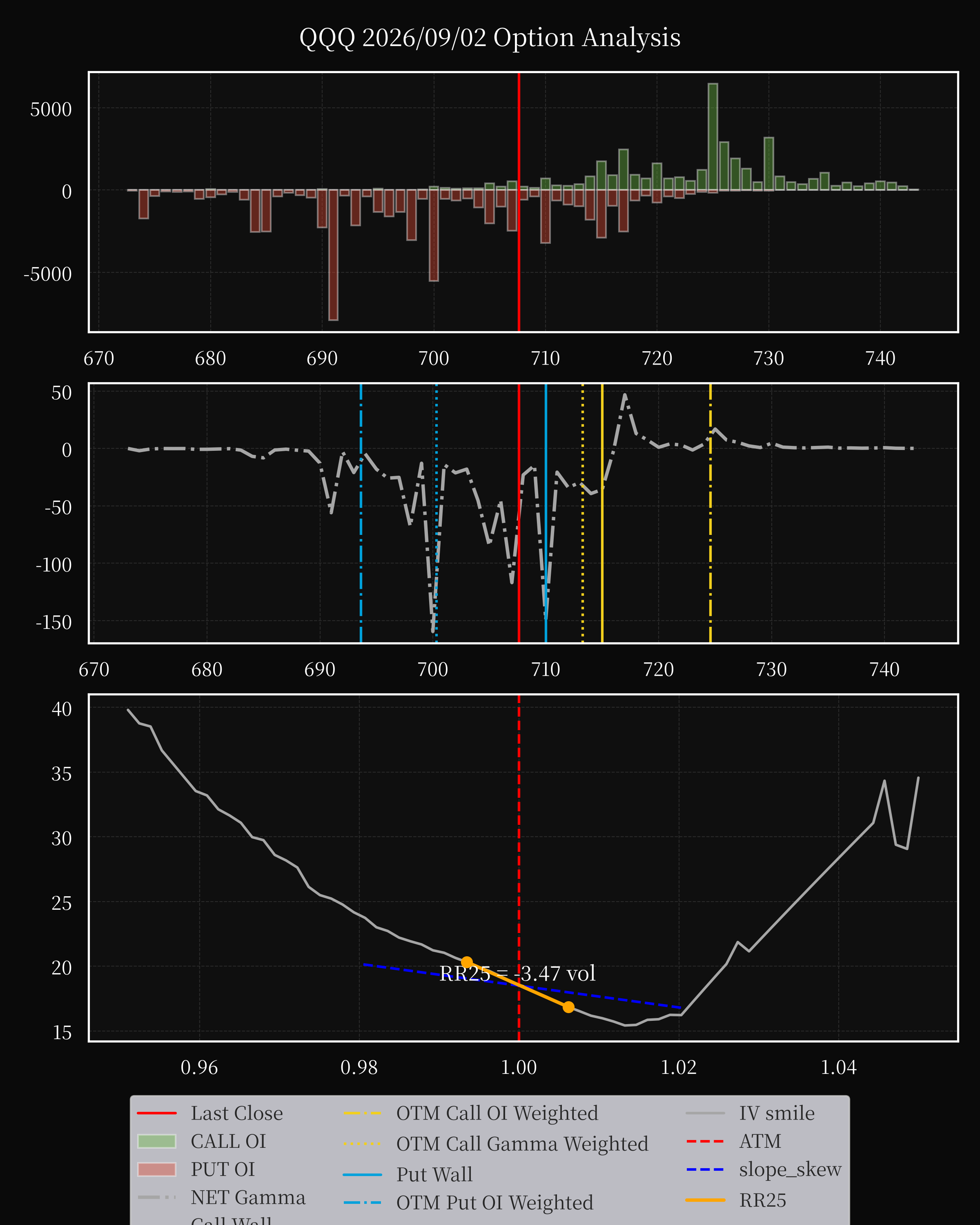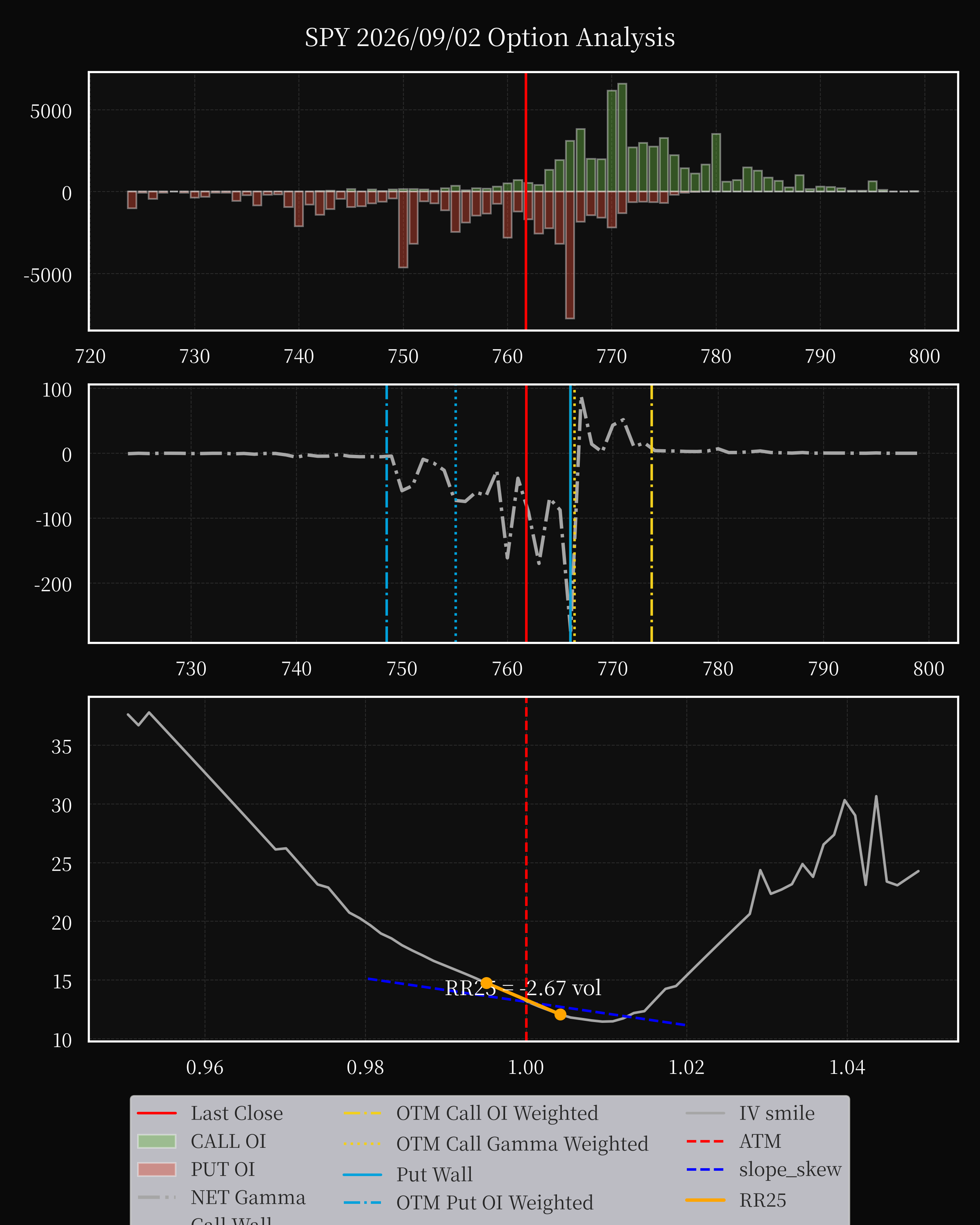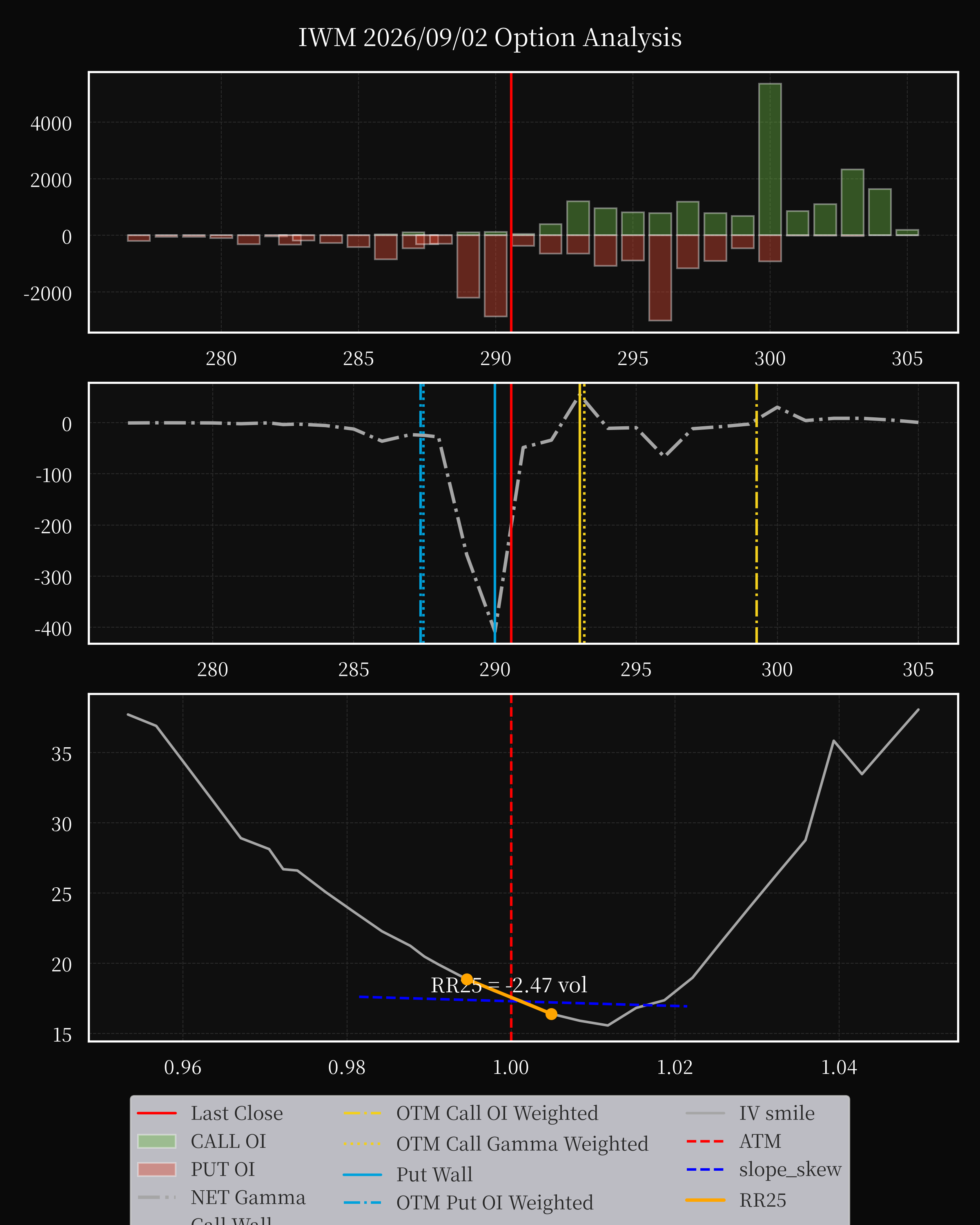
Overall
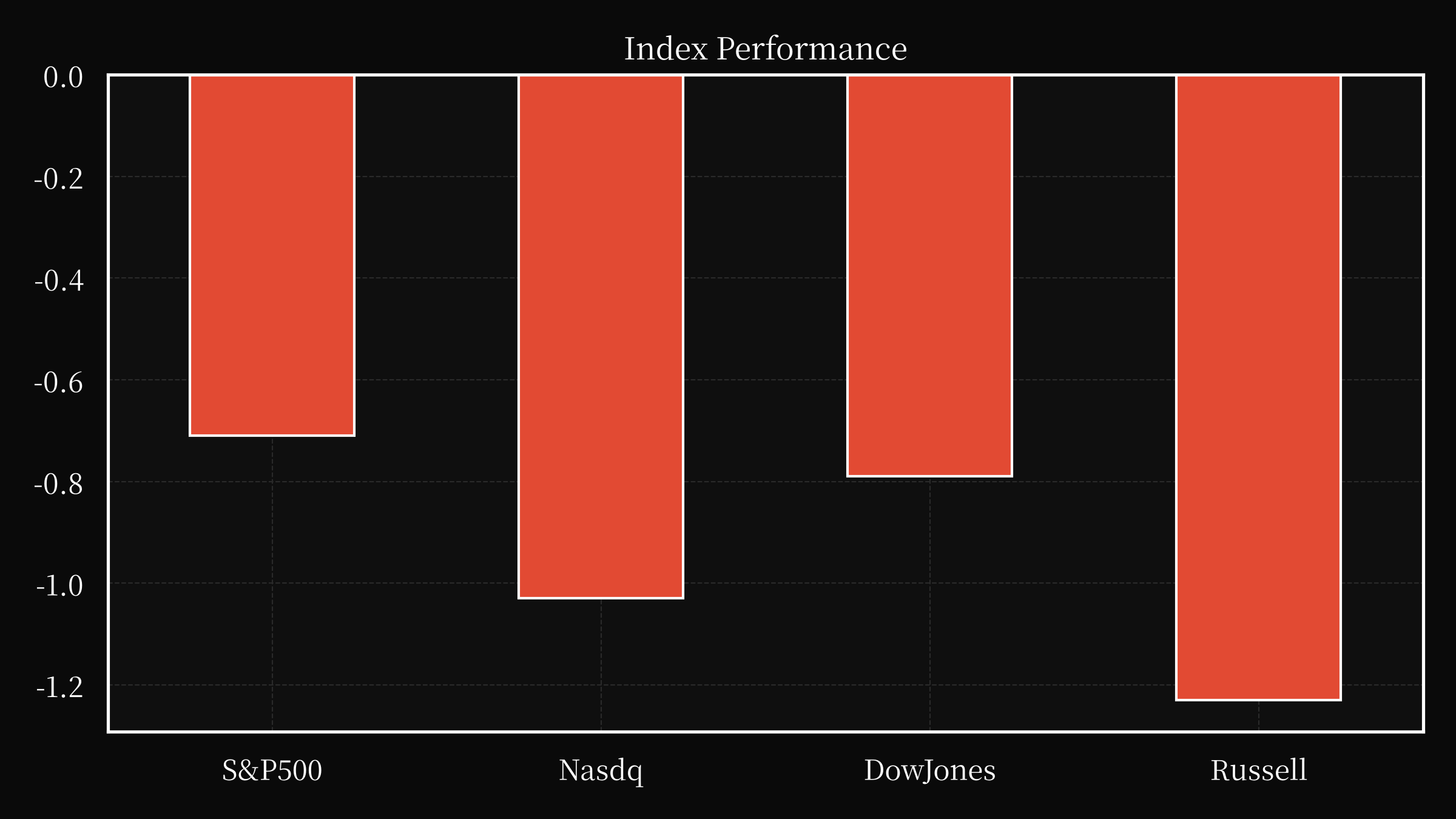
The market’s reaction to the latest escalation in U.S.–Iran hostilities reflects a convergence of geopolitical risk, commodity volatility, and macroeconomic uncertainty, all of which are now exerting significant downward pressure across global asset classes. The immediate trigger was the U.S. decision to launch targeted strikes against Iranian objectives in the Strait of Hormuz following Iran’s attempted attacks on commercial vessels and U.S. military assets in the region. These actions, rooted in retaliation for Iranian mining operations near critical shipping lanes, have reignited concerns about the stability of one of the world’s most vital maritime chokepoints and have rapidly translated into financial market turbulence. The resulting spike in oil prices—West Texas Intermediate crude surged above $90 a barrel—has compounded inflationary pressures, prompting sharp reactions from bond markets and equity indices alike.
The bond market has borne the brunt of this risk-off sentiment, with global sovereign yields reaching levels not seen since the aftermath of the 2008 financial crisis. In the United States, the 10-year Treasury yield climbed to its highest point since January 2025, while European and Japanese sovereign yields also posted multiyear highs. This dramatic repricing reflects not only the immediate threat of supply disruptions but also the broader concern that persistent conflict could accelerate inflation beyond central banks’ tolerance levels, forcing more aggressive monetary tightening. The resulting yield curve steepening has undermined investor confidence in equities, particularly in sectors sensitive to interest rate movements and commodity input costs. The S&P 500, Nasdaq, and Dow Jones all posted losses, with technology and semiconductor stocks leading the declines amid a broader risk-off environment.
Equities have been further weighed down by mixed signals from the labor market and ongoing concerns over corporate earnings. While the U.S. Department of Labor reported a modest uptick in open positions in July, the pace of hiring slowed, suggesting that labor demand remains tepid despite the backdrop of elevated inflation and rising energy prices. This juxtaposition of weak hiring and high input costs has reinforced fears of a stagflationary scenario, where growth is stifled by both supply shocks and tightening financial conditions. The market’s sensitivity to these dynamics is evident in the pronounced sell-off in technology stocks, where sentiment has soured due to both valuation concerns and the prospect of higher discount rates applied to future cash flows under a more inflationary regime.
The geopolitical context has also cast a shadow over corporate earnings expectations, particularly for multinational firms with significant exposure to energy and emerging markets. Chevron’s recent expansion into Venezuela’s Orinoco Belt, for example, represents a high-stakes bet on long-term oil demand and geopolitical stability in a region where U.S. interests and regional rivalries intersect. While such moves may offer strategic upside, they also introduce additional layers of political and operational risk, which investors are increasingly scrutinizing in their assessments of corporate resilience. Similarly, the ongoing U.S.–China trade tensions, though not the focus of today’s headlines, continue to weigh on investor sentiment, particularly in sectors reliant on global supply chains and cross-border commerce.
The Federal Reserve’s policy trajectory remains a critical variable in this environment. Although the central bank has yet to deliver its quarterly beige book, market participants are closely watching for clues regarding the pace and scope of future rate hikes. The prospect of further tightening to combat inflation—driven not only by energy prices but also by wage pressures and supply chain bottlenecks—remains a key driver of bond market volatility. Any indication that inflation is becoming entrenched would likely accelerate the Fed’s tightening cycle, further pressuring growth-oriented equities and increasing the likelihood of a deeper economic slowdown. Conversely, any sign that inflationary pressures are easing could provide relief to markets, though the current data suggest that the path forward will remain fraught with uncertainty.
In addition to macro and policy risks, today’s market roundup underscores the importance of earnings season and corporate strategy in shaping sector-specific outcomes. Technology firms, in particular, have come under renewed scrutiny as investors reassess growth prospects in light of higher financing costs and shifting consumer demand. Meanwhile, energy companies like Chevron are navigating a delicate balance between capitalizing on elevated oil prices and managing the reputational and regulatory risks associated with aggressive expansion in politically sensitive regions. The broader market’s reaction to these developments highlights the increasing interdependence between geopolitical events, commodity markets, and corporate fundamentals—a dynamic that will likely continue to define investment strategies in the near term.
Looking ahead, several key developments will shape market direction. First, the outcome of ongoing diplomatic efforts to de-escalate tensions in the Persian Gulf remains highly uncertain. Any breakthrough or escalation could dramatically alter the risk premium embedded in global asset prices. Second, upcoming economic data—including factory orders, employment figures, and inflation metrics—will provide critical insights into the resilience of the U.S. economy and the Federal Reserve’s policy options. Third, corporate earnings reports from major technology and energy firms will offer a granular view of how businesses are adapting to higher input costs and evolving demand patterns. Finally, political developments surrounding the U.S. midterm elections will continue to influence market sentiment, particularly as policymakers grapple with competing priorities around fiscal discipline, healthcare, and national security.
In summary, today’s market environment reflects a complex interplay of geopolitical risk, commodity-driven inflation, and monetary policy uncertainty. The immediate fallout from U.S.–Iran hostilities has been a broad-based sell-off across equities and bonds, with energy prices serving as both a catalyst and a barometer for broader economic stress. As investors digest the implications of these developments, the coming weeks will likely see heightened volatility as markets attempt to reconcile divergent signals from geopolitics, corporate earnings, and central bank policy. The ability to navigate this landscape will depend on a nuanced understanding of how these forces interact—and how policy responses evolve in reaction to unfolding events.
The interconnectedness of global markets means that no single event operates in isolation. The Strait of Hormuz remains a critical flashpoint not only because of its strategic importance to oil flows but also due to the broader implications for regional stability and international trade. Any disruption to shipping through this narrow waterway could have cascading effects on global energy prices, inflation, and ultimately corporate profitability across multiple sectors. This reality has prompted investors to adopt a more defensive posture, favoring assets perceived as hedges against inflation and geopolitical risk while reducing exposure to cyclical and growth-oriented equities.
Corporate earnings, meanwhile, continue to reflect the dual pressures of elevated input costs and shifting consumer behavior. In the technology sector, companies are facing not only higher financing costs but also heightened scrutiny over valuation multiples as discount rates rise. This has led to a repricing of growth stocks, with many firms seeing significant markdowns as markets reassess the sustainability of their long-term growth trajectories. At the same time, energy companies are benefiting from higher oil prices, though they must navigate the dual challenges of operational execution and reputational risk, particularly in politically volatile regions. The divergence in performance between these sectors underscores the importance of understanding how different industries are being reshaped by both policy decisions and market forces.
Monetary policy remains the overarching determinant of market direction, with the Federal Reserve’s next moves poised to influence interest rate expectations and risk appetite for the remainder of the year. The market’s reaction to today’s headlines suggests that policymakers are being forced to balance inflation control with economic growth considerations, a task complicated by the persistence of supply-side shocks. The potential for further rate hikes—driven not only by inflation but also by concerns over fiscal sustainability and debt servicing costs—adds another layer of uncertainty. Investors are therefore closely monitoring forward guidance from the Fed, as any indication of prolonged tightening could trigger further equity sell-offs and deepen the risk-off environment.
In essence, today’s market turmoil is a textbook example of how geopolitical events, commodity shocks, and macroeconomic policy intersect to reshape financial landscapes. The immediate consequences are evident in the sharp declines across major indices and the spike in sovereign yields, but the longer-term implications will depend on how policymakers, corporations, and investors adapt to a new normal of heightened uncertainty. The coming weeks will be pivotal in determining whether markets can stabilize or whether the current volatility will persist as participants grapple with the complexities of a world where traditional economic models are increasingly challenged by unpredictable global events.
The interplay between oil prices and inflation remains one of the most critical factors shaping market sentiment. As crude prices climb above $90 a barrel, the ripple effects are felt across industries reliant on energy inputs, from manufacturing to transportation to consumer goods. This dynamic has amplified concerns about cost-push inflation, which, if left unchecked, could erode real incomes and dampen consumer spending—a scenario that would further complicate the Federal Reserve’s dual mandate of price stability and maximum employment. The market’s reaction to today’s headlines reflects a growing awareness of these risks, with investors hedging against potential inflationary spirals through increased demand for safe-haven assets and defensive equities.
At the same time, the labor market’s mixed signals underscore the fragility of the economic recovery. While job openings have edged higher, hiring remains subdued relative to historical norms, suggesting that businesses are not yet confident enough in demand to expand workforce capacity. This cautious approach is consistent with broader uncertainty around inflation and monetary policy, as firms weigh the costs of labor against the potential for rising input prices and tighter credit conditions. The result is a delicate balancing act for corporate leaders, who must navigate both cost pressures and demand volatility while maintaining profitability—a challenge that will likely influence earnings trajectories in the months ahead.
Corporate strategy is also evolving in response to these headwinds. Companies are increasingly prioritizing operational efficiency, supply chain resilience, and cost management as they confront a more volatile operating environment. For technology firms, this has meant reevaluating growth investments and focusing on near-term profitability over long-term expansion. For energy companies, it has involved capitalizing on favorable commodity cycles while managing reputational risks associated with aggressive expansion in politically sensitive regions. These strategic shifts are not only reshaping individual firms but also altering sector dynamics, with implications for portfolio construction and risk management across asset classes.
Looking forward, investors must remain vigilant to the evolving interplay between geopolitical developments, macroeconomic policy, and corporate fundamentals. The next phase of market evolution will likely hinge on whether policymakers can effectively manage inflation without triggering a deeper recession, whether energy prices stabilize or continue to rise, and how businesses adapt to a world where traditional growth assumptions are increasingly challenged by external shocks. The coming weeks will test the resilience of portfolios built on the premise of steady recovery, demanding a recalibration of risk exposures and a heightened focus on defensive positioning.
The convergence of these forces underscores the importance of a holistic investment approach that accounts for both macroeconomic fundamentals and micro-level corporate developments. As markets continue to react to the latest developments in U.S.–Iran relations, energy prices, and Federal Reserve policy, the ability to synthesize diverse data points into coherent strategies will be paramount. The coming days will likely see heightened volatility as participants digest the implications of today’s headlines and adjust their expectations accordingly, reinforcing the need for disciplined decision-making in the face of persistent uncertainty.
The market’s reaction to today’s events also highlights the growing significance of geopolitical risk as a driver of asset allocation decisions. Investors are increasingly factoring in the likelihood of supply chain disruptions, energy price shocks, and policy shifts when constructing portfolios, leading to a reevaluation of traditional sector exposures and risk premiums. This trend is particularly evident in the energy sector, where companies are balancing the upside from higher oil prices against the downside from potential regulatory backlash or reputational damage. Similarly, technology firms are reassessing growth assumptions in light of rising capital costs and shifting consumer preferences, further complicating valuation models and investment theses.
Corporate earnings reports in the coming weeks will provide critical insights into how businesses are adapting to these multifaceted challenges. For energy companies, the ability to capitalize on elevated oil prices while managing operational risks will be a key determinant of performance. For technology firms, maintaining profitability amid higher financing costs and uncertain demand will require strategic discipline and operational agility. Meanwhile, firms across sectors will need to navigate evolving regulatory landscapes and shifting consumer expectations, all while balancing short-term performance with long-term sustainability goals. The coming earnings season will thus serve as a litmus test for corporate resilience and adaptability in an increasingly volatile global economy.
Finally, the political dimension cannot be overlooked. With midterm elections on the horizon and ongoing debates over fiscal policy, healthcare, and national security, policymakers face mounting pressure to deliver outcomes that address both immediate crises and long-term structural challenges. The interplay between domestic politics and global market dynamics will continue to shape investor sentiment, particularly as elections influence expectations around regulation, taxation, and international engagement. The ability of governments to manage these competing priorities will have profound implications for economic stability and market confidence in the months ahead.
In essence, today’s market turbulence is a reminder of the intricate web of forces that drive financial markets. From geopolitical flashpoints to corporate earnings cycles, from monetary policy decisions to political developments, each element contributes to the broader narrative of risk and opportunity. Investors who can synthesize these signals into coherent strategies—while remaining adaptable to rapid changes—will be best positioned to navigate the uncertainties ahead and achieve sustainable returns in an environment defined by complexity and ambiguity.
The coming days will likely see continued volatility as markets grapple with the implications of today’s headlines. The interplay between oil prices, inflation expectations, and monetary policy will remain central to market direction, with policymakers, corporations, and investors all adjusting their positions in response to evolving conditions. The challenge lies not only in interpreting current developments but also in anticipating how they will shape the broader economic landscape in the months to come. As such, the focus must remain on understanding the underlying drivers of market behavior while maintaining a disciplined approach to risk management and portfolio construction.
The interconnected nature of modern financial markets ensures that no event occurs in isolation. The Strait of Hormuz’s strategic importance, the Federal Reserve’s policy trajectory, corporate earnings trends, and political developments are all interlinked, each influencing the others in complex ways. This reality demands a holistic perspective—one that recognizes the multifaceted origins of market movements and the need for adaptive strategies capable of responding to an ever-changing environment. Investors who embrace this complexity, rather than seeking simplistic explanations, will be better equipped to navigate the uncertainties ahead and capitalize on emerging opportunities in a world where traditional assumptions are continually being tested.
The interplay between oil prices, inflation, and monetary policy remains the central axis around which market sentiment is currently oscillating. As crude prices climb above $90 a barrel, the risk of supply disruptions and cost-push inflation intensifies, prompting central banks to consider more aggressive tightening measures. This dynamic not only pressures equities through higher discount rates but also complicates corporate cost structures, particularly for energy-intensive industries. The resulting environment demands a nuanced approach to portfolio management, with investors weighing the trade-offs between defensive positioning and exposure to cyclical sectors that may benefit from inflationary pressures if managed prudently.
The labor market’s mixed signals further complicate the outlook. While open positions have risen modestly, hiring remains subdued relative to historical norms, suggesting that labor demand is not yet robust enough to drive significant wage growth. This moderation in hiring reflects broader uncertainty about economic momentum and the potential for further monetary tightening, which could dampen business confidence and investment. For corporations, this environment necessitates a focus on operational efficiency and cost discipline, particularly in sectors sensitive to input prices and consumer demand. The challenge lies in balancing short-term profitability with long-term growth prospects, a task that will require strategic agility and adaptability in an increasingly volatile landscape.
Monetary policy continues to be a dominant force shaping market direction. The Federal Reserve’s next moves—whether through forward guidance, policy statements, or adjustments to the federal funds rate—will influence interest rate expectations and risk appetite across asset classes. The market’s reaction to today’s headlines underscores the sensitivity of equities to policy signals, particularly as investors reassess growth prospects in light of rising discount rates and persistent inflationary pressures. The prospect of further rate hikes remains a key driver of market volatility, with implications for corporate borrowing costs, consumer spending, and overall economic activity. Policymakers face the delicate task of balancing inflation control with growth preservation, a challenge that will define the trajectory of monetary policy in the months ahead.
Geopolitical developments, particularly in the Middle East, remain a critical source of uncertainty. The ongoing U.S.–Iran standoff, coupled with the potential for further escalation, introduces significant risks to global energy markets and trade flows. These risks are not confined to oil prices alone but extend to broader concerns about regional stability and international relations. The market’s sensitivity to these developments reflects the interconnected nature of global commerce, where disruptions in one region can reverberate across economies and industries worldwide. Investors must therefore remain vigilant to the evolving geopolitical landscape, recognizing that policy decisions and military actions can have far-reaching consequences for market sentiment and asset valuations.
Watch List
BIAF
BioAffinity Technologies, Inc., a Delaware-based company, recently announced a significant step forward in the development of its CyPath® Lung test. As detailed in a press release (Exhibit 99.1), the company is actively pursuing the application of this innovative test for the ongoing surveillance of lung cancer patients. This advancement highlights BioAffinity’s continued commitment to developing advanced diagnostic tools within the oncology space. The CyPath® Lung test is designed to monitor patients with a history of lung cancer, offering a potential pathway for early detection and improved patient outcomes. This announcement signals a key development for the company and underscores its focus on leveraging its proprietary technology for critical healthcare applications. Further details regarding the test’s progress and potential market impact are expected to be released as the company continues its research and development efforts.
HYMC
Hycroft Mining Holding Corporation announced a significant expansion of its Board of Directors, effective September 1, 2026, bolstering its governance structure with nine independent directors. The additions include seasoned industry professionals: Richard O’Brien, formerly CEO of Newmont Mining Corporation, will lead the Audit, Nominating and Governance, and Compensation Committees and serve as Lead Independent Director; Marcelo Godoy, previously Executive Vice President and Chief Technology Officer of AngloGold Ashanti, will chair the Safety and Technical Committee; Josh Olmsted, a former President and COO of Freeport-McMoRan, will oversee the Environmental, Social & Governance and Safety & Technical Committees; and Blake Rhodes, a retired Senior Vice President from Newmont, will also serve on the Audit, Nominating and Governance, and Compensation Committees. These new directors bring diverse expertise in mining, technology, and strategic development. Each new director will receive compensation aligned with the company’s existing non-employee director structure. Furthermore, no new material agreements or arrangements were established with these individuals. The company released a press release detailing these appointments, which is filed as an exhibit.
MSIF
The MSC Income Fund, Inc. is offering $150 million in 6.83% senior notes due September 30, 2029, subject to a master note purchase agreement. These notes are designed with embedded interest rate adjustments based on financial performance, triggered by “Below Investment Grade Events” (defined as a single rating below investment grade, two ratings below investment grade, or a second-lowest rating below investment grade) and “Event of Default” scenarios (related to secured debt ratios or unsecured debt coverage ratios). If a Below Investment Grade Event occurs, the interest rate adjusts upward by 1.00% above the stated rate, continuing until the event ceases. If a Secured Debt Ratio or Unsecured Debt Coverage Ratio Event occurs, the interest rate increases by 2.00% above the stated rate, or 1.50% above the stated rate respectively, until either the triggering event or both are resolved. The notes include provisions for a Make-Whole Amount payable if a Below Investment Grade Event persists, and a prepayment settlement amount calculated based on discounted cash flows. The agreement also outlines specific covenants related to financial performance, including maintaining a minimum consolidated net worth and restrictions on incurring additional debt. Furthermore, the notes are subject to a series of legal and regulatory considerations, including compliance with Economic Sanctions Laws and the Investment Company Act, and require the Company to maintain a rating of at least “BBB-” by a rating agency. Finally, the agreement details payment terms, optional prepayments, and the rights of both the issuer and the noteholders, including provisions for electronic delivery and a waiver of jury trials.
MRNA
Moderna, Inc. completed a private offering of $3 billion in 0.00% Convertible Senior Notes due 2032, including an option for initial purchasers to add up to $400 million, bringing the total offering to $3.4 billion. The notes were issued under an indenture with U.S. Bank Trust Company, National Association, and mature on March 1, 2032. Holders have the option to convert the notes into shares of Moderna’s common stock under specific circumstances, including exceeding a 150% trading price threshold for the stock over 30 consecutive trading days, or upon corporate events. Initially, the conversion rate is 4.7487 shares per $1,000 principal, equating to an approximate conversion price of $210.58 per share, representing a 47.5% premium to the August 27, 2026, closing price of $142.77. The conversion flexibility increases after December 1, 2031. The Company also entered into capped call transactions to mitigate potential dilution from note conversions. Proceeds from the offering, approximately $2.957 billion after expenses, will be used for general corporate purposes, including investments in its oncology business and debt repayment. The Company anticipates using $328.8 million for the capped call transactions.
AAOI
Applied Optoelectronics, Inc. has secured two new lease agreements with Hightower Phase II Owner, LLC for two new industrial buildings in Houston, Texas – Buildings 4 and 5 – to be constructed within the same industrial park as its existing Phase I leases. These leases represent a significant investment, totaling approximately $22.5 million in rent over the 120-month terms, with monthly rates escalating annually. The company is responsible for all operating costs, taxes, and insurance, and anticipates substantial completion of the buildings within 16 months. Crucially, the company also has an option to purchase these buildings for $146.6 million, subject to adjustments based on square footage, and a $2 million earnest money deposit is required. The leases include provisions for potential structural modifications to accommodate future solar panel installations and contain standard termination rights for both parties. These new facilities are intended for light manufacturing and warehousing, expanding Applied Optoelectronics’ operational footprint and bolstering its production capabilities.
HWH
HWH International Inc. recently underwent significant leadership changes and strategic adjustments. On September 1, 2026, Chan Heng Fai resigned from his roles as Chairman and CEO, but will remain a member of the Board of Directors. Following this transition, Ming Xing was appointed as the new Chief Executive Officer, while Ming Hui assumed the role of Chairman of the Board. The appointments reflect a restructuring with Ming Xing and Liu Ming Hui, brothers and owners of Smart Dynamics Technology Limited, forming the core leadership team. Liu Ming Hui’s daughter, Liu Chang (Cathy), also joined the Board. Simultaneously, the company sold its stake in Smart Dynamics Technology Limited, including 20 million shares of common stock and warrants, as part of an agreement established in 2026. Notably, the company’s leadership draws heavily from the successful China Gas Holdings Limited, spearheaded by Liu Ming Hui, a prominent figure with a proven track record in building China’s largest integrated city-gas and clean-energy group. This restructuring aims to leverage expertise and experience within the group to guide HWH International Inc.’s future strategy.
SR
Spire Inc. has secured a $400 million delayed draw term loan agreement with a group of leading banks, including Mizuho Bank, U.S. Bank, Regions Bank, and The Toronto-Dominion Bank. This financing, finalized on August 31, 2026, provides the company with flexible access to capital through four potential borrowings over a three-year period, maturing on December 31, 2026. The loan carries a variable interest rate, either based on a base rate or Adjusted Term SOFR plus a 0.80% margin, and is intended to fund general corporate purposes. The agreement includes standard covenants and default provisions, notably a consolidated capitalization ratio limit of 70%, designed to safeguard the lenders’ interests. This new debt facility represents a significant step for Spire, bolstering its financial resources and providing options for strategic investments. The full terms of the DDTL Agreement are detailed in Exhibit 10.1, which is filed concurrently with this Form 8-K and becomes part of the public record.
HLX
Helix Energy Solutions Group, Inc. completed a series of complex mergers and conversions on September 1, 2026, fundamentally restructuring its corporate structure. Initially, Helix Energy Solutions Group, Inc., a Minnesota corporation, merged with and into Legacy Hornbeck (a Delaware corporation) following a shareholder vote. This initial merger resulted in Helix converting to a Delaware corporation and Legacy Hornbeck becoming a wholly-owned subsidiary. Subsequently, the surviving Hornbeck (now a Delaware corporation) merged with and into LLC Sub, also a Delaware corporation, with LLC Sub becoming a wholly-owned subsidiary. Following these mergers, Hornbeck was renamed “Hornbeck Offshore Services, Inc.” and subsequently rebranded as “Helix Delaware.” The transactions involved significant adjustments to outstanding warrants, restricted stock units, and other securities, including converting Helix common and preferred stock into Helix Delaware common stock and automatically converting Legacy Hornbeck common stock into shares of Helix Delaware common stock. Furthermore, the company amended its credit agreements, including the First Lien Revolving Credit Facility and the Jones Act Warrant Agreement, to accommodate the changes. Finally, the Company amended and restated its Certificate of Incorporation and Bylaws to reflect its new Delaware status and name, and appointed new executive officers, including Mr. Cook, as Chief Accounting Officer. The company also entered into an indemnification agreement with its directors and officers.
IAN Financial Vision is an AI-native financial research platform combining proprietary knowledge graphs, quantitative valuation models, and large language models to generate point-in-time investment research. All reports are produced using a structured research workflow with human review prior to publication..