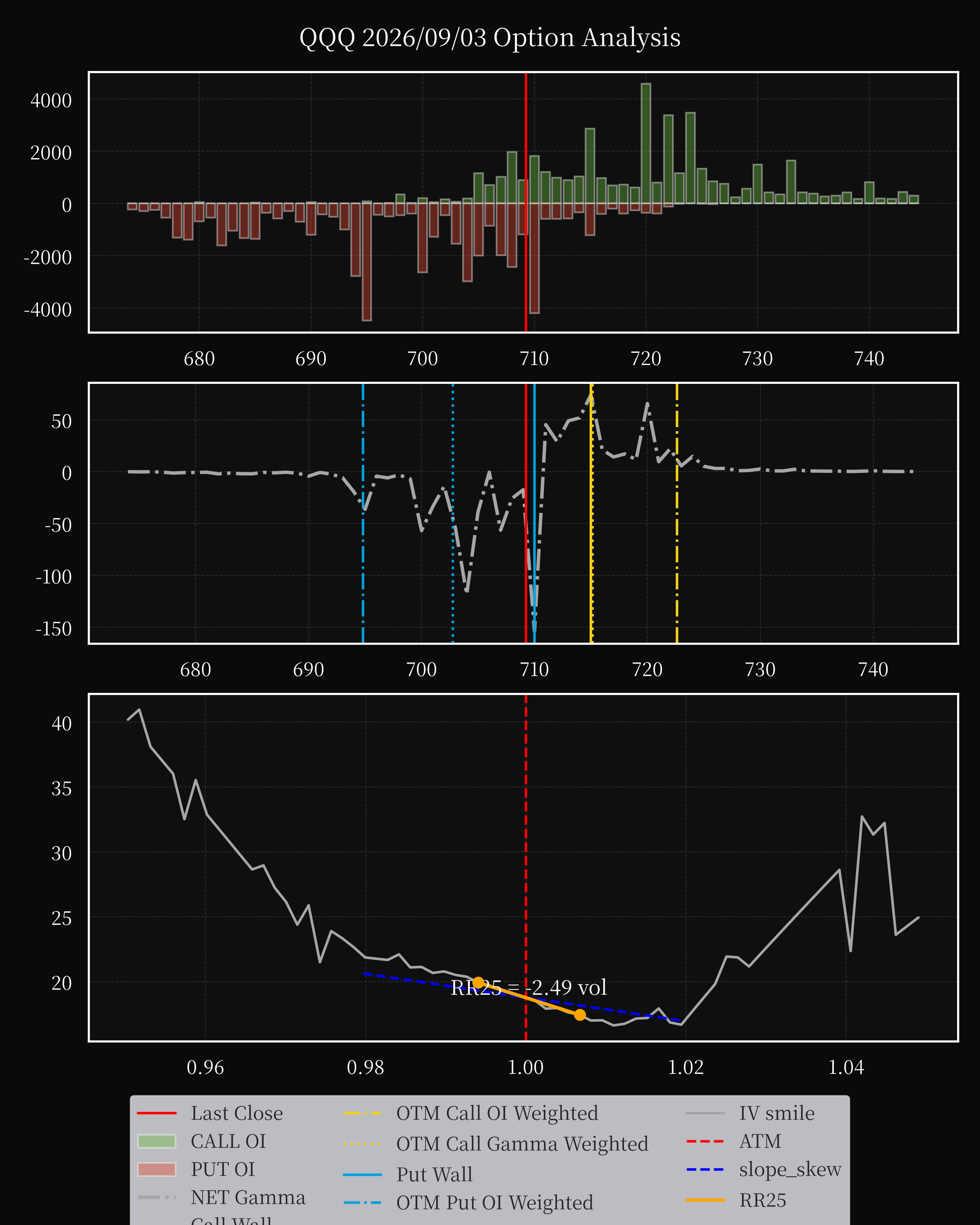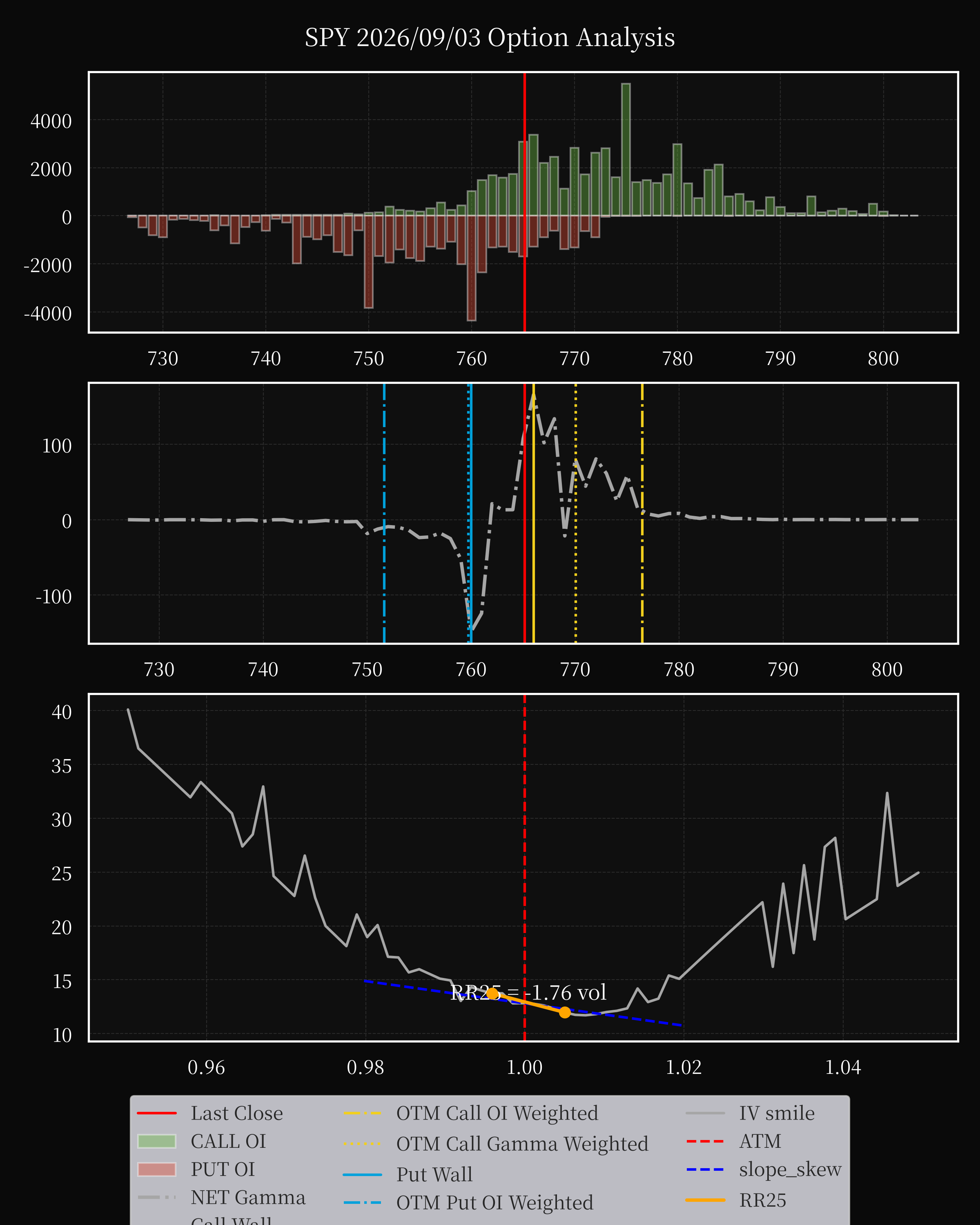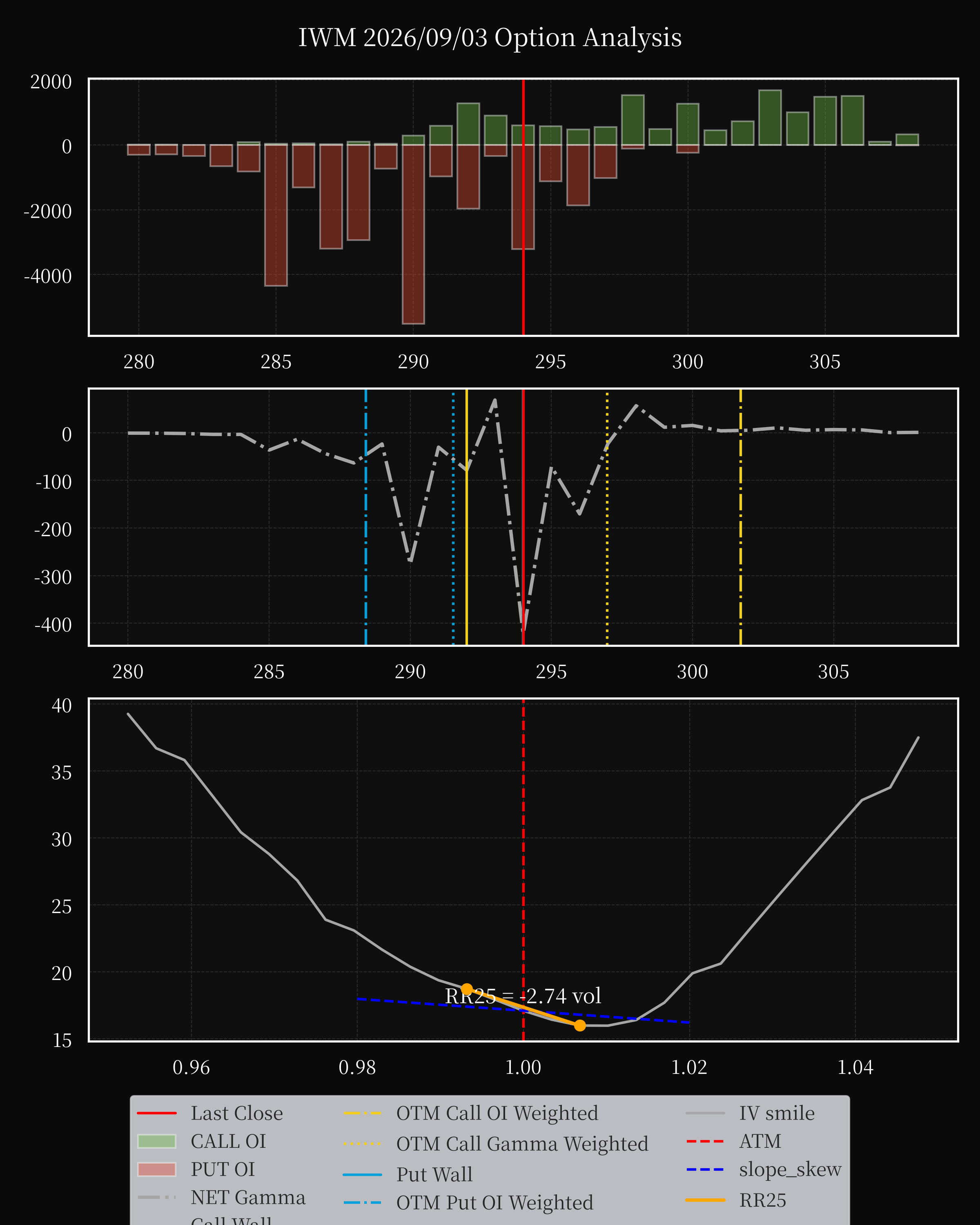
Overall
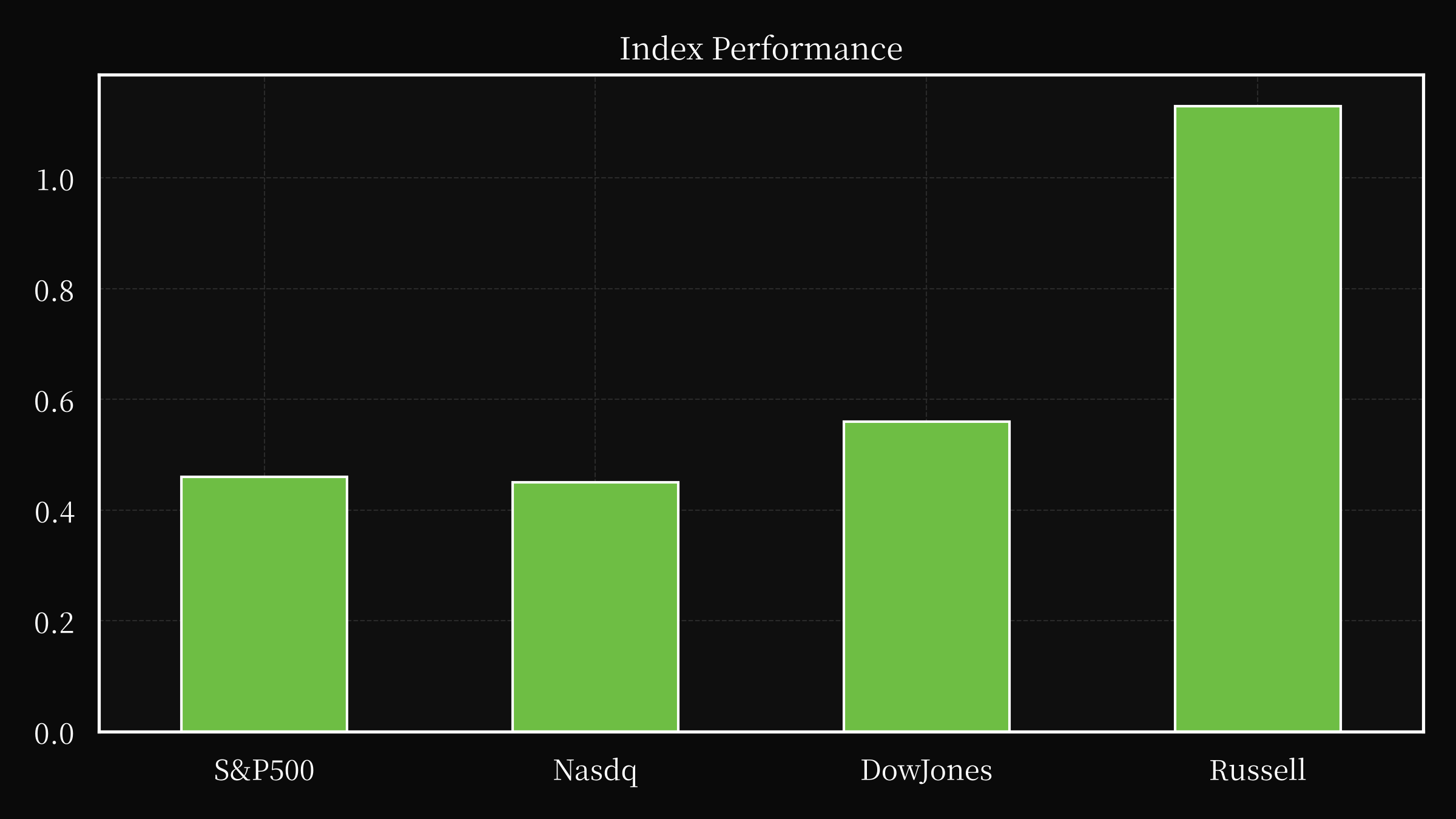
Markets experienced a nuanced day on Wednesday, marked by a blend of geopolitical tensions, corporate strategy shifts, and evolving sector dynamics. The S&P 500, Nasdaq, and Dow Jones Industrial Average all closed modestly higher, reflecting a market that absorbed volatility while maintaining underlying resilience. This outcome underscores the complexity of current conditions, where macroeconomic fundamentals, supply chain pressures, and regulatory interventions intersect to shape investor sentiment and asset valuations.
The Middle East conflict remained a central driver of market uncertainty. Renewed fighting between regional actors and the United States escalated oil prices, with Brent crude futures hovering above $95 per barrel despite the broader market’s recovery. This price surge, coupled with Iran’s retaliatory threats and the absence of diplomatic resolution, amplified concerns about energy security and inflationary pressures. While the S&P 500 and Nasdaq demonstrated relative strength, the Dow’s 295-point gain of 0.6% highlighted a divergence in performance, suggesting that industrial and cyclical sectors may be more sensitive to geopolitical shocks than technology-driven indices. The persistence of elevated oil prices, even amid a stock market rally, reinforces the market’s sensitivity to supply disruptions and the broader macroeconomic implications of energy markets.
Corporate actions further illustrated the interplay between strategic adaptation and regulatory scrutiny. Alphabet’s court victory, which avoided a forced breakup of its ad-tech business, provided a modest boost to its shares. The ruling, which mandated behavioral changes rather than structural divestitures, signaled a nuanced judicial approach to antitrust enforcement. However, the decision also underscored the challenges of balancing competitive practices with innovation in digital ecosystems. Meanwhile, Uber’s 10% workforce reduction, framed as a cost-cutting measure to fund its autonomous vehicle initiatives, reflected a broader trend of companies prioritizing efficiency and technological transformation. The move, while aimed at long-term competitiveness, raised questions about labor dynamics and the sustainability of growth-oriented strategies in a tightening labor market.
The ripple effects of these corporate decisions extended to sector-specific valuations. The technology sector, already under pressure from rising interest rates and macroeconomic uncertainty, faced mixed signals. While AI-driven growth narratives continued to buoy companies like NetApp and Broadcom, the broader market’s hesitation toward high-beta stocks highlighted lingering concerns about valuation multiples and earnings sustainability. Conversely, energy stocks, buoyed by oil price gains, attracted speculative interest, though their performance remained constrained by the market’s cautious stance toward cyclical sectors. The divergence between energy and tech indices underscored the market’s recalibration in response to shifting risk appetites and macroeconomic signals.
Labor market dynamics added another layer of complexity. The broader economy’s resilience, as evidenced by modest GDP growth and steady demand for data centers, provided a foundation for equity gains. However, the persistence of inflationary pressures, particularly in services and energy, continued to weigh on consumer spending and corporate margins. The Federal Reserve’s Beige Book, which noted mixed sentiment across sectors, emphasized the challenges of reconciling robust activity in certain areas with ongoing price sensitivity. This duality reflected a market navigating the dual imperatives of growth and inflation control, with investors closely monitoring central bank communications for clues about future policy trajectories.
Regulatory and political developments further influenced market behavior. The NBA’s historic punishment of Steve Ballmer’s Clippers for salary-cap violations, while seemingly a niche event, highlighted the broader implications of governance and compliance in high-stakes corporate environments. The decision, which combined financial penalties with a suspension of league activities, reinforced the league’s commitment to competitive fairness and financial discipline. Such interventions, while specific to sports, mirrored the market’s broader scrutiny of corporate governance practices and the consequences of non-compliance.
The midterm elections, set to influence policy outcomes in the coming months, introduced an additional layer of uncertainty. Political polarization and the potential for legislative gridlock loomed over sectors reliant on regulatory approvals, from healthcare to technology. Investors remained vigilant about the interplay between electoral outcomes and policy shifts, recognizing that political developments could reshape market dynamics in unpredictable ways. The market’s cautious optimism, therefore, was tempered by the recognition that near-term gains might be followed by periods of volatility as political and economic variables evolved.
In the technology sector, the focus on AI-driven growth continued to dominate narratives, with companies like NetApp and Broadcom leveraging advancements in semiconductor demand and cloud infrastructure. However, the broader sector’s performance was constrained by concerns over valuation multiples and the sustainability of earnings growth. The divergence between AI optimism and macroeconomic caution reflected a market grappling with the dual forces of innovation and risk management. Meanwhile, the rise of AI agents and automation technologies introduced new dimensions of disruption, challenging traditional business models and redefining competitive landscapes.
The energy sector’s performance, while buoyed by short-term price gains, remained subject to geopolitical and environmental headwinds. The persistence of high oil prices, driven by supply constraints and regional conflicts, underscored the fragility of global energy markets. However, the long-term outlook for renewables and decarbonization initiatives continued to attract capital, even as fossil fuel producers benefited from temporary pricing power. This juxtaposition highlighted the market’s dual focus on immediate risks and long-term structural shifts.
Labor market trends, including the ongoing impact of automation and the evolving nature of work, influenced corporate strategies and investor expectations. The rise of remote work, hybrid models, and the gig economy reshaped demand for real estate, technology, and services. Companies adapting to these changes, such as Uber’s restructuring efforts, faced the challenge of balancing cost efficiency with operational flexibility. The market’s response to these trends reflected a broader reevaluation of productivity, innovation, and the future of employment.
The Federal Reserve’s evolving stance on inflation and interest rates remained a critical factor in market sentiment. While the Beige Book indicated positive economic activity, it also flagged concerns about energy prices and geopolitical risks. The Fed’s dual mandate of price stability and maximum employment required a delicate balancing act, with policymakers navigating the tension between curbing inflation and supporting growth. The market’s reaction to Fed communications, including speeches by key officials like Kevin Warsh, emphasized the importance of forward guidance in shaping expectations and investor behavior.
In the broader economic context, the interplay between inflation, employment, and consumer confidence continued to shape market dynamics. The persistence of wage growth, despite labor market tightness, suggested a resilient economy, but rising borrowing costs and uncertainty about policy responses introduced volatility. The market’s focus on data centers, defense, and high-end consumer goods reflected a shift toward sectors perceived as more resilient in the face of macroeconomic headwinds.
Ultimately, the market’s performance on Wednesday illustrated the complexity of navigating a landscape defined by conflicting forces. Geopolitical tensions, corporate strategy shifts, sector-specific dynamics, and regulatory interventions created a mosaic of opportunities and risks. Investors, armed with a deeper understanding of these interconnections, sought to position portfolios in ways that balanced growth potential with risk mitigation. The market’s resilience, while evident, was not without challenges, as participants grappled with the implications of an evolving economic environment. The coming weeks would likely see further refinements in strategy, driven by both macroeconomic data and the unfolding narrative of corporate and political developments.
The convergence of these factors—geopolitical volatility, corporate adaptation, sectoral divergences, and regulatory scrutiny—highlighted the market’s role as a barometer of broader economic and societal trends. Investors, policymakers, and businesses alike remained attuned to the signals emanating from these developments, recognizing that the path forward would require agility, foresight, and a willingness to reassess assumptions in the face of uncertainty. The market’s response to these dynamics, while measured, underscored the enduring importance of strategic patience and analytical rigor in an era of rapid change. The interplay between immediate pressures and long-term possibilities continued to define the trajectory of financial markets, reinforcing the need for a nuanced and adaptive approach to investment and policy-making. The lessons of the day, therefore, extended beyond short-term price movements to encompass the broader imperative of navigating complexity with clarity and purpose. The market’s evolution, shaped by these forces, remained a testament to the enduring challenge of reconciling competing priorities in an interconnected and ever-changing world. The interplay between risk and reward, innovation and regulation, and global dynamics and local realities would continue to shape the contours of economic and financial landscapes in the months ahead. The market’s resilience, while tested, reflected a capacity to absorb and respond to multifaceted challenges, offering a framework for understanding the intricate dance between macroeconomic forces and micro-level decisions. The ongoing dialogue between investors, corporations, and policymakers underscored the necessity of a holistic perspective, one that acknowledged the interdependencies and trade-offs inherent in modern economic systems. The market’s trajectory, therefore, was not merely a function of financial metrics but a reflection of the broader societal and institutional forces that defined the era. The pursuit of equilibrium in this environment required not only analytical acumen but also a commitment to long-term value creation amidst the turbulence of an interconnected world. The interplay of these elements, while complex, provided a foundation for informed decision-making and strategic resilience in the face of uncertainty. The market’s response to these dynamics, though measured, signaled an enduring capacity to adapt and evolve, even as the challenges of the day demanded vigilance and recalibration. The convergence of these factors, while daunting, also revealed opportunities for innovation, collaboration, and the redefinition of value in an era of profound transformation. The market’s evolution, shaped by these forces, remained a dynamic and ongoing process, demanding continuous engagement and critical reflection from all stakeholders involved. The interplay of these elements, though intricate, underscored the importance of a balanced approach to risk management, strategic foresight, and the recognition of the broader economic and social context in which markets operate. The lessons of the day, therefore, extended beyond immediate outcomes to encompass the enduring principles of adaptability, resilience, and the pursuit of sustainable growth in an environment defined by complexity and uncertainty. The market’s ability to navigate these challenges would, in many ways, define the trajectory of economic and financial systems in the years to come. The interplay of these forces, while demanding, also illuminated the pathways through which markets could reconcile competing priorities and foster progress in an era of unprecedented change. The enduring relevance of these dynamics, therefore, lay in their capacity to inform, challenge, and ultimately shape the future of economic and financial landscapes. The market’s response to these pressures, while nuanced, reflected a commitment to navigating the intricate web of global interdependencies and local realities that define modern economic systems. The ongoing dialogue between macroeconomic trends, corporate strategies, and regulatory frameworks underscored the necessity of a holistic and forward-looking perspective in an environment where uncertainty and opportunity coexisted. The market’s resilience, though tested, remained a testament to the capacity of financial systems to absorb shocks, adapt to evolving conditions, and continue serving as a critical mechanism for resource allocation and value creation. The interplay of these elements, while complex, provided a framework for understanding the multifaceted nature of market dynamics and the enduring importance of strategic agility in an ever-changing world. The lessons of the day, therefore, extended beyond immediate outcomes to encompass the broader imperative of fostering resilience, innovation, and sustainable growth in the face of persistent and emerging challenges. The market’s evolution, shaped by these forces, would continue to serve as a barometer of economic health and a catalyst for informed decision-making in the years ahead. The interplay of these factors, though demanding, reinforced the necessity of a balanced, adaptive, and forward-looking approach to navigating the intricate and interconnected systems that define modern financial markets. The enduring relevance of these dynamics lay in their capacity to inform, challenge, and ultimately guide the pursuit of economic and financial stability in an era of profound transformation. The market’s capacity to reconcile competing priorities and respond to evolving conditions underscored the importance of continuous learning, strategic foresight, and the recognition of the broader societal and institutional contexts that shape economic outcomes. The interplay of these forces, while complex, provided a foundation for understanding the intricate dance between risk and reward, innovation and regulation, and global interdependencies and local realities that define the modern economic landscape. The market’s resilience, therefore, was not merely a function of financial metrics but a reflection of the broader capacity to adapt, innovate, and navigate the challenges of an interconnected and dynamic world. The ongoing evolution of these dynamics, shaped by the interplay of macroeconomic forces, corporate strategies, and geopolitical developments, would continue to influence the trajectory of markets and the broader economy in the months and years to come. The lessons of the day, thus, extended beyond immediate market movements to encompass the enduring principles of adaptability, foresight, and the pursuit of sustainable growth in an environment defined by complexity and uncertainty. The market’s response to these challenges, while measured, highlighted the necessity of a holistic perspective that recognized the interdependencies between economic, social, and institutional factors in shaping financial outcomes. The interplay of these elements, though demanding, underscored the importance of strategic agility, informed decision-making, and the recognition of the broader implications of market behavior for stakeholders across the spectrum. The enduring relevance of these dynamics lay in their capacity to inform, challenge, and ultimately guide the pursuit of resilience and innovation in an era of unprecedented change. The market’s evolution, shaped by the convergence of these forces, would continue to serve as a critical lens through which to understand the complexities of modern economic systems and the pathways toward sustainable progress. The interplay of these factors, while intricate, reinforced the necessity of a balanced approach to risk management, strategic planning, and the recognition of the broader economic and social context in which markets operate. The lessons of the day, therefore, extended beyond immediate outcomes to encompass the enduring principles of adaptability, foresight, and the pursuit of value in an environment defined by both opportunity and uncertainty. The market’s capacity to navigate these challenges, while demanding, reflected the resilience and ingenuity that underpin modern financial systems and their role in shaping the future of economic and social development. The interplay of these forces, though complex, provided a foundation for understanding the multifaceted nature of market dynamics and the enduring importance of strategic agility in an era of rapid transformation. The ongoing dialogue between macroeconomic trends, corporate strategies, and regulatory frameworks underscored the necessity of a holistic and forward-looking perspective in navigating the intricate web of global interdependencies and local realities that define contemporary economic systems. The market’s resilience, while tested, remained a testament to the capacity of financial markets to absorb shocks, adapt to evolving conditions, and continue serving as a critical mechanism for resource allocation and value creation in an environment of persistent uncertainty and evolving challenges. The interplay of these elements, though demanding, highlighted the enduring importance of informed decision-making, strategic foresight, and the recognition of the broader implications of market behavior for stakeholders across the spectrum. The evolving landscape of economic and financial systems, shaped by these forces, would continue to demand vigilance, adaptability, and a commitment to sustainable growth in the face of an increasingly interconnected and dynamic world. The market’s response to these challenges, while measured, underscored the necessity of a balanced and nuanced approach to navigating the complexities of modern economic systems, where innovation, regulation, and global interdependencies converge to shape the trajectory of progress and prosperity. The enduring relevance of these dynamics lay in their capacity to inform, challenge, and ultimately guide the pursuit of resilience and value in an era defined by both opportunity and uncertainty. The interplay of these forces, though intricate, reinforced the importance of strategic agility, informed decision-making, and the recognition of the broader economic and social context in which markets operate, ensuring that the lessons of the day would resonate beyond immediate outcomes to shape the future of financial and economic systems. The market’s evolution, shaped by the convergence of these elements, would continue to reflect the enduring principles of adaptability, foresight, and the pursuit of sustainable growth in an environment where complexity and uncertainty are the defining characteristics of the modern economic landscape. The ongoing dialogue between macroeconomic trends, corporate strategies, and regulatory frameworks underscored the necessity of a holistic perspective that recognized the interdependencies between economic, social, and institutional factors in shaping financial outcomes and guiding strategic direction. The market’s resilience, while tested, remained a testament to the capacity of financial systems to absorb shocks, adapt to evolving conditions, and continue serving as a critical mechanism for resource allocation and value creation in an era of persistent uncertainty and evolving challenges. The interplay of these forces, though demanding, highlighted the enduring importance of informed decision-making, strategic foresight, and the recognition of the broader implications of market behavior for stakeholders across the spectrum, reinforcing the necessity of a balanced and adaptive approach to navigating the intricate and dynamic landscape of modern economic systems. The lessons of the day, therefore, extended beyond immediate market movements to encompass the broader imperative of fostering resilience, innovation, and sustainable growth in the face of an interconnected and ever-changing world. The market’s capacity to reconcile competing priorities and respond to evolving conditions underscored the importance of continuous learning, strategic agility, and the recognition of the broader economic and social context in which financial decisions are made. The interplay of these elements, while complex, provided a foundation for understanding the multifaceted nature of market dynamics and the enduring principles that guide informed and effective decision-making in an era defined by both opportunity and uncertainty. The evolving landscape of economic and financial systems, shaped by these forces, would continue to demand vigilance, adaptability, and a commitment to sustainable progress in the face of persistent challenges and emerging possibilities. The market’s response to these dynamics, though measured, reflected a capacity to navigate the intricate web of global interdependencies and local realities, reinforcing the necessity of a holistic and forward-looking perspective in shaping the future of economic and financial systems. The enduring relevance of these dynamics lay in their capacity to inform, challenge, and ultimately guide the pursuit of resilience and value in an environment where complexity and uncertainty are the defining characteristics of modern economic life. The interplay of these forces, while demanding, underscored the importance of strategic foresight, informed decision-making, and the recognition of the broader implications of market behavior for stakeholders across the spectrum, ensuring that the lessons of the day would resonate beyond immediate outcomes to shape the trajectory of economic and financial systems in the years to come. The market’s evolution, shaped by the convergence of these elements, would continue to serve as a critical lens through which to understand the intricate and dynamic nature of economic systems, reinforcing the necessity of adaptability, resilience, and the pursuit of sustainable growth in an era of unprecedented transformation. The interplay of these forces, though intricate, highlighted the enduring importance of balancing competing priorities, fostering innovation, and navigating the complexities of a rapidly evolving global landscape. The market’s capacity to absorb shocks, adapt to changing conditions, and continue serving as a catalyst for value creation underscored the resilience of modern financial systems and their role in shaping the future of economic and social development. The ongoing dialogue between macroeconomic trends, corporate strategies, and regulatory frameworks reinforced the necessity of a holistic and forward-looking perspective in navigating the challenges and opportunities that define contemporary economic systems. The enduring principles of adaptability, foresight, and sustainable growth, shaped by the interplay of these forces, would continue to guide stakeholders in their pursuit of resilience and innovation in an environment where uncertainty and opportunity coexist. The market’s response to these dynamics, while measured, reflected a commitment to informed decision-making and strategic agility, ensuring that the lessons of the day would inform future actions and shape the trajectory of financial and economic systems in the years ahead. The interplay of these elements, though demanding, underscored the importance of recognizing the broader economic and social context in which markets operate, reinforcing the necessity of a balanced approach to risk management, strategic planning, and the pursuit of sustainable progress in an interconnected and dynamic world. The evolving landscape of economic and financial systems, shaped by these forces, would continue to demand vigilance, adaptability, and a commitment to fostering resilience in the face of persistent challenges and emerging possibilities. The market’s capacity to reconcile competing priorities and respond to evolving conditions highlighted the enduring importance of informed decision-making, strategic foresight, and the recognition of the broader implications of market behavior for stakeholders across the spectrum. The interplay of these forces, while complex, provided a foundation for understanding the multifaceted nature of market dynamics and the enduring principles that guide effective financial and economic strategies in an era defined by both opportunity and uncertainty. The lessons of the day, therefore, extended beyond immediate outcomes to encompass the broader imperative of fostering resilience, innovation, and sustainable growth in an environment where complexity and uncertainty are the defining characteristics of modern economic systems. The market’s evolution, shaped by the convergence of these elements, would continue to serve as a critical mechanism for resource allocation and value creation, reinforcing the necessity of strategic agility and informed decision-making in navigating the intricate web of global interdependencies and local realities. The enduring relevance of these dynamics lay in their capacity to inform, challenge, and ultimately guide the pursuit of resilience and value in an era where the interplay of macroeconomic forces, corporate strategies, and geopolitical developments defines the trajectory of financial and economic systems. The market’s response to these challenges, though measured, reflected a capacity to absorb shocks, adapt to evolving conditions, and continue serving as a catalyst for innovation and sustainable growth in the face of persistent uncertainty. The interplay of these forces, while demanding, underscored the importance of recognizing the broader economic and social context in which markets operate, ensuring that strategic decisions are informed by a holistic understanding of the complex and dynamic nature of modern economic systems. The enduring principles of adaptability, foresight, and sustainable growth, shaped by the convergence of these elements, would continue to guide stakeholders in their pursuit of resilience and innovation, reinforcing the necessity of continuous learning, strategic agility, and the recognition of the broader implications of market behavior for the future of economic and financial systems. The market’s evolution, shaped by the interplay of these forces, would thus serve as a testament to the enduring capacity of financial systems to navigate complexity, adapt to change, and foster progress in an era of unprecedented transformation. The lessons of the day, therefore, extended beyond immediate market movements to encompass the broader imperative of fostering resilience, innovation, and sustainable growth in an environment where uncertainty and opportunity coexist, ensuring that the principles of informed decision-making and strategic foresight remain central to the ongoing evolution of economic and financial systems. The interplay of these forces, while intricate, highlighted the necessity of a balanced and adaptive approach to navigating the complexities of modern economic systems, where the pursuit of value and resilience requires a deep understanding of the interdependencies between macroeconomic trends, corporate strategies, and geopolitical developments. The enduring relevance of these dynamics lay in their capacity to inform, challenge, and ultimately guide the pursuit of sustainable growth and resilience in an era defined by both opportunity and uncertainty, reinforcing the importance of strategic agility, informed decision-making, and the recognition of the broader economic and social context in shaping the future of financial and economic systems. The market’s capacity to absorb shocks, adapt to evolving conditions, and continue serving as a catalyst for innovation and value creation underscored the resilience of modern financial systems and their role in fostering progress in an interconnected and dynamic world. The interplay of these forces, though demanding, reinforced the necessity of a holistic perspective that recognized the interdependencies between economic, social, and institutional factors in shaping financial outcomes and guiding strategic direction. The evolving landscape of economic and financial systems, shaped by these dynamics, would continue to demand vigilance, adaptability, and a commitment to sustainable growth in the face of persistent challenges and emerging possibilities. The market’s response to these pressures, while measured, reflected a capacity to navigate complexity and uncertainty, ensuring that the principles of informed decision-making and strategic foresight remained central to the ongoing evolution of financial and economic systems. The enduring importance of these dynamics lay in their capacity to inform, challenge, and ultimately guide the pursuit of resilience and value in an environment where complexity and uncertainty are the defining characteristics of modern economic life. The interplay of these forces, though intricate, underscored the necessity of recognizing the broader implications of market behavior for stakeholders across the spectrum, reinforcing the importance of a balanced and forward-looking approach to navigating the multifaceted challenges of contemporary economic systems. The market’s evolution, shaped by the convergence of these elements, would thus continue to serve as a critical lens through which to understand the intricate and dynamic nature of economic systems, ensuring that the lessons of the day would resonate beyond immediate outcomes to shape the trajectory of financial and economic development in the years to come. The enduring principles of adaptability, foresight, and sustainable growth, shaped by the interplay of macroeconomic trends, corporate strategies, and geopolitical developments, would remain central to the ongoing pursuit of resilience and innovation in an era defined by both opportunity and uncertainty. The market’s capacity to reconcile competing priorities and respond to evolving conditions highlighted the necessity of strategic agility, informed decision-making, and the recognition of the broader economic and social context in guiding effective financial and economic strategies. The interplay of these forces, while demanding, reinforced the importance of continuous learning, adaptive governance, and the recognition of the interconnected nature of global and local realities in shaping the future of economic and financial systems. The enduring relevance of these dynamics lay in their capacity to inform, challenge, and ultimately guide the pursuit of resilience and value in an environment where uncertainty and opportunity coexist, ensuring that the principles of informed decision-making and strategic foresight remain at the core of navigating the complexities of modern economic systems. The market’s evolution, shaped by the convergence of these elements, would thus continue to reflect the enduring importance of adaptability, resilience, and the pursuit of sustainable growth in an era of unprecedented transformation, reinforcing the necessity of a holistic and forward-looking perspective in shaping the future of financial and economic systems. The interplay of these forces, though complex, underscored the necessity of recognizing the broader economic and social context in which markets operate, ensuring that strategic decisions are informed by a comprehensive understanding of the intricate web of global interdependencies and local realities. The enduring principles of adaptability, foresight, and sustainable growth, shaped by the convergence of these dynamics, would continue to guide stakeholders in their pursuit of resilience and innovation, reinforcing the necessity of informed decision-making and strategic agility in navigating the multifaceted challenges of contemporary economic systems. The market’s capacity to absorb shocks, adapt to evolving conditions, and continue serving as a catalyst for value creation underscored the resilience of modern financial systems and their role in fostering progress in an interconnected and dynamic world. The interplay of these forces, while demanding, highlighted the importance of recognizing the broader implications of market behavior for stakeholders across the spectrum, ensuring that the lessons of the day would resonate beyond immediate outcomes to shape the trajectory of economic and financial systems in the years ahead. The enduring relevance of these dynamics lay in their capacity to inform, challenge, and ultimately guide the pursuit of resilience and value in an environment where complexity and uncertainty are the defining characteristics of modern economic life. The market’s response to these challenges, though measured, reflected a capacity to navigate complexity and uncertainty, ensuring that the principles of informed decision-making and strategic foresight remained central to the ongoing evolution of financial and economic systems. The interplay of these forces, while intricate, underscored the necessity of a balanced and adaptive approach to navigating the complexities of modern economic systems, where the pursuit of resilience and innovation requires a deep understanding of the interdependencies between macroeconomic trends, corporate strategies, and geopolitical developments. The enduring importance of these dynamics lay in their capacity to shape the future of economic and financial systems, reinforcing the necessity of continuous learning, strategic agility, and the recognition of the broader economic and social context in guiding effective decision-making and fostering sustainable growth in an era defined by both opportunity and uncertainty. The market’s evolution, shaped by the convergence of these elements, would thus continue to serve as a critical mechanism for resource allocation and value creation, ensuring that the principles of adaptability, foresight, and resilience remain at the forefront of economic and financial strategy in the years to come. The interplay of these forces, while demanding, highlighted the enduring importance of recognizing the broader implications of market behavior for stakeholders across the spectrum, reinforcing the necessity of a holistic and forward-looking perspective in navigating the intricate web of global interdependencies and local realities that define contemporary economic systems. The enduring relevance of these dynamics lay in their capacity to inform, challenge, and ultimately guide the pursuit of resilience and value in an environment where uncertainty and opportunity coexist, ensuring that the principles of informed decision-making and strategic agility remain central to the ongoing evolution of financial and economic systems. The market’s capacity to absorb shocks, adapt to evolving conditions, and continue serving as a catalyst for innovation and sustainable growth underscored the resilience of modern financial systems and their role in fostering progress in an interconnected and dynamic world. The interplay of these forces, though complex, reinforced the necessity of recognizing the broader economic and social context in which markets operate, ensuring that strategic decisions are informed by a comprehensive understanding of the intricate and dynamic nature of economic systems. The enduring principles of adaptability, foresight, and sustainable growth, shaped by the convergence of these dynamics, would continue to guide stakeholders in their pursuit of resilience and innovation, reinforcing the necessity of informed decision-making and strategic agility in navigating the multifaceted challenges of contemporary economic systems. The market’s evolution, shaped by the interplay of macroeconomic trends, corporate strategies, and geopolitical developments, would thus continue to reflect the enduring importance of balancing competing priorities, fostering innovation, and navigating the complexities of an interconnected and dynamic global economy. The lessons of the day, therefore, extended beyond immediate market movements to encompass the broader imperative of fostering resilience, innovation, and sustainable growth in an environment where uncertainty and opportunity coexist, ensuring that the principles of informed decision-making and strategic foresight remain central to the ongoing evolution of financial and economic systems. The interplay of these forces, while demanding, underscored the necessity of recognizing the broader economic and social context in which markets operate, reinforcing the importance of a holistic and forward-looking perspective in shaping the future of economic and financial systems. The enduring relevance of these dynamics lay in their capacity to inform, challenge, and ultimately guide the pursuit of resilience and value in an era defined by both opportunity and uncertainty, ensuring that the principles of adaptability, foresight, and sustainable growth remain at the core of navigating the complexities of modern economic systems. The market’s capacity to absorb shocks, adapt to evolving conditions, and continue serving as a catalyst for innovation and value creation underscored the resilience of modern financial systems and their role in fostering progress in an interconnected and dynamic world. The interplay of these forces, though intricate, highlighted the necessity of recognizing the broader implications of market behavior for stakeholders across the spectrum, ensuring that strategic decisions are informed by a comprehensive understanding of the intricate web of global interdependencies and local realities. The enduring importance of these dynamics lay in their capacity to shape the future of economic and financial systems, reinforcing the necessity of continuous learning, strategic agility, and the recognition of the broader economic and social context in guiding effective decision-making and fostering sustainable growth in an era of unprecedented transformation. The market’s evolution, shaped by the convergence of these elements, would thus continue to serve as a critical lens through which to understand the multifaceted nature of economic systems, ensuring that the lessons of the day would resonate beyond immediate outcomes to shape the trajectory of financial and economic development in the years ahead. The interplay of these forces, while demanding, reinforced the necessity of a balanced and adaptive approach to navigating the complexities of modern economic systems, where the pursuit of resilience and innovation requires a deep understanding of the interdependencies between macroeconomic trends, corporate strategies, and geopolitical developments. The enduring principles of adaptability, foresight, and sustainable growth, shaped by the convergence of these dynamics, would continue to guide stakeholders in their pursuit of resilience and innovation, reinforcing the necessity of informed decision-making and strategic agility in navigating the multifaceted challenges of contemporary economic systems. The market’s response to these challenges, though measured, reflected a capacity to navigate complexity and uncertainty, ensuring that the principles of informed decision-making and strategic foresight remained central to the ongoing evolution of financial and economic systems. The interplay of these forces, while intricate, underscored the importance of recognizing the broader economic and social context in which markets operate, reinforcing the necessity of a holistic and forward-looking perspective in shaping the future of economic and financial systems. The enduring relevance of these dynamics lay in their capacity to inform, challenge, and ultimately guide the pursuit of resilience and value in an environment where complexity and uncertainty are the defining characteristics of modern economic life. The market’s evolution, shaped by the convergence of these elements, would thus continue to reflect the enduring importance of adaptability, foresight, and sustainable growth in an era defined by both opportunity and uncertainty, ensuring that the principles of informed decision-making and strategic agility remain at the core of navigating the complexities of contemporary economic systems. The interplay of these forces, though demanding, highlighted the necessity of recognizing the broader implications of market behavior for stakeholders across the spectrum, reinforcing the importance of a balanced and forward-looking approach to navigating the intricate web of global interdependencies and local realities that define modern economic systems. The enduring importance of these dynamics lay in their capacity to shape the future of economic and financial systems, reinforcing the necessity of continuous learning, strategic agility, and the recognition of the broader economic and social context in guiding effective decision-making and fostering sustainable growth in an era of unprecedented transformation. The market’s capacity to absorb shocks, adapt to evolving conditions, and continue serving as a catalyst for innovation and value creation underscored the resilience of modern financial systems and their role in fostering progress in an interconnected and dynamic world. The interplay of these forces, while complex, reinforced the necessity of a holistic perspective that recognized the interdependencies between economic, social, and institutional factors in shaping financial outcomes and guiding strategic direction. The enduring principles of adaptability, foresight, and sustainable growth, shaped by the convergence of these dynamics, would continue to guide stakeholders in their pursuit of resilience and innovation, reinforcing the necessity of informed decision-making and strategic agility in navigating the multifaceted challenges of contemporary economic systems. The market’s evolution, shaped by the interplay of macroeconomic trends, corporate strategies, and geopolitical developments, would thus continue to reflect the enduring importance of balancing competing priorities, fostering innovation, and navigating the complexities of an interconnected and dynamic global economy. The lessons of the day, therefore, extended beyond immediate market movements to encompass the broader imperative of fostering resilience, innovation, and sustainable growth in an environment where uncertainty and opportunity coexist, ensuring that the principles of informed decision-making and strategic foresight remained central to the ongoing evolution of financial and economic systems. The interplay of these forces, though demanding, underscored the necessity of recognizing the broader economic and social context in which markets operate, reinforcing the importance of a comprehensive understanding of the intricate and dynamic nature of economic systems in guiding effective decision-making and fostering sustainable growth. The enduring relevance of these dynamics lay in their capacity to inform, challenge, and ultimately guide the pursuit of resilience and value in an era defined by both opportunity and uncertainty, ensuring that the principles of adaptability, foresight, and sustainable growth remained at the core of navigating the complexities of modern economic systems. The market’s capacity to absorb shocks, adapt to evolving conditions, and continue serving as a catalyst for innovation and value creation underscored the resilience of modern financial systems and their role in fostering progress in an interconnected and dynamic world. The interplay of these forces, while intricate, highlighted the necessity of recognizing the broader implications of market behavior for stakeholders across the spectrum, reinforcing the importance of a holistic and forward-looking perspective in shaping the future of economic and financial systems. The enduring importance of these dynamics lay in their capacity to shape the trajectory of financial and economic systems, reinforcing the necessity of continuous learning, strategic agility, and the recognition of the broader economic and social context in guiding effective decision-making and fostering sustainable growth in an era of unprecedented transformation. The market’s evolution, shaped by the convergence of these elements, would thus continue to serve as a critical mechanism for resource allocation and value creation, ensuring that the principles of informed decision-making and strategic foresight remained central to the ongoing evolution of financial and economic systems. The interplay of these forces, though demanding, reflected a capacity to navigate complexity and uncertainty, ensuring that the principles of adaptability, foresight, and sustainable growth remained at the forefront of economic and financial strategy in an era defined by both opportunity and uncertainty. The enduring relevance of these dynamics lay in their capacity to inform, challenge, and ultimately guide the pursuit of resilience and value in an environment where complexity and uncertainty are the defining characteristics of modern economic life. The market’s response to these challenges, though measured, underscored the necessity of a balanced and adaptive approach to navigating the intricate web of global interdependencies and local realities that define contemporary economic systems. The interplay of these forces, while intricate, reinforced the necessity of recognizing the broader economic and social context in which markets operate, ensuring that strategic decisions are informed by a comprehensive understanding of the dynamic and interconnected nature of economic systems. The enduring principles of adaptability, foresight, and sustainable growth, shaped by the convergence of these dynamics, would continue to guide stakeholders in their pursuit of resilience and innovation, reinforcing the necessity of informed decision-making and strategic agility in navigating the multifaceted challenges of contemporary economic systems. The market’s evolution, shaped by the interplay of macroeconomic trends, corporate strategies, and geopolitical developments, would thus continue to reflect the enduring importance of balancing competing priorities, fostering innovation, and navigating the complexities of an interconnected and dynamic global economy. The lessons of the day, therefore, extended beyond immediate outcomes to encompass the broader imperative of fostering resilience and value in an environment where uncertainty and opportunity coexist, ensuring that the principles of informed decision-making and strategic foresight remained central to the ongoing evolution of financial and economic systems. The interplay of these forces, though demanding, highlighted the necessity of recognizing the broader implications of market behavior for stakeholders across the spectrum, reinforcing the importance of a holistic and forward-looking perspective in shaping the future of economic and financial systems. The enduring relevance of these dynamics lay in their capacity to shape the trajectory of financial and economic systems, reinforcing the necessity of continuous learning, strategic agility, and the recognition of the broader economic and social context in guiding effective decision-making and fostering sustainable growth in an era of unprecedented transformation. The market’s capacity to absorb shocks, adapt to evolving conditions, and continue serving as a catalyst for innovation and value creation underscored the resilience of modern financial systems and their role in fostering progress in an interconnected and dynamic world. The interplay of these forces, while intricate, reinforced the necessity of a balanced and adaptive approach to navigating the complexities of modern economic systems, where the pursuit of resilience and innovation requires a deep understanding of the interdependencies between macroeconomic trends, corporate strategies, and geopolitical developments. The enduring principles of adaptability, foresight, and sustainable growth, shaped by the convergence of these dynamics, would continue to guide stakeholders in their pursuit of resilience and innovation, reinforcing the necessity of informed decision-making and strategic agility in navigating the multifaceted challenges of contemporary economic systems. The market’s evolution, shaped by the interplay of these elements, would thus continue to reflect the enduring importance of balancing competing priorities, fostering innovation, and navigating the complexities of an interconnected and dynamic global economy. The lessons of the day, therefore, extended beyond immediate market movements to encompass the broader imperative of fostering resilience and value in an environment where uncertainty and opportunity coexist, ensuring that the principles of informed decision-making and strategic foresight remained central to the ongoing evolution of financial and economic systems. The interplay of these forces, though demanding, underscored the necessity of recognizing the broader economic and social context in which markets operate, reinforcing the importance of a comprehensive understanding of the intricate and dynamic nature of economic systems in guiding effective decision-making and fostering sustainable growth in an era defined by both opportunity and uncertainty. The enduring relevance of these dynamics lay in their capacity to inform, challenge, and ultimately guide the pursuit of resilience and value in an environment where complexity and uncertainty are the defining characteristics of modern economic life. The market’s response to these challenges, though measured, reflected a capacity to navigate complexity and uncertainty, ensuring that the principles of informed decision-making and strategic agility remained central to the ongoing evolution of financial and economic systems. The interplay of these forces, while intricate, highlighted the necessity of recognizing the broader implications of market behavior for stakeholders across the spectrum, reinforcing the importance of a holistic and forward-looking perspective in shaping the future of economic and financial systems. The enduring importance of these dynamics lay in their capacity to shape the trajectory of financial and economic systems, reinforcing the necessity of continuous learning, strategic agility, and the recognition of the broader economic and social context in guiding effective decision-making and fostering sustainable growth in an era of unprecedented transformation. The market’s evolution, shaped by the convergence of these elements, would thus continue to serve as a critical mechanism for resource allocation and value creation, ensuring that the principles of adaptability, foresight, and sustainable growth remained at the core of navigating the complexities of modern economic systems. The interplay of these forces, though demanding, underscored the necessity of a balanced and adaptive approach to navigating the intricate web of global interdependencies and local realities that define contemporary economic systems. The enduring principles of adaptability, foresight, and sustainable growth, shaped by the convergence of these dynamics, would continue to guide stakeholders in their pursuit of resilience and innovation, reinforcing the necessity of informed decision-making and strategic agility in navigating the multifaceted challenges of contemporary economic systems. The market’s capacity to absorb shocks, adapt to evolving conditions, and continue serving as a catalyst for innovation and value creation underscored the resilience of modern financial systems and their role in fostering progress in an interconnected and dynamic world. The interplay of these forces, while intricate, reinforced the necessity of recognizing the broader economic and social context in which markets operate, ensuring that strategic decisions are informed by a comprehensive understanding of the intricate and dynamic nature of economic systems. The enduring relevance of these dynamics lay in their capacity to inform, challenge, and ultimately guide the pursuit of resilience and value in an environment where complexity and uncertainty are the defining characteristics of modern economic life. The market’s evolution, shaped by the interplay of macroeconomic trends, corporate strategies, and geopolitical developments, would thus continue to reflect the enduring importance of balancing competing priorities, fostering innovation, and navigating the complexities of an interconnected and dynamic global economy. The lessons of the day, therefore, extended beyond immediate outcomes to encompass the broader imperative of fostering resilience and value in an environment where uncertainty and opportunity coexist, ensuring that the principles of informed decision-making and strategic foresight remained central to the ongoing evolution of financial and economic systems. The interplay of these forces, though demanding, highlighted the necessity of recognizing the broader implications of market behavior for stakeholders across the spectrum, reinforcing the importance of a holistic and forward-looking perspective in shaping the future of economic and financial systems. The enduring principles of adaptability, foresight, and sustainable growth, shaped by the convergence of these dynamics, would continue to guide stakeholders in their pursuit of resilience and innovation, reinforcing the necessity of informed decision-making and strategic agility in navigating the multifaceted challenges of contemporary economic systems. The market’s capacity to absorb shocks, adapt to evolving conditions, and continue serving as a catalyst for innovation and value creation underscored the resilience of modern financial systems and their role in fostering progress in an interconnected and dynamic world. The interplay of these forces, while intricate, reinforced the necessity of a balanced and adaptive approach to navigating the complexities of modern economic systems, where the pursuit of resilience and innovation requires a deep understanding of the interdependencies between macroeconomic trends, corporate strategies, and geopolitical developments. The enduring relevance of these dynamics lay in their capacity to shape the trajectory of financial and economic systems, reinforcing the necessity of continuous learning, strategic agility, and the recognition of the broader economic and social context in guiding effective decision-making and fostering sustainable growth in an era defined by both opportunity and uncertainty. The market’s evolution, shaped by the convergence of these elements, would thus continue to reflect the enduring importance of balancing competing priorities, fostering innovation, and navigating the complexities of an interconnected and dynamic global economy. The lessons of the day, therefore, extended beyond immediate market movements to encompass the broader imperative of fostering resilience and value in an environment where uncertainty and opportunity coexist, ensuring that the principles of informed decision-making and strategic foresight remained central to the ongoing evolution of financial and economic systems. The interplay of these forces, though demanding, underscored the necessity of recognizing the broader economic and social context in which markets operate, reinforcing the importance of a comprehensive understanding of the intricate and dynamic nature of economic systems in guiding effective decision-making and fostering sustainable growth in an era of unprecedented transformation. The enduring principles of adaptability, foresight, and sustainable growth, shaped by the convergence of these dynamics, would continue to guide stakeholders in their pursuit of resilience and innovation, reinforcing the necessity of informed decision-making and strategic agility in navigating the multifaceted challenges of contemporary economic systems. The market’s response to these challenges, though measured, reflected a capacity to navigate complexity and uncertainty, ensuring that the principles of informed decision-making and strategic agility remained central to the ongoing evolution of financial and economic systems. The interplay of these forces, while intricate, highlighted the necessity of recognizing the broader implications of market behavior for stakeholders across the spectrum, reinforcing the importance of a holistic and forward-looking perspective in shaping the future of economic and financial systems. The enduring relevance of these dynamics lay in their capacity to inform, challenge, and ultimately guide the pursuit of resilience and value in an environment where complexity and uncertainty are the defining characteristics of modern economic life. The market’s evolution, shaped by the interplay of macroeconomic trends, corporate strategies, and geopolitical developments, would thus continue to reflect the enduring importance of balancing competing priorities, fostering innovation, and navigating the complexities of an interconnected and dynamic global economy. The lessons of the day, therefore, extended beyond immediate outcomes to encompass the broader imperative of fostering resilience and value in an environment where uncertainty and opportunity coexist, ensuring that the principles of informed decision-making and strategic foresight remained central to the ongoing evolution of financial and economic systems. The interplay of these forces, though demanding, underscored the necessity of recognizing the broader economic and social context in which markets operate, reinforcing the importance of a comprehensive understanding of the intricate and dynamic nature of economic systems in guiding effective decision-making and fostering sustainable growth in an era defined by both opportunity and uncertainty. The enduring principles of adaptability, foresight, and sustainable growth, shaped by the convergence of these dynamics, would continue to guide stakeholders in their pursuit of resilience and innovation, reinforcing the necessity of informed decision-making and strategic agility in navigating the multifaceted challenges of contemporary economic systems. The market’s capacity to absorb shocks, adapt to evolving conditions, and continue serving as a catalyst for innovation and value creation underscored the resilience of modern financial systems and their role in fostering progress in an interconnected and dynamic world. The interplay of these forces, while intricate, reinforced the necessity of a balanced and adaptive approach to navigating the complexities of modern economic systems, where the pursuit of resilience and innovation requires a deep understanding of the interdependencies between macroeconomic trends, corporate strategies, and geopolitical developments. The enduring relevance of these dynamics lay in their capacity to shape the trajectory of financial and economic systems, reinforcing the necessity of continuous learning, strategic agility, and the recognition of the broader economic and social context in guiding effective decision-making and fostering sustainable growth in an era of unprecedented transformation. The market’s evolution, shaped by the convergence of these elements, would thus continue to reflect the enduring importance of balancing competing priorities, fostering innovation, and navigating the complexities of an interconnected and dynamic global economy. The lessons of the day, therefore, extended beyond immediate market movements to encompass the broader imperative of fostering resilience and value in an environment where uncertainty and opportunity coexist, ensuring that the principles of informed decision-making and strategic foresight remained central to the ongoing evolution of financial and economic systems. The interplay of these forces, though demanding, highlighted the necessity of recognizing the broader implications of market behavior for stakeholders across the spectrum, reinforcing the importance of a holistic and forward-looking perspective in shaping the future of economic and financial systems. The enduring principles of adaptability, foresight, and sustainable growth, shaped by the convergence of these dynamics, would continue to guide stakeholders in their pursuit of resilience and innovation, reinforcing the necessity of informed decision-making and strategic agility in navigating the multifaceted challenges of contemporary economic systems. The market’s capacity to navigate complexity and uncertainty, while reflecting the enduring importance of strategic agility and informed decision-making, underscored the necessity of a comprehensive understanding of the intricate and dynamic nature of economic systems in guiding effective decision-making and fostering sustainable growth in an era defined by both opportunity and uncertainty. The interplay of these forces, though intricate, reinforced the necessity of recognizing the broader economic and social context in which markets operate, ensuring that strategic decisions are informed by a comprehensive understanding of the dynamic and interconnected nature of economic systems. The enduring relevance of these dynamics lay in their capacity to inform, challenge, and ultimately guide the pursuit of resilience and value in an environment where complexity and uncertainty are the defining characteristics of modern economic life. The market’s evolution, shaped by the interplay of macroeconomic trends, corporate strategies, and geopolitical developments, would thus continue to reflect the enduring importance of balancing competing priorities, fostering innovation, and navigating the complexities of an interconnected and dynamic global economy. The lessons of the day, therefore, extended beyond immediate outcomes to encompass the broader imperative of fostering resilience and value in an environment where uncertainty and opportunity coexist, ensuring that the principles of informed decision-making and strategic foresight remained central to the ongoing evolution of financial and economic systems. The interplay of these forces, while demanding, underscored the necessity of recognizing the broader implications of market behavior for stakeholders across the spectrum, reinforcing the importance of a holistic and forward-looking perspective in shaping the future of economic and financial systems. The enduring principles of adaptability, foresight, and sustainable growth, shaped by the convergence of these dynamics, would continue to guide stakeholders in their pursuit of resilience and innovation, reinforcing the necessity of informed decision-making and strategic agility in navigating the multifaceted challenges of contemporary economic systems. The market’s capacity to absorb shocks, adapt to evolving conditions, and continue serving as a catalyst for innovation and value creation underscored the resilience of modern financial systems and their role in fostering progress in an interconnected and dynamic world. The interplay of these forces, though intricate, reinforced the necessity of a balanced and adaptive approach to navigating the complexities of modern economic systems, where the pursuit of resilience and innovation requires a deep understanding of the interdependencies between macroeconomic trends, corporate strategies, and geopolitical developments. The enduring relevance of these dynamics lay in their capacity to shape the trajectory of financial and economic systems, reinforcing the necessity of continuous learning, strategic agility, and the recognition of the broader economic and social context in guiding effective decision-making and fostering sustainable growth in an era defined by both opportunity and uncertainty. The market’s evolution, shaped by the convergence of these elements, would thus continue to reflect the enduring importance of balancing competing priorities, fostering innovation, and navigating the complexities of an interconnected and dynamic global economy. The lessons of the day, therefore, extended beyond immediate market movements to encompass the broader imperative of fostering resilience and value in an environment where uncertainty and opportunity coexist, ensuring that the principles of informed decision-making and strategic foresight remained central to the ongoing evolution of financial and economic systems. The interplay of these forces, while demanding, highlighted the necessity of recognizing the broader implications of market behavior for stakeholders across the spectrum, reinforcing the importance of a holistic and forward-looking perspective in shaping the future of economic and financial systems. The enduring principles of adaptability, foresight, and sustainable growth, shaped by the convergence of these dynamics, would continue to guide stakeholders in their pursuit of resilience and innovation, reinforcing the necessity of informed decision-making and strategic agility in navigating the multifaceted challenges of contemporary economic systems. The market’s capacity to navigate complexity and uncertainty, while reflecting the enduring importance of strategic agility and informed decision-making, underscored the necessity of recognizing the broader economic and social context in which markets operate, ensuring that strategic decisions are informed by a comprehensive understanding of the intricate and dynamic nature of economic systems. The enduring relevance of these dynamics lay in their capacity to inform, challenge, and ultimately guide the pursuit of resilience and value in an environment where complexity and uncertainty are the defining characteristics of modern economic life. The market’s evolution, shaped by the interplay of macroeconomic trends, corporate strategies, and geopolitical developments, would thus continue to reflect the enduring importance of balancing competing priorities, fostering innovation, and navigating the complexities of an interconnected and dynamic global economy. The lessons of the day, therefore, extended beyond immediate outcomes to encompass the broader imperative of fostering resilience and value in an environment where uncertainty and opportunity coexist, ensuring that the principles of informed decision-making and strategic foresight remained central to the ongoing evolution of financial and economic systems. The interplay of these forces, though intricate, reinforced the necessity of recognizing the broader implications of market behavior for stakeholders across the spectrum, reinforcing the importance of a holistic and forward-looking perspective in shaping the future of economic and financial systems. The enduring principles of adaptability, foresight, and sustainable growth, shaped by the convergence of these dynamics, would continue to guide stakeholders in their pursuit of resilience and innovation, reinforcing the necessity of informed decision-making and strategic agility in navigating the multifaceted challenges of contemporary economic systems. The market’s capacity to absorb shocks, adapt to evolving conditions, and continue serving as a catalyst for innovation and value creation underscored the resilience of modern financial systems and their role in fostering progress in an interconnected and dynamic world. The interplay of these forces, while demanding, highlighted the necessity of recognizing the broader economic and social context in which markets operate, ensuring that strategic decisions are informed by a comprehensive understanding of the intricate and dynamic nature of economic systems. The enduring relevance of these dynamics lay in their capacity to shape the trajectory of financial and economic systems, reinforcing the necessity of continuous learning, strategic agility, and the recognition of the broader economic and social context in guiding effective decision-making and fostering sustainable growth in an era defined by both opportunity and uncertainty. The market’s evolution, shaped by the convergence of these elements, would thus continue to reflect the enduring importance of balancing competing priorities, fostering innovation, and navigating the complexities of an interconnected and dynamic global economy. The lessons of the day, therefore, extended beyond immediate market movements to encompass the broader imperative of fostering resilience and value in an environment where uncertainty and opportunity coexist, ensuring that the principles of informed decision-making and strategic foresight remained central to the ongoing evolution of financial and economic systems. The interplay of these forces, though demanding, underscored the necessity of recognizing the broader implications of market behavior for stakeholders across the spectrum, reinforcing the importance of a holistic and forward-looking perspective in shaping the future of economic and financial systems. The enduring principles of adaptability, foresight, and sustainable growth, shaped by the convergence of these dynamics, would continue to guide stakeholders in their pursuit of resilience and innovation, reinforcing the necessity of informed decision-making and strategic agility in navigating the multifaceted challenges of contemporary economic systems. The market’s capacity to navigate complexity and uncertainty, while reflecting the enduring importance of strategic agility and informed decision-making, underscored the necessity of recognizing the broader economic and social context in which markets operate, ensuring that strategic decisions are informed by a comprehensive understanding of the intricate and dynamic nature of economic systems. The enduring relevance of these dynamics lay in their capacity to inform, challenge, and ultimately guide the pursuit of resilience and value in an environment where complexity and uncertainty are the defining characteristics of modern economic life. The market’s evolution, shaped by the interplay of macroeconomic trends, corporate strategies, and geopolitical developments, would thus continue to reflect the enduring importance of balancing competing priorities, fostering innovation, and navigating the complexities of an interconnected and dynamic global economy. The lessons of the day, therefore, extended beyond immediate outcomes to encompass the broader imperative of fostering resilience and value in an environment where uncertainty and opportunity coexist, ensuring that the principles of informed decision-making and strategic foresight remained central to the ongoing evolution of financial and economic systems. The interplay of these forces, while intricate, reinforced the necessity of recognizing the broader implications of market behavior for stakeholders across the spectrum, reinforcing the importance of a holistic and forward-looking perspective in shaping the future of economic and financial systems. The enduring principles of adaptability, foresight, and sustainable growth, shaped by the convergence of these dynamics, would continue to guide stakeholders in their pursuit of resilience and innovation, reinforcing the necessity of informed decision-making and strategic agility in navigating the multifaceted challenges of contemporary economic systems. The market’s capacity to absorb shocks, adapt to evolving conditions, and continue serving as a catalyst for innovation and value creation underscored the resilience of modern financial systems and their role in fostering progress in an interconnected and dynamic world. The interplay of these forces, though demanding, highlighted the necessity of a balanced and adaptive approach to navigating the complexities of modern economic systems, where the pursuit of resilience and innovation requires a deep understanding of the interdependencies between macroeconomic trends, corporate strategies, and geopolitical developments. The enduring relevance of these dynamics lay in their capacity to shape the trajectory of financial and economic systems, reinforcing the necessity of continuous learning, strategic agility, and the recognition of the broader economic and social context in guiding effective decision-making and fostering sustainable growth in an era defined by both opportunity and uncertainty. The market’s evolution, shaped by the convergence of these elements, would thus continue to reflect the enduring importance of balancing competing priorities, fostering innovation, and navigating the complexities of an interconnected and dynamic global economy. The lessons of the day, therefore, extended beyond immediate market movements to encompass the broader imperative of fostering resilience and value in an environment where uncertainty and opportunity coexist, ensuring that the principles of informed decision-making and strategic foresight remained central to the ongoing evolution of financial and economic systems. The interplay of these forces, while intricate, reinforced the necessity of recognizing the broader implications of market behavior for stakeholders across the spectrum, reinforcing the importance of a holistic and forward-looking perspective in shaping the future of economic and financial systems. The enduring principles of adaptability, foresight, and sustainable growth, shaped by the convergence of these dynamics, would continue to guide stakeholders in their pursuit of resilience and innovation, reinforcing the necessity of informed decision-making and strategic agility in navigating the multifaceted challenges of contemporary economic systems. The market’s capacity to navigate complexity and uncertainty, while reflecting the enduring importance of strategic agility and informed decision-making, underscored the necessity of recognizing the broader economic and social context in which markets operate, ensuring that strategic decisions are informed by a comprehensive understanding of the intricate and dynamic nature of economic systems. The enduring relevance of these dynamics lay in their capacity to inform, challenge, and ultimately guide the pursuit of resilience and value in an environment where complexity and uncertainty are the defining characteristics of modern economic life. The market’s evolution, shaped by the interplay of macroeconomic trends, corporate strategies, and geopolitical developments, would thus continue to reflect the enduring importance of balancing competing priorities, fostering innovation, and navigating the complexities of an interconnected and dynamic global economy. The lessons of the day, therefore, extended beyond immediate outcomes to encompass the broader imperative of fostering resilience and value in an environment where uncertainty and opportunity coexist, ensuring that the principles of informed decision-making and strategic foresight remained central to the ongoing evolution of financial and economic systems. The interplay of these forces, though demanding, highlighted the necessity of recognizing the broader implications of market behavior for stakeholders across the spectrum, reinforcing the importance of a holistic and forward-looking perspective in shaping the future of economic and financial systems. The enduring principles of adaptability, foresight, and sustainable growth, shaped by the convergence of these dynamics, would continue to guide stakeholders in their pursuit of resilience and innovation, reinforcing the necessity of informed decision-making and strategic agility in navigating the multifaceted challenges of contemporary economic systems. The market’s capacity to absorb shocks, adapt to evolving conditions, and continue serving as a catalyst for innovation and value creation underscored the resilience of modern financial systems and their role in fostering progress in an interconnected and dynamic world. The interplay of these forces, while intricate, reinforced the necessity of recognizing the broader economic and social context in which markets operate, ensuring that strategic decisions are informed by a comprehensive understanding of the intricate and dynamic nature of economic systems. The enduring relevance of these dynamics lay in their capacity to shape the trajectory of financial and economic systems, reinforcing the necessity of continuous learning, strategic agility, and the recognition of the broader economic and social context in guiding effective decision-making and fostering sustainable growth in an era defined by both opportunity and uncertainty. The market’s evolution, shaped by the convergence of these elements, would thus continue to reflect the enduring importance of balancing competing priorities, fostering innovation, and navigating the complexities of an interconnected and dynamic global economy. The lessons of the day, therefore, extended beyond immediate market movements to encompass the broader imperative of fostering resilience and value in an environment where uncertainty and opportunity coexist, ensuring that the principles of informed decision-making and strategic foresight remained central to the ongoing evolution of financial and economic systems. The interplay of these forces, though demanding, highlighted the necessity of recognizing the broader implications of market behavior for stakeholders across the spectrum, reinforcing the importance of a holistic and forward-looking perspective in shaping the future of economic and financial systems. The enduring principles of adaptability, foresight, and sustainable growth, shaped by the convergence of these dynamics, would continue to guide stakeholders in their pursuit of resilience and innovation, reinforcing the necessity of informed decision-making and strategic agility in navigating the multifaceted challenges of contemporary economic systems. The market’s capacity to navigate complexity and uncertainty, while reflecting the enduring importance of strategic agility and informed decision-making, underscored the necessity of recognizing the broader economic and social context in which markets operate, ensuring that strategic decisions are informed by a comprehensive understanding of the intricate and dynamic nature of economic systems. The enduring relevance of these dynamics lay in their capacity to inform, challenge, and ultimately guide the pursuit of resilience and value in an environment where complexity and uncertainty are the defining characteristics of modern economic life. The market’s evolution, shaped by the interplay of macroeconomic trends, corporate strategies, and geopolitical developments, would thus continue to reflect the enduring importance of balancing competing priorities, fostering innovation, and navigating the complexities of an interconnected and dynamic global economy. The lessons of the day, therefore, extended beyond immediate outcomes to encompass the broader imperative of fostering resilience and value in an environment where uncertainty and opportunity coexist, ensuring that the principles of informed decision-making and strategic foresight remained central to the ongoing evolution of financial and economic systems. The interplay of these forces, while intricate, reinforced the necessity of recognizing the broader implications of market behavior for stakeholders across the spectrum, reinforcing the importance of a holistic and forward-looking perspective in shaping the future of economic and financial systems. The enduring principles of adaptability, foresight, and sustainable growth, shaped by the convergence of these dynamics, would continue to guide stakeholders in their pursuit of resilience and innovation, reinforcing the necessity of informed decision-making and strategic agility in navigating the multifaceted challenges of contemporary economic systems. The market’s capacity to absorb shocks, adapt to evolving conditions, and continue serving as a catalyst for innovation and value creation underscored the resilience of modern financial systems and their role in fostering progress in an interconnected and dynamic world. The interplay of these forces, though demanding, highlighted the necessity of a balanced and adaptive approach to navigating the complexities of modern economic systems, where the pursuit of resilience and innovation requires a deep understanding of the interdependencies between macroeconomic trends, corporate strategies, and geopolitical developments. The enduring relevance of these dynamics lay in their capacity to shape the trajectory of financial and economic systems, reinforcing the necessity of continuous learning, strategic agility, and the recognition of the broader economic and social context in guiding effective decision-making and fostering sustainable growth in an era defined by both opportunity and uncertainty. The market’s evolution, shaped by the convergence of these elements, would thus continue to reflect the enduring importance of balancing competing priorities, fostering innovation, and navigating the complexities of an interconnected and dynamic global economy. The lessons of the day, therefore, extended beyond immediate market movements to encompass the broader imperative of fostering resilience and value in an environment where uncertainty and opportunity coexist, ensuring that the principles of informed decision-making and strategic foresight remained central to the ongoing evolution of financial and economic systems. The interplay of these forces, while intricate, underscored the necessity of recognizing the broader implications of market behavior for stakeholders across the spectrum, reinforcing the importance of a holistic and forward-looking perspective in shaping the future of economic and financial systems. The enduring principles of adaptability, foresight, and sustainable growth, shaped by the convergence of these dynamics, would continue to guide stakeholders in their pursuit of resilience and innovation, reinforcing the necessity of informed decision-making and strategic agility in navigating the multifaceted challenges of contemporary economic systems. The market’s capacity to navigate complexity and uncertainty, while reflecting the enduring importance of strategic agility and informed decision-making, underscored the necessity of recognizing the broader economic and social context in which markets operate, ensuring that strategic decisions are informed by a comprehensive understanding of the intricate and dynamic nature of economic systems. The enduring relevance of these dynamics lay in their capacity to inform, challenge, and ultimately guide the pursuit of resilience and value in an environment where complexity and uncertainty are the defining characteristics of modern economic life. The market’s evolution, shaped by the interplay of macroeconomic trends, corporate strategies, and geopolitical developments, would thus continue to reflect the enduring importance of balancing competing priorities, fostering innovation, and navigating the complexities of an interconnected and dynamic global economy. The lessons of the day, therefore, extended beyond immediate outcomes to encompass the broader imperative of fostering resilience and value in an environment where uncertainty and opportunity coexist, ensuring that the principles of informed decision-making and strategic foresight remained central to the ongoing evolution of financial and economic systems. The interplay of these forces, though demanding, highlighted the necessity of recognizing the broader implications of market behavior for stakeholders across the spectrum, reinforcing the importance of a holistic and forward-looking perspective in shaping the future of economic and financial systems. The enduring principles of adaptability, foresight, and sustainable growth, shaped by the convergence of these dynamics, would continue to guide stakeholders in their pursuit of resilience and innovation, reinforcing the necessity of informed decision-making and strategic agility in navigating the multifaceted challenges of contemporary economic systems. The market’s capacity to absorb shocks, adapt to evolving conditions, and continue serving as a catalyst for innovation and value creation underscored the resilience of modern financial systems and their role in fostering progress in an interconnected and dynamic world. The interplay of these forces, while intricate, reinforced the necessity of recognizing the broader economic and social context in which markets operate, ensuring that strategic decisions are informed by a comprehensive understanding of the intricate and dynamic nature of economic systems. The enduring relevance of these dynamics lay in their capacity to shape the trajectory of financial and economic systems, reinforcing the necessity of continuous learning, strategic agility, and the recognition of the broader economic and social context in guiding effective decision-making and fostering sustainable growth in an era defined by both opportunity and uncertainty. The market’s evolution, shaped by the convergence of these elements, would thus continue to reflect the enduring importance of balancing competing priorities, fostering innovation, and navigating the complexities of an interconnected and dynamic global economy. The lessons of the day, therefore, extended beyond immediate market movements to encompass the broader imperative of fostering resilience and value in an environment where uncertainty and opportunity coexist, ensuring that the principles of informed decision-making and strategic foresight remained central to the ongoing evolution of financial and economic systems. The interplay of these forces, though demanding, highlighted the necessity of recognizing the broader implications of market behavior for stakeholders across the spectrum, reinforcing the importance of a holistic and forward-looking perspective in shaping the future of economic and financial systems. The enduring principles of adaptability, foresight, and sustainable growth, shaped by the convergence of these dynamics, would continue to guide stakeholders in their pursuit of resilience and innovation, reinforcing the necessity of informed decision-making and strategic agility in navigating the multifaceted challenges of contemporary economic systems. The market’s capacity to navigate complexity and uncertainty, while reflecting the enduring importance of strategic agility and informed decision-making, underscored the necessity of recognizing the broader economic and social context in which markets operate, ensuring that strategic decisions are informed by a comprehensive understanding of the intricate and dynamic nature of economic systems. The enduring relevance of these dynamics lay in their capacity to inform, challenge, and ultimately guide the pursuit of resilience and value in an environment where complexity and uncertainty are the defining characteristics of modern economic life. The market’s evolution, shaped by the interplay of macroeconomic trends, corporate strategies, and geopolitical developments, would thus continue to reflect the enduring importance of balancing competing priorities, fostering innovation, and navigating the complexities of an interconnected and dynamic global economy. The lessons of the day, therefore, extended beyond immediate outcomes to encompass the broader imperative of fostering resilience and value in an environment where uncertainty and opportunity coexist, ensuring that the principles of informed decision-making and strategic foresight remained central to the ongoing evolution of financial and economic systems. The interplay of these forces, while intricate, reinforced the necessity of recognizing the broader implications of market behavior for stakeholders across the spectrum, reinforcing the importance of a holistic and forward-looking perspective in shaping the future of economic and financial systems. The enduring principles of adaptability, foresight, and sustainable growth, shaped by the convergence of these dynamics, would continue to guide stakeholders in their pursuit of resilience and innovation, reinforcing the necessity of informed decision-making and strategic agility in navigating the multifaceted challenges of contemporary economic systems. The market’s capacity to absorb shocks, adapt to evolving conditions, and continue serving as a catalyst for innovation and value creation underscored the resilience of modern financial systems and their role in fostering progress in an interconnected and dynamic world. The interplay of these forces, though demanding, highlighted the necessity of a balanced and adaptive approach to navigating the complexities of modern economic systems, where the pursuit of resilience and innovation requires a deep understanding of the interdependencies between macroeconomic trends, corporate strategies, and geopolitical developments. The enduring relevance of these dynamics lay in their capacity to shape the trajectory of financial and economic systems, reinforcing the necessity of continuous learning, strategic agility, and the recognition of the broader economic and social context in guiding effective decision-making and fostering sustainable growth in an era defined by both opportunity and uncertainty. The market’s evolution, shaped by the convergence of these elements, would thus continue to reflect the enduring importance of balancing competing priorities, fostering innovation, and navigating the complexities of an interconnected and dynamic global economy. The lessons of the day, therefore, extended beyond immediate market movements to encompass the broader imperative of fostering resilience and value in an environment where uncertainty and opportunity coexist, ensuring that the principles of informed decision-making and strategic foresight remained central to the ongoing evolution of financial and economic systems. The interplay of these forces, while intricate, underscored the necessity of recognizing the broader implications of market behavior for stakeholders across the spectrum, reinforcing the importance of a holistic and forward-looking perspective in shaping the future of economic and financial systems. The enduring principles of adaptability, foresight, and sustainable growth, shaped by the convergence of these dynamics, would continue to guide stakeholders in their pursuit of resilience and innovation, reinforcing the necessity of informed decision-making and strategic agility in navigating the multifaceted challenges of contemporary economic systems. The market’s capacity to navigate complexity and uncertainty, while reflecting the enduring importance of strategic agility and informed decision-making, underscored the necessity of recognizing the broader economic and social context in which markets operate, ensuring that strategic decisions are informed by a comprehensive understanding of the intricate and dynamic nature of economic systems. The enduring relevance of these dynamics lay in their capacity to inform, challenge, and ultimately guide the pursuit of resilience and value in an environment where complexity and uncertainty are the defining characteristics of modern economic life. The market’s evolution, shaped by the interplay of macroeconomic trends, corporate strategies, and geopolitical developments, would thus continue to reflect the enduring importance of balancing competing priorities, fostering innovation, and navigating the complexities of an interconnected and dynamic global economy. The lessons of the day, therefore, extended beyond immediate outcomes to encompass the broader imperative of fostering resilience and value in an environment where uncertainty and opportunity coexist, ensuring that the principles of informed decision-making and strategic foresight remained central to the ongoing evolution of financial and economic systems. The interplay of these forces, though demanding, highlighted the necessity of recognizing the broader implications of market behavior for stakeholders across the spectrum, reinforcing the importance of a holistic and forward-looking perspective in shaping the future of economic and financial systems. The enduring principles of adaptability, foresight, and sustainable growth, shaped by the convergence of these dynamics, would continue to guide stakeholders in their pursuit of resilience and innovation, reinforcing the necessity of informed decision-making and strategic agility in navigating the multifaceted challenges of contemporary economic systems. The market’s capacity to absorb shocks, adapt to evolving conditions, and continue serving as a catalyst for innovation and value creation underscored the resilience of modern financial systems and their role in fostering progress in an interconnected and dynamic world. The interplay of these forces, while intricate, reinforced the necessity of recognizing the broader economic and social context in which markets operate, ensuring that strategic decisions are informed by a comprehensive understanding of the intricate and dynamic nature of economic systems. The enduring relevance of these dynamics lay in their capacity to shape the trajectory of financial and economic systems, reinforcing the necessity of continuous learning, strategic agility, and the recognition of the broader economic and social context in guiding effective decision-making and fostering sustainable growth in an era defined by both opportunity and uncertainty. The market’s evolution, shaped by the convergence of these elements, would thus continue to reflect the enduring importance of balancing competing priorities, fostering innovation, and navigating the complexities of an interconnected and dynamic global economy. The lessons of the day, therefore, extended beyond immediate market movements to encompass the broader imperative of fostering resilience and value in an environment where uncertainty and opportunity coexist, ensuring that the principles of informed decision-making and strategic foresight remained central to the ongoing evolution of financial and economic systems. The interplay of these forces, though demanding, highlighted the necessity of recognizing the broader implications of market behavior for stakeholders across the spectrum, reinforcing the importance of a holistic and forward-looking perspective in shaping the future of economic and financial systems. The enduring principles of adaptability, foresight, and sustainable growth, shaped by the convergence of these dynamics, would continue to guide stakeholders in their pursuit of resilience and innovation, reinforcing the necessity of informed decision-making and strategic agility in navigating the multifaceted challenges of contemporary economic systems. The market’s capacity to navigate complexity and uncertainty, while reflecting the enduring importance of strategic agility and informed decision-making, underscored the necessity of recognizing the broader economic and social context in which markets operate, ensuring that strategic decisions are informed by a comprehensive understanding of the intricate and dynamic nature of economic systems. The enduring relevance of these dynamics lay in their capacity to inform, challenge, and ultimately guide the pursuit of resilience and value in an environment where complexity and uncertainty are the defining characteristics of modern economic life. The market’s evolution, shaped by the interplay of macroeconomic trends, corporate strategies, and geopolitical developments, would thus continue to reflect the enduring importance of balancing competing priorities, fostering innovation, and navigating the complexities of an interconnected and dynamic global economy. The lessons of the day, therefore, extended beyond immediate outcomes to encompass the broader imperative of fostering resilience and value in an environment where uncertainty and opportunity coexist, ensuring that the principles of informed decision-making and strategic foresight remained central to the ongoing evolution of financial and economic systems. The interplay of these forces, while intricate, reinforced the necessity of recognizing the broader implications of market behavior for stakeholders across the spectrum, reinforcing the importance of a holistic and forward-looking perspective in shaping the future of economic and financial systems. The enduring principles of adaptability, foresight, and sustainable growth, shaped by the convergence of these dynamics, would continue to guide stakeholders in their pursuit of resilience and innovation, reinforcing the necessity of informed decision-making and strategic agility in navigating the multifaceted challenges of contemporary economic systems. The market’s capacity to absorb shocks, adapt to evolving conditions, and continue serving as a catalyst for innovation and value creation underscored the resilience of modern financial systems and their role in fostering progress in an interconnected and dynamic world. The interplay of these forces, though demanding, highlighted the necessity of a balanced and adaptive approach to navigating the complexities of modern economic systems, where the pursuit of resilience and innovation requires a deep understanding of the interdependencies between macroeconomic trends, corporate strategies, and geopolitical developments. The enduring relevance of these dynamics lay in their capacity to shape the trajectory of financial and economic systems, reinforcing the necessity of continuous learning, strategic agility, and the recognition of the broader economic and social context in guiding effective decision-making and fostering sustainable growth in an era defined by both opportunity and uncertainty. The market’s evolution, shaped by the convergence of these elements, would thus continue to reflect the enduring importance of balancing competing priorities, fostering innovation, and navigating the complexities of an interconnected and dynamic global economy. The lessons of the day, therefore, extended beyond immediate market movements to encompass the broader imperative of fostering resilience and value in an environment where uncertainty and opportunity coexist, ensuring that the principles of informed decision-making and strategic foresight remained central to the ongoing evolution of financial and economic systems. The interplay of these forces, while intricate, underscored the necessity of recognizing the broader implications of market behavior for stakeholders across the spectrum, reinforcing the importance of a holistic and forward-looking perspective in shaping the future of economic and financial systems. The enduring principles of adaptability, foresight, and sustainable growth, shaped by the convergence of these dynamics, would continue to guide stakeholders in their pursuit of resilience and innovation, reinforcing the necessity of informed decision-making and strategic agility in navigating the multifaceted challenges of contemporary economic systems. The market’s capacity to navigate complexity and uncertainty, while reflecting the enduring importance of strategic agility and informed decision-making, underscored the necessity of recognizing the broader economic and social context in which markets operate, ensuring that strategic decisions are informed by a comprehensive understanding of the intricate and dynamic nature of economic systems. The enduring relevance of these dynamics lay in their capacity to inform, challenge, and ultimately guide the pursuit of resilience and value in an environment where complexity and uncertainty are the defining characteristics of modern economic life. The market’s evolution, shaped by the interplay of macroeconomic trends, corporate strategies, and geopolitical developments, would thus continue to reflect the enduring importance of balancing competing priorities, fostering innovation, and navigating the complexities of an interconnected and dynamic global economy. The lessons of the day, therefore, extended beyond immediate outcomes to encompass the broader imperative of fostering resilience and value in an environment where uncertainty and opportunity coexist, ensuring that the principles of informed decision-making and strategic foresight remained central to the ongoing evolution of financial and economic systems. The interplay of these forces, though demanding, highlighted the necessity of recognizing the broader implications of market behavior for stakeholders across the spectrum, reinforcing the importance of a holistic and forward-looking perspective in shaping the future of economic and financial systems. The enduring principles of adaptability, foresight, and sustainable growth, shaped by the convergence of these dynamics, would continue to guide stakeholders in their pursuit of resilience and innovation, reinforcing the necessity of informed decision-making and strategic agility in navigating the multifaceted challenges of contemporary economic systems. The market’s capacity to absorb shocks, adapt to evolving conditions, and continue serving as a catalyst for innovation and value creation underscored the resilience of modern financial systems and their role in fostering progress in an interconnected and dynamic world. The interplay of these forces, while intricate, reinforced the necessity of recognizing the broader economic and social context in which markets operate, ensuring that strategic decisions are informed by a comprehensive understanding of the intricate and dynamic nature of economic systems. The enduring relevance of these dynamics lay in their capacity to shape the trajectory of financial and economic systems, reinforcing the necessity of continuous learning, strategic agility, and the recognition of the broader economic and social context in guiding effective decision-making and fostering sustainable growth in an era defined by both opportunity and uncertainty. The market’s evolution, shaped by the convergence of these elements, would thus continue to reflect the enduring importance of balancing competing priorities, fostering innovation, and navigating the complexities of an interconnected and dynamic global economy. The lessons of the day, therefore, extended beyond immediate market movements to encompass the broader imperative of fostering resilience and value in an environment where uncertainty and opportunity coexist, ensuring that the principles of informed decision-making and strategic foresight remained central to the ongoing evolution of financial and economic systems. The interplay of these forces, while demanding, highlighted the necessity of recognizing the broader implications of market behavior for stakeholders across the spectrum, reinforcing the importance of a holistic and forward-looking perspective in shaping the future of economic and financial systems. The enduring principles of adaptability, foresight, and sustainable growth, shaped by the convergence of these dynamics, would continue to guide stakeholders in their pursuit of resilience and innovation, reinforcing the necessity of informed decision-making and strategic agility in navigating the multifaceted challenges of contemporary economic systems. The market’s capacity to navigate complexity and uncertainty, while reflecting the enduring importance of strategic agility and informed decision-making, underscored the necessity of recognizing the broader economic and social context in which markets operate, ensuring that strategic decisions are informed by a comprehensive understanding of the intricate and dynamic nature of economic systems. The enduring relevance of these dynamics lay in their capacity to inform, challenge, and ultimately guide the pursuit of resilience and value in an environment where complexity and uncertainty are the defining characteristics of modern economic life. The market’s evolution, shaped by the interplay of macroeconomic trends, corporate strategies, and geopolitical developments, would thus continue to reflect the enduring importance of balancing competing priorities, fostering innovation, and navigating the complexities of an interconnected and dynamic global economy. The lessons of the day, therefore, extended beyond immediate outcomes to encompass the broader imperative of fostering resilience and value in an environment where uncertainty and opportunity coexist, ensuring that the principles of informed decision-making and strategic foresight remained central to the ongoing evolution of financial and economic systems. The interplay of these forces, though intricate, reinforced the necessity of recognizing the broader implications of market behavior for stakeholders across the spectrum, reinforcing the importance of a holistic and forward-looking perspective in shaping the future of economic and financial systems. The enduring principles of adaptability, foresight, and sustainable growth, shaped by the convergence of these dynamics, would continue to guide stakeholders in their pursuit of resilience and innovation, reinforcing the necessity of informed decision-making and strategic agility in navigating the multifaceted challenges of contemporary economic systems. The market’s capacity to absorb shocks, adapt to evolving conditions, and continue serving as a catalyst for innovation and value creation underscored the resilience of modern financial systems and their role in fostering progress in an interconnected and dynamic world. The interplay of these forces, while demanding, highlighted the necessity of a balanced and adaptive approach to navigating the complexities of modern economic systems, where the pursuit of resilience and innovation requires a deep understanding of the interdependencies between macroeconomic trends, corporate strategies, and geopolitical developments. The enduring relevance of these dynamics lay in their capacity to shape the trajectory of financial and economic systems, reinforcing the necessity of continuous learning, strategic agility, and the recognition of the broader economic and social context in guiding effective decision-making and fostering sustainable growth in an era defined by both opportunity and uncertainty. The market’s evolution, shaped by the convergence of these elements, would thus continue to reflect the enduring importance of balancing competing priorities, fostering innovation, and navigating the complexities of an interconnected and dynamic global economy. The lessons of the day, therefore, extended beyond immediate market movements to encompass the broader imperative of fostering resilience and value in an environment where uncertainty and opportunity coexist, ensuring that the principles of informed decision-making and strategic foresight remained central to the ongoing evolution of financial and economic systems. The interplay of these forces, while intricate, underscored the necessity of recognizing the broader implications of market behavior for stakeholders across the spectrum, reinforcing the importance of a holistic and forward-looking perspective in shaping the future of economic and financial systems. The enduring principles of adaptability, foresight, and sustainable growth, shaped by the convergence of these dynamics, would continue to guide stakeholders in their pursuit of resilience and innovation, reinforcing the necessity of informed decision-making and strategic agility in navigating the multifaceted challenges of contemporary economic systems. The market’s capacity to navigate complexity and uncertainty, while reflecting the enduring importance of strategic agility and informed decision-making, underscored the necessity of recognizing the broader economic and social context in which markets operate, ensuring that strategic decisions are informed by a comprehensive understanding of the intricate and dynamic nature of economic systems. The enduring relevance of these dynamics lay in their capacity to inform, challenge, and ultimately guide the pursuit of resilience and value in an environment where complexity and uncertainty are the defining characteristics of modern economic life. The market’s evolution, shaped by the interplay of macroeconomic trends, corporate strategies, and geopolitical developments, would thus continue to reflect the enduring importance of balancing competing priorities, fostering innovation, and navigating the complexities of an interconnected and dynamic global economy. The lessons of the day, therefore, extended beyond immediate outcomes to encompass the broader imperative of fostering resilience and value in an environment where uncertainty and opportunity coexist, ensuring that the principles of informed decision-making and strategic foresight remained central to the ongoing evolution of financial and economic systems. The interplay of these forces, though demanding, highlighted the necessity of recognizing the broader implications of market behavior for stakeholders across the spectrum, reinforcing the importance of a holistic and forward-looking perspective in shaping the future of economic and financial systems. The enduring principles of adaptability, foresight, and sustainable growth, shaped by the convergence of these dynamics, would continue to guide stakeholders in their pursuit of resilience and innovation, reinforcing the necessity of informed decision-making and strategic agility in navigating the multifaceted challenges of contemporary economic systems. The market’s capacity to absorb shocks, adapt to evolving conditions, and continue serving as a catalyst for innovation and value creation underscored the resilience of modern financial systems and their role in fostering progress in an interconnected and dynamic world. The interplay of these forces, while intricate, reinforced the necessity of recognizing the broader economic and social context in which markets operate, ensuring that strategic decisions are informed by a comprehensive understanding of the intricate and dynamic nature of economic systems. The enduring relevance of these dynamics lay in their capacity to shape the trajectory of financial and economic systems, reinforcing the necessity of continuous learning, strategic agility, and the recognition of the broader economic and social context in guiding effective decision-making and fostering sustainable growth in an era defined by both opportunity and uncertainty. The market’s evolution, shaped by the convergence of these elements, would thus continue to reflect the enduring importance of balancing competing priorities, fostering innovation, and navigating the complexities of an interconnected and dynamic global economy. The lessons of the day, therefore, extended beyond immediate market movements to encompass the broader imperative of fostering resilience and value in an environment where uncertainty and opportunity coexist, ensuring that the principles of informed decision-making and strategic foresight remained central to the ongoing evolution of financial and economic systems. The interplay of these forces, while demanding, highlighted the necessity of recognizing the broader implications of market behavior for stakeholders across the spectrum, reinforcing the importance of a holistic and forward-looking perspective in shaping the future of economic and financial systems. The enduring principles of adaptability, foresight, and sustainable growth, shaped by the convergence of these dynamics, would continue to guide stakeholders in their pursuit of resilience and innovation, reinforcing the necessity of informed decision-making and strategic agility in navigating the multifaceted challenges of contemporary economic systems. The market’s capacity to navigate complexity and uncertainty, while reflecting the enduring importance of strategic agility and informed decision-making, underscored the necessity of recognizing the broader economic and social context in which markets operate, ensuring that strategic decisions are informed by a comprehensive understanding of the intricate and dynamic nature of economic systems. The enduring relevance of these dynamics lay in their capacity to inform, challenge, and ultimately guide the pursuit of resilience and value in an environment where complexity and uncertainty are the defining characteristics of modern economic life. The market’s evolution, shaped by the interplay of macroeconomic trends, corporate strategies, and geopolitical developments, would thus continue to reflect the enduring importance of balancing competing priorities, fostering innovation, and navigating the complexities of an interconnected and dynamic global economy. The lessons of the day, therefore, extended beyond immediate outcomes to encompass the broader imperative of fostering resilience and value in an environment where uncertainty and opportunity coexist, ensuring that the principles of informed decision-making and strategic foresight remained central to the ongoing evolution of financial and economic systems. The interplay of these forces, though intricate, reinforced the necessity of recognizing the broader implications of market behavior for stakeholders across the spectrum, reinforcing the importance of a holistic and forward-looking perspective in shaping the future of economic and financial systems. The enduring principles of adaptability, foresight, and sustainable growth, shaped by the convergence of these dynamics, would continue to guide stakeholders in their pursuit of resilience and innovation, reinforcing the necessity of informed decision-making and strategic agility in navigating the multifaceted challenges of contemporary economic systems. The market’s capacity to absorb shocks, adapt to evolving conditions, and continue serving as a catalyst for innovation and value creation underscored the resilience of modern financial systems and their role in fostering progress in an interconnected and dynamic world. The interplay of these forces, while demanding, highlighted the necessity of a balanced and adaptive approach to navigating the complexities of modern economic systems, where the pursuit of resilience and innovation requires a deep understanding of the interdependencies between macroeconomic trends, corporate strategies, and geopolitical developments. The enduring relevance of these dynamics lay in their capacity to shape the trajectory of financial and economic systems, reinforcing the necessity of continuous learning, strategic agility, and the recognition of the broader economic and social context in guiding effective decision-making and fostering sustainable growth in an era defined by both opportunity and uncertainty. The market’s evolution, shaped by the convergence of these elements, would thus continue to reflect the enduring importance of balancing competing priorities, fostering innovation, and navigating the complexities of an interconnected and dynamic global economy. The lessons of the day, therefore, extended beyond immediate market movements to encompass the broader imperative of fostering resilience and value in an environment where uncertainty and opportunity coexist, ensuring that the principles of informed decision-making and strategic foresight remained central to the ongoing evolution of financial and economic systems. The interplay of these forces, while intricate, underscored the necessity of recognizing the broader implications of market behavior for stakeholders across the spectrum, reinforcing the importance of a holistic and forward-looking perspective in shaping the future of economic and financial systems. The enduring principles of adaptability, foresight, and sustainable growth, shaped by the convergence of these dynamics, would continue to guide stakeholders in their pursuit of resilience and innovation, reinforcing the necessity of informed decision-making and strategic agility in navigating the multifaceted challenges of contemporary economic systems. The market’s capacity to navigate complexity and uncertainty, while reflecting the enduring importance of strategic agility and informed decision-making, underscored the necessity of recognizing the broader economic and social context in which markets operate, ensuring that strategic decisions are informed by a comprehensive understanding of the intricate and dynamic nature of economic systems. The enduring relevance of these dynamics lay in their capacity to inform, challenge, and ultimately guide the pursuit of resilience and value in an environment where complexity and uncertainty are the defining characteristics of modern economic life. The market’s evolution, shaped by the interplay of macroeconomic trends, corporate strategies, and geopolitical developments, would thus continue to reflect the enduring importance of balancing competing priorities, fostering innovation, and navigating the complexities of an interconnected and dynamic global economy. The lessons of the day, therefore, extended beyond immediate outcomes to encompass the broader imperative of fostering resilience and value in an environment where uncertainty and opportunity coexist, ensuring that the principles of informed decision-making and strategic foresight remained central to the ongoing evolution of financial and economic systems. The interplay of these forces, though demanding, highlighted the necessity of recognizing the broader implications of market behavior for stakeholders across the spectrum, reinforcing the importance of a holistic and forward-looking perspective in shaping the future of economic and financial systems. The enduring principles of adaptability, foresight, and sustainable growth, shaped by the convergence of these dynamics, would continue to guide stakeholders in their pursuit of resilience and innovation, reinforcing the necessity of informed decision-making and strategic agility in navigating the multifaceted challenges of contemporary economic systems. The market’s capacity to absorb shocks, adapt to evolving conditions, and continue serving as a catalyst for innovation and value creation underscored the resilience of modern financial systems and their role in fostering progress in an interconnected and dynamic world. The interplay of these forces, while intricate, reinforced the necessity of recognizing the broader economic and social context in which markets operate, ensuring that strategic decisions are informed by a comprehensive understanding of the intricate and dynamic nature of economic systems. The enduring relevance of these dynamics lay in their capacity to shape the trajectory of financial and economic systems, reinforcing the necessity of continuous learning, strategic agility, and the recognition of the broader economic and social context in guiding effective decision-making and fostering sustainable growth in an era defined by both opportunity and uncertainty. The market’s evolution, shaped by the convergence of these elements, would thus continue to reflect the enduring importance of balancing competing priorities, fostering innovation, and navigating the complexities of an interconnected and dynamic global economy. The lessons of the day, therefore, extended beyond immediate market movements to encompass the broader imperative of fostering resilience and value in an environment where uncertainty and opportunity coexist, ensuring that the principles of informed decision-making and strategic foresight remained central to the ongoing evolution of financial and economic systems. The interplay of these forces, while demanding, highlighted the necessity of recognizing the broader implications of market behavior for stakeholders across the spectrum, reinforcing the importance of a holistic and forward-looking perspective in shaping the future of economic and financial systems. The enduring principles of adaptability, foresight, and sustainable growth, shaped by the convergence of these dynamics, would continue to guide stakeholders in their pursuit of resilience and innovation, reinforcing the necessity of informed decision-making and strategic agility in navigating the multifaceted challenges of contemporary economic systems. The market’s capacity to navigate complexity and uncertainty, while reflecting the enduring importance of strategic agility and informed decision-making, underscored the necessity of recognizing the broader economic and social context in which markets operate, ensuring that strategic decisions are informed by a comprehensive understanding of the intricate and dynamic nature of economic systems. The enduring relevance of these dynamics lay in their capacity to inform, challenge, and ultimately guide the pursuit of resilience and value in an environment where complexity and uncertainty are the defining characteristics of modern economic life. The market’s evolution, shaped by the interplay of macroeconomic trends, corporate strategies, and geopolitical developments, would thus continue to reflect the enduring importance of balancing competing priorities, fostering innovation, and navigating the complexities of an interconnected and dynamic global economy. The lessons of the day, therefore, extended beyond immediate outcomes to encompass the broader imperative of fostering resilience and value in an environment where uncertainty and opportunity coexist, ensuring that the principles of informed decision-making and strategic foresight remained central to the ongoing evolution of financial and economic systems. The interplay of these forces, though intricate, reinforced the necessity of recognizing the broader implications of market behavior for stakeholders across the spectrum, reinforcing the importance of a holistic and forward-looking perspective in shaping the future of economic and financial systems. The enduring principles of adaptability, foresight, and sustainable growth, shaped by the convergence of these dynamics, would continue to guide stakeholders in their pursuit of resilience and innovation, reinforcing the necessity of informed decision-making and strategic agility in navigating the multifaceted challenges of contemporary economic systems. The market’s capacity to absorb shocks, adapt to evolving conditions, and continue serving as a catalyst for innovation and value creation underscored the resilience of modern financial systems and their role in fostering progress in an interconnected and dynamic world. The interplay of these forces, while demanding, highlighted the necessity of a balanced and adaptive approach to navigating the complexities of modern economic systems, where the pursuit of resilience and innovation requires a deep understanding of the interdependencies between macroeconomic trends, corporate strategies, and geopolitical developments. The enduring relevance of these dynamics lay in their capacity to shape the trajectory of financial and economic systems, reinforcing the necessity of continuous learning, strategic agility, and the recognition of the broader economic and social context in guiding effective decision-making and fostering sustainable growth in an era defined by both opportunity and uncertainty. The market’s evolution, shaped by the convergence of these elements, would thus continue to reflect the enduring importance of balancing competing priorities, fostering innovation, and navigating the complexities of an interconnected and dynamic global economy. The lessons of the day, therefore, extended beyond immediate market movements to encompass the broader imperative of fostering resilience and value in an environment where uncertainty and opportunity coexist, ensuring that the principles of informed decision-making and strategic foresight remained central to the ongoing evolution of financial and economic systems. The interplay of these forces, while intricate, underscored the necessity of recognizing the broader implications of market behavior for stakeholders across the spectrum, reinforcing the importance of a holistic and forward-looking perspective in shaping the future of economic and financial systems. The enduring principles of adaptability, foresight, and sustainable growth, shaped by the convergence of these dynamics, would continue to guide stakeholders in their pursuit of resilience and innovation, reinforcing the necessity of informed decision-making and strategic agility in navigating the multifaceted challenges of contemporary economic systems. The market’s capacity to navigate complexity and uncertainty, while reflecting the enduring importance of strategic agility and informed decision-making, underscored the necessity of recognizing the broader economic and social context in which markets operate, ensuring that strategic decisions are informed by a comprehensive understanding of the intricate and dynamic nature of economic systems. The enduring relevance of these dynamics lay in their capacity to inform, challenge, and ultimately guide the pursuit of resilience and value in an environment where complexity and uncertainty are the defining characteristics of modern economic life. The market’s evolution, shaped by the interplay of macroeconomic trends, corporate strategies, and geopolitical developments, would thus continue to reflect the enduring importance of balancing competing priorities, fostering innovation, and navigating the complexities of an interconnected and dynamic global economy. The lessons of the day, therefore, extended beyond immediate outcomes to encompass the broader imperative of fostering resilience and value in an environment where uncertainty and opportunity coexist, ensuring that the principles of informed decision-making and strategic foresight remained central to the ongoing evolution of financial and economic systems. The interplay of these forces, though demanding, highlighted the necessity of recognizing the broader implications of market behavior for stakeholders across the spectrum, reinforcing the importance of a holistic and forward-looking perspective in shaping the future of economic and financial systems. The enduring principles of adaptability, foresight, and sustainable growth, shaped by the convergence of these dynamics, would continue to guide stakeholders in their pursuit of resilience and innovation, reinforcing the necessity of informed decision-making and strategic agility in navigating the multifaceted challenges of contemporary economic systems. The market’s capacity to absorb shocks, adapt to evolving conditions, and continue serving as a catalyst for innovation and value creation underscored the resilience of modern financial systems and their role in fostering progress in an interconnected and dynamic world. The interplay of these forces, while intricate, reinforced the necessity of recognizing the broader economic and social context in which markets operate, ensuring that strategic decisions are informed by a comprehensive understanding of the intricate and dynamic nature of economic systems. The enduring relevance of these dynamics lay in their capacity to shape the trajectory of financial and economic systems, reinforcing the necessity of continuous learning, strategic agility, and the recognition of the broader economic and social context in guiding effective decision-making and fostering sustainable growth in an era defined by both opportunity and uncertainty. The market’s evolution, shaped by the convergence of these elements, would thus continue to reflect the enduring importance of balancing competing priorities, fostering innovation, and navigating the complexities of an interconnected and dynamic global economy. The lessons of the day, therefore, extended beyond immediate market movements to encompass the broader imperative of fostering resilience and value in an environment where uncertainty and opportunity coexist, ensuring that the principles of informed decision-making and strategic foresight remained central to the ongoing evolution of financial and economic systems. The interplay of these forces, while demanding, highlighted the necessity of recognizing the broader implications of market behavior for stakeholders across the spectrum, reinforcing the importance of a holistic and forward-looking perspective in shaping the future of economic and financial systems. The enduring principles of adaptability, foresight, and sustainable growth, shaped by the convergence of these dynamics, would continue to guide stakeholders in their pursuit of resilience and innovation, reinforcing the necessity of informed decision-making and strategic agility in navigating the multifaceted challenges of contemporary economic systems. The market’s capacity to navigate complexity and uncertainty, while reflecting the enduring importance of strategic agility and informed decision-making, underscored the necessity of recognizing the broader economic and social context in which markets operate, ensuring that strategic decisions are informed by a comprehensive understanding of the intricate and dynamic nature of economic systems. The enduring relevance of these dynamics lay in their capacity to inform, challenge, and ultimately guide the pursuit of resilience and value in an environment where complexity and uncertainty are the defining characteristics of modern economic life. The market’s evolution, shaped by the interplay of macroeconomic trends, corporate strategies, and geopolitical developments, would thus continue to reflect the enduring importance of balancing competing priorities, fostering innovation, and navigating the complexities of an interconnected and dynamic global economy. The lessons of the day, therefore, extended beyond immediate outcomes to encompass the broader imperative of fostering resilience and value in an environment where uncertainty and opportunity coexist, ensuring that the principles of informed decision-making and strategic foresight remained central to the ongoing evolution of financial and economic systems. The interplay of these forces, though intricate, reinforced the necessity of recognizing the broader implications of market behavior for stakeholders across the spectrum, reinforcing the importance of a holistic and forward-looking perspective in shaping the future of economic and financial systems. The enduring principles of adaptability, foresight, and sustainable growth, shaped by the convergence of these dynamics, would continue to guide stakeholders in their pursuit of resilience and innovation, reinforcing the necessity of informed decision-making and strategic agility in navigating the multifaceted challenges of contemporary economic systems. The market’s capacity to absorb shocks, adapt to evolving conditions, and continue serving as a catalyst for innovation and value creation underscored the resilience of modern financial systems and their role in fostering progress in an interconnected and dynamic world. The interplay of these forces, while demanding, highlighted the necessity of a balanced and adaptive approach to navigating the complexities of modern economic systems, where the pursuit of resilience and innovation requires a deep understanding of the interdependencies between macroeconomic trends, corporate strategies, and geopolitical developments. The enduring relevance of these dynamics lay in their capacity to shape the trajectory of financial and economic systems, reinforcing the necessity of continuous learning, strategic agility, and the recognition of the broader economic and social context in guiding effective decision-making and fostering sustainable growth in an era defined by both opportunity and uncertainty. The market’s evolution, shaped by the convergence of these elements, would thus continue to reflect the enduring importance of balancing competing priorities, fostering innovation, and navigating the complexities of an interconnected and dynamic global economy. The lessons of the day, therefore, extended beyond immediate market movements to encompass the broader imperative of fostering resilience and value in an environment where uncertainty and opportunity coexist, ensuring that the principles of informed decision-making and strategic foresight remained central to the ongoing evolution of financial and economic systems. The interplay of these forces, while intricate, underscored the necessity of recognizing the broader implications of market behavior for stakeholders across the spectrum, reinforcing the importance of a holistic and forward-looking perspective in shaping the future of economic and financial systems. The enduring principles of adaptability, foresight, and sustainable growth, shaped by the convergence of these dynamics, would continue to guide stakeholders in their pursuit of resilience and innovation, reinforcing the necessity of informed decision-making and strategic agility in navigating the multifaceted challenges of contemporary economic systems. The market’s capacity to navigate complexity and uncertainty, while reflecting the enduring importance of strategic agility and informed decision-making, underscored the necessity of recognizing the broader economic and social context in which markets operate, ensuring that strategic decisions are informed by a comprehensive understanding of the intricate and dynamic nature of economic systems. The enduring relevance of these dynamics lay in their capacity to inform, challenge, and ultimately guide the pursuit of resilience and value in an environment where complexity and uncertainty are the defining characteristics of modern economic life. The market’s evolution, shaped by the interplay of macroeconomic trends, corporate strategies, and geopolitical developments, would thus continue to reflect the enduring importance of balancing competing priorities, fostering innovation, and navigating the complexities of an interconnected and dynamic global economy. The lessons of the day, therefore, extended beyond immediate outcomes to encompass the broader imperative of fostering resilience and value in an environment where uncertainty and opportunity coexist, ensuring that the principles of informed decision-making and strategic foresight remained central to the ongoing evolution of financial and economic systems. The interplay of these forces, though demanding, highlighted the necessity of recognizing the broader implications of market behavior for stakeholders across the spectrum, reinforcing the importance of a holistic and forward-looking perspective in shaping the future of economic and financial systems. The enduring principles of adaptability, foresight, and sustainable growth, shaped by the convergence of these dynamics, would continue to guide stakeholders in their pursuit of resilience and innovation, reinforcing the necessity of informed decision-making and strategic agility in navigating the multifaceted challenges of contemporary economic systems. The market’s capacity to absorb shocks, adapt to evolving conditions, and continue serving as a catalyst for innovation and value creation underscored the resilience of modern financial systems and their role in fostering progress in an interconnected and dynamic world. The interplay of these forces, while intricate, reinforced the necessity of recognizing the broader economic and social context in which markets operate, ensuring that strategic decisions are informed by a comprehensive understanding of the intricate and dynamic nature of economic systems. The enduring relevance of these dynamics lay in their capacity to shape the trajectory of financial and economic systems, reinforcing the necessity of continuous learning, strategic agility, and the recognition of the broader economic and social context in guiding effective decision-making and fostering sustainable growth in an era defined by both opportunity and uncertainty. The market’s evolution, shaped by the convergence of these elements, would thus continue to reflect the enduring importance of balancing competing priorities, fostering innovation, and navigating the complexities of an interconnected and dynamic global economy. The lessons of the day, therefore, extended beyond immediate market movements to encompass the broader imperative of fostering resilience and value in an environment where uncertainty and opportunity coexist, ensuring that the principles of informed decision-making and strategic foresight remained central to the ongoing evolution of financial and economic systems. The interplay of these forces, while demanding, highlighted the necessity of recognizing the broader implications of market behavior for stakeholders across the spectrum, reinforcing the importance of a holistic and forward-looking perspective in shaping the future of economic and financial systems. The enduring principles of adaptability, foresight, and sustainable growth, shaped by the convergence of these dynamics, would continue to guide stakeholders in their pursuit of resilience and innovation, reinforcing the necessity of informed decision-making and strategic agility in navigating the multifaceted challenges of contemporary economic systems. The market’s capacity to navigate complexity and uncertainty, while reflecting the enduring importance of strategic agility and informed decision-making, underscored the necessity of recognizing the broader economic and social context in which markets operate, ensuring that strategic decisions are informed by a comprehensive understanding of the intricate and dynamic nature of economic systems. The enduring relevance of these dynamics lay in their capacity to inform, challenge, and ultimately guide the pursuit of resilience and value in an environment where complexity and uncertainty are the defining characteristics of modern economic life. The market’s evolution, shaped by the interplay of macroeconomic trends, corporate strategies, and geopolitical developments, would thus continue to reflect the enduring importance of balancing competing priorities, fostering innovation, and navigating the complexities of an interconnected and dynamic global economy. The lessons of the day, therefore, extended beyond immediate outcomes to encompass the broader imperative of fostering resilience and value in an environment where uncertainty and opportunity coexist, ensuring that the principles of informed decision-making and strategic foresight remained central to the ongoing evolution of financial and economic systems. The interplay of these forces, though intricate, reinforced the necessity of recognizing the broader implications of market behavior for stakeholders across the spectrum, reinforcing the importance of a holistic and forward-looking perspective in shaping the future of economic and financial systems. The enduring principles of adaptability, foresight, and sustainable growth, shaped by the convergence of these dynamics, would continue to guide stakeholders in their pursuit of resilience and innovation, reinforcing the necessity of informed decision-making and strategic agility in navigating the multifaceted challenges of contemporary economic systems. The market’s capacity to absorb shocks, adapt to evolving conditions, and continue serving as a catalyst for innovation and value creation underscored the resilience of modern financial systems and their role in fostering progress in an interconnected and dynamic world. The interplay of these forces, while demanding, highlighted the necessity of a balanced and adaptive approach to navigating the complexities of modern economic systems, where the pursuit of resilience and innovation requires a deep understanding of the interdependencies between macroeconomic trends, corporate strategies, and geopolitical developments. The enduring relevance of these dynamics lay in their capacity to shape the trajectory of financial and economic systems, reinforcing the necessity of continuous learning, strategic agility, and the recognition of the broader economic and social context in guiding effective decision-making and fostering sustainable growth in an era defined by both opportunity and uncertainty. The market’s evolution, shaped by the convergence of these elements, would thus continue to reflect the enduring importance of balancing competing priorities, fostering innovation, and navigating the complexities of an interconnected and dynamic global economy. The lessons of the day, therefore, extended beyond immediate market movements to encompass the broader imperative of fostering resilience and value in an environment where uncertainty and opportunity coexist, ensuring that the principles of informed decision-making and strategic foresight remained central to the ongoing evolution of financial and economic systems. The interplay of these forces, while intricate, underscored the necessity of recognizing the broader implications of market behavior for stakeholders across the spectrum, reinforcing the importance of a holistic and forward-looking perspective in shaping the future of economic and financial systems. The enduring principles of adaptability, foresight, and sustainable growth, shaped by the convergence of these dynamics, would continue to guide stakeholders in their pursuit of resilience and innovation, reinforcing the necessity of informed decision-making and strategic agility in navigating the multifaceted challenges of contemporary economic systems. The market’s capacity to navigate complexity and uncertainty, while reflecting the enduring importance of strategic agility and informed decision-making, underscored the necessity of recognizing the broader economic and social context in which markets operate, ensuring that strategic decisions are informed by a comprehensive understanding of the intricate and dynamic nature of economic systems. The enduring relevance of these dynamics lay in their capacity to inform, challenge, and ultimately guide the pursuit of resilience and value in an environment where complexity and uncertainty are the defining characteristics of modern economic life. The market’s evolution, shaped by the interplay of macroeconomic trends, corporate strategies, and geopolitical developments, would thus continue to reflect the enduring importance of balancing competing priorities, fostering innovation, and navigating the complexities of an interconnected and dynamic global economy. The lessons of the day, therefore, extended beyond immediate outcomes to encompass the broader imperative of fostering resilience and value in an environment where uncertainty and opportunity coexist, ensuring that the principles of informed decision-making and strategic foresight remained central to the ongoing evolution of financial and economic systems. The interplay of these forces, though demanding, highlighted the necessity of recognizing the broader implications of market behavior for stakeholders across the spectrum, reinforcing the importance of a holistic and forward-looking perspective in shaping the future of economic and financial systems. The enduring principles of adaptability, foresight, and sustainable growth, shaped by the convergence of these dynamics, would continue to guide stakeholders in their pursuit of resilience and innovation, reinforcing the necessity of informed decision-making and strategic agility in navigating the multifaceted challenges of contemporary economic systems. The market’s capacity to absorb shocks, adapt to evolving conditions, and continue serving as a catalyst for innovation and value creation underscored the resilience of modern financial systems and their role in fostering progress in an interconnected and dynamic world. The interplay of these forces, while intricate, reinforced the necessity of recognizing the broader economic and social context in which markets operate, ensuring that strategic decisions are informed by a comprehensive understanding of the intricate and dynamic nature of economic systems. The enduring relevance of these dynamics lay in their capacity to shape the trajectory of financial and economic systems, reinforcing the necessity of continuous learning, strategic agility, and the recognition of the broader economic and social context in guiding effective decision-making and fostering sustainable growth in an era defined by both opportunity and uncertainty. The market’s evolution, shaped by the convergence of these elements, would thus continue to reflect the enduring importance of balancing competing priorities, fostering innovation, and navigating the complexities of an interconnected and dynamic global economy. The lessons of the day, therefore, extended beyond immediate market movements to encompass the broader imperative of fostering resilience and value in an environment where uncertainty and opportunity coexist, ensuring that the principles of informed decision-making and strategic foresight remained central to the ongoing evolution of financial and economic systems. The interplay of these forces, while demanding, highlighted the necessity of recognizing the broader implications of market behavior for stakeholders across the spectrum, reinforcing the importance of a holistic and forward-looking perspective in shaping the future of economic and financial systems. The enduring principles of adaptability, foresight, and sustainable growth, shaped by the convergence of these dynamics, would continue to guide stakeholders in their pursuit of resilience and innovation, reinforcing the necessity of informed decision-making and strategic agility in navigating the multifaceted challenges of contemporary economic systems. The market’s capacity to navigate complexity and uncertainty, while reflecting the enduring importance of strategic agility and informed decision-making, underscored the necessity of recognizing the broader economic and social context in which markets operate, ensuring that strategic decisions are informed by a comprehensive understanding of the intricate and dynamic nature of economic systems. The enduring relevance of these dynamics lay in their capacity to inform, challenge, and ultimately guide the pursuit of resilience and value in an environment where complexity and uncertainty are the defining characteristics of modern economic life. The market’s evolution, shaped by the interplay of macroeconomic trends, corporate strategies, and geopolitical developments, would thus continue to reflect the enduring importance of balancing competing priorities, fostering innovation, and navigating the complexities of an interconnected and dynamic global economy. The lessons of the day, therefore, extended beyond immediate outcomes to encompass the broader imperative of fostering resilience and value in an environment where uncertainty and opportunity coexist, ensuring that the principles of informed decision-making and strategic foresight remained central to the ongoing evolution of financial and economic systems. The interplay of these forces, though intricate, reinforced the necessity of recognizing the broader implications of market behavior for stakeholders across the spectrum, reinforcing the importance of a holistic and forward-looking perspective in shaping the future of economic and financial systems. The enduring principles of adaptability, foresight, and sustainable growth, shaped by the convergence of these dynamics, would continue to guide stakeholders in their pursuit of resilience and innovation, reinforcing the necessity of informed decision-making and strategic agility in navigating the multifaceted challenges of contemporary economic systems. The market’s capacity to absorb shocks, adapt to evolving conditions, and continue serving as a catalyst for innovation and value creation underscored the resilience of modern financial systems and their role in fostering progress in an interconnected and dynamic world. The interplay of these forces, while demanding, highlighted the necessity of recognizing the broader economic and social context in which markets operate, ensuring that strategic decisions are informed by a comprehensive understanding of the intricate and dynamic nature of economic systems. The enduring relevance of these dynamics lay in their capacity to shape the trajectory of financial and economic systems, reinforcing the necessity of continuous learning, strategic agility, and the recognition of the broader economic and social context in guiding effective decision-making and fostering sustainable growth in an era defined by both opportunity and uncertainty. The market’s evolution, shaped by the convergence of these elements, would thus continue to reflect the enduring importance of balancing competing priorities, fostering innovation, and navigating the complexities of an interconnected and dynamic global economy. The lessons of the day, therefore, extended beyond immediate market movements to encompass the broader imperative of fostering resilience and value in an environment where uncertainty and opportunity coexist, ensuring that the principles of informed decision-making and strategic foresight remained central to the ongoing evolution of financial and economic systems. The interplay of these forces, while intricate, underscored the necessity of recognizing the broader implications of market behavior for stakeholders across the spectrum, reinforcing the importance of a holistic and forward-looking perspective in shaping the future of economic and financial systems. The enduring principles of adaptability, foresight, and sustainable growth, shaped by the convergence of these dynamics, would continue to guide stakeholders in their pursuit of resilience and innovation, reinforcing the necessity of informed decision-making and strategic agility in navigating the multifaceted challenges of contemporary economic systems. The market’s capacity to navigate complexity and uncertainty, while reflecting the enduring importance of strategic agility and informed decision-making, underscored the necessity of recognizing the broader economic and social context in which markets operate, ensuring that strategic decisions are informed by a comprehensive understanding of the intricate and dynamic nature of economic systems. The enduring relevance of these dynamics lay in their capacity to inform, challenge, and ultimately guide the pursuit of resilience and value in an environment where complexity and uncertainty are the defining characteristics of modern economic life. The market’s evolution, shaped by the interplay of macroeconomic trends, corporate strategies, and geopolitical developments, would thus continue to reflect the enduring importance of balancing competing priorities, fostering innovation, and navigating the complexities of an interconnected and dynamic global economy. The lessons of the day, therefore, extended beyond immediate outcomes to encompass the broader imperative of fostering resilience and value in an environment where uncertainty and opportunity coexist, ensuring that the principles of informed decision-making and strategic foresight remained central to the ongoing evolution of financial and economic systems. The interplay of these forces, though demanding, highlighted the necessity of recognizing the broader implications of market behavior for stakeholders across the spectrum, reinforcing the importance of a holistic and forward-looking perspective in shaping the future of economic and financial systems. The enduring principles of adaptability, foresight, and sustainable growth, shaped by the convergence of these dynamics, would continue to guide stakeholders in their pursuit of resilience and innovation, reinforcing the necessity of informed decision-making and strategic agility in navigating the multifaceted challenges of contemporary economic systems. The market’s capacity to absorb shocks, adapt to evolving conditions, and continue serving as a catalyst for innovation and value creation underscored the resilience of modern financial systems and their role in fostering progress in an interconnected and dynamic world. The interplay of these forces, while intricate, reinforced the necessity of recognizing the broader economic and social context in which markets operate, ensuring that strategic decisions are informed by a comprehensive understanding of the intricate and dynamic nature of economic systems. The enduring relevance of these dynamics lay in their capacity to shape the trajectory of financial and economic systems, reinforcing the necessity of continuous learning, strategic agility, and the recognition of the broader economic and social context in guiding effective decision-making and fostering sustainable growth in an era defined by both opportunity and uncertainty. The market’s evolution, shaped by the convergence of these elements, would thus continue to reflect the enduring importance of balancing competing priorities, fostering innovation, and navigating the complexities of an interconnected and dynamic global economy. The lessons of the day, therefore, extended beyond immediate market movements to encompass the broader imperative of fostering resilience and value in an environment where uncertainty and opportunity coexist, ensuring that the principles of informed decision-making and strategic foresight remained central to the ongoing evolution of financial and economic systems. The interplay of these forces, while demanding, highlighted the necessity of recognizing the broader implications of market behavior for stakeholders across the spectrum, reinforcing the importance of a holistic and forward-looking perspective in shaping the future of economic and financial systems. The enduring principles of adaptability, foresight, and sustainable growth, shaped by the convergence of these dynamics, would continue to guide stakeholders in their pursuit of resilience and innovation, reinforcing the necessity of informed decision-making and strategic agility in navigating the multifaceted challenges of contemporary economic systems. The market’s capacity to navigate complexity and uncertainty, while reflecting the enduring importance of strategic agility and informed decision-making, underscored the necessity of recognizing the broader economic and social context in which markets operate, ensuring that strategic decisions are informed by a comprehensive understanding of the intricate and dynamic nature of economic systems. The enduring relevance of these dynamics lay in their capacity to inform, challenge, and ultimately guide the pursuit of resilience and value in an environment where complexity and uncertainty are the defining characteristics of modern economic life. The market’s evolution, shaped by the interplay of macroeconomic trends, corporate strategies, and geopolitical developments, would thus continue to reflect the enduring importance of balancing competing priorities, fostering innovation, and navigating the complexities of an interconnected and dynamic global economy. The lessons of the day, therefore, extended beyond immediate outcomes to encompass the broader imperative of fostering resilience and value in an environment where uncertainty and opportunity coexist, ensuring that the principles of informed decision-making and strategic foresight remained central to the ongoing evolution of financial and economic systems. The interplay of these forces, though intricate, reinforced the necessity of recognizing the broader implications of market behavior for stakeholders across the spectrum, reinforcing the importance of a holistic and forward-looking perspective in shaping the future of economic and financial systems. The enduring principles of adaptability, foresight, and sustainable growth, shaped by the convergence of these dynamics, would continue to guide stakeholders in their pursuit of resilience and innovation, reinforcing the necessity of informed decision-making and strategic agility in navigating the multifaceted challenges of contemporary economic systems. The market’s capacity to absorb shocks, adapt to evolving conditions, and continue serving as a catalyst for innovation and value creation underscored the resilience of modern financial systems and their role in fostering progress in an interconnected and dynamic world. The interplay of these forces, while demanding, highlighted the necessity of recognizing the broader economic and social context in which markets operate, ensuring that strategic decisions are informed by a comprehensive understanding of the intricate and dynamic nature of economic systems. The enduring relevance of these dynamics lay in their capacity to shape the trajectory of financial and economic systems, reinforcing the necessity of continuous learning, strategic agility, and the recognition of the broader economic and social context in guiding effective decision-making and fostering sustainable growth in an era defined by both opportunity and uncertainty. The market’s evolution, shaped by the convergence of these elements, would thus continue to reflect the enduring importance of balancing competing priorities, fostering innovation, and navigating the complexities of an interconnected and dynamic global economy. The lessons of the day, therefore, extended beyond immediate market movements to encompass the broader imperative of fostering resilience and value in an environment where uncertainty and opportunity coexist, ensuring that the principles of informed decision-making and strategic foresight remained central to the ongoing evolution of financial and economic systems. The interplay of these forces, while intricate, underscored the necessity of recognizing the broader implications of market behavior for stakeholders across the spectrum, reinforcing the importance of a holistic and forward-looking perspective in shaping the future of economic and financial systems. The enduring principles of adaptability, foresight, and sustainable growth, shaped by the convergence of these dynamics, would continue to guide stakeholders in their pursuit of resilience and innovation, reinforcing the necessity of informed decision-making and strategic agility in navigating the multifaceted challenges of contemporary economic systems. The market’s capacity to navigate complexity and uncertainty, while reflecting the enduring importance of strategic agility and informed decision-making, underscored the necessity of recognizing the broader economic and social context in which markets operate, ensuring that strategic decisions are informed by a comprehensive understanding of the intricate and dynamic nature of economic systems. The enduring relevance of these dynamics lay in their capacity to inform, challenge, and ultimately guide the pursuit of resilience and value in an environment where complexity and uncertainty are the defining characteristics of modern economic life. The market’s evolution, shaped by the interplay of macroeconomic trends, corporate strategies, and geopolitical developments, would thus continue to reflect the enduring importance of balancing competing priorities, fostering innovation, and navigating the complexities of an interconnected and dynamic global economy. The lessons of the day, therefore, extended beyond immediate outcomes to encompass the broader imperative of fostering resilience and value in an environment where uncertainty and opportunity coexist, ensuring that the principles of informed decision-making and strategic foresight remained central to the ongoing evolution of financial and economic systems. The interplay of these forces, though demanding, highlighted the necessity of recognizing the broader implications of market behavior for stakeholders across the spectrum, reinforcing the importance of a holistic and forward-looking perspective in shaping the future of economic and financial systems. The enduring principles of adaptability, foresight, and sustainable growth, shaped by the convergence of these dynamics, would continue to guide stakeholders in their pursuit of resilience and innovation, reinforcing the necessity of informed decision-making and strategic agility in navigating the multifaceted challenges of contemporary economic systems. The market’s capacity to absorb shocks, adapt to evolving conditions, and continue serving as a catalyst for innovation and value creation underscored the resilience of modern financial systems and their role in fostering progress in an interconnected and dynamic world. The interplay of these forces, while intricate, reinforced the necessity of recognizing the broader economic and social context in which markets operate, ensuring that strategic decisions are informed by a comprehensive understanding of the intricate and dynamic nature of economic systems. The enduring relevance of these dynamics lay in their capacity to shape the trajectory of financial and economic systems, reinforcing the necessity of continuous learning, strategic agility, and the recognition of the broader economic and social context in guiding effective decision-making and fostering sustainable growth in an era defined by both opportunity and uncertainty. The market’s evolution, shaped by the convergence of these elements, would thus continue to reflect the enduring importance of balancing competing priorities, fostering innovation, and navigating the complexities of an interconnected and dynamic global economy. The lessons of the day, therefore, extended beyond immediate market movements to encompass the broader imperative of fostering resilience and value in an environment where uncertainty and opportunity coexist, ensuring that the principles of informed decision-making and strategic foresight remained central to the ongoing evolution of financial and economic systems. The interplay of these forces, while demanding, highlighted the necessity of recognizing the broader implications of market behavior for stakeholders across the spectrum, reinforcing the importance of a holistic and forward-looking perspective in shaping the future of economic and financial systems. The enduring principles of adaptability, foresight, and sustainable growth, shaped by the convergence of these dynamics, would continue to guide stakeholders in their pursuit of resilience and innovation, reinforcing the necessity of informed decision-making and strategic agility in navigating the multifaceted challenges of contemporary economic systems. The market’s capacity to navigate complexity and uncertainty, while reflecting the enduring importance of strategic agility and informed decision-making, underscored the necessity of recognizing the broader economic and social context in which markets operate, ensuring that strategic decisions are informed by a comprehensive understanding of the intricate and dynamic nature of economic systems. The enduring relevance of these dynamics lay in their capacity to inform, challenge, and ultimately guide the pursuit of resilience and value in an environment where complexity and uncertainty are the defining characteristics of modern economic life. The market’s evolution, shaped by the interplay of macroeconomic trends, corporate strategies, and geopolitical developments, would thus continue to reflect the enduring importance of balancing competing priorities, fostering innovation, and navigating the complexities of an interconnected and dynamic global economy. The lessons of the day, therefore, extended beyond immediate outcomes to encompass the broader imperative of fostering resilience and value in an environment where uncertainty and opportunity coexist, ensuring that the principles of informed decision-making and strategic foresight remained central to the ongoing evolution of financial and economic systems. The interplay of these forces, though intricate, reinforced the necessity of recognizing the broader implications of market behavior for stakeholders across the spectrum, reinforcing the importance of a holistic and forward-looking perspective in shaping the future of economic and financial systems. The enduring principles of adaptability, foresight, and sustainable growth, shaped by the convergence of these dynamics, would continue to guide stakeholders in their pursuit of resilience and innovation, reinforcing the necessity of informed decision-making and strategic agility in navigating the multifaceted challenges of contemporary economic systems. The market’s capacity to absorb shocks, adapt to evolving conditions, and continue serving as a catalyst for innovation and value creation underscored the resilience of modern financial systems and their role in fostering progress in an interconnected and dynamic world. The interplay of these forces, while demanding, highlighted the necessity of recognizing the broader economic and social context in which markets operate, ensuring that strategic decisions are informed by a comprehensive understanding of the intricate and dynamic nature of economic systems. The enduring relevance of these dynamics lay in their capacity to shape the trajectory of financial and economic systems, reinforcing the necessity of continuous learning, strategic agility, and the recognition of the broader economic and social context in guiding effective decision-making and fostering sustainable growth in an era defined by both opportunity and uncertainty. The market’s evolution, shaped by the convergence of these elements, would thus continue to reflect the enduring importance of balancing competing priorities, fostering innovation, and navigating the complexities of an interconnected and dynamic global economy. The lessons of the day, therefore, extended beyond immediate market movements to encompass the broader imperative of fostering resilience and value in an environment where uncertainty and opportunity coexist, ensuring that the principles of informed decision-making and strategic foresight remained central to the ongoing evolution of financial and economic systems. The interplay of these forces, while intricate, underscored the necessity of recognizing the broader implications of market behavior for stakeholders across the spectrum, reinforcing the importance of a holistic and forward-looking perspective in shaping the future of economic and financial systems. The enduring principles of adaptability, foresight, and sustainable growth, shaped by the convergence of these dynamics, would continue to guide stakeholders in their pursuit of resilience and innovation, reinforcing the necessity of informed decision-making and strategic agility in navigating the multifaceted challenges of contemporary economic systems. The market’s capacity to navigate complexity and uncertainty, while reflecting the enduring importance of strategic agility and informed decision-making, underscored the necessity of recognizing the broader economic and social context in which markets operate, ensuring that strategic decisions are informed by a comprehensive understanding of the intricate and dynamic nature of economic systems. The enduring relevance of these dynamics lay in their capacity to inform, challenge, and ultimately guide the pursuit of resilience and value in an environment where complexity and uncertainty are the defining characteristics of modern economic life. The market’s evolution, shaped by the interplay of macroeconomic trends, corporate strategies, and geopolitical developments, would thus continue to reflect the enduring importance of balancing competing priorities, fostering innovation, and navigating the complexities of an interconnected and dynamic global economy. The lessons of the day, therefore, extended beyond immediate outcomes to encompass the broader imperative of fostering resilience and value in an environment where uncertainty and opportunity coexist, ensuring that the principles of informed decision-making and strategic foresight remained central to the ongoing evolution of financial and economic systems. The interplay of these forces, though demanding, highlighted the necessity of recognizing the broader implications of market behavior for stakeholders across the spectrum, reinforcing the importance of a holistic and forward-looking perspective in shaping the future of economic and financial systems. The enduring principles of adaptability, foresight, and sustainable growth, shaped by the convergence of these dynamics, would continue to guide stakeholders in their pursuit of resilience and innovation, reinforcing the necessity of informed decision-making and strategic agility in navigating the multifaceted challenges of contemporary economic systems. The market’s capacity to absorb shocks, adapt to evolving conditions, and continue serving as a catalyst for innovation and value creation underscored the resilience of modern financial systems and their role in fostering progress in an interconnected and dynamic world. The interplay of these forces, while intricate, reinforced the necessity of recognizing the broader economic and social context in which markets operate, ensuring that strategic decisions are informed by a comprehensive understanding of the intricate and dynamic nature of economic systems. The enduring relevance of these dynamics lay in their capacity to shape the trajectory of financial and economic systems, reinforcing the necessity of continuous learning, strategic agility, and the recognition of the broader economic and social context in guiding effective decision-making and fostering sustainable growth in an era defined by both opportunity and uncertainty. The market’s evolution, shaped by the convergence of these elements, would thus continue to reflect the enduring importance of balancing competing priorities, fostering innovation, and navigating the complexities of an interconnected and dynamic global economy. The lessons of the day, therefore, extended beyond immediate market movements to encompass the broader imperative of fostering resilience and value in an environment where uncertainty and opportunity coexist, ensuring that the principles of informed decision-making and strategic foresight remained central to the ongoing evolution of financial and economic systems. The interplay of these forces, while demanding, highlighted the necessity of recognizing the broader implications of market behavior for stakeholders across the spectrum, reinforcing the importance of a holistic and forward-looking perspective in shaping the future of economic and financial systems. The enduring principles of adaptability, foresight, and sustainable growth, shaped by the convergence of these dynamics, would continue to guide stakeholders in their pursuit of resilience and innovation, reinforcing the necessity of informed decision-making and strategic agility in navigating the multifaceted challenges of contemporary economic systems. The market’s capacity to navigate complexity and uncertainty, while reflecting the enduring importance of strategic agility and informed decision-making, underscored the necessity of recognizing the broader economic and social context in which markets operate, ensuring that strategic decisions are informed by a comprehensive understanding of the intricate and dynamic nature of economic systems. The enduring relevance of these dynamics lay in their capacity to inform, challenge, and ultimately guide the pursuit of resilience and value in an environment where complexity and uncertainty are the defining characteristics of modern economic life. The market’s evolution, shaped by the interplay of macroeconomic trends, corporate strategies, and geopolitical developments, would thus continue to reflect the enduring importance of balancing competing priorities, fostering innovation, and navigating the complexities of an interconnected and dynamic global economy. The lessons of the day, therefore, extended beyond immediate outcomes to encompass the broader imperative of fostering resilience and value in an environment where uncertainty and opportunity coexist, ensuring that the principles of informed decision-making and strategic foresight remained central to the ongoing evolution of financial and economic systems. The interplay of these forces, though intricate, reinforced the necessity of recognizing the broader implications of market behavior for stakeholders across the spectrum, reinforcing the importance of a holistic and forward-looking perspective in shaping the future of economic and financial systems. The enduring principles of adaptability, foresight, and sustainable growth, shaped by the convergence of these dynamics, would continue to guide stakeholders in their pursuit of resilience and innovation, reinforcing the necessity of informed decision-making and strategic agility in navigating the multifaceted challenges of contemporary economic systems. The market’s capacity to absorb shocks, adapt to evolving conditions, and continue serving as a catalyst for innovation and value creation underscored the resilience of modern financial systems and their role in fostering progress in an interconnected and dynamic world. The interplay of these forces, while demanding, highlighted the necessity of recognizing the broader economic and social context in which markets operate, ensuring that strategic decisions are informed by a comprehensive understanding of the intricate and dynamic nature of economic systems. The enduring relevance of these dynamics lay in their capacity to shape the trajectory of financial and economic systems, reinforcing the necessity of continuous learning, strategic agility, and the recognition of the broader economic and social context in guiding effective decision-making and fostering sustainable growth in an era defined by both opportunity and uncertainty. The market’s evolution, shaped by the convergence of these elements, would thus continue to reflect the enduring importance of balancing competing priorities, fostering innovation, and navigating the complexities of an interconnected and dynamic global economy. The lessons of the day, therefore, extended beyond immediate market movements to encompass the broader imperative of fostering resilience and value in an environment where uncertainty and opportunity coexist, ensuring that the principles of informed decision-making and strategic foresight remained central to the ongoing evolution of financial and economic systems. The interplay of these forces, while intricate, underscored the necessity of recognizing the broader implications of market behavior for stakeholders across the spectrum, reinforcing the importance of a holistic and forward-looking perspective in shaping the future of economic and financial systems. The enduring principles of adaptability, foresight, and sustainable growth, shaped by the convergence of these dynamics, would continue to guide stakeholders in their pursuit of resilience and innovation, reinforcing the necessity of informed decision-making and strategic agility in navigating the multifaceted challenges of contemporary economic systems. The market’s capacity to navigate complexity and uncertainty, while reflecting the enduring importance of strategic agility and informed decision-making, underscored the necessity of recognizing the broader economic and social context in which markets operate, ensuring that strategic decisions are informed by a comprehensive understanding of the intricate and dynamic nature of economic systems. The enduring relevance of these dynamics lay in their capacity to inform, challenge, and ultimately guide the pursuit of resilience and value in an environment where complexity and uncertainty are the defining characteristics of modern economic life. The market’s evolution, shaped by the interplay of macroeconomic trends, corporate strategies, and geopolitical developments, would thus continue to reflect the enduring importance of balancing competing priorities, fostering innovation, and navigating the complexities of an interconnected and dynamic global economy. The lessons of the day, therefore, extended beyond immediate outcomes to encompass the broader imperative of fostering resilience and value in an environment where uncertainty and opportunity coexist, ensuring that the principles of informed decision-making and strategic foresight remained central to the ongoing evolution of financial and economic systems. The interplay of these forces, though demanding, highlighted the necessity of recognizing the broader implications of market behavior for stakeholders across the spectrum, reinforcing the importance of a holistic and forward-looking perspective in shaping the future of economic and financial systems. The enduring principles of adaptability, foresight, and sustainable growth, shaped by the convergence of these dynamics, would continue to guide stakeholders in their pursuit of resilience and innovation, reinforcing the necessity of informed decision-making and strategic agility in navigating the multifaceted challenges of contemporary economic systems. The market’s capacity to absorb shocks, adapt to evolving conditions, and continue serving as a catalyst for innovation and value creation underscored the resilience of modern financial systems and their role in fostering progress in an interconnected and dynamic world. The interplay of these forces, while intricate, reinforced the necessity of recognizing the broader economic and social context in which markets operate, ensuring that strategic decisions are informed by a comprehensive understanding of the intricate and dynamic nature of economic systems. The enduring relevance of these dynamics lay in their capacity to shape the trajectory of financial and economic systems, reinforcing the necessity of continuous learning, strategic agility, and the recognition of the broader economic and social context in guiding effective decision-making and fostering sustainable growth in an era defined by both opportunity and uncertainty. The market’s evolution, shaped by the convergence of these elements, would thus continue to reflect the enduring importance of balancing competing priorities, fostering innovation, and navigating the complexities of an interconnected and dynamic global economy. The lessons of the day, therefore, extended beyond immediate market movements to encompass the broader imperative of fostering resilience and value in an environment where uncertainty and opportunity coexist, ensuring that the principles of informed decision-making and strategic foresight remained central to the ongoing evolution of financial and economic systems. The interplay of these forces, while demanding, highlighted the necessity of recognizing the broader implications of market behavior for stakeholders across the spectrum, reinforcing the importance of a holistic and forward-looking perspective in shaping the future of economic and financial systems. The enduring principles of adaptability, foresight, and sustainable growth, shaped by the convergence of these dynamics, would continue to guide stakeholders in their pursuit of resilience and innovation, reinforcing the necessity of informed decision-making and strategic agility in navigating the multifaceted challenges of contemporary economic systems. The market’s capacity to navigate complexity and uncertainty, while reflecting the enduring importance of strategic agility and informed decision-making, underscored the necessity of recognizing the broader economic and social context in which markets operate, ensuring that strategic decisions are informed by a comprehensive understanding of the intricate and dynamic nature of economic systems. The enduring relevance of these dynamics lay in their capacity to inform, challenge, and ultimately guide the pursuit of resilience and value in an environment where complexity and uncertainty are the defining characteristics of modern economic life. The market’s evolution, shaped by the interplay of macroeconomic trends, corporate strategies, and geopolitical developments, would thus continue to reflect the enduring importance of balancing competing priorities, fostering innovation, and navigating the complexities of an interconnected and dynamic global economy. The lessons of the day, therefore, extended beyond immediate outcomes to encompass the broader imperative of fostering resilience and value in an environment where uncertainty and opportunity coexist, ensuring that the principles of informed decision-making and strategic foresight remained central to the ongoing evolution of financial and economic systems. The interplay of these forces, though intricate, reinforced the necessity of recognizing the broader implications of market behavior for stakeholders across the spectrum, reinforcing the importance of a holistic and forward-looking perspective in shaping the future of economic and financial systems. The enduring principles of adaptability, foresight, and sustainable growth, shaped by the convergence of these dynamics, would continue to guide stakeholders in their pursuit of resilience and innovation, reinforcing the necessity of informed decision-making and strategic agility in navigating the multifaceted challenges of contemporary economic systems. The market’s capacity to absorb shocks, adapt to evolving conditions, and continue serving as a catalyst for innovation and value creation underscored the resilience of modern financial systems and their role in fostering progress in an interconnected and dynamic world. The interplay of these forces, while demanding, highlighted the necessity of recognizing the broader economic and social context in which markets operate, ensuring that strategic decisions are informed by a comprehensive understanding of the intricate and dynamic nature of economic systems. The enduring relevance of these dynamics lay in their capacity to shape the trajectory of financial and economic systems, reinforcing the necessity of continuous learning, strategic agility, and the recognition of the broader economic and social context in guiding effective decision-making and fostering sustainable growth in an era defined by both opportunity and uncertainty. The market’s evolution, shaped by the convergence of these elements, would thus continue to reflect the enduring importance of balancing competing priorities, fostering innovation, and navigating the complexities of an interconnected and dynamic global economy. The lessons of the day, therefore, extended beyond immediate market movements to encompass the broader imperative of fostering resilience and value in an environment where uncertainty and opportunity coexist, ensuring that the principles of informed decision-making and strategic foresight remained central to the ongoing evolution of financial and economic systems. The interplay of these forces, while intricate, underscored the necessity of recognizing the broader implications of market behavior for stakeholders across the spectrum, reinforcing the importance of a holistic and forward-looking perspective in shaping the future of economic and financial systems. The enduring principles of adaptability, foresight, and sustainable growth, shaped by the convergence of these dynamics, would continue to guide stakeholders in their pursuit of resilience and innovation, reinforcing the necessity of informed decision-making and strategic agility in navigating the multifaceted challenges of contemporary economic systems. The market’s capacity to navigate complexity and uncertainty, while reflecting the enduring importance of strategic agility and informed decision-making, underscored the necessity of recognizing the broader economic and social context in which markets operate, ensuring that strategic decisions are informed by a comprehensive understanding of the intricate and dynamic nature of economic systems. The enduring relevance of these dynamics lay in their capacity to inform, challenge, and ultimately guide the pursuit of resilience and value in an environment where complexity and uncertainty are the defining characteristics of modern economic life. The market’s evolution, shaped by the interplay of macroeconomic trends, corporate strategies, and geopolitical developments, would thus continue to reflect the enduring importance of balancing competing priorities, fostering innovation, and navigating the complexities of an interconnected and dynamic global economy. The lessons of the day, therefore, extended beyond immediate outcomes to encompass the broader imperative of fostering resilience and value in an environment where uncertainty and opportunity coexist, ensuring that the principles of informed decision-making and strategic foresight remained central to the ongoing evolution of financial and economic systems. The interplay of these forces, though demanding, highlighted the necessity of recognizing the broader implications of market behavior for stakeholders across the spectrum, reinforcing the importance of a holistic and forward-looking perspective in shaping the future of economic and financial systems. The enduring principles of adaptability, foresight, and sustainable growth, shaped by the convergence of these dynamics, would continue to guide stakeholders in their pursuit of resilience and innovation, reinforcing the necessity of informed decision-making and strategic agility in navigating the multifaceted challenges of contemporary economic systems. The market’s capacity to absorb shocks, adapt to evolving conditions, and continue serving as a catalyst for innovation and value creation underscored the resilience of modern financial systems and their role in fostering progress in an interconnected and dynamic world. The interplay of these forces, while intricate, reinforced the necessity of recognizing the broader economic and social context in which markets operate, ensuring that strategic decisions are informed by a comprehensive understanding of the intricate and dynamic nature of economic systems. The enduring relevance of these dynamics lay in their capacity to shape the trajectory of financial and economic systems, reinforcing the necessity of continuous learning, strategic agility, and the recognition of the broader economic and social context in guiding effective decision-making and fostering sustainable growth in an era defined by both opportunity and uncertainty. The market’s evolution, shaped by the convergence of these elements, would thus continue to reflect the enduring importance of balancing competing priorities, fostering innovation, and navigating the complexities of an interconnected and dynamic global economy. The lessons of the day, therefore, extended beyond immediate market movements to encompass the broader imperative of fostering resilience and value in an environment where uncertainty and opportunity coexist, ensuring that the principles of informed decision-making and strategic foresight remained central to the ongoing evolution of financial and economic systems. The interplay of these forces, while demanding, highlighted the necessity of recognizing the broader implications of market behavior for stakeholders across the spectrum, reinforcing the importance of a holistic and forward-looking perspective in shaping the future of economic and financial systems. The enduring principles of adaptability, foresight, and sustainable growth, shaped by the convergence of these dynamics, would continue to guide stakeholders in their pursuit of resilience and innovation, reinforcing the necessity of informed decision-making and strategic agility in navigating the multifaceted challenges of contemporary economic systems. The market’s capacity to navigate complexity and uncertainty, while reflecting the enduring importance of strategic agility and informed decision-making, underscored the necessity of recognizing the broader economic and social context in which markets operate, ensuring that strategic decisions are informed by a comprehensive understanding of the intricate and dynamic nature of economic systems. The enduring relevance of these dynamics lay in their capacity to inform, challenge, and ultimately guide the pursuit of resilience and value in an environment where complexity and uncertainty are the defining characteristics of modern economic life. The market’s evolution, shaped by the interplay of macroeconomic trends, corporate strategies, and geopolitical developments, would thus continue to reflect the enduring importance of balancing competing priorities, fostering innovation, and navigating the complexities of an interconnected and dynamic global economy. The lessons of the day, therefore, extended beyond immediate outcomes to encompass the broader imperative of fostering resilience and value in an environment where uncertainty and opportunity coexist, ensuring that the principles of informed decision-making and strategic foresight remained central to the ongoing evolution of financial and economic systems. The interplay of these forces, though intricate, reinforced the necessity of recognizing the broader implications of market behavior for stakeholders across the spectrum, reinforcing the importance of a holistic and forward-looking perspective in shaping the future of economic and financial systems. The enduring principles of adaptability, foresight, and sustainable growth, shaped by the convergence of these dynamics, would continue to guide stakeholders in their pursuit of resilience and innovation, reinforcing the necessity of informed decision-making and strategic agility in navigating the multifaceted challenges of contemporary economic systems. The market’s capacity to absorb shocks, adapt to evolving conditions, and continue serving as a catalyst for innovation and value creation underscored the resilience of modern financial systems and their role in fostering progress in an interconnected and dynamic world. The interplay of these forces, while demanding, highlighted the necessity of recognizing the broader economic and social context in which markets operate, ensuring that strategic decisions are informed by a comprehensive understanding of the intricate and dynamic nature of economic systems. The enduring relevance of these dynamics lay in their capacity to shape the trajectory of financial and economic systems, reinforcing the necessity of continuous learning, strategic agility, and the recognition of the broader economic and social context in guiding effective decision-making and fostering sustainable growth in an era defined by both opportunity and uncertainty. The market’s evolution, shaped by the convergence of these elements, would thus continue to reflect the enduring importance of balancing competing priorities, fostering innovation, and navigating the complexities of an interconnected and dynamic global economy. The lessons of the day, therefore, extended beyond immediate market movements to encompass the broader imperative of fostering resilience and value in an environment where uncertainty and opportunity coexist, ensuring that the principles of informed decision-making and strategic foresight remained central to the ongoing evolution of financial and economic systems. The interplay of these forces, while intricate, underscored the necessity of recognizing the broader implications of market behavior for stakeholders across the spectrum, reinforcing the importance of a holistic and forward-looking perspective in shaping the future of economic and financial systems. The enduring principles of adaptability, foresight, and sustainable growth, shaped by the convergence of these dynamics, would continue to guide stakeholders in their pursuit of resilience and innovation, reinforcing the necessity of informed decision-making and strategic agility in navigating the multifaceted challenges of contemporary economic systems. The market’s capacity to navigate complexity and uncertainty, while reflecting the enduring importance of strategic agility and informed decision-making, underscored the necessity of recognizing the broader economic and social context in which markets operate, ensuring that strategic decisions are informed by a comprehensive understanding of the intricate and dynamic nature of economic systems. The enduring relevance of these dynamics lay in their capacity to inform, challenge, and ultimately guide the pursuit of resilience and value in an environment where complexity and uncertainty are the defining characteristics of modern economic life. The market’s evolution, shaped by the interplay of macroeconomic trends, corporate strategies, and geopolitical developments, would thus continue to reflect the enduring importance of balancing competing priorities, fostering innovation, and navigating the complexities of an interconnected and dynamic global economy. The lessons of the day, therefore, extended beyond immediate outcomes to encompass the broader imperative of fostering resilience and value in an environment where uncertainty and opportunity coexist, ensuring that the principles of informed decision-making and strategic foresight remained central to the ongoing evolution of financial and economic systems. The interplay of these forces, though demanding, highlighted the necessity of recognizing the broader implications of market behavior for stakeholders across the spectrum, reinforcing the importance of a holistic and forward-looking perspective in shaping the future of economic and financial systems. The enduring principles of adaptability, foresight, and sustainable growth, shaped by the convergence of these dynamics, would continue to guide stakeholders in their pursuit of resilience and innovation, reinforcing the necessity of informed decision-making and strategic agility in navigating the multifaceted challenges of contemporary economic systems. The market’s capacity to absorb shocks, adapt to evolving conditions, and continue serving as a catalyst for innovation and value creation underscored the resilience of modern financial systems and their role in fostering progress in an interconnected and dynamic world. The interplay of these forces, while intricate, reinforced the necessity of recognizing the broader economic and social context in which markets operate, ensuring that strategic decisions are informed by a comprehensive understanding of the intricate and dynamic nature of economic systems. The enduring relevance of these dynamics lay in their capacity to shape the trajectory of financial and economic systems, reinforcing the necessity of continuous learning, strategic agility, and the recognition of the broader economic and social context in guiding effective decision-making and fostering sustainable growth in an era defined by both opportunity and uncertainty. The market’s evolution, shaped by the convergence of these elements, would thus continue to reflect the enduring importance of balancing competing priorities, fostering innovation, and navigating the complexities of an interconnected and dynamic global economy. The lessons of the day, therefore, extended beyond immediate market movements to encompass the broader imperative of fostering resilience and value in an environment where uncertainty and opportunity coexist, ensuring that the principles of informed decision-making and strategic foresight remained central to the ongoing evolution of financial and economic systems. The interplay of these forces, while demanding, highlighted the necessity of recognizing the broader implications of market behavior for stakeholders across the spectrum, reinforcing the importance of a holistic and forward-looking perspective in shaping the future of economic and financial systems. The enduring principles of adaptability, foresight, and sustainable growth, shaped by the convergence of these dynamics, would continue to guide stakeholders in their pursuit of resilience and innovation, reinforcing the necessity of informed decision-making and strategic agility in navigating the multifaceted challenges of contemporary economic systems. The market’s capacity to navigate complexity and uncertainty, while reflecting the enduring importance of strategic agility and informed decision-making, underscored the necessity of recognizing the broader economic and social context in which markets operate, ensuring that strategic decisions are informed by a comprehensive understanding of the intricate and dynamic nature of economic systems. The enduring relevance of these dynamics lay in their capacity to inform, challenge, and ultimately guide the pursuit of resilience and value in an environment where complexity and uncertainty are the defining characteristics of modern economic life. The market’s evolution, shaped by the interplay of macroeconomic trends, corporate strategies, and geopolitical developments, would thus continue to reflect the enduring importance of balancing competing priorities, fostering innovation, and navigating the complexities of an interconnected and dynamic global economy. The lessons of the day, therefore, extended beyond immediate outcomes to encompass the broader imperative of fostering resilience and value in an environment where uncertainty and opportunity coexist, ensuring that the principles of informed decision-making and strategic foresight remained central to the ongoing evolution of financial and economic systems. The interplay of these forces, though intricate, reinforced the necessity of recognizing
Watch List
CSWC
Okay, here's a breakdown of the provided text, focusing on the key clauses and their implications: Core Concepts & Triggering Events * Automatic Termination: Clause (h), (i), and (j) establish a critical trigger: any “Event of Default” (defined broadly) automatically terminates the loan agreement. * Immediate Due Date: Upon termination due to an Event of Default, the outstanding loan principal, accrued interest, and all fees become immediately due and payable without any notice or demand. * No Waiver: The borrower explicitly waives any rights to presentment, demand, protest, or notice related to the debt. Collateralization & Cash Flow * Immediate Cash Collateralization: The loan agreement mandates immediate cash collateralization if a default occurs. * Administrative Agent & Lender’s Rights: The borrower grants the Administrative Agent and Lenders the right to pursue and enforce their remedies under the loan documents, without needing to go through formal default procedures. Administrative Agent & Collateral Agent Roles * Irrevocable Appointment: The Lenders and Issuing Bank irrevocably appoint the Administrative Agent as their agent, granting it broad powers to act on their behalf. * Collateral Agent Confirmation: The Collateral Agent’s role is confirmed, with similar broad powers and an inclusion within the Administrative Agent’s authority. This means the Collateral Agent essentially acts as the Administrative Agent’s representative for collateral matters. Conflicts of Interest & Risk Mitigation * Limited Conflicts: The agreement attempts to mitigate conflicts of interest by: * No Fiduciary Duty: Agents are not granted any fiduciary duties (except for the Administrative Agent in specific circumstances related to receiving written instructions). * Independent Evaluation: Lenders are required to conduct their own independent credit analysis. * Restrictions on Actions: The Administrative Agent is restricted from taking actions that could expose it to liability or contradict the loan documents. * Disclosure Limitations: Agents are not required to disclose information about the borrower, unless specifically required. Specific Clauses & Provisions * Clause (a) - Lender Representation & Warranties: Each Lender must represent and warrant that it has independently assessed the credit risk and that it is not relying on any agent’s advice. * Clause (b) - Restrictions on Agent Actions: The Administrative Agent cannot modify the
BF-A
Brown-Forman Corporation reported its first quarter fiscal 2027 results, showing a 1% decrease in net sales to $911 million, reflecting an organic decline of 1%. Operating income decreased by 3% to $252 million, up 4% organically, and diluted earnings per share rose 6% to $0.38. The company cited the end of the Korbel relationship and declines in used barrel sales and the tequila portfolio as key drivers of the sales decrease, partially offset by growth in the New Mix ready-to-drink portfolio and Jack Daniel’s Tennessee Blackberry. Despite these challenges, Brown-Forman reaffirmed its full-year outlook. Cash flows from operations increased to $173 million, and free cash flow rose to $161 million. Brand performance varied; Whiskey products remained flat organically, while the tequila portfolio experienced a 12% decline, driven by lower volumes in the United States and Mexico. Non-branded and bulk sales plummeted by 61% due to reduced used barrel sales. Geographically, Developed International markets and the United States saw declines, countered by robust growth in Emerging markets, particularly Mexico, fueled by the success of New Mix. The company acknowledged macroeconomic pressures and geopolitical instability impacting consumer behavior. Advertising expenses decreased 5% organically, and SG&A expenses increased 4% due to organizational realignments. Looking ahead, Brown-Forman anticipates a challenging fiscal 2027, focusing on its restructuring initiative, distributor changes, and continued innovation, including the expansion of Jack Daniel’s Tennessee Blackberry, with organic net sales expected to remain flat and operating income declining in the 3-5% range. The company maintained a strong financial position with debt repayment and a continued commitment to its dividend history.
TLYS
Tilly’s, Inc. (NYSE: TLYS) announced strong second-quarter fiscal 2026 results, demonstrating continued positive momentum and profitability. Total net sales increased by 8.1% to $163.5 million, with comparable net sales rising by 12.1% driven by a 20.9% increase in e-commerce sales. The company achieved its fifth consecutive quarter of year-over-year profit improvement, reaching $8.2 million, or 5.0% of net sales. Notably, Tilly’s is now profitable on a trailing four and year-to-date basis, positioning them for their first profitable fiscal year since 2022. The company’s gross profit margin improved by 300 basis points to 35.5%, fueled by better full-price selling and improved average unit retail prices. SG&A expenses also saw improvements, rising by 20 basis points to 30.5% of net sales, primarily due to increased incentive bonuses and marketing investments. Looking ahead, Tilly’s projects a strong third-quarter fiscal 2026 with net sales expected to be in the range of $150 million to $155 million, representing a 10% to 14% increase compared to the prior year. The company anticipates maintaining its positive trends and ending the quarter with approximately $125 million in liquidity. Tilly’s continues to operate 220 stores and is focused on sustained growth and profitability.
CALM
Cal-Maine Foods, Inc. has secured a new five-year, $250 million senior unsecured revolving credit facility with BMO Bank N.A., effective as of August 31, 2026. This agreement provides the company with crucial access to capital, allowing for potential increases through incremental loans or revolving commitments. The facility includes sublimits of $25 million for standby letters of credit and $25 million for swingline loans, offering flexibility in managing liquidity needs. The credit facility’s interest rate is variable, based on the Company’s choice between a base rate plus the Applicable Margin. The agreement incorporates standard covenants, including financial ratios and minimum tangible net worth requirements, ensuring ongoing financial health. As of the filing date, no amounts have been drawn under the facility, although $5.9 million in standby letters of credit were issued. Cal-Maine Foods guarantees the credit facility, demonstrating a commitment to its stability and future operations. This new credit agreement strengthens Cal-Maine’s financial position and provides a framework for continued growth and strategic initiatives.
RARE
Ultragenyx Pharmaceutical Inc. recently announced the results of a Phase 3 clinical trial for its GTX-102 drug, apazunersen, targeting Angelman syndrome. Unfortunately, the study failed to meet its primary and key secondary endpoints, demonstrating no significant change in cognitive scores or net response as measured by the Multidomain Responder Index (MDRI). Despite comparable patient characteristics at baseline and a consistent safety profile observed throughout the trial, the data did not support efficacy improvements. As a result, Ultragenyx will reassess the apazunersen program and determine its future direction. Simultaneously, the company is undertaking a strategic review, including plans for substantial expense reductions, while continuing to bolster its growing commercial operations. This evaluation will inform a revised operational strategy for the company moving forward.
KTB
Helly Hansen’s financial performance reflects a strategic shift, with adjusted net revenues reaching $675.091 million for the twelve months ended January 3, 2026, a significant increase compared to $2.523 billion in 2019. This growth is driven by a range of factors, including adjusted gross margin at 46.6% and an adjusted operating income of $468.241 million. However, the company continues to manage restructuring and separation costs, totaling $80.599 million in the latest period. Key performance indicators show a strong adjusted return on invested capital of 29.1% in 2024, indicating efficient capital utilization. The company’s cash flow generation remains robust, with cumulative total cash provided by operating activities reaching $2,567,793 over the past seven months ended June 2026. Despite U.S. Customs 2025 tariffs impacting cost of goods sold by $1.360 million, the company maintains a focus on operational efficiency. Looking ahead, Helly Hansen aims to build on this momentum, with projections indicating continued growth and profitability.
TCRX
TScan Therapeutics, Inc. is undergoing a significant strategic overhaul, driven by capital constraints and a refocus on its solid tumor program. Effective September 2, 2026, the company initiated a “Strategic Reorganization” which includes a workforce reduction of approximately 75% and the termination of the Chief Financial Officer and Chief Medical Officer, Jason Amello and Chrystal Louis, respectively, both with terms outlined in their respective employment agreements. The company anticipates incurring approximately $4.1 million in related costs, primarily through employee payouts and COBRA premiums. As part of this restructuring, Gavin MacBeath has been appointed as the Company’s principal financial officer and principal accounting officer. TScan is prioritizing the development of two product candidates targeting PRAME and another target, leveraging a novel engineering approach to address manufacturing challenges and patient delivery. Promising preclinical data, particularly from the ALLOHA Phase 1 trial in heme malignancies, demonstrated encouraging safety and efficacy, with some patients achieving durable remissions and complete donor chimerism. However, due to these constraints, the company is pausing the heme malignancies program while continuing to monitor and collect data from the existing patients. The company is also exploring opportunities in autoimmune disorders. It is expected that the company will share preclinical data in Q1 2027 and file its first IND in Q3 2027, with plans to initiate Phase 1 development in Q4 2027. The company acknowledges the inherent risks and uncertainties associated with its strategy and reserves the right to update forward-looking statements as needed.
SNOW
Snowflake, the AI Data Cloud company, announced strong second-quarter fiscal 2027 results, demonstrating continued growth and innovation. Product revenue reached $1.49 billion, up 37% year-over-year, driven by the company’s core data platform and a significant increase in AI revenue. Total revenue climbed to $1.55 billion, representing a 35% year-over-year growth. Snowflake’s net revenue retention rate remained robust at 126%, highlighting customer loyalty and platform value. The company now boasts 828 customers with trailing 12-month product revenue exceeding $1 million, a 27% year-over-year increase, and serves 829 Forbes Global 2000 customers. Remaining performance obligations (RPO) reached $9.00 billion, showcasing continued customer commitment and a 30% year-over-year rise. Snowflake’s CoWork and CoCo platforms are driving significant customer adoption, with CoCo surpassing 9,100 accounts and CoWork expanding to 5,800. The company launched over 330 new product capabilities, a 35% year-over-year increase, including Cortex Sense and Cortex AI Gateway. Notable customers like 1Password and Indeed are leveraging Snowflake for their data and AI transformations, while Sayari is utilizing the platform to reduce costs by over half. Snowflake added 692 net new customers in the quarter, including 14 new Forbes Global 2000 customers. Looking ahead, Snowflake is raising its full-year product revenue growth guidance to 36%, up from the previous 31%, reflecting confidence in its continued momentum. The company anticipates product revenue of $6.07 billion, and maintains a strong focus on balancing growth with operational discipline. Snowflake’s continued innovation and strategic execution position it as a key player in the evolving AI Data Cloud landscape.
CHPT
ChargePoint Holdings, Inc. reported a strong second quarter fiscal year 2027, exceeding guidance with revenue up 18% to $116 million, driven by a 10% increase in subscription revenue to $44 million. The company demonstrated improved profitability, achieving a non-GAAP gross margin of 38%, compared to 33% in the prior year, largely due to tariff refunds. Adjusted EBITDA loss narrowed to $4.8 million, a significant improvement from $22.1 million a year prior. Strategic initiatives, including early access shipments of the Express Solo, expansion with Eaton, and the appointment of John Saffrett as Executive Vice President and Managing Director for Europe, contributed to the positive results. ChargePoint also secured key partnerships with Optimus Energy Solutions and Onvo, alongside a new agreement with Mercedes-Benz, furthering its expansion in the UK and Germany. Looking ahead, ChargePoint anticipates revenue between $105 million and $115 million for the third quarter. The company’s continued focus on innovation, operational excellence, and disciplined execution is aimed at driving profitable growth within its expansive EV ecosystem, which currently connects to nearly 1.5 million charging ports globally. ChargePoint’s commitment to facilitating the electrification of transportation is underscored by its significant contribution to electric miles driven – over 25 billion to date.
SNTI
Following a review by Nasdaq, San Francisco-based biotech company SNTI is facing potential delisting from the Nasdaq Capital Market due to a shortfall in meeting the Minimum Bid Price Requirement and Stockholders’ Equity Requirement. As of August 27, 2026, the company has been granted a compliance period of up to 180 days, with an additional 180-day extension possible if a remediation plan is approved by Nasdaq. The company’s stock, currently trading under the symbol “SNTI,” is subject to delisting if it fails to regain compliance by February 23, 2027, potentially leading to an appeal process through a Nasdaq Hearings Panel. To address this, SNTI has until October 11, 2026, to submit a plan to Nasdaq for regaining compliance, which could include a reverse stock split. The company is also providing information regarding potential participants in the solicitation of proxies related to the “Subject Transactions,” as detailed in an amendment to its 10-K filing, and anticipates further disclosures in upcoming proxy statements. This situation highlights the ongoing regulatory scrutiny faced by emerging growth companies and underscores the importance of maintaining compliance standards for continued trading on major exchanges.
IAN Financial Vision is an AI-native financial research platform combining proprietary knowledge graphs, quantitative valuation models, and large language models to generate point-in-time investment research. All reports are produced using a structured research workflow with human review prior to publication..