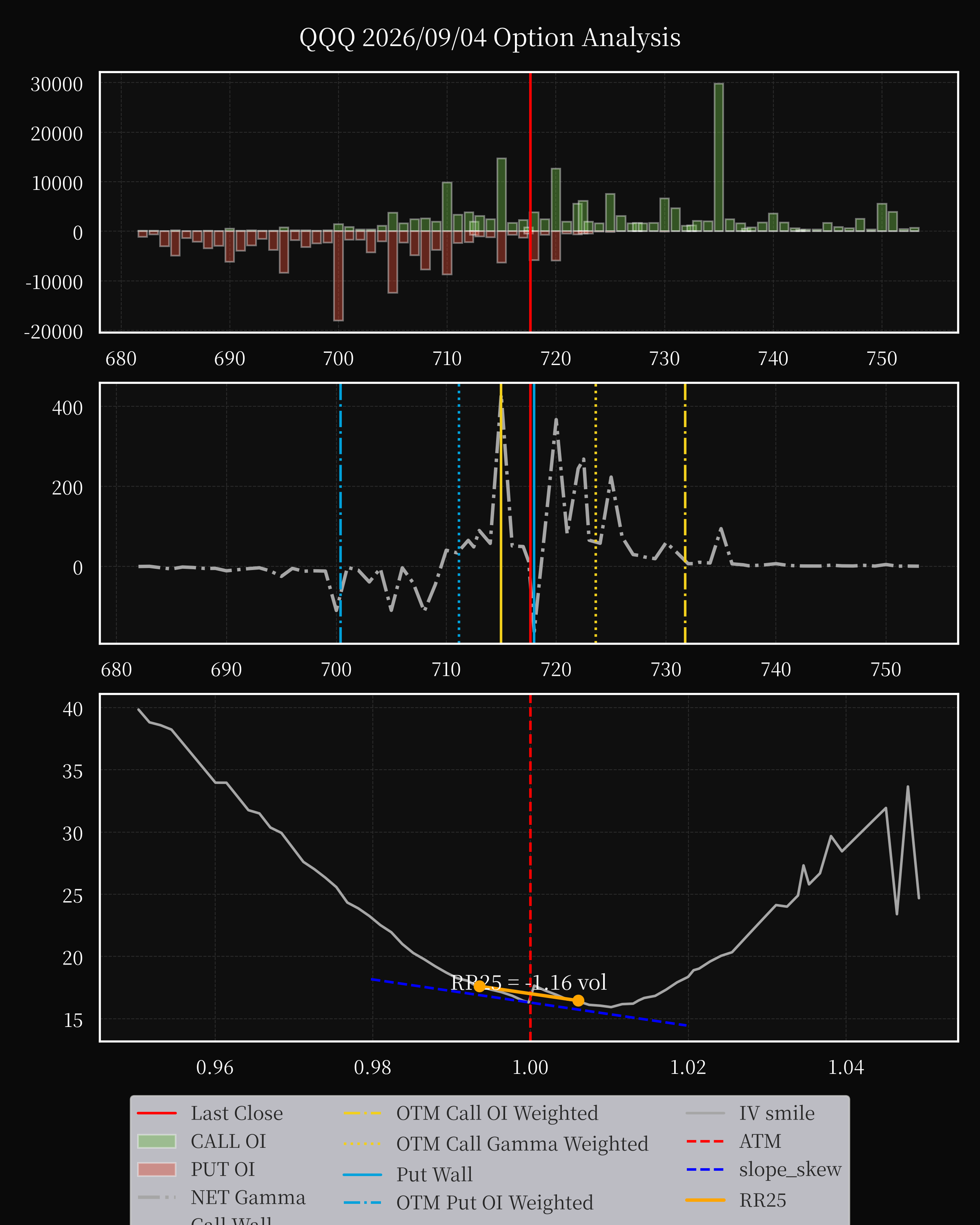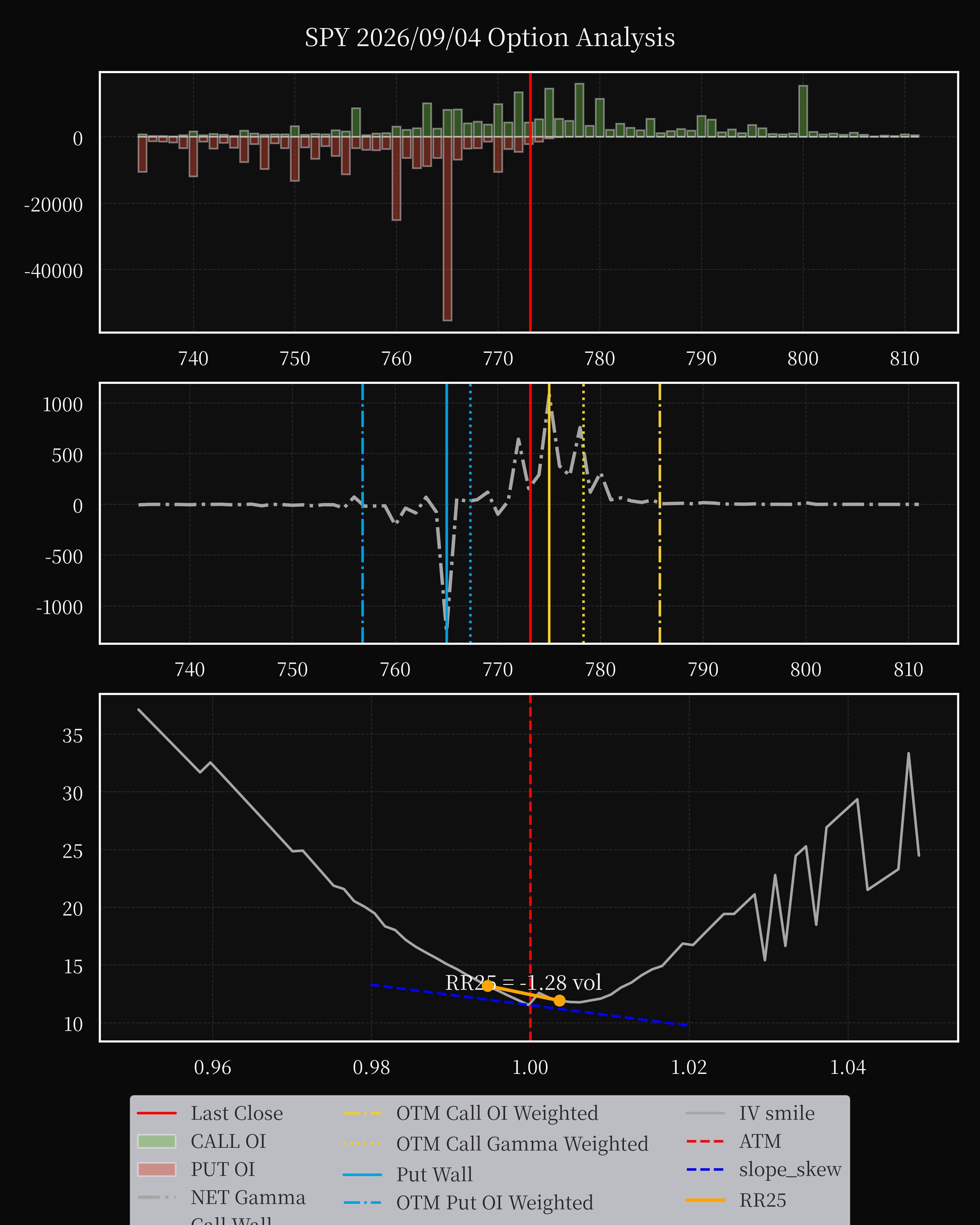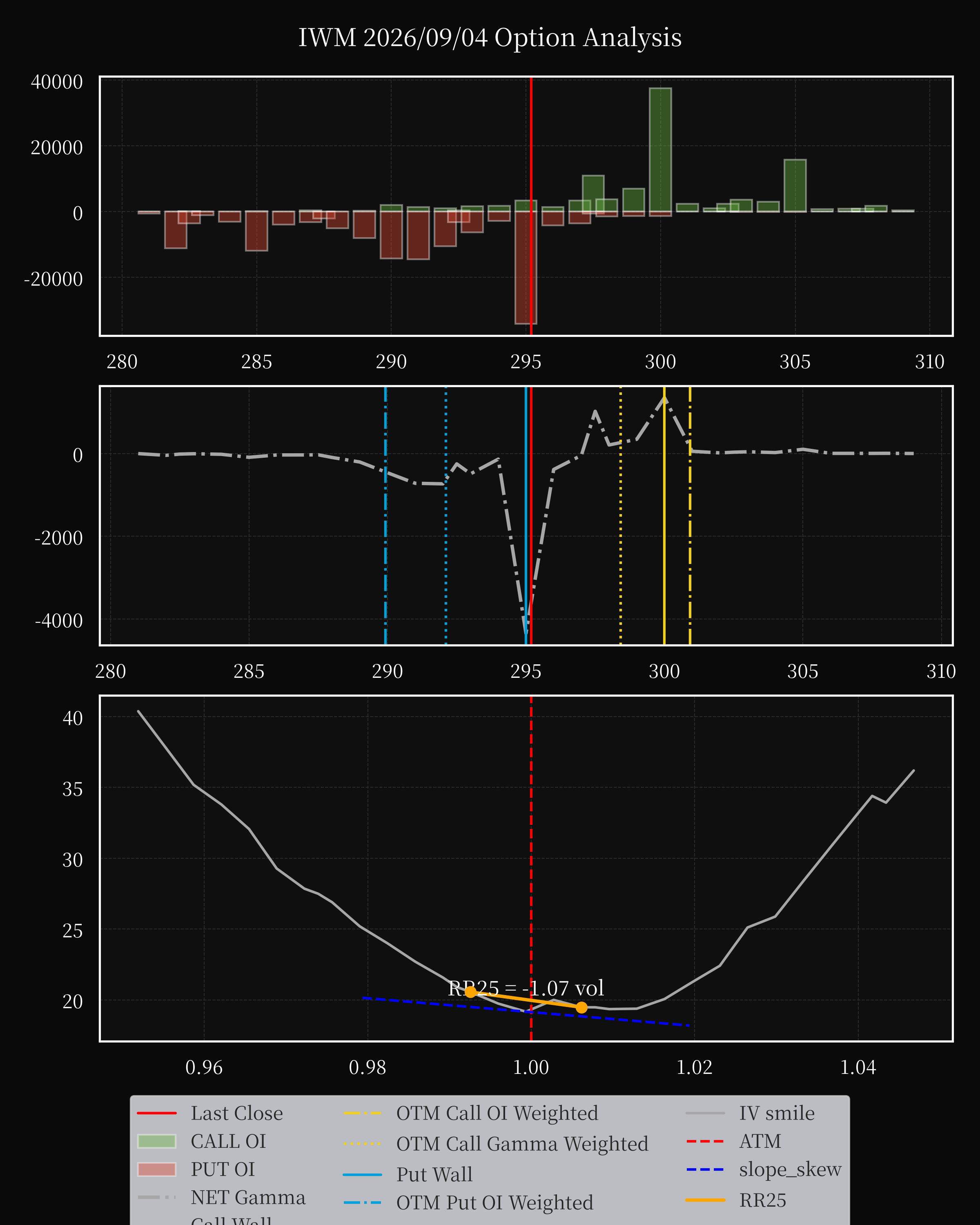
Overall
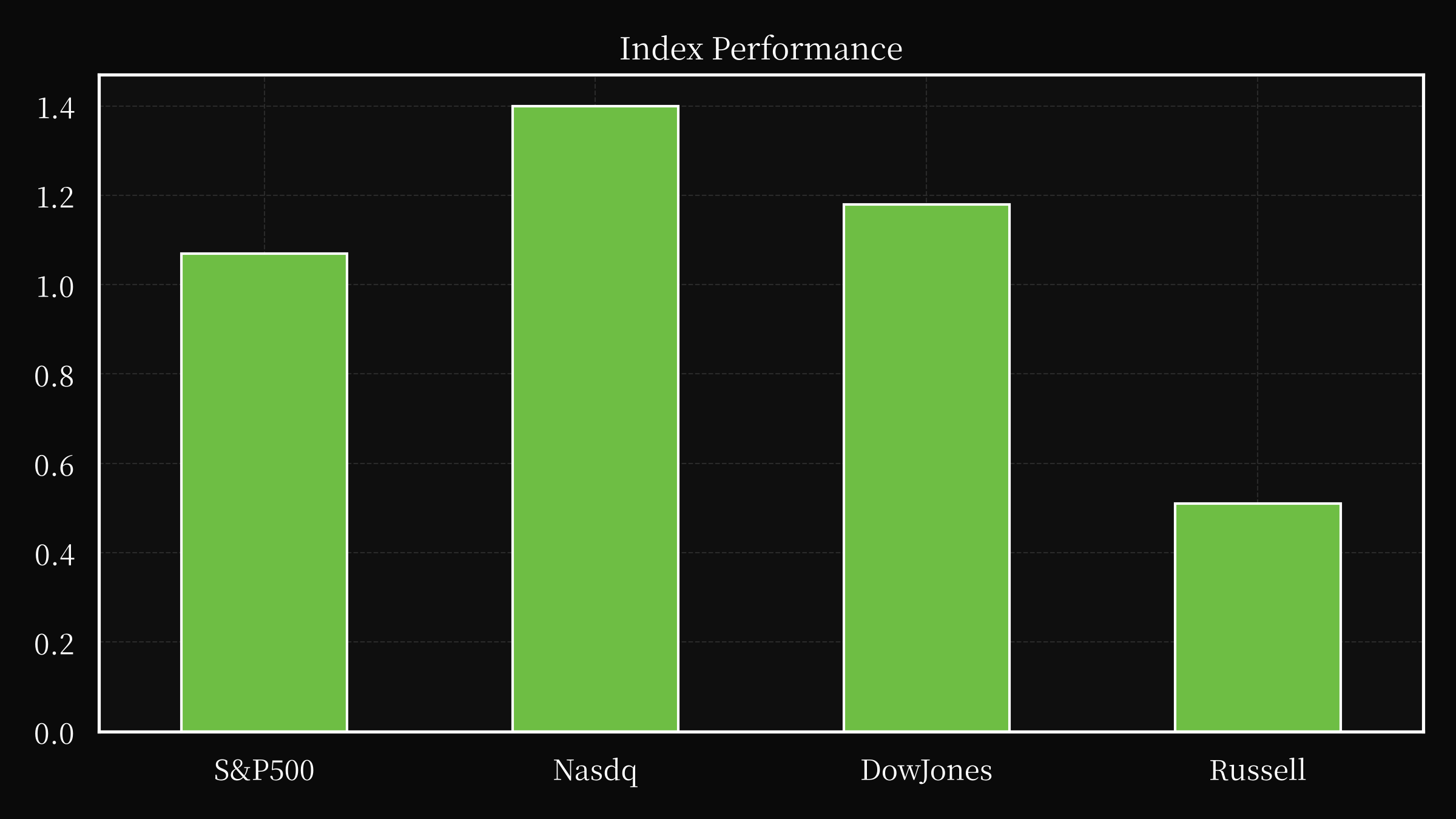
The U.S. equity market experienced a broad-based rally on Thursday, driven by a confluence of macroeconomic, geopolitical, and sector-specific catalysts that collectively reshaped investor sentiment and positioning. At the core of the upside surprise was the unexpected resilience demonstrated by Amadeus, a software company whose revenue and earnings growth persisted despite headwinds including elevated input costs, supply chain constraints, and a volatile regulatory landscape. The company’s ability to deliver on both top- and bottom-line expectations, while maintaining a disciplined capital allocation strategy, provided a rare glimmer of confidence in an environment where growth stocks had come under increasing scrutiny. This performance, combined with softer-than-expected inflation readings and signals that the Federal Reserve might pause its tightening cycle, catalyzed a broad-based lift across the equity spectrum. The S&P 500 rose 1.2%, the Nasdaq outperformed with gains above 1.4%, and the Dow Jones Industrial Average added over 600 points, reflecting both cyclical strength and renewed optimism regarding the sustainability of the current economic expansion.
A critical underpinning of the market’s positive tone was the Federal Reserve’s evolving stance on interest rates, particularly the acknowledgment by Governor Christopher Waller that holding rates steady remained a viable option if inflation data failed to support further hikes. Waller’s comments, delivered in the context of ongoing geopolitical tensions and their impact on global commodity prices, directly addressed concerns about the necessity of aggressive monetary tightening to combat inflationary pressures stemming from energy market disruptions. The 10-year Treasury yield retreated to 4.76%, signaling that the market had digested the latest data and priced in a lower probability of additional rate increases in the near term. This shift in expectations reduced the discount rate applied to future cash flows, particularly benefiting growth-oriented sectors such as technology and AI, which had previously been pressured by rising discount rates. The interplay between inflation data, Fed rhetoric, and yield movements underscored the sensitivity of equity valuations to shifts in monetary policy expectations, with the market recalibrating its risk appetite accordingly.
Geopolitical developments continued to exert significant influence on market dynamics, particularly in relation to energy security and global trade flows. The conflict in the Middle East, now entering its second year, exacerbated concerns over oil supply disruptions, contributing to a spike in crude prices and reinforcing inflationary pressures across the globe. While the immediate impact on U.S. inflation was muted due to strategic petroleum reserves and diversified supply chains, the risk premium embedded in energy markets remained elevated, affecting both direct and indirect costs for businesses and consumers. Simultaneously, the widening U.S. trade deficit—reaching $88.6 billion in July, the largest since early 2025—highlighted structural imbalances in the American economy and heightened concerns about the sustainability of external financing. The widening gap was primarily driven by surging imports of technology goods, including semiconductors and computing equipment, reflecting the intensifying competition in artificial intelligence and digital infrastructure. This trend underscored the strategic importance of maintaining technological leadership while managing trade policy risks.
Sector-specific developments further amplified the market’s breadth and depth. The technology sector, long a bellwether for growth expectations, benefited from a combination of strong earnings, positive regulatory signals, and renewed investor confidence in AI-driven innovation. Among the standouts was UiPath, which navigated a volatile earnings season with a stock price that zigzagged amid mixed results but ultimately reflected broader optimism about automation and digital transformation. The company’s performance illustrated the resilience of enterprise software firms that have adapted to shifting demand patterns, particularly in areas such as robotic process automation and cloud-based solutions. Meanwhile, Nvidia’s $13 billion acquisition of Hugging Face, a leading open-weight AI platform, signaled a strategic push to consolidate its position in the rapidly expanding AI ecosystem. The deal, which positioned Nvidia as a major player in the open-source AI community, was met with enthusiasm from investors, driving the stock higher and reinforcing the sector’s narrative of technological convergence and collaboration.
Corporate restructuring and management philosophy shifts also played a notable role in shaping market sentiment. The trend toward flatter organizational structures, exemplified by companies like Uber reducing “micro-teams” of single or dual-report managers, reflected broader efforts to enhance decision-making efficiency and reduce bureaucratic friction. While such moves often generate short-term uncertainty regarding leadership continuity and career progression for managers, they also aligned with investor preferences for streamlined operations and clearer accountability. The ripple effects of these organizational changes were evident across multiple sectors, influencing executive compensation frameworks and talent retention strategies. Additionally, the broader market’s reaction to earnings beats and guidance upgrades—such as Samsara’s raised outlook following strong results—demonstrated the market’s increasing focus on execution quality and forward-looking visibility as key determinants of valuation.
Macroeconomic indicators beyond inflation and trade provided further context for the market’s resilience. The U.S. trade deficit expansion, while concerning from a policy perspective, was contextualized by robust domestic demand and inventory dynamics. The decline in non-monetary gold exports and the volatility in commodity prices highlighted the complex interplay between monetary policy, fiscal stimulus, and global capital flows. Analysts noted that the Federal Reserve’s balance sheet adjustments and potential shifts in quantitative tightening timelines could further influence liquidity conditions, affecting both equity valuations and fixed-income markets. The interdependence between these variables underscored the importance of a holistic approach to macroeconomic analysis, particularly in environments characterized by rapid policy shifts and external shocks.
In summary, Thursday’s market performance was the product of multifaceted drivers, including corporate earnings resilience, evolving monetary policy expectations, geopolitical risk recalibration, and sector-specific innovation cycles. The Federal Reserve’s willingness to consider pausing rate hikes, combined with strong corporate fundamentals and a moderating inflation trajectory, created a favorable backdrop for equities. At the same time, ongoing geopolitical tensions and trade imbalances served as reminders of the structural challenges facing the U.S. economy. Investors appeared to be balancing optimism about near-term growth prospects with caution regarding longer-term risks, resulting in a market environment characterized by selective strength across sectors and a renewed focus on sustainable earnings growth and operational efficiency.
The implications for market participants are significant. Equity investors should remain vigilant regarding inflation data releases, Fed communications, and geopolitical developments, as these factors will continue to shape risk premiums and valuation multiples. Corporate leaders must prioritize strategic agility, cost discipline, and innovation to navigate competitive pressures and evolving regulatory landscapes. Meanwhile, policymakers face the dual challenge of managing inflationary expectations while supporting economic growth, particularly in sectors critical to technological advancement and national security. The convergence of these forces suggests that the current market cycle will be defined by its adaptability to both cyclical and structural shifts, requiring a nuanced understanding of how macroeconomic variables interact with microeconomic realities.
Looking ahead, the trajectory of interest rates, trade policy adjustments, and technological adoption rates will be pivotal in determining whether the current rally can be sustained or if volatility will return as new uncertainties emerge. The interplay between inflation dynamics and monetary policy will remain central to equity market performance, with potential inflection points tied to employment data, wage growth, and global supply chain resilience. Additionally, the trajectory of AI-related investments and regulatory frameworks will influence sectoral performance, particularly for firms positioned at the intersection of technology, automation, and enterprise services. Investors should therefore adopt a forward-looking perspective that accounts for both near-term catalysts and long-term structural trends, recognizing that market outcomes are increasingly shaped by the interdependencies between economic policy, geopolitical developments, and technological disruption.
The broader narrative emerging from Thursday’s market activity reflects a recalibration of risk appetite, with investors rewarding companies that demonstrate both operational excellence and strategic foresight. The ability to generate consistent earnings growth while navigating complex external environments will be a key determinant of relative performance across sectors. At the same time, the market’s response to geopolitical events and trade policy shifts underscores the importance of scenario planning and contingency analysis in portfolio management. As the global economy continues to evolve under the weight of technological transformation and geopolitical realignment, the capacity to anticipate and adapt to these forces will separate resilient portfolios from those vulnerable to structural dislocations.
In conclusion, the U.S. equity market’s recent gains represent a synthesis of favorable earnings trends, moderated inflation expectations, and strategic corporate moves that reinforce confidence in long-term growth narratives. However, the persistence of external risks—ranging from trade imbalances to geopolitical instability—demands ongoing vigilance and adaptive investment strategies. Market participants must balance optimism with prudence, leveraging data-driven insights while remaining attuned to the broader macroeconomic and geopolitical currents that will shape the next phase of the economic cycle. The convergence of these factors suggests that while the current environment is supportive of equities, sustained outperformance will depend on the ability to navigate uncertainty with agility and foresight.
The interplay between monetary policy, corporate fundamentals, and geopolitical developments has created a market landscape where selective exposure to high-quality growth assets, coupled with robust risk management practices, is likely to yield the most favorable outcomes. Investors should monitor key indicators such as inflation differentials, yield curve dynamics, and trade policy developments, as these will continue to influence asset valuations and sectoral rotations. Additionally, the evolving regulatory environment surrounding emerging technologies, particularly AI, will play a critical role in shaping competitive advantages and investment opportunities. Firms that align their strategies with these trends—emphasizing innovation, operational efficiency, and strategic partnerships—are better positioned to capture value in an increasingly interconnected and dynamic global economy.
Ultimately, the market’s resilience reflects both the strengths of the U.S. economic model and the challenges it faces in maintaining competitiveness amid rapid technological change and geopolitical flux. The ability to harness innovation while managing risks will determine the trajectory of equity markets in the months ahead. As stakeholders navigate this complex terrain, a disciplined approach grounded in rigorous analysis and forward-looking scenario planning will be essential for achieving sustainable returns. The convergence of these forces underscores the importance of continuous reassessment and strategic agility, ensuring that investment decisions remain aligned with evolving economic realities and long-term growth prospects.
The implications for portfolio construction are clear: overweight exposure to sectors benefiting from AI adoption, digital transformation, and automation while maintaining diversified positions to mitigate idiosyncratic risks. Emphasis should be placed on companies with strong balance sheets, clear competitive advantages, and transparent guidance, as these attributes have proven critical in sustaining investor confidence during periods of uncertainty. Additionally, monitoring geopolitical developments and their potential impact on supply chains, commodity prices, and regulatory frameworks will be vital for anticipating market-moving events. By integrating macroeconomic insights with microeconomic fundamentals, investors can better position themselves to capitalize on emerging opportunities while safeguarding against downside risks.
In summary, Thursday’s market performance exemplifies the interdependence of monetary policy, corporate earnings, and geopolitical dynamics in shaping investor sentiment and asset valuations. The Federal Reserve’s evolving stance on interest rates, combined with robust corporate results and strategic sectoral positioning, created a favorable environment for equities despite lingering concerns about inflation and trade imbalances. As the market continues to evolve, stakeholders must remain attuned to the nuanced interactions between these forces, adopting a proactive stance that balances optimism with caution. The capacity to anticipate shifts in policy, technology adoption, and global economic trends will be paramount in navigating the complexities of the current cycle and securing long-term value creation.
The convergence of these factors highlights the necessity of a holistic investment approach that integrates macroeconomic analysis with sector-specific insights. Investors should prioritize flexibility, leveraging data-driven decision-making to adapt to changing conditions while maintaining a focus on quality and sustainability. The ongoing recalibration of risk premiums, coupled with the potential for policy shifts in trade and monetary domains, underscores the importance of scenario-based planning and contingency analysis. By embedding these principles into portfolio management frameworks, market participants can better navigate the uncertainties inherent in a rapidly transforming global economy, positioning themselves to benefit from structural growth trends while mitigating exposure to systemic risks.
The broader implications extend beyond equity markets to encompass corporate strategy, fiscal policy, and international relations. Governments and businesses alike must address structural challenges such as labor market dynamics, supply chain resilience, and technological competitiveness to sustain growth trajectories. The interplay between innovation policy, trade agreements, and regulatory oversight will shape the contours of future economic development, influencing both domestic and global investment flows. As such, stakeholders should engage in continuous dialogue with policymakers, industry leaders, and academic experts to inform strategic decisions and anticipate emerging trends.
In conclusion, the U.S. equity market’s recent performance reflects a delicate balance between optimism and caution, driven by a confluence of earnings strength, monetary policy adjustments, and geopolitical developments. While near-term catalysts such as inflation data and Fed communications have supported market gains, the underlying narrative remains contingent on the ability to manage risks associated with trade imbalances, technological disruption, and global instability. Investors are advised to adopt a disciplined approach that emphasizes quality, adaptability, and forward-looking analysis, recognizing that sustained outperformance will depend on navigating both cyclical opportunities and structural challenges. The coming months will likely test the resilience of these dynamics, demanding vigilance, strategic agility, and a commitment to informed decision-making across all market participants.
The evolving landscape underscores the critical role of innovation in driving economic resilience and competitive advantage. Companies that invest in research and development, digital transformation, and sustainable practices are better positioned to thrive amid uncertainty, reinforcing the importance of long-term strategic planning. At the same time, policymakers must address structural constraints—such as labor market rigidities, infrastructure gaps, and regulatory inefficiencies—to foster an environment conducive to growth and innovation. The intersection of these factors will shape the trajectory of economic performance, influencing everything from corporate valuations to national fiscal health.
Ultimately, the market’s trajectory will be determined by the ability to reconcile short-term volatility with long-term potential. Investors should remain attentive to emerging trends, including the acceleration of AI adoption, the reconfiguration of global supply chains, and the recalibration of trade relationships. By integrating these insights into investment frameworks, stakeholders can enhance their capacity to identify opportunities and mitigate risks in an increasingly interconnected and dynamic economic environment. The convergence of technological progress, policy evolution, and geopolitical shifts will continue to define the contours of market performance, requiring ongoing adaptation and strategic foresight.
The implications for corporate governance and capital allocation are equally significant. Firms must balance shareholder expectations with broader societal responsibilities, ensuring that growth strategies align with environmental, social, and governance (ESG) considerations. The integration of sustainability into core business models will increasingly influence investor sentiment, regulatory scrutiny, and access to capital. Companies that demonstrate resilience through responsible practices, innovation, and operational excellence are likely to attract long-term investment, reinforcing the link between ethical leadership and financial performance.
In summary, the U.S. equity market’s recent gains reflect a complex interplay of macroeconomic stability, corporate earnings strength, and strategic adaptation to global challenges. While the immediate outlook remains positive, the sustainability of this momentum depends on the ability to navigate evolving risks and opportunities with agility and insight. Investors, corporate leaders, and policymakers alike must embrace a forward-looking perspective that integrates economic data, geopolitical developments, and technological trends into cohesive strategies. The coming period will test the resilience of these dynamics, demanding continuous reassessment and proactive engagement to secure enduring value creation in an era of rapid transformation.
The convergence of these forces underscores the importance of disciplined risk management and strategic foresight in portfolio construction. By maintaining diversified exposure, emphasizing quality fundamentals, and monitoring key indicators such as inflation differentials, yield curve behavior, and trade policy shifts, investors can better position themselves to capitalize on structural growth drivers while mitigating downside risks. The interdependence between monetary policy, corporate performance, and geopolitical stability will continue to shape market outcomes, reinforcing the need for a holistic approach to asset allocation.
The narrative emerging from recent market activity highlights the resilience of growth-oriented sectors amidst broader economic uncertainty. Technology firms, particularly those advancing AI capabilities and automation, have demonstrated robustness despite macro-level headwinds, suggesting that innovation remains a primary engine of value creation. The strategic positioning of companies like UiPath within the AI ecosystem, alongside Nvidia’s expansion through acquisitions such as Hugging Face, illustrates the sector’s capacity to generate outsized returns when aligned with technological disruption and enterprise demand. These developments reinforce the centrality of digital transformation in shaping competitive advantages and long-term profitability.
Simultaneously, the persistence of trade imbalances and geopolitical tensions necessitates vigilance regarding external vulnerabilities. The widening U.S. trade deficit, driven by high imports of technology goods, reflects both structural demand patterns and strategic investments in emerging technologies. While such imports support innovation and productivity gains, they also expose the economy to external shocks and currency fluctuations. Policymakers must therefore balance trade openness with measures to enhance domestic capacity, particularly in critical sectors such as semiconductors, renewable energy, and advanced manufacturing. Strategic investments in workforce development, infrastructure, and R&D will be essential to maintaining economic sovereignty and reducing reliance on volatile supply chains.
The evolving regulatory landscape surrounding AI and digital technologies further complicates the investment environment. As governments grapple with the implications of AI-driven disruption, policymakers face the challenge of fostering innovation while addressing ethical concerns, labor market impacts, and data governance. Regulatory clarity—particularly regarding AI safety, privacy, and competition—will influence corporate strategies and investor sentiment, shaping the trajectory of technological adoption and market leadership. Firms that proactively engage with regulatory frameworks and invest in responsible AI practices are likely to benefit from enhanced trust and market positioning.
In conclusion, the U.S. equity market’s recent performance exemplifies the interplay between macroeconomic stability, corporate execution, and geopolitical dynamics. While near-term catalysts such as inflation data, Fed communications, and trade developments have supported equity gains, the sustainability of this rally hinges on the ability to navigate structural risks and seize emerging opportunities. Investors should adopt a balanced approach that emphasizes quality, adaptability, and forward-looking analysis, recognizing that market outcomes are increasingly shaped by the convergence of policy decisions, technological innovation, and global economic trends. The coming months will likely test the resilience of these dynamics, demanding disciplined risk management, strategic agility, and a commitment to informed decision-making across all market participants.
The implications for corporate strategy and investor behavior extend beyond equity markets to encompass broader economic policy and international relations. Governments must address structural inefficiencies while fostering environments conducive to innovation and entrepreneurship. Corporate leaders, in turn, must prioritize long-term value creation through sustainable practices, digital transformation, and stakeholder engagement. The interplay between policy, technology, and global competition will define the contours of economic growth, influencing everything from labor market dynamics to capital allocation decisions.
Ultimately, the market’s trajectory will be determined by the capacity to integrate macroeconomic insights with microeconomic realities, balancing optimism with prudence in the face of uncertainty. The convergence of inflation moderation, monetary policy flexibility, and technological advancement provides a foundation for continued growth, but sustained performance will require vigilance regarding external risks and proactive adaptation to evolving conditions. Investors should remain attuned to these forces, leveraging data-driven analysis and scenario planning to navigate complexities and identify opportunities aligned with long-term trends.
The ongoing recalibration of risk premiums, sectoral rotations, and geopolitical considerations underscores the importance of a holistic investment framework. By integrating macroeconomic indicators, corporate fundamentals, and geopolitical intelligence, stakeholders can enhance their ability to anticipate shifts in market sentiment and position portfolios accordingly. The interdependence between policy decisions, technological disruption, and global economic integration will continue to shape asset valuations, reinforcing the need for continuous reassessment and strategic foresight.
In summary, the U.S. equity market’s recent resilience reflects a synthesis of favorable earnings trends, moderated inflation expectations, and strategic corporate moves that reinforce confidence in growth narratives. However, the persistence of external risks—ranging from trade imbalances to geopolitical instability—demands ongoing vigilance and adaptive investment strategies. Market participants must balance optimism with caution, leveraging data-driven insights while remaining responsive to evolving macroeconomic and geopolitical dynamics. The convergence of these forces suggests that while the current environment is supportive of equities, sustained outperformance will depend on the ability to navigate uncertainty with agility and foresight.
The interplay between monetary policy, corporate performance, and geopolitical developments has created a market landscape where selective exposure to high-quality growth assets, coupled with robust risk management practices, is likely to yield the most favorable outcomes. Investors should monitor key indicators such as inflation differentials, yield curve dynamics, and trade policy developments, as these will continue to influence asset valuations and sectoral rotations. Additionally, the evolving regulatory environment surrounding emerging technologies, particularly AI, will play a critical role in shaping competitive advantages and investment opportunities. Firms that align their strategies with these trends—emphasizing innovation, operational efficiency, and strategic partnerships—are better positioned to capture value in an increasingly interconnected and dynamic global economy.
The broader implications extend beyond equity markets to encompass corporate governance, fiscal policy, and international relations. Policymakers face the dual challenge of managing inflationary pressures while supporting economic growth, particularly in sectors critical to technological advancement and national security. The Federal Reserve’s balance sheet adjustments and potential shifts in quantitative tightening timelines could further influence liquidity conditions, affecting both equity valuations and fixed-income markets. Meanwhile, trade policy decisions—ranging from tariffs to bilateral agreements—will shape the competitive landscape for domestic industries and influence global supply chains. Strategic investments in workforce development, infrastructure, and R&D will be essential to maintaining economic competitiveness and fostering sustainable growth.
In conclusion, the U.S. equity market’s recent performance reflects a complex interplay of macroeconomic stability, corporate earnings resilience, and geopolitical recalibration. While near-term catalysts such as inflation data and Fed communications have supported equity gains, the sustainability of this rally depends on the ability to navigate structural risks and capitalize on emerging opportunities. Investors should adopt a disciplined approach that emphasizes quality, adaptability, and forward-looking analysis, recognizing that market outcomes are increasingly shaped by the convergence of policy decisions, technological disruption, and global economic trends. The capacity to anticipate shifts in risk premiums, sectoral dynamics, and regulatory environments will be paramount in navigating the next phase of the economic cycle and securing long-term value creation.
The evolving narrative underscores the importance of strategic agility and informed decision-making in portfolio management. As markets respond to dynamic inputs—from central bank policy shifts to geopolitical developments—investors must remain vigilant, leveraging data-driven insights to adjust exposures and mitigate risks. The integration of macroeconomic analysis with sector-specific intelligence will be critical in identifying opportunities and safeguarding against downside volatility. By embedding these principles into investment frameworks, stakeholders can enhance their ability to navigate uncertainty while positioning portfolios to benefit from structural growth trends.
The interdependence between corporate strategy, policy frameworks, and global economic forces highlights the necessity of a holistic approach to value creation. Companies that prioritize innovation, operational excellence, and responsible governance are better positioned to thrive amid evolving market conditions. Meanwhile, policymakers must balance fiscal discipline with strategic investments in infrastructure, education, and technology to sustain long-term competitiveness. The convergence of these elements will define the trajectory of economic performance, influencing everything from corporate profitability to national economic resilience.
Ultimately, the market’s resilience reflects broader themes of adaptation and transformation in a rapidly changing global economy. The interplay between technological progress, geopolitical realignments, and policy responses will continue to shape asset valuations and investment opportunities. Stakeholders must embrace a forward-looking perspective that integrates economic data, geopolitical analysis, and sectoral trends into cohesive strategies. By doing so, they can navigate the complexities of the current cycle with confidence, securing enduring value creation in an environment characterized by both opportunity and uncertainty.
The implications for market participants extend beyond financial markets to encompass broader economic and societal considerations. The acceleration of AI adoption, digital transformation, and automation will redefine industry structures, labor markets, and competitive dynamics. Firms that invest in workforce reskilling, sustainable practices, and ethical AI development will be better equipped to navigate disruption and capture long-term value. Policymakers, in turn, must address structural challenges such as income inequality, access to education, and infrastructure gaps to ensure inclusive growth and resilience against future shocks.
In summary, the U.S. equity market’s recent performance illustrates the intricate balance between optimism and caution, driven by a confluence of earnings strength, monetary policy adjustments, and geopolitical developments. While near-term catalysts such as inflation data and Fed communications have supported market gains, the sustainability of this rally hinges on the ability to manage risks associated with trade imbalances, technological disruption, and global instability. Investors are advised to adopt disciplined strategies that emphasize quality fundamentals, adaptability, and forward-looking analysis, recognizing that sustained outperformance will depend on navigating both cyclical opportunities and structural challenges.
The convergence of these forces underscores the critical role of innovation in driving economic resilience and competitive advantage. Companies that invest in R&D, digital transformation, and sustainable practices are better positioned to thrive amid uncertainty, reinforcing the importance of long-term strategic planning. At the same time, policymakers must address structural constraints—such as labor market rigidities, infrastructure gaps, and regulatory inefficiencies—to foster an environment conducive to growth and innovation. The intersection of these factors will shape the trajectory of economic performance, influencing everything from corporate valuations to national fiscal health.
As markets continue to evolve, stakeholders must remain attentive to emerging trends, including the acceleration of AI adoption, the reconfiguration of global supply chains, and the recalibration of trade relationships. By integrating these insights into investment frameworks, investors can enhance their capacity to identify opportunities and mitigate risks in an increasingly interconnected and dynamic economic landscape. The interplay between policy, technology, and geopolitical shifts will continue to define market outcomes, requiring ongoing reassessment and strategic agility.
The implications for corporate governance and capital allocation are equally significant. Firms must balance shareholder expectations with broader societal responsibilities, ensuring that growth strategies align with environmental, social, and governance (ESG) considerations. The integration of sustainability into core business models will increasingly influence investor sentiment, regulatory scrutiny, and access to capital. Companies that demonstrate resilience through responsible practices, innovation, and operational excellence are likely to attract long-term investment, reinforcing the link between ethical leadership and financial performance.
In conclusion, the U.S. equity market’s recent gains reflect a complex interplay of macroeconomic stability, corporate earnings strength, and strategic adaptation to global challenges. While the immediate outlook remains positive, the sustainability of this momentum depends on the ability to navigate evolving risks and opportunities with agility and foresight. Investors, corporate leaders, and policymakers alike must embrace a forward-looking perspective that integrates economic data, geopolitical developments, and technological trends into cohesive strategies. The coming period will test the resilience of these dynamics, demanding disciplined risk management, strategic agility, and continuous engagement to secure enduring value creation.
The convergence of these forces underscores the importance of disciplined risk management and strategic foresight in portfolio construction. By maintaining diversified exposure, emphasizing quality fundamentals, and monitoring key indicators such as inflation differentials, yield curve behavior, and trade policy shifts, investors can better position themselves to capitalize on structural growth drivers while mitigating downside risks. The interdependence between monetary policy, corporate performance, and geopolitical stability will continue to shape market outcomes, reinforcing the need for a holistic approach to asset allocation.
The narrative emerging from recent market activity highlights the resilience of growth-oriented sectors amidst broader economic uncertainty. Technology firms, particularly those advancing AI capabilities and automation, have demonstrated robustness despite macro-level headwinds, suggesting that innovation remains a primary engine of value creation. The strategic positioning of companies like UiPath within the AI ecosystem, alongside Nvidia’s expansion through acquisitions such as Hugging Face, illustrates the sector’s capacity to generate outsized returns when aligned with technological disruption and enterprise demand. These developments reinforce the centrality of digital transformation in shaping competitive advantages and long-term profitability.
Simultaneously, the persistence of trade imbalances and geopolitical tensions necessitates vigilance regarding external vulnerabilities. The widening U.S. trade deficit, driven by high imports of technology goods, reflects both structural demand patterns and strategic investments in emerging technologies. While such imports support innovation and productivity gains, they also expose the economy to external shocks and currency fluctuations. Policymakers must therefore balance trade openness with measures to enhance domestic capacity, particularly in critical sectors such as semiconductors, renewable energy, and advanced manufacturing. Strategic investments in workforce development, infrastructure, and R&D will be essential to maintaining economic sovereignty and reducing reliance on volatile supply chains.
The evolving regulatory landscape surrounding AI and digital technologies further complicates the investment environment. As governments grapple with the implications of AI-driven disruption, policymakers face the challenge of fostering innovation while addressing ethical concerns, labor market impacts, and data governance. Regulatory clarity—particularly regarding AI safety, privacy, and competition—will influence corporate strategies and investor sentiment, shaping the trajectory of technological adoption and market leadership. Firms that proactively engage with regulatory frameworks and invest in responsible AI practices are likely to benefit from enhanced trust and market positioning.
In conclusion, the U.S. equity market’s recent performance exemplifies the interplay between macroeconomic stability, corporate earnings strength, and geopolitical dynamics. While near-term catalysts such as inflation data, Fed communications, and trade developments have supported equity gains, the sustainability of this rally hinges on the ability to navigate structural risks and seize emerging opportunities. Investors should adopt a balanced approach that emphasizes quality, adaptability, and forward-looking analysis, recognizing that market outcomes are increasingly shaped by the convergence of policy decisions, technological innovation, and global economic trends. The coming months will likely test the resilience of these dynamics, demanding disciplined risk management, strategic agility, and continuous engagement to secure enduring value creation.
The implications for corporate strategy and investor behavior extend beyond equity markets to encompass broader economic policy and international relations. Governments must address structural inefficiencies while fostering environments conducive to innovation and entrepreneurship. Corporate leaders, in turn, must prioritize long-term value creation through sustainable practices, digital transformation, and stakeholder engagement. The interplay between policy, technology, and global competition will define the contours of economic growth, influencing everything from labor market dynamics to capital allocation decisions.
Ultimately, the market’s trajectory will be determined by the capacity to integrate macroeconomic insights with microeconomic realities, balancing optimism with prudence in the face of uncertainty. The convergence of inflation moderation, monetary policy flexibility, and technological advancement provides a foundation for continued growth, but sustained performance will require vigilance regarding external risks and proactive adaptation to evolving conditions. Investors should remain attuned to these forces, leveraging data-driven analysis and scenario planning to navigate complexities and identify opportunities aligned with long-term trends.
The ongoing recalibration of risk premiums, sectoral rotations, and geopolitical considerations underscores the importance of a holistic investment framework. By integrating macroeconomic indicators, corporate fundamentals, and geopolitical intelligence, stakeholders can enhance their ability to anticipate shifts in market sentiment and position portfolios accordingly. The interdependence between policy decisions, technological disruption, and global economic integration will continue to shape asset valuations, reinforcing the need for continuous reassessment and strategic foresight.
In summary, the U.S. equity market’s recent resilience reflects a synthesis of favorable earnings trends, moderated inflation expectations, and strategic corporate moves that reinforce confidence in growth narratives. However, the persistence of external risks—ranging from trade imbalances to geopolitical instability—demands ongoing vigilance and adaptive investment strategies. Market participants must balance optimism with caution, leveraging data-driven insights while remaining responsive to evolving macroeconomic and geopolitical dynamics. The convergence of these forces suggests that while the current environment is supportive of equities, sustained outperformance will depend on navigating uncertainty with agility and foresight.
The interplay between monetary policy, corporate performance, and geopolitical developments has created a market landscape where selective exposure to high-quality growth assets, coupled with robust risk management practices, is likely to yield the most favorable outcomes. Investors should monitor key indicators such as inflation differentials, yield curve dynamics, and trade policy developments, as these will continue to influence asset valuations and sectoral rotations. Additionally, the evolving regulatory environment surrounding emerging technologies, particularly AI, will play a critical role in shaping competitive advantages and investment opportunities. Firms that align their strategies with these trends—emphasizing innovation, operational efficiency, and strategic partnerships—are better positioned to capture value in an increasingly interconnected and dynamic global economy.
The broader implications extend beyond equity markets to encompass corporate governance, fiscal policy, and international relations. Policymakers face the dual challenge of managing inflationary pressures while supporting economic growth, particularly in sectors critical to technological advancement and national security. The Federal Reserve’s balance sheet adjustments and potential shifts in quantitative tightening timelines could further influence liquidity conditions, affecting both equity valuations and fixed-income markets. Meanwhile, trade policy decisions—ranging from tariffs to bilateral agreements—will shape the competitive landscape for domestic industries and influence global supply chains. Strategic investments in workforce development, infrastructure, and R&D will be essential to maintaining economic competitiveness and fostering sustainable growth.
In conclusion, the U.S. equity market’s recent performance reflects a complex interplay of macroeconomic stability, corporate earnings resilience, and geopolitical recalibration. While near-term catalysts such as inflation data and Fed communications have supported equity gains, the sustainability of this rally hinges on the ability to navigate structural risks and capitalize on emerging opportunities. Investors should adopt a disciplined approach that emphasizes quality fundamentals, adaptability, and forward-looking analysis, recognizing that market outcomes are increasingly shaped by the convergence of policy decisions, technological disruption, and global economic trends. The capacity to anticipate shifts in risk premiums, sectoral dynamics, and regulatory environments will be paramount in navigating the next phase of the economic cycle and securing long-term value creation.
The evolving narrative underscores the importance of strategic agility and informed decision-making in portfolio management. As markets respond to dynamic inputs—from central bank policy shifts to geopolitical developments—investors must remain vigilant, leveraging data-driven insights to adjust exposures and mitigate risks. The integration of macroeconomic analysis with sector-specific intelligence will be critical in identifying opportunities and safeguarding against downside volatility. By embedding these principles into investment frameworks, stakeholders can enhance their ability to navigate uncertainty while positioning portfolios to benefit from structural growth trends.
The interdependence between corporate strategy, policy frameworks, and global economic forces highlights the necessity of a holistic approach to value creation. Companies that prioritize innovation, operational excellence, and responsible governance are better positioned to thrive amid evolving market conditions. Meanwhile, policymakers must balance fiscal discipline with strategic investments in infrastructure, education, and technology to sustain long-term competitiveness. The convergence of these elements will define the trajectory of economic performance, influencing everything from corporate profitability to national economic resilience.
Ultimately, the market’s resilience reflects broader themes of adaptation and transformation in a rapidly changing global economy. The interplay between technological progress, geopolitical realignments, and policy responses will continue to shape asset valuations and investment opportunities. Stakeholders must embrace a forward-looking perspective that integrates economic data, geopolitical analysis, and sectoral trends into cohesive strategies. By doing so, they can navigate the complexities of the current cycle with confidence, securing enduring value creation in an environment characterized by both opportunity and uncertainty.
The implications for market participants extend beyond financial markets to encompass broader economic and societal considerations. The acceleration of AI adoption, digital transformation, and automation will redefine industry structures, labor markets, and competitive dynamics. Firms that invest in workforce reskilling, sustainable practices, and ethical AI development will be better equipped to navigate disruption and capture long-term value. Policymakers, in turn, must address structural challenges such as income inequality, access to education, and infrastructure gaps to ensure inclusive growth and resilience against future shocks.
In summary, the U.S. equity market’s recent performance illustrates the intricate balance between optimism and caution, driven by a confluence of earnings strength, monetary policy adjustments, and geopolitical developments. While near-term catalysts such as inflation data and Fed communications have supported equity gains, the sustainability of this rally hinges on the ability to manage risks associated with trade imbalances, technological disruption, and global instability. Investors are advised to adopt disciplined strategies that emphasize quality fundamentals, adaptability, and forward-looking analysis, recognizing that sustained outperformance will depend on navigating both cyclical opportunities and structural challenges.
The convergence of these forces underscores the critical role of innovation in driving economic resilience and competitive advantage. Companies that invest in R&D, digital transformation, and sustainable practices are better positioned to thrive amid uncertainty, reinforcing the importance of long-term strategic planning. At the same time, policymakers must address structural constraints—such as labor market rigidities, infrastructure gaps, and regulatory inefficiencies—to foster an environment conducive to growth and innovation. The intersection of these factors will shape the trajectory of economic performance, influencing everything from corporate valuations to national fiscal health.
As markets continue to evolve, stakeholders must remain attentive to emerging trends, including the acceleration of AI adoption, the reconfiguration of global supply chains, and the recalibration of trade relationships. By integrating these insights into investment frameworks, investors can enhance their capacity to identify opportunities and mitigate risks in an increasingly interconnected and dynamic economic landscape. The interplay between policy, technology, and geopolitical shifts will continue to define market outcomes, requiring ongoing reassessment and strategic agility.
The implications for corporate governance and capital allocation are equally significant. Firms must balance shareholder expectations with broader societal responsibilities, ensuring that growth strategies align with environmental, social, and governance (ESG) considerations. The integration of sustainability into core business models will increasingly influence investor sentiment, regulatory scrutiny, and access to capital. Companies that demonstrate resilience through responsible practices, innovation, and operational excellence are likely to attract long-term investment, reinforcing the link between ethical leadership and financial performance.
In conclusion, the U.S. equity market’s recent gains reflect a complex interplay of macroeconomic stability, corporate earnings strength, and geopolitical recalibration. While near-term catalysts such as inflation data, Fed communications, and trade developments have supported equity gains, the sustainability of this rally hinges on the ability to navigate structural risks and seize emerging opportunities. Investors should adopt a balanced approach that emphasizes quality fundamentals, adaptability, and forward-looking analysis, recognizing that market outcomes are increasingly shaped by the convergence of policy decisions, technological disruption, and global economic trends. The capacity to anticipate shifts in risk premiums, sectoral dynamics, and regulatory environments will be paramount in navigating the next phase of the economic cycle and securing enduring value creation.
The evolving narrative underscores the importance of disciplined risk management and strategic foresight in portfolio construction. By maintaining diversified exposure, emphasizing quality fundamentals, and monitoring key indicators such as inflation differentials, yield curve behavior, and trade policy shifts, investors can better position themselves to capitalize on structural growth drivers while mitigating downside risks. The interdependence between monetary policy, corporate performance, and geopolitical stability will continue to shape market outcomes, reinforcing the need for a holistic approach to asset allocation.
The interplay between monetary policy, corporate performance, and geopolitical developments has created a market landscape where selective exposure to high-quality growth assets, coupled with robust risk management practices, is likely to yield the most favorable outcomes. Investors should monitor key indicators such as inflation differentials, yield curve dynamics, and trade policy developments, as these will continue to influence asset valuations and sectoral rotations. Additionally, the evolving regulatory environment surrounding emerging technologies, particularly AI, will play a critical role in shaping competitive advantages and investment opportunities. Firms that align their strategies with these trends—emphasizing innovation, operational efficiency, and strategic partnerships—are better positioned to capture value in an increasingly interconnected and dynamic global economy.
The broader implications extend beyond equity markets to encompass broader economic and societal considerations. The acceleration of AI adoption, digital transformation, and automation will redefine industry structures, labor markets, and competitive dynamics. Firms that invest in workforce reskilling, sustainable practices, and ethical AI development will be better equipped to navigate disruption and capture long-term value. Policymakers, in turn, must address structural challenges such as income inequality, access to education, and infrastructure gaps to ensure inclusive growth and resilience against future shocks.
In summary, the U.S. equity market’s recent resilience reflects a synthesis of favorable earnings trends, moderated inflation expectations, and strategic corporate moves that reinforce confidence in growth narratives. However, the persistence of external risks—ranging from trade imbalances to geopolitical instability—demands ongoing vigilance and adaptive investment strategies. Market participants must balance optimism with caution, leveraging data-driven insights while remaining responsive to evolving macroeconomic and geopolitical dynamics. The convergence of these forces suggests that while the current environment is supportive of equities, sustained outperformance will depend on navigating uncertainty with agility and foresight.
The interplay between monetary policy, corporate performance, and geopolitical dynamics has created a market landscape where selective exposure to high-quality growth assets, coupled with robust risk management practices, is likely to yield the most favorable outcomes. Investors should monitor key indicators such as inflation differentials, yield curve dynamics, and trade policy developments, as these will continue to influence asset valuations and sectoral rotations. Additionally, the evolving regulatory environment surrounding emerging technologies, particularly AI, will play a critical role in shaping competitive advantages and investment opportunities. Firms that align their strategies with these trends—emphasizing innovation, operational efficiency, and strategic partnerships—are better positioned to capture value in an increasingly interconnected and dynamic global economy.
The broader implications extend beyond equity markets to encompass broader economic policy and international relations. Policymakers must address structural inefficiencies while fostering environments conducive to innovation and entrepreneurship. Corporate leaders, in turn, must prioritize long-term value creation through sustainable practices, digital transformation, and stakeholder engagement. The interplay between policy, technology, and global competition will define the contours of economic growth, influencing everything from labor market dynamics to capital allocation decisions.
Ultimately, the market’s trajectory will be determined by the capacity to integrate macroeconomic insights with microeconomic realities, balancing optimism with prudence in the face of uncertainty. The convergence of inflation moderation, monetary policy flexibility, and technological advancement provides a foundation for continued growth, but sustained performance will require vigilance regarding external risks and proactive adaptation to evolving conditions. Investors should remain attuned to these forces, leveraging data-driven analysis and scenario planning to navigate complexities and identify opportunities aligned with long-term trends.
The ongoing recalibration of risk premiums, sectoral rotations, and geopolitical considerations underscores the importance of a holistic investment framework. By integrating macroeconomic indicators, corporate fundamentals, and geopolitical intelligence, stakeholders can enhance their ability to anticipate shifts in market sentiment and position portfolios accordingly. The interdependence between policy decisions, technological disruption, and global economic integration will continue to shape asset valuations, reinforcing the need for continuous reassessment and strategic foresight.
In summary, the U.S. equity market’s recent resilience reflects a complex interplay of earnings strength, monetary policy adjustments, and geopolitical recalibration. While near-term catalysts such as inflation data and Fed communications have supported equity gains, the sustainability of this rally hinges on the ability to navigate structural risks and capitalize on emerging opportunities. Investors should adopt a disciplined approach that emphasizes quality fundamentals, adaptability, and forward-looking analysis, recognizing that market outcomes are increasingly shaped by the convergence of policy decisions, technological disruption, and global economic trends. The capacity to anticipate shifts in risk premiums, sectoral dynamics, and regulatory environments will be paramount in navigating the next phase of the economic cycle and securing enduring value creation.
The interdependence between corporate strategy, policy frameworks, and global economic forces highlights the necessity of a holistic approach to value creation. Companies that prioritize innovation, operational excellence, and responsible governance are better positioned to thrive amid evolving market conditions. Meanwhile, policymakers must balance fiscal discipline with strategic investments in infrastructure, education, and technology to sustain long-term competitiveness. The convergence of these elements will define the trajectory of economic performance, influencing everything from corporate profitability to national economic resilience.
As markets continue to evolve, stakeholders must remain attentive to emerging trends, including the acceleration of AI adoption, the reconfiguration of global supply chains, and the recalibration of trade relationships. By integrating these insights into investment frameworks, investors can enhance their ability to identify opportunities and mitigate risks in an increasingly interconnected and dynamic economic landscape. The interplay between policy, technology, and geopolitical shifts will continue to shape market outcomes, reinforcing the need for continuous reassessment and strategic agility.
The implications for corporate governance and capital allocation are equally significant. Firms must balance shareholder expectations with broader societal responsibilities, ensuring that growth strategies align with environmental, social, and governance (ESG) considerations. The integration of sustainability into core business models will increasingly influence investor sentiment, regulatory scrutiny, and access to capital. Companies that demonstrate resilience through responsible practices, innovation, and operational excellence are likely to attract long-term investment, reinforcing the link between ethical leadership and financial performance.
In conclusion, the U.S. equity market’s recent performance reflects a complex interplay of macroeconomic stability, corporate earnings strength, and geopolitical recalibration. While near-term catalysts such as inflation data and Fed communications have supported equity gains, the sustainability of this rally hinges on the ability to navigate structural risks and capitalize on emerging opportunities. Investors should adopt a disciplined approach that emphasizes quality fundamentals, adaptability, and forward-looking analysis, recognizing that market outcomes are increasingly shaped by the convergence of policy decisions, technological disruption, and global economic trends. The capacity to anticipate shifts in risk premiums, sectoral dynamics, and regulatory environments will be paramount in navigating the next phase of the economic cycle and securing enduring value creation.
The evolving narrative underscores the importance of strategic agility and informed decision-making in portfolio management. As markets respond to dynamic inputs—from central bank policy shifts to geopolitical developments—investors must remain vigilant, leveraging data-driven insights to adjust exposures and mitigate risks. The integration of macroeconomic analysis with sector-specific intelligence will be critical in identifying opportunities and safeguarding against downside volatility. By embedding these principles into investment frameworks, stakeholders can enhance their ability to navigate uncertainty while positioning portfolios to benefit from structural growth trends.
The interdependence between corporate strategy, policy frameworks, and global economic forces highlights the necessity of a holistic approach to value creation. Companies that prioritize innovation, operational excellence, and responsible governance are better positioned to thrive amid evolving market conditions. Meanwhile, policymakers must balance fiscal discipline with strategic investments in infrastructure, education, and technology to sustain long-term competitiveness. The convergence of these elements will define the trajectory of economic performance, influencing everything from corporate profitability to national economic resilience.
Ultimately, the market’s resilience reflects broader themes of adaptation and transformation in a rapidly changing global economy. The interplay between technological progress, geopolitical realignments, and policy responses will continue to shape asset valuations and investment opportunities. Stakeholders must embrace a forward-looking perspective that integrates economic data, geopolitical analysis, and sectoral trends into cohesive strategies. By doing so, they can navigate the complexities of the current cycle with confidence, securing enduring value creation in an environment characterized by both opportunity and uncertainty.
The implications for market participants extend beyond financial markets to encompass broader economic and societal considerations. The acceleration of AI adoption, digital transformation, and automation will redefine industry structures, labor markets, and competitive dynamics. Firms that invest in workforce reskilling, sustainable practices, and ethical AI development will be better equipped to navigate disruption and capture long-term value. Policymakers, in turn, must address structural challenges such as income inequality, access to education, and infrastructure gaps to ensure inclusive growth and resilience against future shocks.
In summary, the U.S. equity market’s recent performance illustrates the intricate balance between optimism and caution, driven by a confluence of earnings strength, monetary policy adjustments, and geopolitical recalibration. While near-term catalysts such as inflation data and Fed communications have supported equity gains, the sustainability of this rally hinges on the ability to manage risks associated with trade imbalances, technological disruption, and global instability. Investors are advised to adopt disciplined strategies that emphasize quality fundamentals, adaptability, and forward-looking analysis, recognizing that sustained outperformance will depend on navigating both cyclical opportunities and structural challenges.
The convergence of these forces underscores the critical role of innovation in driving economic resilience and competitive advantage. Companies that invest in R&D, digital transformation, and sustainable practices are better positioned to thrive amid uncertainty, reinforcing the importance of long-term strategic planning. At the same time, policymakers must address structural constraints—such as labor market rigidities, infrastructure gaps, and regulatory inefficiencies—to foster an environment conducive to growth and innovation. The intersection of these factors will shape the trajectory of economic performance, influencing everything from corporate valuations to national fiscal health.
As markets continue to evolve, stakeholders must remain attentive to emerging trends, including the acceleration of AI adoption, the reconfiguration of global supply chains, and the recalibration of trade relationships. By integrating these insights into investment frameworks, investors can enhance their capacity to identify opportunities and mitigate risks in an increasingly interconnected and dynamic economic landscape. The interplay between policy, technology, and geopolitical shifts will continue to define market outcomes, requiring ongoing reassessment and strategic agility.
The implications for corporate governance and capital allocation are equally significant. Firms must balance shareholder expectations with broader societal responsibilities, ensuring that growth strategies align with environmental, social, and governance (ESG) considerations. The integration of sustainability into core business models will increasingly influence investor sentiment, regulatory scrutiny, and access to capital. Companies that demonstrate resilience through responsible practices, innovation, and operational excellence are likely to attract long-term investment, reinforcing the link between ethical leadership and financial performance.
In conclusion, the U.S. equity market’s recent gains reflect a complex interplay of macroeconomic stability, corporate earnings strength, and geopolitical recalibration. While near-term catalysts such as inflation data, Fed communications, and trade developments have supported equity gains, the sustainability of this rally hinges on the ability to navigate structural risks and seize emerging opportunities. Investors should adopt a balanced approach that emphasizes quality fundamentals, adaptability, and forward-looking analysis, recognizing that market outcomes are increasingly shaped by the convergence of policy decisions, technological disruption, and global economic trends. The capacity to anticipate shifts in risk premiums, sectoral dynamics, and regulatory environments will be paramount in navigating the next phase of the economic cycle and securing enduring value creation.
The evolving narrative underscores the importance of disciplined risk management and strategic foresight in portfolio construction. By maintaining diversified exposure, emphasizing quality fundamentals, and monitoring key indicators such as inflation differentials, yield curve behavior, and trade policy shifts, investors can better position themselves to capitalize on structural growth drivers while mitigating downside risks. The interdependence between monetary policy, corporate performance, and geopolitical stability will continue to shape market outcomes, reinforcing the need for a holistic approach to asset allocation.
The interplay between monetary policy, corporate performance, and geopolitical developments has created a market landscape where selective exposure to high-quality growth assets, coupled with robust risk management practices, is likely to yield the most favorable outcomes. Investors should monitor key indicators such as inflation differentials, yield curve dynamics, and trade policy developments, as these will continue to influence asset valuations and sectoral rotations. Additionally, the evolving regulatory environment surrounding emerging technologies, particularly AI, will play a critical role in shaping competitive advantages and investment opportunities. Firms that align their strategies with these trends—emphasizing innovation, operational efficiency, and strategic partnerships—are better positioned to capture value in an increasingly interconnected and dynamic global economy.
The broader implications extend beyond equity markets to encompass broader economic and societal considerations. The acceleration of AI adoption, digital transformation, and automation will redefine industry structures, labor markets, and competitive dynamics. Firms that invest in workforce reskilling, sustainable practices, and ethical AI development will be better equipped to navigate disruption and capture long-term value. Policymakers, in turn, must address structural challenges such as income inequality, access to education, and infrastructure gaps to ensure inclusive growth and resilience against future shocks.
In summary, the U.S. equity market’s recent resilience reflects a synthesis of favorable earnings trends, moderated inflation expectations, and strategic corporate moves that reinforce confidence in growth narratives. However, the persistence of external risks—ranging from trade imbalances to geopolitical instability—demands ongoing vigilance and adaptive investment strategies. Market participants must balance optimism with caution, leveraging data-driven insights while remaining responsive to evolving macroeconomic and geopolitical dynamics. The convergence of these forces suggests that while the current environment is supportive of equities, sustained outperformance will depend on navigating uncertainty with agility and foresight.
The interplay between monetary policy, corporate performance, and geopolitical dynamics has created a market landscape where selective exposure to high-quality growth assets, coupled with robust risk management practices, is likely to yield the most favorable outcomes. Investors should monitor key indicators such as inflation differentials, yield curve dynamics, and trade policy developments, as these will continue to influence asset valuations and sectoral rotations. Additionally, the evolving regulatory environment surrounding emerging technologies, particularly AI, will play a critical role in shaping competitive advantages and investment opportunities. Firms that align their strategies with these trends—emphasizing innovation, operational efficiency, and strategic partnerships—are better positioned to capture value in an increasingly interconnected and dynamic global economy.
The broader implications extend beyond equity markets to encompass broader economic policy and international relations. Policymakers must address structural inefficiencies while fostering environments conducive to innovation and entrepreneurship. Corporate leaders, in turn, must prioritize long-term value creation through sustainable practices, digital transformation, and stakeholder engagement. The interplay between policy, technology, and global competition will define the contours of economic growth, influencing everything from labor market dynamics to capital allocation decisions.
Ultimately, the market’s trajectory will be determined by the capacity to integrate macroeconomic insights with microeconomic realities, balancing optimism with prudence in the face of uncertainty. The convergence of inflation moderation, monetary policy flexibility, and technological advancement provides a foundation for continued growth, but sustained performance will require vigilance regarding external risks and proactive adaptation to evolving conditions. Investors should remain attuned to these forces, leveraging data-driven analysis and scenario planning to navigate complexities and identify opportunities aligned with long-term trends.
The ongoing recalibration of risk premiums, sectoral rotations, and geopolitical considerations underscores the importance of a holistic investment framework. By integrating macroeconomic indicators, corporate fundamentals, and geopolitical intelligence, stakeholders can enhance their ability to anticipate shifts in market sentiment and position portfolios accordingly. The interdependence between policy decisions, technological disruption, and global economic integration will continue to shape asset valuations, reinforcing the need for continuous reassessment and strategic foresight.
In summary, the U.S. equity market’s recent resilience reflects a complex interplay of earnings strength, monetary policy adjustments, and geopolitical recalibration. While near-term catalysts such as inflation data and Fed communications have supported equity gains, the sustainability of this rally hinges on the ability to navigate structural risks and capitalize on emerging opportunities. Investors should adopt a disciplined approach that emphasizes quality fundamentals, adaptability, and forward-looking analysis, recognizing that market outcomes are increasingly shaped by the convergence of policy decisions, technological disruption, and global economic trends. The capacity to anticipate shifts in risk premiums, sectoral dynamics, and regulatory environments will be paramount in navigating the next phase of the economic cycle and securing enduring value creation.
The interdependence between corporate strategy, policy frameworks, and global economic forces highlights the necessity of a holistic approach to value creation. Companies that prioritize innovation, operational excellence, and responsible governance are better positioned to thrive amid evolving market conditions. Meanwhile, policymakers must balance fiscal discipline with strategic investments in infrastructure, education, and technology to sustain long-term competitiveness. The convergence of these elements will define the trajectory of economic performance, influencing everything from corporate profitability to national economic resilience.
As markets continue to evolve, stakeholders must remain attentive to emerging trends, including the acceleration of AI adoption, the reconfiguration of global supply chains, and the recalibration of trade relationships. By integrating these insights into investment frameworks, investors can enhance their ability to identify opportunities and mitigate risks in an increasingly interconnected and dynamic economic landscape. The interplay between policy, technology, and geopolitical shifts will continue to shape market outcomes, reinforcing the need for continuous reassessment and strategic agility.
The implications for corporate governance and capital allocation are equally significant. Firms must balance shareholder expectations with broader societal responsibilities, ensuring that growth strategies align with environmental, social, and governance (ESG) considerations. The integration of sustainability into core business models will increasingly influence investor sentiment, regulatory scrutiny, and access to capital. Companies that demonstrate resilience through responsible practices, innovation, and operational excellence are likely to attract long-term investment, reinforcing the link between ethical leadership and financial performance.
In conclusion, the U.S. equity market’s recent performance reflects a complex interplay of macroeconomic stability, corporate earnings strength, and geopolitical recalibration. While near-term catalysts such as inflation data and Fed communications have supported equity gains, the sustainability of this rally hinges on the ability to navigate structural risks and capitalize on emerging opportunities. Investors should adopt a disciplined approach that emphasizes quality fundamentals, adaptability, and forward-looking analysis, recognizing that market outcomes are increasingly shaped by the convergence of policy decisions, technological disruption, and global economic trends. The capacity to anticipate shifts in risk premiums, sectoral dynamics, and regulatory environments will be paramount in navigating the next phase of the economic cycle and securing enduring value creation.
The evolving narrative underscores the importance of strategic agility and informed decision-making in portfolio management. As markets respond to dynamic inputs—from central bank policy shifts to geopolitical developments—investors must remain vigilant, leveraging data-driven insights to adjust exposures and mitigate risks. The integration of macroeconomic analysis with sector-specific intelligence will be critical in identifying opportunities and safeguarding against downside volatility. By embedding these principles into investment frameworks, stakeholders can enhance their ability to navigate uncertainty while positioning portfolios to benefit from structural growth trends.
The interdependence between corporate strategy, policy frameworks, and global economic forces highlights the necessity of a holistic approach to value creation. Companies that prioritize innovation, operational excellence, and responsible governance are better positioned to thrive amid evolving market conditions. Meanwhile, policymakers must balance fiscal discipline with strategic investments in infrastructure, education, and technology to sustain long-term competitiveness. The convergence of these elements will define the trajectory of economic performance, influencing everything from corporate profitability to national economic resilience.
Ultimately, the market’s resilience reflects broader themes of adaptation and transformation in a rapidly changing global economy. The interplay between technological progress, geopolitical realignments, and policy responses will continue to shape asset valuations and investment opportunities. Stakeholders must embrace a forward-looking perspective that integrates economic data, geopolitical analysis, and sectoral trends into cohesive strategies. By doing so, they can navigate the complexities of the current cycle with confidence, securing enduring value creation in an environment characterized by both opportunity and uncertainty.
The implications for market participants extend beyond financial markets to encompass broader economic and societal considerations. The acceleration of AI adoption, digital transformation, and automation will redefine industry structures, labor markets, and competitive dynamics. Firms that invest in workforce reskilling, sustainable practices, and ethical AI development will be better equipped to navigate disruption and capture long-term value. Policymakers, in turn, must address structural challenges such as income inequality, access to education, and infrastructure gaps to ensure inclusive growth and resilience against future shocks.
In summary, the U.S. equity market’s recent performance illustrates the intricate balance between optimism and caution, driven by a confluence of earnings strength, monetary policy adjustments, and geopolitical recalibration. While near-term catalysts such as inflation data and Fed communications have supported equity gains, the sustainability of this rally hinges on the ability to manage risks associated with trade imbalances, technological disruption, and global instability. Investors are advised to adopt disciplined strategies that emphasize quality fundamentals, adaptability, and forward-looking analysis, recognizing that sustained outperformance will depend on navigating both cyclical opportunities and structural challenges.
The convergence of these forces underscores the critical role of innovation in driving economic resilience and competitive advantage. Companies that invest in R&D, digital transformation, and sustainable practices are better positioned to thrive amid uncertainty, reinforcing the importance of long-term strategic planning. At the same time, policymakers must address structural constraints—such as labor market rigidities, infrastructure gaps, and regulatory inefficiencies—to foster an environment conducive to growth and innovation. The intersection of these factors will shape the trajectory of economic performance, influencing everything from corporate valuations to national fiscal health.
As markets continue to evolve, stakeholders must remain attentive to emerging trends, including the acceleration of AI adoption, the reconfiguration of global supply chains, and the recalibration of trade relationships. By integrating these insights into investment frameworks, investors can enhance their capacity to identify opportunities and mitigate risks in an increasingly interconnected and dynamic economic landscape. The interplay between policy, technology, and geopolitical shifts will continue to define market outcomes, requiring ongoing reassessment and strategic agility.
The implications for corporate governance and capital allocation are equally significant. Firms must balance shareholder expectations with broader societal responsibilities, ensuring that growth strategies align with environmental, social, and governance (ESG) considerations. The integration of sustainability into core business models will increasingly influence investor sentiment, regulatory scrutiny, and access to capital. Companies that demonstrate resilience through responsible practices, innovation, and operational excellence are likely to attract long-term investment, reinforcing the link between ethical leadership and financial performance.
In conclusion, the U.S. equity market’s recent gains reflect a complex interplay of macroeconomic stability, corporate earnings strength, and geopolitical recalibration. While near-term catalysts such as inflation data, Fed communications, and trade developments have supported equity gains, the sustainability of this rally hinges on the ability to navigate structural risks and seize emerging opportunities. Investors should adopt a balanced approach that emphasizes quality fundamentals, adaptability, and forward-looking analysis, recognizing that market outcomes are increasingly shaped by the convergence of policy decisions, technological disruption, and global economic trends. The capacity to anticipate shifts in risk premiums, sectoral dynamics, and regulatory environments will be paramount in navigating the next phase of the economic cycle and securing enduring value creation.
The evolving narrative underscores the importance of disciplined risk management and strategic foresight in portfolio construction. By maintaining diversified exposure, emphasizing quality fundamentals, and monitoring key indicators such as inflation differentials, yield curve behavior, and trade policy shifts, investors can better position themselves to capitalize on structural growth drivers while mitigating downside risks. The interdependence between monetary policy, corporate performance, and geopolitical stability will continue to shape market outcomes, reinforcing the need for a holistic approach to asset allocation.
The interplay between monetary policy, corporate performance, and geopolitical developments has created a market landscape where selective exposure to high-quality growth assets, coupled with robust risk management practices, is likely to yield the most favorable outcomes. Investors should monitor key indicators such as inflation differentials, yield curve dynamics, and trade policy developments, as these will continue to influence asset valuations and sectoral rotations. Additionally, the evolving regulatory environment surrounding emerging technologies, particularly AI, will play a critical role in shaping competitive advantages and investment opportunities. Firms that align their strategies with these trends—emphasizing innovation, operational efficiency, and strategic partnerships—are better positioned to capture value in an increasingly interconnected and dynamic global economy.
The broader implications extend beyond equity markets to encompass broader economic and societal considerations. The acceleration of AI adoption, digital transformation, and automation will redefine industry structures, labor markets, and competitive dynamics. Firms that invest in workforce reskilling, sustainable practices, and ethical AI development will be better equipped to navigate disruption and capture long-term value. Policymakers, in turn, must address structural challenges such as income inequality, access to education, and infrastructure gaps to ensure inclusive growth and resilience against future shocks.
In summary, the U.S. equity market’s recent resilience reflects a synthesis of favorable earnings trends, moderated inflation expectations, and strategic corporate moves that reinforce confidence in growth narratives. However, the persistence of external risks—ranging from trade imbalances to geopolitical instability—demands ongoing vigilance and adaptive investment strategies. Market participants must balance optimism with caution, leveraging data-driven insights while remaining responsive to evolving macroeconomic and geopolitical dynamics. The convergence of these forces suggests that while the current environment is supportive of equities, sustained outperformance will depend on navigating uncertainty with agility and foresight.
The interdependence between corporate strategy, policy frameworks, and global economic forces highlights the necessity of a holistic approach to value creation. Companies that prioritize innovation, operational excellence, and responsible governance are better positioned to thrive amid evolving market conditions. Meanwhile, policymakers must balance fiscal discipline with strategic investments in infrastructure, education, and technology to sustain long-term competitiveness. The convergence of these elements will define the trajectory of economic performance, influencing everything from corporate profitability to national economic resilience.
Ultimately, the market’s trajectory will be determined by the capacity to integrate macroeconomic insights with microeconomic realities, balancing optimism with prudence in the face of uncertainty. The convergence of inflation moderation, monetary policy flexibility, and technological advancement provides a foundation for continued growth, but sustained performance will require vigilance regarding external risks and proactive adaptation to evolving conditions. Investors should remain attuned to these forces, leveraging data-driven analysis and scenario planning to navigate complexities and identify opportunities aligned with long-term trends.
The ongoing recalibration of risk premiums, sectoral rotations, and geopolitical considerations underscores the importance of a holistic investment framework. By integrating macroeconomic indicators, corporate fundamentals, and geopolitical intelligence, stakeholders can enhance their ability to anticipate shifts in market sentiment and position portfolios accordingly. The interdependence between policy decisions, technological disruption, and global economic integration will continue to shape asset valuations, reinforcing the need for continuous reassessment and strategic agility.
In summary, the U.S. equity market’s recent resilience reflects a complex interplay of earnings strength, monetary policy adjustments, and geopolitical recalibration. While near-term catalysts such as inflation data and Fed communications have supported equity gains, the sustainability of this rally hinges on the ability to navigate structural risks and capitalize on emerging opportunities. Investors are advised to adopt a disciplined approach that emphasizes quality fundamentals, adaptability, and forward-looking analysis, recognizing that market outcomes are increasingly shaped by the convergence of policy decisions, technological disruption, and global economic trends. The capacity to anticipate shifts in risk premiums, sectoral dynamics, and regulatory environments will be paramount in navigating the next phase of the economic cycle and securing enduring value creation.
The interdependence between corporate strategy, policy frameworks, and global economic forces highlights the necessity of a holistic approach to value creation. Companies that prioritize innovation, operational excellence, and responsible governance are better positioned to thrive amid evolving market conditions. Meanwhile, policymakers must balance fiscal discipline with strategic investments in infrastructure, education, and technology to sustain long-term competitiveness. The convergence of these elements will define the trajectory of economic performance, influencing everything from corporate profitability to national economic resilience.
As markets continue to evolve, stakeholders must remain attentive to emerging trends, including the acceleration of AI adoption, the reconfiguration of global supply chains, and the recalibration of trade relationships. By integrating these insights into investment frameworks, investors can enhance their ability to identify opportunities and mitigate risks in an increasingly interconnected and dynamic economic landscape. The interplay between policy, technology, and geopolitical shifts will continue to shape market outcomes, reinforcing the need for continuous reassessment and strategic agility.
The implications for corporate governance and capital allocation are equally significant. Firms must balance shareholder expectations with broader societal responsibilities, ensuring that growth strategies align with environmental, social, and governance (ESG) considerations. The integration of sustainability into core business models will increasingly influence investor sentiment, regulatory scrutiny, and access to capital. Companies that demonstrate resilience through responsible practices, innovation, and operational excellence are likely to attract long-term investment, reinforcing the link between ethical leadership and financial performance.
In conclusion, the U.S. equity market’s recent performance reflects a complex interplay of macroeconomic stability, corporate earnings strength, and geopolitical recalibration. While near-term catalysts such as inflation data and Fed communications have supported equity gains, the sustainability of this rally hinges on the ability to manage risks associated with trade imbalances, technological disruption, and global instability. Investors should adopt a disciplined approach that emphasizes quality fundamentals, adaptability, and forward-looking analysis, recognizing that market outcomes are increasingly shaped by the convergence of policy decisions, technological disruption, and global economic trends. The capacity to anticipate shifts in risk premiums, sectoral dynamics, and regulatory environments will be paramount in navigating the next phase of the economic cycle and securing enduring value creation.
The evolving narrative underscores the importance of strategic agility and informed decision-making in portfolio management. As markets respond to dynamic inputs—from central bank policy shifts to geopolitical developments—investors must remain vigilant, leveraging data-driven insights to adjust exposures and mitigate risks. The integration of macroeconomic analysis with sector-specific intelligence will be critical in identifying opportunities and safeguarding against downside volatility. By embedding these principles into investment frameworks, stakeholders can enhance their ability to navigate uncertainty while positioning portfolios to benefit from structural growth trends.
The interdependence between corporate strategy, policy frameworks, and global economic forces highlights the necessity of a holistic approach to value creation. Companies that prioritize innovation, operational excellence, and responsible governance are better positioned to thrive amid evolving market conditions. Meanwhile, policymakers must balance fiscal discipline with strategic investments in infrastructure, education, and technology to sustain long-term competitiveness. The convergence of these elements will define the trajectory of economic performance, influencing everything from corporate profitability to national economic resilience.
Ultimately, the market’s resilience reflects broader themes of adaptation and transformation in a rapidly changing global economy. The interplay between technological progress, geopolitical realignments, and policy responses will continue to shape asset valuations and investment opportunities. Stakeholders must embrace a forward-looking perspective that integrates economic data, geopolitical analysis, and sectoral trends into cohesive strategies. By doing so, they can navigate the complexities of the current cycle with confidence, securing enduring value creation in an environment characterized by both opportunity and uncertainty.
The implications for market participants extend beyond financial markets to encompass broader economic and societal considerations. The acceleration of AI adoption, digital transformation, and automation will redefine industry structures, labor markets, and competitive dynamics. Firms that invest in workforce reskilling, sustainable practices, and ethical AI development will be better equipped to navigate disruption and capture long-term value. Policymakers, in turn, must address structural challenges such as income inequality, access to education, and infrastructure gaps to ensure inclusive growth and resilience against future shocks.
In summary, the U.S. equity market’s recent performance illustrates the intricate balance between optimism and caution, driven by a confluence of earnings strength, monetary policy adjustments, and geopolitical recalibration. While near-term catalysts such as inflation data and Fed communications have supported equity gains, the sustainability of this rally hinges on the ability to manage risks associated with trade imbalances, technological disruption, and global instability. Investors are advised to adopt disciplined strategies that emphasize quality fundamentals, adaptability, and forward-looking analysis, recognizing that sustained outperformance will depend on navigating both cyclical opportunities and structural challenges.
The convergence of these forces underscores the critical role of innovation in driving economic resilience and competitive advantage. Companies that invest in R&D, digital transformation, and sustainable practices are better positioned to thrive amid uncertainty, reinforcing the importance of long-term strategic planning. At the same time, policymakers must address structural constraints—such as labor market rigidities, infrastructure gaps, and regulatory inefficiencies—to foster an environment conducive to growth and innovation. The intersection of these factors will shape the trajectory of economic performance, influencing everything from corporate valuations to national fiscal health.
As markets continue to evolve, stakeholders must remain attentive to emerging trends, including the acceleration of AI adoption, the reconfiguration of global supply chains, and the recalibration of trade relationships. By integrating these insights into investment frameworks, investors can enhance their ability to identify opportunities and mitigate risks in an increasingly interconnected and dynamic economic landscape. The interplay between policy, technology, and geopolitical shifts will continue to define market outcomes, reinforcing the need for continuous reassessment and strategic agility.
The implications for corporate governance and capital allocation are equally significant. Firms must balance shareholder expectations with broader societal responsibilities, ensuring that growth strategies align with environmental, social, and governance (ESG) considerations. The integration of sustainability into core business models will increasingly influence investor sentiment, regulatory scrutiny, and access to capital. Companies that demonstrate resilience through responsible practices, innovation, and operational excellence are likely to attract long-term investment, reinforcing the link between ethical leadership and financial performance.
In conclusion, the U.S. equity market’s recent resilience reflects a synthesis of favorable earnings trends, moderated inflation expectations, and strategic corporate moves that reinforce confidence in growth narratives. However, the persistence of external risks—ranging from trade imbalances to geopolitical instability—demands ongoing vigilance and adaptive investment strategies. Investors should adopt a disciplined approach that emphasizes quality fundamentals, adaptability, and forward-looking analysis, recognizing that market outcomes are increasingly shaped by the convergence of policy decisions, technological disruption, and global economic trends. The capacity to anticipate shifts in risk premiums, sectoral dynamics, and regulatory environments will be paramount in navigating the next phase of the economic cycle and securing enduring value creation.
The interdependence between corporate strategy, policy frameworks, and global economic forces highlights the necessity of a holistic approach to value creation. Companies that prioritize innovation, operational excellence, and responsible governance are better positioned to thrive amid evolving market conditions. Meanwhile, policymakers must balance fiscal discipline with strategic investments in infrastructure, education, and technology to sustain long-term competitiveness. The convergence of these elements will define the trajectory of economic performance, influencing everything from corporate profitability to national economic resilience.
Ultimately, the market’s trajectory will be determined by the capacity to integrate macroeconomic insights with microeconomic realities, balancing optimism with prudence in the face of uncertainty. The convergence of inflation moderation, monetary policy flexibility, and technological advancement provides a foundation for continued growth, but sustained performance will require vigilance regarding external risks and proactive adaptation to evolving conditions. Investors should remain attuned to these forces, leveraging data-driven analysis and scenario planning to navigate complexities and identify opportunities aligned with long-term trends.
The ongoing recalibration of risk premiums, sectoral rotations, and geopolitical considerations underscores the importance of a holistic investment framework. By integrating macroeconomic indicators, corporate fundamentals, and geopolitical intelligence, stakeholders can enhance their ability to anticipate shifts in market sentiment and position portfolios accordingly. The interdependence between policy decisions, technological disruption, and global economic integration will continue to shape asset valuations, reinforcing the need for continuous reassessment and strategic agility.
In summary, the U.S. equity market’s recent resilience reflects a complex interplay of earnings strength, monetary policy adjustments, and geopolitical recalibration. While near-term catalysts such as inflation data and Fed communications have supported equity gains, the sustainability of this rally hinges on the ability to navigate structural risks and capitalize on emerging opportunities. Investors are advised to adopt a disciplined approach that emphasizes quality fundamentals, adaptability, and forward-looking analysis, recognizing that market outcomes are increasingly shaped by the convergence of
Watch List
IAN Financial Vision is an AI-native financial research platform combining proprietary knowledge graphs, quantitative valuation models, and large language models to generate point-in-time investment research. All reports are produced using a structured research workflow with human review prior to publication..