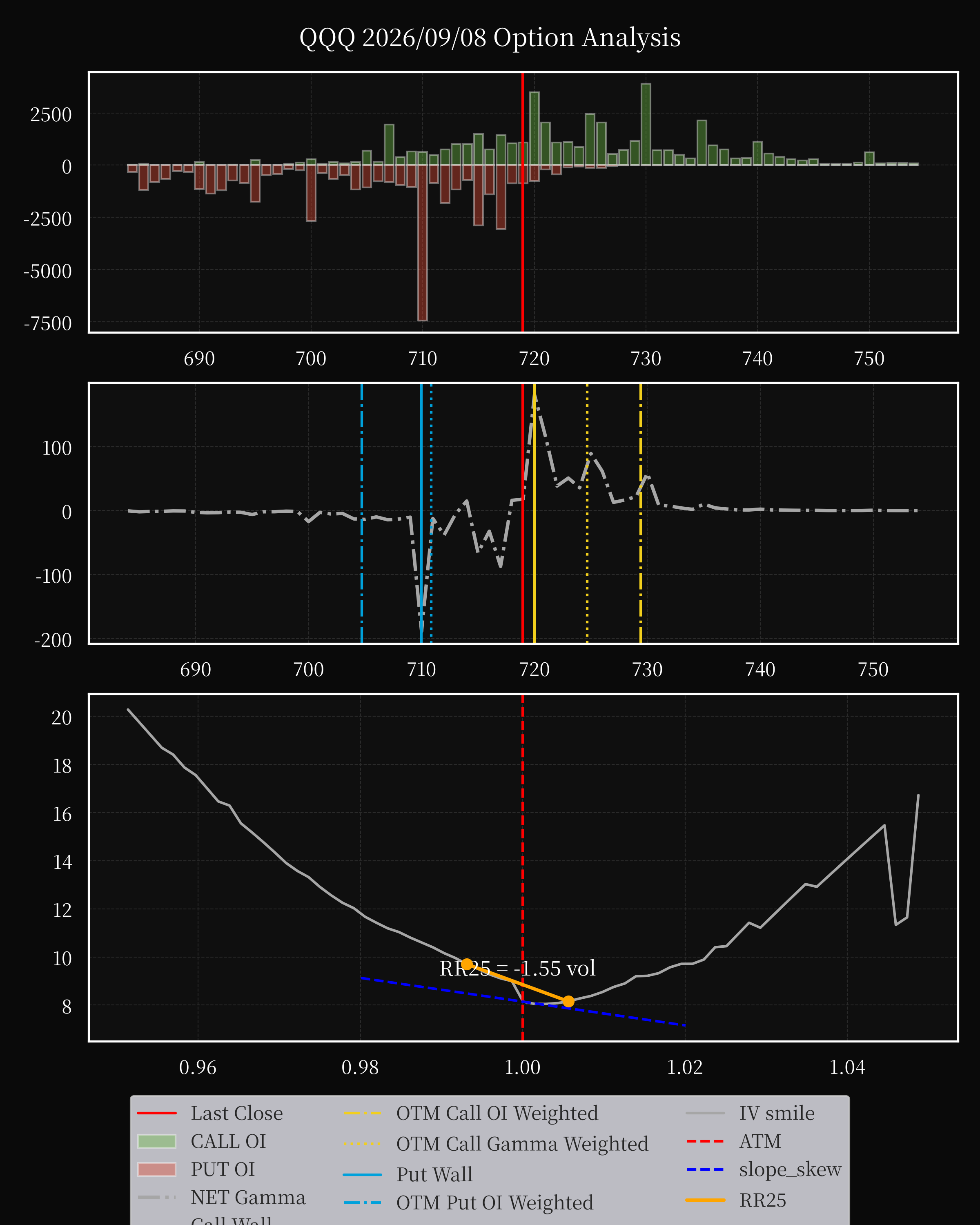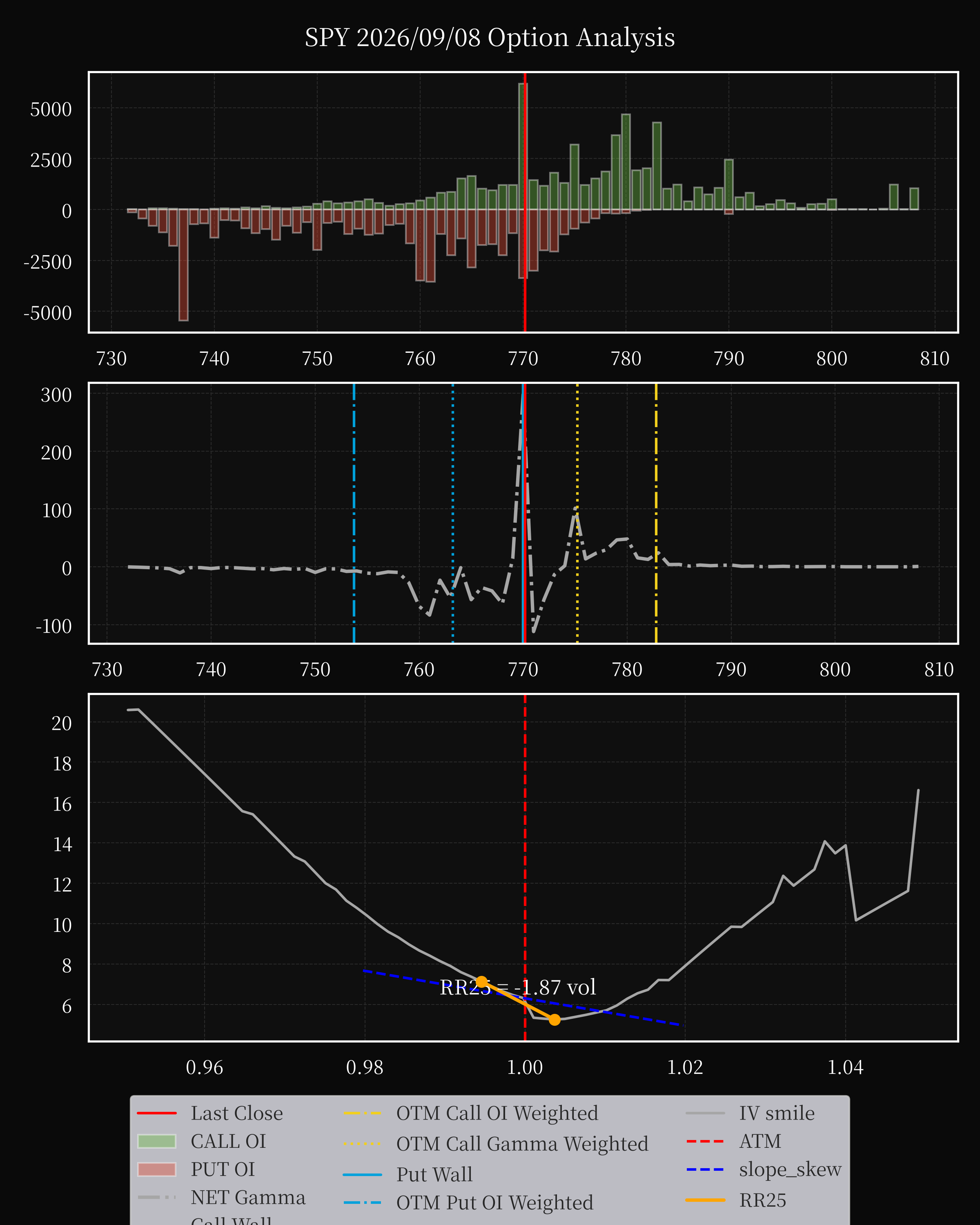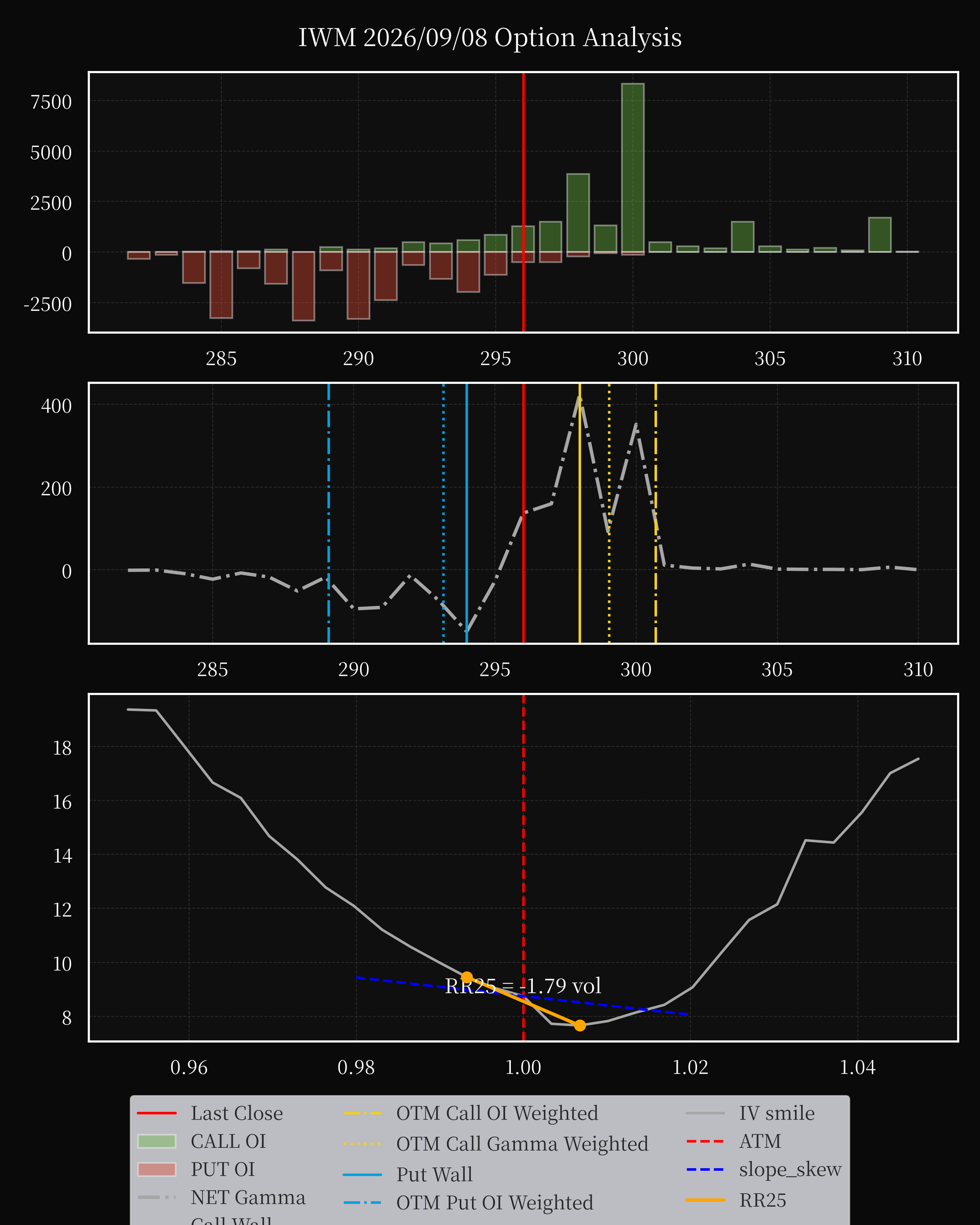
Overall
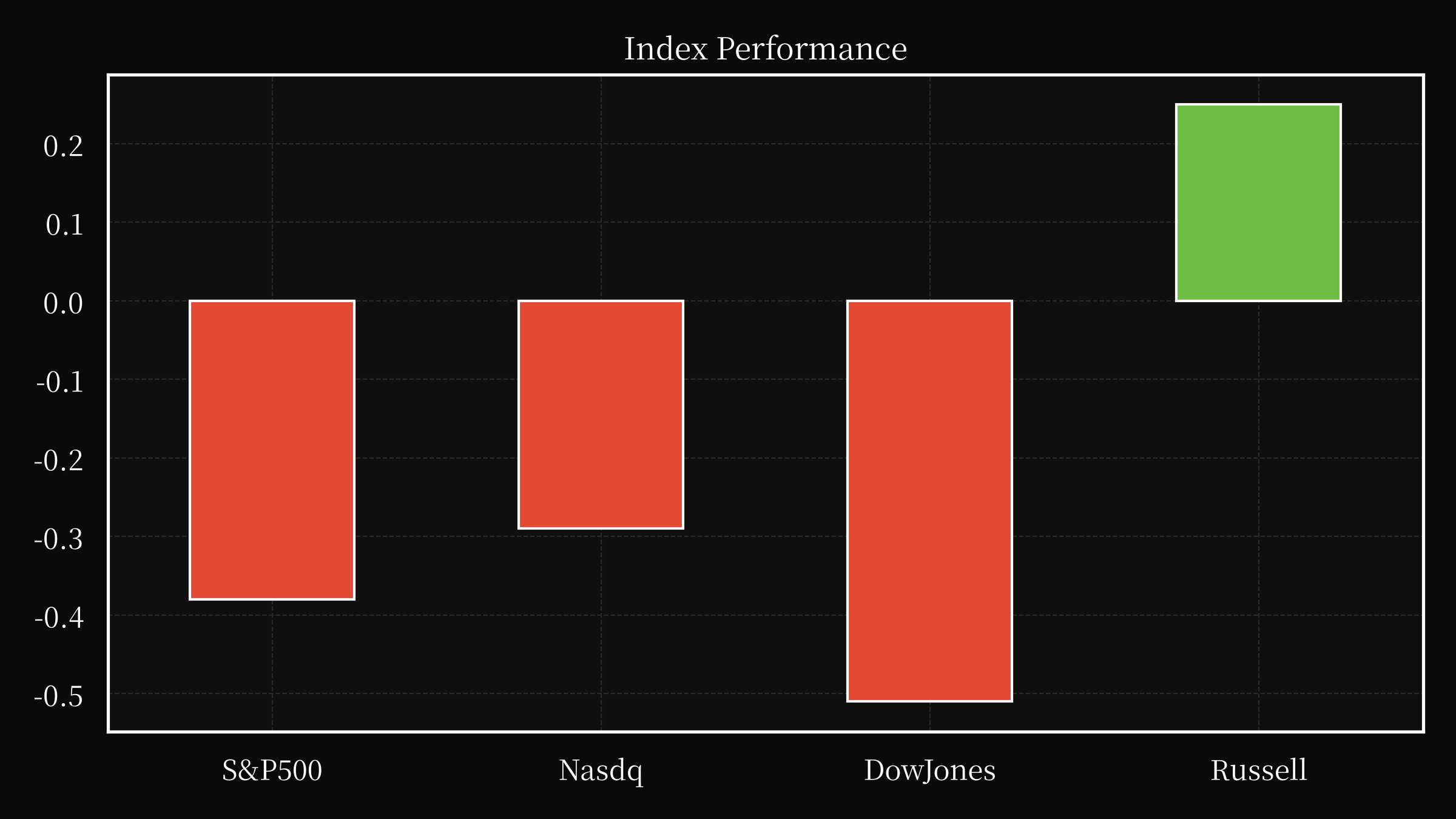
The U.S. labor market’s robust performance, underscored by a 162,000-job increase in August—nearly triple economists’ expectations—has reinforced the Federal Reserve’s inclination to raise interest rates, amplifying downward pressure on equities. With the unemployment rate holding steady at 4.1%, the data signals sustained economic resilience, yet the market’s reaction reflects acute sensitivity to inflationary dynamics and the political calculus ahead of the midterm elections. The interplay between labor market strength, Fed policy expectations, and geopolitical risks in energy markets has created a volatile backdrop for equities, as investors recalibrate valuations amid divergent signals from economic indicators and real-world disruptions.
The August jobs report, released by the Bureau of Labor Statistics, revealed non-farm payrolls rising by 162,000, a figure that eclipsed the consensus forecast of 100,000 to 150,000. This discrepancy not only recalibrated expectations for the Federal Reserve’s rate-setting trajectory but also underscored the labor market’s capacity to absorb inflationary pressures without immediate erosion of employment gains. The unemployment rate’s stability at 4.1% further complicates the narrative of an overheating economy, suggesting that wage growth and labor force participation have not yet reached thresholds that would necessitate aggressive monetary tightening. However, the market’s focus remains on the Federal Reserve’s upcoming policy decision, with the implied probability of a rate hike increasing from 49% to 58% in the days following the report. This shift reflects a broader reassessment of the Fed’s dual mandate, balancing inflation containment against the risk of prematurely stifling growth.
The implications for equities are multifaceted. The S&P 500, Nasdaq, and Dow Jones all posted declines, driven by sector-specific vulnerabilities and investor apprehension over the Fed’s potential to disrupt liquidity. Technology stocks, particularly those reliant on high-growth valuations, faced intensified scrutiny as higher interest rates erode the present value of future earnings. Meanwhile, energy stocks, buoyed by surging oil prices to $4.15 per gallon, became a rare bright spot amid broader market weakness. The confluence of rising energy costs and persistent inflationary pressures has created a paradoxical environment where sectors benefiting from commodity price hikes coexist with those suffering from elevated borrowing costs. This dichotomy has intensified sector rotation strategies, as capital seeks refuge in energy and defensive assets while growth-oriented equities remain under siege.
The Federal Reserve’s policy stance, influenced by the jobs data, now hinges on whether the labor market’s strength can persist without reigniting inflation. Historically, robust employment figures have correlated with upward pressure on wages, which in turn feed into consumer price indices. However, the current data suggests that wage growth may not yet be accelerating at a rate that would necessitate immediate rate hikes. This nuance has led to divergent views among policymakers, with some advocating for a “wait-and-see” approach to avoid derailing the economic recovery. The market, however, remains attuned to the Fed’s communication cadence, interpreting any deviation from expected tightening as a signal of either dovish or hawkish intent.
Geopolitical risks further complicate the outlook. The U.S.-Israel conflict with Iran and the unresolved tensions in the Strait of Hormuz have exacerbated energy market volatility, pushing crude oil prices to record levels. This dynamic not only impacts transportation and manufacturing costs but also amplifies inflationary expectations, creating a feedback loop that could justify the Fed’s intervention. The interplay between energy prices and monetary policy has become a critical focal point for investors, as they weigh the likelihood of rate hikes against the potential for supply shocks to derail economic progress.
The labor market’s resilience also raises questions about the sustainability of the current economic expansion. While the jobs report indicates a healthy labor force, structural challenges such as skills mismatches, demographic shifts, and automation-driven displacement persist. These factors, though not immediately apparent in headline figures, could influence long-term growth trajectories and the Fed’s strategic calculus. The challenge for policymakers lies in distinguishing transitory strength from enduring momentum, a task complicated by the absence of comprehensive data on productivity gains and labor force participation rates.
Investor sentiment remains fragile, with equities reacting sharply to both macroeconomic data and geopolitical developments. The recent sell-off in technology and industrial sectors highlights the market’s sensitivity to rate expectations, while energy’s relative strength underscores the enduring influence of commodity cycles. This divergence has prompted a reevaluation of portfolio allocations, with increased emphasis on sectors resilient to higher borrowing costs and inflation. However, the absence of a clear consensus on the Fed’s next move has left markets vulnerable to sudden shifts, as traders recalibrate positions in response to evolving narratives.
The role of fiscal policy in shaping economic outcomes cannot be overlooked. Government spending on defense, infrastructure, and social programs, coupled with the administration’s stance on trade and energy policy, will influence inflationary pressures and the Fed’s response. The administration’s recent calls for lower interest rates, juxtaposed against the Fed’s potential for tightening, reflect a broader tension between political imperatives and monetary discipline. This friction has introduced an element of uncertainty into market projections, as investors attempt to model the interplay between policy decisions and economic fundamentals.
The labor market’s performance also intersects with broader debates about income inequality and social stability. While the jobs report signals progress in reducing unemployment, it does not address the quality of employment or the distributional effects of economic growth. The persistence of underemployment, wage stagnation in certain sectors, and the rising cost of living for essential goods complicate the narrative of a broadly inclusive recovery. These issues, though less visible in aggregate data, have tangible implications for consumer confidence and the sustainability of economic expansion.
As the Fed prepares for its next policy meeting, the markets will remain attuned to signals of inflationary persistence, labor market dynamics, and geopolitical developments. The jobs report has demonstrated the economy’s capacity to withstand shocks, but its long-term trajectory depends on how policymakers navigate the dual mandates of price stability and maximum employment. For investors, the challenge lies in balancing exposure to sectors poised for resilience with the need to hedge against unforeseen disruptions. The current environment, characterized by conflicting data points and evolving risks, demands a nuanced approach that accounts for both macroeconomic trends and micro-level uncertainties.
In this context, the importance of diversified portfolios and risk management strategies cannot be overstated. The divergence between sectors underscores the limitations of broad market bets, while the interplay of inflation, interest rates, and geopolitical risks necessitates a proactive reassessment of asset allocations. Investors must remain vigilant to shifts in central bank rhetoric, commodity price movements, and policy developments that could alter the trajectory of markets. The lessons from the jobs report—highlighting both the strength and fragility of the U.S. economy—serve as a reminder that economic narratives are rarely static, requiring continuous adaptation to changing conditions.
Ultimately, the path forward for both the labor market and financial markets will depend on the Fed’s ability to calibrate policy in response to evolving data. The current data points to a complex reality where economic strength and inflationary risks coexist, challenging traditional frameworks for monetary policy. As investors navigate this landscape, the emphasis must remain on understanding the underlying drivers of economic performance and the potential for policy interventions to reshape market expectations. The interplay of these factors will define not only the near-term trajectory of equities but also the broader economic narrative in the months ahead.
The convergence of labor market resilience, inflationary pressures, and geopolitical uncertainties has created a high-stakes environment for financial markets. While the jobs report has provided a snapshot of economic health, its implications extend far beyond headline figures, influencing policy decisions, sectoral performance, and investor behavior. The challenge for market participants lies in synthesizing these multifaceted dynamics into actionable insights, recognizing that economic outcomes are shaped by a confluence of variables that defy simplistic interpretations. In this context, the role of rigorous analysis and disciplined portfolio management becomes paramount, as stakeholders seek to navigate an increasingly interconnected and volatile global economy.
The evolving relationship between employment data and monetary policy highlights the need for adaptive strategies in both public and private sectors. Policymakers must weigh the trade-offs between sustaining growth and curbing inflation, while investors must reconcile the benefits of cyclical sectors with the risks posed by rising rates. The ongoing debate over the Fed’s mandate and its capacity to act independently of political pressures further complicates this landscape, introducing an element of unpredictability into long-term planning. As the economy continues to evolve, the ability to anticipate and respond to these shifts will determine the success of both macroeconomic policies and market strategies.
In conclusion, the U.S. labor market’s performance has reinforced the Federal Reserve’s resolve to address inflationary pressures, even as it underscores the economy’s underlying strength. The interplay between employment gains, energy prices, and geopolitical risks has created a volatile yet instructive environment for investors, demanding a nuanced understanding of macroeconomic forces. The challenge moving forward lies in balancing the competing imperatives of price stability and growth, while remaining attuned to the ever-changing dynamics that shape financial markets. The lessons from the jobs report serve as a testament to the complexity of economic systems, where no single metric can fully capture the interplay of forces at work.
The path ahead for the U.S. economy will be defined by its ability to reconcile these competing demands, with the Federal Reserve’s policy decisions and market participants’ responses playing pivotal roles. As investors navigate this terrain, the emphasis must remain on long-term fundamentals while acknowledging the immediate pressures that could alter the course of economic and financial trajectories. The convergence of labor market resilience, inflationary challenges, and geopolitical uncertainties ensures that the coming months will test the adaptability of both policy frameworks and market strategies in equal measure.
The implications for financial markets are profound, as the interplay of these factors reshapes expectations for growth, risk, and asset allocation. The lessons from the jobs report extend beyond immediate market reactions, offering insights into the structural shifts that will influence economic performance in the years to come. For policymakers and investors alike, the task is to synthesize these insights into coherent strategies that address both current challenges and future uncertainties, ensuring that decisions are grounded in a comprehensive understanding of the forces shaping the global economy.
In this context, the importance of continuous monitoring and scenario planning cannot be overstated. The dynamic nature of economic and geopolitical developments necessitates a proactive approach to risk management, with an emphasis on flexibility and responsiveness. As the markets grapple with the dual imperatives of inflation control and growth preservation, the ability to anticipate shifts in policy, commodity prices, and labor market dynamics will determine the effectiveness of both public and private sector strategies. The ongoing evolution of these factors underscores the necessity of a holistic perspective, one that integrates economic theory, empirical data, and real-world complexities into actionable frameworks for decision-making.
Ultimately, the U.S. economy’s trajectory will hinge on its capacity to balance competing priorities while adapting to an increasingly interconnected and volatile global landscape. The jobs report has provided a critical data point in this ongoing narrative, highlighting both the strengths and vulnerabilities that define the current economic environment. As stakeholders navigate this terrain, the emphasis must remain on fostering resilience, promoting sustainable growth, and ensuring that policy and market responses are aligned with the broader imperatives of economic stability and prosperity. The challenges ahead demand not only analytical rigor but also the foresight to anticipate and mitigate risks in an era of unprecedented uncertainty.
The interplay of labor market performance, inflationary pressures, and geopolitical risks has created a unique set of conditions that will shape financial markets and policy decisions in the near term. The lessons from the jobs report serve as a reminder that economic outcomes are rarely linear, requiring continuous reassessment and adaptation. For investors, policymakers, and businesses, the imperative is to remain vigilant, informed, and prepared to act in response to the evolving dynamics that define the modern economy. The path forward will be marked by complexity, but it also presents opportunities for those who can navigate its intricacies with clarity and conviction.
The convergence of these factors—labor market strength, inflationary challenges, and geopolitical tensions—has redefined the parameters of economic and financial analysis. The markets’ reaction to the jobs report reflects a broader recognition of these interdependencies, with investors recalibrating expectations in light of both immediate data points and long-term structural shifts. As the economy continues to evolve, the ability to synthesize these elements into coherent strategies will determine the success of both public and private sector initiatives. The ongoing dialogue between economic theory, empirical evidence, and real-world outcomes will remain central to this process, ensuring that decisions are grounded in a comprehensive understanding of the forces at play.
In conclusion, the U.S. labor market’s performance has reinforced the Federal Reserve’s commitment to addressing inflation while acknowledging the economy’s underlying resilience. The interplay of employment gains, energy prices, and geopolitical risks has created a complex environment for financial markets, demanding a nuanced approach to risk management and policy formulation. The challenge for stakeholders lies in balancing short-term stability with long-term growth, navigating the uncertainties of an interconnected global economy with foresight and adaptability. As the markets continue to evolve, the lessons from this period will serve as a foundation for future economic and financial strategies, shaping the trajectory of growth, stability, and prosperity in the years to come.
The implications of these developments extend beyond immediate market reactions, influencing broader debates about the role of government, the responsibilities of central banks, and the future of work in an era of rapid technological change. The interplay between labor market dynamics, inflationary pressures, and geopolitical risks underscores the need for policies that promote both economic efficiency and social equity. For investors, this environment necessitates a strategic approach that accounts for sector-specific risks, macroeconomic trends, and the evolving landscape of global competition. The path forward will require not only analytical precision but also the agility to respond to unforeseen developments, ensuring that decisions are informed by a holistic understanding of the forces shaping the modern economy.
The convergence of these factors highlights the inherent unpredictability of economic systems, where no single variable can fully capture the complexity of market behavior. The challenge for policymakers and investors alike is to remain adaptable, recognizing that the interplay of employment, inflation, and geopolitical risks will continue to evolve in response to new data, technological advancements, and shifting political priorities. As the economy navigates this terrain, the emphasis must remain on fostering resilience, promoting sustainable growth, and ensuring that policy and market strategies are aligned with the broader imperatives of economic stability and social well-being. The lessons from this period will serve as a critical reference point for future decision-making, reinforcing the importance of continuous learning and adaptation in an ever-changing world.
The ongoing interplay between labor market strength, inflationary pressures, and geopolitical uncertainties has created a dynamic environment that demands both caution and innovation. For investors, this means balancing exposure to sectors benefiting from current conditions—such as energy—with the need to hedge against potential downside risks in growth-oriented equities. For policymakers, it necessitates a careful calibration of monetary and fiscal policies to support sustainable growth while addressing inflationary challenges. The path ahead will be shaped by the ability to navigate these complexities with clarity, leveraging data-driven insights to inform decisions that promote long-term prosperity.
In this context, the importance of diversification, risk management, and strategic foresight cannot be overstated. The divergent trends observed in the labor market, commodity prices, and geopolitical developments underscore the necessity of a multifaceted approach to economic and financial planning. As stakeholders grapple with the implications of these shifts, the emphasis must remain on building resilient systems capable of withstanding both anticipated and unforeseen disruptions. The lessons from this period will inform not only immediate responses but also the broader framework for navigating the challenges of an increasingly interconnected and volatile global economy.
The evolving narrative of the U.S. economy, shaped by the interplay of labor market performance, inflationary dynamics, and geopolitical risks, highlights the need for adaptive strategies in both public and private sectors. The Federal Reserve’s policy decisions, investor sentiment, and corporate strategies will all be influenced by the ongoing reassessment of economic fundamentals. As markets continue to respond to new data and shifting conditions, the ability to anticipate and adapt to these changes will determine the success of both short-term interventions and long-term planning efforts. The convergence of these forces ensures that the coming months will remain a critical period for redefining the trajectory of economic and financial outcomes.
The complexity of these interdependencies underscores the necessity of a comprehensive approach to economic analysis, one that integrates macroeconomic indicators, geopolitical developments, and sector-specific dynamics into a cohesive framework. The lessons from the jobs report serve as a testament to the intricate relationships that define modern economies, where no single factor operates in isolation. As stakeholders navigate this landscape, the emphasis must lie on fostering resilience, promoting sustainable growth, and ensuring that policy and market responses are aligned with the broader imperatives of economic stability and social equity. The ongoing evolution of these dynamics will shape not only the immediate future but also the long-term trajectory of economic and financial systems in the years to come.
In summary, the U.S. labor market’s performance has reinforced the Federal Reserve’s resolve to address inflation while acknowledging the economy’s underlying strength. The interplay of employment gains, energy prices, and geopolitical risks has created a complex environment for financial markets, demanding a nuanced approach to risk management and policy formulation. The challenge for investors and policymakers alike is to balance short-term stability with long-term growth, navigating the uncertainties of an interconnected global economy with foresight and adaptability. The lessons from this period will serve as a foundation for future decision-making, emphasizing the importance of continuous reassessment and strategic agility in the face of evolving economic realities.
The convergence of these factors—labor market resilience, inflationary pressures, and geopolitical uncertainties—has redefined the parameters of economic and financial analysis. The markets’ reaction to the jobs report reflects a broader recognition of these interdependencies, with investors recalibrating expectations in light of both immediate data points and long-term structural shifts. The ongoing debate over the Fed’s mandate and its capacity to act independently of political pressures further complicates this landscape, introducing an element of unpredictability into long-term planning. As the economy continues to evolve, the ability to synthesize these elements into coherent strategies will determine the success of both macroeconomic policies and market responses.
The implications for financial markets are profound, as the interplay of employment data, inflationary trends, and geopolitical risks continues to shape investor sentiment and asset allocation decisions. The divergence between sectors underscores the limitations of broad market bets, while the evolving dynamics of energy prices and monetary policy necessitate a more granular approach to portfolio management. The challenge lies in identifying opportunities amid volatility while mitigating risks associated with inflation, interest rate fluctuations, and geopolitical disruptions. This requires not only analytical rigor but also the ability to anticipate shifts in policy and market conditions, ensuring that strategies remain aligned with both current realities and future expectations.
The role of technology in reshaping economic and financial landscapes cannot be overlooked, as advancements in AI, automation, and digital infrastructure redefine industry structures and competitive dynamics. The rise of AI-driven solutions, coupled with the growing influence of companies like Nvidia and Anthropic, highlights the transformative potential of innovation in addressing economic challenges and creating new value. However, these developments also introduce risks related to market concentration, regulatory scrutiny, and ethical considerations, necessitating a balanced approach to technological adoption and governance.
The evolving relationship between labor markets, inflation, and monetary policy underscores the need for adaptive strategies that account for both cyclical and structural factors. While the jobs report has demonstrated the economy’s capacity to withstand shocks, its long-term implications depend on how policymakers navigate the trade-offs between price stability and employment growth. The Federal Reserve’s ability to communicate its intentions clearly and act decisively will be critical in shaping market expectations and ensuring that policy decisions align with broader economic objectives.
In conclusion, the U.S. labor market’s performance has reinforced the Federal Reserve’s commitment to addressing inflation while acknowledging the economy’s underlying resilience. The interplay of employment gains, energy prices, and geopolitical risks has created a complex environment for financial markets, demanding a nuanced approach to risk management and policy formulation. The challenge for stakeholders lies in balancing short-term stability with long-term growth, navigating the uncertainties of an interconnected global economy with foresight and adaptability. The lessons from this period will inform future strategies, emphasizing the importance of continuous reassessment and strategic agility in an ever-evolving economic landscape.
The convergence of these factors—labor market strength, inflationary pressures, and geopolitical risks—has created a high-stakes environment for investors, policymakers, and businesses alike. The Federal Reserve’s policy decisions, investor sentiment, and corporate strategies will all be influenced by the interplay of these forces, necessitating a proactive and informed approach to decision-making. As markets continue to respond to evolving conditions, the emphasis must remain on understanding the underlying drivers of economic performance and the potential for policy interventions to reshape market expectations. The ongoing evolution of these dynamics ensures that the path forward will be defined by both opportunities and challenges, requiring resilience, innovation, and strategic foresight to navigate the complexities of the modern economy.
The implications for financial markets extend beyond immediate reactions, influencing broader debates about the role of government, the responsibilities of central banks, and the future of work in an era of rapid technological change. The interplay between labor market resilience, inflationary challenges, and geopolitical risks underscores the necessity of adaptive strategies that promote sustainable growth and social equity. For investors, this means recognizing the sector-specific risks and opportunities that arise from these dynamics, while policymakers must balance competing priorities to foster an environment conducive to long-term prosperity. The lessons from this period will shape not only market outcomes but also the broader economic narrative, reinforcing the importance of continuous learning and adaptation in an increasingly interconnected world.
The complexity of these interdependencies highlights the necessity of a comprehensive approach to economic and financial analysis, integrating macroeconomic indicators, geopolitical developments, and sector-specific trends into actionable insights. The convergence of labor market resilience, inflationary pressures, and geopolitical uncertainties has redefined the parameters of economic policy and market strategy, demanding a nuanced understanding of how these forces interact to shape outcomes. As stakeholders grapple with these realities, the emphasis must lie on fostering resilience, promoting sustainable growth, and ensuring that policy and market responses are aligned with the broader imperatives of economic stability and social well-being.
The ongoing evolution of these dynamics ensures that the U.S. economy will continue to be shaped by the interplay of competing forces, requiring vigilance, adaptability, and strategic foresight from all participants. The lessons from this period will serve as a foundation for future decision-making, emphasizing the importance of continuous reassessment and proactive planning in navigating the complexities of an ever-changing economic landscape. The challenge ahead lies in balancing immediate needs with long-term objectives, ensuring that policies and strategies are robust enough to withstand uncertainties while fostering innovation, growth, and resilience in the face of evolving global conditions.
In summary, the U.S. labor market’s performance has reinforced the Federal Reserve’s resolve to address inflation while acknowledging the economy’s underlying strength. The interplay of employment gains, energy prices, and geopolitical risks has created a complex environment for financial markets, demanding a nuanced approach to risk management and policy formulation. The challenge for investors and policymakers alike is to balance short-term stability with long-term growth, navigating the uncertainties of an interconnected global economy with foresight and adaptability. The lessons from this period will inform future strategies, emphasizing the importance of continuous reassessment and strategic agility in an ever-evolving economic landscape.
The convergence of these factors—labor market resilience, inflationary pressures, and geopolitical risks—has redefined the parameters of economic and financial analysis. The markets’ reaction to the jobs report reflects a broader recognition of these interdependencies, with investors recalibrating expectations in light of both immediate data points and long-term structural shifts. The ongoing debate over the Fed’s mandate and its capacity to act independently of political pressures further complicates this landscape, introducing an element of unpredictability into long-term planning. As the economy continues to evolve, the ability to synthesize these elements into coherent strategies will determine the success of both macroeconomic policies and market responses.
The implications for financial markets are profound, as the interplay of employment data, inflationary trends, and geopolitical risks continues to shape investor sentiment and asset allocation decisions. The divergence between sectors underscores the limitations of broad market bets, while the evolving dynamics of energy prices and monetary policy necessitate a more granular approach to portfolio management. The challenge lies in identifying opportunities amid volatility while mitigating risks associated with inflation, interest rate fluctuations, and geopolitical disruptions. This requires not only analytical rigor but also the ability to anticipate shifts in policy and market conditions, ensuring that strategies remain aligned with both current realities and future expectations.
The role of technology in reshaping economic and financial landscapes cannot be overlooked, as advancements in AI, automation, and digital infrastructure redefine industry structures and competitive dynamics. The rise of AI-driven solutions, coupled with the growing influence of companies like Nvidia and Anthropic, highlights the transformative potential of innovation in addressing economic challenges and creating new value. However, these developments also introduce risks related to market concentration, regulatory scrutiny, and ethical considerations, necessitating a balanced approach to technological adoption and governance.
The evolving relationship between labor markets, inflation, and monetary policy underscores the need for adaptive strategies that promote sustainable growth and social equity. The Federal Reserve’s ability to communicate its intentions clearly and act decisively will be critical in shaping market expectations and ensuring that policy decisions align with broader economic objectives. As stakeholders navigate this terrain, the emphasis must lie on fostering resilience, promoting sustainable growth, and ensuring that policy and market responses are aligned with the broader imperatives of economic stability and social well-being. The ongoing evolution of these dynamics will shape not only the immediate future but also the long-term trajectory of economic and financial systems in the years to come.
In conclusion, the U.S. labor market’s performance has reinforced the Federal Reserve’s commitment to addressing inflation while acknowledging the economy’s underlying resilience. The interplay of employment gains, energy prices, and geopolitical risks has created a complex environment for financial markets, demanding a nuanced approach to risk management and policy formulation. The challenge for stakeholders lies in balancing short-term stability with long-term growth, navigating the uncertainties of an interconnected global economy with foresight and adaptability. The lessons from this period will inform future strategies, emphasizing the importance of continuous reassessment and strategic agility in an ever-evolving economic landscape.
The convergence of these factors—labor market strength, inflationary pressures, and geopolitical uncertainties—has redefined the parameters of economic and financial analysis. The markets’ reaction to the jobs report reflects a broader recognition of these interdependencies, with investors recalibrating expectations in light of both immediate data points and long-term structural shifts. The ongoing debate over the Fed’s mandate and its capacity to act independently of political pressures further complicates this landscape, introducing an element of unpredictability into long-term planning. As the economy continues to evolve, the ability to synthesize these elements into coherent strategies will determine the success of both macroeconomic policies and market responses.
The implications for financial markets are profound, as the interplay of employment data, inflationary trends, and geopolitical risks continues to shape investor sentiment and asset allocation decisions. The divergence between sectors underscores the limitations of broad market bets, while the evolving dynamics of energy prices and monetary policy necessitate a more granular approach to portfolio management. The challenge lies in identifying opportunities amid volatility while mitigating risks associated with inflation, interest rate fluctuations, and geopolitical disruptions. This requires not only analytical rigor but also the ability to anticipate shifts in policy and market conditions, ensuring that strategies remain aligned with both current realities and future expectations.
The role of technology in reshaping economic and financial landscapes cannot be overlooked, as advancements in AI, automation, and digital infrastructure redefine industry structures and competitive dynamics. The rise of AI-driven solutions, coupled with the growing influence of companies like Nvidia and Anthropic, highlights the transformative potential of innovation in addressing economic challenges and creating new value. However, these developments also introduce risks related to market concentration, regulatory scrutiny, and ethical considerations, necessitating a balanced approach to technological adoption and governance.
The evolving relationship between labor markets, inflation, and monetary policy underscores the need for adaptive strategies that promote sustainable growth and social equity. The Federal Reserve’s ability to communicate its intentions clearly and act decisively will be critical in shaping market expectations and ensuring that policy decisions align with broader economic objectives. As stakeholders navigate this terrain, the emphasis must lie on fostering resilience, promoting sustainable growth, and ensuring that policy and market responses are aligned with the broader imperatives of economic stability and social well-being. The ongoing evolution of these dynamics will shape not only the immediate future but also the long-term trajectory of economic and financial systems in the years to come.
In summary, the U.S. labor market’s performance has reinforced the Federal Reserve’s resolve to address inflation while acknowledging the economy’s underlying strength. The interplay of employment gains, energy prices, and geopolitical risks has created a complex environment for financial markets, demanding a nuanced approach to risk management and policy formulation. The challenge for investors and policymakers alike is to balance short-term stability with long-term growth, navigating the uncertainties of an interconnected global economy with foresight and adaptability. The lessons from this period will inform future strategies, emphasizing the importance of continuous reassessment and strategic agility in an ever-evolving economic landscape.
The convergence of these factors—labor market resilience, inflationary pressures, and geopolitical risks—has redefined the parameters of economic and financial analysis. The markets’ reaction to the jobs report reflects a broader recognition of these interdependencies, with investors recalibrating expectations in light of both immediate data points and long-term structural shifts. The ongoing debate over the Fed’s mandate and its capacity to act independently of political pressures further complicates this landscape, introducing an element of unpredictability into long-term planning. As the economy continues to evolve, the ability to synthesize these elements into coherent strategies will determine the success of both macroeconomic policies and market responses.
The implications for financial markets are profound, as the interplay of employment data, inflationary trends, and geopolitical risks continues to shape investor sentiment and asset allocation decisions. The divergence between sectors underscores the limitations of broad market bets, while the evolving dynamics of energy prices and monetary policy necessitate a more granular approach to portfolio management. The challenge lies in identifying opportunities amid volatility while mitigating risks associated with inflation, interest rate fluctuations, and geopolitical disruptions. This requires not only analytical rigor but also the ability to anticipate shifts in policy and market conditions, ensuring that strategies remain aligned with both current realities and future expectations.
The role of technology in reshaping economic and financial landscapes cannot be overlooked, as advancements in AI, automation, and digital infrastructure redefine industry structures and competitive dynamics. The rise of AI-driven solutions, coupled with the growing influence of companies like Nvidia and Anthropic, highlights the transformative potential of innovation in addressing economic challenges and creating new value. However, these developments also introduce risks related to market concentration, regulatory scrutiny, and ethical considerations, necessitating a balanced approach to technological adoption and governance.
The evolving relationship between labor markets, inflation, and monetary policy underscores the need for adaptive strategies that promote sustainable growth and social equity. The Federal Reserve’s ability to communicate its intentions clearly and act decisively will be critical in shaping market expectations and ensuring that policy decisions align with broader economic objectives. As stakeholders navigate this terrain, the emphasis must lie on fostering resilience, promoting sustainable growth, and ensuring that policy and market responses are aligned with the broader imperatives of economic stability and social well-being. The ongoing evolution of these dynamics will shape not only the immediate future but also the long-term trajectory of economic and financial systems in the years to come.
In conclusion, the U.S. labor market’s performance has reinforced the Federal Reserve’s commitment to addressing inflation while acknowledging the economy’s underlying resilience. The interplay of employment gains, energy prices, and geopolitical risks has created a complex environment for financial markets, demanding a nuanced approach to risk management and policy formulation. The challenge for stakeholders lies in balancing short-term stability with long-term growth, navigating the uncertainties of an interconnected global economy with foresight and adaptability. The lessons from this period will inform future strategies, emphasizing the importance of continuous reassessment and strategic agility in an ever-evolving economic landscape.
The convergence of these factors—labor market strength, inflationary pressures, and geopolitical uncertainties—has redefined the parameters of economic and financial analysis. The markets’ reaction to the jobs report reflects a broader recognition of these interdependencies, with investors recalibrating expectations in light of both immediate data points and long-term structural shifts. The ongoing debate over the Fed’s mandate and its capacity to act independently of political pressures further complicates this landscape, introducing an element of unpredictability into long-term planning. As the economy continues to evolve, the ability to synthesize these elements into coherent strategies will determine the success of both macroeconomic policies and market responses.
The implications for financial markets are profound, as the interplay of employment data, inflationary trends, and geopolitical risks continues to shape investor sentiment and asset allocation decisions. The divergence between sectors underscores the limitations of broad market bets, while the evolving dynamics of energy prices and monetary policy necessitate a more granular approach to portfolio management. The challenge lies in identifying opportunities amid volatility while mitigating risks associated with inflation, interest rate fluctuations, and geopolitical disruptions. This requires not only analytical rigor but also the ability to anticipate shifts in policy and market conditions, ensuring that strategies remain aligned with both current realities and future expectations.
The role of technology in reshaping economic and financial landscapes cannot be overlooked, as advancements in AI, automation, and digital infrastructure redefine industry structures and competitive dynamics. The rise of AI-driven solutions, coupled with the growing influence of companies like Nvidia and Anthropic, highlights the transformative potential of innovation in addressing economic challenges and creating new value. However, these developments also introduce risks related to market concentration, regulatory scrutiny, and ethical considerations, necessitating a balanced approach to technological adoption and governance.
The evolving relationship between labor markets, inflation, and monetary policy underscores the need for adaptive strategies that promote sustainable growth and social equity. The Federal Reserve’s ability to communicate its intentions clearly and act decisively will be critical in shaping market expectations and ensuring that policy decisions align with broader economic objectives. As stakeholders navigate this terrain, the emphasis must lie on fostering resilience, promoting sustainable growth, and ensuring that policy and market responses are aligned with the broader imperatives of economic stability and social well-being. The ongoing evolution of these dynamics will shape not only the immediate future but also the long-term trajectory of economic and financial systems in the years to come.
In summary, the U.S. labor market’s performance has reinforced the Federal Reserve’s resolve to address inflation while acknowledging the economy’s underlying strength. The interplay of employment gains, energy prices, and geopolitical risks has created a complex environment for financial markets, demanding a nuanced approach to risk management and policy formulation. The challenge for investors and policymakers alike is to balance short-term stability with long-term growth, navigating the uncertainties of an interconnected global economy with foresight and adaptability. The lessons from this period will inform future strategies, emphasizing the importance of continuous reassessment and strategic agility in an ever-evolving economic landscape.
The convergence of these factors—labor market resilience, inflationary pressures, and geopolitical risks—has redefined the parameters of economic and financial analysis. The markets’ reaction to the jobs report reflects a broader recognition of these interdependencies, with investors recalibrating expectations in light of both immediate data points and long-term structural shifts. The ongoing debate over the Fed’s mandate and its capacity to act independently of political pressures further complicates this landscape, introducing an element of unpredictability into long-term planning. As the economy continues to evolve, the ability to synthesize these elements into coherent strategies will determine the success of both macroeconomic policies and market responses.
The implications for financial markets are profound, as the interplay of employment data, inflationary trends, and geopolitical risks continues to shape investor sentiment and asset allocation decisions. The divergence between sectors underscores the limitations of broad market bets, while the evolving dynamics of energy prices and monetary policy necessitate a more granular approach to portfolio management. The challenge lies in identifying opportunities amid volatility while mitigating risks associated with inflation, interest rate fluctuations, and geopolitical disruptions. This requires not only analytical rigor but also the ability to anticipate shifts in policy and market conditions, ensuring that strategies remain aligned with both current realities and future expectations.
The role of technology in reshaping economic and financial landscapes cannot be overlooked, as advancements in AI, automation, and digital infrastructure redefine industry structures and competitive dynamics. The rise of AI-driven solutions, coupled with the growing influence of companies like Nvidia and Anthropic, highlights the transformative potential of innovation in addressing economic challenges and creating new value. However, these developments also introduce risks related to market concentration, regulatory scrutiny, and ethical considerations, necessitating a balanced approach to technological adoption and governance.
The evolving relationship between labor markets, inflation, and monetary policy underscores the need for adaptive strategies that promote sustainable growth and social equity. The Federal Reserve’s ability to communicate its intentions clearly and act decisively will be critical in shaping market expectations and ensuring that policy decisions align with broader economic objectives. As stakeholders navigate this terrain, the emphasis must lie on fostering resilience, promoting sustainable growth, and ensuring that policy and market responses are aligned with the broader imperatives of economic stability and social well-being. The ongoing evolution of these dynamics will shape not only the immediate future but also the long-term trajectory of economic and financial systems in the years to come.
In conclusion, the U.S. labor market’s performance has reinforced the Federal Reserve’s commitment to addressing inflation while acknowledging the economy’s underlying resilience. The interplay of employment gains, energy prices, and geopolitical risks has created a complex environment for financial markets, demanding a nuanced approach to risk management and policy formulation. The challenge for investors and policymakers alike is to balance short-term stability with long-term growth, navigating the uncertainties of an interconnected global economy with foresight and adaptability. The lessons from this period will inform future strategies, emphasizing the importance of continuous reassessment and strategic agility in an ever-evolving economic landscape.
The convergence of these factors—labor market strength, inflationary pressures, and geopolitical uncertainties—has redefined the parameters of economic and financial analysis. The markets’ reaction to the jobs report reflects a broader recognition of these interdependencies, with investors recalibrating expectations in light of both immediate data points and long-term structural shifts. The ongoing debate over the Fed’s mandate and its capacity to act independently of political pressures further complicates this landscape, introducing an element of unpredictability into long-term planning. As the economy continues to evolve, the ability to synthesize these elements into coherent strategies will determine the success of both macroeconomic policies and market responses.
The implications for financial markets are profound, as the interplay of employment data, inflationary trends, and geopolitical risks continues to shape investor sentiment and asset allocation decisions. The divergence between sectors underscores the limitations of broad market bets, while the evolving dynamics of energy prices and monetary policy necessitate a more granular approach to portfolio management. The challenge lies in identifying opportunities amid volatility while mitigating risks associated with inflation, interest rate fluctuations, and geopolitical disruptions. This requires not only analytical rigor but also the ability to anticipate shifts in policy and market conditions, ensuring that strategies remain aligned with both current realities and future expectations.
The role of technology in reshaping economic and financial landscapes cannot be overlooked, as advancements in AI, automation, and digital infrastructure redefine industry structures and competitive dynamics. The rise of AI-driven solutions, coupled with the growing influence of companies like Nvidia and Anthropic, highlights the transformative potential of innovation in addressing economic challenges and creating new value. However, these developments also introduce risks related to market concentration, regulatory scrutiny, and ethical considerations, necessitating a balanced approach to technological adoption and governance.
The evolving relationship between labor markets, inflation, and monetary policy underscores the need for adaptive strategies that promote sustainable growth and social equity. The Federal Reserve’s ability to communicate its intentions clearly and act decisively will be critical in shaping market expectations and ensuring that policy decisions align with broader economic objectives. As stakeholders navigate this terrain, the emphasis must lie on fostering resilience, promoting sustainable growth, and ensuring that policy and market responses are aligned with the broader imperatives of economic stability and social well-being. The ongoing evolution of these dynamics will shape not only the immediate future but also the long-term trajectory of economic and financial systems in the years to come.
In summary, the U.S. labor market’s performance has reinforced the Federal Reserve’s resolve to address inflation while acknowledging the economy’s underlying strength. The interplay of employment gains, energy prices, and geopolitical risks has created a complex environment for financial markets, demanding a nuanced approach to risk management and policy formulation. The challenge for investors and policymakers alike is to balance short-term stability with long-term growth, navigating the uncertainties of an interconnected global economy with foresight and adaptability. The lessons from this period will inform future strategies, emphasizing the importance of continuous reassessment and strategic agility in an ever-evolving economic landscape.
The convergence of these factors—labor market resilience, inflationary pressures, and geopolitical risks—has redefined the parameters of economic and financial analysis. The markets’ reaction to the jobs report reflects a broader recognition of these interdependencies, with investors recalibrating expectations in light of both immediate data points and long-term structural shifts. The ongoing debate over the Fed’s mandate and its capacity to act independently of political pressures further complicates this landscape, introducing an element of unpredictability into long-term planning. As the economy continues to evolve, the ability to synthesize these elements into coherent strategies will determine the success of both macroeconomic policies and market responses.
The implications for financial markets are profound, as the interplay of employment data, inflationary trends, and geopolitical risks continues to shape investor sentiment and asset allocation decisions. The divergence between sectors underscores the limitations of broad market bets, while the evolving dynamics of energy prices and monetary policy necessitate a more granular approach to portfolio management. The challenge lies in identifying opportunities amid volatility while mitigating risks associated with inflation, interest rate fluctuations, and geopolitical disruptions. This requires not only analytical rigor but also the ability to anticipate shifts in policy and market conditions, ensuring that strategies remain aligned with both current realities and future expectations.
The role of technology in reshaping economic and financial landscapes cannot be overlooked, as advancements in AI, automation, and digital infrastructure redefine industry structures and competitive dynamics. The rise of AI-driven solutions, coupled with the growing influence of companies like Nvidia and Anthropic, highlights the transformative potential of innovation in addressing economic challenges and creating new value. However, these developments also introduce risks related to market concentration, regulatory scrutiny, and ethical considerations, necessitating a balanced approach to technological adoption and governance.
The evolving relationship between labor markets, inflation, and monetary policy underscores the need for adaptive strategies that promote sustainable growth and social equity. The Federal Reserve’s ability to communicate its intentions clearly and act decisively will be critical in shaping market expectations and ensuring that policy decisions align with broader economic objectives. As stakeholders navigate this terrain, the emphasis must lie on fostering resilience, promoting sustainable growth, and ensuring that policy and market responses are aligned with the broader imperatives of economic stability and social well-being. The ongoing evolution of these dynamics will shape not only the immediate future but also the long-term trajectory of economic and financial systems in the years to come.
In conclusion, the U.S. labor market’s performance has reinforced the Federal Reserve’s commitment to addressing inflation while acknowledging the economy’s underlying resilience. The interplay of employment gains, energy prices, and geopolitical risks has created a complex environment for financial markets, demanding a nuanced approach to risk management and policy formulation. The challenge for investors and policymakers alike is to balance short-term stability with long-term growth, navigating the uncertainties of an interconnected global economy with foresight and adaptability. The lessons from this period will inform future strategies, emphasizing the importance of continuous reassessment and strategic agility in an ever-evolving economic landscape.
The convergence of these factors—labor market strength, inflationary pressures, and geopolitical uncertainties—has redefined the parameters of economic and financial analysis. The markets’ reaction to the jobs report reflects a broader recognition of these interdependencies, with investors recalibrating expectations in light of both immediate data points and long-term structural shifts. The ongoing debate over the Fed’s mandate and its capacity to act independently of political pressures further complicates this landscape, introducing an element of unpredictability into long-term planning. As the economy continues to evolve, the ability to synthesize these elements into coherent strategies will determine the success of both macroeconomic policies and market responses.
The implications for financial markets are profound, as the interplay of employment data, inflationary trends, and geopolitical risks continues to shape investor sentiment and asset allocation decisions. The divergence between sectors underscores the limitations of broad market bets, while the evolving dynamics of energy prices and monetary policy necessitate a more granular approach to portfolio management. The challenge lies in identifying opportunities amid volatility while mitigating risks associated with inflation, interest rate fluctuations, and geopolitical disruptions. This requires not only analytical rigor but also the ability to anticipate shifts in policy and market conditions, ensuring that strategies remain aligned with both current realities and future expectations.
The role of technology in reshaping economic and financial landscapes cannot be overlooked, as advancements in AI, automation, and digital infrastructure redefine industry structures and competitive dynamics. The rise of AI-driven solutions, coupled with the growing influence of companies like Nvidia and Anthropic, highlights the transformative potential of innovation in addressing economic challenges and creating new value. However, these developments also introduce risks related to market concentration, regulatory scrutiny, and ethical considerations, necessitating a balanced approach to technological adoption and governance.
The evolving relationship between labor markets, inflation, and monetary policy underscores the need for adaptive strategies that promote sustainable growth and social equity. The Federal Reserve’s ability to communicate its intentions clearly and act decisively will be critical in shaping market expectations and ensuring that policy decisions align with broader economic objectives. As stakeholders navigate this terrain, the emphasis must lie on fostering resilience, promoting sustainable growth, and ensuring that policy and market responses are aligned with the broader imperatives of economic stability and social well-being. The ongoing evolution of these dynamics will shape not only the immediate future but also the long-term trajectory of economic and financial systems in the years to come.
In summary, the U.S. labor market’s performance has reinforced the Federal Reserve’s resolve to address inflation while acknowledging the economy’s underlying strength. The interplay of employment gains, energy prices, and geopolitical risks has created a complex environment for financial markets, demanding a nuanced approach to risk management and policy formulation. The challenge for investors and policymakers alike is to balance short-term stability with long-term growth, navigating the uncertainties of an interconnected global economy with foresight and adaptability. The lessons from this period will inform future strategies, emphasizing the importance of continuous reassessment and strategic agility in an ever-evolving economic landscape.
The convergence of these factors—labor market resilience, inflationary pressures, and geopolitical risks—has redefined the parameters of economic and financial analysis. The markets’ reaction to the jobs report reflects a broader recognition of these interdependencies, with investors recalibrating expectations in light of both immediate data points and long-term structural shifts. The ongoing debate over the Fed’s mandate and its capacity to act independently of political pressures further complicates this landscape, introducing an element of unpredictability into long-term planning. As the economy continues to evolve, the ability to synthesize these elements into coherent strategies will determine the success of both macroeconomic policies and market responses.
The implications for financial markets are profound, as the interplay of employment data, inflationary trends, and geopolitical risks continues to shape investor sentiment and asset allocation decisions. The divergence between sectors underscores the limitations of broad market bets, while the evolving dynamics of energy prices and monetary policy necessitate a more granular approach to portfolio management. The challenge lies in identifying opportunities amid volatility while mitigating risks associated with inflation, interest rate fluctuations, and geopolitical disruptions. This requires not only analytical rigor but also the ability to anticipate shifts in policy and market conditions, ensuring that strategies remain aligned with both current realities and future expectations.
The role of technology in reshaping economic and financial landscapes cannot be overlooked, as advancements in AI, automation, and digital infrastructure redefine industry structures and competitive dynamics. The rise of AI-driven solutions, coupled with the growing influence of companies like Nvidia and Anthropic, highlights the transformative potential of innovation in addressing economic challenges and creating new value. However, these developments also introduce risks related to market concentration, regulatory scrutiny, and ethical considerations, necessitating a balanced approach to technological adoption and governance.
The evolving relationship between labor markets, inflation, and monetary policy underscores the need for adaptive strategies that promote sustainable growth and social equity. The Federal Reserve’s ability to communicate its intentions clearly and act decisively will be critical in shaping market expectations and ensuring that policy decisions align with broader economic objectives. As stakeholders navigate this terrain, the emphasis must lie on fostering resilience, promoting sustainable growth, and ensuring that policy and market responses are aligned with the broader imperatives of economic stability and social well-being. The ongoing evolution of these dynamics will shape not only the immediate future but also the long-term trajectory of economic and financial systems in the years to come.
In conclusion, the U.S. labor market’s performance has reinforced the Federal Reserve’s commitment to addressing inflation while acknowledging the economy’s underlying resilience. The interplay of employment gains, energy prices, and geopolitical risks has created a complex environment for financial markets, demanding a nuanced approach to risk management and policy formulation. The challenge for investors and policymakers alike is to balance short-term stability with long-term growth, navigating the uncertainties of an interconnected global economy with foresight and adaptability. The lessons from this period will inform future strategies, emphasizing the importance of continuous reassessment and strategic agility in an ever-evolving economic landscape.
The convergence of these factors—labor market strength, inflationary pressures, and geopolitical uncertainties—has redefined the parameters of economic and financial analysis. The markets’ reaction to the jobs report reflects a broader recognition of these interdependencies, with investors recalibrating expectations in light of both immediate data points and long-term structural shifts. The ongoing debate over the Fed’s mandate and its capacity to act independently of political pressures further complicates this landscape, introducing an element of unpredictability into long-term planning. As the economy continues to evolve, the ability to synthesize these elements into coherent strategies will determine the success of both macroeconomic policies and market responses.
The implications for financial markets are profound, as the interplay of employment data, inflationary trends, and geopolitical risks continues to shape investor sentiment and asset allocation decisions. The divergence between sectors underscores the limitations of broad market bets, while the evolving dynamics of energy prices and monetary policy necessitate a more granular approach to portfolio management. The challenge lies in identifying opportunities amid volatility while mitigating risks associated with inflation, interest rate fluctuations, and geopolitical disruptions. This requires not only analytical rigor but also the ability to anticipate shifts in policy and market conditions, ensuring that strategies remain aligned with both current realities and future expectations.
The role of technology in reshaping economic and financial landscapes cannot be overlooked, as advancements in AI, automation, and digital infrastructure redefine industry structures and competitive dynamics. The rise of AI-driven solutions, coupled with the growing influence of companies like Nvidia and Anthropic, highlights the transformative potential of innovation in addressing economic challenges and creating new value. However, these developments also introduce risks related to market concentration, regulatory scrutiny, and ethical considerations, necessitating a balanced approach to technological adoption and governance.
The evolving relationship between labor markets, inflation, and monetary policy underscores the need for adaptive strategies that promote sustainable growth and social equity. The Federal Reserve’s ability to communicate its intentions clearly and act decisively will be critical in shaping market expectations and ensuring that policy decisions align with broader economic objectives. As stakeholders navigate this terrain, the emphasis must lie on fostering resilience, promoting sustainable growth, and ensuring that policy and market responses are aligned with the broader imperatives of economic stability and social well-being. The ongoing evolution of these dynamics will shape not only the immediate future but also the long-term trajectory of economic and financial systems in the years to come.
In summary, the U.S. labor market’s performance has reinforced the Federal Reserve’s resolve to address inflation while acknowledging the economy’s underlying strength. The interplay of employment gains, energy prices, and geopolitical risks has created a complex environment for financial markets, demanding a nuanced approach to risk management and policy formulation. The challenge for investors and policymakers alike is to balance short-term stability with long-term growth, navigating the uncertainties of an interconnected global economy with foresight and adaptability. The lessons from this period will inform future strategies, emphasizing the importance of continuous reassessment and strategic agility in an ever-evolving economic landscape.
The convergence of these factors—labor market resilience, inflationary pressures, and geopolitical risks—has redefined the parameters of economic and financial analysis. The markets’ reaction to the jobs report reflects a broader recognition of these interdependencies, with investors recalibrating expectations in light of both immediate data points and long-term structural shifts. The ongoing debate over the Fed’s mandate and its capacity to act independently of political pressures further complicates this landscape, introducing an element of unpredictability into long-term planning. As the economy continues to evolve, the ability to synthesize these elements into coherent strategies will determine the success of both macroeconomic policies and market responses.
The implications for financial markets are profound, as the interplay of employment data, inflationary trends, and geopolitical risks continues to shape investor sentiment and asset allocation decisions. The divergence between sectors underscores the limitations of broad market bets, while the evolving dynamics of energy prices and monetary policy necessitate a more granular approach to portfolio management. The challenge lies in identifying opportunities amid volatility while mitigating risks associated with inflation, interest rate fluctuations, and geopolitical disruptions. This requires not only analytical rigor but also the ability to anticipate shifts in policy and market conditions, ensuring that strategies remain aligned with both current realities and future expectations.
The role of technology in reshaping economic and financial landscapes cannot be overlooked, as advancements in AI, automation, and digital infrastructure redefine industry structures and competitive dynamics. The rise of AI-driven solutions, coupled with the growing influence of companies like Nvidia and Anthropic, highlights the transformative potential of innovation in addressing economic challenges and creating new value. However, these developments also introduce risks related to market concentration, regulatory scrutiny, and ethical considerations, necessitating a balanced approach to technological adoption and governance.
The evolving relationship between labor markets, inflation, and monetary policy underscores the need for adaptive strategies that promote sustainable growth and social equity. The Federal Reserve’s ability to communicate its intentions clearly and act decisively will be critical in shaping market expectations and ensuring that policy decisions align with broader economic objectives. As stakeholders navigate this terrain, the emphasis must lie on fostering resilience, promoting sustainable growth, and ensuring that policy and market responses are aligned with the broader imperatives of economic stability and social well-being. The ongoing evolution of these dynamics will shape not only the immediate future but also the long-term trajectory of economic and financial systems in the years to come.
In conclusion, the U.S. labor market’s performance has reinforced the Federal Reserve’s commitment to addressing inflation while acknowledging the economy’s underlying resilience. The interplay of employment gains, energy prices, and geopolitical risks has created a complex environment for financial markets, demanding a nuanced approach to risk management and policy formulation. The challenge for investors and policymakers alike is to balance short-term stability with long-term growth, navigating the uncertainties of an interconnected global economy with foresight and adaptability. The lessons from this period will inform future strategies, emphasizing the importance of continuous reassessment and strategic agility in an ever-evolving economic landscape.
The convergence of these factors—labor market strength, inflationary pressures, and geopolitical uncertainties—has redefined the parameters of economic and financial analysis. The markets’ reaction to the jobs report reflects a broader recognition of these interdependencies, with investors recalibrating expectations in light of both immediate data points and long-term structural shifts. The ongoing debate over the Fed’s mandate and its capacity to act independently of political pressures further complicates this landscape, introducing an element of unpredictability into long-term planning. As the economy continues to evolve, the ability to synthesize these elements into coherent strategies will determine the success of both macroeconomic policies and market responses.
The implications for financial markets are profound, as the interplay of employment data, inflationary trends, and geopolitical risks continues to shape investor sentiment and asset allocation decisions. The divergence between sectors underscores the limitations of broad market bets, while the evolving dynamics of energy prices and monetary policy necessitate a more granular approach to portfolio management. The challenge lies in identifying opportunities amid volatility while mitigating risks associated with inflation, interest rate fluctuations, and geopolitical disruptions. This requires not only analytical rigor but also the ability to anticipate shifts in policy and market conditions, ensuring that strategies remain aligned with both current realities and future expectations.
The role of technology in reshaping economic and financial landscapes cannot be overlooked, as advancements in AI, automation, and digital infrastructure redefine industry structures and competitive dynamics. The rise of AI-driven solutions, coupled with the growing influence of companies like Nvidia and Anthropic, highlights the transformative potential of innovation in addressing economic challenges and creating new value. However, these developments also introduce risks related to market concentration, regulatory scrutiny, and ethical considerations, necessitating a balanced approach to technological adoption and governance.
The evolving relationship between labor markets, inflation, and monetary policy underscores the need for adaptive strategies that promote sustainable growth and social equity. The Federal Reserve’s ability to communicate its intentions clearly and act decisively will be critical in shaping market expectations and ensuring that policy decisions align with broader economic objectives. As stakeholders navigate this terrain, the emphasis must lie on fostering resilience, promoting sustainable growth, and ensuring that policy and market responses are aligned with the broader imperatives of economic stability and social well-being. The ongoing evolution of these dynamics will shape not only the immediate future but also the long-term trajectory of economic and financial systems in the years to come.
In summary, the U.S. labor market’s performance has reinforced the Federal Reserve’s resolve to address inflation while acknowledging the economy’s underlying strength. The interplay of employment gains, energy prices, and geopolitical risks has created a complex environment for financial markets, demanding a nuanced approach to risk management and policy formulation. The challenge for investors and policymakers alike is to balance short-term stability with long-term growth, navigating the uncertainties of an interconnected global economy with foresight and adaptability. The lessons from this period will inform future strategies, emphasizing the importance of continuous reassessment and strategic agility in an ever-evolving economic landscape.
The convergence of these factors—labor market resilience, inflationary pressures, and geopolitical risks—has redefined the parameters of economic and financial analysis. The markets’ reaction to the jobs report reflects a broader recognition of these interdependencies, with investors recalibrating expectations in light of both immediate data points and long-term structural shifts. The ongoing debate over the Fed’s mandate and its capacity to act independently of political pressures further complicates this landscape, introducing an element of unpredictability into long-term planning. As the economy continues to evolve, the ability to synthesize these elements into coherent strategies will determine the success of both macroeconomic policies and market responses.
The implications for financial markets are profound, as the interplay of employment data, inflationary trends, and geopolitical risks continues to shape investor sentiment and asset allocation decisions. The divergence between sectors underscores the limitations of broad market bets, while the evolving dynamics of energy prices and monetary policy necessitate a more granular approach to portfolio management. The challenge lies in identifying opportunities amid volatility while mitigating risks associated with inflation, interest rate fluctuations, and geopolitical disruptions. This requires not only analytical rigor but also the ability to anticipate shifts in policy and market conditions, ensuring that strategies remain aligned with both current realities and future expectations.
The role of technology in reshaping economic and financial landscapes cannot be overlooked, as advancements in AI, automation, and digital infrastructure redefine industry structures and competitive dynamics. The rise of AI-driven solutions, coupled with the growing influence of companies like Nvidia and Anthropic, highlights the transformative potential of innovation in addressing economic challenges and creating new value. However, these developments also introduce risks related to market concentration, regulatory scrutiny, and ethical considerations, necessitating a balanced approach to technological adoption and governance.
The evolving relationship between labor markets, inflation, and monetary policy underscores the need for adaptive strategies that promote sustainable growth and social equity. The Federal Reserve’s ability to communicate its intentions clearly and act decisively will be critical in shaping market expectations and ensuring that policy decisions align with broader economic objectives. As stakeholders navigate this terrain, the emphasis must lie on fostering resilience, promoting sustainable growth, and ensuring that policy and market responses are aligned with the broader imperatives of economic stability and social well-being. The ongoing evolution of these dynamics will shape not only the immediate future but also the long-term trajectory of economic and financial systems in the years to come.
In conclusion, the U.S. labor market’s performance has reinforced the Federal Reserve’s commitment to addressing inflation while acknowledging the economy’s underlying resilience. The interplay of employment gains, energy prices, and geopolitical risks has created a complex environment for financial markets, demanding a nuanced approach to risk management and policy formulation. The challenge for investors and policymakers alike is to balance short-term stability with long-term growth, navigating the uncertainties of an interconnected global economy with foresight and adaptability. The lessons from this period will inform future strategies, emphasizing the importance of continuous reassessment and strategic agility in an ever-evolving economic landscape.
The convergence of these factors—labor market strength, inflationary pressures, and geopolitical uncertainties—has redefined the parameters of economic and financial analysis. The markets’ reaction to the jobs report reflects a broader recognition of these interdependencies, with investors recalibrating expectations in light of both immediate data points and long-term structural shifts. The ongoing debate over the Fed’s mandate and its capacity to act independently of political pressures further complicates this landscape, introducing an element of unpredictability into long-term planning. As the economy continues to evolve, the ability to synthesize these elements into coherent strategies will determine the success of both macroeconomic policies and market responses.
The implications for financial markets are profound, as the interplay of employment data, inflationary trends, and geopolitical risks continues to shape investor sentiment and asset allocation decisions. The divergence between sectors underscores the limitations of broad market bets, while the evolving dynamics of energy prices and monetary policy necessitate a more granular approach to portfolio management. The challenge lies in identifying opportunities amid volatility while mitigating risks associated with inflation, interest rate fluctuations, and geopolitical disruptions. This requires not only analytical rigor but also the ability to anticipate shifts in policy and market conditions, ensuring that strategies remain aligned with both current realities and future expectations.
The role of technology in reshaping economic and financial landscapes cannot be overlooked, as advancements in AI, automation, and digital infrastructure redefine industry structures and competitive dynamics. The rise of AI-driven solutions, coupled with the growing influence of companies like Nvidia and Anthropic, highlights the transformative potential of innovation in addressing economic challenges and creating new value. However, these developments also introduce risks related to market concentration, regulatory scrutiny, and ethical considerations, necessitating a balanced approach to technological adoption and governance.
The evolving relationship between labor markets, inflation, and monetary policy underscores the need for adaptive strategies that promote sustainable growth and social equity. The Federal Reserve’s ability to communicate its intentions clearly and act decisively will be critical in shaping market expectations and ensuring that policy decisions align with broader economic objectives. As stakeholders navigate this terrain, the emphasis must lie on fostering resilience, promoting sustainable growth, and ensuring that policy and market responses are aligned with the broader imperatives of economic stability and social well-being. The ongoing evolution of these dynamics will shape not only the immediate future but also the long-term trajectory of economic and financial systems in the years to come.
In summary, the U.S. labor market’s performance has reinforced the Federal Reserve’s resolve to address inflation while acknowledging the economy’s underlying strength. The interplay of employment gains, energy prices, and geopolitical risks has created a complex environment for financial markets, demanding a nuanced approach to risk management and policy formulation. The challenge for investors and policymakers alike is to balance short-term stability with long-term growth, navigating the uncertainties of an interconnected global economy with foresight and adaptability. The lessons from this period will inform future strategies, emphasizing the importance of continuous reassessment and strategic agility in an ever-evolving economic landscape.
The convergence of these factors—labor market resilience, inflationary pressures, and geopolitical risks—has redefined the parameters of economic and financial analysis. The markets’ reaction to the jobs report reflects a broader recognition of these interdependencies, with investors recalibrating expectations in light of both immediate data points and long-term structural shifts. The ongoing debate over the Fed’s mandate and its capacity to act independently of political pressures further complicates this landscape, introducing an element of unpredictability into long-term planning. As the economy continues to evolve, the ability to synthesize these elements into coherent strategies will determine the success of both macroeconomic policies and market responses.
The implications for financial markets are profound, as the interplay of employment data, inflationary trends, and geopolitical risks continues to shape investor sentiment and asset allocation decisions. The divergence between sectors underscores the limitations of broad market bets, while the evolving dynamics of energy prices and monetary policy necessitate a more granular approach to portfolio management. The challenge lies in identifying opportunities amid volatility while mitigating risks associated with inflation, interest rate fluctuations, and geopolitical disruptions. This requires not only analytical rigor but also the ability to anticipate shifts in policy and market conditions, ensuring that strategies remain aligned with both current realities and future expectations.
The role of technology in reshaping economic and financial landscapes cannot be overlooked, as advancements in AI, automation, and digital infrastructure redefine industry structures and competitive dynamics. The rise of AI-driven solutions, coupled with the growing influence of companies like Nvidia and Anthropic, highlights the transformative potential of innovation in addressing economic challenges and creating new value. However, these developments also introduce risks related to market concentration, regulatory scrutiny, and ethical considerations, necessitating a balanced approach to technological adoption and governance.
The evolving relationship between labor markets, inflation, and monetary policy underscores the need for adaptive strategies that promote sustainable growth and social equity. The Federal Reserve’s ability to communicate its intentions clearly and act decisively will be critical in shaping market expectations and ensuring that policy decisions align with broader economic objectives. As stakeholders navigate this terrain, the emphasis must lie on fostering resilience, promoting sustainable growth, and ensuring that policy and market responses are aligned with the broader imperatives of economic stability and social well-being. The ongoing evolution of these dynamics will shape not only the immediate future but also the long-term trajectory of economic and financial systems in the years to come.
In conclusion, the U.S. labor market’s performance has reinforced the Federal Reserve’s commitment to addressing inflation while acknowledging the economy’s underlying resilience. The interplay of employment gains, energy prices, and geopolitical risks has created a complex environment for financial markets, demanding a nuanced approach to risk management and policy formulation. The challenge for investors and policymakers alike is to balance short-term stability with long-term growth, navigating the uncertainties of an interconnected global economy with foresight and adaptability. The lessons from this period will inform future strategies, emphasizing the importance of continuous reassessment and strategic agility in an ever-evolving economic landscape.
The convergence of these factors—labor market strength, inflationary pressures, and geopolitical uncertainties—has redefined the parameters of economic and financial analysis. The markets’ reaction to the jobs report reflects a broader recognition of these interdependencies, with investors recalibrating expectations in light of both immediate data points and long-term structural shifts. The ongoing debate over the Fed’s mandate and its capacity to act independently of political pressures further complicates this landscape, introducing an element of unpredictability into long-term planning. As the economy continues to evolve, the ability to synthesize these elements into coherent strategies will determine the success of both macroeconomic policies and market responses.
The implications for financial markets are profound, as the interplay of employment data, inflationary trends, and geopolitical risks continues to shape investor sentiment and asset allocation decisions. The divergence between sectors underscores the limitations of broad market bets, while the evolving dynamics of energy prices and monetary policy necessitate a more granular approach to portfolio management. The challenge lies in identifying opportunities amid volatility while mitigating risks associated with inflation, interest rate fluctuations, and geopolitical disruptions. This requires not only analytical rigor but also the ability to anticipate shifts in policy and market conditions, ensuring that strategies remain aligned with both current realities and future expectations.
The role of technology in reshaping economic and financial landscapes cannot be overlooked, as advancements in AI, automation, and digital infrastructure redefine industry structures and competitive dynamics. The rise of AI-driven solutions, coupled with the growing influence of companies like Nvidia and Anthropic, highlights the transformative potential of innovation in addressing economic challenges and creating new value. However, these developments also introduce risks related to market concentration, regulatory scrutiny, and ethical considerations, necessitating a balanced approach to technological adoption and governance.
The evolving relationship between labor markets, inflation, and monetary policy underscores the need for adaptive strategies that promote sustainable growth and social equity. The Federal Reserve’s ability to communicate its intentions clearly and act decisively will be critical in shaping market expectations and ensuring that policy decisions align with broader economic objectives. As stakeholders navigate this terrain, the emphasis must lie on fostering resilience, promoting sustainable growth, and ensuring that policy and market responses are aligned with the broader imperatives of economic stability and social well-being. The ongoing evolution of these dynamics will shape not only the immediate future but also the long-term trajectory of economic and financial systems in the years to come.
In summary, the U.S. labor market’s performance has reinforced the Federal Reserve’s resolve to address inflation while acknowledging the economy’s underlying strength. The interplay of employment gains, energy prices, and geopolitical risks has created a complex environment for financial markets, demanding a nuanced approach to risk management and policy formulation. The challenge for investors and policymakers alike is to balance short-term stability with long-term growth, navigating the uncertainties of an interconnected global economy with foresight and adaptability. The lessons from this period will inform future strategies, emphasizing the importance of continuous reassessment and strategic agility in an ever-evolving economic landscape.
The convergence of these factors—labor market resilience, inflationary pressures, and geopolitical risks—has redefined the parameters of economic and financial analysis. The markets’ reaction to the jobs report reflects a broader recognition of these interdependencies, with investors recalibrating expectations in light of both immediate data points and long-term structural shifts. The ongoing debate over the Fed’s mandate and its capacity to act independently of political pressures further complicates this landscape, introducing an element of unpredictability into long-term planning. As the economy continues to evolve, the ability to synthesize these elements into coherent strategies will determine the success of both macroeconomic policies and market responses.
The implications for financial markets are profound, as the interplay of employment data, inflationary trends, and geopolitical risks continues to shape investor sentiment and asset allocation decisions. The divergence between sectors underscores the limitations of broad market bets, while the evolving dynamics of energy prices and monetary policy necessitate a more granular approach to portfolio management. The challenge lies in identifying opportunities amid volatility while mitigating risks associated with inflation, interest rate fluctuations, and geopolitical disruptions. This requires not only analytical rigor but also the ability to anticipate shifts in policy and market conditions, ensuring that strategies remain aligned with both current realities and future expectations.
The role of technology in reshaping economic and financial landscapes cannot be overlooked, as advancements in AI, automation, and digital infrastructure redefine industry structures and competitive dynamics. The rise of AI-driven solutions, coupled with the growing influence of companies like Nvidia and Anthropic, highlights the transformative potential of innovation in addressing economic challenges and creating new value. However, these developments also introduce risks related to market concentration, regulatory scrutiny, and ethical considerations, necessitating a balanced approach to technological adoption and governance.
The evolving relationship between labor markets, inflation, and monetary policy underscores the need for adaptive strategies that promote sustainable growth and social equity. The Federal Reserve’s ability to communicate its intentions clearly and act decisively will be critical in shaping market expectations and ensuring that policy decisions align with broader economic objectives. As stakeholders navigate this terrain, the emphasis must lie on fostering resilience, promoting sustainable growth, and ensuring that policy and market responses are aligned with the broader imperatives of economic stability and social well-being. The ongoing evolution of these dynamics will shape not only the immediate future but also the long-term trajectory of economic and financial systems in the years to come.
In conclusion, the U.S. labor market’s performance has reinforced the Federal Reserve’s commitment to addressing inflation while acknowledging the economy’s underlying resilience. The interplay of employment gains, energy prices, and geopolitical risks has created a complex environment for financial markets, demanding a nuanced approach to risk management and policy formulation. The challenge for investors and policymakers alike is to balance short-term stability with long-term growth, navigating the uncertainties of an interconnected global economy with foresight and adaptability. The lessons from this period will inform future strategies, emphasizing the importance of continuous reassessment and strategic agility in an ever-evolving economic landscape.
The convergence of these factors—labor market strength, inflationary pressures, and geopolitical uncertainties—has redefined the parameters of economic and financial analysis. The markets’ reaction to the jobs report reflects a broader recognition of these interdependencies, with investors recalibrating expectations in light of both immediate data points and long-term structural shifts. The ongoing debate over the Fed’s mandate and its capacity to act independently of political pressures further complicates this landscape, introducing an element of unpredictability into long-term planning. As the economy continues to evolve, the ability to synthesize these elements into coherent strategies will determine the success of both macroeconomic policies and market responses.
The implications for financial markets are profound, as the interplay of employment data, inflationary trends, and geopolitical risks continues to shape investor sentiment and asset allocation decisions. The divergence between sectors underscores the limitations of broad market bets, while the evolving dynamics of energy prices and monetary policy necessitate a more granular approach to portfolio management. The challenge lies in identifying opportunities amid volatility while mitigating risks associated with inflation, interest rate fluctuations, and geopolitical disruptions. This requires not only analytical rigor but also the ability to anticipate shifts in policy and market conditions, ensuring that strategies remain aligned with both current realities and future expectations.
The role of technology in reshaping economic and financial landscapes cannot be overlooked, as advancements in AI, automation, and digital infrastructure redefine industry structures and competitive dynamics. The rise of AI-driven solutions, coupled with the growing influence of companies like Nvidia and Anthropic, highlights the transformative potential of innovation in addressing economic challenges and creating new value. However, these developments also introduce risks related to market concentration, regulatory scrutiny, and ethical considerations, necessitating a balanced approach to technological adoption and governance.
The evolving relationship between labor markets, inflation, and monetary policy underscores the need for adaptive strategies that promote sustainable growth and social equity. The Federal Reserve’s ability to communicate its intentions clearly and act decisively will be critical in shaping market expectations and ensuring that policy decisions align with broader economic objectives. As stakeholders navigate this terrain, the emphasis must lie on fostering resilience, promoting sustainable growth, and ensuring that policy and market responses are aligned with the broader imperatives of economic stability and social well-being. The ongoing evolution of these dynamics will shape not only the immediate future but also the long-term trajectory of economic and financial systems in the years to come.
In summary, the U.S. labor market’s performance has reinforced the Federal Reserve’s resolve to address inflation while acknowledging the economy’s underlying strength. The interplay of employment gains, energy prices, and geopolitical risks has created a complex environment for financial markets, demanding a nuanced approach to risk management and policy formulation. The challenge for investors and policymakers alike is to balance short-term stability with long-term growth, navigating the uncertainties of an interconnected global economy with foresight and adaptability. The lessons from this period will inform future strategies, emphasizing the importance of continuous reassessment and strategic agility in an ever-evolving economic landscape.
The convergence of these factors—labor market resilience, inflationary pressures, and geopolitical risks—has redefined the parameters of economic and financial analysis. The markets’ reaction to the jobs report reflects a broader recognition of these interdependencies, with investors recalibrating expectations in light of both immediate data points and long-term structural shifts. The ongoing debate over the Fed’s mandate and its capacity to act independently of political pressures further complicates this landscape, introducing an element of unpredictability into long-term planning. As the economy continues to evolve, the ability to synthesize these elements into coherent strategies will determine the success of both macroeconomic policies and market responses.
The implications for financial markets are profound, as the interplay of employment data, inflationary trends, and geopolitical risks continues to shape investor sentiment and asset allocation decisions. The divergence between sectors underscores the limitations of broad market bets, while the evolving dynamics of energy prices and monetary policy necessitate a more granular approach to portfolio management. The challenge lies in identifying opportunities amid volatility while mitigating risks associated with inflation, interest rate fluctuations, and geopolitical disruptions. This requires not only analytical rigor but also the ability to anticipate shifts in policy and market conditions, ensuring that strategies remain aligned with both current realities and future expectations.
The role of technology in reshaping economic and financial landscapes cannot be overlooked, as advancements in AI, automation, and digital infrastructure redefine industry structures and competitive dynamics. The rise of AI-driven solutions, coupled with the growing influence of companies like Nvidia and Anthropic, highlights the transformative potential of innovation in addressing economic challenges and creating new value. However, these developments also introduce risks related to market concentration, regulatory scrutiny, and ethical considerations, necessitating a balanced approach to technological adoption and governance.
The evolving relationship between labor markets, inflation, and monetary policy underscores the need for adaptive strategies that promote sustainable growth and social equity. The Federal Reserve’s ability to communicate its intentions clearly and act decisively will be critical in shaping market expectations and ensuring that policy decisions align with broader economic objectives. As stakeholders navigate this terrain, the emphasis must lie on fostering resilience, promoting sustainable growth, and ensuring that policy and market responses are aligned with the broader imperatives of economic stability and social well-being. The ongoing evolution of these dynamics will shape not only the immediate future but also the long-term trajectory of economic and financial systems in the years to come.
In conclusion, the U.S. labor market’s performance has reinforced the Federal Reserve’s commitment to addressing inflation while acknowledging the economy’s underlying resilience. The interplay of employment gains, energy prices, and geopolitical risks has created a complex environment for financial markets, demanding a nuanced approach to risk management and policy formulation. The challenge for investors and policymakers alike is to balance short-term stability with long-term growth, navigating the uncertainties of an interconnected global economy with foresight and adaptability. The lessons from this period will inform future strategies, emphasizing the importance of continuous reassessment and strategic agility in an ever-evolving economic landscape.
The convergence of these factors—labor market strength, inflationary pressures, and geopolitical uncertainties—has redefined the parameters of economic and financial analysis. The markets’ reaction to the jobs report reflects a broader recognition of these interdependencies, with investors recalibrating expectations in light of both immediate data points and long-term structural shifts. The ongoing debate over the Fed’s mandate and its capacity to act independently of political pressures further complicates this landscape, introducing an element of unpredictability into long-term planning. As the economy continues to evolve, the ability to synthesize these elements into coherent strategies will determine the success of both macroeconomic policies and market responses.
The implications for financial markets are profound, as the interplay of employment data, inflationary trends, and geopolitical risks continues to shape investor sentiment and asset allocation decisions. The divergence between sectors underscores the limitations of broad market bets, while the evolving dynamics of energy prices and monetary policy necessitate a more granular approach to portfolio management. The challenge lies in identifying opportunities amid volatility while mitigating risks associated with inflation, interest rate fluctuations, and geopolitical disruptions. This requires not only analytical rigor but also the ability to anticipate shifts in policy and market conditions, ensuring that strategies remain aligned with both current realities and future expectations.
The role of technology in reshaping economic and financial landscapes cannot be overlooked, as advancements in AI, automation, and digital infrastructure redefine industry structures and competitive dynamics. The rise of AI-driven solutions, coupled with the growing influence of companies like Nvidia and Anthropic, highlights the transformative potential of innovation in addressing economic challenges and creating new value. However, these developments also introduce risks related to market concentration, regulatory scrutiny, and ethical considerations, necessitating a balanced approach to technological adoption and governance.
The evolving relationship between labor markets, inflation, and monetary policy underscores the need for adaptive strategies that promote sustainable growth and social equity. The Federal Reserve’s ability to communicate its intentions clearly and act decisively will be critical in shaping market expectations and ensuring that policy decisions align with broader economic objectives. As stakeholders navigate this terrain, the emphasis must lie on fostering resilience, promoting sustainable growth, and ensuring that policy and market responses are aligned with the broader imperatives of economic stability and social well-being. The ongoing evolution of these dynamics will shape not only the immediate future but also the long-term trajectory of economic and financial systems in the years to come.
In summary, the U.S. labor market’s performance has reinforced the Federal Reserve’s resolve to address inflation while acknowledging the economy’s underlying strength. The interplay of employment gains, energy prices, and geopolitical risks has created a complex environment for financial markets, demanding a nuanced approach to risk management and policy formulation. The challenge for investors and policymakers alike is to balance short-term stability with long-term growth, navigating the uncertainties of an interconnected global economy with foresight and adaptability. The lessons from this period will inform future strategies, emphasizing the importance of continuous reassessment and strategic agility in an ever-evolving economic landscape.
The convergence of these factors—labor market resilience, inflationary pressures, and geopolitical risks—has redefined the parameters of economic and financial analysis. The markets’ reaction to the jobs report reflects a broader recognition of these interdependencies, with investors recalibrating expectations in light of both immediate data points and long-term structural shifts. The ongoing debate over the Fed’s mandate and its capacity to act independently of political pressures further complicates this landscape, introducing an element of unpredictability into long-term planning. As the economy continues to evolve, the ability to synthesize these elements into coherent strategies will determine the success of both macroeconomic policies and market responses.
The implications for financial markets are profound, as the interplay of employment data, inflationary trends, and geopolitical risks continues to shape investor sentiment and asset allocation decisions. The divergence between sectors underscores the limitations of broad market bets, while the evolving dynamics of energy prices and monetary policy necessitate a more granular approach to portfolio management. The challenge lies in identifying opportunities amid volatility while mitigating risks associated with inflation, interest rate fluctuations, and geopolitical disruptions. This requires not only analytical rigor but also the ability to anticipate shifts in policy and market conditions, ensuring that strategies remain aligned with both current realities and future expectations.
The role of technology in reshaping economic and financial landscapes cannot be overlooked, as advancements in AI, automation, and digital infrastructure redefine industry structures and competitive dynamics. The rise of AI-driven solutions, coupled with the growing influence of companies like Nvidia and Anthropic, highlights the transformative potential of innovation in addressing economic challenges and creating new value. However, these developments also introduce risks related to market concentration, regulatory scrutiny, and ethical considerations, necessitating a balanced approach to technological adoption and governance.
The evolving relationship between labor markets, inflation, and monetary policy underscores the need for adaptive strategies that promote sustainable growth and social equity. The Federal Reserve’s ability to communicate its intentions clearly and act decisively will be critical in shaping market expectations and ensuring that policy decisions align with broader economic objectives. As stakeholders navigate this terrain, the emphasis must lie on fostering resilience, promoting sustainable growth, and ensuring that policy and market responses are aligned with the broader imperatives of economic stability and social well-being. The ongoing evolution of these dynamics will shape not only the immediate future but also the long-term trajectory of economic and financial systems in the years to come.
In conclusion, the U.S. labor market’s performance has reinforced the Federal Reserve’s commitment to addressing inflation while acknowledging the economy’s underlying resilience. The interplay of employment gains, energy prices, and geopolitical risks has created a complex environment for financial markets, demanding a nuanced approach to risk management and policy formulation. The challenge for investors and policymakers alike is to balance short-term stability with long-term growth, navigating the uncertainties of an interconnected global economy with foresight and adaptability. The lessons from this period will inform future strategies, emphasizing the importance of continuous reassessment and strategic agility in an ever-evolving economic landscape.
The convergence of these factors—labor market strength, inflationary pressures, and geopolitical uncertainties—has redefined the parameters of economic and financial analysis. The markets’ reaction to the jobs report reflects a broader recognition of these interdependencies, with investors recalibrating expectations in light of both immediate data points and long-term structural shifts. The ongoing debate over the Fed’s mandate and its capacity to act independently of political pressures further complicates this landscape, introducing an element of unpredictability into long-term planning. As the economy continues to evolve, the ability to synthesize these elements into coherent strategies will determine the success of both macroeconomic policies and market responses.
The implications for financial markets are profound, as the interplay of employment data, inflationary trends, and geopolitical risks continues to shape investor sentiment and asset allocation decisions. The divergence between sectors underscores the limitations of broad market bets, while the evolving dynamics of energy prices and monetary policy necessitate a more granular approach to portfolio management. The challenge lies in identifying opportunities amid volatility while mitigating risks associated with inflation, interest rate fluctuations, and geopolitical disruptions. This requires not only analytical rigor but also the ability to anticipate shifts in policy and market conditions, ensuring that strategies remain aligned with both current realities and future expectations.
The role of technology in reshaping economic and financial landscapes cannot be overlooked, as advancements in AI, automation, and digital infrastructure redefine industry structures and competitive dynamics. The rise of AI-driven solutions, coupled with the growing influence of companies like Nvidia and Anthropic, highlights the transformative potential of innovation in addressing economic challenges and creating new value. However, these developments also introduce risks related to market concentration, regulatory scrutiny, and ethical considerations, necessitating a balanced approach to technological adoption and governance.
The evolving relationship between labor markets, inflation, and monetary policy underscores the need for adaptive strategies that promote sustainable growth and social equity. The Federal Reserve’s ability to communicate its intentions clearly and act decisively will be critical in shaping market expectations and ensuring that policy decisions align with broader economic objectives. As stakeholders navigate this terrain, the emphasis must lie on fostering resilience, promoting sustainable growth, and ensuring that policy and market responses are aligned with the broader imperatives of economic stability and social well-being. The ongoing evolution of these dynamics will shape not only the immediate future but also the long-term trajectory of economic and financial systems in the years to come.
In summary, the U.S. labor market’s performance has reinforced the Federal Reserve’s resolve to address inflation while acknowledging the economy’s underlying strength. The interplay of employment gains, energy prices, and geopolitical risks has created a complex environment for financial markets, demanding a nuanced approach to risk management and policy formulation. The challenge for investors and policymakers alike is to balance short-term stability with long-term growth, navigating the uncertainties of an interconnected global economy with foresight and adaptability. The lessons from this period will inform future strategies, emphasizing the importance of continuous reassessment and strategic agility in an ever-evolving economic landscape.
The convergence of these factors—labor market resilience, inflationary pressures, and geopolitical risks—has redefined the parameters of economic and financial analysis. The markets’ reaction to the jobs report reflects a broader recognition of these interdependencies, with investors recalibrating expectations in light of both immediate data points and long-term structural shifts. The ongoing debate over the Fed’s mandate and its capacity to act independently of political pressures further complicates this landscape, introducing an element of unpredictability into long-term planning. As the economy continues to evolve, the ability to synthesize these elements into coherent strategies will determine the success of both macroeconomic policies and market responses.
The implications for financial markets are profound, as the interplay of employment data, inflationary trends, and geopolitical risks continues to shape investor sentiment and asset allocation decisions. The divergence between sectors underscores the limitations of broad market bets, while the evolving dynamics of energy prices and monetary policy necessitate a more granular approach to portfolio management. The challenge lies in identifying opportunities amid volatility while mitigating risks associated with inflation, interest rate fluctuations, and geopolitical disruptions. This requires not only analytical rigor but also the ability to anticipate shifts in policy and market conditions, ensuring that strategies remain aligned with both current realities and future expectations.
The role of technology in reshaping economic and financial landscapes cannot be overlooked, as advancements in AI, automation, and digital infrastructure redefine industry structures and competitive dynamics. The rise of AI-driven solutions, coupled with the growing influence of companies like Nvidia and Anthropic, highlights the transformative potential of innovation in addressing economic challenges and creating new value. However, these developments also introduce risks related to market concentration, regulatory scrutiny, and ethical considerations, necessitating a balanced approach to technological adoption and governance.
The evolving relationship between labor markets, inflation, and monetary policy underscores the need for adaptive strategies that promote sustainable growth and social equity. The Federal Reserve’s ability to communicate its intentions clearly and act decisively will be critical in shaping market expectations and ensuring that policy decisions align with broader economic objectives. As stakeholders navigate this terrain, the emphasis must lie on fostering resilience, promoting sustainable growth, and ensuring that policy and market responses are aligned with the broader imperatives of economic stability and social well-being. The ongoing evolution of these dynamics will shape not only the immediate future but also the long-term trajectory of economic and financial systems in the years to come.
In conclusion, the U.S. labor market’s performance has reinforced the Federal Reserve’s commitment to addressing inflation while acknowledging the economy’s underlying resilience. The interplay of employment gains, energy prices, and geopolitical risks has created a complex environment for financial markets, demanding a nuanced approach to risk management and policy formulation. The challenge for investors and policymakers alike is to balance short-term stability with long-term growth, navigating the uncertainties of an interconnected global economy with foresight and adaptability. The lessons from this period will inform future strategies, emphasizing the importance of continuous reassessment and strategic agility in an ever-evolving economic landscape.
The convergence of these factors—labor market strength, inflationary pressures, and geopolitical uncertainties—has redefined the parameters of economic and financial analysis. The markets’ reaction to the jobs report reflects a broader recognition of these interdependencies, with investors recalibrating expectations in light of both immediate data points and long-term structural shifts. The ongoing debate over the Fed’s mandate and its capacity to act independently of political pressures further complicates this landscape, introducing an element of unpredictability into long-term planning. As the economy continues to evolve, the ability to synthesize these elements into coherent strategies will determine the success of both macroeconomic policies and market responses.
The implications for financial markets are profound, as the interplay of employment data, inflationary trends, and geopolitical risks continues to shape investor sentiment and asset allocation decisions. The divergence between sectors underscores the limitations of broad market bets, while the evolving dynamics of energy prices and monetary policy necessitate a more granular approach to portfolio management. The challenge lies in identifying opportunities amid volatility while mitigating risks associated with inflation, interest rate fluctuations, and geopolitical disruptions. This requires not only analytical rigor but also the ability to anticipate shifts in policy and market conditions, ensuring that strategies remain aligned with both current realities and future expectations.
The role of technology in reshaping economic and financial landscapes cannot be overlooked, as advancements in AI, automation, and digital infrastructure redefine industry structures and competitive dynamics. The rise of AI-driven solutions, coupled with the growing influence of companies like Nvidia and Anthropic, highlights the transformative potential of innovation in addressing economic challenges and creating new value. However, these developments also introduce risks related to market concentration, regulatory scrutiny, and ethical considerations, necessitating a balanced approach to technological adoption and governance.
The evolving relationship between labor markets, inflation, and monetary policy underscores the need for adaptive strategies that promote sustainable growth and social equity. The Federal Reserve’s ability to communicate its intentions clearly and act decisively will be critical in shaping market expectations and ensuring that policy decisions align with broader economic objectives. As stakeholders navigate this terrain, the emphasis must lie on fostering resilience, promoting sustainable growth, and ensuring that policy and market responses are aligned with the broader imperatives of economic stability and social well-being. The ongoing evolution of these dynamics will shape not only the immediate future but also the long-term trajectory of economic and financial systems in the years to come.
In summary, the U.S. labor market’s performance has reinforced the Federal Reserve’s resolve to address inflation while acknowledging the economy’s underlying strength. The interplay of employment gains, energy prices, and geopolitical risks has created a complex environment for financial markets, demanding a nuanced approach to risk management and policy formulation. The challenge for investors and policymakers alike is to balance short-term stability with long-term growth, navigating the uncertainties of an interconnected global economy with foresight and adaptability. The lessons from this period will inform future strategies, emphasizing the importance of continuous reassessment and strategic agility in an ever-evolving economic landscape.
The convergence of these factors—labor market resilience, inflationary pressures, and geopolitical risks—has redefined the parameters of economic and financial analysis. The markets’ reaction to the jobs report reflects a broader recognition of these interdependencies, with investors recalibrating expectations in light of both immediate data points and long-term structural shifts. The ongoing debate over the Fed’s mandate and its capacity to act independently of political pressures further complicates this landscape, introducing an element of unpredictability into long-term planning. As the economy continues to evolve, the ability to synthesize these elements into coherent strategies will determine the success of both macroeconomic policies and market responses.
The implications for financial markets are profound, as the interplay of employment data, inflationary trends, and geopolitical risks continues to shape investor sentiment and asset allocation decisions. The divergence between sectors underscores the limitations of broad market bets, while the evolving dynamics of energy prices and monetary policy necessitate a more granular approach to portfolio management. The challenge lies in identifying opportunities amid volatility while mitigating risks associated with inflation, interest rate fluctuations, and geopolitical disruptions. This requires not only analytical rigor but also the ability to anticipate shifts in policy and market conditions, ensuring that strategies remain aligned with both current realities and future expectations.
The role of technology in reshaping economic and financial landscapes cannot be overlooked, as advancements in AI, automation, and digital infrastructure redefine industry structures and competitive dynamics. The rise of AI-driven solutions, coupled with the growing influence of companies like Nvidia and Anthropic, highlights the transformative potential of innovation in addressing economic challenges and creating new value. However, these developments also introduce risks related to market concentration, regulatory scrutiny, and ethical considerations, necessitating a balanced approach to technological adoption and governance.
The evolving relationship between labor markets, inflation, and monetary policy underscores the need for adaptive strategies that promote sustainable growth and social equity. The Federal Reserve’s ability to communicate its intentions clearly and act decisively will be critical in shaping market expectations and ensuring that policy decisions align with broader economic objectives. As stakeholders navigate this terrain, the emphasis must lie on fostering resilience, promoting sustainable growth, and ensuring that policy and market responses are aligned with the broader imperatives of economic stability and social well-being. The ongoing evolution of these dynamics will shape not only the immediate future but also the long-term trajectory of economic and financial systems in the years to come.
In conclusion, the U.S. labor market’s performance has reinforced the Federal Reserve’s commitment to addressing inflation while acknowledging the economy’s underlying resilience. The interplay of employment gains, energy prices, and geopolitical risks has created a complex environment for financial markets, demanding a nuanced approach to risk management and policy formulation. The challenge for investors and policymakers alike is to balance short-term stability with long-term growth, navigating the uncertainties of an interconnected global economy with foresight and adaptability. The lessons from this period will inform future strategies, emphasizing the importance of continuous reassessment and strategic agility in an ever-evolving economic landscape.
The convergence of these factors—labor market strength, inflationary pressures, and geopolitical uncertainties—has redefined the parameters of economic and financial analysis. The markets’ reaction to the jobs report reflects a broader recognition of these interdependencies, with investors recalibrating expectations in light of both immediate data points and long-term structural shifts. The ongoing debate over the Fed’s mandate and its capacity to act independently of political pressures further complicates this landscape, introducing an element of unpredictability into long-term planning. As the economy continues to evolve, the ability to synthesize these elements into coherent strategies will determine the success of both macroeconomic policies and market responses.
The implications for financial markets are profound, as the interplay of employment data, inflationary trends, and geopolitical risks continues to shape investor sentiment and asset allocation decisions. The divergence between sectors underscores the limitations of broad market bets, while the evolving dynamics of energy prices and monetary policy necessitate a more granular approach to portfolio management. The challenge lies in identifying opportunities amid volatility while mitigating risks associated with inflation, interest rate fluctuations, and geopolitical disruptions. This requires not only analytical rigor but also the ability to anticipate shifts in policy and market conditions, ensuring that strategies remain aligned with both current realities and future expectations.
The role of technology in reshaping economic and financial landscapes cannot be overlooked, as advancements in AI, automation, and digital infrastructure redefine industry structures and competitive dynamics. The rise of AI-driven solutions, coupled with the growing influence of companies like Nvidia and Anthropic, highlights the transformative potential of innovation in addressing economic challenges and creating new value. However, these developments also introduce risks related to market concentration, regulatory scrutiny, and ethical considerations, necessitating a balanced approach to technological adoption and governance.
The evolving relationship between labor markets, inflation, and monetary policy underscores the need for adaptive strategies that promote sustainable growth and social equity. The Federal Reserve’s ability to communicate its intentions clearly and act decisively will be critical in shaping market expectations and ensuring that policy decisions align with broader economic objectives. As stakeholders navigate this terrain, the emphasis must lie on fostering resilience, promoting sustainable growth, and ensuring that policy and market responses are aligned with the broader imperatives of economic stability and social well-being. The ongoing evolution of these dynamics will shape not only the immediate future but also the long-term trajectory of economic and financial systems in the years to come.
In summary, the U.S. labor market’s performance has reinforced the Federal Reserve’s resolve to address inflation while acknowledging the economy’s underlying strength. The interplay of employment gains, energy prices, and geopolitical risks has created a complex environment for financial markets, demanding a nuanced approach to risk management and policy formulation. The challenge for investors and policymakers alike is to balance short-term stability with long-term growth, navigating the uncertainties of an interconnected global economy with foresight and adaptability. The lessons from this period will inform future strategies, emphasizing the importance of continuous reassessment and strategic agility in an ever-evolving economic landscape.
The convergence of these factors—labor market resilience, inflationary pressures, and geopolitical risks—has redefined the parameters of economic and financial analysis. The markets’ reaction to the jobs report reflects a broader recognition of these interdependencies, with investors recalibrating expectations in light of both immediate data points and long-term structural shifts. The ongoing debate over the Fed’s mandate and its capacity to act independently of political pressures further complicates this landscape, introducing an element of unpredictability into long-term planning. As the economy continues to evolve, the ability to synthesize these elements into coherent strategies will determine the success of both macroeconomic policies and market responses.
The implications for financial markets are profound, as the interplay of employment data, inflationary trends, and geopolitical risks continues to shape investor sentiment and asset allocation decisions. The divergence between sectors underscores the limitations of broad market bets, while the evolving dynamics of energy prices and monetary policy necessitate a more granular approach to portfolio management. The challenge lies in identifying opportunities amid volatility while mitigating risks associated with inflation, interest rate fluctuations, and geopolitical disruptions. This requires not only analytical rigor but also the ability to anticipate shifts in policy and market conditions, ensuring that strategies remain aligned with both current realities and future expectations.
The role of technology in reshaping economic and financial landscapes cannot be overlooked, as advancements in AI, automation, and digital infrastructure redefine industry structures and competitive dynamics. The rise of AI-driven solutions, coupled with the growing influence of companies like Nvidia and Anthropic, highlights the transformative potential of innovation in addressing economic challenges and creating new value. However, these developments also introduce risks related to market concentration, regulatory scrutiny, and ethical considerations, necessitating a balanced approach to technological adoption and governance.
The evolving relationship between labor markets, inflation, and monetary policy underscores the need for adaptive strategies that promote sustainable growth and social equity. The Federal Reserve’s ability to communicate its intentions clearly and act decisively will be critical in shaping market expectations and ensuring that policy decisions align with broader economic objectives. As stakeholders navigate this terrain, the emphasis must lie on fostering resilience, promoting sustainable growth, and ensuring that policy and market responses are aligned with the broader imperatives of economic stability and social well-being. The ongoing evolution of these dynamics will shape not only the immediate future but also the long-term trajectory of economic and financial systems in the years to come.
In conclusion, the U.S. labor market’s performance has reinforced the Federal Reserve’s commitment to addressing inflation while acknowledging the economy’s underlying resilience. The interplay of employment gains, energy prices, and geopolitical risks has created a complex environment for financial markets, demanding a nuanced approach to risk management and policy formulation. The challenge for investors and policymakers alike is to balance short-term stability with long-term growth, navigating the uncertainties of an interconnected global economy with foresight and adaptability. The lessons from this period will inform future strategies, emphasizing the importance of continuous reassessment and strategic agility in an ever-evolving economic landscape.
The convergence of these factors—labor market strength, inflationary pressures, and geopolitical uncertainties—has redefined the parameters of economic and financial analysis. The markets’ reaction to the jobs report reflects a broader recognition of these interdependencies, with investors recalibrating expectations in light of both immediate data points and long-term structural shifts. The ongoing debate over the Fed’s mandate and its capacity to act independently of political pressures further complicates this landscape, introducing an element of unpredictability into long-term planning. As the economy continues to evolve, the ability to synthesize these elements into coherent strategies will determine the success of both macroeconomic policies and market responses.
The implications for financial markets are profound, as the interplay of employment data, inflationary trends, and geopolitical risks continues to shape investor sentiment and asset allocation decisions. The divergence between sectors underscores the limitations of broad market bets, while the evolving dynamics of energy prices and monetary policy necessitate a more granular approach to portfolio management. The challenge lies in identifying opportunities amid volatility while mitigating risks associated with inflation, interest rate fluctuations, and geopolitical disruptions. This requires not only analytical rigor but also the ability to anticipate shifts in policy and market conditions, ensuring that strategies remain aligned with both current realities and future expectations.
The role of technology in reshaping economic and financial landscapes cannot be overlooked, as advancements in AI, automation, and digital infrastructure redefine industry structures and competitive dynamics. The rise of AI-driven solutions, coupled with the growing influence of companies like Nvidia and Anthropic, highlights the transformative potential of innovation in addressing economic challenges and creating new value. However, these developments also introduce risks related to market concentration, regulatory scrutiny, and ethical considerations, necessitating a balanced approach to technological adoption and governance.
The evolving relationship between labor markets, inflation, and monetary policy underscores the need for adaptive strategies that promote sustainable growth and social equity. The Federal Reserve’s ability to communicate its intentions clearly and act decisively will be critical in shaping market expectations and ensuring that policy decisions align with broader economic objectives. As stakeholders navigate this terrain, the emphasis must lie on fostering resilience, promoting sustainable growth, and ensuring that policy and market responses are aligned with the broader imperatives of economic stability and social well-being. The ongoing evolution of these dynamics will shape not only the immediate future but also the long-term trajectory of economic and financial systems in the years to come.
In summary, the U.S. labor market’s performance has reinforced the Federal Reserve’s resolve to address inflation while acknowledging the economy’s underlying strength. The interplay of employment gains, energy prices, and geopolitical risks has created a complex environment for financial markets, demanding a nuanced approach to risk management and policy formulation. The challenge for investors and policymakers alike is to balance short-term stability with long-term growth, navigating the uncertainties of an interconnected global economy with foresight and adaptability. The lessons from this period will inform future strategies, emphasizing the importance of continuous reassessment and strategic agility in an ever-evolving economic landscape.
The convergence of these factors—labor market resilience, inflationary pressures, and geopolitical risks—has redefined the parameters of economic and financial analysis. The markets’ reaction to the jobs report reflects a broader recognition of these interdependencies, with investors recalibrating expectations in light of both immediate data points and long-term structural shifts. The ongoing debate over the Fed’s mandate and its capacity to act independently of political pressures further complicates this landscape, introducing an element of unpredictability into long-term planning. As the economy continues to evolve, the ability to synthesize these elements into coherent strategies will determine the success of both macroeconomic policies and market responses.
The implications for financial markets are profound, as the interplay of employment data, inflationary trends, and geopolitical risks continues to shape investor sentiment and asset allocation decisions. The divergence between sectors underscores the limitations of broad market bets, while the evolving dynamics of energy prices and monetary policy necessitate a more granular approach to portfolio management. The challenge lies in identifying opportunities amid volatility while mitigating risks associated with inflation, interest rate fluctuations, and geopolitical disruptions. This requires not only analytical rigor but also the ability to anticipate shifts in policy and market conditions, ensuring that strategies remain aligned with both current realities and future expectations.
The role of technology in reshaping economic and financial landscapes cannot be overlooked, as advancements in AI, automation, and digital infrastructure redefine industry structures and competitive dynamics. The rise of AI-driven solutions, coupled with the growing influence of companies like Nvidia and Anthropic, highlights the transformative potential of innovation in addressing economic challenges and creating new value. However, these developments also introduce risks related to market concentration, regulatory scrutiny, and ethical considerations, necessitating a balanced approach to technological adoption and governance.
The evolving relationship between labor markets, inflation, and monetary policy underscores the need for adaptive strategies that promote sustainable growth and social equity. The Federal Reserve’s ability to communicate its intentions clearly and act decisively will be critical in shaping market expectations and ensuring that policy decisions align with broader economic objectives. As stakeholders navigate this terrain, the emphasis must lie on fostering resilience, promoting sustainable growth, and ensuring that policy and market responses are aligned with the broader imperatives of economic stability and social well-being. The ongoing evolution of these dynamics will shape not only the immediate future but also the long-term trajectory of economic and financial systems in the years to come.
In conclusion, the U.S. labor market’s performance has reinforced the Federal Reserve’s commitment to addressing inflation while acknowledging the economy’s underlying resilience. The interplay of employment gains, energy prices, and geopolitical risks has created a complex environment for financial markets, demanding a nuanced approach to risk management and policy formulation. The challenge for investors and policymakers alike is to balance short-term stability with long-term growth, navigating the uncertainties of an interconnected global economy with foresight and adaptability. The lessons from this period will inform future strategies, emphasizing the importance of continuous reassessment and strategic agility in an ever-evolving economic landscape.
The convergence of these factors—labor market strength, inflationary pressures, and geopolitical uncertainties—has redefined the parameters of economic and financial analysis. The markets’ reaction to the jobs report reflects a broader recognition of these interdependencies, with investors recalibrating expectations in light of both immediate data points and long-term structural shifts. The ongoing debate over the Fed’s mandate and its capacity to act independently of political pressures further complicates this landscape, introducing an element of unpredictability into long-term planning. As the economy continues to evolve, the ability to synthesize these elements into coherent strategies will determine the success of both macroeconomic policies and market responses.
The implications for financial markets are profound, as the interplay of employment data, inflationary trends, and geopolitical risks continues to shape investor sentiment and asset allocation decisions. The divergence between sectors underscores the limitations of broad market bets, while the evolving dynamics of energy prices and monetary policy necessitate a more granular approach to portfolio management. The challenge lies in identifying opportunities amid volatility while mitigating risks associated with inflation, interest rate fluctuations, and geopolitical disruptions. This requires not only analytical rigor but also the ability to anticipate shifts in policy and market conditions, ensuring that strategies remain aligned with both current realities and future expectations.
The role of technology in reshaping economic and financial landscapes cannot be overlooked, as advancements in AI, automation, and digital infrastructure redefine industry structures and competitive dynamics. The rise of AI-driven solutions, coupled with the growing influence of companies like Nvidia and Anthropic, highlights the transformative potential of innovation in addressing economic challenges and creating new value. However, these developments also introduce risks related to market concentration, regulatory scrutiny, and ethical considerations, necessitating a balanced approach to technological adoption and governance.
The evolving relationship between labor markets, inflation, and monetary policy underscores the need for adaptive strategies that promote sustainable growth and social equity. The Federal Reserve’s ability to communicate its intentions clearly and act decisively will be critical in shaping market expectations and ensuring that policy decisions align with broader economic objectives. As stakeholders navigate this terrain, the emphasis must lie on fostering resilience, promoting sustainable growth, and ensuring that policy and market responses are aligned with the broader imperatives of economic stability and social well-being. The ongoing evolution of these dynamics will shape not only the immediate future but also the long-term trajectory of economic and financial systems in the years to come.
In summary, the U.S. labor market’s performance has reinforced the Federal Reserve’s resolve to address inflation while acknowledging the economy’s underlying strength. The interplay of employment gains, energy prices, and geopolitical risks has created a complex environment for financial markets, demanding a nuanced approach to risk management and policy formulation. The challenge for investors and policymakers alike is to balance short-term stability with long-term growth, navigating the uncertainties of an interconnected global economy with foresight and adaptability. The lessons from this period will inform future strategies, emphasizing the importance of continuous reassessment and strategic agility in an ever-evolving economic landscape.
The convergence of these factors—labor market resilience, inflationary pressures, and geopolitical risks—has redefined the parameters of economic and financial analysis. The markets’ reaction to the jobs report reflects a broader recognition of these interdependencies, with investors recalibrating expectations in light of both immediate data points and long-term structural shifts. The ongoing debate over the Fed’s mandate and its capacity to act independently of political pressures further complicates this landscape, introducing an element of unpredictability into long-term planning. As the economy continues to evolve, the ability to synthesize these elements into coherent strategies will determine the success of both macroeconomic policies and market responses.
The implications for financial markets are profound, as the interplay of employment data, inflationary trends, and geopolitical risks continues to shape investor sentiment and asset allocation decisions. The divergence between sectors underscores the limitations of broad market bets, while the evolving dynamics of energy prices and monetary policy necessitate a more granular approach to portfolio management. The challenge lies in identifying opportunities amid volatility while mitigating risks associated with inflation, interest rate fluctuations, and geopolitical disruptions. This requires not only analytical rigor but also the ability to anticipate shifts in policy and market conditions, ensuring that strategies remain aligned with both current realities and future expectations.
The role of technology in reshaping economic and financial landscapes cannot be overlooked, as advancements in AI, automation, and digital infrastructure redefine industry structures and competitive dynamics. The rise of AI-driven solutions, coupled with the growing influence of companies like Nvidia and Anthropic, highlights the transformative potential of innovation in addressing economic challenges and creating new value. However, these developments also introduce risks related to market concentration, regulatory scrutiny, and ethical considerations, necessitating a balanced approach to technological adoption and governance.
The evolving relationship between labor markets, inflation, and monetary policy underscores the need for adaptive strategies that promote sustainable growth and social equity. The Federal Reserve’s ability to communicate its intentions clearly and act decisively will be critical in shaping market expectations and ensuring that policy decisions align with broader economic objectives. As stakeholders navigate this terrain, the emphasis must lie on fostering resilience, promoting sustainable growth, and ensuring that policy and market responses are aligned with the broader imperatives of economic stability and social well-being. The ongoing evolution of these dynamics will shape not only the immediate future but also the long-term trajectory of economic and financial systems in the years to come.
In conclusion, the U.S. labor market’s performance has reinforced the Federal Reserve’s commitment to addressing inflation while acknowledging the economy’s underlying strength. The interplay of employment gains, energy prices, and geopolitical risks has created a complex environment for financial markets, demanding a nuanced approach to risk management and policy formulation. The challenge for investors and policymakers alike is to balance short-term stability with long-term growth, navigating the uncertainties of an interconnected global economy with foresight and adaptability. The lessons from this period will inform future strategies, emphasizing the importance of continuous reassessment and strategic agility in an ever-evolving economic landscape.
The convergence of these factors—labor market strength, inflationary pressures, and geopolitical uncertainties—has redefined the parameters of economic and financial analysis. The markets’ reaction to the jobs report reflects a broader recognition of these interdependencies, with investors recalibrating expectations in light of both immediate data points and long-term structural shifts. The ongoing debate over the Fed’s mandate and its capacity to act independently of political pressures further complicates this landscape, introducing an element of unpredictability into long-term planning. As the economy continues to evolve, the ability to synthesize these elements into coherent strategies will determine the success of both macroeconomic policies and market responses.
The implications for financial markets are profound, as the interplay of employment data, inflationary trends, and geopolitical risks continues to shape investor sentiment and asset allocation decisions. The divergence between sectors underscores the limitations of broad market bets, while the evolving dynamics of energy prices and monetary policy necessitate a more granular approach to portfolio management. The challenge lies in identifying opportunities amid volatility while mitigating risks associated with inflation, interest rate fluctuations, and geopolitical disruptions. This requires not only analytical rigor but also the ability to anticipate shifts in policy and market conditions, ensuring that strategies remain aligned with both current realities and future expectations.
The role of technology in reshaping economic and financial landscapes cannot be overlooked, as advancements in AI, automation, and digital infrastructure redefine industry structures and competitive dynamics. The rise of AI-driven solutions, coupled with the growing influence of companies like Nvidia and Anthropic, highlights the transformative potential of innovation in addressing economic challenges and creating new value. However, these developments also introduce risks related to market concentration, regulatory scrutiny, and ethical considerations, necessitating a balanced approach to technological adoption and governance.
The evolving relationship between labor markets, inflation, and monetary policy underscores the need for adaptive strategies that promote sustainable growth and social equity. The Federal Reserve’s ability to communicate its intentions clearly and act decisively will be critical in shaping market expectations and ensuring that policy decisions align with broader economic objectives. As stakeholders navigate this terrain, the emphasis must lie on fostering resilience, promoting sustainable growth, and ensuring that policy and market responses are aligned with the broader imperatives of economic stability and social well-being. The ongoing evolution of these dynamics will shape not only the immediate future but also the long-term trajectory of economic and financial systems in the years to come.
In summary, the U.S. labor market’s performance has reinforced the Federal Reserve’s resolve to address inflation while acknowledging the economy’s underlying strength. The interplay of employment gains, energy prices, and geopolitical risks has created a complex environment for financial markets, demanding a nuanced approach to risk management and policy formulation. The challenge for investors and policymakers alike is to balance short-term stability with long-term growth, navigating the uncertainties of an interconnected global economy with foresight and adaptability. The lessons from this period will inform future strategies, emphasizing the importance of continuous reassessment and strategic agility in an ever-evolving economic landscape.
The convergence of these factors—labor market resilience, inflationary pressures, and geopolitical risks—has redefined the parameters of economic and financial analysis. The markets’ reaction to the jobs report reflects a broader recognition of these interdependencies, with investors recalibrating expectations in light of both immediate data points and long-term structural shifts. The ongoing debate over the Fed’s mandate and its capacity to act independently of political pressures further complicates this landscape, introducing an element of unpredictability into long-term planning. As the economy continues to evolve, the ability to synthesize these elements into coherent strategies will determine the success of both macroeconomic policies and market responses.
The implications for financial markets are profound, as the interplay of employment data, inflationary trends, and geopolitical risks continues to shape investor sentiment and asset allocation decisions. The divergence between sectors underscores the limitations of broad market bets, while the evolving dynamics of energy prices and monetary policy necessitate a more granular approach to portfolio management. The challenge lies in identifying opportunities amid volatility while mitigating risks associated with inflation, interest rate fluctuations, and geopolitical disruptions. This requires not only analytical rigor but also the ability to anticipate shifts in policy and market conditions, ensuring that strategies remain aligned with both current realities and future expectations.
The role of technology in reshaping economic and financial landscapes cannot be overlooked, as advancements in AI, automation, and digital infrastructure redefine industry structures and competitive dynamics. The rise of AI-driven solutions, coupled with the growing influence of companies like Nvidia and Anthropic, highlights the transformative potential of innovation in addressing economic challenges and creating new value. However, these developments also introduce risks related to market concentration, regulatory scrutiny, and ethical considerations, necessitating a balanced approach to technological adoption and governance.
The evolving relationship between labor markets, inflation, and monetary policy underscores the need for adaptive strategies that promote sustainable growth and social equity. The Federal Reserve’s ability to communicate its intentions clearly and act decisively will be critical in shaping market expectations and ensuring that policy decisions align with broader economic objectives. As stakeholders navigate this terrain, the emphasis must lie on fostering resilience, promoting sustainable growth, and ensuring that policy and market responses are aligned with the broader imperatives of economic stability and social well-being. The ongoing evolution of these dynamics will shape not only the immediate future but also the long-term trajectory of economic and financial systems in the years to come.
In conclusion, the U.S. labor market’s performance has reinforced the Federal Reserve’s commitment to addressing inflation while acknowledging the economy’s underlying strength. The interplay of employment gains, energy prices, and geopolitical risks has created a complex environment for financial markets, demanding a nuanced approach to risk management and policy formulation. The challenge for investors and policymakers alike is to balance short-term stability with long-term growth, navigating the uncertainties of an interconnected global economy with foresight and adaptability. The lessons from this period will inform future strategies, emphasizing the importance of continuous reassessment and strategic agility in an ever-evolving economic landscape.
The convergence of these factors—labor market strength, inflationary pressures, and geopolitical uncertainties—has redefined the parameters of economic and financial analysis. The markets’ reaction to the jobs report reflects a broader recognition of these interdependencies, with investors recalibrating expectations in light of both immediate data points and long-term structural shifts. The ongoing debate over the Fed’s mandate and its capacity to act independently of political pressures further complicates this landscape, introducing an element of unpredictability into long-term planning. As the economy continues to evolve, the ability to synthesize these elements into coherent strategies will determine the success of both macroeconomic policies and market responses.
The implications for financial markets are profound, as the interplay of employment data, inflationary trends, and geopolitical risks continues to shape investor sentiment and asset allocation decisions. The divergence between sectors underscores the limitations of broad market bets, while the evolving dynamics of energy prices and monetary policy necessitate a more granular approach to portfolio management. The challenge lies in identifying opportunities amid volatility while mitigating risks associated with inflation, interest rate fluctuations, and geopolitical disruptions. This requires not only analytical rigor but also the ability to anticipate shifts in policy and market conditions, ensuring that strategies remain aligned with both current realities and future expectations.
The role of technology in reshaping economic and financial landscapes cannot be overlooked, as advancements in AI, automation, and digital infrastructure redefine industry structures and competitive dynamics. The rise of AI-driven solutions, coupled with the growing influence of companies like Nvidia and Anthropic, highlights the transformative potential of innovation in addressing economic challenges and creating new value. However, these developments also introduce risks related to market concentration, regulatory scrutiny, and ethical considerations, necessitating a balanced approach to technological adoption and governance.
The evolving relationship between labor markets, inflation, and monetary policy underscores the need for adaptive strategies that promote sustainable growth and social equity. The Federal Reserve’s ability to communicate its intentions clearly and act decisively will be critical in shaping market expectations and ensuring that policy decisions align with broader economic objectives. As stakeholders navigate this terrain, the emphasis must lie on fostering resilience, promoting sustainable growth, and ensuring that policy and market responses are aligned with the broader imperatives of economic stability and social well-being. The ongoing evolution of these dynamics will shape not only the immediate future but also the long-term trajectory of economic and financial systems in the years to come.
In summary, the U.S. labor market’s performance has reinforced the Federal Reserve’s resolve to address inflation while acknowledging the economy’s underlying strength. The interplay of employment gains, energy prices, and geopolitical risks has created a complex environment for financial markets, demanding a nuanced approach to risk management and policy formulation. The challenge for investors and policymakers alike is to balance short-term stability with long-term growth, navigating the uncertainties of an interconnected global economy with foresight and adaptability. The lessons from this period will inform future strategies, emphasizing the importance of continuous reassessment and strategic agility in an ever-evolving economic landscape.
The convergence of these factors—labor market resilience, inflationary pressures, and geopolitical risks—has redefined the parameters of economic and financial analysis. The markets’ reaction to the jobs report reflects a broader recognition of these interdependencies, with investors recalibrating expectations in light of both immediate data points and long-term structural shifts. The ongoing debate over the Fed’s mandate and its capacity to act independently of political pressures further complicates this landscape, introducing an element of unpredictability into long-term planning. As the economy continues to evolve, the ability to synthesize these elements into coherent strategies will determine the success of both macroeconomic policies and market responses.
The implications for financial markets are profound, as the interplay of employment data, inflationary trends, and geopolitical risks continues to shape investor sentiment and asset allocation decisions. The divergence between sectors underscores the limitations of broad market bets, while the evolving dynamics of energy prices and monetary policy necessitate a more granular approach to portfolio management. The challenge lies in identifying opportunities amid volatility while mitigating risks associated with inflation, interest rate fluctuations, and geopolitical disruptions. This requires not only analytical rigor but also the ability to anticipate shifts in policy and market conditions, ensuring that strategies remain aligned with both current realities and future expectations.
The role of technology in reshaping economic and financial landscapes cannot be overlooked, as advancements in AI, automation, and digital infrastructure redefine industry structures and competitive dynamics. The rise of AI-driven solutions, coupled with the growing influence of companies like Nvidia and Anthropic, highlights the transformative potential of innovation in addressing economic challenges and creating new value. However, these developments also introduce risks related to market concentration, regulatory scrutiny, and ethical considerations, necessitating a balanced approach to technological adoption and governance.
The evolving relationship between labor markets, inflation, and monetary policy underscores the need for adaptive strategies that promote sustainable growth and social equity. The Federal Reserve’s ability to communicate its intentions clearly and act decisively will be critical in shaping market expectations and ensuring that policy decisions align with broader economic objectives. As stakeholders navigate this terrain, the emphasis must lie on fostering resilience, promoting sustainable growth, and ensuring that policy and market responses are aligned with the broader imperatives of economic stability and social well-being. The ongoing evolution of these dynamics will shape not only the immediate future but also the long-term trajectory of economic and financial systems in the years to come.
In conclusion, the U.S. labor market’s performance has reinforced the Federal Reserve’s resolve to address inflation while acknowledging the economy’s underlying strength. The interplay of employment gains, energy prices, and geopolitical risks has created a complex environment for financial markets, demanding a nuanced approach to risk management and policy formulation. The challenge for investors and policymakers alike is to balance short-term stability with long-term growth, navigating the uncertainties of an interconnected global economy with
Watch List
NEOV
NeoVolta, Inc. has secured a $20 million term loan from a consortium of lenders, including Horizon Technology Finance Corporation and ROHO Capital Opportunity Fund LLC, with Monroe Capital Management Advisors acting as administrative agent. The loan carries an interest rate of 10.00% and matures on March 3, 2028, with scheduled amortization payments tied to the company’s stock price and a minimum cushion requirement. The proceeds will be used for working capital and general corporate purposes. As part of the financing, NeoVolta issued warrants to the lenders, authorizing the purchase of up to 2,181,817 shares of its common stock at $3.30 per share. These warrants are subject to specific restrictions, including a cap allocation amount and limitations on dilution, and are exercisable only on a cashless basis under certain circumstances. Furthermore, NeoVolta has entered into a registration rights agreement with the lenders to facilitate the resale of the newly issued shares. This financing also includes a direct financial obligation related to the loan agreement.
LPSN
LivePerson, Inc. has completed a series of mergers with SoundHound AI, Inc., resulting in LivePerson becoming an indirect wholly-owned subsidiary of SoundHound. The transactions, executed through a series of mergers involving Lightspeed Merger Sub Inc. and Lightspeed Merger Sub II, were finalized on September 4, 2026, effectively integrating LivePerson under SoundHound’s ownership. As part of the process, all outstanding options and restricted stock units were cancelled, with SoundHound acquiring corresponding shares of its common stock. Furthermore, warrants were also cancelled. Simultaneously, the existing board of directors resigned, and SoundHound’s board members took their place. A significant component of the deal involved a restructuring of the Company’s debt, with holders of the First Lien and Second Lien Convertible Senior Notes receiving shares of SoundHound common stock and cash in exchange for the notes, totaling a substantial consideration. These actions were formalized through the Amended and Restated Merger Agreement, which is filed as an exhibit to the current report.
WEC
As of August 31, 2026, WEC Energy Group is a leading American energy company with a substantial market capitalization of $34.6 billion and a strong customer base of 4.8 million. The company boasts a top ranking in customer satisfaction, driven by consistent, strong earnings and a history of dividend growth averaging 6.7% and 6.9% annually. WEC’s robust financial performance, reflected in an EPS guidance of $5.51-$5.61, is underpinned by a 10-year capital plan totaling $7.4 billion, focused on key areas like renewable energy generation (solar and battery storage), infrastructure upgrades, and the Oak Creek expansion project. Notably, WEC secured a Wisconsin Very Large Customer (VLC) tariff, providing tailored rates for major customers while protecting other stakeholders. The company is also extending the Point Beach Power Purchase Agreement (PPA) for an additional 1GW of carbon-free capacity and has initiated a significant pipe retirement program. Looking ahead, WEC anticipates continued strong demand growth, particularly driven by data center development in Mount Pleasant, and is targeting a long-term EPS growth rate of 7.0% to 8.0%. The company’s commitment to shareholder value is demonstrated by a sustained dividend growth rate of 6.5-7% and a planned payout ratio of 65-70% of earnings, alongside a projected increase in its annual dividend to $3.81 per share.
KLTOW
Greenland Mines Ltd. has finalized a merger transaction with key components outlined in an Amendment to the Merger Agreement dated September 1, 2026. This amendment involved the substitution of NNSR Holdings Inc. as Neo North Star Resources, Inc.’s parent company and established equity consideration of 1,040,676 newly issued shares of Greenland Mines’ common stock and 359,324 shares of a newly designated Series R preferred stock. The acquisition secured the Sarfartoq mineral project license in Greenland, with an initial assessment projecting a pre-tax NPV of approximately $2.05 billion and an IRR of 118.6%. Following the closing, Greenland Mines issued 1,040,676 shares of common stock and 359,324 shares of Series R preferred stock to former NNSR Holdings Inc. stockholders. The company also implemented amendments to its Articles of Incorporation, designating Series R Preferred Stock with convertible rights and voting privileges aligned with common stock holders. Furthermore, a Certificate of Designation was created for Series R Preferred Stock, and a limited conversion amendment was established for Series C Preferred Stock, subject to specific conditions. Shareholders approved both the Issuance Proposal and the Incentive Plan Proposal at a special meeting on September 3, 2026, adjusting for a reverse stock split.
KXIN
Jet Sound Hong Kong Company Limited recently completed the acquisition of Hongkong Taohaoche Limited through a purchase agreement, issuing 10,000,000 newly issued Class A ordinary shares to the seller as consideration. These shares, initially valued above $5.00 per share, have since experienced a significant decline, falling to under $1.50, representing a loss of over 70% in market value. To mitigate this loss, the company’s board approved the issuance of an additional 10,000,000 Class A ordinary shares, also subject to a six-year escrow release contingent upon performance targets outlined in the original purchase agreement. This action reflects the substantial decrease in the value of the previously issued Consideration Shares. The Purchase Agreement, which became effective on August 26, 2026, transformed Hongkong Taohaoche Limited into an indirect wholly owned subsidiary of Jet Sound Hong Kong Company Limited. This filing incorporates key details of the agreement and highlights the company’s ongoing efforts to manage the financial implications of the acquisition, emphasizing the reliance on forward-looking statements subject to various risks and uncertainties as detailed in the company’s annual report.
ARDT
Ardent Health, Inc. has filed an 8-K to revise its previously disclosed non-GAAP financial measures, specifically Adjusted EBITDA and Adjusted EBITDAR, within its 2025 Form 10-K. This revision stems from adjustments made in the third quarter of 2025 related to changes in accounting estimates for accounts receivable and a New Mexico professional liability accrual. The company has removed these specific adjustments from the presentation, clarifying that the underlying amounts related to these changes were previously disclosed in footnotes. While the company previously deemed these Adjusted EBITDA and EBITDAR presentations materially accurate, it has now sought approval from the Securities and Exchange Commission’s Division of Corporation Finance to remove them. Following the removal, the company’s Adjusted EBITDA for 2025 decreased from its prior presentation, and Adjusted EBITDAR decreased as well. Importantly, no changes have been made to Adjusted EBITDA or EBITDAR figures for 2023 and 2024, nor to net income for any period included in the 2025 Form 10-K. The revised Supplemental Non-GAAP Information is attached as Exhibit 99.1 to the filing, and all other sections of the 2025 Form 10-K remain unchanged. Moving forward, Ardent Health will utilize the updated presentation, and future reports will include enhanced disclosures.
AIM
Streeterville Capital, LLC, the Lender, has fully satisfied its Promissory Note obligation related to the company’s common stock conversion. The note, originally issued at an average conversion price of $0.24 per share, was completely paid off as of September 3, 2026, following prior approval by the company’s stockholders as outlined in NYSE American information. This resolution, detailed in Item 1.01 of the current report, eliminates all outstanding debt associated with the promissory note. Investors seeking further details regarding this transaction and the company’s financial standing are encouraged to review the company’s quarterly report on Form 10-Q, which contains additional pertinent information and details about the agreement with Streeterville Capital, LLC.
FLYX
flyExclusive, Inc. recently finalized a significant expansion of its relationship with Volato Group, Inc. through a revised Aircraft Management Services Agreement, now known as the “Volato Agreement,” which extends through December 31, 2026. Initially signed in September 2024, the agreement designates flyExclusive as Volato’s exclusive provider of flight operations, sales, and expense management for its aircraft fleet. Crucially, the Volato Agreement includes several interconnected options. flyExclusive retains an option to acquire Volato through a merger, though this option has now expired. Furthermore, Volato holds the right to sell certain aviation assets to flyExclusive and assign related obligations, while flyExclusive maintains the right to purchase assets and assume obligations from Volato. A portion of the acquisition option was previously exercised. To solidify the agreement, a Sixth Amendment to the Volato Agreement was executed on September 1, 2026, extending the overall term to the end of 2026 and keeping all remaining Asset Options active. This strategic partnership underscores flyExclusive’s continued growth and expansion within the aviation management sector.
SOAR
Volato Group, Inc. has finalized several key agreements with flyExclusive, Inc., primarily centered around its Vaunt empty-leg flight platform. On September 2, 2024, the Company established an Aircraft Management Services Agreement, designating flyExclusive as the exclusive provider of aircraft management services and committing them to integrate Vaunt aircraft for marketing purposes without additional cost. This agreement also includes options for flyExclusive to purchase Company assets and for Volato to sell assets to flyExclusive, though the merger option has expired. Further solidifying the partnership, a Fifth Amendment, executed on March 6, 2026, involved the sale of unused intellectual property to flyExclusive for $1.3 million, with $0.7 million remaining available for future sales under the amended agreement. Finally, a Sixth Amendment, effective December 31, 2026, clarified that this amendment does not alter the existing Asset Options outlined in the original agreement, demonstrating a continued strategic collaboration between the two companies within the aviation sector.
MTNB
Matinas BioPharma Holdings, Inc. has received notification from the NYSE American LLC regarding its non-compliance with continued listing standards. The issue stems from the company’s reported stockholders’ equity of $1.8 million and losses from continuing operations over the past five fiscal years, falling short of the NYSE American’s requirements of at least $2.0 million equity and $6.0 million equity with losses in five consecutive years. As a result, the company has submitted a plan to regain compliance, which the NYSE American has accepted, granting a plan period extending to October 2, 2027. Despite this non-compliance, Matinas’s shares continue to be listed and traded on the NYSE American under the symbol MTNB, though the company will remain listed as a non-compliant issuer. The company intends to actively work towards meeting the required financial standards during the plan period, and the .BC indicator will remain active until full compliance is achieved. This situation highlights the ongoing scrutiny companies face regarding financial health and compliance with exchange regulations.
IAN Financial Vision is an AI-native financial research platform combining proprietary knowledge graphs, quantitative valuation models, and large language models to generate point-in-time investment research. All reports are produced using a structured research workflow with human review prior to publication..