Overall
Markets A.M.: Apple’s Foldable iPhone Launch and the Broader Tech Reckoning
The most anticipated corporate event of the year, Apple’s unveiling of its first foldable iPhone on September 9, 2026, marked a pivotal moment in the tech sector’s relentless pursuit of innovation. Under the leadership of newly appointed CEO John Ternus, the company introduced a device priced from $1,999, a bold move that underscores its strategy to reassert dominance in a market where consumer demand for premium hardware remains resilient despite macroeconomic headwinds. This launch, however, occurred against a backdrop of heightened volatility, as oil prices surged past $100 per barrel, bond yields hit multiyear highs, and geopolitical tensions in the Middle East threatened to disrupt global supply chains. The interplay of these factors—technological ambition, energy market turbulence, and geopolitical risk—reveals the complex forces shaping today’s markets.
Apple’s Foldable iPhone: A Strategic Gamble Amid Economic Uncertainty
Apple’s decision to debut a foldable iPhone reflects its dual imperative: to innovate relentlessly while navigating a landscape where growth is increasingly constrained by inflation, interest rates, and shifting consumer behavior. The device’s $1,999 price tag, coupled with its advanced hinge technology and enhanced durability, signals the company’s confidence in its ability to command premium pricing. Yet, this move also exposes Apple to the risks of overreliance on a single product line, a vulnerability exacerbated by the recent collapse of its services revenue growth. Analysts note that the foldable form factor, while technologically groundbreaking, may struggle to justify its cost for mainstream consumers, who remain price-sensitive amid economic uncertainty. The stock’s modest 0.3% decline post-announcement highlights investor skepticism about the device’s potential to offset broader market headwinds.
Oil Prices and Bond Yields: The Macro Forces Reshaping Market Sentiment
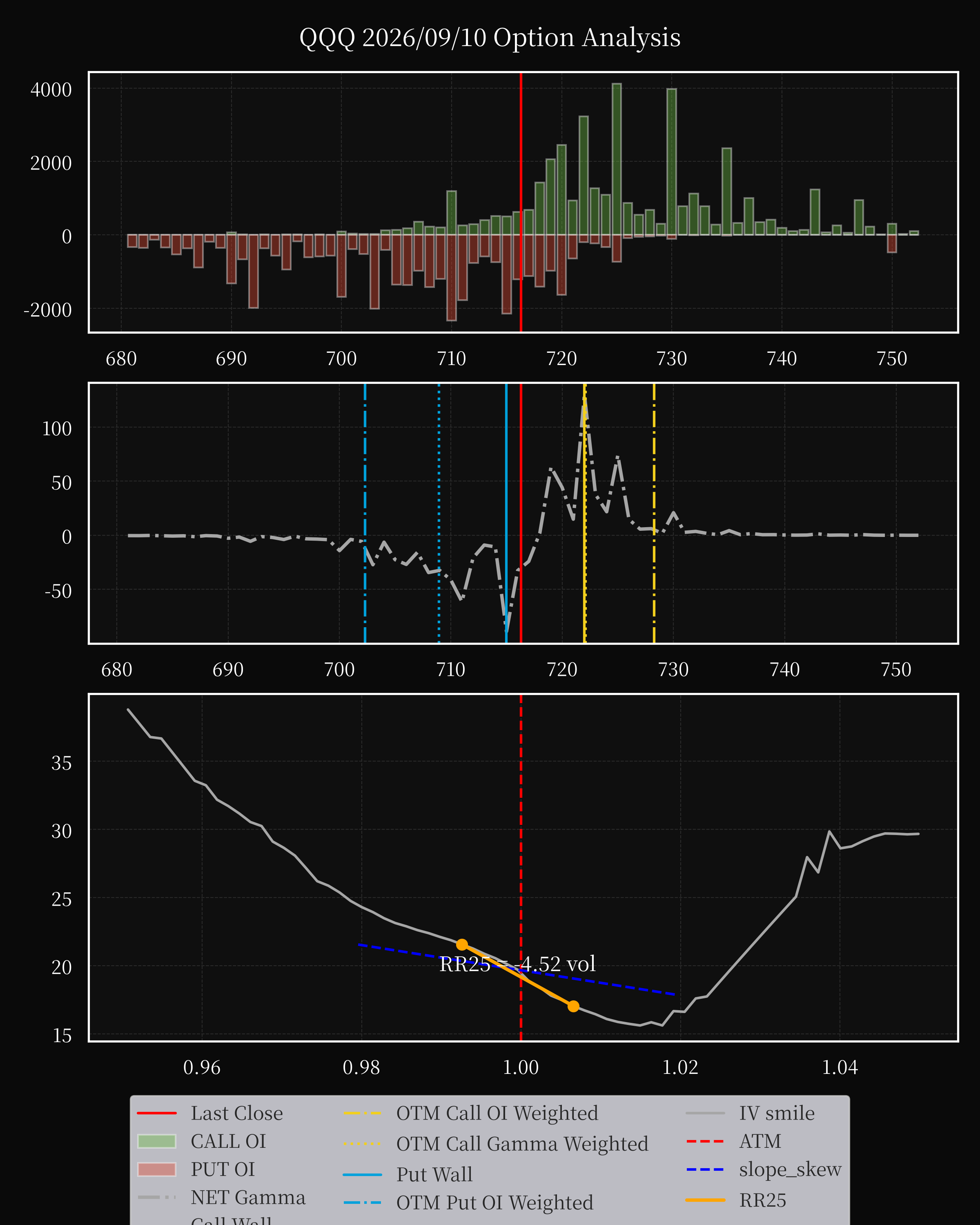
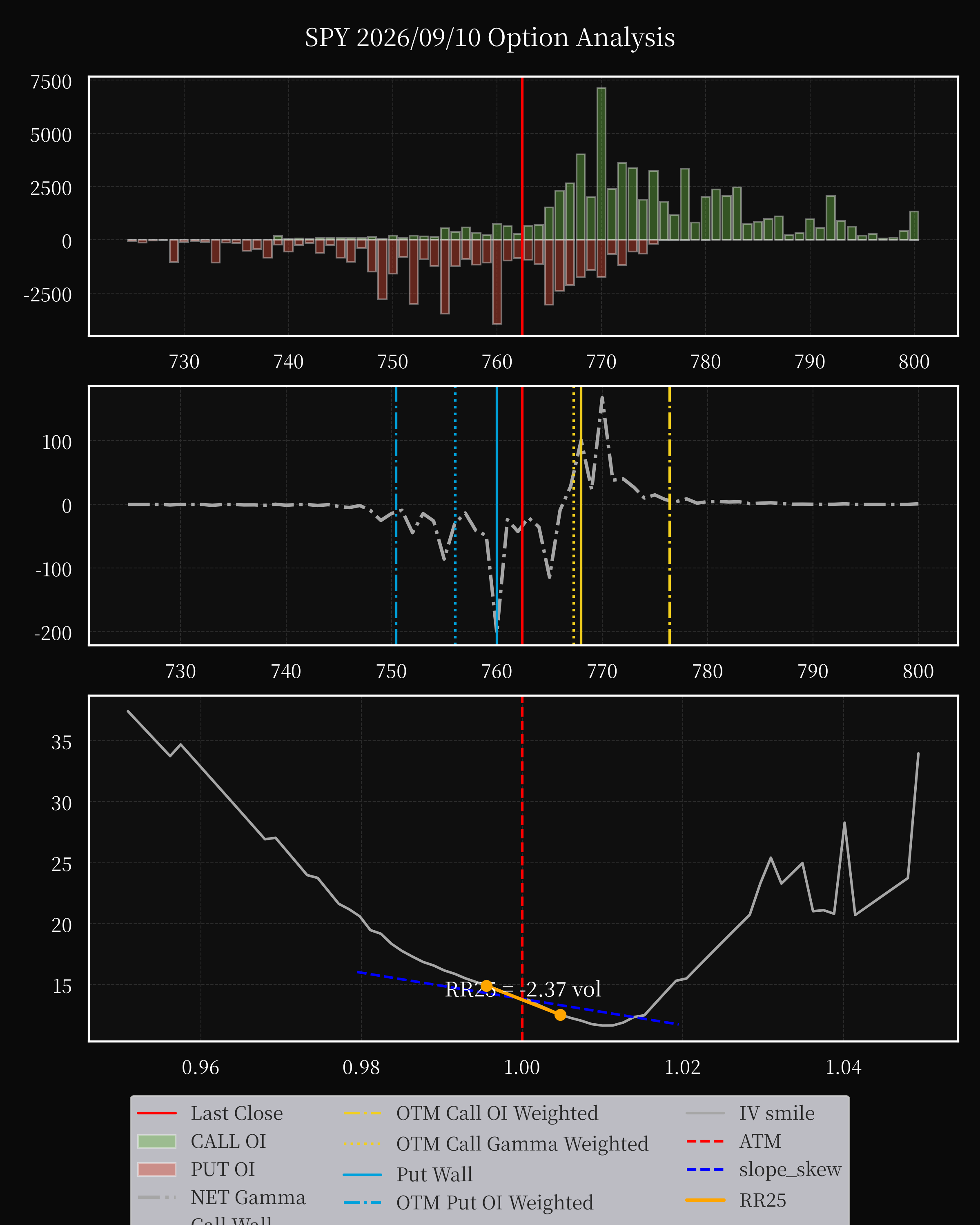
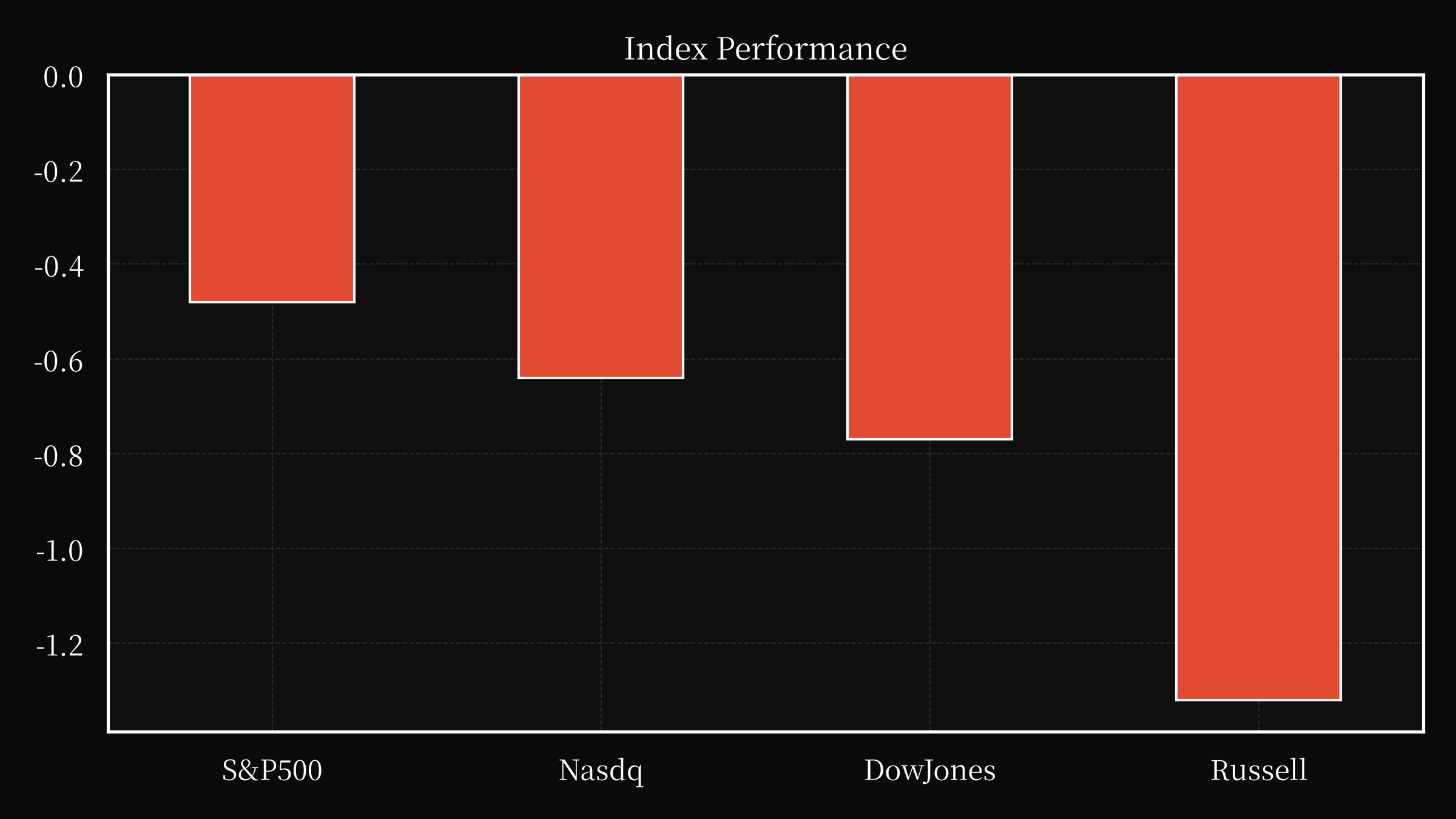
The surge in crude oil prices to $101 per barrel, driven by escalating U.S.-Iran tensions and a renewed attack on Iranian oil tankers, has had a cascading effect on financial markets. Higher energy costs not only elevate inflationary pressures but also erode corporate margins, particularly for energy-intensive sectors. This dynamic is compounded by the U.S. Treasury’s recent announcement of a $6 billion bond-buyback program, which, while intended to stabilize yields, has instead pushed the 10-year Treasury yield to 4.836%, its highest level since 2023. Such moves underscore the Federal Reserve’s delicate balancing act between curbing inflation and avoiding a liquidity crunch. For investors, the confluence of rising yields and volatile oil prices has intensified risk aversion, as evidenced by the S&P 500’s 0.5% decline and the Nasdaq’s 0.6% drop.
Geopolitical Risks and the Fragility of Global Supply Chains
The Middle East’s escalating conflict, with Iran vowing retaliatory strikes and the U.S. military escalating its presence, has introduced a new layer of uncertainty into global markets. The potential for further attacks on critical infrastructure—such as the Strait of Hormuz, a lifeline for 20% of global oil trade—has already pushed oil prices to multiyear highs. This volatility is compounded by China’s resurgence in crude purchases, a move that has reignited concerns about a new oil price war. The resulting uncertainty has forced corporations to reassess their supply chain strategies, with companies like Airbus and GE Aerospace facing pressure to diversify sourcing and mitigate disruptions. For investors, the risk of a prolonged conflict or a breakdown in diplomatic efforts looms large, as it could trigger a cascade of economic shocks.
The Broader Implications for Tech and Investor Behavior
Beyond Apple’s immediate challenges, the day’s market movements highlight broader trends reshaping the tech sector. The recent collapse of the U.S. dollar’s dominance, as seen in the yen’s 5% surge and the euro’s decline, has forced multinational corporations to recalibrate their pricing strategies and currency exposure. Meanwhile, the rise of AI-driven innovation—exemplified by Google’s $15 billion investment in energy efficiency and Meta’s launch of an AI agent for consumers—signals a shift toward tech as a driver of both growth and risk. However, the sector’s reliance on speculative bets, such as Robinhood’s expansion into investment banking or the speculative fervor around AI startups, underscores the fragility of valuations in an environment of rising capital costs.
Conclusion: Navigating a Fractured Landscape
Today’s markets reflect a world where technological progress and macroeconomic instability coexist, creating a volatile environment for investors. Apple’s foldable iPhone represents both a triumph of innovation and a cautionary tale about the limits of premium pricing in a cost-conscious era. Meanwhile, the interplay of oil prices, bond yields, and geopolitical risks demands a heightened awareness of systemic vulnerabilities. As investors grapple with these challenges, the lesson is clear: in an age of unprecedented uncertainty, resilience lies not in chasing trends but in understanding the forces that shape them. The path forward requires a nuanced approach, one that balances technological optimism with a pragmatic assessment of macroeconomic realities.
---
Key Takeaways
- Apple’s Foldable iPhone: A strategic bet on innovation, but its success hinges on overcoming price sensitivity and supply chain complexities.
- Oil and Yields: Energy prices and bond market dynamics are critical determinants of corporate profitability and investor sentiment.
- Geopolitical Risks: The Middle East’s escalating tensions and China’s energy strategy pose existential threats to global economic stability.
- Tech Sector Vulnerabilities: The sector’s reliance on speculative growth models makes it particularly susceptible to interest rate hikes and currency fluctuations.
The markets of September 9, 2026, serve as a microcosm of a world in flux, where the interplay of technology, energy, and geopolitics demands vigilance and adaptability. For investors, the challenge is not merely to react to events but to anticipate their ripple effects in an increasingly interconnected and unpredictable landscape.
Watch List
BIAF
BioAffinity Technologies, Inc. recently received a notification from Nasdaq regarding its stock’s compliance with the minimum bid price requirement for continued listing. The Nasdaq Listing Qualifications Staff determined that the Company’s stock price had fallen below the required level following a trading day on July 29, 2026. Consequently, Nasdaq issued a determination that the Company was out of compliance. BioAffinity promptly appealed the decision to Nasdaq, scheduling a hearing with the Nasdaq Hearings Panel for September 8, 2026. However, the Company received a subsequent notice from the Staff on September 8, 2026, effectively cancelling the hearing. As of July 29, 2026, approximately 1.17 million shares of the Company’s common stock were outstanding, with a market capitalization of roughly $10.4 million. The Company has issued a press release detailing this situation, which is attached as Exhibit 99.1 to this Form 8-K filing.
IRT
Okay, here’s a breakdown of the provided text, categorized and explained, along with some key observations and potential implications: I. Core Definitions & Framework * Liens: This is the central concept. The agreement meticulously defines what constitutes a “Permitted Lien” versus a “Non-Permitted Lien.” * Permitted Liens: These are generally standard, well-documented mortgages and security instruments. Crucially, the agreement *requires* a reserve to be established on the Company’s balance sheet for these. * Non-Permitted Liens: This is a *significant restriction*. The agreement explicitly prohibits the Company from taking on any “Non-Permitted Mortgage Liens.” This likely refers to things like unsecured loans, personal guarantees, or liens that aren't formally documented as security for a debt. * Property: The agreement consistently refers to “Company Property,” implying a real estate portfolio. * Closing Date: The agreement is triggered and governed by the closing of a transaction, likely a merger or acquisition. II. Detailed Definitions (Key Sections) Let's break down the most important definitions: * Permitted Liens: (As detailed above – the cornerstone of the agreement) * Non-Permitted Mortgage Liens: Absolutely prohibited. * Designated Loan: A specific loan that has been identified and marked as such. This likely means a loan with particular terms or conditions that the Company wants to keep separate from the general mortgage portfolio. * Shareholder Approval: Requires a majority vote of the Company’s shareholders. * OP (Operating Partnership): The operating entity within the Company structure. * Employees: Employees continuing employment after the closing. * Loan/Credit Agreements: A broad category encompassing various financing instruments. * Environmental Law: A significant clause – the Company is subject to environmental regulations. * Intellectual Property: Protects the Company’s patents, trademarks, copyrights, and trade secrets. * General Liability: The Company is liable for any damages caused by hazardous substances. * Record Date: Used to determine shareholders entitled to distributions or voting rights. * Exchanging Partner: A party involved in a stock-for-debt transaction (as defined in the section on REIT Stock
ZENA
Please provide me with the 6-K or 8-K content from the SEC filing you referenced. I need the text of the document to summarize it for you. Once you paste the content here, I will generate a fluent paragraph of no more than 300 words, avoiding lists and subtitles, and tailored to a financial reporting summary.
COO
CooperCompanies (Nasdaq: COO), a global medical device company, announced its third quarter 2026 financial results, reporting a 1% increase in revenue to $1.066 billion, driven by 1% organic growth. GAAP diluted earnings per share (EPS) reached $2.24, significantly up from last year’s $0.49, primarily due to a $307.2 million discrete tax benefit. Non-GAAP diluted EPS was $1.15, reflecting a 4% increase. Free cash flow surged by 66% to $273.0 million, with $339.1 million spent on repurchasing common stock. The company completed a strategic review and announced actions to bolster shareholder value. Al White, President and CEO, highlighted key achievements including exceeding earnings expectations, record free cash flow, strong fertility growth at CooperSurgical, and the favorable resolution of a significant tax matter. However, inventory reduction at CooperVision impacted Q4 results. Revenue for CooperVision reached $717.0 million, while CooperSurgical’s revenue climbed 2% to $349.2 million. Looking ahead, CooperCompanies updated its fiscal year 2026 guidance, projecting revenue between $4.229 billion and $4.252 billion with organic growth of 2% to 3% and non-GAAP diluted EPS of $4.51 - $4.55. The company reaffirmed its long-term free cash flow objective exceeding $2.2 billion through 2028. Management noted the ongoing challenges presented by global economic uncertainty and geopolitical events, particularly the conflict in the Middle East, which could impact its international operations. The company’s non-GAAP financial measures, including gross margin, operating margin, and EPS, exclude certain items like amortization and acquisition-related charges, reflecting a commitment to disciplined capital allocation and maximizing shareholder value.
EGHT
8x8, Inc. is outlining its strategic direction for 2026, focusing on accelerated growth driven by a significant market opportunity in voice and unified communications-as-a-service (UCaaS). Key elements of this strategy include a robust market position bolstered by a growing customer base, a unified platform with integrated AI capabilities, and a strengthened financial model. The company anticipates continued revenue growth, fueled by increasing platform usage and a shift towards service revenue, particularly driven by the adoption of AI-based customer engagement solutions. 8x8 is prioritizing a non-GAAP financial approach, acknowledging the inherent variability in expenses like stock-based compensation and acquisitions, and not reconciling these figures to GAAP due to the difficulty in accurate forecasting. The company highlights its leadership in the market, with recognition from industry analysts like Metrigy and Forrester, and a strong financial performance demonstrated by recent Q1’27 results, including record service revenue and profitability. Furthermore, 8x8 is investing heavily in AI, particularly through its AI Studio platform, which allows customers to build and deploy AI-powered solutions, and a new Voice AI Assistant that automates call center tasks. The company’s core technology – a global voice network with high reliability – forms a critical foundation for its offerings. Finally, 8x8 is committed to reducing its debt, aiming for zero net debt, and continues to expand its product portfolio, including Engage, Workforce Management, and various vertical solutions, to drive future growth and shareholder value.
AGX
Argan, Inc. announced a significant increase in its quarterly cash dividend to shareholders on September 9, 2026, via a press release. The Board of Directors approved a 40% boost, raising the dividend from $0.50 per share to $0.70 per share. This enhanced dividend payout will be distributed on October 30, 2026, to stockholders who are recorded as owners of the company’s common stock as of October 22, 2026, at the close of business. The announcement reflects Argan’s commitment to returning value to its investors and underscores a positive development for the company’s financial strategy.
SBCF
Seacoast Bank is demonstrating a strong and resilient business model, particularly within Florida’s attractive markets. As of the second quarter of 2026, the bank maintains a significant market share – #1 in Orlando and 12 counties in Florida, and #1 overall in Port St. Lucie and Wildwood-The Villages – underpinned by favorable demographics and a durable deposit franchise concentrated in high-growth MSAs. The bank’s robust balance sheet, characterized by a Tier 1 capital ratio of 14.3% and a loan-to-deposit ratio of 78%, provides a solid foundation for continued organic growth. Strategic priorities include executing a balanced growth strategy focused on relationship-oriented value, attracting top banking talent, and leveraging opportunistic acquisitions. The bank’s investments in talent are driving disciplined loan growth and deposit gathering, and its focus on top-five deposit market share within key MSAs, including the rare statewide Florida presence, is intended to increase scarcity value. Furthermore, Seacoast is expanding its treasury management and wealth management product offerings, and refining its M&A capabilities to improve profitability through a low-cost deposit base and strategic capital deployment. The bank’s loan portfolio demonstrates healthy growth, with annualized growth of 10.9% driven by commercial and residential segments, and a total of $13.145 billion in outstanding loans. Management anticipates continued growth in wealth management assets under management, reaching $3.2 billion by the end of 2026. Seacoast’s diversified approach, including a significant mortgage portfolio and a granular deposit base, coupled with a disciplined approach to risk management, positions the company for sustained success and shareholder value creation.
KFY
Okay, here’s a breakdown of the key information from the provided text, organized for clarity and highlighting the most important takeaways: 1. Financial Performance – Fiscal 2026 vs. 2025 * Increased Compensation: Higher performance-related bonuses (due to higher fee revenue) and a larger deferred compensation liability drove up compensation costs. * Operating Cash Flow Improvement: Cash provided by operating activities increased significantly: * $414.2 million (2026) vs. $364.4 million (2025) * Increased Financing Cash Use: Cash used in financing activities rose: * $238.4 million (2026) vs. $190.7 million (2025) – Primarily due to: * Higher common stock repurchases ($26.9 million in 2026 vs. $19.07 million in 2025) * Increased dividend payments ($21.0 million in 2026 vs. $19.07 million in 2025) 2. Key Accounting & Operational Details * Contractual Obligations: * COLI Loans: Significant outstanding loans secured by COLI policies (currently $604.6 million at April 30, 2026). Interest rates range from 4.76% to 8.00%. Death benefits are payable net of these loans. * Notes Payable: $250 million in Notes payable with a semi-annual interest rate of 4.86%. * Other Liabilities: Includes employee benefit plan liabilities (described in Note 6) and contingent commitments. * Off-Balance Sheet Arrangements: None. * Internal Control Over Financial Reporting: The Company’s internal control over financial reporting was audited and found to be effective as of April 30, 2026. * Segment Reporting: The Company now reports its business through three segments: Americas, EMEA, and APAC. * Revenue by Segment: A breakdown of fee revenue by segment is provided in a table (not included here, but available in the full document). * Restructuring Charges: $68.6
ALCY
Please provide me with the 6-K or 8-K content from the SEC Filing that you want me to summarize. I need the text of the filing to be able to fulfill your request. 😊 Once you paste the content here, I will summarize it into a fluent paragraph of no more than 300 words, avoiding lists and subtitles.
AMH
Here’s a summary of the SEC filing, designed for a financial reporter: AmeriVest Homes (AMH) presented a strong financial outlook for 2026, highlighting a high-quality investment-grade balance sheet with a Baa2/Stable and BBB/Stable credit rating. The company demonstrated leading core FFO per share growth, targeting 4.3% for the full year at the midpoint of guidance, driven by continued demand in the residential sector and a robust same-home portfolio. Key highlights include a net debt-to-adjusted EBITDAre ratio of 5.2x, a significant reduction in debt maturities until 2028, and a well-laddered maturity schedule. AMH’s strategy centers around its vertically integrated single-family rental builder, with an expected delivery of approximately 1,900 homes in 2026, building upon over 15,000 homes added since 2017. The company is strategically matching its 2026 development plan with proceeds from its disposition program. Recent share repurchase activity, totaling $390 million, reflects a prudent capital allocation strategy. Furthermore, AMH is navigating the recently passed 21st Century ROAD to Housing Act, which supports its core growth channels – AMH Development (BTR) and investor-to-investor consolidations – while restricting Large Institutional Investor (LII) acquisitions. The company maintains a 96.0% same-home average occupied days and a strong resident base, including a growing millennial cohort. With a total portfolio of 60,482 properties across 30+ markets, AMH is positioned for sustainable growth, emphasizing operational excellence, portfolio optimization, and a focus on resident satisfaction.
IAN Financial Vision is an AI-native financial research platform combining proprietary knowledge graphs, quantitative valuation models, and large language models to generate point-in-time investment research. All reports are produced using a structured research workflow with human review prior to publication..