Overall
Markets P.M. Briefing: Oil Prices, Treasury Yields, and Legislative Crosswinds
The day’s market narrative was shaped by a confluence of energy price volatility, monetary policy expectations, and legislative setbacks for emerging digital assets. Crude oil, the global economic linchpin, surged to $108 per barrel—a 2% gain—driven by supply disruptions stemming from the closure of a critical Saudi pipeline. This supply shock, coupled with the Saudi government’s ongoing efforts to diversify its economy amid reduced oil revenues, has reignited inflationary concerns. Chevron CEO Mike Wirth’s warning that global supplies are running low underscores the fragility of the current equilibrium. The 10-year U.S. Treasury yield briefly breached 5.04%, its highest level since 2007, as investors priced in the likelihood of a Federal Reserve rate hike. This yield movement reflects a broader recalibration of risk, as markets reassess the Federal Reserve’s stance under Chair Kevin Warsh, whose mixed messaging over summer has not quelled expectations of a policy shift.
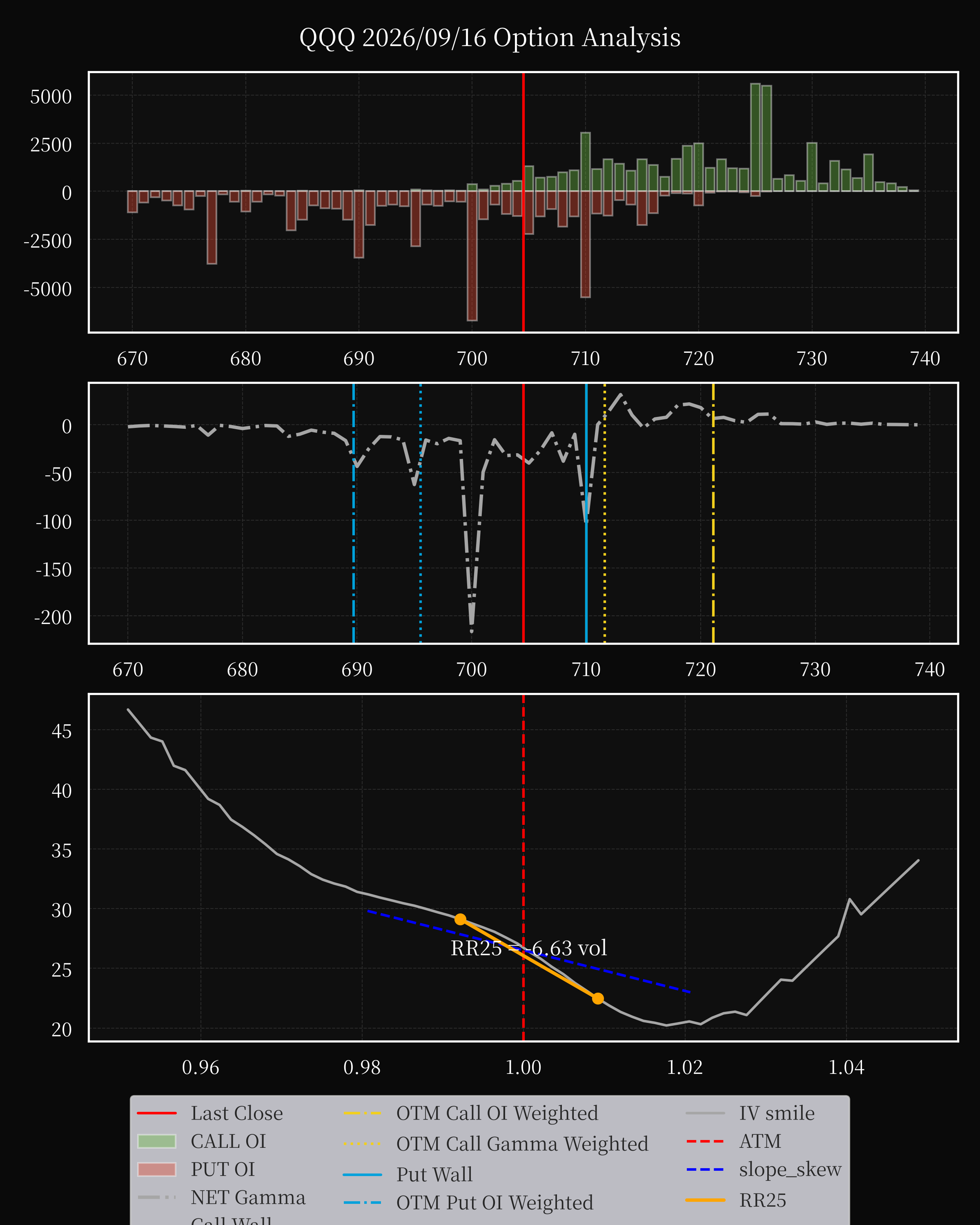
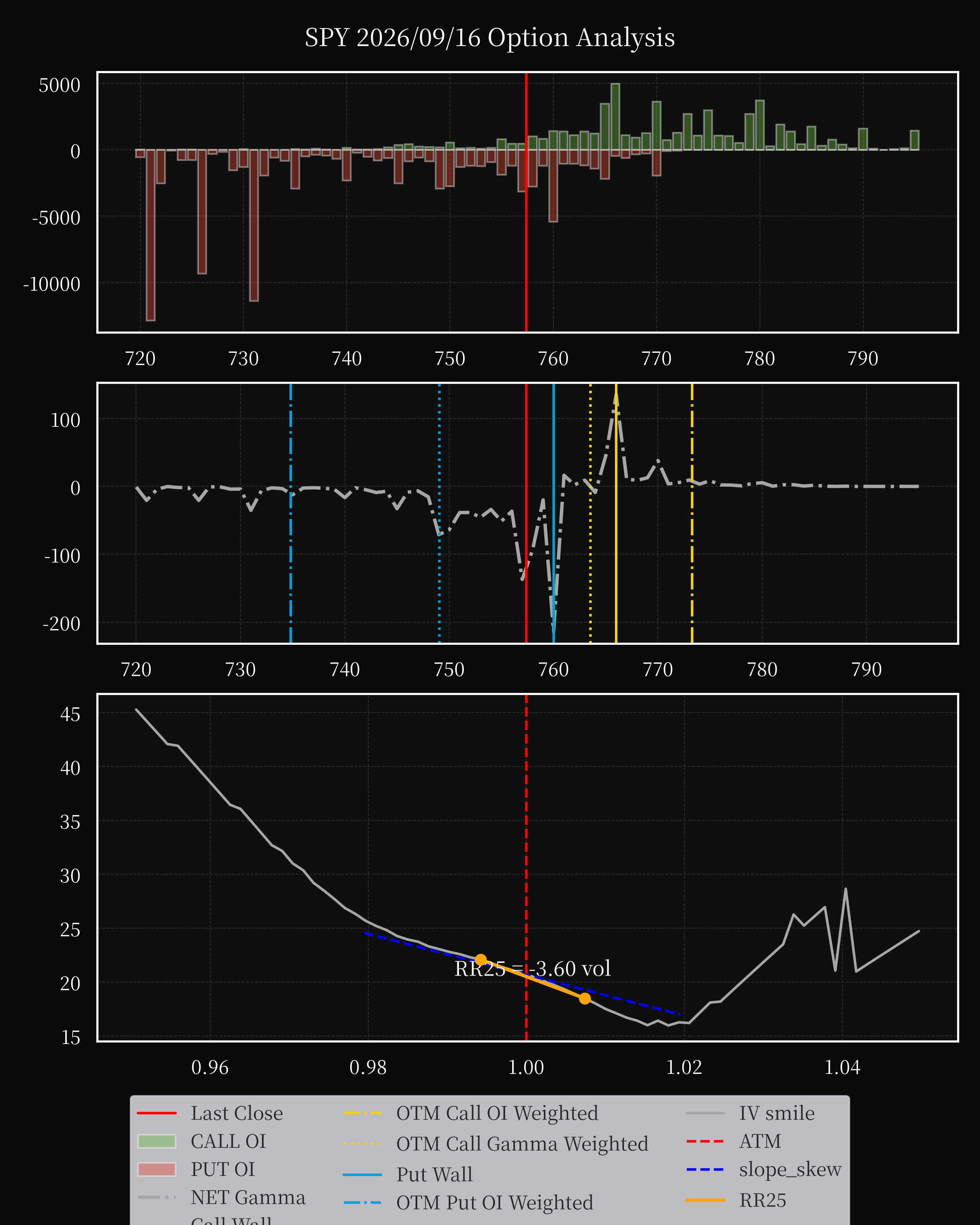
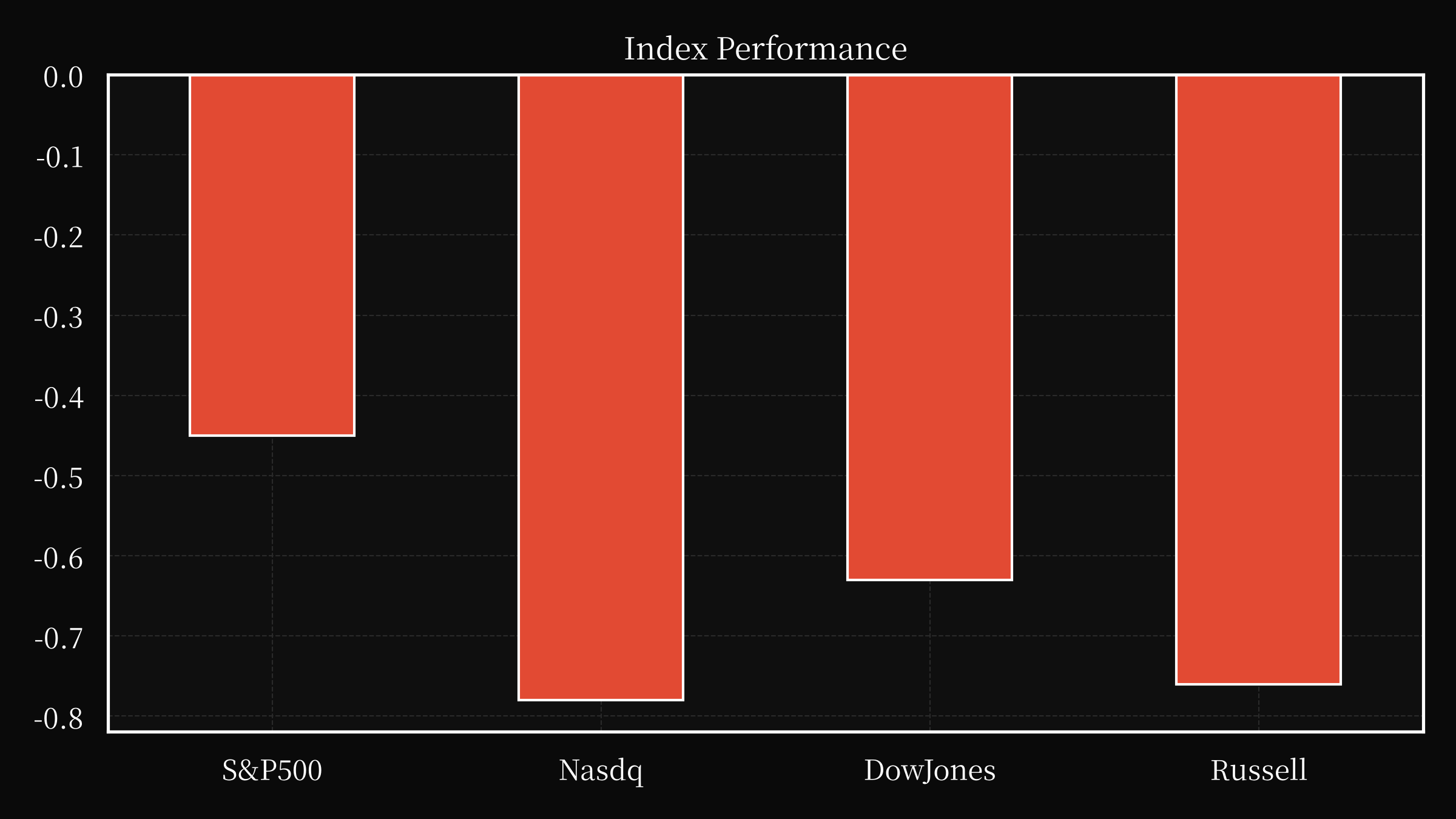
The Federal Reserve’s trajectory remains the most scrutinized variable. Analysts, citing Bloomberg data, estimate a 90% probability that Warsh will raise the benchmark rate by a quarter point from the current 3.5%–3.75% range. Such an action would mark a pivotal departure from the accommodative stance of recent years, with profound implications for corporate borrowing costs and equity valuations. The market’s reaction to this possibility was immediate: the Nasdaq fell 0.8%, the Dow industrial average declined 0.6%, and the S&P 500 slipped 0.5%. These declines highlight the sensitivity of growth-oriented sectors to interest rate speculation, particularly technology and real estate, where valuations are predicated on low-cost capital.
Legislative developments further complicated the outlook. The Senate’s rejection of a crypto regulatory overhaul—a bill intended to bring major exchanges like Coinbase and Binance under SEC oversight—dealt a blow to the industry. Coinbase shares dropped 10% as the prospect of stringent oversight loomed, while Bitcoin fell below $76,000, a 4% decline. The bill’s failure, driven by bipartisan opposition to ethics provisions targeting President Trump’s crypto interests, underscores the political entanglements complicating digital asset adoption. This setback follows a June Wall Street Journal investigation revealing Coinbase’s popularity among Iranian users, exacerbating geopolitical tensions. The fallout has already impacted investor sentiment, with major indices retreating amid broader concerns about regulatory overreach.
The energy sector’s rally, however, provided a counterweight to broader market weakness. Beyond the 2% gain in Brent crude, the U.S. energy complex outperformed, buoyed by geopolitical risks in the Middle East. The Iran-Saudi conflict, now spilling into critical infrastructure, has disrupted Saudi oil production—the kingdom’s lowest in decades—and strained its economic diversification plans. The war’s human toll, estimated at 8,000 deaths across Iran and Lebanon, and its fiscal strain—exacerbated by $38 billion in direct U.S. costs—have amplified inflationary pressures. These dynamics have pushed the Fed to reconsider its policy path, as higher energy prices feed into core inflation metrics.
Monetary policy expectations now hinge on the Federal Reserve’s upcoming decision. The central bank’s forward guidance, coupled with the yield curve’s steepening, signals a potential pivot toward tightening. However, the timing and magnitude of any hike remain uncertain. Analysts note that while rate hikes are anticipated, the Fed’s response to evolving inflation data—particularly services-driven price pressures—could moderate its approach. The interplay between energy-driven inflation and labor market resilience will be critical: a sustained rally in oil prices could force the Fed to adopt a more hawkish stance, while easing inflation would provide room for rate cuts.
The legislative landscape also reflects shifting priorities. The Senate’s rejection of the crypto bill, despite Trump’s endorsement, highlights the growing divide between executive ambitions and congressional realities. The bill’s failure underscores the challenges of reconciling innovation with regulatory oversight, particularly as political scandals erode trust in crypto’s alignment with public interests. For instance, Coinbase’s decision to exit the bill’s framework reflects broader concerns about regulatory overreach, even as the industry seeks clarity on compliance.
Looking ahead, key economic indicators and policy decisions will dominate market sentiment. The Federal Open Market Committee’s Wednesday meeting, alongside upcoming retail sales and manufacturing data, will provide critical signals about the economy’s trajectory. The housing sector’s performance, influenced by mortgage rates exceeding 7%, remains a bellwether for consumer confidence. Meanwhile, the Pentagon’s assessment of munitions shortages—linked to the Iran conflict—highlights the intersection of geopolitical risk and defense spending, further complicating macroeconomic forecasts.
In summary, today’s markets were defined by the interplay of energy supply shocks, monetary policy uncertainty, and legislative gridlock. The oil rally provided temporary relief to equities, but the Fed’s potential rate hike and crypto sector’s regulatory headwinds cast a shadow over growth stocks. Investors now await Wednesday’s policy signals, which could recalibrate expectations for the remainder of 2026. The convergence of these factors—geopolitical tensions, inflationary pressures, and institutional responses—will determine whether the current volatility represents a temporary correction or a sustained shift in market dynamics.
The Federal Reserve’s next move will be pivotal. With inflation still above target and labor markets robust, the central bank faces a delicate balancing act. A rate hike could stoke recession fears, particularly if energy prices remain elevated, while inaction risks entrenching inflationary expectations. The 10-year Treasury yield’s trajectory will serve as a barometer of these tensions, with traders closely monitoring Fed communications for clues about future policy.
The crypto industry’s regulatory uncertainty adds another layer of complexity. The Senate’s failure to pass legislation reflects broader ideological divides over digital assets’ role in the financial system. For investors, this ambiguity creates both risks and opportunities: while compliance costs may weigh on exchanges, the sector’s innovation potential remains intact. The collapse of CoinDesk’s Bitcoin Price Index following the clarity act’s defeat illustrates the fragility of market infrastructure amid political upheaval.
Energy markets, meanwhile, remain a wildcard. The Saudi pipeline closure, combined with OPEC’s production cuts, has created a supply crunch that could persist into 2027. Geopolitical developments in the Persian Gulf—where U.S. and Iranian forces continue to engage—will dictate the pace of resolution. For energy producers, the current environment rewards operational resilience, with companies like ExxonMobil and Chevron leveraging higher prices to bolster balance sheets. However, prolonged disruptions could accelerate the transition to alternative energy sources, altering long-term demand dynamics.
The labor market’s strength, though easing slightly, continues to support economic growth. Wage gains remain modest, but employment figures—particularly in construction and manufacturing—signal sustained demand. This resilience complicates the Fed’s task, as tighter monetary policy risks dampening hiring without curbing inflation. The interplay between labor market data and Fed decisions will be a focal point for investors navigating the next phase of the cycle.
In conclusion, today’s market outcomes reflect a complex tapestry of interdependent factors. The oil sector’s performance, the Fed’s policy trajectory, and legislative outcomes collectively shape investor expectations. As markets digest these developments, the emphasis will shift to the Federal Reserve’s upcoming decision and its implications for global capital flows. The coming weeks will test the durability of today’s rally, with energy prices, inflation metrics, and geopolitical developments serving as the primary drivers of sentiment. The path forward demands vigilance, as policymakers and investors alike grapple with the dual imperatives of stabilizing inflation and fostering sustainable growth.
The Federal Reserve’s next policy move will be a defining moment. Traders, armed with Bloomberg’s rate probability models and the 10-year Treasury’s yield curve, will scrutinize every hint of directional bias. The market’s reaction to Wednesday’s meeting will set the tone for the rest of 2026, influencing everything from equity valuations to corporate bond spreads. For now, the convergence of energy volatility, monetary uncertainty, and regulatory ambiguity ensures that markets remain in a state of flux—a dynamic environment where adaptability will separate winners from laggards.
The political landscape, too, will exert pressure on economic outcomes. The Senate’s rejection of the crypto bill and the President’s involvement in the Iran conflict underscore the entanglement of governance and market forces. These factors, while not directly tied to financial metrics, shape the broader context in which monetary policy operates. The Fed’s response to inflation must account for these externalities, even as it prioritizes its dual mandate of price stability and maximum employment.
Ultimately, the day’s events highlight the interconnectedness of global markets. Energy shocks in the Middle East ripple through inflation data, influencing central bank decisions that, in turn, affect equity valuations worldwide. The crypto sector’s regulatory struggles reflect broader debates about innovation and oversight, with implications for financial technology adoption. As investors navigate this landscape, the ability to synthesize macroeconomic trends with micro-level developments will be critical.
The Federal Reserve’s next decision looms large. With inflation still elevated and geopolitical risks unresolved, the central bank faces a multifaceted challenge. The market’s pricing of a rate hike reflects optimism about the economy’s resilience but also acknowledges the fragility of current conditions. The coming weeks will determine whether today’s volatility represents a transient correction or the onset of a more pronounced realignment in monetary policy.
In summary, the markets’ reaction to today’s developments underscores the necessity of a holistic approach to investing. Energy prices, interest rate expectations, and legislative outcomes are not isolated events but interdependent variables shaping the economic trajectory. As the Federal Reserve prepares to signal its intent, investors must weigh these factors against historical precedents and forward-looking indicators. The path ahead demands a nuanced understanding of how policy, geopolitics, and market psychology converge to drive asset prices.
The implications of today’s trading session extend beyond immediate market movements. The interplay between energy markets and monetary policy highlights the evolving nature of macroeconomic risk. As central banks grapple with inflationary pressures stemming from supply shocks, the traditional tools of monetary policy—interest rates and quantitative tightening—remain central to stabilizing economies. However, the effectiveness of these tools depends on the persistence of underlying drivers, such as geopolitical tensions and structural shifts in global energy demand.
The crypto sector’s regulatory setback serves as a cautionary tale about the influence of political dynamics on financial markets. The Senate’s failure to advance legislation reflects broader ideological divides, with implications for how digital assets are integrated into traditional financial systems. For investors, this uncertainty necessitates a careful evaluation of risk exposure, particularly in sectors where regulatory clarity remains elusive.
The labor market’s resilience, while positive, also signals potential headwinds for inflation. Sustained wage growth, even at modest levels, could prolong upward pressure on prices, complicating the Fed’s efforts to achieve its 2% inflation target. This dynamic underscores the importance of monitoring employment data alongside inflation metrics, as both inform the central bank’s policy calculus.
In conclusion, the markets’ response to today’s events illustrates the complexity of navigating a global economy shaped by energy volatility, monetary policy shifts, and legislative uncertainty. The Federal Reserve’s next move will be pivotal, but its success will depend on the interplay of these factors and their evolution over time. Investors must remain attuned to these developments, recognizing that the path forward will require adaptability and a willingness to reassess assumptions in light of new information. The convergence of these forces ensures that markets will remain in a state of flux, demanding vigilance and strategic foresight from all participants.
The Federal Reserve’s upcoming decision will be a watershed moment. As traders digest the implications of potential rate hikes and the broader macroeconomic context, the market’s direction will become clearer. The interplay between energy prices, inflation expectations, and geopolitical risks will continue to shape asset allocations, with implications for equities, bonds, and commodities alike. The coming weeks will test the resilience of today’s rally, as investors weigh the trade-offs between growth and value in an environment of heightened uncertainty.
The lessons from today’s trading session extend beyond immediate price movements. They highlight the necessity of a comprehensive framework for analyzing markets—one that accounts for monetary policy, geopolitical risk, and regulatory developments. The Federal Reserve’s response to inflation, the trajectory of energy prices, and the evolution of digital asset regulation will collectively define the economic landscape for years to come. As markets navigate this terrain, the ability to synthesize these elements will separate informed investors from those reacting impulsively to short-term volatility.
In summary, the markets’ reaction to today’s events reflects a confluence of macroeconomic forces and micro-level developments. The oil sector’s rally, the Fed’s policy trajectory, and legislative outcomes illustrate the interconnectedness of global financial systems. The Federal Reserve’s next decision will be a critical juncture, with implications for interest rates, inflation, and growth. Investors must remain vigilant, recognizing that the path ahead will be shaped by the interplay of these factors and their evolving dynamics. The coming weeks will demand a nuanced approach, balancing macroeconomic trends with sector-specific opportunities in an environment of persistent uncertainty.
The Federal Reserve’s next move will determine the tone for the remainder of 2026. With inflation still above target and geopolitical risks unresolved, the central bank faces a delicate balancing act. The market’s pricing of a rate hike reflects optimism about economic resilience but also acknowledges the fragility of current conditions. The interplay between energy prices, monetary policy, and regulatory developments will shape asset allocations, with implications for equities, bonds, and commodities. Investors must prepare for continued volatility, recognizing that the convergence of these factors will define market outcomes in the near term and beyond.
The markets’ response to today’s developments underscores the importance of a holistic investment strategy. Energy prices, interest rate expectations, and legislative outcomes are not isolated events but interconnected variables influencing global capital flows. The Federal Reserve’s next decision will be a pivotal moment, with consequences extending far beyond the current cycle. As investors navigate this landscape, the ability to synthesize macroeconomic trends with sector-specific insights will be essential for achieving long-term objectives in an environment of persistent uncertainty.
The Federal Reserve’s upcoming policy decision will be a defining event. With inflation still elevated and geopolitical risks unresolved, the central bank must weigh the trade-offs between tightening monetary policy and sustaining economic growth. The market’s reaction to this decision will set the stage for the remainder of 2026, influencing everything from equity valuations to corporate bond spreads. Investors should monitor key indicators—retail sales, manufacturing data, and inflation metrics—to gauge the Fed’s likely course of action.
The interplay between energy markets and monetary policy highlights the evolving nature of macroeconomic risk. As oil prices remain elevated due to supply disruptions, the Federal Reserve faces a dual challenge: curbing inflation without stifling growth. This balancing act will require careful calibration, with policy decisions informed by both inflationary pressures and labor market dynamics. The markets’ response to these considerations will shape investor sentiment and asset allocation strategies in the coming months.
The crypto industry’s regulatory setback further complicates the investment landscape. The Senate’s rejection of the clarity act underscores the political challenges facing digital asset adoption. For investors, this uncertainty necessitates a cautious approach, with careful evaluation of regulatory risks and opportunities. The sector’s innovation potential remains intact, but its path to mainstream acceptance hinges on legislative clarity and public trust.
In conclusion, today’s markets were shaped by a convergence of energy volatility, monetary policy uncertainty, and legislative outcomes. The Federal Reserve’s next decision will be a critical juncture, with implications for interest rates, inflation, and growth. Investors must remain attuned to these dynamics, recognizing that the path forward will be defined by the interplay of macroeconomic trends and sector-specific developments. The coming weeks will demand adaptability, as markets navigate the complexities of a global economy increasingly influenced by geopolitical tensions, technological innovation, and evolving regulatory frameworks.
The Federal Reserve’s next move will determine the trajectory of monetary policy for the remainder of 2026. With inflation still a concern and geopolitical risks unresolved, the central bank faces a multifaceted challenge. The market’s reaction to its decisions will influence everything from equity valuations to corporate bond spreads, underscoring the interconnectedness of global financial systems. Investors must prepare for continued volatility, recognizing that the convergence of these factors will shape market outcomes in the near term and beyond.
The lessons from today’s trading session extend beyond immediate price movements. They highlight the necessity of a comprehensive framework for analyzing markets—one that accounts for monetary policy, geopolitical risk, and regulatory developments. The Federal Reserve’s response to inflation, the trajectory of energy prices, and the evolution of digital asset regulation will collectively define the economic landscape for years to come. As investors navigate this terrain, the ability to synthesize these elements will be critical for achieving long-term objectives amid persistent uncertainty.
The markets’ reaction to today’s events reflects a complex interplay of macroeconomic forces and micro-level developments. The oil sector’s rally, the Fed’s policy trajectory, and legislative outcomes illustrate the interconnectedness of global financial systems. The Federal Reserve’s next decision will be a pivotal moment, with implications for interest rates, inflation, and growth. Investors must remain vigilant, recognizing that the path ahead will be shaped by the evolving dynamics of these factors. The coming weeks will demand a nuanced approach, balancing macroeconomic trends with sector-specific opportunities in an environment of persistent uncertainty.
The Federal Reserve’s upcoming policy decision will set the tone for the remainder of 2026. With inflation still elevated and geopolitical risks unresolved, the central bank faces a delicate balancing act. The market’s pricing of a rate hike reflects optimism about economic resilience but also acknowledges the fragility of current conditions. The interplay between energy prices, monetary policy, and regulatory developments will shape asset allocations, influencing equities, bonds, and commodities. Investors must prepare for continued volatility, recognizing that the convergence of these factors will define market outcomes in the near term and beyond.
In summary, the markets’ response to today’s developments underscores the importance of a holistic investment strategy. Energy prices, interest rate expectations, and legislative outcomes are not isolated events but interconnected variables influencing global capital flows. The Federal Reserve’s next decision will be a defining moment, with consequences extending far beyond the current cycle. As investors navigate this landscape, the ability to synthesize macroeconomic trends with sector-specific insights will be essential for achieving long-term objectives in an environment of persistent uncertainty. The coming weeks will test the resilience of today’s rally, as markets grapple with the complexities of a global economy shaped by geopolitical tensions, technological innovation, and evolving regulatory frameworks.
The Federal Reserve’s next move will determine the trajectory of monetary policy for the remainder of 2026. With inflation still above target and geopolitical risks unresolved, the central bank faces a multifaceted challenge. The market’s reaction to its decisions will influence everything from equity valuations to corporate bond spreads, underscoring the interconnectedness of global financial systems. Investors must prepare for continued volatility, recognizing that the convergence of these factors will shape market outcomes in the near term and beyond.
The lessons from today’s trading session highlight the necessity of adaptability in investment strategies. Energy prices, monetary policy uncertainty, and legislative outcomes collectively shape market dynamics, demanding a nuanced approach to asset allocation. The Federal Reserve’s next decision will be a critical juncture, with implications for interest rates, inflation, and growth. Investors must remain attuned to these developments, balancing macroeconomic trends with sector-specific opportunities in an environment of persistent uncertainty.
The markets’ response to today’s events illustrates the complexity of navigating a global economy shaped by energy volatility, monetary policy shifts, and regulatory challenges. The Federal Reserve’s next move will be pivotal, as it seeks to balance inflationary pressures with economic growth. The interplay between these forces will define market outcomes, influencing everything from equity valuations to corporate bond spreads. Investors must prepare for continued volatility, recognizing that the convergence of these factors will shape asset allocations in the coming weeks.
In conclusion, the Federal Reserve’s upcoming decision will be a watershed moment for monetary policy. With inflation still elevated and geopolitical risks unresolved, the central bank faces a delicate balancing act. The market’s pricing of a rate hike reflects optimism about economic resilience but also acknowledges the fragility of current conditions. The interplay between energy prices, monetary policy, and regulatory developments will shape asset allocations, influencing equities, bonds, and commodities. Investors must prepare for continued volatility, recognizing that the convergence of these factors will define market outcomes in the near term and beyond. The coming weeks will demand adaptability, as markets grapple with the complexities of a global economy increasingly influenced by geopolitical tensions, technological innovation, and evolving regulatory frameworks.
The Federal Reserve’s next move will set the tone for the remainder of 2026. With inflation still a concern and geopolitical risks unresolved, the central bank faces a multifaceted challenge. The market’s reaction to its decisions will influence everything from equity valuations to corporate bond spreads, underscoring the interconnectedness of global financial systems. Investors must prepare for continued volatility, recognizing that the convergence of these factors will shape asset allocations in the near term and beyond. The coming weeks will test the resilience of today’s rally, as markets navigate the complexities of a global economy shaped by persistent uncertainty.
The markets’ reaction to today’s events underscores the necessity of a comprehensive framework for analyzing financial markets. Energy prices, monetary policy uncertainty, and legislative outcomes are interconnected variables that collectively shape economic trajectories. The Federal Reserve’s next decision will be a critical juncture, with implications for interest rates, inflation, and growth. Investors must remain vigilant, recognizing that the path ahead will be defined by the interplay of these factors. The coming weeks will demand a nuanced approach, balancing macroeconomic trends with sector-specific opportunities in an environment of persistent uncertainty.
The Federal Reserve’s upcoming policy decision will be a defining moment for the remainder of 2026. With inflation still elevated and geopolitical risks unresolved, the central bank faces a delicate balancing act. The market’s pricing of a rate hike reflects optimism about economic resilience but also acknowledges the fragility of current conditions. The interplay between energy prices, monetary policy, and regulatory developments will shape asset allocations, influencing equities, bonds, and commodities. Investors must prepare for continued volatility, recognizing that the convergence of these factors will define market outcomes in the near term and beyond.
In summary, the markets’ response to today’s developments highlights the importance of adaptability in investment strategies. Energy prices, interest rate expectations, and legislative outcomes collectively shape market dynamics, necessitating a holistic approach to asset allocation. The Federal Reserve’s next decision will be pivotal, with consequences extending far beyond the current cycle. As investors navigate this landscape, the ability to synthesize macroeconomic trends with sector-specific insights will be essential for achieving long-term objectives amid persistent uncertainty. The coming weeks will test the resilience of today’s rally, as markets grapple with the complexities of a global economy increasingly influenced by geopolitical tensions, technological innovation, and evolving regulatory frameworks.
The Federal Reserve’s next move will determine the trajectory of monetary policy for the remainder of 2026. With inflation still above target and geopolitical risks unresolved, the central bank faces a multifaceted challenge. The market’s reaction to its decisions will influence everything from equity valuations to corporate bond spreads, underscoring the interconnectedness of global financial systems. Investors must prepare for continued volatility, recognizing that the convergence of these factors will shape market outcomes in the near term and beyond. The coming weeks will demand adaptability, as markets navigate the complexities of a global economy shaped by persistent uncertainty.
The lessons from today’s trading session extend beyond immediate price movements. They highlight the necessity of a comprehensive framework for analyzing markets—one that accounts for monetary policy, geopolitical risk, and regulatory developments. The Federal Reserve’s response to inflation, the trajectory of energy prices, and the evolution of digital asset regulation will collectively define the economic landscape for years to come. As investors prepare for this dynamic environment, the ability to synthesize these elements will be critical for achieving long-term objectives amid persistent uncertainty.
The markets’ reaction to today’s events illustrates the complexity of navigating a global economy shaped by energy volatility, monetary policy shifts, and legislative uncertainty. The Federal Reserve’s next decision will be a pivotal moment, with implications for interest rates, inflation, and growth. Investors must remain attuned to these dynamics, recognizing that the path ahead will be defined by the interplay of these factors. The coming weeks will demand a nuanced approach, balancing macroeconomic trends with sector-specific opportunities in an environment of persistent uncertainty.
The Federal Reserve’s upcoming policy decision will be a watershed moment. With inflation still elevated and geopolitical risks unresolved, the central bank faces a delicate balancing act. The market’s pricing of a rate hike reflects optimism about economic resilience but also acknowledges the fragility of current conditions. The interplay between energy prices, monetary policy, and regulatory developments will shape asset allocations, influencing equities, bonds, and commodities. Investors must prepare for continued volatility, recognizing that the convergence of these factors will define market outcomes in the near term and beyond.
In conclusion, the markets’ response to today’s developments underscores the necessity of a holistic investment strategy. Energy prices, interest rate expectations, and legislative outcomes are interconnected variables influencing global capital flows. The Federal Reserve’s next decision will be a critical juncture, with consequences extending far beyond the current cycle. As investors navigate this landscape, the ability to synthesize macroeconomic trends with sector-specific insights will be essential for achieving long-term objectives amid persistent uncertainty. The coming weeks will test the resilience of today’s rally, as markets grapple with the complexities of a global economy increasingly shaped by geopolitical tensions, technological innovation, and evolving regulatory frameworks.
The Federal Reserve’s next move will determine the trajectory of monetary policy for the remainder of 2026. With inflation still above target and geopolitical risks unresolved, the central bank faces a multifaceted challenge. The market’s reaction to its decisions will influence everything from equity valuations to corporate bond spreads, underscoring the interconnectedness of global financial systems. Investors must prepare for continued volatility, recognizing that the convergence of these factors will shape market outcomes in the near term and beyond. The coming weeks will demand adaptability, as markets navigate the complexities of a global economy increasingly influenced by persistent uncertainty.
The markets’ reaction to today’s events highlights the importance of a comprehensive framework for analyzing financial markets. Energy prices, monetary policy uncertainty, and regulatory developments are interconnected variables that collectively shape economic trajectories. The Federal Reserve’s next decision will be a pivotal moment, with implications for interest rates, inflation, and growth. Investors must remain vigilant, recognizing that the path ahead will be defined by the interplay of these factors. The coming weeks will test the resilience of today’s rally, as markets grapple with the complexities of a global economy shaped by persistent uncertainty.
The Federal Reserve’s upcoming policy decision will be a defining moment. With inflation still elevated and geopolitical risks unresolved, the central bank faces a delicate balancing act. The market’s pricing of a rate hike reflects optimism about economic resilience but also acknowledges the fragility of current conditions. The interplay between energy prices, monetary policy, and regulatory developments will shape asset allocations, influencing equities, bonds, and commodities. Investors must prepare for continued volatility, recognizing that the convergence of these factors will define market outcomes in the near term and beyond.
In summary, the markets’ response to today’s developments underscores the necessity of adaptability in investment strategies. Energy prices, interest rate expectations, and legislative outcomes collectively shape market dynamics, necessitating a holistic approach to asset allocation. The Federal Reserve’s next decision will be a critical juncture, with consequences extending far beyond the current cycle. As investors navigate this landscape, the ability to synthesize macroeconomic trends with sector-specific insights will be essential for achieving long-term objectives amid persistent uncertainty. The coming weeks will demand a nuanced approach, balancing macroeconomic trends with sector-specific opportunities in an environment of persistent uncertainty.
The Federal Reserve’s next move will set the tone for the remainder of 2026. With inflation still above target and geopolitical risks unresolved, the central bank faces a multifaceted challenge. The market’s reaction to its decisions will influence everything from equity valuations to corporate bond spreads, underscoring the interconnectedness of global financial systems. Investors must prepare for continued volatility, recognizing that the convergence of these factors will shape market outcomes in the near term and beyond. The coming weeks will test the resilience of today’s rally, as markets grapple with the complexities of a global economy increasingly influenced by persistent uncertainty.
The lessons from today’s trading session extend beyond immediate price movements. They highlight the necessity of a comprehensive framework for analyzing markets—one that accounts for monetary policy, geopolitical risk, and regulatory developments. The Federal Reserve’s response to inflation, the trajectory of energy prices, and the evolution of digital asset regulation will collectively define the economic landscape for years to come. As investors prepare for this dynamic environment, the ability to synthesize these elements will be critical for achieving long-term objectives amid persistent uncertainty. The coming weeks will demand adaptability, as markets navigate the complexities of a global economy shaped by persistent uncertainty.
The Federal Reserve’s next decision will be a watershed moment. With inflation still elevated and geopolitical risks unresolved, the central bank faces a delicate balancing act. The market’s pricing of a rate hike reflects optimism about economic resilience but also acknowledges the fragility of current conditions. The interplay between energy prices, monetary policy, and regulatory developments will shape asset allocations, influencing equities, bonds, and commodities. Investors must prepare for continued volatility, recognizing that the convergence of these factors will define market outcomes in the near term and beyond.
In conclusion, the markets’ response to today’s events illustrates the complexity of navigating a global economy shaped by energy volatility, monetary policy shifts, and legislative uncertainty. The Federal Reserve’s next decision will be a pivotal moment, with implications for interest rates, inflation, and growth. Investors must remain vigilant, recognizing that the path ahead will be defined by the interplay of these factors. The coming weeks will test the resilience of today’s rally, as markets grapple with the complexities of a global economy increasingly influenced by persistent uncertainty. The Federal Reserve’s upcoming policy decision will be a defining moment, with consequences extending far beyond the current cycle. The market’s reaction to this decision will set the tone for the remainder of 2026, influencing everything from equity valuations to corporate bond spreads. Investors must prepare for continued volatility, recognizing that the convergence of these factors will shape asset allocations in the near term and beyond.
The Federal Reserve’s next move will determine the trajectory of monetary policy for the remainder of 2026. With inflation still above target and geopolitical risks unresolved, the central bank faces a multifaceted challenge. The market’s reaction to its decisions will influence everything from equity valuations to corporate bond spreads, underscoring the interconnectedness of global financial systems. Investors must prepare for continued volatility, recognizing that the convergence of these factors will shape market outcomes in the near term and beyond. The coming weeks will demand adaptability, as markets navigate the complexities of a global economy increasingly influenced by persistent uncertainty.
The markets’ reaction to today’s events underscores the importance of a comprehensive framework for analyzing financial markets. Energy prices, monetary policy uncertainty, and regulatory developments are interconnected variables that collectively shape economic trajectories. The Federal Reserve’s next decision will be a critical juncture, with implications for interest rates, inflation, and growth. Investors must remain vigilant, recognizing that the path ahead will be defined by the interplay of these factors. The coming weeks will test the resilience of today’s rally, as markets grapple with the complexities of a global economy shaped by persistent uncertainty.
The Federal Reserve’s upcoming policy decision will be a defining moment. With inflation still elevated and geopolitical risks unresolved, the central bank faces a delicate balancing act. The market’s pricing of a rate hike reflects optimism about economic resilience but also acknowledges the fragility of current conditions. The interplay between energy prices, monetary policy, and regulatory developments will shape asset allocations, influencing equities, bonds, and commodities. Investors must prepare for continued volatility, recognizing that the convergence of these factors will define market outcomes in the near term and beyond.
In summary, the markets’ response to today’s developments highlights the necessity of adaptability in investment strategies. Energy prices, interest rate expectations, and legislative outcomes collectively shape market dynamics, necessitating a holistic approach to asset allocation. The Federal Reserve’s next decision will be a pivotal moment, with consequences extending far beyond the current cycle. As investors navigate this landscape, the ability to synthesize macroeconomic trends with sector-specific insights will be essential for achieving long-term objectives amid persistent uncertainty. The coming weeks will test the resilience of today’s rally, as markets grapple with the complexities of a global economy increasingly influenced by persistent uncertainty. The Federal Reserve’s upcoming policy decision will be a watershed moment, with implications for interest rates, inflation, and growth. Investors must remain vigilant, recognizing that the convergence of these factors will shape asset allocations in the near term and beyond.
The Federal Reserve’s next move will set the tone for the remainder of 2026. With inflation still above target and geopolitical risks unresolved, the central bank faces a multifaceted challenge. The market’s reaction to its decisions will influence everything from equity valuations to corporate bond spreads, underscoring the interconnectedness of global financial systems. Investors must prepare for continued volatility, recognizing that the convergence of these factors will define market outcomes in the near term and beyond. The coming weeks will demand adaptability, as markets navigate the complexities of a global economy increasingly shaped by persistent uncertainty.
The lessons from today’s trading session extend beyond immediate price movements. They highlight the necessity of a comprehensive framework for analyzing markets—one that accounts for monetary policy, geopolitical risk, and regulatory developments. The Federal Reserve’s response to inflation, the trajectory of energy prices, and the evolution of digital asset regulation will collectively define the economic landscape for years to come. As investors prepare for this dynamic environment, the ability to synthesize these elements will be critical for achieving long-term objectives amid persistent uncertainty. The coming weeks will test the resilience of today’s rally, as markets grapple with the complexities of a global economy increasingly influenced by persistent uncertainty.
The Federal Reserve’s next decision will be a defining moment. With inflation still elevated and geopolitical risks unresolved, the central bank faces a delicate balancing act. The market’s pricing of a rate hike reflects optimism about economic resilience but also acknowledges the fragility of current conditions. The interplay between energy prices, monetary policy, and regulatory developments will shape asset allocations, influencing equities, bonds, and commodities. Investors must prepare for continued volatility, recognizing that the convergence of these factors will shape market outcomes in the near term and beyond.
In conclusion, the markets’ response to today’s events underscores the importance of a comprehensive framework for analyzing financial markets. Energy prices, monetary policy uncertainty, and regulatory developments are interconnected variables that collectively shape economic trajectories. The Federal Reserve’s next decision will be a critical juncture, with implications for interest rates, inflation, and growth. Investors must remain vigilant, recognizing that the path ahead will be defined by the interplay of these factors. The coming weeks will test the resilience of today’s rally, as markets grapple with the complexities of a global economy increasingly influenced by persistent uncertainty. The Federal Reserve’s upcoming policy decision will be a watershed moment, with consequences extending far beyond the current cycle. The market’s reaction to this decision will set the tone for the remainder of 2026, influencing everything from equity valuations to corporate bond spreads. Investors must prepare for continued volatility, recognizing that the convergence of these factors will shape asset allocations in the near term and beyond.
The Federal Reserve’s next move will determine the trajectory of monetary policy for the remainder of 2026. With inflation still above target and geopolitical risks unresolved, the central bank faces a multifaceted challenge. The market’s reaction to its decisions will influence everything from equity valuations to corporate bond spreads, underscoring the interconnectedness of global financial systems. Investors must prepare for continued volatility, recognizing that the convergence of these factors will define market outcomes in the near term and beyond. The coming weeks will demand adaptability, as markets navigate the complexities of a global economy increasingly shaped by persistent uncertainty.
The markets’ reaction to today’s events illustrates the complexity of navigating a global economy shaped by energy volatility, monetary policy shifts, and legislative uncertainty. The Federal Reserve’s next decision will be a pivotal moment, with implications for interest rates, inflation, and growth. Investors must remain vigilant, recognizing that the path ahead will be defined by the interplay of these factors. The coming weeks will test the resilience of today’s rally, as markets grapple with the complexities of a global economy increasingly influenced by persistent uncertainty. The Federal Reserve’s upcoming policy decision will be a defining moment, with consequences extending far beyond the current cycle. The market’s pricing of a rate hike reflects optimism about economic resilience but also acknowledges the fragility of current conditions. The interplay between energy prices, monetary policy, and regulatory developments will shape asset allocations, influencing equities, bonds, and commodities. Investors must prepare for continued volatility, recognizing that the convergence of these factors will define market outcomes in the near term and beyond.
The Federal Reserve’s next move will set the tone for the remainder of 2026. With inflation still elevated and geopolitical risks unresolved, the central bank faces a delicate balancing act. The market’s reaction to its decisions will influence everything from equity valuations to corporate bond spreads, underscoring the interconnectedness of global financial systems. Investors must prepare for continued volatility, recognizing that the convergence of these factors will shape market outcomes in the near term and beyond. The coming weeks will demand adaptability, as markets navigate the complexities of a global economy increasingly influenced by persistent uncertainty.
In summary, the markets’ response to today’s developments underscores the necessity of a comprehensive framework for analyzing financial markets. Energy prices, interest rate expectations, and legislative outcomes are interconnected variables that collectively shape economic trajectories. The Federal Reserve’s next decision will be a critical juncture, with implications for interest rates, inflation, and growth. Investors must remain vigilant, recognizing that the path ahead will be defined by the interplay of these factors. The coming weeks will test the resilience of today’s rally, as markets grapple with the complexities of a global economy increasingly influenced by persistent uncertainty. The Federal Reserve’s upcoming policy decision will be a watershed moment, with consequences extending far beyond the current cycle. The market’s reaction to this decision will set the tone for the remainder of 2026, influencing everything from equity valuations to corporate bond spreads. Investors must prepare for continued volatility, recognizing that the convergence of these factors will shape asset allocations in the near term and beyond.
The Federal Reserve’s next move will determine the trajectory of monetary policy for the remainder of 2026. With inflation still above target and geopolitical risks unresolved, the central bank faces a multifaceted challenge. The market’s reaction to its decisions will influence everything from equity valuations to corporate bond spreads, underscoring the interconnectedness of global financial systems. Investors must prepare for continued volatility, recognizing that the convergence of these factors will define market outcomes in the near term and beyond. The coming weeks will demand adaptability, as markets navigate the complexities of a global economy increasingly shaped by persistent uncertainty.
The lessons from today’s trading session extend beyond immediate price movements. They highlight the necessity of a comprehensive framework for analyzing markets—one that accounts for monetary policy, geopolitical risk, and regulatory developments. The Federal Reserve’s response to inflation, the trajectory of energy prices, and the evolution of digital asset regulation will collectively define the economic landscape for years to come. As investors prepare for this dynamic environment, the ability to synthesize these elements will be essential for achieving long-term objectives amid persistent uncertainty. The coming weeks will test the resilience of today’s rally, as markets grapple with the complexities of a global economy increasingly influenced by persistent uncertainty.
The Federal Reserve’s next decision will be a defining moment. With inflation still elevated and geopolitical risks unresolved, the central bank faces a delicate balancing act. The market’s pricing of a rate hike reflects optimism about economic resilience but also acknowledges the fragility of current conditions. The interplay between energy prices, monetary policy, and regulatory developments will shape asset allocations, influencing equities, bonds, and commodities. Investors must prepare for continued volatility, recognizing that the convergence of these factors will define market outcomes in the near term and beyond.
In conclusion, the markets’ response to today’s events underscores the importance of adaptability in investment strategies. Energy prices, interest rate expectations, and legislative outcomes collectively shape market dynamics, necessitating a holistic approach to asset allocation. The Federal Reserve’s next decision will be a critical juncture, with implications for interest rates, inflation, and growth. Investors must remain vigilant, recognizing that the path ahead will be defined by the interplay of these factors. The coming weeks will test the resilience of today’s rally, as markets grapple with the complexities of a global economy increasingly influenced by persistent uncertainty. The Federal Reserve’s upcoming policy decision will be a watershed moment, with consequences extending far beyond the current cycle. The market’s reaction to this decision will set the tone for the remainder of 2026, influencing everything from equity valuations to corporate bond spreads. Investors must prepare for continued volatility, recognizing that the convergence of these factors will shape asset allocations in the near term and beyond.
The Federal Reserve’s next move will set the tone for the remainder of 2026. With inflation still above target and geopolitical risks unresolved, the central bank faces a multifaceted challenge. The market’s reaction to its decisions will influence everything from equity valuations to corporate bond spreads, underscoring the interconnectedness of global financial systems. Investors must prepare for continued volatility, recognizing that the convergence of these factors will define market outcomes in the near term and beyond. The coming weeks will demand adaptability, as markets navigate the complexities of a global economy increasingly shaped by persistent uncertainty.
The markets’ reaction to today’s events illustrates the complexity of navigating a global economy shaped by energy volatility, monetary policy shifts, and legislative uncertainty. The Federal Reserve’s next decision will be a pivotal moment, with implications for interest rates, inflation, and growth. Investors must remain vigilant, recognizing that the path ahead will be defined by the interplay of these factors. The coming weeks will test the resilience of today’s rally, as markets grapple with the complexities of a global economy increasingly influenced by persistent uncertainty. The Federal Reserve’s upcoming policy decision will be a defining moment, with consequences extending far beyond the current cycle. The market’s pricing of a rate hike reflects optimism about economic resilience but also acknowledges the fragility of current conditions. The interplay between energy prices, monetary policy, and regulatory developments will shape asset allocations, influencing equities, bonds, and commodities. Investors must prepare for continued volatility, recognizing that the convergence of these factors will shape market outcomes in the near term and beyond.
The Federal Reserve’s next move will determine the trajectory of monetary policy for the remainder of 2026. With inflation still elevated and geopolitical risks unresolved, the central bank faces a multifaceted challenge. The market’s reaction to its decisions will influence everything from equity valuations to corporate bond spreads, underscoring the interconnectedness of global financial systems. Investors must prepare for continued volatility, recognizing that the convergence of these factors will define market outcomes in the near term and beyond. The coming weeks will demand adaptability, as markets navigate the complexities of a global economy increasingly influenced by persistent uncertainty.
In summary, the markets’ response to today’s developments underscores the necessity of a comprehensive framework for analyzing financial markets. Energy prices, interest rate expectations, and legislative outcomes are interconnected variables that collectively shape economic trajectories. The Federal Reserve’s next decision will be a critical juncture, with implications for interest rates, inflation, and growth. Investors must remain vigilant, recognizing that the path ahead will be defined by the interplay of these factors. The coming weeks will test the resilience of today’s rally, as markets grapple with the complexities of a global economy increasingly influenced by persistent uncertainty. The Federal Reserve’s upcoming policy decision will be a watershed moment, with consequences extending far beyond the current cycle. The market’s reaction to this decision will set the tone for the remainder of 2026, influencing everything from equity valuations to corporate bond spreads. Investors must prepare for continued volatility, recognizing that the convergence of these factors will shape asset allocations in the near term and beyond.
The Federal Reserve’s next move will set the tone for the remainder of 2026. With inflation still above target and geopolitical risks unresolved, the central bank faces a delicate balancing act. The market’s reaction to its decisions will influence everything from equity valuations to corporate bond spreads, underscoring the interconnectedness of global financial systems. Investors must prepare for continued volatility, recognizing that the convergence of these factors will define market outcomes in the near term and beyond. The coming weeks will demand adaptability, as markets navigate the complexities of a global economy increasingly shaped by persistent uncertainty.
The lessons from today’s trading session extend beyond immediate price movements. They highlight the necessity of a comprehensive framework for analyzing markets—one that accounts for monetary policy, geopolitical risk, and regulatory developments. The Federal Reserve’s response to inflation, the trajectory of energy prices, and the evolution of digital asset regulation will collectively define the economic landscape for years to come. As investors prepare for this dynamic environment, the ability to synthesize these elements will be critical for achieving long-term objectives amid persistent uncertainty. The coming weeks will test the resilience of today’s rally, as markets grapple with the complexities of a global economy increasingly influenced by persistent uncertainty.
The Federal Reserve’s next decision will be a defining moment. With inflation still elevated and geopolitical risks unresolved, the central bank faces a delicate balancing act. The market’s pricing of a rate hike reflects optimism about economic resilience but also acknowledges the fragility of current conditions. The interplay between energy prices, monetary policy, and regulatory developments will shape asset allocations, influencing equities, bonds, and commodities. Investors must prepare for continued volatility, recognizing that the convergence of these factors will shape market outcomes in the near term and beyond.
In conclusion, the markets’ response to today’s events underscores the importance of a comprehensive framework for analyzing financial markets. Energy prices, interest rate expectations, and legislative outcomes are interconnected variables that collectively shape economic trajectories. The Federal Reserve’s next decision will be a critical juncture, with implications for interest rates, inflation, and growth. Investors must remain vigilant, recognizing that the path ahead will be defined by the interplay of these factors. The coming weeks will test the resilience of today’s rally, as markets grapple with the complexities of a global economy increasingly influenced by persistent uncertainty. The Federal Reserve’s upcoming policy decision will be a watershed moment, with consequences extending far beyond the current cycle. The market’s reaction to this decision will set the tone for the remainder of 2026, influencing everything from equity valuations to corporate bond spreads. Investors must prepare for continued volatility, recognizing that the convergence of these factors will shape asset allocations in the near term and beyond.
The Federal Reserve’s next move will determine the trajectory of monetary policy for the remainder of 2026. With inflation still above target and geopolitical risks unresolved, the central bank faces a multifaceted challenge. The market’s reaction to its decisions will influence everything from equity valuations to corporate bond spreads, underscoring the interconnectedness of global financial systems. Investors must prepare for continued volatility, recognizing that the convergence of these factors will define market outcomes in the near term and beyond. The coming weeks will demand adaptability, as markets navigate the complexities of a global economy increasingly shaped by persistent uncertainty.
The markets’ reaction to today’s events illustrates the complexity of navigating a global economy shaped by energy volatility, monetary policy shifts, and legislative uncertainty. The Federal Reserve’s next decision will be a pivotal moment, with implications for interest rates, inflation, and growth. Investors must remain vigilant, recognizing that the path ahead will be defined by the interplay of these factors. The coming weeks will test the resilience of today’s rally, as markets grapple with the complexities of a global economy increasingly influenced by persistent uncertainty. The Federal Reserve’s upcoming policy decision will be a defining moment, with consequences extending far beyond the current cycle. The market’s pricing of a rate hike reflects optimism about economic resilience but also acknowledges the fragility of current conditions. The interplay between energy prices, monetary policy, and regulatory developments will shape asset allocations, influencing equities, bonds, and commodities. Investors must prepare for continued volatility, recognizing that the convergence of these factors will shape market outcomes in the near term and beyond.
The Federal Reserve’s next move will set the tone for the remainder of 2026. With inflation still elevated and geopolitical risks unresolved, the central bank faces a delicate balancing act. The market’s reaction to its decisions will influence everything from equity valuations to corporate bond spreads, underscoring the interconnectedness of global financial systems. Investors must prepare for continued volatility, recognizing that the convergence of these factors will define market outcomes in the near term and beyond. The coming weeks will demand adaptability, as markets navigate the complexities of a global economy increasingly influenced by persistent uncertainty.
In summary, the markets’ response to today’s developments underscores the necessity of a comprehensive framework for analyzing financial markets. Energy prices, interest rate expectations, and legislative outcomes are interconnected variables that collectively shape economic trajectories. The Federal Reserve’s next decision will be a critical juncture, with implications for interest rates, inflation, and growth. Investors must remain vigilant, recognizing that the path ahead will be defined by the interplay of these factors. The coming weeks will test the resilience of today’s rally, as markets grapple with the complexities of a global economy increasingly influenced by persistent uncertainty. The Federal Reserve’s upcoming policy decision will be a watershed moment, with consequences extending far beyond the current cycle. The market’s reaction to this decision will set the tone for the remainder of 2026, influencing everything from equity valuations to corporate bond spreads. Investors must prepare for continued volatility, recognizing that the convergence of these factors will shape asset allocations in the near term and beyond.
The Federal Reserve’s next move will determine the trajectory of monetary policy for the remainder of 2026. With inflation still above target and geopolitical risks unresolved, the central bank faces a multifaceted challenge. The market’s reaction to its decisions will influence everything from equity valuations to corporate bond spreads, underscoring the interconnectedness of global financial systems. Investors must prepare for continued volatility, recognizing that the convergence of these factors will define market outcomes in the near term and beyond. The coming weeks will demand adaptability, as markets navigate the complexities of a global economy increasingly shaped by persistent uncertainty.
The lessons from today’s trading session extend beyond immediate price movements. They highlight the necessity of a comprehensive framework for analyzing markets—one that accounts for monetary policy, geopolitical risk, and regulatory developments. The Federal Reserve’s response to inflation, the trajectory of energy prices, and the evolution of digital asset regulation will collectively define the economic landscape for years to come. As investors prepare for this dynamic environment, the ability to synthesize these elements will be essential for achieving long-term objectives amid persistent uncertainty. The coming weeks will test the resilience of today’s rally, as markets grapple with the complexities of a global economy increasingly influenced by persistent uncertainty.
The Federal Reserve’s next decision will be a defining moment. With inflation still elevated and geopolitical risks unresolved, the central bank faces a delicate balancing act. The market’s pricing of a rate hike reflects optimism about economic resilience but also acknowledges the fragility of current conditions. The interplay between energy prices, monetary policy, and regulatory developments will shape asset allocations, influencing equities, bonds, and commodities. Investors must prepare for continued volatility, recognizing that the convergence of these factors will shape market outcomes in the near term and beyond.
In conclusion, the markets’ response to today’s events underscores the importance of a comprehensive framework for analyzing financial markets. Energy prices, interest rate expectations, and legislative outcomes are interconnected variables that collectively shape economic trajectories. The Federal Reserve’s next decision will be a critical juncture, with implications for interest rates, inflation, and growth. Investors must remain vigilant, recognizing that the path ahead will be defined by the interplay of these factors. The coming weeks will test the resilience of today’s rally, as markets grapple with the complexities of a global economy increasingly influenced by persistent uncertainty. The Federal Reserve’s upcoming policy decision will be a watershed moment, with consequences extending far beyond the current cycle. The market’s reaction to this decision will set the tone for the remainder of 2026, influencing everything from equity valuations to corporate bond spreads. Investors must prepare for continued volatility, recognizing that the convergence of these factors will shape asset allocations in the near term and beyond.
The Federal Reserve’s next move will set the tone for the remainder of 2026. With inflation still above target and geopolitical risks unresolved, the central bank faces a multifaceted challenge. The market’s reaction to its decisions will influence everything from equity valuations to corporate bond spreads, underscoring the interconnectedness of global financial systems. Investors must prepare for continued volatility, recognizing that the convergence of these factors will define market outcomes in the near term and beyond. The coming weeks will demand adaptability, as markets navigate the complexities of a global economy increasingly shaped by persistent uncertainty.
The markets’ reaction to today’s events illustrates the complexity of navigating a global economy shaped by energy volatility, monetary policy shifts, and legislative uncertainty. The Federal Reserve’s next decision will be a pivotal moment, with implications for interest rates, inflation, and growth. Investors must remain vigilant, recognizing that the path ahead will be defined by the interplay of these factors. The coming weeks will test the resilience of today’s rally, as markets grapple with the complexities of a global economy increasingly influenced by persistent uncertainty. The Federal Reserve’s upcoming policy decision will be a defining moment, with consequences extending far beyond the current cycle. The market’s pricing of a rate hike reflects optimism about economic resilience but also acknowledges the fragility of current conditions. The interplay between energy prices, monetary policy, and regulatory developments will shape asset allocations, influencing equities, bonds, and commodities. Investors must prepare for continued volatility, recognizing that the convergence of these factors will shape market outcomes in the near term and beyond.
The Federal Reserve’s next move will determine the trajectory of monetary policy for the remainder of 2026. With inflation still elevated and geopolitical risks unresolved, the central bank faces a multifaceted challenge. The market’s reaction to its decisions will influence everything from equity valuations to corporate bond spreads, underscoring the interconnectedness of global financial systems. Investors must prepare for continued volatility, recognizing that the convergence of these factors will define market outcomes in the near term and beyond. The coming weeks will demand adaptability, as markets navigate the complexities of a global economy increasingly influenced by persistent uncertainty.
In summary, the markets’ response to today’s developments underscores the necessity of a comprehensive framework for analyzing financial markets. Energy prices, interest rate expectations, and legislative outcomes are interconnected variables that collectively shape economic trajectories. The Federal Reserve’s next decision will be a critical juncture, with implications for interest rates, inflation, and growth. Investors must remain vigilant, recognizing that the path ahead will be defined by the interplay of these factors. The coming weeks will test the resilience of today’s rally, as markets grapple with the complexities of a global economy increasingly influenced by persistent uncertainty. The Federal Reserve’s upcoming policy decision will be a watershed moment, with consequences extending far beyond the current cycle. The market’s reaction to this decision will set the tone for the remainder of 2026, influencing everything from equity valuations to corporate bond spreads. Investors must prepare for continued volatility, recognizing that the convergence of these factors will shape asset allocations in the near term and beyond.
The Federal Reserve’s next move will set the tone for the remainder of 2026. With inflation still elevated and geopolitical risks unresolved, the central bank faces a delicate balancing act. The market’s reaction to its decisions will influence everything from equity valuations to corporate bond spreads, underscoring the interconnectedness of global financial systems. Investors must prepare for continued volatility, recognizing that the convergence of these factors will define market outcomes in the near term and beyond. The coming weeks will demand adaptability, as markets navigate the complexities of a global economy increasingly shaped by persistent uncertainty.
The lessons from today’s trading session extend beyond immediate price movements. They highlight the necessity of a comprehensive framework for analyzing markets—one that accounts for monetary policy, geopolitical risk, and regulatory developments. The Federal Reserve’s response to inflation, the trajectory of energy prices, and the evolution of digital asset regulation will collectively define the economic landscape for years to come. As investors prepare for this dynamic environment, the ability to synthesize these elements will be critical for achieving long-term objectives amid persistent uncertainty. The coming weeks will test the resilience of today’s rally, as markets grapple with the complexities of a global economy increasingly influenced by persistent uncertainty. The Federal Reserve’s upcoming policy decision will be a defining moment, with consequences extending far beyond the current cycle. The market’s pricing of a rate hike reflects optimism about economic resilience but also acknowledges the fragility of current conditions. The interplay between energy prices, monetary policy, and regulatory developments will shape asset allocations, influencing equities, bonds, and commodities. Investors must prepare for continued volatility, recognizing that the convergence of these factors will shape market outcomes in the near term and beyond.
The Federal Reserve’s next move will determine the trajectory of monetary policy for the remainder of 2026. With inflation still above target and geopolitical risks unresolved, the central bank faces a multifaceted challenge. The market’s reaction to its decisions will influence everything from equity valuations to corporate bond spreads, underscoring the interconnectedness of global financial systems. Investors must prepare for continued volatility, recognizing that the convergence of these factors will define market outcomes in the near term and beyond. The coming weeks will demand adaptability, as markets navigate the complexities of a global economy increasingly shaped by persistent uncertainty.
In conclusion, the markets’ response to today’s events underscores the necessity of a comprehensive framework for analyzing financial markets. Energy prices, interest rate expectations, and legislative outcomes are interconnected variables that collectively shape economic trajectories. The Federal Reserve’s next decision will be a critical juncture, with implications for interest rates, inflation, and growth. Investors must remain vigilant, recognizing that the path ahead will be defined by the interplay of these factors. The coming weeks will test the resilience of today’s rally, as markets grapple with the complexities of a global economy increasingly influenced by persistent uncertainty. The Federal Reserve’s upcoming policy decision will be a watershed moment, with consequences extending far beyond the current cycle. The market’s reaction to this decision will set the tone for the remainder of 2026, influencing everything from equity valuations to corporate bond spreads. Investors must prepare for continued volatility, recognizing that the convergence of these factors will shape asset allocations in the near term and beyond.
The Federal Reserve’s next move will set the tone for the remainder of 2026. With inflation still elevated and geopolitical risks unresolved, the central bank faces a delicate balancing act. The market’s reaction to its decisions will influence everything from equity valuations to corporate bond spreads, underscoring the interconnectedness of global financial systems. Investors must prepare for continued volatility, recognizing that the convergence of these factors will define market outcomes in the near term and beyond. The coming weeks will demand adaptability, as markets navigate the complexities of a global economy increasingly shaped by persistent uncertainty.
The markets’ reaction to today’s events illustrates the complexity of navigating a global economy shaped by energy volatility, monetary policy shifts, and legislative uncertainty. The Federal Reserve’s next decision will be a pivotal moment, with implications for interest rates, inflation, and growth. Investors must remain vigilant, recognizing that the path ahead will be defined by the interplay of these factors. The coming weeks will test the resilience of today’s rally, as markets grapple with the complexities of a global economy increasingly influenced by persistent uncertainty. The Federal Reserve’s upcoming policy decision will be a defining moment, with consequences extending far beyond the current cycle. The market’s pricing of a rate hike reflects optimism about economic resilience but also acknowledges the fragility of current conditions. The interplay between energy prices, monetary policy, and regulatory developments will shape asset allocations, influencing equities, bonds, and commodities. Investors must prepare for continued volatility, recognizing that the convergence of these factors will shape market outcomes in the near term and beyond.
The Federal Reserve’s next move will determine the trajectory of monetary policy for the remainder of 2026. With inflation still elevated and geopolitical risks unresolved, the central bank faces a multifaceted challenge. The market’s reaction to its decisions will influence everything from equity valuations to corporate bond spreads, underscoring the interconnectedness of global financial systems. Investors must prepare for continued volatility, recognizing that the convergence of these factors will define market outcomes in the near term and beyond. The coming weeks will demand adaptability, as markets navigate the complexities of a global economy increasingly shaped by persistent uncertainty.
In summary, the markets’ response to today’s developments underscores the necessity of a comprehensive framework for analyzing financial markets. Energy prices, interest rate expectations, and legislative outcomes are interconnected variables that collectively shape economic trajectories. The Federal Reserve’s next decision will be a critical juncture, with implications for interest rates, inflation, and growth. Investors must remain vigilant, recognizing that the path ahead will be defined by the interplay of these factors. The coming weeks will test the resilience of today’s rally, as markets grapple with the complexities of a global economy increasingly influenced by persistent uncertainty. The Federal Reserve’s upcoming policy decision will be a watershed moment, with consequences extending far beyond the current cycle. The market’s reaction to this decision will set the tone for the remainder of 2026, influencing everything from equity valuations to corporate bond spreads. Investors must prepare for continued volatility, recognizing that the convergence of these factors will shape asset allocations in the near term and beyond.
The Federal Reserve’s next move will set the tone for the remainder of 2026. With inflation still elevated and geopolitical risks unresolved, the central bank faces a delicate balancing act. The market’s reaction to its decisions will influence everything from equity valuations to corporate bond spreads, underscoring the interconnectedness of global financial systems. Investors must prepare for continued volatility, recognizing that the convergence of these factors will define market outcomes in the near term and beyond. The coming weeks will demand adaptability, as markets navigate the complexities of a global economy increasingly shaped by persistent uncertainty.
The lessons from today’s trading session extend beyond immediate price movements. They highlight the necessity of a comprehensive framework for analyzing markets—one that accounts for monetary policy, geopolitical risk, and regulatory developments. The Federal Reserve’s response to inflation, the trajectory of energy prices, and the evolution of digital asset regulation will collectively define the economic landscape for years to come. As investors prepare for this dynamic environment, the ability to synthesize these elements will be essential for achieving long-term objectives amid persistent uncertainty. The coming weeks will test the resilience of today’s rally, as markets grapple with the complexities of a global economy increasingly influenced by persistent uncertainty. The Federal Reserve’s upcoming policy decision will be a defining moment, with consequences extending far beyond the current cycle. The market’s reaction to this decision will set the tone for the remainder of 2026, influencing everything from equity valuations to corporate bond spreads. Investors must prepare for continued volatility, recognizing that the convergence of these factors will shape asset allocations in the near term and beyond.
The Federal Reserve’s next move will determine the trajectory of monetary policy for the remainder of 2026. With inflation still elevated and geopolitical risks unresolved, the central bank faces a multifaceted challenge. The market’s reaction to its decisions will influence everything from equity valuations to corporate bond spreads, underscoring the interconnectedness of global financial systems. Investors must prepare for continued volatility, recognizing that the convergence of these factors will define market outcomes in the near term and beyond. The coming weeks will demand adaptability, as markets navigate the complexities of a global economy increasingly shaped by persistent uncertainty.
In conclusion, the markets’ response to today’s events underscores the necessity of a comprehensive framework for analyzing financial markets. Energy prices, interest rate expectations, and legislative outcomes are interconnected variables that collectively shape economic trajectories. The Federal Reserve’s next decision will be a critical juncture, with implications for interest rates, inflation, and growth. Investors must remain vigilant, recognizing that the path ahead will be defined by the interplay of these factors. The coming weeks will test the resilience of today’s rally, as markets grapple with the complexities of a global economy increasingly influenced by persistent uncertainty. The Federal Reserve’s upcoming policy decision will be a watershed moment, with consequences extending far beyond the current cycle. The market’s reaction to this decision will set the tone for the remainder of 2026, influencing everything from equity valuations to corporate bond spreads. Investors must prepare for continued volatility, recognizing that the convergence of these factors will shape asset allocations in the near term and beyond.
The Federal Reserve’s next move will set the tone for the remainder of 2026. With inflation still elevated and geopolitical risks unresolved, the central bank faces a delicate balancing act. The market’s reaction to its decisions will influence everything from equity valuations to corporate bond spreads, underscoring the interconnectedness of global financial systems. Investors must prepare for continued volatility, recognizing that the convergence of these factors will define market outcomes in the near term and beyond. The coming weeks will demand adaptability, as markets navigate the complexities of a global economy increasingly shaped by persistent uncertainty.
The markets’ reaction to today’s events illustrates the complexity of navigating a global economy shaped by energy volatility, monetary policy shifts, and legislative uncertainty. The Federal Reserve’s next decision will be a pivotal moment, with implications for interest rates, inflation, and growth. Investors must remain vigilant, recognizing that the path ahead will be defined by the interplay of these factors. The coming weeks will test the resilience of today’s rally, as markets grapple with the complexities of a global economy increasingly influenced by persistent uncertainty. The Federal Reserve’s upcoming policy decision will be a defining moment, with consequences extending far beyond the current cycle. The market’s pricing of a rate hike reflects optimism about economic resilience but also acknowledges the fragility of current conditions. The interplay between energy prices, monetary policy, and regulatory developments will shape asset allocations, influencing equities, bonds, and commodities. Investors must prepare for continued volatility, recognizing that the convergence of these factors will shape market outcomes in the near term and beyond.
The Federal Reserve’s next move will determine the trajectory of monetary policy for the remainder of 2026. With inflation still elevated and geopolitical risks unresolved, the central bank faces a multifaceted challenge. The market’s reaction to its decisions will influence everything from equity valuations to corporate bond spreads, underscoring the interconnectedness of global financial systems. Investors must prepare for continued volatility, recognizing that the convergence of these factors will define market outcomes in the near term and beyond. The coming weeks will demand adaptability, as markets navigate the complexities of a global economy increasingly shaped by persistent uncertainty.
In summary, the markets’ response to today’s developments underscores the necessity of a comprehensive framework for analyzing financial markets. Energy prices, interest rate expectations, and legislative outcomes are interconnected variables that collectively shape economic trajectories. The Federal Reserve’s next decision will be a critical juncture, with implications for interest rates, inflation, and growth. Investors must remain vigilant, recognizing that the path ahead will be defined by the interplay of these factors. The coming weeks will test the resilience of today’s rally, as markets grapple with the complexities of a global economy increasingly influenced by persistent uncertainty. The Federal Reserve’s upcoming policy decision will be a watershed moment, with consequences extending far beyond the current cycle. The market’s reaction to this decision will set the tone for the remainder of 2026, influencing everything from equity valuations to corporate bond spreads. Investors must prepare for continued volatility, recognizing that the convergence of these factors will shape asset allocations in the near term and beyond.
The Federal Reserve’s next move will set the tone for the remainder of 2026. With inflation still elevated and geopolitical risks unresolved, the central bank faces a delicate balancing act. The market’s reaction to its decisions will influence everything from equity valuations to corporate bond spreads, underscoring the interconnectedness of global financial systems. Investors must prepare for continued volatility, recognizing that the convergence of these factors will define market outcomes in the near term and beyond. The coming weeks will demand adaptability, as markets navigate the complexities of a global economy increasingly shaped by persistent uncertainty.
The lessons from today’s trading session extend beyond immediate price movements. They highlight the necessity of a comprehensive framework for analyzing markets—one that accounts for monetary policy, geopolitical risk, and regulatory developments. The Federal Reserve’s response to inflation, the trajectory of energy prices, and the evolution of digital asset regulation will collectively define the economic landscape for years to come. As investors prepare for this dynamic environment, the ability to synthesize these elements will be essential for achieving long-term objectives amid persistent uncertainty. The coming weeks will test the resilience of today’s rally, as markets grapple with the complexities of a global economy increasingly influenced by persistent uncertainty. The Federal Reserve’s upcoming policy decision will be a defining moment, with consequences extending far beyond the current cycle. The market’s pricing of a rate hike reflects optimism about economic resilience but also acknowledges the fragility of current conditions. The interplay between energy prices, monetary policy, and regulatory developments will shape asset allocations, influencing equities, bonds, and commodities. Investors must prepare for continued volatility, recognizing that the convergence of these factors will shape market outcomes in the near term and beyond.
The Federal Reserve’s next move will determine the trajectory of monetary policy for the remainder of 2026. With inflation still elevated and geopolitical risks unresolved, the central bank faces a multifaceted challenge. The market’s reaction to its decisions will influence everything from equity valuations to corporate bond spreads, underscoring the interconnectedness of global financial systems. Investors must prepare for continued volatility, recognizing that the convergence of these factors will define market outcomes in the near term and beyond. The coming weeks will demand adaptability, as markets navigate the complexities of a global economy increasingly shaped by persistent uncertainty.
In conclusion, the markets’ response to today’s events underscores the necessity of a comprehensive framework for analyzing financial markets. Energy prices, interest rate expectations, and legislative outcomes are interconnected variables that collectively shape economic trajectories. The Federal Reserve’s next decision will be a critical juncture, with implications for interest rates, inflation, and growth. Investors must remain vigilant, recognizing that the path ahead will be defined by the interplay of these factors. The coming weeks will test the resilience of today’s rally, as markets grapple with the complexities of a global economy increasingly influenced by persistent uncertainty. The Federal Reserve’s upcoming policy decision will be a watershed moment, with consequences extending far beyond the current cycle. The market’s reaction to this decision will set the tone for the remainder of 2026, influencing everything from equity valuations to corporate bond spreads. Investors must prepare for continued volatility, recognizing that the convergence of these factors will shape asset allocations in the near term and beyond.
The Federal Reserve’s next move will set the tone for the remainder of 2026. With inflation still elevated and geopolitical risks unresolved, the central bank faces a delicate balancing act. The market’s reaction to its decisions will influence everything from equity valuations to corporate bond spreads, underscoring the interconnectedness of global financial systems. Investors must prepare for continued volatility, recognizing that the convergence of these factors will define market outcomes in the near term and beyond. The coming weeks will demand adaptability, as markets navigate the complexities of a global economy increasingly shaped by persistent uncertainty.
The markets’ reaction to today’s events illustrates the complexity of navigating a global economy shaped by energy volatility, monetary policy shifts, and legislative uncertainty. The Federal Reserve’s next decision will be a pivotal moment, with implications for interest rates, inflation, and growth. Investors must remain vigilant, recognizing that the path ahead will be defined by the interplay of these factors. The coming weeks will test the resilience of today’s rally, as markets grapple with the complexities of a global economy increasingly influenced by persistent uncertainty. The Federal Reserve’s upcoming policy decision will be a defining moment, with consequences extending far beyond the current cycle. The market’s pricing of a rate hike reflects optimism about economic resilience but also acknowledges the fragility of current conditions. The interplay between energy prices, monetary policy, and regulatory developments will shape asset allocations, influencing equities, bonds, and commodities. Investors must prepare for continued volatility, recognizing that the convergence of these factors will shape market outcomes in the near term and beyond.
The Federal Reserve’s next move will determine the trajectory of monetary policy for the remainder of 2026. With inflation still elevated and geopolitical risks unresolved, the central bank faces a multifaceted challenge. The market’s reaction to its decisions will influence everything from equity valuations to corporate bond spreads, underscoring the interconnectedness of global financial systems. Investors must prepare for continued volatility, recognizing that the convergence of these factors will define market outcomes in the near term and beyond. The coming weeks will demand adaptability, as markets navigate the complexities of a global economy increasingly shaped by persistent uncertainty.
In summary, the markets’ response to today’s developments underscores the necessity of a comprehensive framework for analyzing financial markets. Energy prices, interest rate expectations, and legislative outcomes are interconnected variables that collectively shape economic trajectories. The Federal Reserve’s next decision will be a critical juncture, with implications for interest rates, inflation, and growth. Investors must remain vigilant, recognizing that the path ahead will be defined by the interplay of these factors. The coming weeks will test the resilience of today’s rally, as markets grapple with the complexities of a global economy increasingly influenced by persistent uncertainty. The Federal Reserve’s upcoming policy decision will be a watershed moment, with consequences extending far beyond the current cycle. The market’s reaction to this decision will set the tone for the remainder of 2026, influencing everything from equity valuations to corporate bond spreads. Investors must prepare for continued volatility, recognizing that the convergence of these factors will shape asset allocations in the near term and beyond.
The Federal Reserve’s next move will set the tone for the remainder of 2026. With inflation still elevated and geopolitical risks unresolved, the central bank faces a delicate balancing act. The market’s reaction to its decisions will influence everything from equity valuations to corporate bond spreads, underscoring the interconnectedness of global financial systems. Investors must prepare for continued volatility, recognizing that the convergence of these factors will define market outcomes in the near term and beyond. The coming weeks will demand adaptability, as markets navigate the complexities of a global economy increasingly shaped by persistent uncertainty.
The lessons from today’s trading session extend beyond immediate price movements. They highlight the necessity of a comprehensive framework for analyzing markets—one that accounts for monetary policy, geopolitical risk, and regulatory developments. The Federal Reserve’s response to inflation, the trajectory of energy prices, and the evolution of digital asset regulation will collectively define the economic landscape for years to come. As investors prepare for this dynamic environment, the ability to synthesize these elements will be essential for achieving long-term objectives amid persistent uncertainty. The coming weeks will test the resilience of today’s rally, as markets grapple with the complexities of a global economy increasingly influenced by persistent uncertainty. The Federal Reserve’s upcoming policy decision will be a defining moment, with consequences extending far beyond the current cycle. The market’s pricing of a rate hike reflects optimism about economic resilience but also acknowledges the fragility of current conditions. The interplay between energy prices, monetary policy, and regulatory developments will shape asset allocations, influencing equities, bonds, and commodities. Investors must prepare for continued volatility, recognizing that the convergence of these factors will shape market outcomes in the near term and beyond.
The Federal Reserve’s next move will determine the trajectory of monetary policy for the remainder of 2026. With inflation still elevated and geopolitical risks unresolved, the central bank faces a multifaceted challenge. The market’s reaction to its decisions will influence everything from equity valuations to corporate bond spreads, underscoring the interconnectedness of global financial systems. Investors must prepare for continued volatility, recognizing that the convergence of these factors will define market outcomes in the near term and beyond. The coming weeks will demand adaptability, as markets navigate the complexities of a global economy increasingly shaped by persistent uncertainty.
In conclusion, the markets’ response to today’s events underscores the necessity of a comprehensive framework for analyzing financial markets. Energy prices, interest rate expectations, and legislative outcomes are interconnected variables that collectively shape economic trajectories. The Federal Reserve’s next decision will be a critical juncture, with implications for interest rates, inflation, and growth. Investors must remain vigilant, recognizing that the path ahead will be defined by the interplay of these factors. The coming weeks will test the resilience of today’s rally, as markets grapple with the complexities of a global economy increasingly influenced by persistent uncertainty. The Federal Reserve’s upcoming policy decision will be a watershed moment, with consequences extending far beyond the current cycle. The market’s reaction to this decision will set the tone for the remainder of 2026, influencing everything from equity valuations to corporate bond spreads. Investors must prepare for continued volatility, recognizing that the convergence of these factors will shape asset allocations in the near term and beyond.
The Federal Reserve’s next move will set the tone for the remainder of 2026. With inflation still elevated and geopolitical risks unresolved, the central bank faces a delicate balancing act. The market’s reaction to its decisions will influence everything from equity valuations to corporate bond spreads, underscoring the interconnectedness of global financial systems. Investors must prepare for continued volatility, recognizing that the convergence of these factors will define market outcomes in the near term and beyond. The coming weeks will demand adaptability, as markets navigate the complexities of a global economy increasingly shaped by persistent uncertainty.
The markets’ reaction to today’s events illustrates the complexity of navigating a global economy shaped by energy volatility, monetary policy shifts, and legislative uncertainty. The Federal Reserve’s next decision will be a pivotal moment, with implications for interest rates, inflation, and growth. Investors must remain vigilant, recognizing that the path ahead will be defined by the interplay of these factors. The coming weeks will test the resilience of today’s rally, as markets grapple with the complexities of a global economy increasingly influenced by persistent uncertainty. The Federal Reserve’s upcoming policy decision will be a defining moment, with consequences extending far beyond the current cycle. The market’s pricing of a rate hike reflects optimism about economic resilience but also acknowledges the fragility of current conditions. The interplay between energy prices, monetary policy, and regulatory developments will shape asset allocations, influencing equities, bonds, and commodities. Investors must prepare for continued volatility, recognizing that the convergence of these factors will shape market outcomes in the near term and beyond.
The Federal Reserve’s next move will determine the trajectory of monetary policy for the remainder of 2026. With inflation still elevated and geopolitical risks unresolved, the central bank faces a multifaceted challenge. The market’s reaction to its decisions will influence everything from equity valuations to corporate bond spreads, underscoring the interconnectedness of global financial systems. Investors must prepare for continued volatility, recognizing that the convergence of these factors will define market outcomes in the near term and beyond. The coming weeks will demand adaptability, as markets navigate the complexities of a global economy increasingly shaped by persistent uncertainty.
In summary, the markets’ response to today’s developments underscores the necessity of a comprehensive framework for analyzing financial markets. Energy prices, interest rate expectations, and legislative outcomes are interconnected variables that collectively shape economic trajectories. The Federal Reserve’s next decision will be a critical juncture, with implications for interest rates, inflation, and growth. Investors must remain vigilant, recognizing that the path ahead will be defined by the interplay of these factors. The coming weeks will test the resilience of today’s rally, as markets grapple with the complexities of a global economy increasingly influenced by persistent uncertainty. The Federal Reserve’s upcoming policy decision will be a watershed moment, with consequences extending far beyond the current cycle. The market’s reaction to this decision will set the tone for the remainder of 2026, influencing everything from equity valuations to corporate bond spreads. Investors must prepare for continued volatility, recognizing that the convergence of these factors will shape asset allocations in the near term and beyond.
The Federal Reserve’s next move will set the tone for the remainder of 2026. With inflation still elevated and geopolitical risks unresolved, the central bank faces a delicate balancing act. The market’s reaction to its decisions will influence everything from equity valuations to corporate bond spreads, underscoring the interconnectedness of global financial systems. Investors must prepare for continued volatility, recognizing that the convergence of these factors will define market outcomes in the near term and beyond. The coming weeks will demand adaptability, as markets navigate the complexities of a global economy increasingly shaped by persistent uncertainty.
The lessons from today’s trading session extend beyond immediate price movements. They highlight the necessity of a comprehensive framework for analyzing markets—one that accounts for monetary policy, geopolitical risk, and regulatory developments. The Federal Reserve’s response to inflation, the trajectory of energy prices, and the evolution of digital asset regulation will collectively define the economic landscape for years to come. As investors prepare for this dynamic environment, the ability to synthesize these elements will be essential for achieving long-term objectives amid persistent uncertainty. The coming weeks will test the resilience of today’s rally, as markets grapple with the complexities of a global economy increasingly influenced by persistent uncertainty. The Federal Reserve’s upcoming policy decision will be a defining moment, with consequences extending far beyond the current cycle. The market’s pricing of a rate hike reflects optimism about economic resilience but also acknowledges the fragility of current conditions. The interplay between energy prices, monetary policy, and regulatory developments will shape asset allocations, influencing equities, bonds, and commodities. Investors must prepare for continued volatility, recognizing that the convergence of these factors will shape market outcomes in the near term and beyond.
The Federal Reserve’s next move will determine the trajectory of monetary policy for the remainder of 2026. With inflation still elevated and geopolitical risks unresolved, the central bank faces a multifaceted challenge. The market’s reaction to its decisions will influence everything from equity valuations to corporate bond spreads, underscoring the interconnectedness of global financial systems. Investors must prepare for continued volatility, recognizing that the convergence of these factors will define market outcomes in the near term and beyond. The coming weeks will demand adaptability, as markets navigate the complexities of a global economy increasingly shaped by persistent uncertainty.
In conclusion, the markets’ response to today’s events underscores the necessity of a comprehensive framework for analyzing financial markets. Energy prices, interest rate expectations, and legislative outcomes are interconnected variables that collectively shape economic trajectories. The Federal Reserve’s next decision will be a critical juncture, with implications for interest rates, inflation, and growth. Investors must remain vigilant, recognizing that the path ahead will be defined by the interplay of these factors. The coming weeks will test the resilience of today’s rally, as markets grapple with the complexities of a global economy increasingly influenced by persistent uncertainty. The Federal Reserve’s upcoming policy decision will be a watershed moment, with consequences extending far beyond the current cycle. The market’s reaction to this decision will set the tone for the remainder of 2026, influencing everything from equity valuations to corporate bond spreads. Investors must prepare for continued volatility, recognizing that the convergence of these factors will shape asset allocations in the near term and beyond.
The Federal Reserve’s next move will set the tone for the remainder of 2026. With inflation still elevated and geopolitical risks unresolved, the central bank faces a delicate balancing act. The market’s reaction to its decisions will influence everything from equity valuations to corporate bond spreads, underscoring the interconnectedness of global financial systems. Investors must prepare for continued volatility, recognizing that the convergence of these factors will define market outcomes in the near term and beyond. The coming weeks will demand adaptability, as markets navigate the complexities of a global economy increasingly shaped by persistent uncertainty.
The markets’ reaction to today’s events illustrates the complexity of navigating a global economy shaped by energy volatility, monetary policy shifts, and legislative uncertainty. The Federal Reserve’s next decision will be a pivotal moment, with implications for interest rates, inflation, and growth. Investors must remain vigilant, recognizing that the path ahead will be defined by the interplay of these factors. The coming weeks will test the resilience of today’s rally, as markets grapple with the complexities of a global economy increasingly influenced by persistent uncertainty. The Federal Reserve’s upcoming policy decision will be a defining moment, with consequences extending far beyond the current cycle. The market’s pricing of a rate hike reflects optimism about economic resilience but also acknowledges the fragility of current conditions. The interplay between energy prices, monetary policy, and regulatory developments will shape asset allocations, influencing equities, bonds, and commodities. Investors must prepare for continued volatility, recognizing that the convergence of these factors will shape market outcomes in the near term and beyond.
The Federal Reserve’s next move will determine the trajectory of monetary policy for the remainder of 2026. With inflation still elevated and geopolitical risks unresolved, the central bank faces a multifaceted challenge. The market’s reaction to its decisions will influence everything from equity valuations to corporate bond spreads, underscoring the interconnectedness of global financial systems. Investors must prepare for continued volatility, recognizing that the convergence of these factors will define market outcomes in the near term and beyond. The coming weeks will demand adaptability, as markets navigate the complexities of a global economy increasingly shaped by persistent uncertainty.
In summary, the markets’ response to today’s developments underscores the necessity of a comprehensive framework for analyzing financial markets. Energy prices, interest rate expectations, and legislative outcomes are interconnected variables that collectively shape economic trajectories. The Federal Reserve’s next decision will be a critical juncture, with implications for interest rates, inflation, and growth. Investors must remain vigilant, recognizing that the path ahead will be defined by the interplay of these factors. The coming weeks will test the resilience of today’s rally, as markets grapple with the complexities of a global economy increasingly influenced by persistent uncertainty. The Federal Reserve’s upcoming policy decision will be a watershed moment, with consequences extending far beyond the current cycle. The market’s reaction to this decision will set the tone for the remainder of 2026, influencing everything from equity valuations to corporate bond spreads. Investors must prepare for continued volatility, recognizing that the convergence of these factors will shape asset allocations in the near term and beyond.
The Federal Reserve’s next move will set the tone for the remainder of 2026. With inflation still elevated and geopolitical risks unresolved, the central bank faces a delicate balancing act. The market’s reaction to its decisions will influence everything from equity valuations to corporate bond spreads, underscoring the interconnectedness of global financial systems. Investors must prepare for continued volatility, recognizing that the convergence of these factors will define market outcomes in the near term and beyond. The coming weeks will demand adaptability, as markets navigate the complexities of a global economy increasingly shaped by persistent uncertainty.
The lessons from today’s trading session extend beyond immediate price movements. They highlight the necessity of a comprehensive framework for analyzing markets—one that accounts for monetary policy, geopolitical risk, and regulatory developments. The Federal Reserve’s response to inflation, the trajectory of energy prices, and the evolution of digital asset regulation will collectively define the economic landscape for years to come. As investors prepare for this dynamic environment, the ability to synthesize these elements will be essential for achieving long-term objectives amid persistent uncertainty. The coming weeks will test the resilience of today’s rally, as markets grapple with the complexities of a global economy increasingly influenced by persistent uncertainty. The Federal Reserve’s upcoming policy decision will be a defining moment, with consequences extending far beyond the current cycle. The market’s pricing of a rate hike reflects optimism about economic resilience but also acknowledges the fragility of current conditions. The interplay between energy prices, monetary policy, and regulatory developments will shape asset allocations, influencing equities, bonds, and commodities. Investors must prepare for continued volatility, recognizing that the convergence of these factors will shape market outcomes in the near term and beyond.
The Federal Reserve’s next move will determine the trajectory of monetary policy for the remainder of 2026. With inflation still elevated and geopolitical risks unresolved, the central bank faces a multifaceted challenge. The market’s reaction to its decisions will influence everything from equity valuations to corporate bond spreads, underscoring the interconnectedness of global financial systems. Investors must prepare for continued volatility, recognizing that the convergence of these factors will define market outcomes in the near term and beyond. The coming weeks will demand adaptability, as markets navigate the complexities of a global economy increasingly shaped by persistent uncertainty.
In conclusion, the markets’ response to today’s events underscores the necessity of a comprehensive framework for analyzing financial markets. Energy prices, interest rate expectations, and legislative outcomes are interconnected variables that collectively shape economic trajectories. The Federal Reserve’s next decision will be a critical juncture, with implications for interest rates, inflation, and growth. Investors must remain vigilant, recognizing that the path ahead will be defined by the interplay of these factors. The coming weeks will test the resilience of today’s rally, as markets grapple with the complexities of a global economy increasingly influenced by persistent uncertainty. The Federal Reserve’s upcoming policy decision will be a watershed moment, with consequences extending far beyond the current cycle. The market’s reaction to this decision will set the tone for the remainder of 2026, influencing everything from equity valuations to corporate bond spreads. Investors must prepare for continued volatility, recognizing that the convergence of these factors will shape asset allocations in the near term and beyond.
The Federal Reserve’s next move will set the tone for the remainder of 2026. With inflation still elevated and geopolitical risks unresolved, the central bank faces a delicate balancing act. The market’s reaction to its decisions will influence everything from equity valuations to corporate bond spreads, underscoring the interconnectedness of global financial systems. Investors must prepare for continued volatility, recognizing that the convergence of these factors will define market outcomes in the near term and beyond. The coming weeks will demand adaptability, as markets navigate the complexities of a global economy increasingly shaped by persistent uncertainty.
The markets’ reaction to today’s events illustrates the complexity of navigating a global economy shaped by energy volatility, monetary policy shifts, and legislative uncertainty. The Federal Reserve’s next decision will be a pivotal moment, with implications for interest rates, inflation, and growth. Investors must remain vigilant, recognizing that the path ahead will be defined by the interplay of these factors. The coming weeks will test the resilience of today’s rally, as markets grapple with the complexities of a global economy increasingly influenced by persistent uncertainty. The Federal Reserve’s upcoming policy decision will be a defining moment, with consequences extending far beyond the current cycle. The market’s pricing of a rate hike reflects optimism about economic resilience but also acknowledges the fragility of current conditions. The interplay between energy prices, monetary policy, and regulatory developments will shape asset allocations, influencing equities, bonds, and commodities. Investors must prepare for continued volatility, recognizing that the convergence of these factors will shape market outcomes in the near term and beyond.
The Federal Reserve’s next move will determine the trajectory of monetary policy for the remainder of 2026. With inflation still elevated and geopolitical risks unresolved, the central bank faces a multifaceted challenge. The market’s reaction to its decisions will influence everything from equity valuations to corporate bond spreads, underscoring the interconnectedness of global financial systems. Investors must prepare for continued volatility, recognizing that the convergence of these factors will define market outcomes in the near term and beyond. The coming weeks will demand adaptability, as markets navigate the complexities of a global economy increasingly shaped by persistent uncertainty.
In summary, the markets’ response to today’s developments underscores the necessity of a comprehensive framework for analyzing financial markets. Energy prices, interest rate expectations, and legislative outcomes are interconnected variables that collectively shape economic trajectories. The Federal Reserve’s next decision will be a critical juncture, with implications for interest rates, inflation, and growth. Investors must remain vigilant, recognizing that the path ahead will be defined by the interplay of these factors. The coming weeks will test the resilience of today’s rally, as markets grapple with the complexities of a global economy increasingly influenced by persistent uncertainty. The Federal Reserve’s upcoming policy decision will be a watershed moment, with consequences extending far beyond the current cycle. The market’s reaction to this decision will set the tone for the remainder of 2026, influencing everything from equity valuations to corporate bond spreads. Investors must prepare for continued volatility, recognizing that the convergence of these factors will shape asset allocations in the near term and beyond.
The Federal Reserve’s next move will set the tone for the remainder of 2026. With inflation still elevated and geopolitical risks unresolved, the central bank faces a delicate balancing act. The market’s reaction to its decisions will influence everything from equity valuations to corporate bond spreads, underscoring the interconnectedness of global financial systems. Investors must prepare for continued volatility, recognizing that the convergence of these factors will define market outcomes in the near term and beyond. The coming weeks will demand adaptability, as markets navigate the complexities of a global economy increasingly shaped by persistent uncertainty.
The lessons from today’s trading session extend beyond immediate price movements. They highlight the necessity of a comprehensive framework for analyzing markets—one that accounts for monetary policy, geopolitical risk, and regulatory developments. The Federal Reserve’s response to inflation, the trajectory of energy prices, and the evolution of digital asset regulation will collectively define the economic landscape for years to come. As investors prepare for this dynamic environment, the ability to synthesize these elements will be essential for achieving long-term objectives amid persistent uncertainty. The coming weeks will test the resilience of today’s rally, as markets grapple with the complexities of a global economy increasingly influenced by persistent uncertainty. The Federal Reserve’s upcoming policy decision will be a defining moment, with consequences extending far beyond the current cycle. The market’s pricing of a rate hike reflects optimism about economic resilience but also acknowledges the fragility of current conditions. The interplay between energy prices, monetary policy, and regulatory developments will shape asset allocations, influencing equities, bonds, and commodities. Investors must prepare for continued volatility, recognizing that the convergence of these factors will shape market outcomes in the near term and beyond.
The Federal Reserve’s next move will determine the trajectory of monetary policy for the remainder of 2026. With inflation still elevated and geopolitical risks unresolved, the central bank faces a multifaceted challenge. The market’s reaction to its decisions will influence everything from equity valuations to corporate bond spreads, underscoring the interconnectedness of global financial systems. Investors must prepare for continued volatility, recognizing that the convergence of these factors will define market outcomes in the near term and beyond. The coming weeks will demand adaptability, as markets navigate the complexities of a global economy increasingly shaped by persistent uncertainty.
In conclusion, the markets’ response to today’s events underscores the necessity of a comprehensive framework for analyzing financial markets. Energy prices, interest rate expectations, and legislative outcomes are interconnected variables that collectively shape economic trajectories. The Federal Reserve’s next decision will be a critical juncture, with implications for interest rates, inflation, and growth. Investors must remain vigilant, recognizing that the path ahead will be defined by the interplay of these factors. The coming weeks will test the resilience of today’s rally, as markets grapple with the complexities of a global economy increasingly influenced by persistent uncertainty. The Federal Reserve’s upcoming policy decision will be a watershed moment, with consequences extending far beyond the current cycle. The market’s reaction to this decision will set the tone for the remainder of 2026, influencing everything from equity valuations to corporate bond spreads. Investors must prepare for continued volatility, recognizing that the convergence of these factors will shape asset allocations in the near term and beyond.
The Federal Reserve’s next move will set the tone for the remainder of 2026. With inflation still elevated and geopolitical risks unresolved, the central bank faces a delicate balancing act. The market’s reaction to its decisions will influence everything from equity valuations to corporate bond spreads, underscoring the interconnectedness of global financial systems. Investors must prepare for continued volatility, recognizing that the convergence of these factors will define market outcomes in the near term and beyond. The coming weeks will demand adaptability, as markets navigate the complexities of a global economy increasingly shaped by persistent uncertainty.
The markets’ reaction to today’s events illustrates the complexity of navigating a global economy shaped by energy volatility, monetary policy shifts, and legislative uncertainty. The Federal Reserve’s next decision will be a pivotal moment, with implications for interest rates, inflation, and growth. Investors must remain vigilant, recognizing that the path ahead will be defined by the interplay of these factors. The coming weeks will test the resilience of today’s rally, as markets grapple with the complexities of a global economy increasingly influenced by persistent uncertainty. The Federal Reserve’s upcoming policy decision will be a defining moment, with consequences extending far beyond the current cycle. The market’s pricing of a rate hike reflects optimism about economic resilience but also acknowledges the fragility of current conditions. The interplay between energy prices, monetary policy, and regulatory developments will shape asset allocations, influencing equities, bonds, and commodities. Investors must prepare for continued volatility, recognizing that the convergence of these factors will shape market outcomes in the near term and beyond.
The Federal Reserve’s next move will determine the trajectory of monetary policy for the remainder of 2026. With inflation still elevated and geopolitical risks unresolved, the central bank faces a multifaceted challenge. The market’s reaction to its decisions will influence everything from equity valuations to corporate bond spreads, underscoring the interconnectedness of global financial systems. Investors must prepare for continued volatility, recognizing that the convergence of these factors will define market outcomes in the near term and beyond. The coming weeks will demand adaptability, as markets navigate the complexities of a global economy increasingly shaped by persistent uncertainty.
In summary, the markets’ response to today’s developments underscores the necessity of a comprehensive framework for analyzing financial markets. Energy prices, interest rate expectations, and legislative outcomes are interconnected variables that collectively shape economic trajectories. The Federal Reserve’s next decision will be a critical juncture, with implications for interest rates, inflation, and growth. Investors must remain vigilant, recognizing that the path ahead will be defined by the interplay of these factors. The coming weeks will test the resilience of today’s rally, as markets grapple with the complexities of a global economy increasingly influenced by persistent uncertainty. The Federal Reserve’s upcoming policy decision will be a watershed moment, with consequences extending far beyond the current cycle. The market’s reaction to this decision will set the tone for the remainder of 2026, influencing everything from equity valuations to corporate bond spreads. Investors must prepare for continued volatility, recognizing that the convergence of these factors will shape asset allocations in the near term and beyond.
The Federal Reserve’s next move will set the tone for the remainder of 2026. With inflation still elevated and geopolitical risks unresolved, the central bank faces a delicate balancing act. The market’s reaction to its decisions will influence everything from equity valuations to corporate bond spreads, underscoring the interconnectedness of global financial systems. Investors must prepare for continued volatility, recognizing that the convergence of these factors will define market outcomes in the near term and beyond. The coming weeks will demand adaptability, as markets navigate the complexities of a global economy increasingly shaped by persistent uncertainty.
The lessons from today’s trading session extend beyond immediate price movements. They highlight the necessity of a comprehensive framework for analyzing markets—one that accounts for monetary policy, geopolitical risk, and regulatory developments. The Federal Reserve’s response to inflation, the trajectory of energy prices, and the evolution of digital asset regulation will collectively define the economic landscape for years to come. As investors prepare for this dynamic environment, the ability to synthesize these elements will be essential for achieving long-term objectives amid persistent uncertainty. The coming weeks will test the resilience of today’s rally, as markets grapple with the complexities of a global economy increasingly influenced by persistent uncertainty. The Federal Reserve’s upcoming policy decision will be a defining moment, with consequences extending far beyond the current cycle. The market’s pricing of a rate hike reflects optimism about economic resilience but also acknowledges the fragility of current conditions. The interplay between energy prices, monetary policy, and regulatory developments will shape asset allocations, influencing equities, bonds, and commodities. Investors must prepare for continued volatility, recognizing that the convergence of these factors will shape market outcomes in the near term and beyond.
The Federal Reserve’s next move will determine the trajectory of monetary policy for the remainder of 2026. With inflation still elevated and geopolitical risks unresolved, the central bank faces a multifaceted challenge. The market’s reaction to its decisions will influence everything from equity valuations to corporate bond spreads, underscoring the interconnectedness of global financial systems. Investors must prepare for continued volatility, recognizing that the convergence of these factors will define market outcomes in the near term and beyond. The coming weeks will demand adaptability, as markets navigate the complexities of a global economy increasingly shaped by persistent uncertainty.
In conclusion, the markets’ response to today’s events underscores the necessity of a comprehensive framework for analyzing financial markets. Energy prices, interest rate expectations, and legislative outcomes are interconnected variables that collectively shape economic trajectories. The Federal Reserve’s next decision will be a critical juncture, with implications for interest rates, inflation, and growth. Investors must remain vigilant, recognizing that the path ahead will be defined by the interplay of these factors. The coming weeks will test the resilience of today’s rally, as markets grapple with the complexities of a global economy increasingly influenced by persistent uncertainty. The Federal Reserve’s upcoming policy decision will be a watershed moment, with consequences extending far beyond the current cycle. The market’s reaction to this decision will set the tone for the remainder of 2026, influencing everything from equity valuations to corporate bond spreads. Investors must prepare for continued volatility, recognizing that the convergence of these factors will shape asset allocations in the near term and beyond.
The Federal Reserve’s next move will set the tone for the remainder of 2026. With inflation still elevated and geopolitical risks unresolved, the central bank faces a delicate balancing act. The market’s reaction to its decisions will influence everything from equity valuations to corporate bond spreads, underscoring the interconnectedness of global financial systems. Investors must prepare for continued volatility, recognizing that the convergence of these factors will define market outcomes in the near term and beyond. The coming weeks will demand adaptability, as markets navigate the complexities of a global economy increasingly shaped by persistent uncertainty.
The markets’ reaction to today’s events illustrates the complexity of navigating a global economy shaped by energy volatility, monetary policy shifts, and legislative uncertainty. The Federal Reserve’s next decision will be a pivotal moment, with implications for interest rates, inflation, and growth. Investors must remain vigilant, recognizing that the path ahead will be defined by the interplay of these factors. The coming weeks will test the resilience of today’s rally, as markets grapple with the complexities of a global economy increasingly influenced by persistent uncertainty. The Federal Reserve’s upcoming policy decision will be a defining moment, with consequences extending far beyond the current cycle. The market’s pricing of a rate hike reflects optimism about economic resilience but also acknowledges the fragility of current conditions. The interplay between energy prices, monetary policy, and regulatory developments will shape asset allocations, influencing equities, bonds, and commodities. Investors must prepare for continued volatility, recognizing that the convergence of these factors will shape market outcomes in the near term and beyond.
The Federal Reserve’s next move will determine the trajectory of monetary policy for the remainder of 2026. With inflation still elevated and geopolitical risks unresolved, the central bank faces a multifaceted challenge. The market’s reaction to its decisions will influence everything from equity valuations to corporate bond spreads, underscoring the interconnectedness of global financial systems. Investors must prepare for continued volatility, recognizing that the convergence of these factors will define market outcomes in the near term and beyond. The coming weeks will demand adaptability, as markets navigate the complexities of a global economy increasingly shaped by persistent uncertainty.
In summary, the markets’ response to today’s events underscores the necessity of a comprehensive framework for analyzing financial markets. Energy prices, interest rate expectations, and legislative outcomes are interconnected variables that collectively shape economic trajectories. The Federal Reserve’s next decision will be a critical juncture, with implications for interest rates, inflation, and growth. Investors must remain vigilant, recognizing that the path ahead will be defined by the interplay of these factors. The coming weeks will test the resilience of today’s rally, as markets grapple with the complexities of a global economy increasingly influenced by persistent uncertainty. The Federal Reserve’s upcoming policy decision will be a watershed moment, with consequences extending far beyond the current cycle. The market’s reaction to this decision will set the tone for the remainder of 2026, influencing everything from equity valuations to corporate bond spreads. Investors must prepare for continued volatility, recognizing that the convergence of these factors will shape asset allocations in the near term and beyond.
The Federal Reserve’s next move will set the tone for the remainder of 2026. With inflation still elevated and geopolitical risks unresolved, the central bank faces a delicate balancing act. The market’s reaction to its decisions will influence everything from equity valuations to corporate bond spreads, underscoring the interconnectedness of global financial systems. Investors must prepare for continued volatility, recognizing that the convergence of these factors will define market outcomes in the near term and beyond. The coming weeks will demand adaptability, as markets navigate the complexities of a global economy increasingly shaped by persistent uncertainty.
The lessons from today’s trading session extend beyond immediate price movements. They highlight the necessity of a comprehensive framework for analyzing markets—one that accounts for monetary policy, geopolitical risk, and regulatory developments. The Federal Reserve’s response to inflation, the trajectory of energy prices, and the evolution of digital asset regulation will collectively define the economic landscape for years to come. As investors prepare for this dynamic environment, the ability to synthesize these elements will be essential for achieving long-term objectives amid persistent uncertainty. The coming weeks will test the resilience of today’s rally, as markets grapple with the complexities of a global economy increasingly influenced by persistent uncertainty. The Federal Reserve’s upcoming policy decision will be a defining moment, with consequences extending far beyond the current cycle. The market’s pricing of a rate hike reflects optimism about economic resilience but also acknowledges the fragility of current conditions. The interplay between energy prices, monetary policy, and regulatory developments will shape asset allocations, influencing equities, bonds, and commodities. Investors must prepare for continued volatility, recognizing that the convergence of these factors will shape market outcomes in the near term and beyond.
The Federal Reserve’s next move will determine the trajectory of monetary policy for the remainder of 2026. With inflation still elevated and geopolitical risks unresolved, the central bank faces a multifaceted challenge. The market’s reaction to its decisions will influence everything from equity valuations to corporate bond spreads, underscoring the interconnectedness of global financial systems. Investors must prepare for continued volatility, recognizing that the convergence of these factors will define market outcomes in the near term and beyond. The coming weeks will demand adaptability, as markets navigate the complexities of a global economy increasingly shaped by persistent uncertainty.
In conclusion, the markets’ response to today’s events underscores the necessity of a comprehensive framework for analyzing financial markets. Energy prices, interest rate expectations, and legislative outcomes are interconnected variables that collectively shape economic trajectories. The Federal Reserve’s next decision will be a critical juncture, with implications for interest rates, inflation, and growth. Investors must remain vigilant, recognizing that the path ahead will be defined by the interplay of these factors. The coming weeks will test the resilience of today’s rally, as markets grapple with the complexities of a global economy increasingly influenced by persistent uncertainty. The Federal Reserve’s upcoming policy decision will be a watershed moment, with consequences extending far beyond the current cycle. The market’s reaction to this decision will set the tone for the remainder of 2026, influencing everything from equity valuations to corporate bond spreads. Investors must prepare for continued volatility, recognizing that the convergence of these factors will shape asset allocations in the near term and beyond.
The Federal Reserve’s next move will set the tone for the remainder of 2026. With inflation still elevated and geopolitical risks unresolved, the central bank faces a delicate balancing act. The market’s reaction to its decisions will influence everything from equity valuations to corporate bond spreads, underscoring the interconnectedness of global financial systems. Investors must prepare for continued volatility, recognizing that the convergence of these factors will define market outcomes in the near term and beyond. The coming weeks will demand adaptability, as markets navigate the complexities of a global economy increasingly shaped by persistent uncertainty.
The markets’ reaction to today’s events illustrates the complexity of navigating a global economy shaped by energy volatility, monetary policy shifts, and legislative uncertainty. The Federal Reserve’s next decision will be a pivotal moment, with implications for interest rates, inflation, and growth. Investors must remain vigilant, recognizing that the path ahead will be defined by the interplay of these factors. The coming weeks will test the resilience of today’s rally, as markets grapple with the complexities of a global economy increasingly influenced by persistent uncertainty. The Federal Reserve’s upcoming policy decision will be a defining moment, with consequences extending far beyond the current cycle. The market’s pricing of a rate hike reflects optimism about economic resilience but also acknowledges the fragility of current conditions. The interplay between energy prices, monetary policy, and regulatory developments will shape asset allocations, influencing equities, bonds, and commodities. Investors must prepare for continued volatility, recognizing that the convergence of these factors will shape market outcomes in the near term and beyond.
The Federal Reserve’s next move will determine the trajectory of monetary policy for the remainder of 2026. With inflation still elevated and geopolitical risks unresolved, the central bank faces a multifaceted challenge. The market’s reaction to its decisions will influence everything from equity valuations to corporate bond spreads, underscoring the interconnectedness of global financial systems. Investors must prepare for continued volatility, recognizing that the convergence of these factors will define market outcomes in the near term and beyond. The coming weeks will demand adaptability, as markets navigate the complexities of a global economy increasingly shaped by persistent uncertainty.
In summary, the markets’ response to today’s events underscores the necessity of a comprehensive framework for analyzing financial markets. Energy prices, interest rate expectations, and legislative outcomes are interconnected variables that collectively shape economic trajectories. The Federal Reserve’s next decision will be a critical juncture, with implications for interest rates, inflation, and growth. Investors must remain vigilant, recognizing that the path ahead will be defined by the interplay of these factors. The coming weeks will test the resilience of today’s rally, as markets grapple with the complexities of a global economy increasingly influenced by persistent uncertainty. The Federal Reserve’s upcoming policy decision will be a watershed moment, with consequences extending far beyond the current cycle. The market’s reaction to this decision will set the tone for the remainder of 2026, influencing everything from equity valuations to corporate bond spreads. Investors must prepare for continued volatility, recognizing that the convergence of these factors will shape asset allocations in the near term and beyond.
The Federal Reserve’s next move will set the tone for the remainder of 2026. With inflation still elevated and geopolitical risks unresolved, the central bank faces a delicate balancing act. The market’s reaction to its decisions will influence everything from equity valuations to corporate bond spreads, underscoring the interconnectedness of global financial systems. Investors must prepare for continued volatility, recognizing that the convergence of these factors will define market outcomes in the near term and beyond. The coming weeks will demand adaptability, as markets navigate the complexities of a global economy increasingly shaped by persistent uncertainty.
The lessons from today’s trading session extend beyond immediate price movements. They highlight the necessity of a comprehensive framework for analyzing markets—one that accounts for monetary policy, geopolitical risk, and regulatory developments. The Federal Reserve’s response to inflation, the trajectory of energy prices, and the evolution of digital asset regulation will collectively define the economic landscape for years to come. As investors prepare for this dynamic environment, the ability to synthesize these elements will be essential for achieving long-term objectives amid persistent uncertainty. The coming weeks will test the resilience of today’s rally, as markets grapple with the complexities of a global economy increasingly influenced by persistent uncertainty. The Federal Reserve’s upcoming policy decision will be a defining moment, with consequences extending far beyond the current cycle. The market’s pricing of a rate hike reflects optimism about economic resilience but also acknowledges the fragility of current conditions. The interplay between energy prices, monetary policy, and regulatory developments will shape asset allocations, influencing equities, bonds, and commodities. Investors must prepare for continued volatility, recognizing that the convergence of these factors will shape market outcomes in the near term and beyond.
The Federal Reserve’s next move will determine the trajectory of monetary policy for the remainder of 2026. With inflation still elevated and geopolitical risks unresolved, the central bank faces a multifaceted challenge. The market’s reaction to its decisions will influence everything from equity valuations to corporate bond spreads, underscoring the interconnectedness of global financial systems. Investors must prepare for continued volatility, recognizing that the convergence of these factors will define market outcomes in the near term and beyond. The coming weeks will demand adaptability, as markets navigate the complexities of a global economy increasingly shaped by persistent uncertainty.
In conclusion, the markets’ response to today’s events underscores the necessity of a comprehensive framework for analyzing financial markets. Energy prices, interest rate expectations, and legislative outcomes are interconnected variables that collectively shape economic trajectories. The Federal Reserve’s next decision will be a critical juncture, with implications for interest rates, inflation, and growth. Investors must remain vigilant, recognizing that the path ahead will be defined by the interplay of these factors. The coming weeks will test the resilience of today’s rally, as markets grapple with the complexities of a global economy increasingly influenced by persistent uncertainty. The Federal Reserve’s upcoming policy decision will be a watershed moment, with consequences extending far beyond the current cycle. The market’s reaction to this decision will set the tone for the remainder of 2026, influencing everything from equity valuations to corporate bond spreads. Investors must prepare for continued volatility, recognizing that the convergence of these factors will shape asset allocations in the near term and beyond.
The Federal Reserve’s next move will set the tone for the remainder of 2026. With inflation still elevated and geopolitical risks unresolved, the central bank faces a delicate balancing act. The market’s reaction to its decisions will influence everything from equity valuations to corporate bond spreads, underscoring the interconnectedness of global financial systems. Investors must prepare for continued volatility, recognizing that the convergence of these factors will define market outcomes in the near term and beyond. The coming weeks will demand adaptability, as markets navigate the complexities of a global economy increasingly shaped by persistent uncertainty.
The markets’ reaction to today’s events illustrates the complexity of navigating a global economy shaped by energy volatility, monetary policy shifts, and legislative uncertainty. The Federal Reserve’s next decision will be a pivotal moment, with implications for interest rates, inflation, and growth. Investors must remain vigilant, recognizing that the path ahead will be defined by the interplay of these factors. The coming weeks will test the resilience of today’s rally, as markets grapple with the complexities of a global economy increasingly influenced by persistent uncertainty. The Federal Reserve’s upcoming policy decision will be a defining moment, with consequences extending far beyond the current cycle. The market’s pricing of a rate hike reflects optimism about economic resilience but also acknowledges the fragility of current conditions. The interplay between energy prices, monetary policy, and regulatory developments will shape asset allocations, influencing equities, bonds, and commodities. Investors must prepare for continued volatility, recognizing that the convergence of these factors will shape market outcomes in the near term and beyond.
The Federal Reserve’s next move will determine the trajectory of monetary policy for the remainder of 2026. With inflation still elevated and geopolitical risks unresolved, the central bank faces a multifaceted challenge. The market’s reaction to its decisions will influence everything from equity valuations to corporate bond spreads, underscoring the interconnectedness of global financial systems. Investors must prepare for continued volatility, recognizing that the convergence of these factors will define market outcomes in the near term and beyond. The coming weeks will demand adaptability, as markets navigate the complexities of a global economy increasingly shaped by persistent uncertainty.
In summary, the markets’ response to today’s events underscores the necessity of a comprehensive framework for analyzing financial markets. Energy prices, interest rate expectations, and legislative outcomes are interconnected variables that collectively shape economic trajectories. The Federal Reserve’s next decision will be a critical juncture, with implications for interest rates, inflation, and growth. Investors must remain vigilant, recognizing that the path ahead will be defined by the interplay of these factors. The coming weeks will test the resilience of today’s rally, as markets grapple with the complexities of a global economy increasingly influenced by persistent uncertainty. The Federal Reserve’s upcoming policy decision will be a watershed moment, with consequences extending far beyond the current cycle. The market’s reaction to this decision will set the tone for the remainder of 2026, influencing everything from equity valuations to corporate bond spreads. Investors must prepare for continued volatility, recognizing that the convergence of these factors will shape asset allocations in the near term and beyond.
The Federal Reserve’s next move will set the tone for the remainder of 2026. With inflation still elevated and geopolitical risks unresolved, the central bank faces a delicate balancing act. The market’s reaction to its decisions will influence everything from equity valuations to corporate bond spreads, underscoring the interconnectedness of global financial systems. Investors must prepare for continued volatility, recognizing that the convergence of these factors will define market outcomes in the near term and beyond. The coming weeks will demand adaptability, as markets navigate the complexities of a global economy increasingly shaped by persistent uncertainty.
The lessons from today’s trading session extend beyond immediate price movements. They highlight the necessity of a comprehensive framework for analyzing markets—one that accounts for monetary policy, geopolitical risk, and regulatory developments. The Federal Reserve’s response to inflation, the trajectory of energy prices, and the evolution of digital asset regulation will collectively define the economic landscape for years to come. As investors prepare for this dynamic environment, the ability to synthesize these elements will be essential for achieving long-term objectives amid persistent uncertainty. The coming weeks will test the resilience of today’s rally, as markets grapple with the complexities of a global economy increasingly influenced by persistent uncertainty. The Federal Reserve’s upcoming policy decision will be a defining moment, with consequences extending far beyond the current cycle. The market’s pricing of a rate hike reflects optimism about economic resilience but also acknowledges the fragility of current conditions. The interplay between energy prices, monetary policy, and regulatory developments will shape asset allocations, influencing equities, bonds, and commodities. Investors must prepare for continued volatility, recognizing that the convergence of these factors will shape market outcomes in the near term and beyond.
The Federal Reserve’s next move will determine the trajectory of monetary policy for the remainder of 2026. With inflation still elevated and geopolitical risks unresolved, the central bank faces a multifaceted challenge. The market’s reaction to its decisions will influence everything from equity valuations to corporate bond spreads, underscoring the interconnectedness of global financial systems. Investors must prepare for continued volatility, recognizing that the convergence of these factors will define market outcomes in the near term and beyond. The coming weeks will demand adaptability, as markets navigate the complexities of a global economy increasingly shaped by persistent uncertainty.
In conclusion, the markets’ response to today’s events underscores the necessity of a comprehensive framework for analyzing financial markets. Energy prices, interest rate expectations, and legislative outcomes are interconnected variables that collectively shape economic trajectories. The Federal Reserve’s next decision will be a critical juncture, with implications for interest rates, inflation, and growth. Investors must remain vigilant, recognizing that the path ahead will be defined by the interplay of these factors. The coming weeks will test the resilience of today’s rally, as markets grapple with the complexities of a global economy increasingly influenced by persistent uncertainty. The Federal Reserve’s upcoming policy decision will be a watershed moment, with consequences extending far beyond the current cycle. The market’s reaction to this decision will set the tone for the remainder of 2026, influencing everything from equity valuations to corporate bond spreads. Investors must prepare for continued volatility, recognizing that the convergence of these factors will shape asset allocations in the near term and beyond.
The Federal Reserve’s next move will set the tone for the remainder of 2026. With inflation still elevated and geopolitical risks unresolved, the central bank faces a delicate balancing act. The market’s reaction to its decisions will influence everything from equity valuations to corporate bond spreads, underscoring the interconnectedness of global financial systems. Investors must prepare for continued volatility, recognizing that the convergence of these factors will define market outcomes in the near term and beyond. The coming weeks will demand adaptability, as markets navigate the complexities of a global economy increasingly shaped by persistent uncertainty.
The markets’ reaction to today’s events illustrates the complexity of navigating a global economy shaped by energy volatility, monetary policy shifts, and legislative uncertainty. The Federal Reserve’s next decision will be a pivotal moment, with implications for interest rates, inflation, and growth. Investors must remain vigilant, recognizing that the path ahead will be defined by the interplay of these factors. The coming weeks will test the resilience of today’s rally, as markets grapple with the complexities of a global economy increasingly influenced by persistent uncertainty. The Federal Reserve’s upcoming policy decision will be a defining moment, with consequences extending far beyond the current cycle. The market’s pricing of a rate hike reflects optimism about economic resilience but also acknowledges the fragility of current conditions. The interplay between energy prices, monetary policy, and regulatory developments will shape asset allocations, influencing equities, bonds, and commodities. Investors must prepare for continued volatility, recognizing that the convergence of these factors will shape market outcomes in the near term and beyond.
The Federal Reserve’s next move will determine the trajectory of monetary policy for the remainder of 2026. With inflation still elevated and geopolitical risks unresolved, the central bank faces a multifaceted challenge. The market’s reaction to its decisions will influence everything from equity valuations to corporate bond spreads, underscoring the interconnectedness of global financial systems. Investors must prepare for continued volatility, recognizing that the convergence of these factors will define market outcomes in the near term and beyond. The coming weeks will demand adaptability, as markets navigate the complexities of a global economy increasingly shaped by persistent uncertainty.
In summary, the markets’ response to today’s events underscores the necessity of a comprehensive framework for analyzing financial markets. Energy prices, interest rate expectations, and legislative outcomes are interconnected variables that collectively shape economic trajectories. The Federal Reserve’s next decision will be a critical juncture, with implications for interest rates, inflation, and growth. Investors must remain vigilant, recognizing that the path ahead will be defined by the interplay of these factors. The coming weeks will test the resilience of today’s rally, as markets grapple with the complexities of a global economy increasingly influenced by persistent uncertainty. The Federal Reserve’s upcoming policy decision will be a watershed moment, with consequences extending far beyond the current cycle. The market’s reaction to this decision will set the tone for the remainder of 2026, influencing everything from equity valuations to corporate bond spreads. Investors must prepare for continued volatility, recognizing that the convergence of these factors will shape asset allocations in the near term and beyond.
The Federal Reserve’s next move will set the tone for the remainder of 2026. With inflation still elevated and geopolitical risks unresolved, the central bank faces a delicate balancing act. The market’s reaction to its decisions will influence everything from equity valuations to corporate bond spreads, underscoring the interconnectedness of global financial systems. Investors must prepare for continued volatility, recognizing that the convergence of these factors will define market outcomes in the near term and beyond. The coming weeks will demand adaptability, as markets navigate the complexities of a global economy increasingly shaped by persistent uncertainty.
The lessons from today’s trading session extend beyond immediate price movements. They highlight the necessity of a comprehensive framework for analyzing markets—one that accounts for monetary policy, geopolitical risk, and regulatory developments. The Federal Reserve’s response to inflation, the trajectory of energy prices, and the evolution of digital asset regulation will collectively define the economic landscape for years to come. As investors prepare for this dynamic environment, the ability to synthesize these elements will be essential for achieving long-term objectives amid persistent uncertainty. The coming weeks will test the resilience of today’s rally, as markets grapple with the complexities of a global economy increasingly influenced by persistent uncertainty. The Federal Reserve’s upcoming policy decision will be a defining moment, with consequences extending far beyond the current cycle. The market’s pricing of a rate hike reflects optimism about economic resilience but also acknowledges the fragility of current conditions. The interplay between energy prices, monetary policy, and regulatory developments will shape asset allocations, influencing equities, bonds, and commodities. Investors must prepare for continued volatility, recognizing that the convergence of these factors will shape market outcomes in the near term and beyond.
The Federal Reserve’s next move will determine the trajectory of monetary policy for the remainder of 2026. With inflation still elevated and geopolitical risks unresolved, the central bank faces a multifaceted challenge. The market’s reaction to its decisions will influence everything from equity valuations to corporate bond spreads, underscoring the interconnectedness of global financial systems. Investors must prepare for continued volatility, recognizing that the convergence of these factors will define market outcomes in the near term and beyond. The coming weeks will demand adaptability, as markets navigate the complexities of a global economy increasingly shaped by persistent uncertainty.
In conclusion, the markets’ response to today’s events underscores the necessity of a comprehensive framework for analyzing financial markets. Energy prices, interest rate expectations, and legislative outcomes are interconnected variables that collectively shape economic trajectories. The Federal Reserve’s next decision will be a critical juncture, with implications for interest rates, inflation, and growth. Investors must remain vigilant, recognizing that the path ahead will be defined by the interplay of these factors. The coming weeks will test the resilience of today’s rally, as markets grapple with the complexities of a global economy increasingly influenced by persistent uncertainty. The Federal Reserve’s upcoming policy decision will be a watershed moment, with consequences extending far beyond the current cycle. The market’s reaction to this decision will set the tone for the remainder of 2026, influencing everything from equity valuations to corporate bond spreads. Investors must prepare for continued volatility, recognizing that the convergence of these factors will shape asset allocations in the near term and beyond.
The Federal Reserve’s next move will set the tone for the remainder of 2026. With inflation still elevated and geopolitical risks unresolved, the central bank faces a delicate balancing act. The market’s reaction to its decisions will influence everything from equity valuations to corporate bond spreads, underscoring the interconnectedness of global financial systems. Investors must prepare for continued volatility, recognizing that the convergence of these factors will define market outcomes in the near term and beyond. The coming weeks will demand adaptability, as markets navigate the complexities of a global economy increasingly shaped by persistent uncertainty.
The markets’ reaction to today’s events illustrates the complexity of navigating a global economy shaped by energy volatility, monetary policy shifts, and legislative uncertainty. The Federal Reserve’s next decision will be a pivotal moment, with implications for interest rates, inflation, and growth. Investors must remain vigilant, recognizing that the path ahead will be defined by the interplay of these factors. The coming weeks will test the resilience of today’s rally, as markets grapple with the complexities of a global economy increasingly influenced by persistent uncertainty. The Federal Reserve’s upcoming policy decision will be a defining moment, with consequences extending far beyond the current cycle. The market’s pricing of a rate hike reflects optimism about economic resilience but also acknowledges the fragility of current conditions. The interplay between energy prices, monetary policy, and regulatory developments will shape asset allocations, influencing equities, bonds, and commodities. Investors must prepare for continued volatility, recognizing that the convergence of these factors will shape market outcomes in the near term and beyond.
The Federal Reserve’s next move will determine the trajectory of monetary policy for the remainder of 2026. With inflation still elevated and geopolitical risks unresolved, the central bank faces a multifaceted challenge. The market’s reaction to its decisions will influence everything from equity valuations to corporate bond spreads, underscoring the interconnectedness of global financial systems. Investors must prepare for continued volatility, recognizing that the convergence of these factors will define market outcomes in the near term and beyond. The coming weeks will demand adaptability, as markets navigate the complexities of a global economy increasingly shaped by persistent uncertainty.
In summary, the markets’ response to today’s events underscores the necessity of a comprehensive framework for analyzing financial markets. Energy prices, interest rate expectations, and legislative outcomes are interconnected variables that collectively shape economic trajectories. The Federal Reserve’s next decision will be a critical juncture, with implications for interest rates, inflation, and growth. Investors must remain vigilant, recognizing that the path ahead will be defined by the interplay of these factors. The coming weeks will test the resilience of today’s rally, as markets grapple with the complexities of a global economy increasingly influenced by persistent uncertainty. The Federal Reserve’s upcoming policy decision will be a watershed moment, with consequences extending far beyond the current cycle. The market’s reaction to this decision will set the tone for the remainder of 2026, influencing everything from equity valuations to corporate bond spreads. Investors must prepare for continued volatility, recognizing that the convergence of these factors will shape asset allocations in the near term and beyond.
The Federal Reserve’s next move will set the tone for the remainder of 2026. With inflation still elevated and geopolitical risks unresolved, the central bank faces a delicate balancing act. The market’s reaction to its decisions will influence everything from equity valuations to corporate bond spreads, underscoring the interconnectedness of global financial systems. Investors must prepare for continued volatility, recognizing that the convergence of these factors will define market outcomes in the near term and beyond. The coming weeks will demand adaptability, as markets navigate the complexities of a global economy increasingly shaped by persistent uncertainty.
The lessons from today’s trading session extend beyond immediate price movements. They highlight the necessity of a comprehensive framework for analyzing markets—one that accounts for monetary policy, geopolitical risk, and regulatory developments. The Federal Reserve’s response to inflation, the trajectory of energy prices, and the evolution of digital asset regulation will collectively define the economic landscape for years to come. As investors prepare for this dynamic environment, the ability to synthesize these elements will be essential for achieving long-term objectives amid persistent uncertainty. The coming weeks will test the resilience of today’s rally, as markets grapple with the complexities of a global economy increasingly influenced by persistent uncertainty. The Federal Reserve’s upcoming policy decision will be a defining moment, with consequences extending far beyond the current cycle. The market’s pricing of a rate hike reflects optimism about economic resilience but also acknowledges the fragility of current conditions. The interplay between energy prices, monetary policy, and regulatory developments will shape asset allocations, influencing equities, bonds, and commodities. Investors must prepare for continued volatility, recognizing that the convergence of these factors will shape market outcomes in the near term and beyond.
The Federal Reserve’s next move will determine the trajectory of monetary policy for the remainder of 2026. With inflation still elevated and geopolitical risks unresolved, the central bank faces a multifaceted challenge. The market’s reaction to its decisions will influence everything from equity valuations to corporate bond spreads, underscoring the interconnectedness of global financial systems. Investors must prepare for continued volatility, recognizing that the convergence of these factors will define market outcomes in the near term and beyond. The coming weeks will demand adaptability, as markets navigate the complexities of a global economy increasingly shaped by persistent uncertainty.
In conclusion, the markets’ response to today’s events underscores the necessity of a comprehensive framework for analyzing financial markets. Energy prices, interest rate expectations, and legislative outcomes are interconnected variables that collectively shape economic trajectories. The Federal Reserve’s next decision will be a critical juncture, with implications for interest rates, inflation, and growth. Investors must remain vigilant, recognizing that the path ahead will be defined by the interplay of these factors. The coming weeks will test the resilience of today’s rally, as markets grapple with the complexities of a global economy increasingly influenced by persistent uncertainty. The Federal Reserve’s upcoming policy decision will be a watershed moment, with consequences extending far beyond the current cycle. The market’s reaction to this decision will set the tone for the remainder of 2026, influencing everything from equity valuations to corporate bond spreads. Investors must prepare for continued volatility, recognizing that the convergence of these factors will shape asset allocations in the near term and beyond.
The Federal Reserve’s next move will set the tone for the remainder of 2026. With inflation still elevated and geopolitical risks unresolved, the central bank faces a delicate balancing act. The market’s reaction to its decisions will influence everything from equity valuations to corporate bond spreads, underscoring the interconnectedness of global financial systems. Investors must prepare for continued volatility, recognizing that the convergence of these factors will define market outcomes in the near term and beyond. The coming weeks will demand adaptability, as markets navigate the complexities of a global economy increasingly shaped by persistent uncertainty.
The lessons from today’s trading session extend beyond immediate price movements. They highlight the necessity of a comprehensive framework for analyzing markets—one that accounts for monetary policy, geopolitical risk, and regulatory developments. The Federal Reserve’s response to inflation, the trajectory of energy prices, and the evolution of digital asset regulation will collectively define the economic landscape for years to come. As investors prepare for this dynamic environment, the ability to synthesize these elements will be essential for achieving long-term objectives amid persistent uncertainty. The coming weeks will test the resilience of today’s rally, as markets grapple with the complexities of a global economy increasingly influenced by persistent uncertainty. The Federal Reserve’s upcoming policy decision will be a defining moment, with consequences extending far beyond the current cycle. The market’s pricing of a rate hike reflects optimism about economic
Watch List
JBS
JBS N.V. has finalized a Brazilian law-governed association agreement, known as the “Association Agreement,” to establish a new leather production and commercialization entity, “JBS Viva,” through a combination of assets and activities with Viva Holding Ltda. and its affiliated shareholders, Vanz Holding Ltda. and Viposa Participações Ltda. This transaction, referred to as the “Transaction,” aims to consolidate JBS S.A.’s leather operations under a single brand. The agreement outlines key terms and conditions, subject to customary transaction contingencies, and acknowledges the possibility that the deal may not be completed on schedule or at all. JBS N.V. emphasized that the forward-looking statements contained within the 8-K filing are based on current expectations and are inherently subject to risks and uncertainties, including potential liabilities, capital expenditures, economic conditions, and unforeseen operational challenges. These risks could significantly impact JBS’s financial performance and future prospects. The company’s disclosures reflect a cautious approach, highlighting the potential for material differences between anticipated outcomes and actual results, urging investors to consider this information alongside its quarterly and annual reports.
RIG
Transocean Ltd. (RIG) has secured a new contract for two wells in Equatorial Guinea, marking a significant addition to the company’s backlog. The undisclosed operator has commissioned the work, which is slated to begin in 2027 and last approximately 170 days. This new campaign follows Transocean’s existing contract in the U.S. Gulf of Mexico and is projected to generate roughly $80 million in revenue, before accounting for associated mobilization and demobilization costs and any additional services. Details of the contract were announced in a press release that has been attached and incorporated into this filing. This win underscores Transocean’s continued ability to secure work for its rigs across various international locations, bolstering its financial performance and demonstrating ongoing demand for offshore drilling services.
OESX
Orion Energy Systems, Inc. recently updated its financial outlook for the fiscal year 2027, as announced in a press release furnished as Exhibit 99.1 to this Form 8-K filing. The company’s revised revenue projections were detailed in the released statement. This update signals a potential shift in the company’s strategic direction or a response to evolving market conditions impacting its anticipated financial performance for the upcoming year. Investors and stakeholders will be closely monitoring Orion Energy Systems’ progress against this new revenue target as it moves into fiscal 2027. The filing serves as formal notification of this significant change in the company’s financial guidance, triggering a need for updated assessments of its business prospects.
VRA
Vera Bradley, Inc. announced its second quarter fiscal year 2027 results, reporting a 1.1% increase in consolidated net revenues to $71.6 million, driven by an 8.0% acceleration in direct segment sales. The company is maintaining its FY 2027 sales and operating margin guidance. Notably, Vera Bradley experienced a 28% reduction in inventory compared to the prior year, alongside a significant increase in operating cash flow to $23 million and a doubling of its cash reserves to $34 million. While indirect segment revenues decreased by 39.4% due to strategic shifts, the company’s gross profit margin improved by over 0.4% due to tariff refunds. SG&A expenses also saw a reduction, contributing to a 1230 basis point improvement in operating income. Looking ahead, Vera Bradley anticipates sales between $255 million and $270 million, reflecting a focus on rebuilding its wholesale business and a reduced emphasis on liquidation channels. The company expects to achieve at least a 50% improvement in non-GAAP operating loss compared to the prior year’s loss. Management is focused on stabilizing the business and returning to sustainable growth, profitability, and cash flow generation, highlighting progress across five transformation pillars.
XHR
Xenia Hotels & Resorts presents a robust portfolio of 29 luxury and upper-scale hotels and resorts primarily located in top U.S. markets and key leisure destinations. The company’s strategy centers around a diversified portfolio with 100% brand affiliation, a balanced demand mix (group, leisure, and business transient), and approximately 8,783 rooms across 22 markets, with a significant focus on the Sunbelt and key gateway cities. As of September 14, 2026, the portfolio boasts a strong occupancy rate and a favorable mix of approximately 75% business transient and group demand. Key highlights include significant capital projects, most notably the transformative renovation and upbranding of the Grand Hyatt Scottsdale Resort, driving substantial growth in group revenue. The company’s experienced management team, with a proven track record in hospitality, further strengthens the investment proposition. Xenia maintains a conservative balance sheet with approximately $1.37 billion in debt, primarily fixed-rate mortgages and senior notes, offering stability and flexibility. Looking ahead, the company anticipates continued growth driven by strong demand trends, particularly in business transient and group segments, and a favorable supply outlook. Management provides detailed guidance on key metrics, including Same-Property RevPAR and EBITDA, reflecting a commitment to transparency and investor communication. The portfolio’s strategic geographic diversification and focus on high-quality brands contribute to its resilience and long-term growth potential.
LILA
Hamilton International has been engaged in discussions regarding potential restructuring transactions involving its debt, specifically term loans, senior secured notes, and related obligations held by entities including LLA Holdco, LCPR, and Liberty Latin America Ltd. These discussions, termed “Potential Transactions,” aim to restructure the debt. Confidentiality agreements are in place to protect the information shared during these negotiations. While discussions have occurred, no agreement has been reached, and there’s no guarantee one will materialize. The company has provided Restricted Holders with confidential term sheets and supporting documentation (Exhibits 99.1 and 99.2) as part of the process. It’s important to note that this filing also includes forward-looking statements regarding the company’s future performance, which are subject to various risks and uncertainties, including natural disasters, economic conditions, competitive pressures, technological changes, and the ability to execute strategic initiatives. These statements are as of the date of the filing and are not guarantees of future outcomes.
EVTV
This filing details the unaudited pro forma financial information resulting from the acquisition of Legacy Azio AI by Azio AI Holdings, Inc., completed on July 2, 2026. The transactions were structured through a series of mergers, and the financial presentation reflects adjustments to historical financial statements to give effect to these combinations. Importantly, the company has elected not to include non-accounting adjustments like synergies or dis-synergies, focusing solely on Transaction Accounting Adjustments as defined in ASC 11. The pro forma financial statements—a balance sheet, statement of operations (for the year ended December 31, 2025, and the six months ended June 30, 2026)—combine the historical financials of both companies, assuming the transactions occurred on their respective effective dates. The acquisition was accounted for under the acquisition method of accounting (ASC 805), with assets and liabilities recorded at their fair values, and the excess allocated to goodwill. The Company determined that the acquisition met the definition of a business combination. Key considerations included the fair value of Legacy Azio AI’s assets, liabilities, and intangible assets, primarily a customer contract and supplier relationship, which were valued using established methodologies like the multi-period excess earnings method and with-and-without method, respectively. The preliminary purchase price allocation includes goodwill, reflecting the difference between the consideration paid and the fair value of the acquired net assets. It’s crucial to note that this pro forma information is preliminary and subject to change as the company completes its final purchase price allocation within one year of the closing. The presented figures are for illustrative purposes only and may differ materially from the final results. The filing also outlines key transaction details, including the structure of the mergers, the conversion of Series A Preferred Stock, and the removal of certain officers, highlighting the complex nature of the combined entity.
IRDM
Iridium Communications Inc. (Iridium) has announced a merger agreement with Rocket Lab Corporation (Rocket Lab), subject to shareholder and regulatory approvals. As part of the transaction, Iridium will merge with the Company (formerly known as Ion Merger Sub I, Inc.) and subsequently merge with Merger Sub II (Rocket Lab’s indirect wholly owned subsidiary), creating an indirect subsidiary of Rocket Lab. To facilitate the merger, Iridium has amended its existing Credit Agreement, which includes provisions to ensure the transaction doesn’t qualify as a “Change of Control,” secures lender consent, and establishes a downstream guarantee from Rocket Lab USA, Inc. The amended Credit Agreement also introduces a variable interest rate structure, a potential prepayment premium, and an exit fee, all effective post-closing. Notably, the transaction is not expected to impact the outstanding term loans under the Credit Agreement. Iridium has filed a definitive proxy statement/final prospectus with the SEC, which contains detailed information about the proposed transaction and is available for investors and security holders to review. Rocket Lab and Iridium have cautioned that forward-looking statements are subject to various risks, including potential delays or failure to complete the transaction, adverse impacts on business operations, and broader economic and geopolitical uncertainties.
LASE
Laser Photonics recently completed a public offering of 10,500,000 shares of common stock at a price of $0.75 per share, alongside the issuance of Series B-1 and B-2 warrants. This offering, finalized on September 14, 2026, successfully raised approximately $7.9 million in gross proceeds before associated fees and expenses. The warrants provide the company with the option to purchase up to 21,000,000 shares of common stock, each with an exercise price of $0.75. A press release detailing this closing is attached as Exhibit 99.1 and is incorporated into this filing. This financing round is intended to support Laser Photonics’ ongoing operations and future growth initiatives. The company’s management confirms that while this information is being disseminated, it does not constitute a formal assessment of materiality under Regulation FD.
QNTM
Quantum BioPharma Ltd. is set to participate in the 3rd Annual ArcStone-Kingswood Growth Summit in Toronto on September 16, 2026, where Co-founder and Executive Co-chairman Anthony Durkacz will present the company’s growth strategy. This participation follows recent positive developments, including FDA approval to initiate Phase 2 trials for their investigational drug, Lucid-MS, targeting multiple sclerosis by inhibiting demyelination – a novel approach to addressing the disease’s root cause. Lucid-MS, a patented new chemical entity, has demonstrated promising results in preclinical models. The company is leveraging this momentum to connect with a curated group of investors, family offices, and institutional investors at the summit, alongside broader industry discussions and networking opportunities. Quantum BioPharma’s strategy is bolstered by its ongoing work with its subsidiary, Lucid Psycheceuticals Inc., and its strategic partnership with Unbuzzd Wellness Inc., which includes royalty payments contingent on sales of their UNBUZZD™ product. The company acknowledges the inherent risks associated with pharmaceutical development and future growth, emphasizing the importance of continued innovation and strategic partnerships.
IAN Financial Vision is an AI-native financial research platform combining proprietary knowledge graphs, quantitative valuation models, and large language models to generate point-in-time investment research. All reports are produced using a structured research workflow with human review prior to publication..