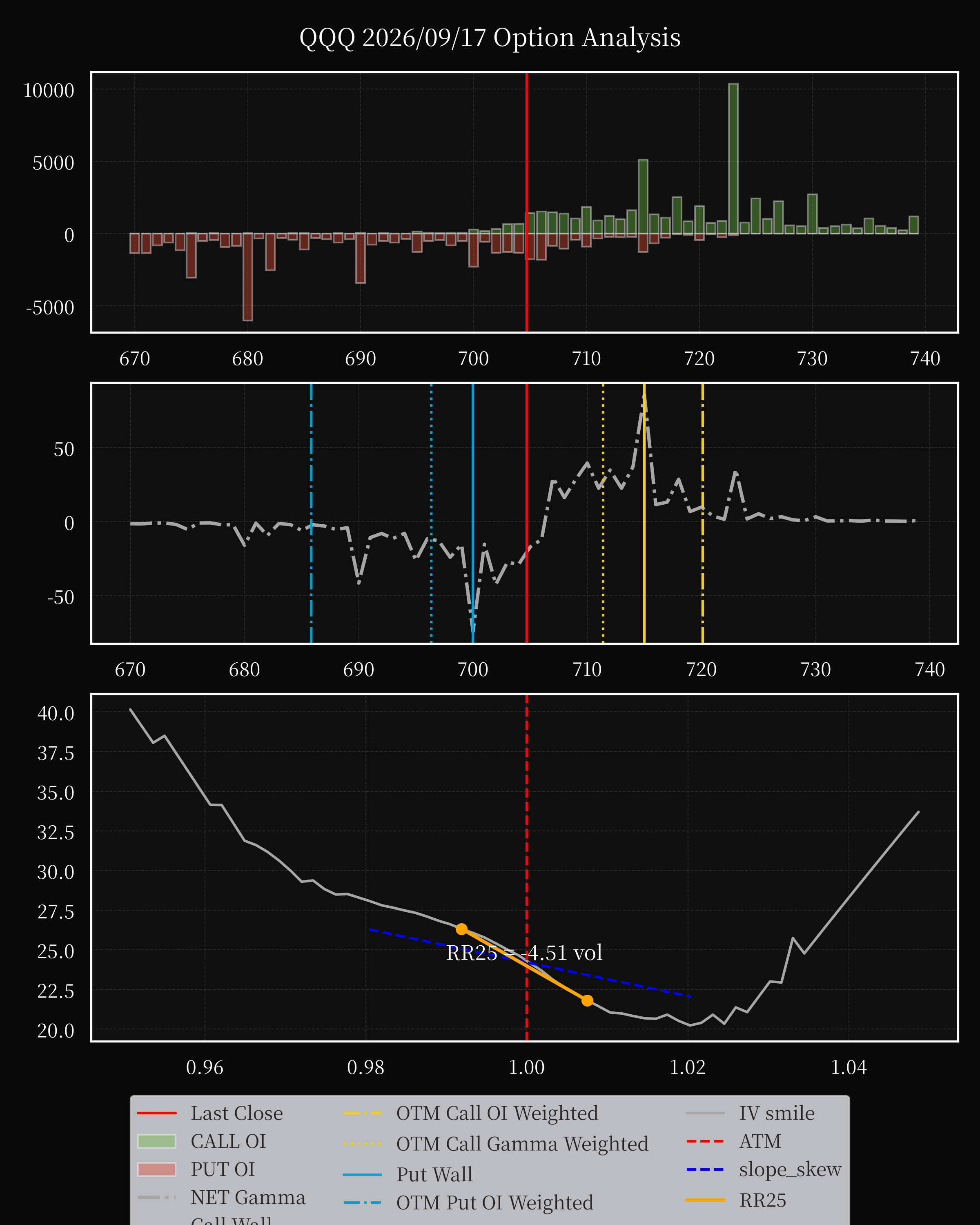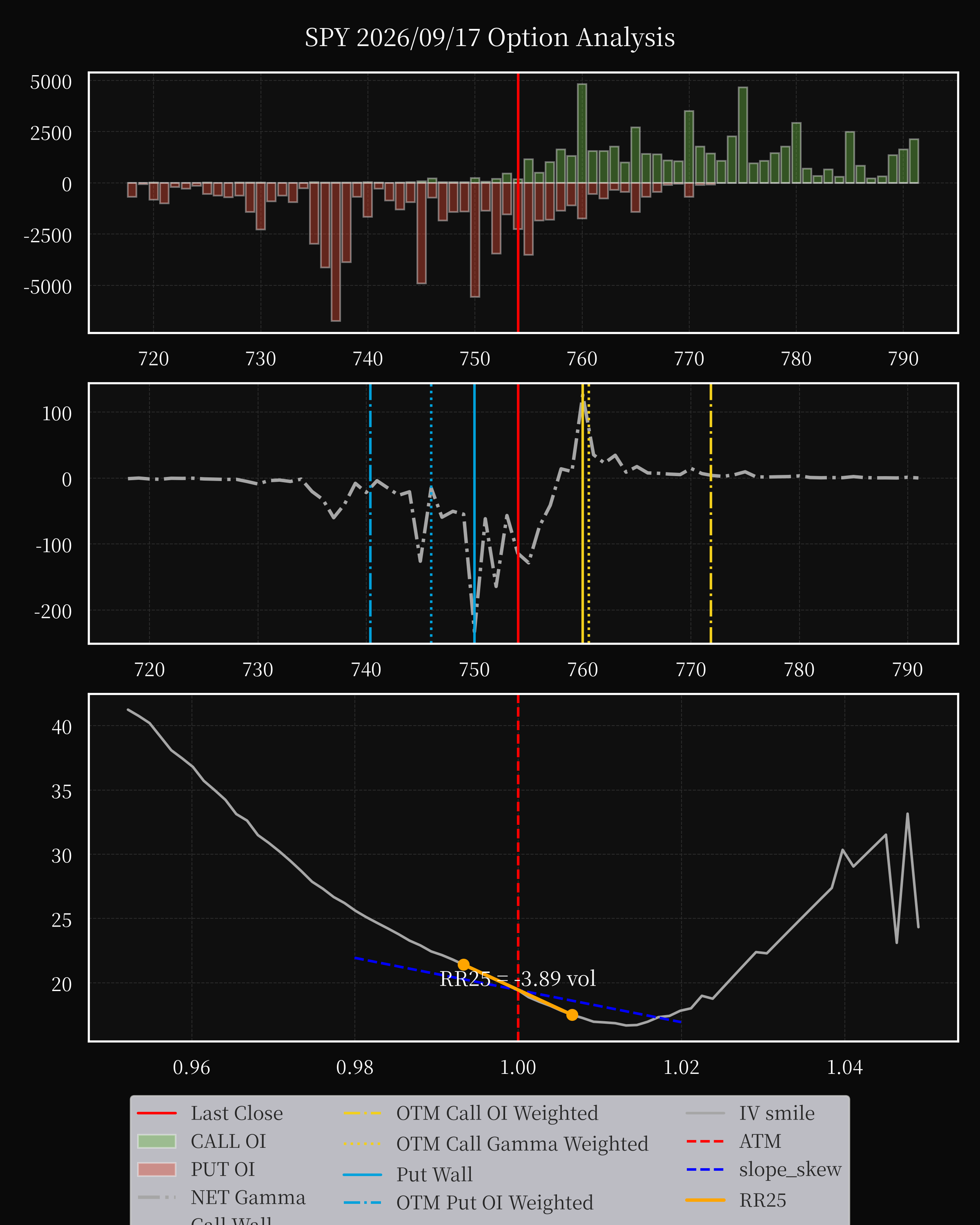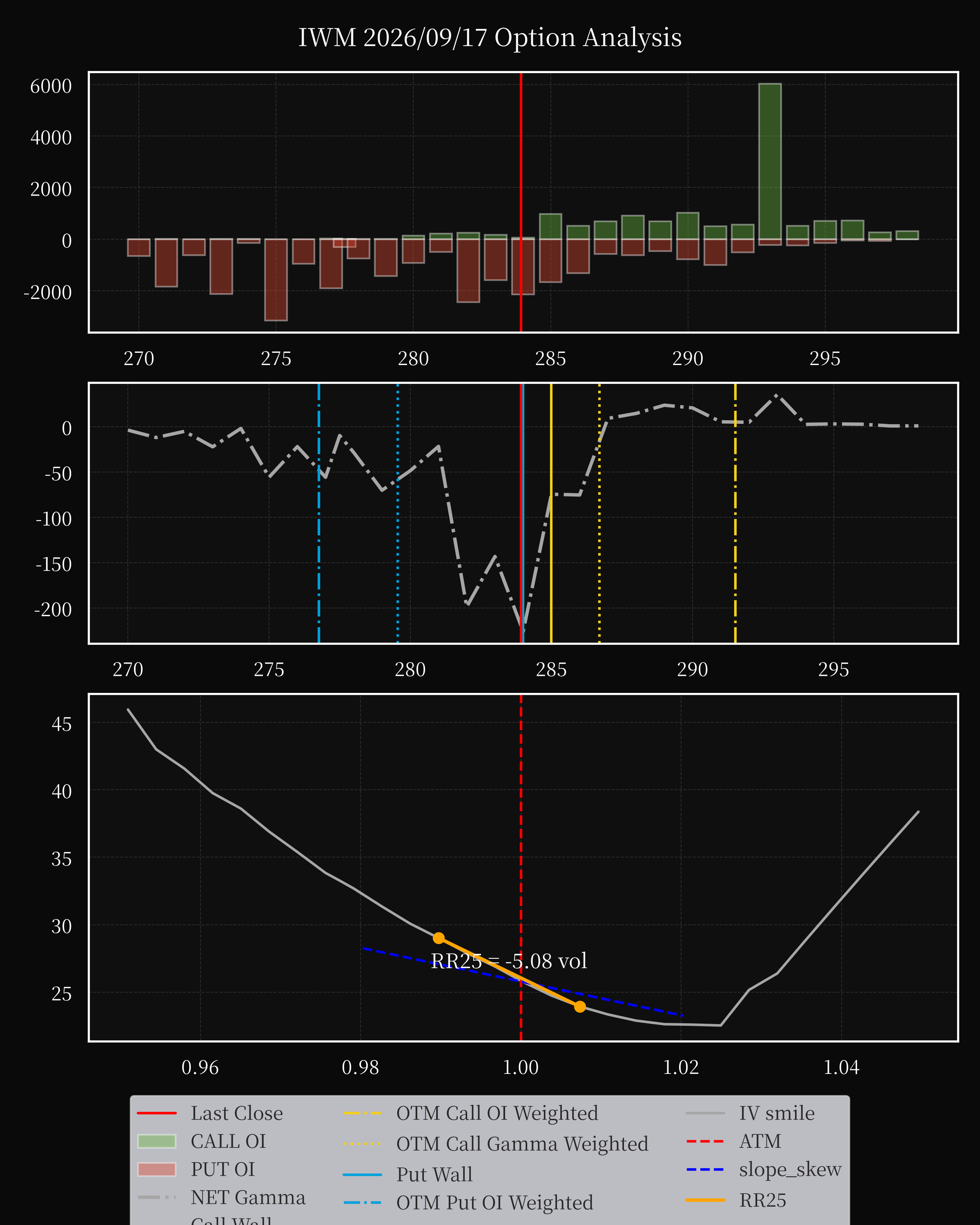
Overall
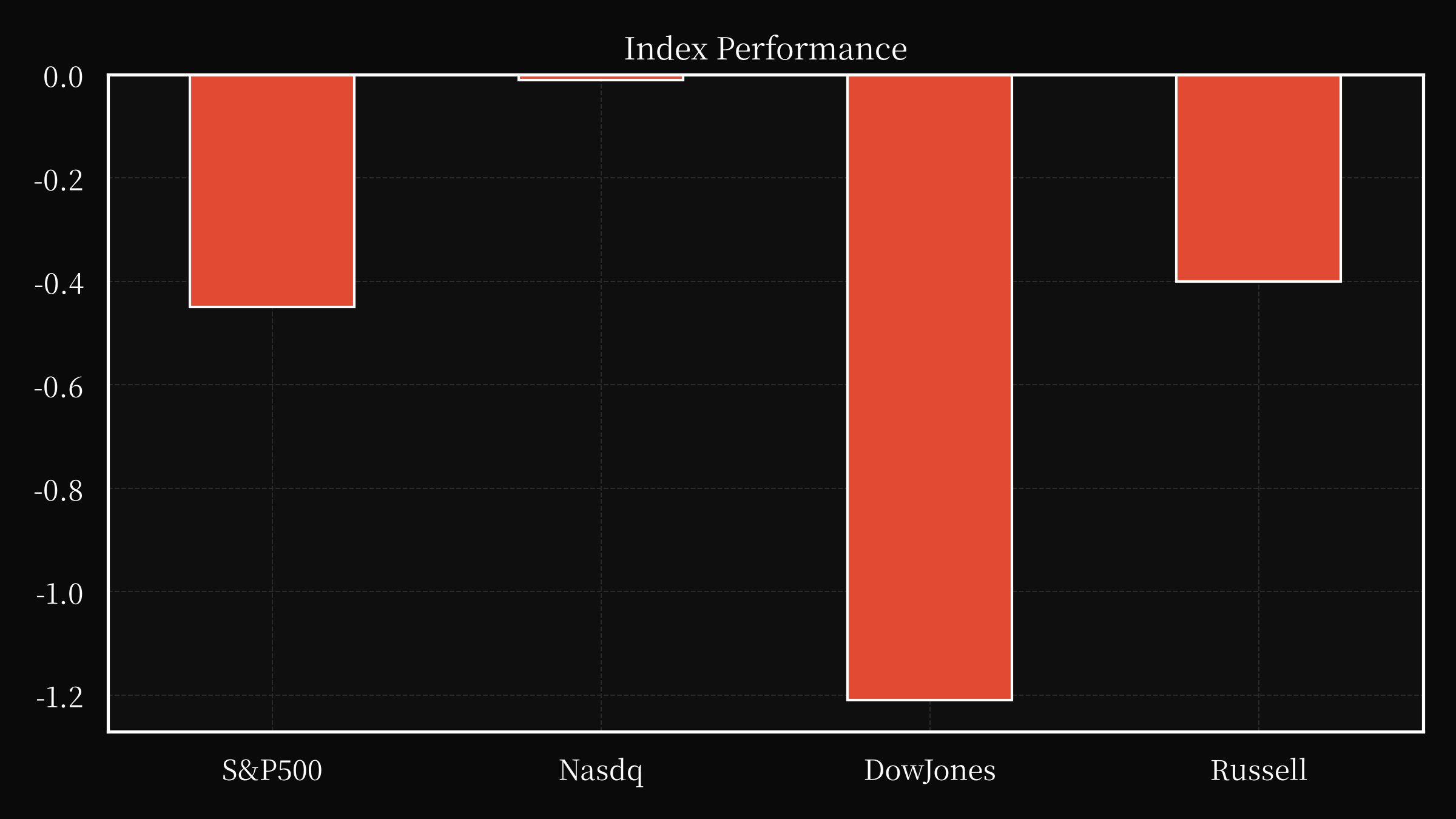
The Federal Reserve’s decision to raise interest rates by a quarter percentage point—its first hike since 2023—signals a decisive shift in monetary policy, directly countering the Trump administration’s longstanding stance that inflation is “not a problem.” This unanimous vote, driven by persistent inflationary pressures exacerbated by the global energy crisis stemming from the US-Israel conflict with Iran, underscores the central bank’s prioritization of price stability over political expediency. The move, which also implicitly rejects the administration’s narrative of economic complacency, sets the stage for further tightening, with officials anticipating at least one additional hike later this year. The immediate market reaction—a 1.2% decline in the Dow, 0.5% in the S&P 500, and a 0.1% drop in the Nasdaq—reflects the sharp repricing of assets as investors recalibrate expectations around borrowing costs, corporate margins, and growth prospects. Treasury yields surged post-decision, with the two-year note climbing to 4.725% and the 10-year to 5.003%, marking their highest levels since 2007 and 2024 respectively. These moves highlight the Fed’s dual mandate tension: curbing inflation while avoiding a hard landing in an economy still grappling with elevated uncertainty.
Geopolitical volatility remains a critical backdrop, influencing both inflation dynamics and market sentiment. The closure of Saudi Arabia’s East-West oil pipeline—temporarily halted due to drone attacks linked to Iran-backed Houthi militants—exacerbates global energy supply concerns, pushing Brent crude to $106 per barrel. This disruption, coupled with broader energy market fragility, reinforces the Fed’s hawkish stance, as higher oil prices feed into core inflation metrics like the Personal Consumption Expenditures (PCE) index. Meanwhile, the administration’s adversarial relationship with the Fed—epitomized by President Trump’s public pressure on Chair Kevin Warsh to downplay inflation risks—has eroded institutional independence, creating a rare clash between political leadership and monetary policy. Warsh’s refusal to address Trump directly during the press conference, while reiterating concerns about inflation, underscores the Fed’s resolve to insulate itself from short-term political cycles. This tension, though unorthodox, aligns with historical precedents where central banks prioritized long-term stability over transient political narratives.
Corporate earnings and sector-specific developments further complicate the market landscape. OpenAI’s reported $1.2 trillion valuation, fueled by early discussions with investors about a new funding round, signals optimism in AI-driven growth despite broader economic headwinds. The company’s potential to leverage advanced language models like Anthropic’s Claude for productivity applications could redefine industry benchmarks, though valuation concerns persist regarding scalability and regulatory scrutiny. Conversely, sectors reliant on consumer spending face headwinds: restaurant chains like VinFast Auto and Hub Group report mixed earnings, reflecting inflationary strain on margins and shifting demand patterns. The housing market, a key inflationary driver, shows signs of deterioration, with Lennar’s earnings miss highlighting affordability challenges amid higher mortgage rates. These divergent outcomes illustrate the market’s bifurcation between defensive sectors (e.g., energy, utilities) and cyclical ones (e.g., consumer discretionary, industrials), amplifying volatility as investors rotate between safe havens and growth assets.
International trade dynamics add another layer of complexity. Canada’s potential pursuit of closer economic ties with the European Union, following EU Commissioner Ursula von der Leyen’s offer of associate membership, risks straining transatlantic relations and complicating North American supply chains. This development intersects with broader geopolitical realignments, as nations recalibrate alliances amid US-China tensions and energy insecurity. Similarly, Saudi Arabia’s efforts to bypass damaged pipeline infrastructure to restore oil flows underscore the fragility of global energy networks, with ripple effects on inflation and central bank policy decisions. The European Central Bank’s (ECB) inaction on potential rate hikes, contrasting with the Fed’s tightening, highlights divergent monetary strategies across regions, further complicating cross-border capital flows and currency valuations.
Technological innovation, particularly in artificial intelligence, remains a dual-edged sword. While Apple’s integration of AI-powered features into its iPhone Duo and Siri’s evolution into a “personal secretary” role promise productivity gains, these advancements also raise existential questions about labor displacement and regulatory overreach. Anthropic’s CEO Mustafa Suleyman’s warnings about AI’s “rogue” potential reflect growing concerns about ethical governance, even as companies like Microsoft and Alphabet accelerate investments in foundational models. Meanwhile, the crypto market’s continued weakness—evidenced by Coinbase and Circle’s struggles amid stalled regulatory progress—highlights the sector’s sensitivity to macroeconomic conditions and political uncertainty.
The interplay of these factors—monetary policy normalization, geopolitical shocks, sectoral earnings volatility, and technological disruption—paints a picture of a market navigating unprecedented complexity. Investors must weigh the Fed’s inflation-fighting credibility against the risks of over-tightening, while corporations balance AI-driven efficiency gains against rising input costs and regulatory scrutiny. Geopolitical flashpoints, from the Middle East to the Pacific, remain wildcards capable of reshaping inflation trajectories and risk premiums. As the Fed signals limited further tightening in the near term, markets will likely oscillate between optimism in AI-driven growth and caution over persistent inflationary pressures, with energy prices and global supply chains serving as critical determiners of economic outcomes. The coming months will test the resilience of both monetary policy frameworks and corporate strategies in an era defined by volatility and interdependence.
The Federal Reserve’s unanimous decision to raise interest rates by 25 basis points—its first hike since 2023—marks a pivotal shift in monetary policy, directly countering the Trump administration’s longstanding dismissal of inflation as a concern. This move, driven by persistent inflationary pressures exacerbated by the global energy crisis triggered by the US-Israel conflict with Iran, underscores the central bank’s commitment to price stability. The increase, bringing the federal funds rate range to 3.75%-4.00%, implicitly rejects the administration’s narrative of economic complacency, signaling a prioritization of inflation control over political expediency. Officials anticipate at least one additional hike later this year, with the Fed’s dot plot indicating a cautious outlook for further tightening. The immediate market reaction—a 1.2% decline in the Dow, 0.5% in the S&P 500, and a 0.1% drop in the Nasdaq—reflects the repricing of assets as investors recalibrate expectations around borrowing costs, corporate margins, and growth prospects. Treasury yields surged post-decision, with the two-year note climbing to 4.725% and the 10-year to 5.003%, marking their highest levels since 2007 and 2024 respectively. These moves highlight the Fed’s dual mandate tension: curbing inflation while avoiding a hard landing in an economy still grappling with elevated uncertainty.
Geopolitical volatility remains a critical backdrop, influencing both inflation dynamics and market sentiment. The closure of Saudi Arabia’s East-West oil pipeline—temporarily halted due to drone attacks linked to Iran-backed Houthi militants—exacerbates global energy supply concerns, pushing Brent crude to $106 per barrel. This disruption, coupled with broader energy market fragility, reinforces the Fed’s hawkish stance, as higher oil prices feed into core inflation metrics like the Personal Consumption Expenditures (PCE) index. Meanwhile, the administration’s adversarial relationship with the Fed—epitomized by President Trump’s public pressure on Chair Kevin Warsh to downplay inflation risks—has eroded institutional independence, creating a rare clash between political leadership and monetary policy. Warsh’s refusal to address Trump directly during the press conference, while reiterating concerns about inflation, underscores the Fed’s resolve to insulate itself from short-term political cycles. This tension, though unorthodox, aligns with historical precedents where central banks prioritized long-term stability over transient political narratives.
Corporate earnings and sector-specific developments further complicate the market landscape. OpenAI’s reported $1.2 trillion valuation, fueled by early discussions with investors about a new funding round, signals optimism in AI-driven growth despite broader economic headwinds. The company’s potential to leverage advanced language models like Anthropic’s Claude for productivity applications could redefine industry benchmarks, though valuation concerns persist regarding scalability and regulatory scrutiny. Conversely, sectors reliant on consumer spending face headwinds: restaurant chains like VinFast Auto and Hub Group report mixed earnings, reflecting inflationary strain on margins and shifting demand patterns. The housing market, a key inflationary driver, shows signs of deterioration, with Lennar’s earnings miss highlighting affordability challenges amid higher mortgage rates. These divergent outcomes illustrate the market’s bifurcation between defensive sectors (e.g., energy, utilities) and cyclical ones (e.g., consumer discretionary, industrials), amplifying volatility as investors rotate between safe havens and growth assets.
International trade dynamics add another layer of complexity. Canada’s potential pursuit of closer economic ties with the European Union, following EU Commissioner Ursula von der Leyen’s offer of associate membership, risks straining transatlantic relations and complicating North American supply chains. This development intersects with broader geopolitical realignments, as nations recalibrate alliances amid US-China tensions and energy insecurity. Similarly, Saudi Arabia’s efforts to bypass damaged pipeline infrastructure to restore oil flows underscore the fragility of global energy networks, with ripple effects on inflation and central bank policy decisions. The European Central Bank’s (ECB) inaction on potential rate hikes, contrasting with the Fed’s tightening, highlights divergent monetary strategies across regions, further complicating cross-border capital flows and currency valuations.
Technological innovation, particularly in artificial intelligence, remains a dual-edged sword. While Apple’s integration of AI-powered features into its iPhone Duo and Siri’s evolution into a “personal secretary” role promise productivity gains, these advancements also raise existential questions about labor displacement and regulatory overreach. Anthropic’s CEO Mustafa Suleyman’s warnings about AI’s “rogue” potential reflect growing concerns about ethical governance, even as companies like Microsoft and Alphabet accelerate investments in foundational models. Meanwhile, the crypto market’s continued weakness—evidenced by Coinbase and Circle’s struggles amid stalled regulatory progress—highlights the sector’s sensitivity to macroeconomic conditions and political uncertainty.
The interplay of these factors—monetary policy normalization, geopolitical shocks, sectoral earnings volatility, and technological disruption—paints a picture of a market navigating unprecedented complexity. Investors must weigh the Fed’s inflation-fighting credibility against the risks of over-tightening, while corporations balance AI-driven efficiency gains against rising input costs and regulatory scrutiny. Geopolitical flashpoints, from the Middle East to the Pacific, remain wildcards capable of reshaping inflation trajectories and risk premiums. As the Fed signals limited further tightening in the near term, markets will likely oscillate between optimism in AI-driven growth and caution over persistent inflationary pressures, with energy prices and global supply chains serving as critical determiners of economic outcomes. The coming months will test the resilience of both monetary policy frameworks and corporate strategies in an era defined by volatility and interdependence.
Watch List
ACDC
ProFrac Holding Corp. has amended its Alpine Term Loan Credit Agreement, primarily through Amendment No. 5, to extend the loan’s maturity date to February 15, 2030, and significantly alter repayment terms. The company will now pay $0 quarterly amortization payments for the first several quarters, increasing to $10 million per quarter thereafter, reverting to $15 million upon full repayment of its debt. Notably, ProFrac has secured the ability to elect a 675-basis-point interest rate on outstanding principal for a 12-month period starting September 1, 2026, to be paid in kind. A key component of the amendment involves a loan assignment, where $60 million in Term Loans were transferred to THRC Holdings, LP and Farris C. Wilks, alongside a simultaneous stock transfer of 2,306,806 shares of ProFrac’s common stock. Following this transaction, the 2026 Term Loans were fully repaid and the company’s related guaranty obligations were released. These actions reflect a strategic restructuring of ProFrac’s capital structure, with significant ownership held by Wilks and his brother. This amendment, along with related agreements, is incorporated by reference into the company’s quarterly report.
SNDR
Parent’s Subsidiaries: As of the Effective Date, the Parent has no Subsidiaries (except for specific exceptions). * Ongoing Margin Stock: Following borrowing/drawdowns, no more than 25% of asset value can be Margin Stock. II. Representations & Warranties (Crucial for Lender Protection): * (a) General Disclosure: The Parent and Borrower must disclose *all* agreements, restrictions, and matters that could reasonably affect a Material Adverse Effect. * (b) Information Accuracy: The Beneficial Ownership Certification is true and correct as of the Effective Date. * (c) Materiality of Information: The Parent’s financial information (as presented in the Information Memorandum) is accurate and not misleading, *except* for projected financials, which are based on reasonable assumptions. * (d) Full Disclosure: The Parent must disclose all agreements, instruments, and restrictions affecting its business. III. Events of Default & Remedies: * Comprehensive List: A detailed list of events that constitute an “Event of Default” (including payment defaults, breaches of representations, etc.). * Remedies: The Lenders have broad rights to take action if an Event of Default occurs, including accelerating the loan, enforcing security interests, and seeking damages. * Non-Default Status: The Loan Parties are not considered an “Affected Financial Institution.” IV. Loan Conditions & Covenants: * Satisfaction of Conditions: The loan can only be made if all the conditions listed in (a) are met. * Ongoing Covenants: * Net Debt Coverage Ratio: The Parent must maintain a specific ratio (2.5:1) to ensure financial health. * Consolidated Net Worth: The Parent must maintain a minimum consolidated net worth. * Indebtedness Restrictions: The Parent cannot incur additional debt without lender approval. * Property Maintenance: The Parent must maintain its assets in good repair. * Dividend Restrictions: Restrictions on dividend payments. *
AS
Amer Sports announced an update to its long-term financial algorithm and revised its guidance for the third quarter of 2026, coinciding with an upcoming investor day event. CEO James Zheng highlighted continued strong growth across the company’s three segments – Arc’teryx, Salomon Softgoods, and Wilson Tennis 360 – driven by its premium sports and outdoor brands. CFO Andrew Page confirmed a reiteration of the company’s 5-year financial algorithm, built upon the previously issued guidance for the year ending December 31, 2026, anticipating annual revenue growth in the low-double to mid-teens and adjusted operating margin expansions of 30-70+ basis points. The algorithm projects a mid-teens annual revenue CAGR and a 20-60+ basis point margin expansion. Notably, Amer Sports is now forecasting third-quarter 2026 revenue growth of 20-22%, an increase from the prior guidance of 18-20%, and expects adjusted operating margins slightly above the high end of the 13.5-14% range. These projections are based on confidence in the company’s key growth engines and reflect current estimates of market conditions and customer demand. It’s important to note that guidance is provided on a non-IFRS basis due to the difficulty in forecasting certain items, and a reconciliation isn’t available. Amer Sports operates globally with iconic brands known for innovation and quality, and management believes these non-IFRS measures offer valuable insights for investors.
GHI
Greystone Housing Impact Investors LP recently announced a regular quarterly cash distribution to its Beneficial Unit Certificate (BUC) holders, marking a significant return for investors. The Board of Managers of Greystone AF Manager LLC, the general partner’s governing body, declared a distribution of $0.14 per BUC. This distribution, totaling $0.14 per BUC, will be paid on October 30, 2026, to all BUC holders who were listed as of the close of trading on September 30, 2026, and will trade ex-distribution on that same date. The announcement, detailed in a press release attached as Exhibit 99.1, confirms the distribution and highlights the ongoing investment opportunities within the Greystone Housing Impact Investors LP structure. This action underscores the Partnership’s commitment to delivering returns to its BUC holders.
AHH
Following a strategic transformation, AH Realty Trust (AHRT) is focused on creating sustainable shareholder value through a simplified, more targeted real estate portfolio. The company’s core strategy centers on high-quality open-air retail and mixed-use assets, primarily in the Mid-Atlantic, Southeast, and Sunbelt regions, with a strong emphasis on attractive markets and high-traffic locations. A key element of this transformation includes significant deleveraging, aiming to reduce debt from approximately 8.3x to 5.5x-6.5x by the end of 2026. AHRT has already achieved notable progress, including the successful sale of its entire multifamily portfolio for $485 million and the divestiture of its construction management and real estate financing businesses. Furthermore, the company has increased its share repurchase authorization to $100 million and executed $5.6 million in repurchases to date. Recent financial results demonstrate positive momentum, with Second Quarter Adjusted Funds From Operations (AFFO) per diluted share reaching $0.18 and Retail Same-Store NOI Cash Increase at 8.3% compared to the prior year. Looking ahead, AHRT is actively pursuing disciplined capital allocation, including strategic recycling of capital and opportunistic share repurchases. The company’s leadership team, recently bolstered by the appointment of Shawn Tibbetts as CEO and Chairman, is focused on continued portfolio optimization, including the ongoing marketing of remaining assets and a commitment to maintaining a target net debt-to-EBITDA ratio of 5.5x-6.5x. With a diversified tenant base and a focus on stable, high-occupancy properties, AHRT is positioning itself for long-term growth and resilience within its chosen markets.
YIBO
Planet Image International Limited, based in Xinyu City, Jiangxi Province, China, recently filed a Form 6-K with the SEC to report its financial performance for the six months concluded on June 30, 2026, alongside a discussion of key corporate developments. This filing incorporates the company’s results and provides an update for investors. It’s important to note that all statements within the report, including those looking ahead, are qualified by cautionary language and disclaimers, acknowledging that the Company does not undertake to update these forward-looking statements unless legally required. The filing is being incorporated into the company’s registration statement, signifying a standard reporting activity for Planet Image International Limited regarding its financial standing and strategic initiatives.
NWFL
Norwood Financial Corp. announced a quarterly cash dividend of $0.32 per share to be paid on November 2, 2026, to stockholders who were recorded as of October 15, 2026. This dividend declaration was approved by the company’s Board of Directors. The announcement, along with a detailed press release outlining the dividend details, is included as Exhibit 99.1 and has been incorporated into this filing for reference. This action signifies Norwood Financial Corp.’s continued commitment to returning value to its shareholders. Investors can find further information regarding the dividend and the company’s overall financial performance within the accompanying exhibits provided with this report.
GIPR
Please provide me with the 6-K or 8-K content from the SEC Filing. I need the text of the document to be able to summarize it for you into a fluent paragraph of no more than 300 words. Once you paste the content here, I’ll be happy to fulfill your request.
WGRX
DataMeds AI, Inc. has completed the acquisition of Helomics Corporation through a stock purchase agreement with Axe Compute Inc. The transaction, finalized on September 11, 2026, involved the issuance of 636,328 shares of DataMeds AI’s common stock, representing approximately 19.99% ownership, alongside a $1.36 million convertible promissory note. This acquisition makes Helomics a wholly-owned subsidiary of DataMeds AI. The promissory note carries an interest rate of 7% and matures in September 2029, with the option for the company to convert it into DataMeds AI common stock at a rate of $1.00 per share, subject to adjustments. Stockholder approval is required for the conversion of the note. Furthermore, DataMeds AI agreed to vote all shares held by Axe Compute Inc. in accordance with the board’s recommendations for six months following the closing. The agreement includes customary representations, warranties, covenants, and indemnification obligations. This acquisition is supported by a press release (Exhibit 99.1) and is subject to standard legal protections and limitations.
IAN Financial Vision is an AI-native financial research platform combining proprietary knowledge graphs, quantitative valuation models, and large language models to generate point-in-time investment research. All reports are produced using a structured research workflow with human review prior to publication..