Overall
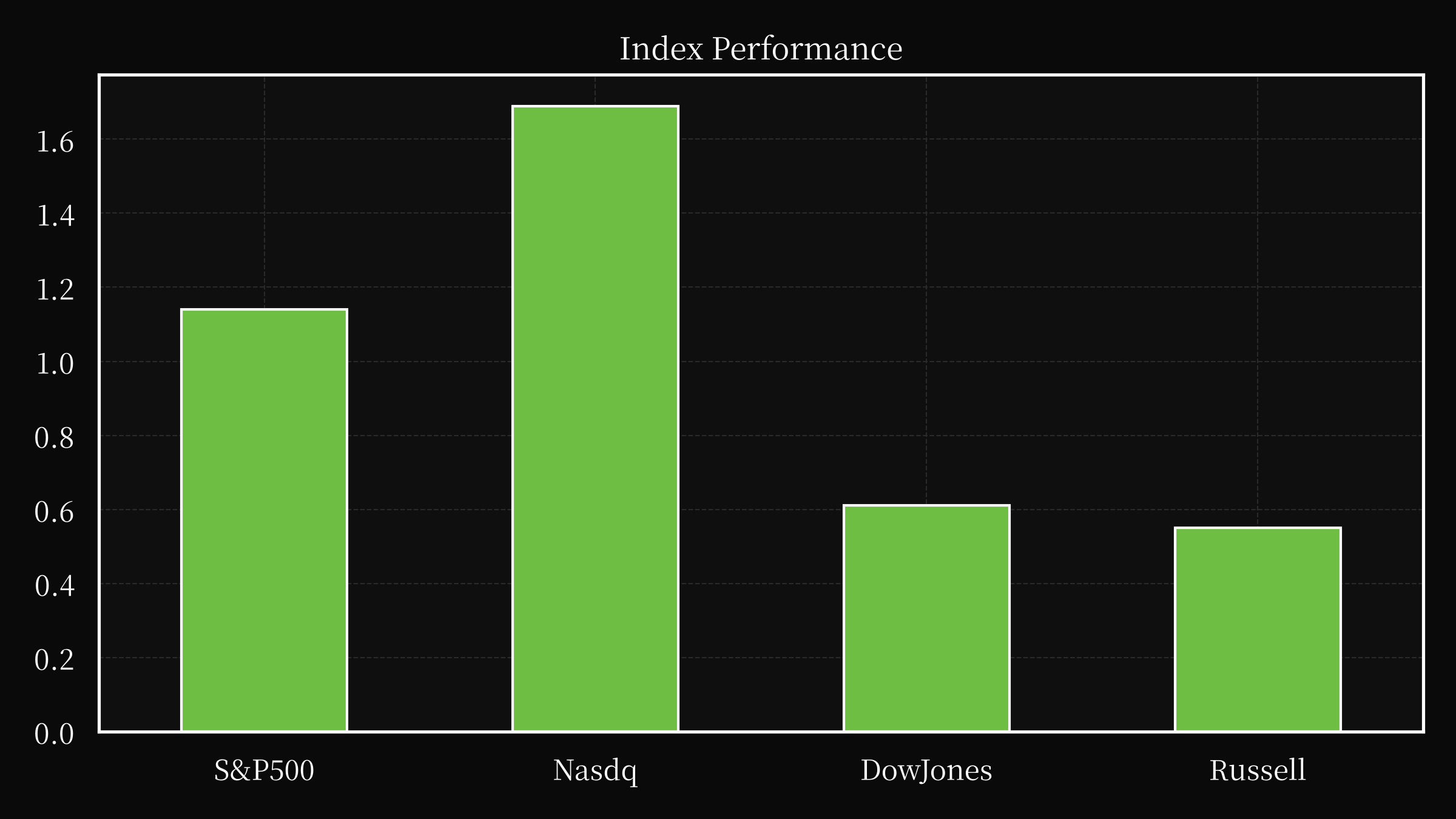
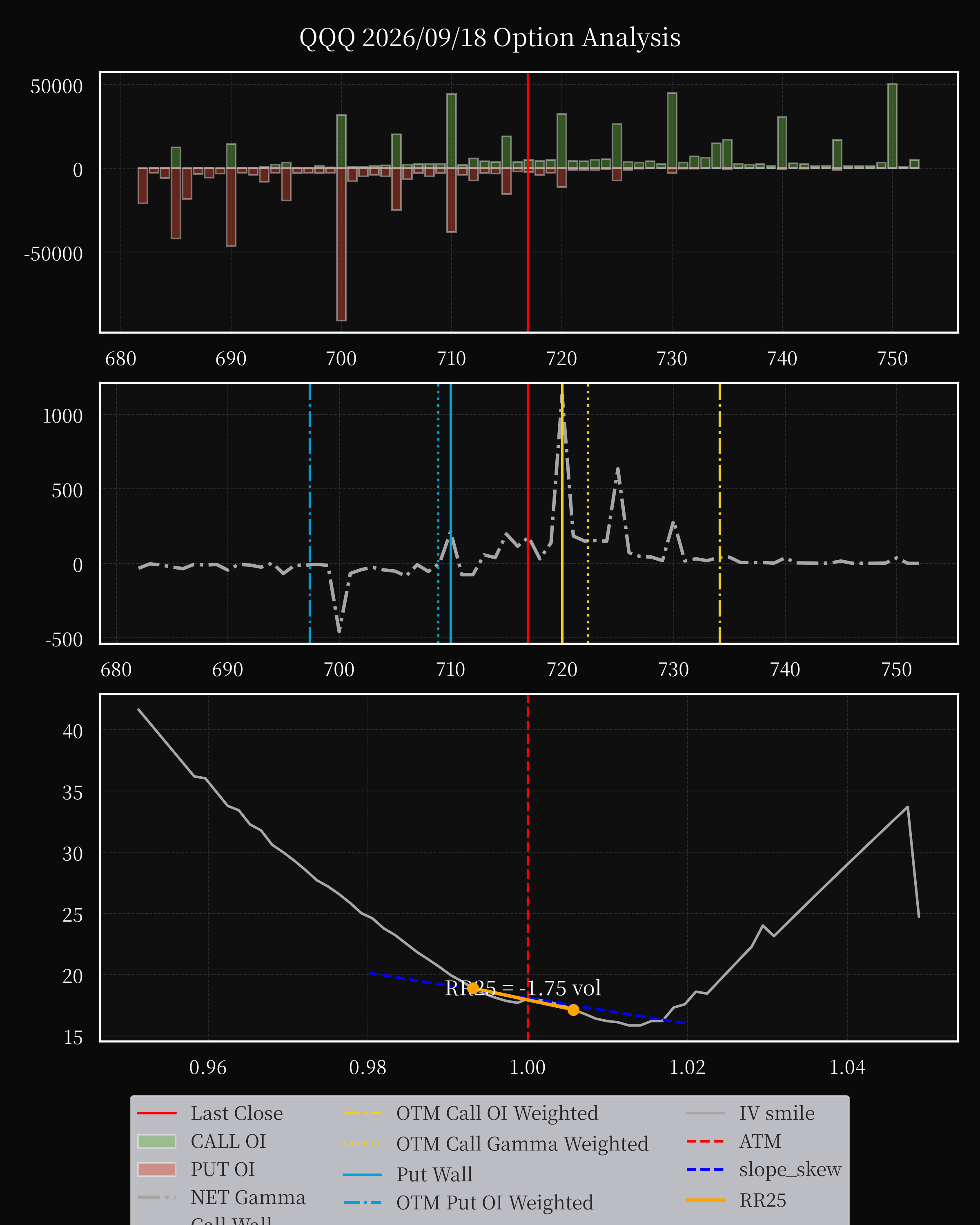
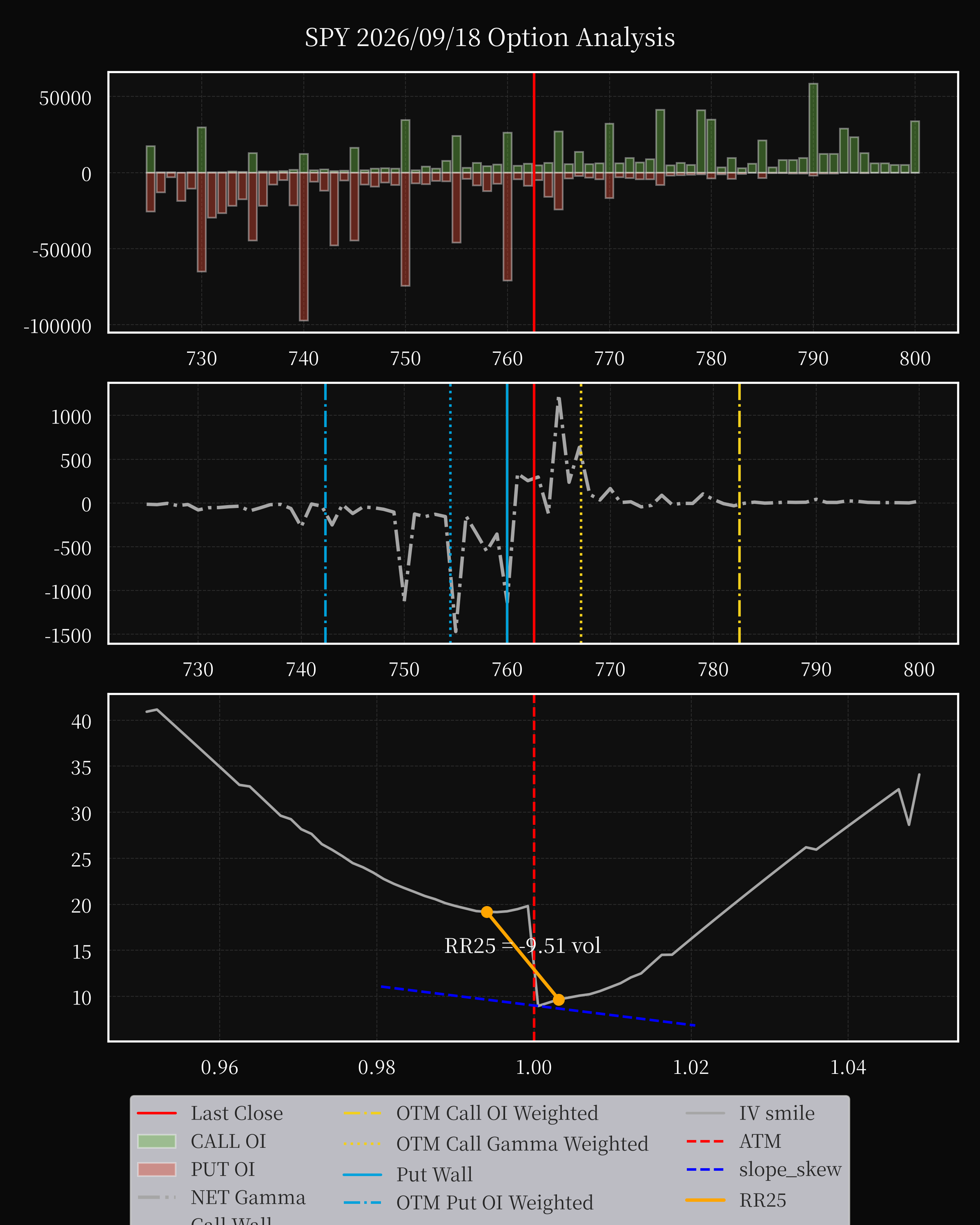
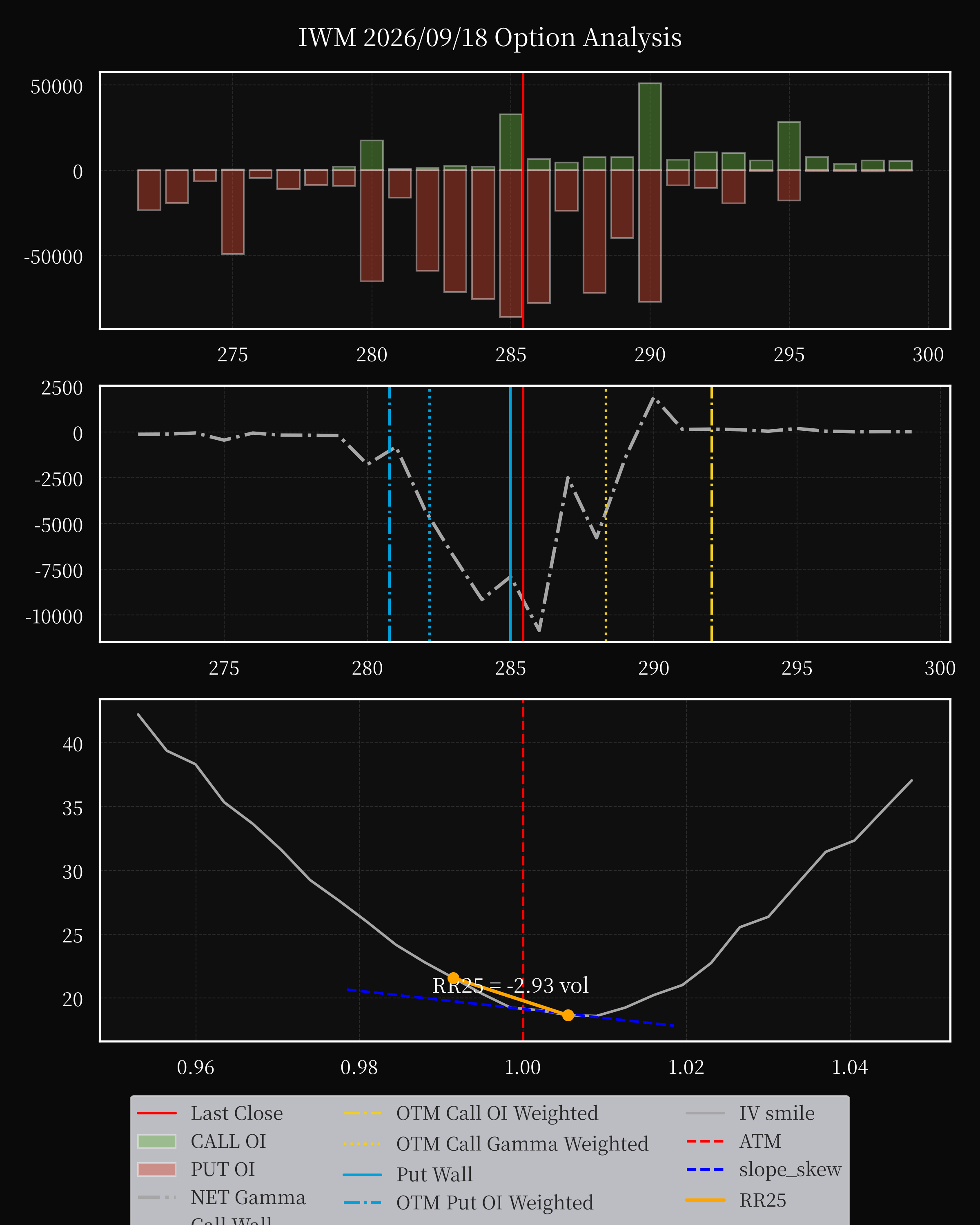
The U.S. equity market closed Wednesday with broad-based optimism as investors digested the Federal Reserve’s latest rate hike and the subsequent market reaction, while also absorbing significant developments in the technology and commodities sectors. The Nasdaq Composite led gains with a 1.7 percent increase, the S&P 500 advanced 1.1 percent, and the Dow Jones Industrial Average rose 0.6 percent, reversing much of the selling pressure that followed Wednesday’s monetary policy announcement. The 10-year Treasury yield slipped to 4.946 percent, reflecting renewed expectations of slower economic growth and easing inflation concerns despite the Fed’s tightening stance. Meanwhile, Brent crude oil traded down approximately 1 percent to just above $105 per barrel, as geopolitical risk perceptions softened amid persistent uncertainty over the full extent of damage to Saudi Arabia’s critical pipeline infrastructure.
Chipmakers emerged as the day’s standout performers, buoyed by comments from Intel’s CEO regarding rising memory prices and broader sector strength. The Philadelphia Semiconductor Index, often a bellwether for technology stocks, surged 3.1 percent, while Micron Technologies Inc. posted a 5.5 percent jump after its shares rallied sharply on anticipation of favorable pricing dynamics. Advanced Micro Devices (AMD) added roughly 6 percent to its market capitalization as investors interpreted its recent product roadmap updates as a credible challenge to Intel’s dominance in high-performance computing. The broader semiconductor index outperformed broader market indices, underscoring the sector’s resilience amid mixed signals from macroeconomic data and corporate earnings cycles.
Regulatory and legislative developments further shaped market sentiment, particularly in the burgeoning digital assets and tokenization space. The U.S. Securities and Exchange Commission formally cleared a path for U.S. exchanges to offer tokenized securities, a decision that could catalyze a new asset class and redefine traditional equity and fixed income markets. The SEC’s approval followed the Senate’s failure to advance the Clarity Act, which had sought to provide legislative clarity on crypto-related securities. This regulatory green light followed weeks of intense scrutiny and legal challenges, signaling a potential inflection point for institutional participation in blockchain-based financial products. The move was widely interpreted as a cautious but meaningful step toward integrating digital assets into mainstream finance, though compliance and operational hurdles remain significant.
Corporate actions and strategic transactions also contributed to market volatility. Generac Holdings Inc. surged nearly 19 percent after announcing a multi-billion-dollar supply agreement with Amazon.com for data center generators, with initial deliveries projected to exceed $2.4 billion over the next two years. The deal highlighted the growing intersection between industrial equipment providers and large-scale technology infrastructure projects, particularly as cloud computing demand continues to expand. Simultaneously, private equity firm Clearlake Capital acquired a controlling stake in English soccer club Chelsea, valued at approximately $650 million per stakeholder, as part of a broader trend of private ownership in global sports franchises. These transactions, while not directly tied to public market performance, reinforced investor confidence in asset valuations and strategic realignment across sectors.
Commodity markets reacted to both geopolitical developments and sector-specific fundamentals. Crude oil’s modest decline reflected concerns over the durability of supply disruptions in the Middle East, tempered by ongoing OPEC+ production discipline. Gold, often a hedge against macro uncertainty, slipped slightly to around $4,381 per ounce, suggesting that risk appetite among institutional investors remained cautiously optimistic. The U.S. dollar, measured by the DXY index, weakened modestly as investors rotated into higher-yielding assets, though the Fed’s rate trajectory continued to anchor dollar expectations.
Equity markets also saw notable movements in financials and industrials. JPMorgan Chase & Co. outperformed amid speculation about potential dividend adjustments and improved capital ratios, while banks overall benefited from a partial repricing of credit risk. Industrial stocks, including major players like Caterpillar Inc., posted gains as earnings revisions and order backlogs supported sentiment. The broader market’s breadth, as measured by the S&P 500’s 1.1 percent gain, indicated that investors were not merely reacting to headline news but were instead incorporating a range of factors into their positioning.
Looking ahead, analysts emphasized the importance of monitoring inflation data, Fed communications, and sector-specific catalysts. The 10-year Treasury yield’s decline signaled a potential shift in growth expectations, though persistent core inflation could prompt further policy uncertainty. Corporate earnings season, with key reports due Friday, was expected to provide additional clarity on profitability trends, particularly in technology and industrials. Meanwhile, the regulatory environment for digital assets remained fluid, with the SEC’s approval of tokenization frameworks likely to spur innovation but also introduce compliance complexities for issuers and exchanges alike.
In summary, Wednesday’s market action reflected a nuanced interplay of monetary policy, sectoral strength, and regulatory evolution. While the Fed’s rate hike continued to weigh on risk sentiment, the breadth of the rally across equities—particularly technology and semiconductors—demonstrated underlying resilience. The tokenization of securities, corporate strategic moves, and commodity dynamics further underscored the multifaceted nature of market drivers. Investors appear to be balancing near-term policy headwinds with longer-term opportunities in innovation-driven sectors, while regulatory clarity on digital assets could unlock significant value creation in the months ahead. The interplay between macroeconomic fundamentals and micro-level developments will likely remain central to market direction in the coming weeks.
The market’s reaction to the Federal Reserve’s rate decision was both immediate and multifaceted, with investors recalibrating expectations across asset classes. The Nasdaq’s 1.7 percent gain was supported by strong sentiment in technology stocks, particularly those involved in semiconductor manufacturing and AI infrastructure. Intel’s CEO Lip-Bu Tan’s remarks regarding rising memory prices catalyzed a broader rally in chipmakers, with Micron Technologies and Advanced Micro Devices posting double-digit percentage gains. The semiconductor index outperformed broader market indices, reflecting investor confidence in continued demand for high-performance computing solutions amid the AI boom. Meanwhile, the broader market’s breadth—evidenced by gains in the S&P 500 and Dow—suggested that the rally was not solely concentrated in tech but was instead underpinned by a combination of sector-specific catalysts and improved risk appetite.
Commodity markets reacted to both geopolitical developments and sector-specific fundamentals. Brent crude oil traded down approximately 1 percent to just above $105 per barrel, as concerns over the severity of pipeline disruptions in Saudi Arabia eased. The decline in oil prices, while beneficial for consumers and energy-intensive industries, also highlighted the fragility of supply-demand balances in the Middle East. Gold, often viewed as a hedge against inflation and geopolitical uncertainty, slipped modestly to around $4,381 per ounce, indicating that investors were not yet fully convinced of persistent inflationary pressures. The U.S. dollar, measured by the DXY index, weakened slightly as capital flows shifted toward higher-yielding assets, though the Fed’s rate trajectory continued to anchor dollar expectations.
Equity markets also saw notable movements in financials and industrials. JPMorgan Chase & Co. outperformed amid speculation about potential dividend adjustments and improved capital ratios, while banks overall benefited from a partial repricing of credit risk. Industrial stocks, including major players like Caterpillar Inc., posted gains as earnings revisions and order backlogs supported sentiment. The broader market’s breadth, as measured by the S&P 500’s 1.1 percent gain, indicated that investors were not merely reacting to headline news but were instead incorporating a range of factors into their positioning. This breadth suggested a market that was cautiously optimistic but still sensitive to macroeconomic data releases, particularly those related to inflation and employment.
Looking ahead, analysts emphasized the importance of monitoring inflation data, Fed communications, and sector-specific catalysts. The 10-year Treasury yield’s decline signaled a potential shift in growth expectations, though persistent core inflation could prompt further policy uncertainty. Corporate earnings season, with key reports due Friday, was expected to provide additional clarity on profitability trends, particularly in technology and industrials. Meanwhile, the regulatory environment for digital assets remained fluid, with the SEC’s approval of tokenization frameworks likely to spur innovation but also introduce compliance complexities for issuers and exchanges alike. The tokenization of securities could redefine traditional equity and fixed income markets, though its long-term impact would depend on execution, regulatory clarity, and investor adoption.
In summary, Wednesday’s market action reflected a nuanced interplay of monetary policy, sectoral strength, and regulatory evolution. While the Fed’s rate hike continued to weigh on risk sentiment, the breadth of the rally across equities—particularly technology and semiconductors—demonstrated underlying resilience. The tokenization of securities, corporate strategic moves, and commodity dynamics further underscored the multifaceted nature of market drivers. Investors appear to be balancing near-term policy headwinds with longer-term opportunities in innovation-driven sectors, while regulatory clarity on digital assets could unlock significant value creation in the months ahead. The interplay between macroeconomic fundamentals and micro-level developments will likely remain central to market direction in the coming weeks.
Watch List
RUBI
Rubico Inc. (RUBI), a global shipping transportation services provider specializing in vessel ownership, announced a stock dividend of 0.50 common shares per outstanding share for record date September 28, 2026. The distribution, slated for October 5, 2026, will be implemented for shareholders of record and will adjust the company’s warrant exercise prices and share quantities. To facilitate this, Rubico anticipates the establishment of Nasdaq’s “due bill” trading procedures, meaning any purchases of shares before October 5, 2026, will be eligible for the stock dividend. Following the distribution, the company’s common shares will begin trading on the Nasdaq Capital Market on a stock dividend-adjusted basis. Rubico operates with a fleet of two modern Suezmax tankers and is currently involved in acquiring a new MR tanker newbuilding. The company, incorporated in the Republic of the Marshall Islands with executive offices in Athens, Greece, sees the stock dividend as part of its strategy to enhance shareholder value.
TOPS
TOP Ships Inc. reported a strong first half of 2026, achieving a net income of $6.5 million and diluted earnings per share of $0.61, alongside $17.2 million in EBITDA and $11.1 million in net cash from operations. The company’s strategic focus on modern, fuel-efficient vessels is evident through a significant newbuilding program, now encompassing eight 47,499 dwt MR product tankers with secured charters and a planned sale of one vessel. Following the initial announcement, TOP Ships further bolstered its growth strategy by agreeing to acquire three additional high-specification MR newbuildings, totaling $140.6 million in contracted revenue. These vessels are primarily financed through lease financing, ensuring a modern and fuel-efficient fleet with secured employment. Notably, the company redirected funds initially earmarked for a Dubai real estate acquisition – $23.5 million – towards the newbuilding program. TOP Ships continues to pursue the sale of its megayacht, M/Y Para Bellvm, to release capital for investment in its core tanker business. The company’s overall newbuilding program represents $680.4 million in contracted revenue, providing substantial long-term revenue visibility. With a total tanker operating fleet capacity of 857,000 dwt, TOP Ships is positioned as an international owner and operator specializing in eco-tanker vessels transporting a range of liquid products.
SLGL
Sol-Gel Technologies Ltd., an Israeli-based company, announced a significant development in its clinical trial program for SGT-610 on September 17, 2026. The company released a press statement detailing the final patient visit within the pivotal Phase 3 clinical trial specifically targeting Gorlin Syndrome. This announcement, filed as Exhibit 99.1, is now formally incorporated into Sol-Gel Technologies’ existing registration statements filed with the SEC, including those under Forms S-8 and F-3 (Registration Numbers 333-223915, 333-270477, 333-286820, 333-286822, and 333-270478). The inclusion of the press release within these filings provides investors with detailed information regarding the company’s progress in developing its therapeutic candidate for this rare genetic disorder. This update signals a key milestone for Sol-Gel Technologies as it moves closer to potential regulatory approval.
PDS
Precision Drilling Corporation has renewed its Normal Course Issuer Bid (NCIB) program, authorizing the repurchase of up to 1,229,799 of its common shares, representing approximately 10% of its public float. This renewal extends the program’s timeframe from September 19, 2025 to September 20, 2027, building upon a previous NCIB that saw the company purchase 668,674 shares at an average price of CAD$102.54 through the TSX, NYSE, and alternative trading systems. The company intends to utilize this tool to enhance shareholder value. Precision Drilling is a leading provider of high-performance drilling services, leveraging its proprietary Alpha™ digital technology and EverGreen™ environmental solutions within the energy sector. The company’s strategy is underscored by cautionary statements regarding various risks, including fluctuations in oil prices, customer negotiations, technological advancements, and broader economic and geopolitical factors. Lavonne Zdunich, VP of Investor Relations, oversees the company’s investor relations activities.
AAUC
Allied Gold Corporation has reported significant progress at its Kurmuk Mine in Ethiopia, a key component of its growth strategy. The company has successfully commissioned and energized an 88-kilometer power line, providing access to the national grid and enabling the initial feeding of ore through the crushing circuit. Mining activities are proceeding as planned, with an ore stockpile of approximately one million tonnes established to support the planned ramp-up to commercial production, aiming for a target of 240,000 to 270,000 ounces of gold in its first year. The mine currently holds 2.7 million ounces of proven and probable reserves and boasts a 1,450-kilometer exploration land package. Commissioning is progressing across the site, with the expectation of introducing ore to the grinding circuit within weeks, followed by gold production. The project benefits from a fixed-rate power purchase agreement with EEP, contributing to low production costs. Allied Gold anticipates a strategic mine life of 15 years, with ongoing exploration and optimization initiatives expected to further extend the operation’s potential and solidify its position as a significant contributor to the company’s production and cash flow.
CHR
Cheer Holding, Inc. announced on September 16, 2026, that Chairman and CEO Bing Zhang sold all 500,000 Class B ordinary shares of the company to Lioness Limited for US$500.00. These Class B Shares, representing approximately 96.44% of the company’s voting power, were held solely by Mr. Zhang and were transferred according to the company’s memorandum and articles of association, which dictate combined voting rights for Class A and Class B shareholders. The transaction was driven by Mr. Zhang’s personal reasons, including health concerns, and his belief in the potential benefits of Lioness Limited’s expertise for the company’s future growth and international expansion. Following the sale, Mr. Zhang will maintain his roles as Chairman, CEO, and interim CFO. This filing, alongside Exhibit 10.1, is incorporated by reference into the company’s registration statements, specifically Form S-8. As of September 16th, the company had 1,845,453 Class A Shares and 500,000 Class B Shares outstanding.
BNRG
Alpha Capital Anstalt, operating under the name Alpha, has continued its investment strategy with the company, announcing a $1,000,000 subsequent funding round on September 15, 2026. This “September 2026 Subsequent Funding” involves the issuance of 1,000 preferred shares valued at $1,000 each, alongside ordinary warrants covering 382,263 shares at an exercise price of $87.36. The funding is slated to close on or about September 17, 2026, and will primarily be utilized to support the company’s commercial Technology, Engineering, and Services (TES) projects across Europe, the U.S., and the Middle East. This latest injection of capital follows previous closings between July 2025 and August 2026, involving the issuance of preferred shares and warrants as part of a broader agreement with Alpha. Following the completion of the September 2026 funding, the company’s outstanding shares will total 1,946,972 ordinary shares and 3,476 preferred shares. Notably, the anti-dilution and ratchet adjustment provisions within the company’s Articles of Association have adjusted the conversion price of previously issued preferred shares to $2.616. This report confirms the company’s ongoing efforts to secure funding for its international expansion strategy.
IAN Financial Vision is an AI-native financial research platform combining proprietary knowledge graphs, quantitative valuation models, and large language models to generate point-in-time investment research. All reports are produced using a structured research workflow with human review prior to publication..