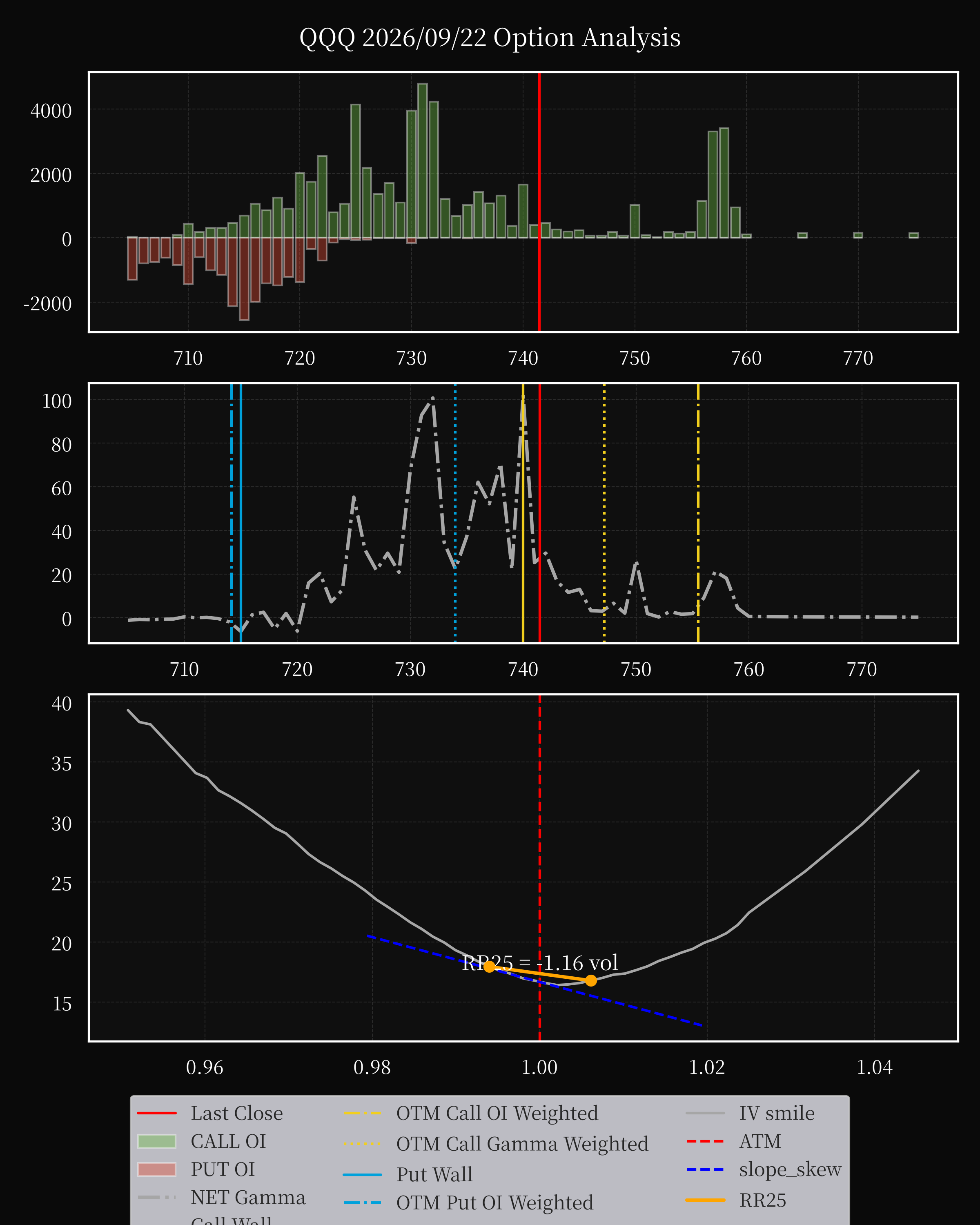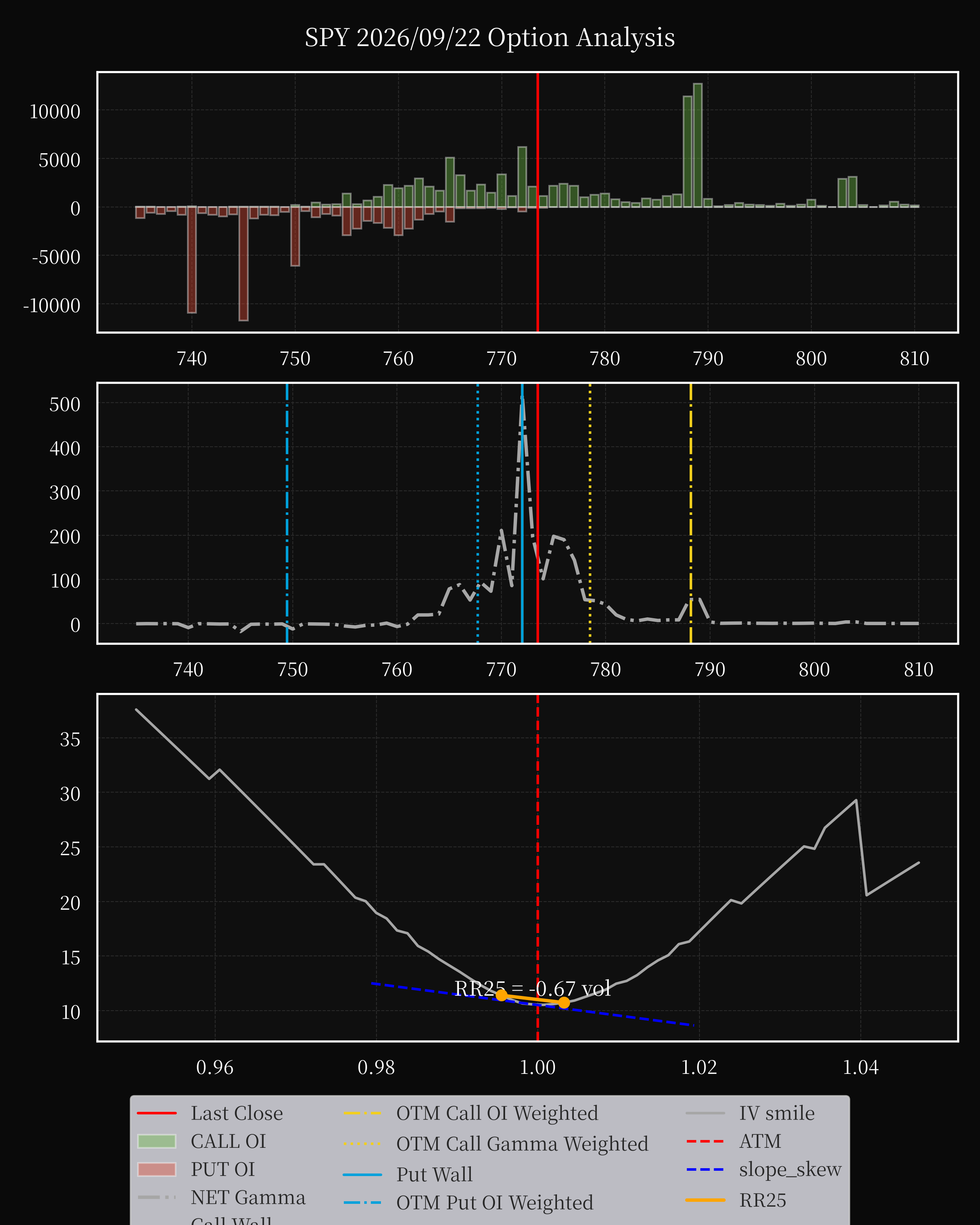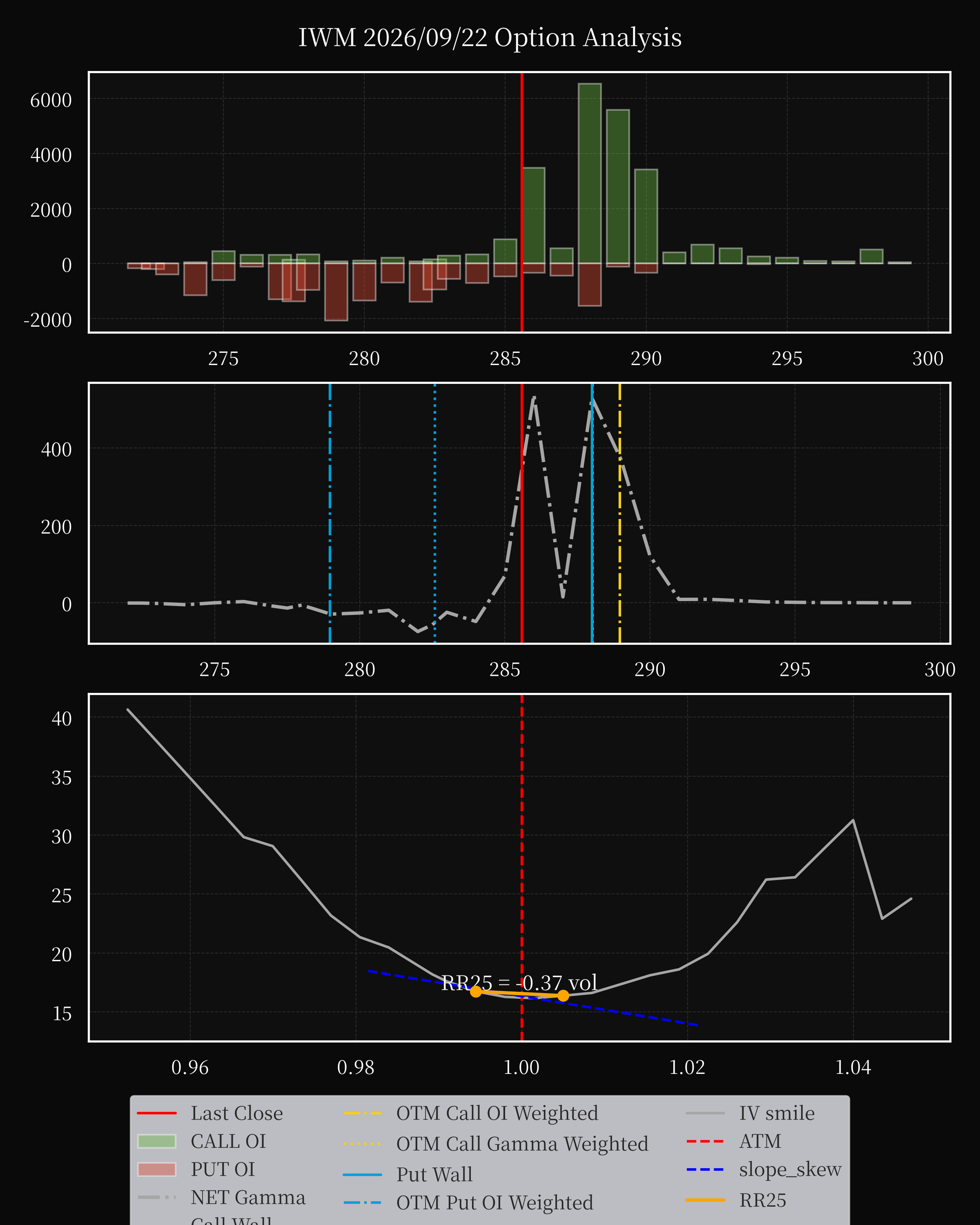
Overall
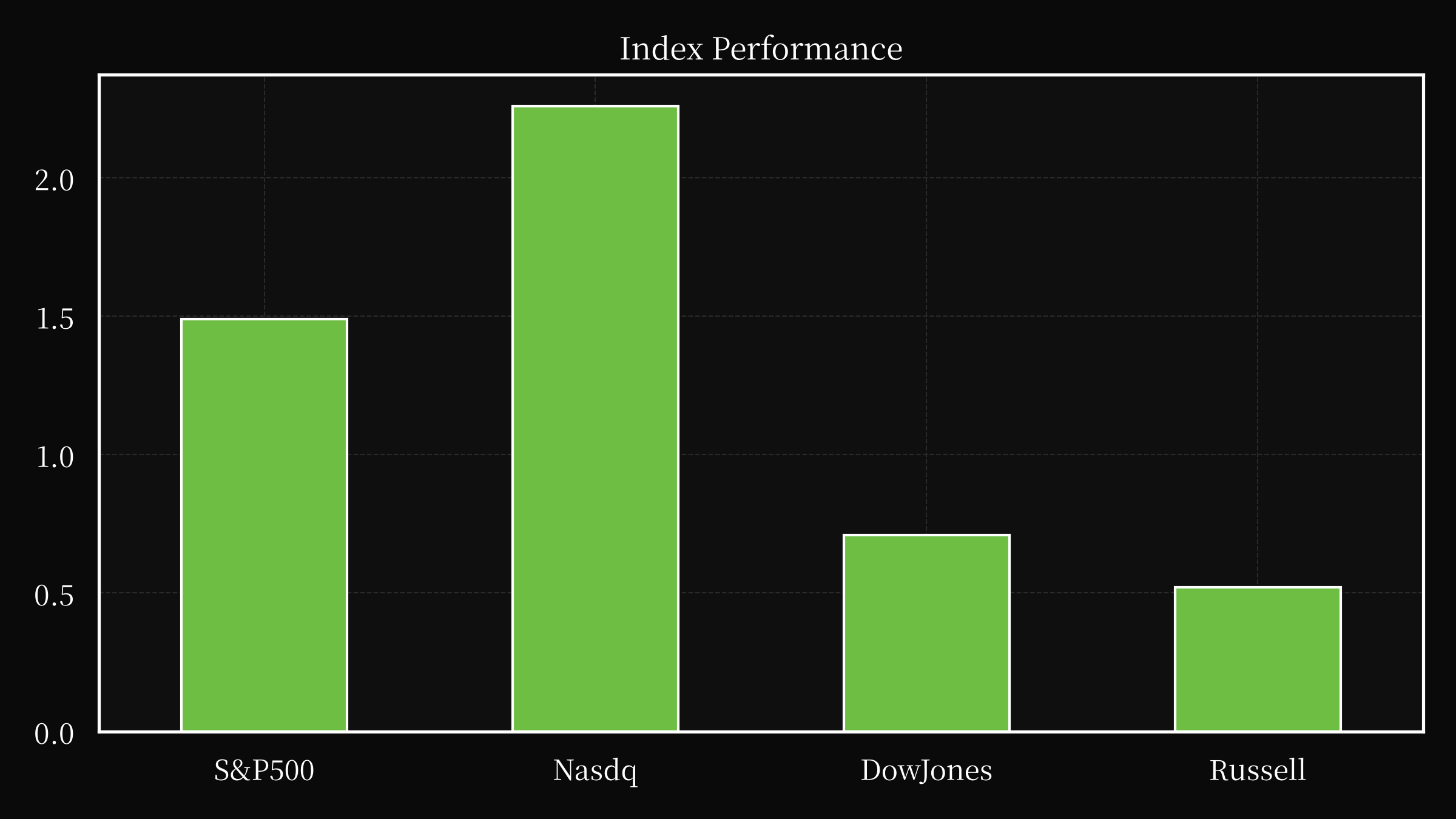
The market closed on a note of cautious optimism, driven by a confluence of regulatory resolutions, strategic corporate maneuvers, and sector-specific catalysts. Paramount’s settlement with state antitrust attorneys general cleared a critical path for its $81 billion merger with Warner Bros. Discovery, a deal poised to redefine the contours of global media and entertainment. The agreement, which avoids forced divestitures of cable assets, reflects a nuanced compromise between regulatory scrutiny and corporate ambition. This resolution, while enabling a transformative consolidation, also underscores the evolving dynamics of antitrust enforcement in an era where media convergence blurs traditional competitive boundaries. The immediate market reaction—a 3% decline in Paramount’s stock against a broader 1.5% gain in the S&P 500—highlights the dual forces of strategic progress and sectoral volatility.
The tech sector’s rally, fueled by AI-driven momentum, emerged as a counterbalance to broader market anxieties. Meta’s launch of Muse, its AI agent, catalyzed a surge in semiconductor stocks, with AMD, Intel, and the Philadelphia Semiconductor Index all posting significant gains. This rally, which pushed the Nasdaq Composite to its best performance since early August, illustrates the market’s enduring appetite for innovation in artificial intelligence and its downstream implications for hardware demand. The interplay between Meta’s AI advancements and the resulting demand for processing power underscores the sector’s role as a bellwether for technological progress. However, the euphoria also raises questions about valuation sustainability, particularly as companies like AMD cross $1 trillion in market capitalization amid heightened investor expectations.
Crude oil’s 3.5% decline to $100 per barrel, its steepest one-day drop since August, added another layer of complexity to market sentiment. The fall, driven by concerns over global demand and geopolitical uncertainties, contrasted sharply with the broader equity rally. Energy markets remain sensitive to macroeconomic signals, including the potential for U.S.-Iran diplomacy and the UN General Assembly’s agenda. The divergence between equity gains and energy sector weakness highlights the fragmented nature of current market drivers, where tech optimism coexists with traditional energy risks. For investors, this duality necessitates a granular approach to portfolio allocation, balancing growth-oriented tech positions with hedging against commodity volatility.
The uranium enrichment sector, though less prominent, revealed structural shifts in global energy strategies. With only two non-Russian, non-Chinese companies—Centrus Energy and its European counterparts—holding enrichment capacity, the market faces a potential realignment as geopolitical tensions persist. The U.S. government’s role in facilitating such capabilities, particularly amid rising nuclear proliferation concerns, could alter the competitive landscape. For investors, this underscores the importance of monitoring regulatory and geopolitical developments that may indirectly influence sectoral performance.
Regulatory and political developments further complicated the market’s trajectory. The Federal Reserve’s emphasis on testing “kill switches” for autonomous AI agents signals growing institutional awareness of systemic risks posed by AI-driven financial instruments. Meanwhile, the U.S. government’s stance on Iran, including observed oil loadings and potential diplomatic engagement, introduced a layer of uncertainty into commodity markets. These factors, though not directly tied to equity performance, influence investor behavior and risk appetite, reinforcing the need for a holistic view of macroeconomic forces.
The interplay between corporate strategy and regulatory frameworks also manifested in the real estate and retail sectors. The collapse of Silicon Valley Bank and the subsequent struggles of regional banks highlighted vulnerabilities in the financial system, even as tech giants thrived. Meanwhile, retail stocks like UPS faced headwinds from slowed Amazon shipments, illustrating the fragility of supply chain dynamics in a post-pandemic economy. These sector-specific challenges underscore the necessity of diversification, as no single market narrative dominates across all asset classes.
In the broader context, the market’s resilience amid mixed signals—antitrust resolutions, tech-driven gains, and energy sector headwinds—reflects its capacity to absorb divergent influences. However, the underlying tension between innovation and regulation, growth and risk, remains unresolved. For investors, this environment demands a strategic recalibration, prioritizing adaptability over short-term gains. The lessons from today’s moves—whether in the form of Paramount’s merger, Meta’s AI bets, or oil’s volatility—emphasize the importance of monitoring both macroeconomic trends and micro-level disruptions.
The role of artificial intelligence in shaping market outcomes cannot be overstated. From Meta’s AI agent driving semiconductor demand to Bloomberg’s analysis of autonomous trading risks, the technology’s dual role as both a catalyst and a disruptor is evident. As AI continues to permeate financial systems, its impact on market efficiency, liquidity, and volatility will only intensify. Investors must therefore grapple with the implications of algorithmic decision-making, ensuring that portfolios are structured to navigate both the opportunities and the perils of an increasingly automated financial landscape.
Finally, the geopolitical dimension of market movements cannot be ignored. The U.S.-Iran dynamic, the UN’s role in global diplomacy, and the broader implications of energy policy all intersect with financial markets in ways that defy simplistic analysis. For instance, the potential for a U.S.-Iran meeting at the UN General Assembly introduces a variable that could alter oil prices and, by extension, equity valuations. Similarly, the strategic partnerships between sovereign wealth funds and global financial institutions highlight the growing influence of non-traditional actors in shaping market outcomes. These factors demand a proactive approach to risk management, where geopolitical intelligence is as critical as financial modeling.
In conclusion, today’s market movements reflect a complex interplay of corporate strategy, technological innovation, regulatory evolution, and geopolitical uncertainty. The resolution of Paramount’s antitrust issues, the AI-driven surge in tech stocks, and the energy sector’s volatility collectively illustrate the market’s capacity to adapt to multifaceted challenges. However, the absence of a unified narrative underscores the necessity of a nuanced, forward-looking perspective. Investors must remain vigilant, recognizing that the forces shaping today’s markets will continue to evolve, demanding both agility and discipline in portfolio management. The path forward is not linear, but the ability to synthesize these dynamics into actionable insights will define success in this era of rapid transformation.
The market’s response to these developments also reveals the enduring influence of behavioral finance. The rush to buy AI-related stocks, the cautious exit from Paramount, and the muted reaction to oil price declines all reflect psychological biases and herd behavior. These patterns, while predictable in hindsight, complicate the task of constructing resilient portfolios. Investors must therefore balance quantitative analysis with an understanding of human behavior, recognizing that market outcomes are as much about sentiment as they are about fundamentals.
Moreover, the role of institutional investors in shaping market dynamics cannot be overlooked. The actions of large asset managers, hedge funds, and central banks—whether through passive indexing, active trading, or policy interventions—exert a profound influence on price discovery. For example, the Federal Reserve’s focus on AI-related systemic risks may lead to regulatory adjustments that alter the competitive landscape for tech firms. Similarly, the potential for a U.S.-Iran meeting could trigger a reevaluation of energy price forecasts, impacting sectors ranging from airlines to manufacturing. These interdependencies highlight the need for a systems-level approach to investing, where macroeconomic trends and micro-level events are analyzed in tandem.
The implications of these trends extend beyond individual portfolios to broader economic stability. The concentration of market power in tech giants, the geopolitical risks tied to energy security, and the regulatory challenges posed by AI all contribute to a landscape where systemic risks are increasingly intertwined. For policymakers and investors alike, this necessitates a reexamination of traditional risk management frameworks, incorporating scenario analysis and stress testing to account for non-linear outcomes. The goal is not merely to navigate the present but to anticipate the next phase of market evolution.
In essence, today’s market movements serve as a microcosm of the broader forces shaping the global economy. The interplay between innovation and regulation, growth and stability, and local and global factors creates a tapestry of opportunities and challenges. For those capable of deciphering this complexity, the path forward is clear: invest with a long-term perspective, remain adaptable to shifting conditions, and recognize that the only constant in financial markets is change. The lessons of this day—whether in the form of a merger, a technological breakthrough, or a geopolitical development—will inform the strategies of tomorrow, reinforcing the imperative of continuous learning and strategic foresight.
The market’s resilience amid mixed signals is a testament to its capacity to absorb divergent influences. While the Paramount-Warner merger represents a significant milestone, its impact is tempered by sector-specific headwinds and macroeconomic uncertainties. The tech sector’s rally, though robust, is not immune to valuation concerns or the potential for a correction if AI adoption fails to meet expectations. Similarly, the energy sector’s volatility underscores the fragility of commodity markets in the face of geopolitical and environmental pressures. These dynamics collectively illustrate the necessity of a diversified approach, where no single asset class or sector dominates the portfolio.
Ultimately, the market’s response to today’s events reflects a broader narrative of transformation. The convergence of technological advancement, regulatory scrutiny, and geopolitical realignment is redefining the rules of engagement for investors. Those who can navigate this complexity—by combining rigorous analysis with strategic agility—will be best positioned to capitalize on emerging opportunities while mitigating risks. The path forward is not without challenges, but it is also rich with potential, offering a canvas for those willing to engage with the evolving realities of global finance. The lesson is clear: in an era of unprecedented change, adaptability is not just an advantage—it is a necessity.
Watch List
AVTR
This Letter Agreement outlines the employment terms for Todd Garner with VWR Management Services, LLC (representing Avantor, Inc. and its affiliates), effective immediately. As a key employee, Garner is eligible for severance benefits under Avantor’s newly adopted Executive Severance and Change in Control Plan, which is enclosed. The agreement emphasizes the protection of Avantor’s confidential information, including trade secrets, business strategies, and customer data, and restricts Garner from competing with Avantor for a specified period following termination. Specifically, Garner is obligated to refrain from providing services to competitors, soliciting Avantor’s customers or business partners, or disclosing confidential information. He must also comply with restrictive covenants regarding the use of Avantor’s assets and cooperate with the company in any legal proceedings. The agreement includes provisions regarding the handling of trade secrets, including permitted disclosures and restrictions on disparaging Avantor. Furthermore, Garner acknowledges the importance of maintaining Avantor’s business relationships and agrees to notify Avantor if he becomes aware of any unauthorized use or disclosure of confidential information. The agreement is governed by Pennsylvania law and outlines specific remedies, including injunctive relief, in the event of a breach. Garner’s acceptance of this agreement is contingent on his understanding and acknowledgment of the plan’s terms, and he must execute the Restrictive Covenant Agreement to finalize the arrangement.
CUE
Cue Biopharma, Inc. announced positive topline results from a Phase 2 clinical trial evaluating CUE-221, its investigational treatment for Chronic Spontaneous Urticaria (CSU), conducted in China. The trial, involving 145 participants with moderate to severe CSU, demonstrated dose-responsive efficacy with the 4 mg/kg subcutaneous dose achieving statistical significance in achieving HSS7=0 at week 12 and UAS7=0 at week 12. Notably, clinically meaningful benefits were maintained for up to 12 weeks off treatment at the 4 mg/kg dose. The study also revealed a significant difference in complete resolution of hives compared to omalizumab, suggesting a potentially distinct mechanism of action. The trial exhibited a favorable safety profile with no serious adverse events or hypersensitivity reactions reported. These findings support continued development of CUE-221 for CSU and have prompted Cue Biopharma to move forward with plans for a Phase 2b/3 trial in CSU and a Phase 2 clinical trial in food allergy, with an IND submission to the FDA already underway for food allergy. The company anticipates further clinical data will be presented, and investors are advised that these statements are forward-looking and subject to change.
ASST
Strive, Inc. announced on September 21, 2026, that it purchased 1,355 bitcoins between September 14th and September 18th, 2026, at an average price of approximately $79,475 per coin, including associated fees and expenses. Alongside this significant bitcoin acquisition, the company also provided an update on its overall asset holdings, including adjustments to cash, bitcoin, STRC Stock, and SATA Stock. The filing includes a standard cautionary statement acknowledging potential risks to the company’s future performance, encompassing legal proceedings, management distraction, potential dilution from share issuances, adverse client reactions, and unforeseen factors. These risks highlight the inherent uncertainties surrounding Strive’s investments, particularly its holdings in digital assets and preferred stock. Investors are advised to consult Strive’s 10-K report for a more comprehensive understanding of these risks and the company’s forward-looking statements, which are subject to change based on evolving circumstances and market conditions.
QSEA
Please provide me with the 6-K or 8-K content from the SEC Filing that you want me to summarize. I need the text of the filing to be able to fulfill your request. 😊 Once you paste the content here, I will summarize it into a fluent paragraph of no more than 300 words, avoiding lists and subtitles.
PTCT
PTC Therapeutics, Inc. recently finalized its acquisition of ST-920, a promising one-time AAV gene therapy for Fabry disease, from Sangamo Therapeutics, Inc., as announced in a press release furnished as Exhibit 99.1 to this Form 8-K. The deal culminates a previously announced agreement and positions PTC to pursue accelerated approval of ST-920 with the U.S. Food and Drug Administration. Based on positive results from the Phase 1/2 STAAR study, which demonstrated meaningful improvements in renal function and a favorable safety profile over 52 weeks, PTC intends to submit a rolling biologics license application by the fourth quarter of 2026. Furthermore, the company plans to seek regulatory approvals for ST-920 in international markets beyond the United States, signaling a significant advancement in the treatment of Fabry disease.
ALKS
Alkermes plc announced positive topline results from a Phase 1 study evaluating its investigational drug, ALKS 7290, a novel orexin 2 receptor agonist, for the treatment of attention-deficit hyperactivity disorder (ADHD) on September 21, 2026. The study demonstrated proof-of-concept for the potential of ALKS 7290 in addressing ADHD. This announcement was communicated through a press release furnished as Exhibit 99.1, which is incorporated into this Form 8-K filing. The results represent a significant step forward in Alkermes’ development pipeline and highlight the company’s ongoing efforts to develop innovative therapies for neurological and psychiatric disorders. Further details regarding the study’s methodology and findings are available in the accompanying press release.
LOMA
Please provide me with the 6-K or 8-K content from the SEC Filing regarding LOMA NEGRA COMPAÑÍA INDUSTRIAL ARGENTINA SOCIEDAD ANÓNIMA. I need the text of the filing to be able to summarize it for you into a fluent paragraph of no more than 300 words. Once you paste the content here, I’ll be happy to fulfill your request.
NAMS
NewAmsterdam Pharma Company N.V. and its partner, Menarini Group, have achieved a significant milestone with the European Commission’s (EC) approval of Ubeslo (obicetrapib 10 mg monotherapy) and Evlarco (obicetrapib 10 mg plus ezetimibe FDC) for treating primary hypercholesterolemia and mixed dyslipidemia across all EU Member States, as well as Iceland, Liechtenstein, and Norway. This marks the first global regulatory approval of obicetrapib, a novel drug designed to lower low-density lipoprotein cholesterol. The approvals are contingent upon ongoing post-approval safety monitoring and require NewAmsterdam to share data from its PREVAIL cardiovascular outcomes trial, a key study evaluating obicetrapib’s efficacy as an adjunct to existing lipid-lowering therapies. Under a licensing agreement, Menarini holds exclusive commercialization rights in Europe, while NewAmsterdam receives tiered royalties ranging from the low double-digits to the mid-twenties on net sales, alongside a potential €833 million in milestone payments triggered by regulatory and commercial achievements. This approval represents a crucial step in bringing this innovative treatment option to patients with cardiovascular disease.
TLX
Telix Pharmaceuticals and ITM Holdings are merging to create a differentiated, vertically integrated radiopharmaceutical company poised for significant growth in the rapidly expanding market for radioisotopes. The combined entity, valued at approximately $5.3 billion, aims to leverage Telix’s commercial expertise and ITM’s advanced manufacturing platform to deliver innovative therapies, particularly in neuroendocrine tumors (NETs). Key aspects of the merger include ITM’s best-in-class radioisotope manufacturing capabilities, securing supply of lutetium-177 and expanding into actinium-225 and terbium-161, and ITM-11, a novel SSTR-targeted radiopharmaceutical for GEP-NETs, which is expected to accelerate commercial entry. Telix will benefit from ITM’s scale, supply chain control, and R&D platform. The combined company anticipates significant revenue growth, projected at $1.077 billion by 2035, driven by increasing demand for radioisotopes – forecast to reach $2.1 billion by 2035 – and fueled by ITM’s proven growth platform. The merger strengthens Telix’s growth strategy with a robust therapeutic pipeline, a commercial precision medicine business, and enhanced supply chain security. ITM’s unique manufacturing capabilities, including its exclusive access to non-restricted ytterbium-176 and specialized irradiation capacity, are central to this strategy. While the transaction presents risks, including potential delays in milestone achievement and operational disruptions, Telix is mitigating these through indemnity structures and a focus on key personnel retention. The combined group is well-positioned to capitalize on the growing market for radioisotopes and deliver long-term value.
EQX
Equinox Gold has announced its decision to redeem all $172.5 million outstanding 4.75% Convertible Senior Notes due in October 2028. The company, which issued the notes in September 2023, will redeem the notes on October 20, 2026, following a conversion period ending at 5:00 p.m. New York City time on October 19, 2026. Holders will receive 100% of the outstanding principal amount plus accrued interest, totaling approximately $1,000.66 per $1,000 note. This redemption action is part of Equinox Gold’s capital markets strategy, overseen by Chief Capital Markets Officer Etienne Morin and SVP Capital Markets Ingrid Rico. As part of the redemption, up to 28,475,124 common shares could be issued, representing roughly 2.44% of the company’s existing shares outstanding. The company emphasized that forward-looking information, including this announcement, is subject to risks and uncertainties, and actual results may differ materially from projections. Investors are advised to carefully review the full details of the filing on EDGAR for a comprehensive understanding of the transaction and its potential impact.
IAN Financial Vision is an AI-native financial research platform combining proprietary knowledge graphs, quantitative valuation models, and large language models to generate point-in-time investment research. All reports are produced using a structured research workflow with human review prior to publication..