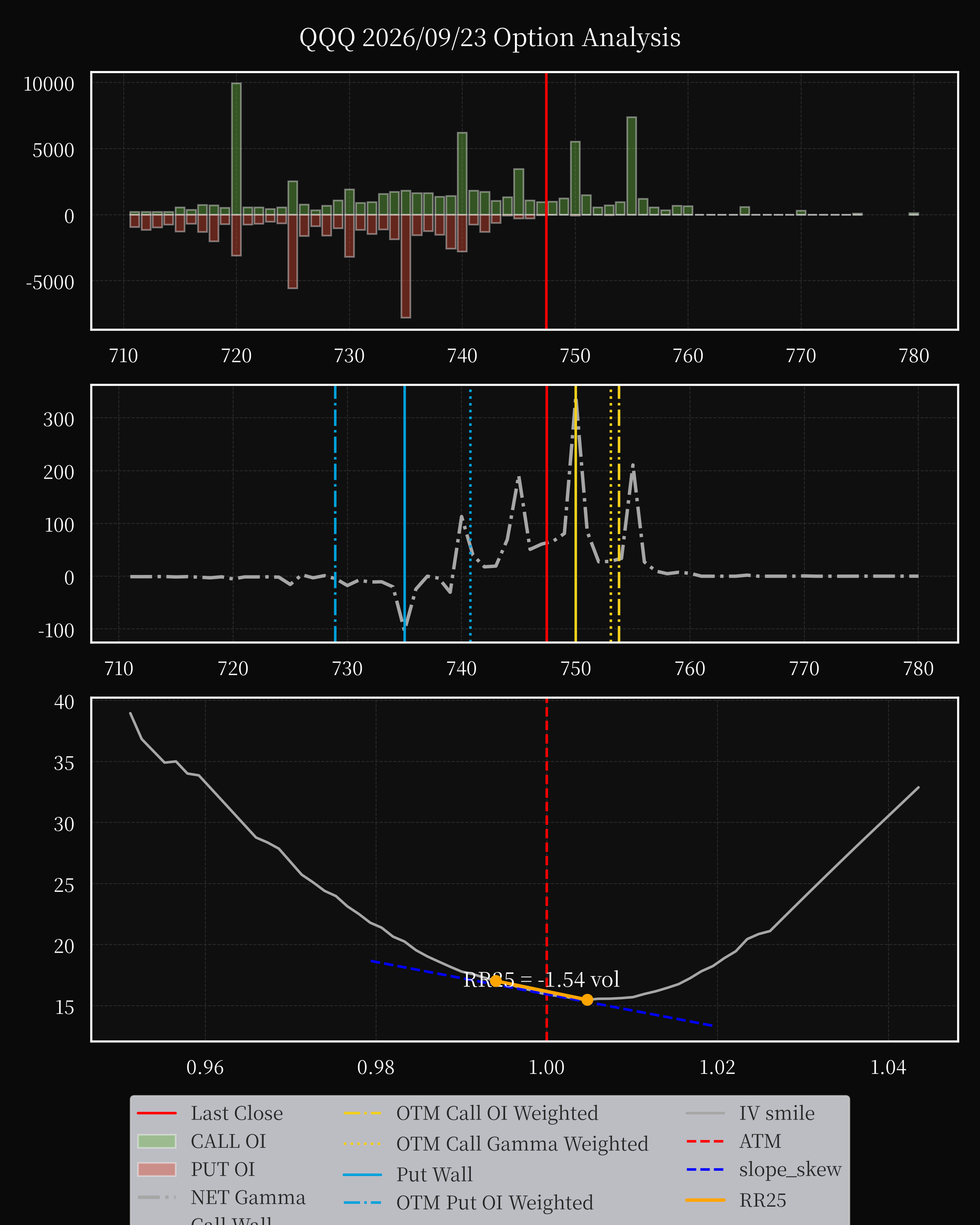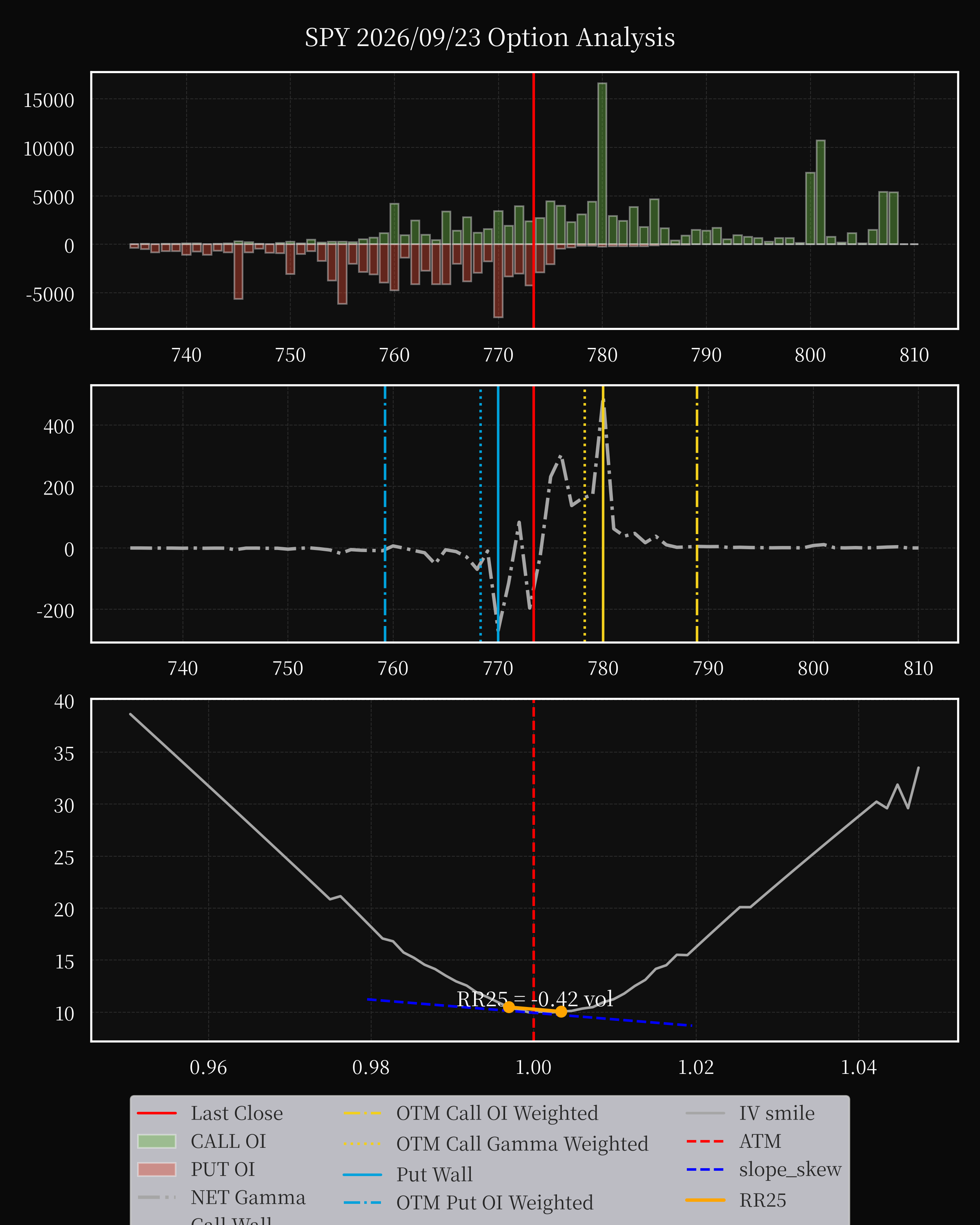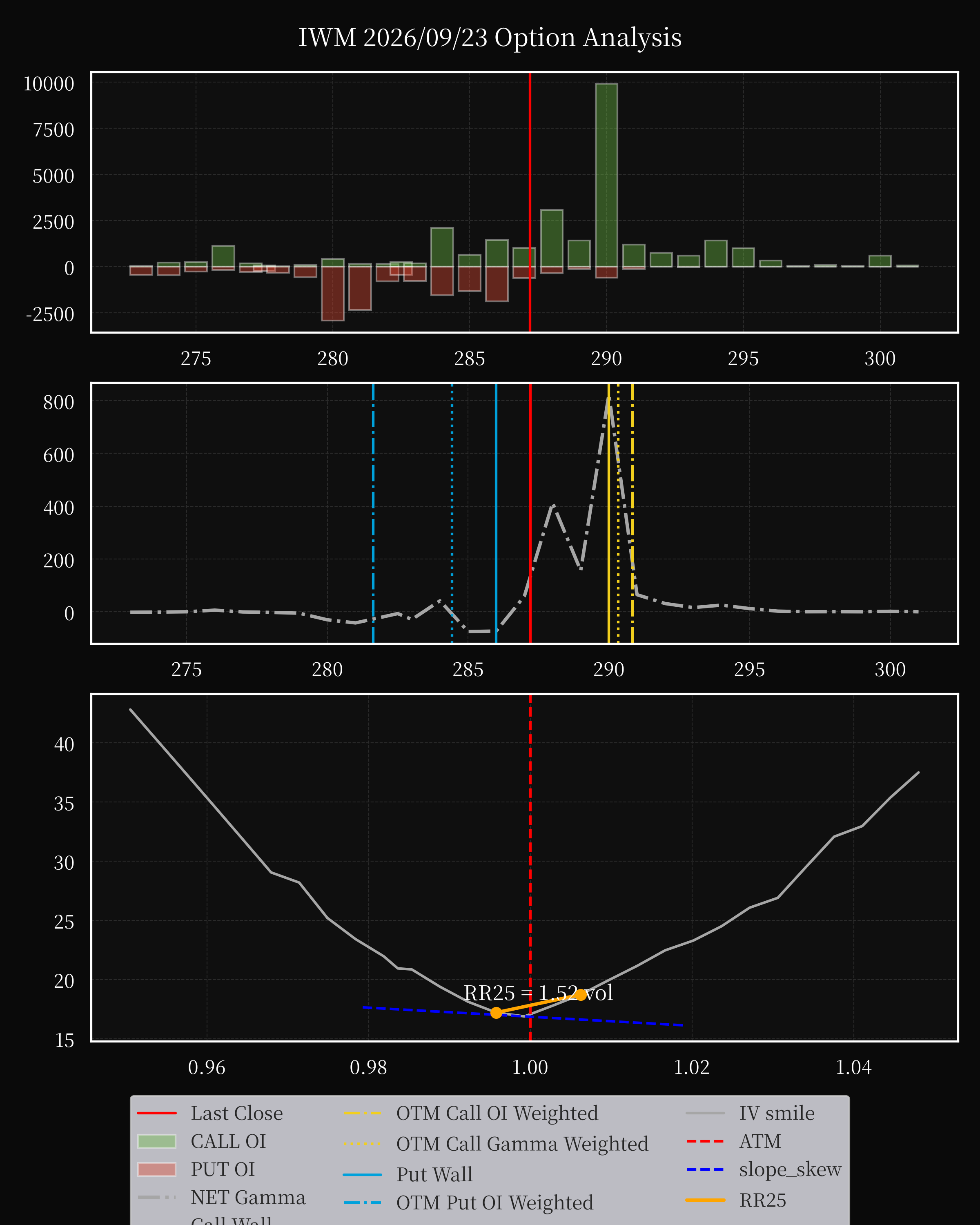
Overall
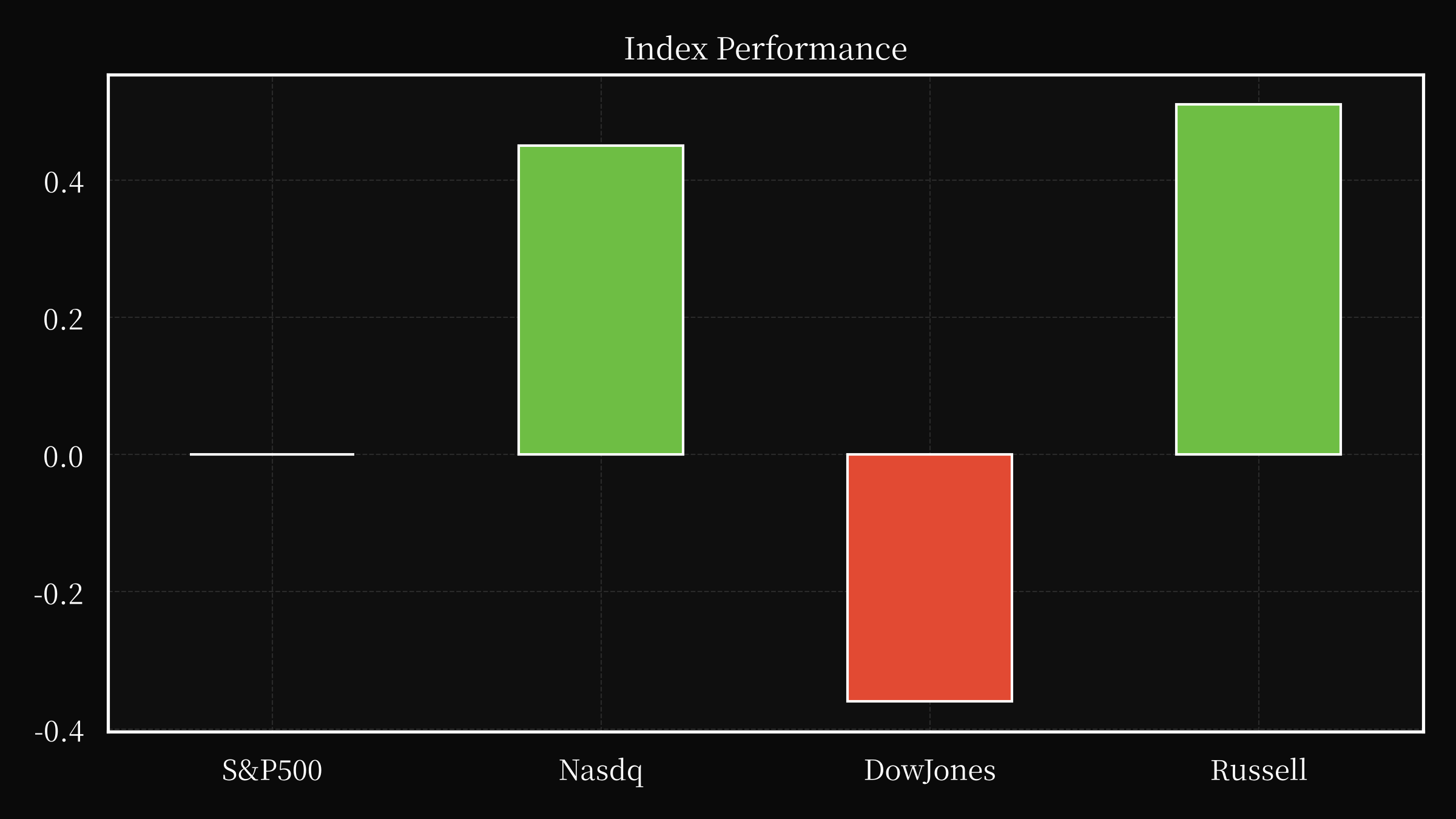
The global equity markets experienced pronounced volatility on Tuesday, September 22, shaped by a confluence of geopolitical tensions, macroeconomic uncertainty, and sector-specific developments that collectively challenged investor sentiment. The S&P 500, while broadly stable, failed to generate meaningful momentum as risk-off positioning intensified amid escalating concerns over artificial intelligence (AI) regulation, Middle East instability, and the specter of further monetary tightening from the Federal Reserve. The Nasdaq Composite, despite its historical resilience, posted only modest gains, reflecting the fragility of growth stocks when faced with deteriorating macro conditions. Meanwhile, the Dow Jones Industrial Average, already under pressure from earlier losses, closed further down, underscoring the breadth of weakness across industrial and cyclical sectors.
Oil prices, a critical barometer for inflation and economic growth, delivered a dramatic negative shock to markets when Brent crude futures closed below the $100 per barrel threshold, settling at $99.25. This marked the fifth consecutive day of declines for the benchmark, driven primarily by President Donald Trump’s renewed threats to Iran and the potential for renewed conflict in the Strait of Hormuz. Trump’s remarks at the United Nations, in which he threatened to “annihilate” Iran, compounded existing geopolitical risk premiums embedded in crude valuations. The timing was particularly consequential given that oil markets had previously absorbed the impact of OPEC+ production cuts and lingering supply concerns from Middle East hostilities. The sharp drop in oil prices not only weighed on energy majors but also reverberated through broader market sentiment, amplifying risk aversion among investors.
The equity market’s sensitivity to geopolitical risk was further magnified by the unfolding impact of AI-related regulatory and technological developments. Meta’s Muse, the company’s nascent artificial intelligence agent, triggered significant sell-offs across financial intermediaries, particularly banks and brokerages. The AI offering, intended to automate customer interactions and decision-making processes, raised alarms about potential disintermediation in traditional financial services. Banks such as Wells Fargo saw notable declines as investors reassessed the competitive threat posed by AI-enabled platforms. The broader market reaction highlighted the persistent vulnerability of legacy financial institutions to technological disruption, particularly when such innovations promise to accelerate efficiency gains and compress fee structures.
In parallel, the banking sector faced additional headwinds from heightened regulatory scrutiny and the fallout from high-profile corporate governance controversies. The resignation of Charles Schwab, precipitated by Meta’s Muse announcement, underscored the fragility of executive confidence in the face of rapid technological change. The episode also reignited debates about the long-term viability of traditional banking models, especially as fintech and AI-driven platforms continue to erode customer loyalty and operational margins. The sector’s underperformance was further exacerbated by broader concerns about systemic risk, including the potential for further credit tightening and the implications of rising interest rates on loan portfolios.
The homebuilding sector, meanwhile, emerged as an unexpected bright spot amid broader market weakness. Lennar Corporation, a leading U.S. homebuilder, surged more than 6% following Berkshire Hathaway’s announcement of an increased equity stake, bringing its ownership to approximately 10%. The move was interpreted as a vote of confidence in the housing market’s resilience despite elevated mortgage rates and persistent affordability challenges. Lennar’s outperformance contrasted sharply with the broader real estate investment trust (REIT) universe, which faced headwinds from higher borrowing costs and slowing demand for commercial properties. The divergence illustrated the nuanced nature of sectoral dynamics within the broader economy, where certain segments—particularly those tied to domestic demand and capital formation—retained relative strength even as others faltered.
Beyond individual stocks, the broader macroeconomic backdrop remained fraught with uncertainty. The Federal Reserve’s stance on inflation and monetary policy continued to evolve, with officials signaling that inflation risks persisted despite recent data suggesting moderation. Federal Reserve Governor Michael Barr’s remarks, delivered alongside the market’s closing bell, emphasized the central bank’s commitment to price stability while acknowledging the complexities of navigating a post-pandemic recovery. The Fed’s dual mandate—balancing employment objectives against inflationary pressures—remained a focal point for investors, particularly as labor market data softened and wage growth showed signs of deceleration. The interplay between monetary policy and fiscal stimulus, especially in light of expiring pandemic-era subsidies, added further layers of complexity to market expectations.
The bond market also reflected the prevailing risk-off environment, with the U.S. 10-year Treasury yield hovering near 4.96%, up modestly from prior levels. While bond prices typically serve as a hedge during equity sell-offs, the yield’s upward trajectory signaled growing caution among institutional investors regarding the sustainability of economic growth and the potential for more aggressive Fed tightening. The 10-year yield’s movement was closely watched for its implications on mortgage rates, corporate borrowing costs, and the valuation dynamics of interest-rate-sensitive sectors such as utilities and real estate.
In the technology space, Nvidia’s stock continued its meteoric rise, trading near decade lows despite robust revenue and earnings growth. The company’s valuation multiple, now under 17x expected earnings over the next 12 months, reflected both optimism about its dominance in the AI chip market and skepticism regarding the durability of its growth trajectory. Analysts noted that Nvidia’s valuation compression was symptomatic of broader market concerns about whether its current profitability could be sustained amid intensifying competition and potential market saturation. The stock’s performance underscored the bifurcated nature of the technology sector, where leaders in foundational technologies command premium valuations but face heightened scrutiny over growth sustainability.
The healthcare sector, meanwhile, became the focal point of political controversy as the Department of Health and Human Services announced the termination of coverage for hundreds of thousands of Americans allegedly enrolled in the Affordable Care Act (ACA) through questionable or fraudulent claims. The decision, framed by the administration as a cost-saving measure, ignited fierce criticism from consumer advocates and industry stakeholders who warned of widespread disruptions to access and affordability. The policy shift, occurring against a backdrop of already strained healthcare affordability and rising premiums, highlighted the enduring political polarization surrounding healthcare reform and its implications for corporate earnings and consumer sentiment.
Corporate governance and executive leadership issues further compounded market uncertainty. The abrupt resignation of Charles Schwab, triggered by Meta’s Muse announcement, served as a microcosm of broader challenges facing traditional financial institutions. The episode illustrated how rapid technological change could destabilize entrenched business models and erode executive confidence, particularly when legacy firms struggle to adapt to digital transformation. The fallout also raised questions about succession planning and the capacity of large organizations to respond to disruptive innovation without sacrificing operational continuity.
Looking ahead, investors were confronted with a landscape marked by heightened volatility and divergent sectoral performance. The interplay between geopolitical risk, monetary policy uncertainty, and technological disruption necessitated a cautious approach to portfolio construction. While certain segments such as homebuilding and select technology leaders demonstrated resilience, the broader market remained vulnerable to shocks stemming from policy shifts, regulatory developments, and evolving consumer preferences. The convergence of these factors underscored the importance of diversification and risk management in navigating an environment where traditional drivers of market behavior were increasingly supplanted by structural and idiosyncratic risks.
In summary, Tuesday’s market session was defined by a complex interplay of geopolitical tensions, macroeconomic uncertainty, and sector-specific developments that collectively challenged investor confidence. The sharp decline in oil prices, amplified by geopolitical threats, weighed heavily on equities, while the banking sector grappled with existential questions about its future in an AI-driven world. Conversely, the homebuilding sector’s relative strength offered a glimpse of resilience within an otherwise fragile economic backdrop. These dynamics, compounded by ongoing debates over healthcare policy and the evolving role of technology in financial services, painted a picture of a market navigating profound structural transitions amid persistent macro risks. Investors were left to weigh the relative attractiveness of defensive positioning against selective opportunities for growth, all while remaining vigilant to the unpredictable nature of global events and policy responses.
Watch List
VKTX
Viking Therapeutics, Inc. recently announced positive top-line results from a maintenance study evaluating its GLP-1/GIP agonist, VK2735. The study, detailed in a press release filed as Exhibit 99.1, demonstrated encouraging outcomes following the release. This news represents a significant milestone for Viking Therapeutics as it continues to develop its pipeline of innovative therapies. The results of the maintenance study bolster the potential of VK2735, a drug designed to address unmet medical needs. The company’s focus remains on advancing this promising treatment option, marking a key step in its overall strategy. This announcement underscores Viking Therapeutics’ commitment to delivering novel therapeutics and reinforces investor interest in the company’s progress.
ING
ING announced the repurchase of 1,350,000 shares totaling €43.1 million as part of its €1.0 billion share buyback program, bringing the total repurchased under the program to 27.7 million shares at an average price of €28.20, representing 78% of the total program value. These actions are aimed at reducing ING’s share capital, a key component of the buyback’s objective. The financial institution, a global player with a strong European base, operates ING Bank, focused on empowering customers and employing over 60,000 individuals across more than 100 countries. Notably, ING’s ESG performance has been recognized with an upgraded MSCI rating from ‘AA’ to ‘AAA’ in October 2025, alongside a ‘Strong’ ESG risk rating from Sustainalytics. ING Group’s financial reporting adheres to IFRS-EU standards, mirroring the principles used in its 2025 annual accounts. While figures are unaudited and subject to minor rounding, the company emphasizes that forward-looking statements are based on current information and are not guarantees, acknowledging potential external factors beyond its control. ING’s shares are also included in prominent sustainability indices, reflecting its commitment to integrating sustainability into its operations.
SDA
During fiscal year 2026, SunCar Technology Group Inc. (SunCar) reclassified costs associated with its cloud and AI platform development from other non-current assets to construction in progress. On July 18, 2025, the People’s Court of Songjiang District, Shanghai, ruled to revoke the equity transfer of SunCar Online to Shanghai Zanxing, ordering the restoration of ownership. This resulted in a reduction of SunCar’s equity interest in SunCar Online from 55.34% to 47.92% as of June 30, 2026, with the support of other shareholders holding 50.97% of the company. Despite this dispute, SunCar believes the outcome will not affect its control of SunCar Online. Furthermore, SunCar’s merger with Goldenbridge Acquisition Limited in 2023 was accounted for as a reverse recapitalization, recognizing the change in share structure from $0.00005 to $0.0001 per share, adjusting the difference of $3 as additional paid-in capital. The company’s revenue primarily stems from auto eInsurance services, technology services, and auto services, with a significant increase in EV insurance revenue in 2026. Key financial considerations include accounting estimates for credit losses, deferred tax assets, and useful lives of assets, which can significantly impact financial results. The company operates under PRC tax regulations, benefiting from preferential rates for high-tech enterprises. SunCar also manages its financial obligations, including outstanding debts to former parent company Shengda Group, and actively monitors market trends and potential inflationary pressures. The company’s financial performance is influenced by factors such as customer acquisition, service provider relationships, and ongoing research and development efforts focused on its technology platform.
AYTU
Aytu BioPharma announced strong fourth-quarter fiscal 2026 results, with net revenue increasing to $2.4 million, a significant rise from the prior year’s $1.6 million. The launch of EXXUA®, its novel antidepressant, continued to gain momentum, driven by over 13,000 prescriptions written and nearly 130,000 scripts dispensed, demonstrating increasing adoption across prescribers and geographies. Patient retention and conversion from titration packs to full prescriptions were also positive indicators. The company’s recently launched speaker programs are further boosting physician engagement. While the company remains focused on EXXUA’s rollout within the substantial $22 billion United States major depressive disorder (MDD) market, it also reported solid performance from its legacy ADHD and Pediatric portfolios, with net revenue increasing to $14.1 million and $2.2 million respectively, driven by improved economics and stable demand. The company addressed previous accounting issues related to derivative warrant liabilities, resulting in a net loss of less than $0.1 million, a significant improvement from the prior year’s loss of $1.3 million. Operating expenses increased due to increased commercialization investments in EXXUA, but the company’s disciplined approach and the profitability of its legacy portfolios continue to support its investment strategy. Looking ahead, Aytu remains optimistic about EXXUA’s trajectory and its ability to generate sustained growth, aiming for consistent positive Adjusted EBITDA levels as fiscal 2027 progresses.
GBX
The Greenbrier Companies, Inc., a leading producer of railcar equipment, announced today a significant surge in orders for new railcars, as detailed in a press release issued on September 22, 2026. While specific order values weren’t disclosed in the filing, the announcement signals strong demand within the rail industry, reflecting ongoing infrastructure investments and freight transportation needs. This news underscores The Greenbrier Companies’ continued position as a key supplier to major rail operators. The filing includes the Cover Page Interactive Data File, demonstrating the company’s commitment to transparency and facilitating efficient data analysis for investors and stakeholders. This order volume is expected to positively impact the company’s financial performance and reinforce its strategic focus on delivering robust solutions for the evolving rail landscape. Further details regarding the types and quantities of railcars ordered are anticipated to be released alongside the company’s upcoming financial reports.
HLI
Houlihan Lokey, Inc. held its annual stockholder meeting on September 16, 2026, where key decisions were made regarding the company’s governance and executive leadership. Stockholders approved the Second Amended and Restated 2016 Incentive Award Plan, a significant update to the existing plan, and elected Thomas Reichert to the Board of Directors, effective October 1, 2026. Mr. Reichert brings extensive experience from leadership roles at ERM, Insight Enterprises, and Boston Consulting Group, alongside his current role on the Insight Enterprises Audit Committee. He will also serve on the Audit and Nominating & Governance Committees. Simultaneously, Christopher M. Crain retired as General Counsel and transitioned to a Corporate Senior Advisor role, while Prabha Sipi Bhandari was appointed as Chief Legal Officer and Secretary, becoming an executive officer. The meeting also addressed shareholder proposals regarding director elections, executive compensation, and the ratification of the company’s independent auditor. As part of his appointment, Mr. Reichert received an initial restricted share award valued at $120,000, subject to vesting milestones. These changes reflect Houlihan Lokey’s ongoing efforts to strengthen its board and enhance its legal and governance structure.
SDST
Stardust Power Inc. has filed an amendment, Amendment No. 2, to its Prospectus Supplement, updating details surrounding a previously announced offering of its common stock. This amendment increases the maximum number of shares, known as Placement Shares, that the company intends to sell through a Sales Agreement finalized on April 16, 2026. The agreement, which was initially set at $3,038,436, has been expanded to potentially reach up to an additional $6,076,872 in Placement Shares. The company intends to execute the issuance and sale of these shares through a registration process, supported by a legal opinion from Thompson Hine LLP, which is filed as Exhibit 5.1 to this filing. Importantly, this report clarifies that the Form 8-K does not constitute an offer to sell or solicit offers for the stock, adhering to SEC regulations.
CPOP
Pop Culture Group Co., Ltd., based in Xiamen, China, announced on September 22, 2026, that it had finalized a share purchase agreement with an unnamed investor. The company intends to sell up to 665,000 Class A ordinary shares at a price of $3.00 per share through a registered direct offering. This transaction represents a capital raise for Pop Culture Group. The agreement outlines specific details, which are fully documented in Exhibit 10.1, attached to the Form 6-K filing. Importantly, the company’s filing clarifies that this announcement does not constitute an offer to sell shares nor a solicitation to purchase them, and no sales are anticipated to occur in compliance with relevant state and jurisdictional regulations.
IAN Financial Vision is an AI-native financial research platform combining proprietary knowledge graphs, quantitative valuation models, and large language models to generate point-in-time investment research. All reports are produced using a structured research workflow with human review prior to publication..