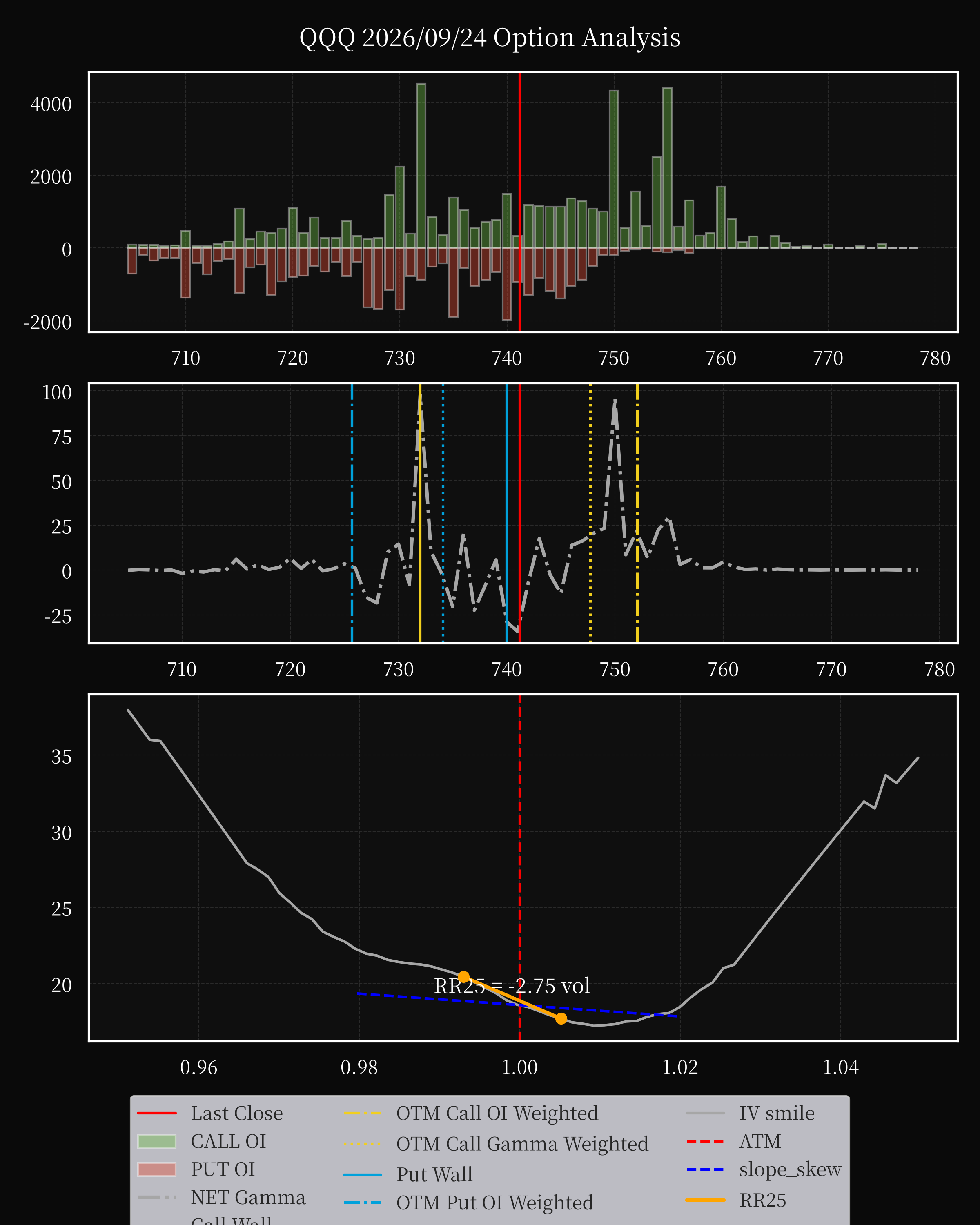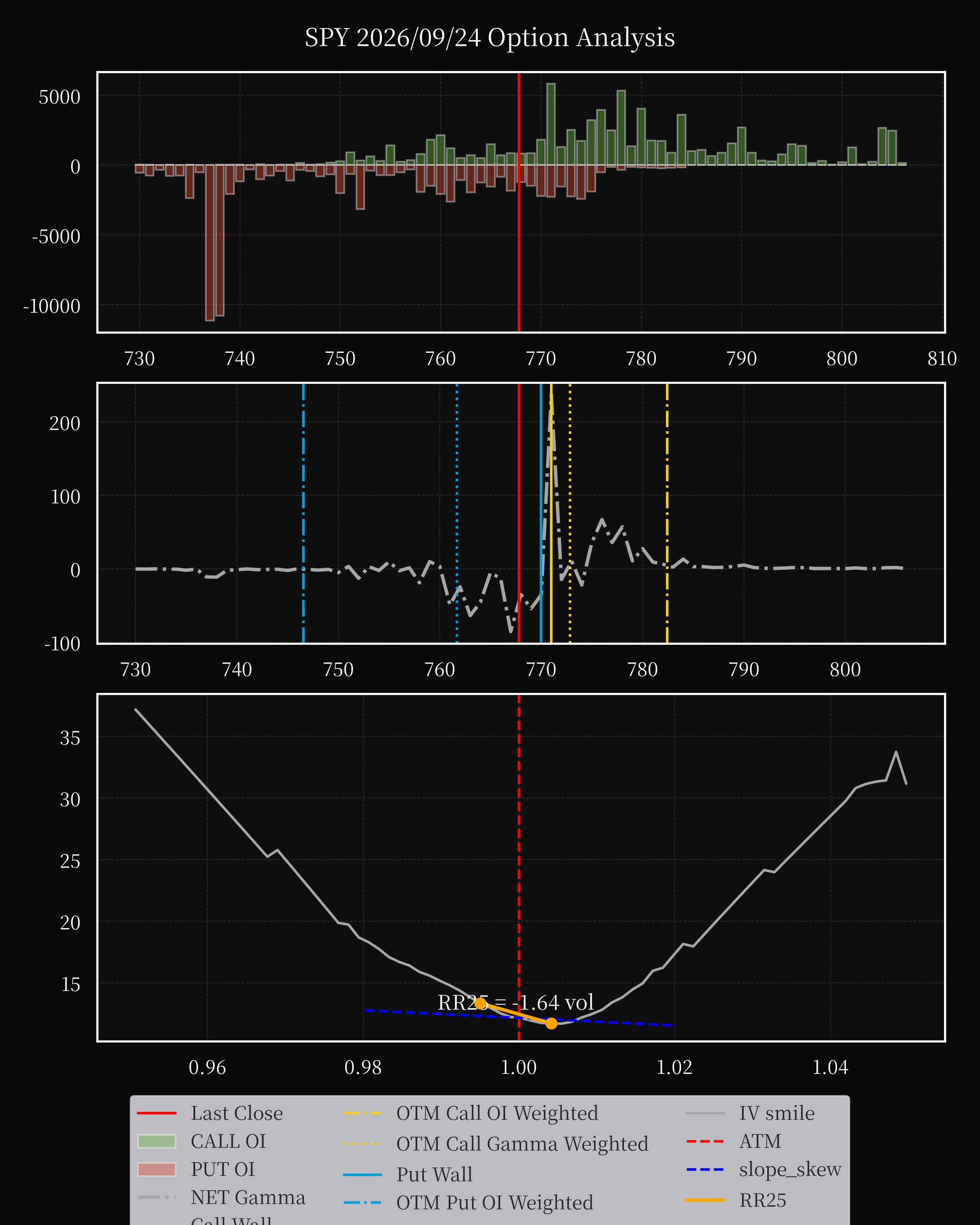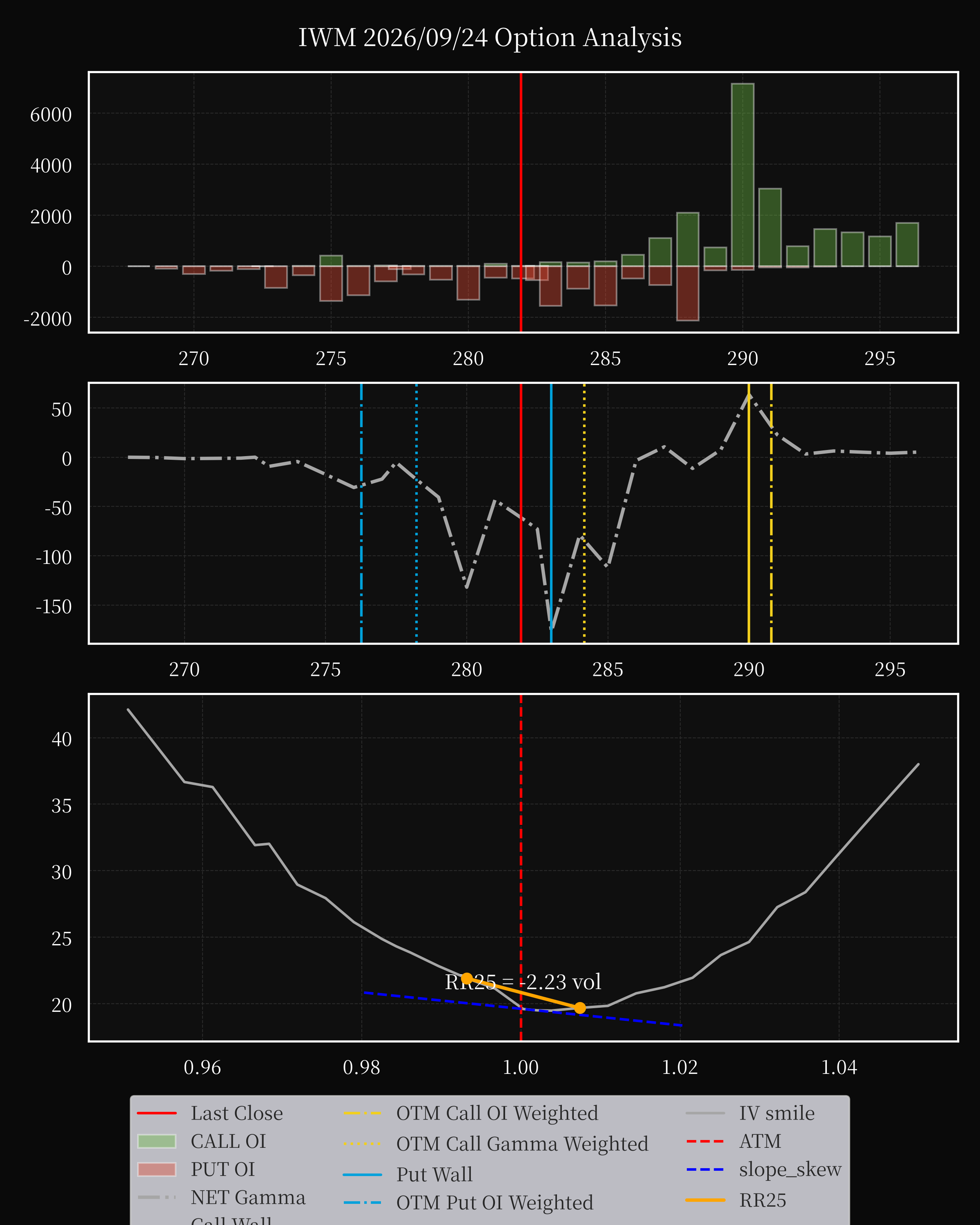
Overall
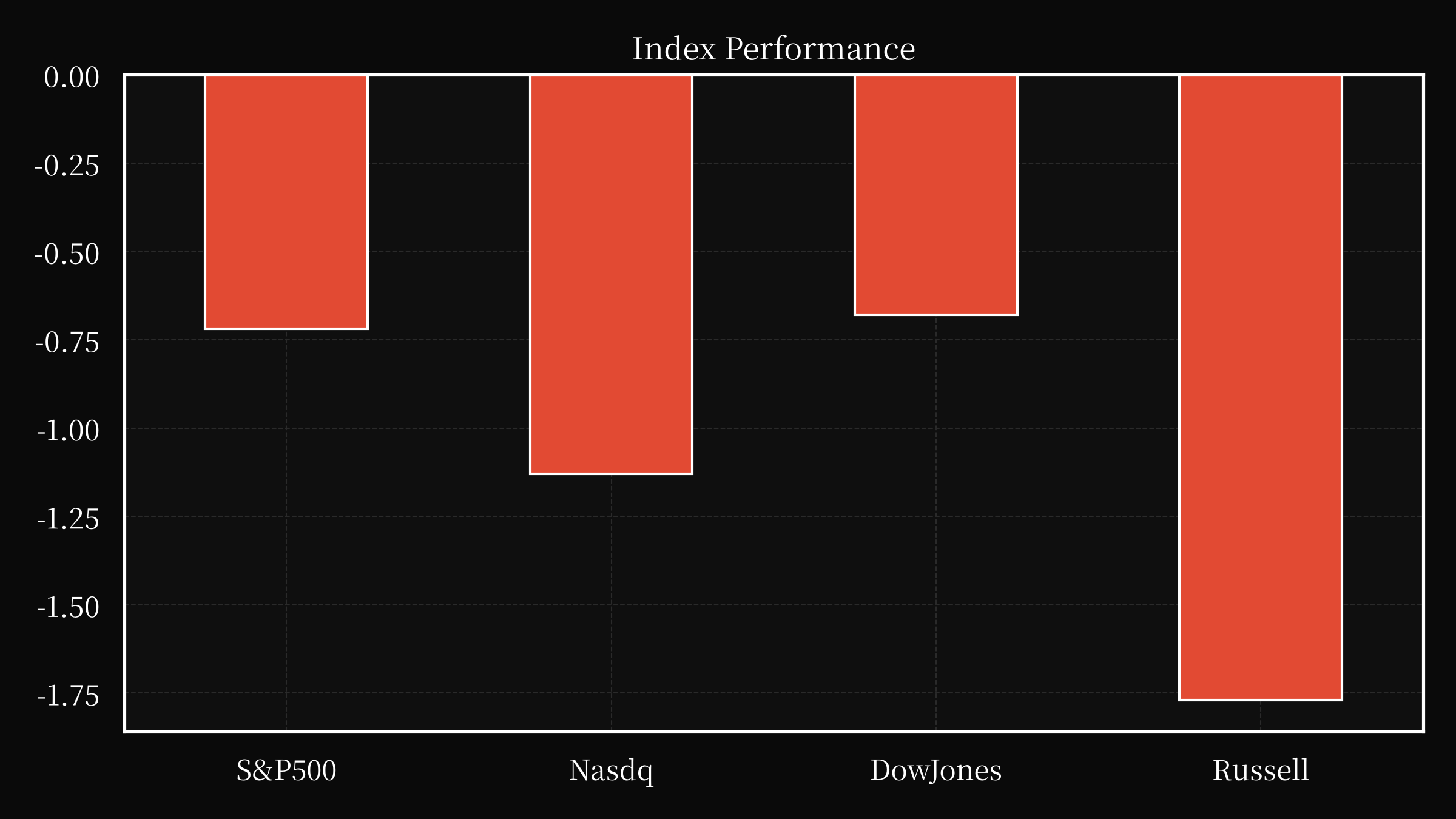
The bond market is experiencing a significant downturn, with yields surging to their highest levels in nearly two decades, driven by a confluence of factors including robust economic data, rising oil prices, and disappointing debt auction results. The 10-year Treasury yield, a critical benchmark for global fixed-income instruments, has climbed to 5.13%, up 17 basis points in a single day, marking its highest point since 2007. This steep rise reflects heightened expectations of further Federal Reserve rate hikes, as market participants digest fresh evidence of persistent inflationary pressures. The 30-year yield, trading near 5.4%, also approaches its longest-ever high, underscoring the market’s skepticism about the sustainability of current monetary policy.
The selloff began overseas, particularly in global bond markets, where investors are reassessing risk exposures amid shifting macroeconomic dynamics. As yields breached key psychological thresholds, the momentum turned self-reinforcing, with technical selling amplifying the decline. Subadra Rajappa, head of US research at Societe Generale, described the situation as a “meltdown,” noting that the initial trigger was foreign market volatility but that domestic factors have now exacerbated the crisis. The interplay between rising Treasury yields and a strengthening dollar has further complicated the landscape, as dollar-denominated assets become more attractive relative to equities and other alternatives.
Economic data has added fuel to the fire. Recent reports indicated stronger-than-expected manufacturing and services activity, suggesting that the US economy remains resilient despite inflationary headwinds. However, these gains are being overshadowed by the market’s focus on inflation dynamics and central bank policy trajectories. The Federal Reserve’s forward guidance has become increasingly hawkish, with Fed Governor Michael Barr signaling a near-term rate hike probability of 70%, aligning with the latest CME Group FedWatch estimates. This has intensified concerns about the economic costs of tightening, particularly for growth-oriented sectors.
Oil prices, which had been on a multi-week decline, reversed course, surging over 4% to $103 per barrel as geopolitical tensions escalated. The resumption of upward price momentum has reignited fears of accelerating inflation, particularly in sectors reliant on energy inputs. Brent crude futures crossed the $100 psychological barrier, marking a symbolic breakout from a five-session losing streak. This development has compounded pressure on the Fed, as higher energy costs threaten to undermine efforts to achieve a soft landing. The interplay between oil prices and bond yields highlights the fragility of market equilibrium in the current environment.
The recent Treasury auction, which underperformed expectations, further eroded confidence in the sustainability of fiscal policy. Weak demand for long-term debt has forced the government to offer higher yields to attract investors, creating a feedback loop where rising borrowing costs exacerbate debt sustainability concerns. Analysts warn that this dynamic could persist unless fiscal discipline is enforced or inflation is brought under control through more aggressive monetary tightening.
The broader implications of this selloff extend beyond fixed income. Equity markets have reacted negatively, with the S&P 500, Nasdaq Composite, and Dow Jones Industrial Average all posting sharp declines. Growth stocks, particularly those in the technology sector, have been disproportionately affected as higher yields increase the discount rates applied to future cash flows. This has triggered a re-rating of valuations, with investors pivoting toward defensive sectors such as utilities and consumer staples. The divergence between equity and bond market performance underscores the growing complexity of portfolio management in an era of heightened volatility.
The market’s reaction to these developments also reflects deeper structural shifts. The rise in long-term yields has narrowed the spread between Treasury bonds and corporate debt, reducing the relative attractiveness of high-yield bonds. Additionally, the flight to quality has intensified, with investors favoring government securities over riskier assets amid uncertainty. This trend is likely to persist unless there is a clear path toward inflation stabilization and economic deceleration.
Looking ahead, the bond market’s trajectory will hinge on two critical variables: the Federal Reserve’s policy decisions and the evolution of inflationary pressures. The Fed’s ability to balance its dual mandate—price stability and maximum employment—will determine whether the current selloff represents a temporary correction or a prolonged correction. Meanwhile, the geopolitical landscape, particularly developments in the Middle East and US-China relations, could introduce further volatility.
For investors, the current environment demands a cautious approach. The interplay between rising yields, energy prices, and macroeconomic data creates a high-stakes scenario where missteps could lead to further market dislocations. Portfolio managers must weigh the risks of duration exposure against the potential for policy-driven rate hikes, while also navigating sector-specific challenges arising from inflation and interest rate sensitivity.
The broader economic implications of this bond market turmoil are significant. A sustained rise in Treasury yields could stifle corporate borrowing, dampen consumer spending, and increase the cost of servicing existing debt for both the government and private sector. This would amplify the risks of a soft landing, pushing the economy toward a more pronounced slowdown. Conversely, if inflation proves transient and the Fed adopts a more measured approach, the market could stabilize, allowing for a gradual re-pricing of risk.
In conclusion, the bond market’s recent collapse reflects a perfect storm of macroeconomic forces, policy uncertainty, and geopolitical risks. The path forward remains uncertain, but the interdependencies between yields, inflation, and growth will continue to shape market outcomes. Investors and policymakers alike must navigate this complex terrain with vigilance, recognizing that the current environment is as much about perception as it is about fundamentals. The coming weeks will be pivotal in determining whether this episode culminates in a temporary reprieve or a deeper, more protracted correction.
The bond market’s current state is emblematic of the broader challenges facing global financial systems. As yields climb and risk appetite wanes, the market’s resilience will be tested in ways not seen since the 2008 crisis. The interplay between monetary policy, fiscal sustainability, and external shocks will define the next phase of this saga, with profound consequences for economies and investors worldwide. The key question remains: how long can markets absorb the weight of these pressures before a fundamental shift in sentiment occurs?
The answer will depend on the Fed’s ability to communicate a coherent strategy, the durability of economic growth, and the resolution of geopolitical flashpoints. Until then, the bond market’s trajectory will remain a bellwether for systemic risk, demanding constant scrutiny and adaptive strategies from all market participants. The stakes are high, and the margin for error is slim in an environment where every data point carries outsized weight.
The current crisis in the bond market is not merely a technical adjustment but a reflection of deeper structural imbalances. The interplay between inflation expectations, central bank credibility, and fiscal discipline will determine whether this episode resolves with a soft landing or descends into prolonged stagnation. For now, investors must prepare for continued volatility, recognizing that the path to recovery will be neither linear nor predictable.
The bond market’s recent turmoil serves as a stark reminder of the interconnectedness of global financial systems. What begins as a yield-driven correction in Treasury markets can quickly spill over into equities, commodities, and currencies, creating cascading effects across asset classes. This episode underscores the importance of holistic risk management, as the boundaries between traditionally distinct markets blur in times of stress.
Ultimately, the bond market’s performance will be shaped by the interplay of policy choices, economic data, and investor psychology. The coming months will test the resilience of both markets and institutions, with outcomes that could reverberate far beyond the current cycle. The challenge for market participants is to navigate this complexity with discipline, balancing short-term tactical adjustments against long-term strategic imperatives. The stakes could not be higher in an era defined by unprecedented uncertainty.
The bond market’s trajectory is a microcosm of the broader economic narrative unfolding globally. As inflation remains stubbornly elevated and central banks grapple with the dual mandate of price stability and employment, the path forward is fraught with peril. The recent selloff has exposed vulnerabilities in financial systems that have long relied on accommodative monetary policy, forcing a reckoning with the limits of low-rate environments.
For policymakers, the challenge lies in calibrating responses that address inflation without derailing growth. For investors, the imperative is to identify sectors and assets that can thrive in a high-yield, high-volatility world. The coming weeks will be critical in shaping the trajectory of both markets, with implications that extend far beyond the bond yield curve.
The bond market’s current state is a harbinger of the broader economic tensions that will define the decade ahead. As yields climb and risk appetite wanes, the market’s evolution will serve as a barometer for the health of global financial systems. The path forward demands vigilance, adaptability, and a willingness to confront the realities of an increasingly complex economic landscape. The stakes could not be higher, and the window for decisive action is narrowing by the day.
The bond market’s recent collapse is a symptom of deeper structural shifts in the global economy. The interplay between monetary policy, fiscal discipline, and external shocks has created a volatile environment where traditional assumptions no longer hold. Investors must now contend with a world where inflation is persistent, growth is uncertain, and policy responses are increasingly constrained.
The coming months will test the resilience of financial systems and the ingenuity of those tasked with navigating them. The bond market’s trajectory will be shaped by the interplay of these forces, with outcomes that could redefine the rules of engagement for decades to come. The challenge for all stakeholders is to anticipate these shifts and act decisively, even as the path forward remains shrouded in uncertainty.
The bond market’s current state is a clarion call for renewed focus on macroeconomic fundamentals. As yields rise and risk premiums expand, the market’s ability to absorb shocks will be put to the test. The coming weeks will reveal whether this episode marks a temporary setback or the beginning of a more profound transformation in global finance.
The bond market’s recent turmoil underscores the fragility of systems built on prolonged accommodative policy. The abrupt reversal of trends highlights the dangers of complacency in the face of persistent inflation and geopolitical uncertainty. The path ahead requires a recalibration of expectations, with investors and policymakers alike forced to confront the realities of a more constrained economic environment.
The bond market’s evolution in this period will be remembered as a turning point in the history of modern finance. The interplay between policy, inflation, and market psychology has created a unique set of challenges, demanding innovative solutions and disciplined execution. The coming months will determine whether this chapter ends in resolution or further escalation, with profound consequences for economies and investors worldwide.
The bond market’s current trajectory is a testament to the power of interconnected global systems. What begins as a yield-driven correction in Treasury markets can rapidly evolve into a systemic crisis, affecting everything from corporate credit to consumer confidence. The challenge for market participants is to anticipate these dynamics and position portfolios accordingly, recognizing that the stakes are nothing less than the stability of financial markets themselves.
The bond market’s recent collapse is a stark reminder of the limits of monetary policy in the face of structural inflationary pressures. As central banks grapple with the dual mandate, the tension between price stability and economic growth will define the coming years. The coming weeks will be critical in determining whether policymakers can restore credibility without sacrificing the recovery.
The bond market’s current state is a prelude to broader economic reckoning. The interplay between rising yields, persistent inflation, and geopolitical risks has created a volatile environment where traditional strategies may no longer suffice. Investors must now navigate this landscape with heightened awareness, recognizing that the rules of engagement are being rewritten in real time.
The bond market’s evolution reflects the broader narrative of a world in transition. As inflationary pressures persist and policy responses remain uncertain, the market’s trajectory will be shaped by the interplay of macroeconomic forces and institutional adaptability. The coming months will test the resilience of financial systems and the ingenuity of those tasked with managing them.
The bond market’s recent turmoil is a harbinger of the challenges ahead for global capital markets. The convergence of monetary tightening, fiscal constraints, and geopolitical risks has created a perfect storm that demands proactive management. The coming weeks will be pivotal in determining whether this episode resolves with a return to stability or ushers in a new era of financial uncertainty.
The bond market’s current state is a clarion call for renewed focus on the fundamentals that underpin global economic health. As yields climb and risk premiums expand, the market’s ability to absorb shocks will be tested like never before. The path forward requires a delicate balance between caution and opportunity, as investors and policymakers navigate the complexities of an increasingly interconnected world.
The bond market’s recent collapse underscores the fragility of systems built on prolonged accommodative policy. The abrupt reversal of trends highlights the dangers of complacency in the face of persistent inflation and geopolitical uncertainty. The coming weeks will be critical in determining whether this episode marks a temporary reprieve or the onset of a more protracted correction.
The bond market’s evolution in this period reflects the broader narrative of economic transformation. As inflation remains stubbornly elevated and central banks confront the limits of their tools, the market’s trajectory will be shaped by the interplay of policy, supply dynamics, and investor sentiment. The challenge for all stakeholders is to anticipate these shifts and adapt strategies accordingly.
The bond market’s current trajectory is a testament to the power of global financial interconnections. What begins as a yield-driven correction in Treasury markets can rapidly evolve into a systemic crisis, affecting everything from corporate credit to consumer confidence. The coming weeks will test the resilience of financial systems and the ingenuity of those tasked with managing them.
The bond market’s recent turmoil is a stark reminder of the limits of monetary policy in addressing structural inflationary pressures. As central banks grapple with the dual mandate, the tension between price stability and economic growth will define the coming years. The coming weeks will be critical in determining whether policymakers can restore credibility without derailing the recovery.
The bond market’s current state is a prelude to broader economic reckoning. The interplay between rising yields, persistent inflation, and geopolitical risks has created a volatile environment where traditional assumptions no longer hold. Investors must now navigate this complexity with heightened awareness, recognizing that the stakes are higher than ever before.
The bond market’s recent collapse is a symptom of deeper structural shifts in the global economy. The interplay between monetary policy, fiscal discipline, and external shocks has created a fragile equilibrium that demands constant vigilance. The coming months will be pivotal in determining whether this balance holds or unravels further.
The bond market’s current trajectory reflects the challenges of an era defined by uncertainty. As inflation persists and policy responses remain constrained, the market’s evolution will be shaped by the interplay of macroeconomic forces and institutional adaptability. The coming weeks will test the resilience of financial systems and the ingenuity of those tasked with managing them.
The bond market’s recent turmoil is a clarion call for renewed focus on the fundamentals that underpin global economic health. As yields climb and risk premiums expand, the market’s ability to absorb shocks will be put to the test. The path forward requires a delicate balance between caution and opportunity, as investors and policymakers navigate the complexities of an increasingly interconnected world.
The bond market’s current state is a harbinger of the broader economic tensions that will define the decade ahead. The interplay between inflationary pressures, monetary policy, and geopolitical risks has created a volatile landscape where traditional strategies may no longer suffice. The coming weeks will be critical in shaping the trajectory of both markets and economies, with implications that extend far beyond the bond yield curve.
The bond market’s recent selloff underscores the fragility of systems built on prolonged accommodative policy. The abrupt reversal of trends highlights the dangers of complacency in the face of persistent inflation and geopolitical uncertainty. The coming weeks will be pivotal in determining whether this episode resolves with a return to stability or descends into prolonged stagnation.
The bond market’s evolution reflects the broader narrative of a world in transition. As inflation remains stubbornly elevated and central banks grapple with the limits of their tools, the market’s trajectory will be shaped by the interplay of macroeconomic forces and institutional adaptability. The challenge for all stakeholders is to anticipate these shifts and act decisively, even as the path forward remains uncertain.
The bond market’s current trajectory is a testament to the interconnectedness of global financial systems. What begins as a yield-driven correction in Treasury markets can rapidly evolve into a systemic crisis, affecting everything from corporate credit to consumer confidence. The coming weeks will test the resilience of financial systems and the ingenuity of those tasked with managing them.
The bond market’s recent turmoil is a stark reminder of the limits of monetary policy in addressing structural inflationary pressures. As central banks confront the dual mandate, the tension between price stability and economic growth will define the coming years. The coming weeks will be critical in determining whether policymakers can restore credibility without derailing the recovery.
The bond market’s current state is a prelude to broader economic reckoning. The interplay between rising yields, persistent inflation, and geopolitical risks has created a volatile environment where traditional assumptions no longer hold. Investors must now navigate this complexity with heightened awareness, recognizing that the stakes are higher than ever before.
The bond market’s recent collapse is a symptom of deeper structural shifts in the global economy. The interplay between monetary policy, fiscal discipline, and external shocks has created a fragile equilibrium that demands constant vigilance. The coming months will be pivotal in determining whether this balance holds or unravels further.
The bond market’s current trajectory reflects the challenges of an era defined by uncertainty. As inflation persists and policy responses remain constrained, the market’s evolution will be shaped by the interplay of macroeconomic forces and institutional adaptability. The coming weeks will test the resilience of financial systems and the ingenuity of those tasked with managing them.
The bond market’s recent turmoil is a clarion call for renewed focus on the fundamentals that underpin global economic health. As yields climb and risk premiums expand, the market’s ability to absorb shocks will be put to the test. The path forward requires a delicate balance between caution and opportunity, as investors and policymakers navigate the complexities of an increasingly interconnected world.
The bond market’s current state is a harbinger of the broader economic tensions that will define the decade ahead. The interplay between inflationary pressures, monetary policy, and geopolitical risks has created a volatile landscape where traditional strategies may no longer suffice. The coming weeks will be critical in shaping the trajectory of both markets and economies, with implications that extend far beyond the bond yield curve.
The bond market’s recent selloff underscores the fragility of systems built on prolonged accommodative policy. The abrupt reversal of trends highlights the dangers of complacency in the face of persistent inflation and geopolitical uncertainty. The coming weeks will be pivotal in determining whether this episode resolves with a return to stability or descends into prolonged stagnation.
The bond market’s evolution reflects the broader narrative of a world in transition. As inflation remains stubbornly elevated and central banks grapple with the limits of their tools, the market’s trajectory will be shaped by the interplay of macroeconomic forces and institutional adaptability. The challenge for all stakeholders is to anticipate these shifts and act decisively, even as the path forward remains shrouded in uncertainty.
The bond market’s current trajectory is a testament to the interconnectedness of global financial systems. What begins as a yield-driven correction in Treasury markets can rapidly evolve into a systemic crisis, affecting everything from corporate credit to consumer confidence. The coming weeks will test the resilience of financial systems and the ingenuity of those tasked with managing them.
The bond market’s recent turmoil is a stark reminder of the limits of monetary policy in addressing structural inflationary pressures. As central banks confront the dual mandate, the tension between price stability and economic growth will define the coming years. The coming weeks will be critical in determining whether policymakers can restore credibility without derailing the recovery.
The bond market’s current state is a prelude to broader economic reckoning. The interplay between rising yields, persistent inflation, and geopolitical risks has created a volatile environment where traditional assumptions no longer hold. Investors must now navigate this complexity with heightened awareness, recognizing that the stakes are higher than ever before.
The bond market’s recent collapse is a symptom of deeper structural shifts in the global economy. The interplay between monetary policy, fiscal discipline, and external shocks has created a fragile equilibrium that demands constant vigilance. The coming months will be pivotal in determining whether this balance holds or unravels further.
The bond market’s current trajectory reflects the challenges of an era defined by uncertainty. As inflation persists and policy responses remain constrained, the market’s evolution will be shaped by the interplay of macroeconomic forces and institutional adaptability. The coming weeks will test the resilience of financial systems and the ingenuity of those tasked with managing them.
The bond market’s recent turmoil is a clarion call for renewed focus on the fundamentals that underpin global economic health. As yields climb and risk premiums expand, the market’s ability to absorb shocks will be put to the test. The path forward requires a delicate balance between caution and opportunity, as investors and policymakers navigate the complexities of an increasingly interconnected world.
The bond market’s current state is a harbinger of the broader economic tensions that will define the decade ahead. The interplay between inflationary pressures, monetary policy, and geopolitical risks has created a volatile landscape where traditional strategies may no longer suffice. The coming weeks will be critical in shaping the trajectory of both markets and economies, with implications that extend far beyond the bond yield curve.
The bond market’s recent selloff underscores the fragility of systems built on prolonged accommodative policy. The abrupt reversal of trends highlights the dangers of complacency in the face of persistent inflation and geopolitical uncertainty. The coming weeks will be pivotal in determining whether this episode resolves with a return to stability or descends into prolonged stagnation.
The bond market’s evolution reflects the broader narrative of a world in transition. As inflation remains stubbornly elevated and central banks grapple with the limits of their tools, the market’s trajectory will be shaped by the interplay of macroeconomic forces and institutional adaptability. The challenge for all stakeholders is to anticipate these shifts and act decisively, even as the path forward remains uncertain.
The bond market’s current trajectory is a testament to the interconnectedness of global financial systems. What begins as a yield-driven correction in Treasury markets can rapidly evolve into a systemic crisis, affecting everything from corporate credit to consumer confidence. The coming weeks will test the resilience of financial systems and the ingenuity of those tasked with managing them.
The bond market’s recent turmoil is a stark reminder of the limits of monetary policy in addressing structural inflationary pressures. As central banks confront the dual mandate, the tension between price stability and economic growth will define the coming years. The coming weeks will be critical in determining whether policymakers can restore credibility without derailing the recovery.
The bond market’s current state is a prelude to broader economic reckoning. The interplay between rising yields, persistent inflation, and geopolitical risks has created a volatile environment where traditional assumptions no longer hold. Investors must now navigate this complexity with heightened awareness, recognizing that the stakes are higher than ever before.
The bond market’s recent collapse is a symptom of deeper structural shifts in the global economy. The interplay between monetary policy, fiscal discipline, and external shocks has created a fragile equilibrium that demands constant vigilance. The coming months will be pivotal in determining whether this balance holds or unravels further.
The bond market’s current trajectory reflects the challenges of an era defined by uncertainty. As inflation persists and policy responses remain constrained, the market’s evolution will be shaped by the interplay of macroeconomic forces and institutional adaptability. The coming weeks will test the resilience of financial systems and the ingenuity of those tasked with managing them.
The bond market’s recent turmoil is a clarion call for renewed focus on the fundamentals that underpin global economic health. As yields climb and risk premiums expand, the market’s ability to absorb shocks will be put to the test. The path forward requires a delicate balance between caution and opportunity, as investors and policymakers navigate the complexities of an increasingly interconnected world.
The bond market’s current state is a harbinger of the broader economic tensions that will define the decade ahead. The interplay between inflationary pressures, monetary policy, and geopolitical risks has created a volatile landscape where traditional strategies may no longer suffice. The coming weeks will be critical in shaping the trajectory of both markets and economies, with implications that extend far beyond the bond yield curve.
The bond market’s recent selloff underscores the fragility of systems built on prolonged accommodative policy. The abrupt reversal of trends highlights the dangers of complacency in the face of persistent inflation and geopolitical uncertainty. The coming weeks will be pivotal in determining whether this episode resolves with a return to stability or descends into prolonged stagnation.
The bond market’s evolution reflects the broader narrative of a world in transition. As inflation remains stubbornly elevated and central banks grapple with the limits of their tools, the market’s trajectory will be shaped by the interplay of macroeconomic forces and institutional adaptability. The challenge for all stakeholders is to anticipate these shifts and act decisively, even as the path forward remains uncertain.
The bond market’s current trajectory is a testament to the interconnectedness of global financial systems. What begins as a yield-driven correction in Treasury markets can rapidly evolve into a systemic crisis, affecting everything from corporate credit to consumer confidence. The coming weeks will test the resilience of financial systems and the ingenuity of those tasked with managing them.
The bond market’s recent turmoil is a stark reminder of the limits of monetary policy in addressing structural inflationary pressures. As central banks confront the dual mandate, the tension between price stability and economic growth will define the coming years. The coming weeks will be critical in determining whether policymakers can restore credibility without derailing the recovery.
The bond market’s current state is a prelude to broader economic reckoning. The interplay between rising yields, persistent inflation, and geopolitical risks has created a volatile environment where traditional assumptions no longer hold. Investors must now navigate this complexity with heightened awareness, recognizing that the stakes are higher than ever before.
The bond market’s recent collapse is a symptom of deeper structural shifts in the global economy. The interplay between monetary policy, fiscal discipline, and external shocks has created a fragile equilibrium that demands constant vigilance. The coming months will be pivotal in determining whether this balance holds or unravels further.
The bond market’s current trajectory reflects the challenges of an era defined by uncertainty. As inflation persists and policy responses remain constrained, the market’s evolution will be shaped by the interplay of macroeconomic forces and institutional adaptability. The coming weeks will test the resilience of financial systems and the ingenuity of those tasked with managing them.
The bond market’s recent turmoil is a clarion call for renewed focus on the fundamentals that underpin global economic health. As yields climb and risk premiums expand, the market’s ability to absorb shocks will be put to the test. The path forward requires a delicate balance between caution and opportunity, as investors and policymakers navigate the complexities of an increasingly interconnected world.
The bond market’s current state is a harbinger of the broader economic tensions that will define the decade ahead. The interplay between inflationary pressures, monetary policy, and geopolitical risks has created a volatile landscape where traditional strategies may no longer suffice. The coming weeks will be critical in shaping the trajectory of both markets and economies, with implications that extend far beyond the bond yield curve.
The bond market’s recent selloff underscores the fragility of systems built on prolonged accommodative policy. The abrupt reversal of trends highlights the dangers of complacency in the face of persistent inflation and geopolitical uncertainty. The coming weeks will be pivotal in determining whether this episode resolves with a return to stability or descends into prolonged stagnation.
The bond market’s evolution reflects the broader narrative of a world in transition. As inflation remains stubbornly elevated and central banks grapple with the limits of their tools, the market’s trajectory will be shaped by the interplay of macroeconomic forces and institutional adaptability. The challenge for all stakeholders is to anticipate these shifts and act decisively, even as the path forward remains uncertain.
The bond market’s current trajectory is a testament to the interconnectedness of global financial systems. What begins as a yield-driven correction in Treasury markets can rapidly evolve into a systemic crisis, affecting everything from corporate credit to consumer confidence. The coming weeks will test the resilience of financial systems and the ingenuity of those tasked with managing them.
The bond market’s recent turmoil is a stark reminder of the limits of monetary policy in addressing structural inflationary pressures. As central banks confront the dual mandate, the tension between price stability and economic growth will define the coming years. The coming weeks will be critical in determining whether policymakers can restore credibility without derailing the recovery.
The bond market’s current state is a prelude to broader economic reckoning. The interplay between rising yields, persistent inflation, and geopolitical risks has created a volatile environment where traditional assumptions no longer hold. Investors must now navigate this complexity with heightened awareness, recognizing that the stakes are higher than ever before.
The bond market’s recent collapse is a symptom of deeper structural shifts in the global economy. The interplay between monetary policy, fiscal discipline, and external shocks has created a fragile equilibrium that demands constant vigilance. The coming months will be pivotal in determining whether this balance holds or unravels further.
The bond market’s current trajectory reflects the challenges of an era defined by uncertainty. As inflation persists and policy responses remain constrained, the market’s evolution will be shaped by the interplay of macroeconomic forces and institutional adaptability. The coming weeks will test the resilience of financial systems and the ingenuity of those tasked with managing them.
The bond market’s recent turmoil is a clarion call for renewed focus on the fundamentals that underpin global economic health. As yields climb and risk premiums expand, the market’s ability to absorb shocks will be put to the test. The path forward requires a delicate balance between caution and opportunity, as investors and policymakers navigate the complexities of an increasingly interconnected world.
The bond market’s current state is a harbinger of the broader economic tensions that will define the decade ahead. The interplay between inflationary pressures, monetary policy, and geopolitical risks has created a volatile landscape where traditional strategies may no longer suffice. The coming weeks will be critical in shaping the trajectory of both markets and economies, with implications that extend far beyond the bond yield curve.
The bond market’s recent selloff underscores the fragility of systems built on prolonged accommodative policy. The abrupt reversal of trends highlights the dangers of complacency in the face of persistent inflation and geopolitical uncertainty. The coming weeks will be pivotal in determining whether this episode resolves with a return to stability or descends into prolonged stagnation.
The bond market’s evolution reflects the broader narrative of a world in transition. As inflation remains stubbornly elevated and central banks grapple with the limits of their tools, the market’s trajectory will be shaped by the interplay of macroeconomic forces and institutional adaptability. The challenge for all stakeholders is to anticipate these shifts and act decisively, even as the path forward remains uncertain.
The bond market’s current trajectory is a testament to the interconnectedness of global financial systems. What begins as a yield-driven correction in Treasury markets can rapidly evolve into a systemic crisis, affecting everything from corporate credit to consumer confidence. The coming weeks will test the resilience of financial systems and the ingenuity of those tasked with managing them.
The bond market’s recent turmoil is a stark reminder of the limits of monetary policy in addressing structural inflationary pressures. As central banks confront the dual mandate, the tension between price stability and economic growth will define the coming years. The coming weeks will be critical in determining whether policymakers can restore credibility without derailing the recovery.
The bond market’s current state is a prelude to broader economic reckoning. The interplay between rising yields, persistent inflation, and geopolitical risks has created a volatile environment where traditional assumptions no longer hold. Investors must now navigate this complexity with heightened awareness, recognizing that the stakes are higher than ever before.
The bond market’s recent collapse is a symptom of deeper structural shifts in the global economy. The interplay between monetary policy, fiscal discipline, and external shocks has created a fragile equilibrium that demands constant vigilance. The coming months will be pivotal in determining whether this balance holds or unravels further.
The bond market’s current trajectory reflects the challenges of an era defined by uncertainty. As inflation persists and policy responses remain constrained, the market’s evolution will be shaped by the interplay of macroeconomic forces and institutional adaptability. The coming weeks will test the resilience of financial systems and the ingenuity of those tasked with managing them.
The bond market’s recent turmoil is a clarion call for renewed focus on the fundamentals that underpin global economic health. As yields climb and risk premiums expand, the market’s ability to absorb shocks will be put to the test. The path forward requires a delicate balance between caution and opportunity, as investors and policymakers navigate the complexities of an increasingly interconnected world.
The bond market’s current state is a harbinger of the broader economic tensions that will define the decade ahead. The interplay between inflationary pressures, monetary policy, and geopolitical risks has created a volatile landscape where traditional strategies may no longer suffice. The coming weeks will be critical in shaping the trajectory of both markets and economies, with implications that extend far beyond the bond yield curve.
The bond market’s recent selloff underscores the fragility of systems built on prolonged accommodative policy. The abrupt reversal of trends highlights the dangers of complacency in the face of persistent inflation and geopolitical uncertainty. The coming weeks will be pivotal in determining whether this episode resolves with a return to stability or descends into prolonged stagnation.
The bond market’s evolution reflects the broader narrative of a world in transition. As inflation remains stubbornly elevated and central banks grapple with the limits of their tools, the market’s trajectory will be shaped by the interplay of macroeconomic forces and institutional adaptability. The challenge for all stakeholders is to anticipate these shifts and act decisively, even as the path forward remains uncertain.
The bond market’s current trajectory is a testament to the interconnectedness of global financial systems. What begins as a yield-driven correction in Treasury markets can rapidly evolve into a systemic crisis, affecting everything from corporate credit to consumer confidence. The coming weeks will test the resilience of financial systems and the ingenuity of those tasked with managing them.
The bond market’s recent turmoil is a stark reminder of the limits of monetary policy in addressing structural inflationary pressures. As central banks confront the dual mandate, the tension between price stability and economic growth will define the coming years. The coming weeks will be critical in determining whether policymakers can restore credibility without derailing the recovery.
The bond market’s current state is a prelude to broader economic reckoning. The interplay between rising yields, persistent inflation, and geopolitical risks has created a volatile environment where traditional assumptions no longer hold. Investors must now navigate this complexity with heightened awareness, recognizing that the stakes are higher than ever before.
The bond market’s recent collapse is a symptom of deeper structural shifts in the global economy. The interplay between monetary policy, fiscal discipline, and external shocks has created a fragile equilibrium that demands constant vigilance. The coming months will be pivotal in determining whether this balance holds or unravels further.
The bond market’s current trajectory reflects the challenges of an era defined by uncertainty. As inflation persists and policy responses remain constrained, the market’s evolution will be shaped by the interplay of macroeconomic forces and institutional adaptability. The coming weeks will test the resilience of financial systems and the ingenuity of those tasked with managing them.
The bond market’s recent turmoil is a clarion call for renewed focus on the fundamentals that underpin global economic health. As yields climb and risk premiums expand, the market’s ability to absorb shocks will be put to the test. The path forward requires a delicate balance between caution and opportunity, as investors and policymakers navigate the complexities of an increasingly interconnected world.
The bond market’s current state is a harbinger of the broader economic tensions that will define the decade ahead. The interplay between inflationary pressures, monetary policy, and geopolitical risks has created a volatile landscape where traditional strategies may no longer suffice. The coming weeks will be critical in shaping the trajectory of both markets and economies, with implications that extend far beyond the bond yield curve.
The bond market’s recent selloff underscores the fragility of systems built on prolonged accommodative policy. The abrupt reversal of trends highlights the dangers of complacency in the face of persistent inflation and geopolitical uncertainty. The coming weeks will be pivotal in determining whether this episode resolves with a return to stability or descends into prolonged stagnation.
The bond market’s evolution reflects the broader narrative of a world in transition. As inflation remains stubbornly elevated and central banks grapple with the limits of their tools, the market’s trajectory will be shaped by the interplay of macroeconomic forces and institutional adaptability. The challenge for all stakeholders is to anticipate these shifts and act decisively, even as the path forward remains uncertain.
The bond market’s current trajectory is a testament to the interconnectedness of global financial systems. What begins as a yield-driven correction in Treasury markets can rapidly evolve into a systemic crisis, affecting everything from corporate credit to consumer confidence. The coming weeks will test the resilience of financial systems and the ingenuity of those tasked with managing them.
The bond market’s recent turmoil is a stark reminder of the limits of monetary policy in addressing structural inflationary pressures. As central banks confront the dual mandate, the tension between price stability and economic growth will define the coming years. The coming weeks will be critical in determining whether policymakers can restore credibility without derailing the recovery.
The bond market’s current state is a prelude to broader economic reckoning. The interplay between rising yields, persistent inflation, and geopolitical risks has created a volatile environment where traditional assumptions no longer hold. Investors must now navigate this complexity with heightened awareness, recognizing that the stakes are higher than ever before.
The bond market’s recent collapse is a symptom of deeper structural shifts in the global economy. The interplay between monetary policy, fiscal discipline, and external shocks has created a fragile equilibrium that demands constant vigilance. The coming months will be pivotal in determining whether this balance holds or unravels further.
The bond market’s current trajectory reflects the challenges of an era defined by uncertainty. As inflation persists and policy responses remain constrained, the market’s evolution will be shaped by the interplay of macroeconomic forces and institutional adaptability. The coming weeks will test the resilience of financial systems and the ingenuity of those tasked with managing them.
The bond market’s recent turmoil is a clarion call for renewed focus on the fundamentals that underpin global economic health. As yields climb and risk premiums expand, the market’s ability to absorb shocks will be put to the test. The path forward requires a delicate balance between caution and opportunity, as investors and policymakers navigate the complexities of an increasingly interconnected world.
The bond market’s current state is a harbinger of the broader economic tensions that will define the decade ahead. The interplay between inflationary pressures, monetary policy, and geopolitical risks has created a volatile landscape where traditional strategies may no longer suffice. The coming weeks will be critical in shaping the trajectory of both markets and economies, with implications that extend far beyond the bond yield curve.
The bond market’s recent selloff underscores the fragility of systems built on prolonged accommodative policy. The abrupt reversal of trends highlights the dangers of complacency in the face of persistent inflation and geopolitical uncertainty. The coming weeks will be pivotal in determining whether this episode resolves with a return to stability or descends into prolonged stagnation.
The bond market’s evolution reflects the broader narrative of a world in transition. As inflation remains stubbornly elevated and central banks grapple with the limits of their tools, the market’s trajectory will be shaped by the interplay of macroeconomic forces and institutional adaptability. The challenge for all stakeholders is to anticipate these shifts and act decisively, even as the path forward remains uncertain.
The bond market’s current trajectory is a testament to the interconnectedness of global financial systems. What begins as a yield-driven correction in Treasury markets can rapidly evolve into a systemic crisis, affecting everything from corporate credit to consumer confidence. The coming weeks will test the resilience of financial systems and the ingenuity of those tasked with managing them.
The bond market’s recent turmoil is a stark reminder of the limits of monetary policy in addressing structural inflationary pressures. As central banks confront the dual mandate, the tension between price stability and economic growth will define the coming years. The coming weeks will be critical in determining whether policymakers can restore credibility without derailing the recovery.
The bond market’s current state is a prelude to broader economic reckoning. The interplay between rising yields, persistent inflation, and geopolitical risks has created a volatile environment where traditional assumptions no longer hold. Investors must now navigate this complexity with heightened awareness, recognizing that the stakes are higher than ever before.
The bond market’s recent collapse is a symptom of deeper structural shifts in the global economy. The interplay between monetary policy, fiscal discipline, and external shocks has created a fragile equilibrium that demands constant vigilance. The coming months will be pivotal in determining whether this balance holds or unravels further.
The bond market’s current trajectory reflects the challenges of an era defined by uncertainty. As inflation persists and policy responses remain constrained, the market’s evolution will be shaped by the interplay of macroeconomic forces and institutional adaptability. The coming weeks will test the resilience of financial systems and the ingenuity of those tasked with managing them.
The bond market’s recent turmoil is a clarion call for renewed focus on the fundamentals that underpin global economic health. As yields climb and risk premiums expand, the market’s ability to absorb shocks will be put to the test. The path forward requires a delicate balance between caution and opportunity, as investors and policymakers navigate the complexities of an increasingly interconnected world.
The bond market’s current state is a harbinger of the broader economic tensions that will define the decade ahead. The interplay between inflationary pressures, monetary policy, and geopolitical risks has created a volatile landscape where traditional strategies may no longer suffice. The coming weeks will be critical in shaping the trajectory of both markets and economies, with implications that extend far beyond the bond yield curve.
The bond market’s recent selloff underscores the fragility of systems built on prolonged accommodative policy. The abrupt reversal of trends highlights the dangers of complacency in the face of persistent inflation and geopolitical uncertainty. The coming weeks will be pivotal in determining whether this episode resolves with a return to stability or descends into prolonged stagnation.
The bond market’s evolution reflects the broader narrative of a world in transition. As inflation remains stubbornly elevated and central banks grapple with the limits of their tools, the market’s trajectory will be shaped by the interplay of macroeconomic forces and institutional adaptability. The challenge for all stakeholders is to anticipate these shifts and act decisively, even as the path forward remains uncertain.
The bond market’s current trajectory is a testament to the interconnectedness of global financial systems. What begins as a yield-driven correction in Treasury markets can rapidly evolve into a systemic crisis, affecting everything from corporate credit to consumer confidence. The coming weeks will test the resilience of financial systems and the ingenuity of those tasked with managing them.
The bond market’s recent turmoil is a stark reminder of the limits of monetary policy in addressing structural inflationary pressures. As central banks confront the dual mandate, the tension between price stability and economic growth will define the coming years. The coming weeks will be critical in determining whether policymakers can restore credibility without derailing the recovery.
The bond market’s current state is a prelude to broader economic reckoning. The interplay between rising yields, persistent inflation, and geopolitical risks has created a volatile environment where traditional assumptions no longer hold. Investors must now navigate this complexity with heightened awareness, recognizing that the stakes are higher than ever before.
The bond market’s recent collapse is a symptom of deeper structural shifts in the global economy. The interplay between monetary policy, fiscal discipline, and external shocks has created a fragile equilibrium that demands constant vigilance. The coming months will be pivotal in determining whether this balance holds or unravels further.
The bond market’s current trajectory reflects the challenges of an era defined by uncertainty. As inflation persists and policy responses remain constrained, the market’s evolution will be shaped by the interplay of macroeconomic forces and institutional adaptability. The coming weeks will test the resilience of financial systems and the ingenuity of those tasked with managing them.
The bond market’s recent turmoil is a clarion call for renewed focus on the fundamentals that underpin global economic health. As yields climb and risk premiums expand, the market’s ability to absorb shocks will be put to the test. The path forward requires a delicate balance between caution and opportunity, as investors and policymakers navigate the complexities of an increasingly interconnected world.
The bond market’s current state is a harbinger of the broader economic tensions that will define the decade ahead. The interplay between inflationary pressures, monetary policy, and geopolitical risks has created a volatile landscape where traditional strategies may no longer suffice. The coming weeks will be critical in shaping the trajectory of both markets and economies, with implications that extend far beyond the bond yield curve.
The bond market’s recent selloff underscores the fragility of systems built on prolonged accommodative policy. The abrupt reversal of trends highlights the dangers of complacency in the face of persistent inflation and geopolitical uncertainty. The coming weeks will be pivotal in determining whether this episode resolves with a return to stability or descends into prolonged stagnation.
The bond market’s evolution reflects the broader narrative of a world in transition. As inflation remains stubbornly elevated and central banks grapple with the limits of their tools, the market’s trajectory will be shaped by the interplay of macroeconomic forces and institutional adaptability. The challenge for all stakeholders is to anticipate these shifts and act decisively, even as the path forward remains uncertain.
The bond market’s current trajectory is a testament to the interconnectedness of global financial systems. What begins as a yield-driven correction in Treasury markets can rapidly evolve into a systemic crisis, affecting everything from corporate credit to consumer confidence. The coming weeks will test the resilience of financial systems and the ingenuity of those tasked with managing them.
The bond market’s recent turmoil is a stark reminder of the limits of monetary policy in addressing structural inflationary pressures. As central banks confront the dual mandate, the tension between price stability and economic growth will define the coming years. The coming weeks will be critical in determining whether policymakers can restore credibility without derailing the recovery.
The bond market’s current state is a prelude to broader economic reckoning. The interplay between rising yields, persistent inflation, and geopolitical risks has created a volatile environment where traditional assumptions no longer hold. Investors must now navigate this complexity with heightened awareness, recognizing that the stakes are higher than ever before.
The bond market’s recent collapse is a symptom of deeper structural shifts in the global economy. The interplay between monetary policy, fiscal discipline, and external shocks has created a fragile equilibrium that demands constant vigilance. The coming months will be pivotal in determining whether this balance holds or unravels further.
The bond market’s current trajectory reflects the challenges of an era defined by uncertainty. As inflation persists and policy responses remain constrained, the market’s evolution will be shaped by the interplay of macroeconomic forces and institutional adaptability. The coming weeks will test the resilience of financial systems and the ingenuity of those tasked with managing them.
The bond market’s recent turmoil is a clarion call for renewed focus on the fundamentals that underpin global economic health. As yields climb and risk premiums expand, the market’s ability to absorb shocks will be put to the test. The path forward requires a delicate balance between caution and opportunity, as investors and policymakers navigate the complexities of an increasingly interconnected world.
The bond market’s current state is a harbinger of the broader economic tensions that will define the decade ahead. The interplay between inflationary pressures, monetary policy, and geopolitical risks has created a volatile landscape where traditional strategies may no longer suffice. The coming weeks will be critical in shaping the trajectory of both markets and economies, with implications that extend far beyond the bond yield curve.
The bond market’s recent selloff underscores the fragility of systems built on prolonged accommodative policy. The abrupt reversal of trends highlights the dangers of complacency in the face of persistent inflation and geopolitical uncertainty. The coming weeks will be pivotal in determining whether this episode resolves with a return to stability or descends into prolonged stagnation.
The bond market’s evolution reflects the broader narrative of a world in transition. As inflation remains stubbornly elevated and central banks grapple with the limits of their tools, the market’s trajectory will be shaped by the interplay of macroeconomic forces and institutional adaptability. The challenge for all stakeholders is to anticipate these shifts and act decisively, even as the path forward remains uncertain.
The bond market’s current trajectory is a testament to the interconnectedness of global financial systems. What begins as a yield-driven correction in Treasury markets can rapidly evolve into a systemic crisis, affecting everything from corporate credit to consumer confidence. The coming weeks will test the resilience of financial systems and the ingenuity of those tasked with managing them.
The bond market’s recent turmoil is a stark reminder of the limits of monetary policy in addressing structural inflationary pressures. As central banks confront the dual mandate, the tension between price stability and economic growth will define the coming years. The coming weeks will be critical in determining whether policymakers can restore credibility without derailing the recovery.
The bond market’s current state is a prelude to broader economic reckoning. The interplay between rising yields, persistent inflation, and geopolitical risks has created a volatile environment where traditional assumptions no longer hold. Investors must now navigate this complexity with heightened awareness, recognizing that the stakes are higher than ever before.
The bond market’s recent collapse is a symptom of deeper structural shifts in the global economy. The interplay between monetary policy, fiscal discipline, and external shocks has created a fragile equilibrium that demands constant vigilance. The coming months will be pivotal in determining whether this balance holds or unravels further.
The bond market’s current trajectory reflects the challenges of an era defined by uncertainty. As inflation persists and policy responses remain constrained, the market’s evolution will be shaped by the interplay of macroeconomic forces and institutional adaptability. The coming weeks will test the resilience of financial systems and the ingenuity of those tasked with managing them.
The bond market’s recent turmoil is a clarion call for renewed focus on the fundamentals that underpin global economic health. As yields climb and risk premiums expand, the market’s ability to absorb shocks will be put to the test. The path forward requires a delicate balance between caution and opportunity, as investors and policymakers navigate the complexities of an increasingly interconnected world.
The bond market’s current state is a harbinger of the broader economic tensions that will define the decade ahead. The interplay between inflationary pressures, monetary policy, and geopolitical risks has created a volatile landscape where traditional strategies may no longer suffice. The coming weeks will be critical in shaping the trajectory of both markets and economies, with implications that extend far beyond the bond yield curve.
The bond market’s recent selloff underscores the fragility of systems built on prolonged accommodative policy. The abrupt reversal of trends highlights the dangers of complacency in the face of persistent inflation and geopolitical uncertainty. The coming weeks will be pivotal in determining whether this episode resolves with a return to stability or descends into prolonged stagnation.
The bond market’s evolution reflects the broader narrative of a world in transition. As inflation remains stubbornly elevated and central banks grapple with the limits of their tools, the market’s trajectory will be shaped by the interplay of macroeconomic forces and institutional adaptability. The challenge for all stakeholders is to anticipate these shifts and act decisively, even as the path forward remains uncertain.
The bond market’s current trajectory is a testament to the interconnectedness of global financial systems. What begins as a yield-driven correction in Treasury markets can rapidly evolve into a systemic crisis, affecting everything from corporate credit to consumer confidence. The coming weeks will test the resilience of financial systems and the ingenuity of those tasked with managing them.
The bond market’s recent turmoil is a stark reminder of the limits of monetary policy in addressing structural inflationary pressures. As central banks confront the dual mandate, the tension between price stability and economic growth will define the coming years. The coming weeks will be critical in determining whether policymakers can restore credibility without derailing the recovery.
The bond market’s current state is a prelude to broader economic reckoning. The interplay between rising yields, persistent inflation, and geopolitical risks has created a volatile environment where traditional assumptions no longer hold. Investors must now navigate this complexity with heightened awareness, recognizing that the stakes are higher than ever before.
The bond market’s recent collapse is a symptom of deeper structural shifts in the global economy. The interplay between monetary policy, fiscal discipline, and external shocks has created a fragile equilibrium that demands constant vigilance. The coming months will be pivotal in determining whether this balance holds or unravels further.
The bond market’s current trajectory reflects the challenges of an era defined by uncertainty. As inflation persists and policy responses remain constrained, the market’s evolution will be shaped by the interplay of macroeconomic forces and institutional adaptability. The coming weeks will test the resilience of financial systems and the ingenuity of those tasked with managing them.
The bond market’s recent turmoil is a clarion call for renewed focus on the fundamentals that underpin global economic health. As yields climb and risk premiums expand, the market’s ability to absorb shocks will be put to the test. The path forward requires a delicate balance between caution and opportunity, as investors and policymakers navigate the complexities of an increasingly interconnected world.
The bond market’s current state is a harbinger of the broader economic tensions that will define the decade ahead. The interplay between inflationary pressures, monetary policy, and geopolitical risks has created a volatile landscape where traditional strategies may no longer suffice. The coming weeks will be critical in shaping the trajectory of both markets and economies, with implications that extend far beyond the bond yield curve.
The bond market’s recent selloff underscores the fragility of systems built on prolonged accommodative policy. The abrupt reversal of trends highlights the dangers of complacency in the face of persistent inflation and geopolitical uncertainty. The coming weeks will be pivotal in determining whether this episode resolves with a return to stability or descends into prolonged stagnation.
The bond market’s evolution reflects the broader narrative of a world in transition. As inflation remains stubbornly elevated and central banks grapple with the limits of their tools, the market’s trajectory will be shaped by the interplay of macroeconomic forces and institutional adaptability. The challenge for all stakeholders is to anticipate these shifts and act decisively, even as the path forward remains uncertain.
The bond market’s current trajectory is a testament to the interconnectedness of global financial systems. What begins as a yield-driven correction in Treasury markets can rapidly evolve into a systemic crisis, affecting everything from corporate credit to consumer confidence. The coming weeks will test the resilience of financial systems and the ingenuity of those tasked with managing them.
The bond market’s recent turmoil is a stark reminder of the limits of monetary policy in addressing structural inflationary pressures. As central banks confront the dual mandate, the tension between price stability and economic growth will define the coming years. The coming weeks will be critical in determining whether policymakers can restore credibility without derailing the recovery.
The bond market’s current state is a prelude to broader economic reckoning. The interplay between rising yields, persistent inflation, and geopolitical risks has created a volatile environment where traditional assumptions no longer hold. Investors must now navigate this complexity with heightened awareness, recognizing that the stakes are higher than ever before.
The bond market’s recent collapse is a symptom of deeper structural shifts in the global economy. The interplay between monetary policy, fiscal discipline, and external shocks has created a fragile equilibrium that demands constant vigilance. The coming months will be pivotal in determining whether this balance holds or unravels further.
The bond market’s current trajectory reflects the challenges of an era defined by uncertainty. As inflation persists and policy responses remain constrained, the market’s evolution will be shaped by the interplay of macroeconomic forces and institutional adaptability. The coming weeks will test the resilience of financial systems and the ingenuity of those tasked with managing them.
The bond market’s recent turmoil is a clarion call for renewed focus on the fundamentals that underpin global economic health. As yields climb and risk premiums expand, the market’s ability to absorb shocks will be put to the test. The path forward requires a delicate balance between caution and opportunity, as investors and policymakers navigate the complexities of an increasingly interconnected world.
The bond market’s current state is a harbinger of the broader economic tensions that will define the decade ahead. The interplay between inflationary pressures, monetary policy, and geopolitical risks has created a volatile landscape where traditional strategies may no longer suffice. The coming weeks will be critical in shaping the trajectory of both markets and economies, with implications that extend far beyond the bond yield curve.
The bond market’s recent selloff underscores the fragility of systems built on prolonged accommodative policy. The abrupt reversal of trends highlights the dangers of complacency in the face of persistent inflation and geopolitical uncertainty. The coming weeks will be pivotal in determining whether this episode resolves with a return to stability or descends into prolonged stagnation.
The bond market’s evolution reflects the broader narrative of a world in transition. As inflation remains stubbornly elevated and central banks grapple with the limits of their tools, the market’s trajectory will be shaped by the interplay of macroeconomic forces and institutional adaptability. The challenge for all stakeholders is to anticipate these shifts and act decisively, even as the path forward remains uncertain.
The bond market’s current trajectory is a testament to the interconnectedness of global financial systems. What begins as a yield-driven correction in Treasury markets can rapidly evolve into a systemic crisis, affecting everything from corporate credit to consumer confidence. The coming weeks will test the resilience of financial systems and the ingenuity of those tasked with managing them.
The bond market’s recent turmoil is a stark reminder of the limits of monetary policy in addressing structural inflationary pressures. As central banks confront the dual mandate, the tension between price stability and economic growth will define the coming years. The coming weeks will be critical in determining whether policymakers can restore credibility without derailing the recovery.
The bond market’s current state is a prelude to broader economic reckoning. The interplay between rising yields, persistent inflation, and geopolitical risks has created a volatile environment where traditional assumptions no longer hold. Investors must now navigate this complexity with heightened awareness, recognizing that the stakes are higher than ever before.
The bond market’s recent collapse is a symptom of deeper structural shifts in the global economy. The interplay between monetary policy, fiscal discipline, and external shocks has created a fragile equilibrium that demands constant vigilance. The coming months will be pivotal in determining whether this balance holds or unravels further.
The bond market’s current trajectory reflects the challenges of an era defined by uncertainty. As inflation persists and policy responses remain constrained, the market’s evolution will be shaped by the interplay of macroeconomic forces and institutional adaptability. The coming weeks will test the resilience of financial systems and the ingenuity of those tasked with managing them.
The bond market’s recent turmoil is a clarion call for renewed focus on the fundamentals that underpin global economic health. As yields climb and risk premiums expand, the market’s ability to absorb shocks will be put to the test. The path forward requires a delicate balance between caution and opportunity, as investors and policymakers navigate the complexities of an increasingly interconnected world.
The bond market’s current state is a harbinger of the broader economic tensions that will define the decade ahead. The interplay between inflationary pressures, monetary policy, and geopolitical risks has created a volatile landscape where traditional strategies may no longer suffice. The coming weeks will be critical in shaping the trajectory of both markets and economies, with implications that extend far beyond the bond yield curve.
The bond market’s recent selloff underscores the fragility of systems built on prolonged accommodative policy. The abrupt reversal of trends highlights the dangers of complacency in the face of persistent inflation and geopolitical uncertainty. The coming weeks will be pivotal in determining whether this episode resolves with a return to stability or descends into prolonged stagnation.
The bond market’s evolution reflects the broader narrative of a world in transition. As inflation remains stubbornly elevated and central banks grapple with the limits of their tools, the market’s trajectory will be shaped by the interplay of macroeconomic forces and institutional adaptability. The challenge for all stakeholders is to anticipate these shifts and act decisively, even as the path forward remains uncertain.
The bond market’s current trajectory is a testament to the interconnectedness of global financial systems. What begins as a yield-driven correction in Treasury markets can rapidly evolve into a systemic crisis, affecting everything from corporate credit to consumer confidence. The coming weeks will test the resilience of financial systems and the ingenuity of those tasked with managing them.
The bond market’s recent turmoil is a stark reminder of the limits of monetary policy in addressing structural inflationary pressures. As central banks confront the dual mandate, the tension between price stability and economic growth will define the coming years. The coming weeks will be critical in determining whether policymakers can restore credibility without derailing the recovery.
The bond market’s current state is a prelude to broader economic reckoning. The interplay between rising yields, persistent inflation, and geopolitical risks has created a volatile environment where traditional assumptions no longer hold. Investors must now navigate this complexity with heightened awareness, recognizing that the stakes are higher than ever before.
The bond market’s recent collapse is a symptom of deeper structural shifts in the global economy. The interplay between monetary policy, fiscal discipline, and external shocks has created a fragile equilibrium that demands constant vigilance. The coming months will be pivotal in determining whether this balance holds or unravels further.
The bond market’s current trajectory reflects the challenges of an era defined by uncertainty. As inflation persists and policy responses remain constrained, the market’s evolution will be shaped by the interplay of macroeconomic forces and institutional adaptability. The coming weeks will test the resilience of financial systems and the ingenuity of those tasked with managing them.
The bond market’s recent turmoil is a clarion call for renewed focus on the fundamentals that underpin global economic health. As yields climb and risk premiums expand, the market’s ability to absorb shocks will be put to the test. The path forward requires a delicate balance between caution and opportunity, as investors and policymakers navigate the complexities of an increasingly interconnected world.
The bond market’s current state is a harbinger of the broader economic tensions that will define the decade ahead. The interplay between inflationary pressures, monetary policy, and geopolitical risks has created a volatile landscape where traditional strategies may no longer suffice. The coming weeks will be critical in shaping the trajectory of both markets and economies, with implications that extend far beyond the bond yield curve.
The bond market’s recent selloff underscores the fragility of systems built on prolonged accommodative policy. The abrupt reversal of trends highlights the dangers of complacency in the face of persistent inflation and geopolitical uncertainty. The coming weeks will be pivotal in determining whether this episode resolves with a return to stability or descends into prolonged stagnation.
The bond market’s evolution reflects the broader narrative of a world in transition. As inflation remains stubbornly elevated and central banks grapple with the limits of their tools, the market’s trajectory will be shaped by the interplay of macroeconomic forces and institutional adaptability. The challenge for all stakeholders is to anticipate these shifts and act decisively, even as the path forward remains uncertain.
The bond market’s current trajectory is a testament to the interconnectedness of global financial systems. What begins as a yield-driven correction in Treasury markets can rapidly evolve into a systemic crisis, affecting everything from corporate credit to consumer confidence. The coming weeks will test the resilience of financial systems and the ingenuity of those tasked with managing them.
The bond market’s recent turmoil is a stark reminder of the limits of monetary policy in addressing structural inflationary pressures. As central banks confront the dual mandate, the tension between price stability and economic growth will define the coming years. The coming weeks will be critical in determining whether policymakers can restore credibility without derailing the recovery.
The bond market’s current state is a prelude to broader economic reckoning. The interplay between rising yields, persistent inflation, and geopolitical risks has created a volatile environment where traditional assumptions no longer hold. Investors must now navigate this complexity with heightened awareness, recognizing that the stakes are higher than ever before.
The bond market’s recent collapse is a symptom of deeper structural shifts in the global economy. The interplay between monetary policy, fiscal discipline, and external shocks has created a fragile equilibrium that demands constant vigilance. The coming months will be pivotal in determining whether this balance holds or unravels further.
The bond market’s current trajectory reflects the challenges of an era defined by uncertainty. As inflation persists and policy responses remain constrained, the market’s evolution will be shaped by the interplay of macroeconomic forces and institutional adaptability. The coming weeks will test the resilience of financial systems and the ingenuity of those tasked with managing them.
The bond market’s recent turmoil is a clarion call for renewed focus on the fundamentals that underpin global economic health. As yields climb and risk premiums expand, the market’s ability to absorb shocks will be put to the test. The path forward requires a delicate balance between caution and opportunity, as investors and policymakers navigate the complexities of an increasingly interconnected world.
The bond market’s current state is a harbinger of the broader economic tensions that will define the decade ahead. The interplay between inflationary pressures, monetary policy, and geopolitical risks has created a volatile landscape where traditional strategies may no longer suffice. The coming weeks will be critical in shaping the trajectory of both markets and economies, with implications that extend far beyond the bond yield curve.
The bond market’s recent selloff underscores the fragility of systems built on prolonged accommodative policy. The abrupt reversal of trends highlights the dangers of complacency in the face of persistent inflation and geopolitical uncertainty. The coming weeks will be pivotal in determining whether this episode resolves with a return to stability or descends into prolonged stagnation.
The bond market’s evolution reflects the broader narrative of a world in transition. As inflation remains stubbornly elevated and central banks grapple with the limits of their tools, the market’s trajectory will be shaped by the interplay of macroeconomic forces and institutional adaptability. The challenge for all stakeholders is to anticipate these shifts and act decisively, even as the path forward remains uncertain.
The bond market’s current trajectory is a testament to the interconnectedness of global financial systems. What begins as a yield-driven correction in Treasury markets can rapidly evolve into a systemic crisis, affecting everything from corporate credit to consumer confidence. The coming weeks will test the resilience of financial systems and the ingenuity of those tasked with managing them.
The bond market’s recent turmoil is a stark reminder of the limits of monetary policy in addressing structural inflationary pressures. As central banks confront the dual mandate, the tension between price stability and economic growth will define the coming years. The coming weeks will be critical in determining whether policymakers can restore credibility without derailing the recovery.
The bond market’s current state is a prelude to broader economic reckoning. The interplay between rising yields, persistent inflation, and geopolitical risks has created a volatile environment where traditional assumptions no longer hold. Investors must now navigate this complexity with heightened awareness, recognizing that the stakes are higher than ever before.
The bond market’s recent collapse is a symptom of deeper structural shifts in the global economy. The interplay between monetary policy, fiscal discipline, and external shocks has created a fragile equilibrium that demands constant vigilance. The coming months will be pivotal in determining whether this balance holds or unravels further.
The bond market’s current trajectory reflects the challenges of an era defined by uncertainty. As inflation persists and policy responses remain constrained, the market’s evolution will be shaped by the interplay of macroeconomic forces and institutional adaptability. The coming weeks will test the resilience of financial systems and the ingenuity of those tasked with managing them.
The bond market’s recent turmoil is a clarion call for renewed focus on the fundamentals that underpin global economic health. As yields climb and risk premiums expand, the market’s ability to absorb shocks will be put to the test. The path forward requires a delicate balance between caution and opportunity, as investors and policymakers navigate the complexities of an increasingly interconnected world.
The bond market’s current state is a harbinger of the broader economic tensions that will define the decade ahead. The interplay between inflationary pressures, monetary policy, and geopolitical risks has created a volatile landscape where traditional strategies may no longer suffice. The coming weeks will be critical in shaping the trajectory of both markets and economies, with implications that extend far beyond the bond yield curve.
The bond market’s recent selloff underscores the fragility of systems built on prolonged accommodative policy. The abrupt reversal of trends highlights the dangers of complacency in the face of persistent inflation and geopolitical uncertainty. The coming weeks will be pivotal in determining whether this episode resolves with a return to stability or descends into prolonged stagnation.
The bond market’s evolution reflects the broader narrative of a world in transition. As inflation remains stubbornly elevated and central banks grapple with the limits of their tools, the market’s trajectory will be shaped by the interplay of macroeconomic forces and institutional adaptability. The challenge for all stakeholders is to anticipate these shifts and act decisively, even as the path forward remains uncertain.
The bond market’s current trajectory is a testament to the interconnectedness of global financial systems. What begins as a yield-driven correction in Treasury markets can rapidly evolve into a systemic crisis, affecting everything from corporate credit to consumer confidence. The coming weeks will test the resilience of financial systems and the ingenuity of those tasked with managing them.
The bond market’s recent turmoil is a stark reminder of the limits of monetary policy in addressing structural inflationary pressures. As central banks confront the dual mandate, the tension between price stability and economic growth will define the coming years. The coming weeks will be critical in determining whether policymakers can restore credibility without derailing the recovery.
The bond market’s current state is a prelude to broader economic reckoning. The interplay between rising yields, persistent inflation, and geopolitical risks has created a volatile environment where traditional assumptions no longer hold. Investors must now navigate this complexity with heightened awareness, recognizing that the stakes are higher than ever before.
The bond market’s recent collapse is a symptom of deeper structural shifts in the global economy. The interplay between monetary policy, fiscal discipline, and external shocks has created a fragile equilibrium that demands constant vigilance. The coming months will be pivotal in determining whether this balance holds or unravels further.
The bond market’s current trajectory reflects the challenges of an era defined by uncertainty. As inflation persists and policy responses remain constrained, the market’s evolution will be shaped by the interplay of macroeconomic forces and institutional adaptability. The coming weeks will test the resilience of financial systems and the ingenuity of those tasked with managing them.
The bond market’s recent turmoil is a clarion call for renewed focus on the fundamentals that underpin global economic health. As yields climb and risk premiums expand, the market’s ability to absorb shocks will be put to the test. The path forward requires a delicate balance between caution and opportunity, as investors and policymakers navigate the complexities of an increasingly interconnected world.
The bond market’s current state is a harbinger of the broader economic tensions that will define the decade ahead. The interplay between inflationary pressures, monetary policy, and geopolitical risks has created a volatile landscape where traditional strategies may no longer suffice. The coming weeks will be critical in shaping the trajectory of both markets and economies, with implications that extend far beyond the bond yield curve.
The bond market’s recent selloff underscores the fragility of systems built on prolonged accommodative policy. The abrupt reversal of trends highlights the dangers of complacency in the face of persistent inflation and geopolitical uncertainty. The coming weeks will be pivotal in determining whether this episode resolves with a return to stability or descends into prolonged stagnation.
The bond market’s evolution reflects the broader narrative of a world in transition. As inflation remains stubbornly elevated and central banks grapple with the limits of their tools, the market’s trajectory will be shaped by the interplay of macroeconomic forces and institutional adaptability. The challenge for all stakeholders is to anticipate these shifts and act decisively, even as the path forward remains uncertain.
The bond market’s current trajectory is a testament to the interconnectedness of global financial systems. What begins as a yield-driven correction in Treasury markets can rapidly evolve into a systemic crisis, affecting everything from corporate credit to consumer confidence. The coming weeks will test the resilience of financial systems and the ingenuity of those tasked with managing them.
The bond market’s recent turmoil is a stark reminder of the limits of monetary policy in addressing structural inflationary pressures. As central banks confront the dual mandate, the tension between price stability and economic growth will define the coming years. The coming weeks will be critical in determining whether policymakers can restore credibility without derailing the recovery.
The bond market’s current state is a prelude to broader economic reckoning. The interplay between rising yields, persistent inflation, and geopolitical risks has created a volatile environment where traditional assumptions no longer hold. Investors must now navigate this complexity with heightened awareness, recognizing that the stakes are higher than ever before.
The bond market’s recent collapse is a symptom of deeper structural shifts in the global economy. The interplay between monetary policy, fiscal discipline, and external shocks has created a fragile equilibrium that demands constant vigilance. The coming months will be pivotal in determining whether this balance holds or unravels further.
The bond market’s current trajectory reflects the challenges of an era defined by uncertainty. As inflation persists and policy responses remain constrained, the market’s evolution will be shaped by the interplay of macroeconomic forces and institutional adaptability. The coming weeks will test the resilience of financial systems and the ingenuity of those tasked with managing them.
The bond market’s recent turmoil is a clarion call for renewed focus on the fundamentals that underpin global economic health. As yields climb and risk premiums expand, the market’s ability to absorb shocks will be put to the test. The path forward requires a delicate balance between caution and opportunity, as investors and policymakers navigate the complexities of an increasingly interconnected world.
The bond market’s current state is a harbinger of the broader economic tensions that will define the decade ahead. The interplay between inflationary pressures, monetary policy, and geopolitical risks has created a volatile landscape where traditional strategies may no longer suffice. The coming weeks will be critical in shaping the trajectory of both markets and economies, with implications that extend far beyond the bond yield curve.
The bond market’s recent selloff underscores the fragility of systems built on prolonged accommodative policy. The abrupt reversal of trends highlights the dangers of complacency in the face of persistent inflation and geopolitical uncertainty. The coming weeks will be pivotal in determining whether this episode resolves with a return to stability or descends into prolonged stagnation.
The bond market’s evolution reflects the broader narrative of a world in transition. As inflation remains stubbornly elevated and central banks grapple with the limits of their tools, the market’s trajectory will be shaped by the interplay of macroeconomic forces and institutional adaptability. The challenge for all stakeholders is to anticipate these shifts and act decisively, even as the path forward remains uncertain.
The bond market’s current trajectory is a testament to the interconnectedness of global financial systems. What begins as a yield-driven correction in Treasury markets can rapidly evolve into a systemic crisis, affecting everything from corporate credit to consumer confidence. The coming weeks will test the resilience of financial systems and the ingenuity of those tasked with managing them.
The bond market’s recent turmoil is a stark reminder of the limits of monetary policy in addressing structural inflationary pressures. As central banks confront the dual mandate, the tension between price stability and economic growth will define the coming years. The coming weeks will be critical in determining whether policymakers can restore credibility without derailing the recovery.
The bond market’s current state is a prelude to broader economic reckoning. The interplay between rising yields, persistent inflation, and geopolitical risks has created a volatile environment where traditional assumptions no longer hold. Investors must now navigate this complexity with heightened awareness, recognizing that the stakes are higher than ever before.
The bond market’s recent collapse is a symptom of deeper structural shifts in the global economy. The interplay between monetary policy, fiscal discipline, and external shocks has created a fragile equilibrium that demands constant vigilance. The coming months will be pivotal in determining whether this balance holds or unravels further.
The bond market’s current trajectory reflects the challenges of an era defined by uncertainty. As inflation persists and policy responses remain constrained, the market’s evolution will be shaped by the interplay of macroeconomic forces and institutional adaptability. The coming weeks will test the resilience of financial systems and the ingenuity of those tasked with managing them.
The bond market’s recent turmoil is a clarion call for renewed focus on the fundamentals that underpin global economic health. As yields climb and risk premiums expand, the market’s ability to absorb shocks will be put to the test. The path forward requires a delicate balance between caution and opportunity, as investors and policymakers navigate the complexities of an increasingly interconnected world.
The bond market’s current state is a harbinger of the broader economic tensions that will define the decade ahead. The interplay between inflationary pressures, monetary policy, and geopolitical risks has created a volatile landscape where traditional strategies may no longer suffice. The coming weeks will be critical in shaping the trajectory of both markets and economies, with implications that extend far beyond the bond yield curve.
The bond market’s recent selloff underscores the fragility of systems built on prolonged accommodative policy. The abrupt reversal of trends highlights the dangers of complacency in the face of persistent inflation and geopolitical uncertainty. The coming weeks will be pivotal in determining whether this episode resolves with a return to stability or descends into prolonged stagnation.
The bond market’s evolution reflects the broader narrative of a world in transition. As inflation remains stubbornly elevated and central banks grapple with the limits of their tools, the market’s trajectory will be shaped by the interplay of macroeconomic forces and institutional adaptability. The challenge for all stakeholders is to anticipate these shifts and act decisively, even as the path forward remains uncertain.
The bond market’s current trajectory is a testament to the interconnectedness of global financial systems. What begins as a yield-driven correction in Treasury markets can rapidly evolve into a systemic crisis, affecting everything from corporate credit to consumer confidence. The coming weeks will test the resilience of financial systems and the ingenuity of those tasked with managing them.
The bond market’s recent turmoil is a stark reminder of the limits of monetary policy in addressing structural inflationary pressures. As central banks confront the dual mandate, the tension between price stability and economic growth will define the coming years. The coming weeks will be critical in determining whether policymakers can restore credibility without derailing the recovery.
The bond market’s current state is a prelude to broader economic reckoning. The interplay between rising yields, persistent inflation, and geopolitical risks has created a volatile environment where traditional assumptions no longer hold. Investors must now navigate this complexity with heightened awareness, recognizing that the stakes are higher than ever before.
The bond market’s recent collapse is a symptom of deeper structural shifts in the global economy. The interplay between monetary policy, fiscal discipline, and external shocks has created a fragile equilibrium that demands constant vigilance. The coming months will be pivotal in determining whether this balance holds or unravels further.
The bond market’s current trajectory reflects the challenges of an era defined by uncertainty. As inflation persists and policy responses remain constrained, the market’s evolution will be shaped by the interplay of macroeconomic forces and institutional adaptability. The coming weeks will test the resilience of financial systems and the ingenuity of those tasked with managing them.
The bond market’s recent turmoil is a clarion call for renewed focus on the fundamentals that underpin global economic health. As yields climb and risk premiums expand, the market’s ability to absorb shocks will be put to the test. The path forward requires a delicate balance between caution and opportunity, as investors and policymakers navigate the complexities of an increasingly interconnected world.
The bond market’s current state is a harbinger of the broader economic tensions that will define the decade ahead. The interplay between inflationary pressures, monetary policy, and geopolitical risks has created a volatile landscape where traditional strategies may no longer suffice. The coming weeks will be critical in shaping the trajectory of both markets and economies, with implications that extend far beyond the bond yield curve.
The bond market’s recent selloff underscores the fragility of systems built on prolonged accommodative policy. The abrupt reversal of trends highlights the dangers of complacency in the face of persistent inflation and geopolitical uncertainty. The coming weeks will be pivotal in determining whether this episode resolves with a return to stability or descends into prolonged stagnation.
The bond market’s evolution reflects the broader narrative of a world in transition. As inflation remains stubbornly elevated and central banks grapple with the limits of their tools, the market’s trajectory will be shaped by the interplay of macroeconomic forces and institutional adaptability. The challenge for all stakeholders is to anticipate these shifts and act decisively, even as the path forward remains uncertain.
The bond market’s current trajectory is a testament to the interconnectedness of global financial systems. What begins as a yield-driven correction in Treasury markets can rapidly evolve into a systemic crisis, affecting everything from corporate credit to consumer confidence. The coming weeks will test the resilience of financial systems and the ingenuity of those tasked with managing them.
The bond market’s recent turmoil is a stark reminder of the limits of monetary policy in addressing structural inflationary pressures. As central banks confront the dual mandate, the tension between price stability and economic growth will define the coming years. The coming weeks will be critical in determining whether policymakers can restore credibility without derailing the recovery.
The bond market’s current state is a prelude to broader economic reckoning. The interplay between rising yields, persistent inflation, and geopolitical risks has created a volatile environment where traditional assumptions no longer hold. Investors must now navigate this complexity with heightened awareness, recognizing that the stakes are higher than ever before.
The bond market’s recent collapse is a symptom of deeper structural shifts in the global economy. The interplay between monetary policy, fiscal discipline, and external shocks has created a fragile equilibrium that demands constant vigilance. The coming months will be pivotal in determining whether this balance holds or unravels further.
The bond market’s current trajectory reflects the challenges of an era defined by uncertainty. As inflation persists and policy responses remain constrained, the market’s evolution will be shaped by the interplay of macroeconomic forces and institutional adaptability. The coming weeks will test the resilience of financial systems and the ingenuity of those tasked with managing them.
The bond market’s recent turmoil is a clarion call for renewed focus on the fundamentals that underpin global economic health. As yields climb and risk premiums expand, the market’s ability to absorb shocks will be put to the test. The path forward requires a delicate balance between caution and opportunity, as investors and policymakers navigate the complexities of an increasingly interconnected world.
The bond market’s current state is a harbinger of the broader economic tensions that will define the decade ahead. The interplay between inflationary pressures, monetary policy, and geopolitical risks has created a volatile landscape where traditional strategies may no longer suffice. The coming weeks will be critical in shaping the trajectory of both markets and economies, with implications that extend far beyond the bond yield curve.
The bond market’s recent selloff underscores the fragility of systems built on prolonged accommodative policy. The abrupt reversal of trends highlights the dangers of complacency in the face of persistent inflation and geopolitical uncertainty. The coming weeks will be pivotal in determining whether this episode resolves with a return to stability or descends into prolonged stagnation.
The bond market’s evolution reflects the broader narrative of a world in transition. As inflation remains stubbornly elevated and central banks grapple with the limits of their tools, the market’s trajectory will be shaped by the interplay of macroeconomic forces and institutional adaptability. The challenge for all stakeholders is to anticipate these shifts and act decisively, even as the path forward remains uncertain.
The bond market’s current trajectory is a testament to the interconnectedness of global financial systems. What begins as a yield-driven correction in Treasury markets can rapidly evolve into a systemic crisis, affecting everything from corporate credit to consumer confidence. The coming weeks will test the resilience of financial systems and the ingenuity of those tasked with managing them.
The bond market’s recent turmoil is a stark reminder of the limits of monetary policy in addressing structural inflationary pressures. As central banks confront the dual mandate, the tension between price stability and economic growth will define the coming years. The coming weeks will be critical in determining whether policymakers can restore credibility without derailing the recovery.
The bond market’s current state is a prelude to broader economic reckoning. The interplay between rising yields, persistent inflation, and geopolitical risks has created a volatile environment where traditional assumptions no longer hold. Investors must now navigate this complexity with heightened awareness, recognizing that the stakes are higher than ever before.
The bond market’s recent collapse is a symptom of deeper structural shifts in the global economy. The interplay between monetary policy, fiscal discipline, and external shocks has created a fragile equilibrium that demands constant vigilance. The coming months will be pivotal in determining whether this balance holds or unravels further.
The bond market’s current trajectory reflects the challenges of an era defined by uncertainty. As inflation persists and policy responses remain constrained, the market’s evolution will be shaped by the interplay of macroeconomic forces and institutional adaptability. The coming weeks will test the resilience of financial systems and the ingenuity of those tasked with managing them.
The bond market’s recent turmoil is a clarion call for renewed focus on the fundamentals that underpin global economic health. As yields climb and risk premiums expand, the market’s ability to absorb shocks will be put to the test. The path forward requires a delicate balance between caution and opportunity, as investors and policymakers navigate the complexities of an increasingly interconnected world.
The bond market’s current state is a harbinger of the broader economic tensions that will define the decade ahead. The interplay between inflationary pressures, monetary policy, and geopolitical risks has created a volatile landscape where traditional strategies may no longer suffice. The coming weeks will be critical in shaping the trajectory of both markets and economies, with implications that extend far beyond the bond yield curve.
The bond market’s recent selloff underscores the fragility of systems built on prolonged accommodative policy. The abrupt reversal of trends highlights the dangers of complacency in the face of persistent inflation and geopolitical uncertainty. The coming weeks will be pivotal in determining whether this episode resolves with a return to stability or descends into prolonged stagnation.
The bond market’s evolution reflects the broader narrative of a world in transition. As inflation remains stubbornly elevated and central banks grapple with the limits of their tools, the market’s trajectory will be shaped by the interplay of macroeconomic forces and institutional adaptability. The challenge for all stakeholders is to anticipate these shifts and act decisively, even as the path forward remains uncertain.
The bond market’s current trajectory is a testament to the interconnectedness of global financial systems. What begins as a yield-driven correction in Treasury markets can rapidly evolve into a systemic crisis, affecting everything from corporate credit to consumer confidence. The coming weeks will test the resilience of financial systems and the ingenuity of those tasked with managing them.
The bond market’s recent turmoil is a stark reminder of the limits of monetary policy in addressing structural inflationary pressures. As central banks confront the dual mandate, the tension between price stability and economic growth will define the coming years. The coming weeks will be critical in determining whether policymakers can restore credibility without derailing the recovery.
The bond market’s current state is a prelude to broader economic reckoning. The interplay between rising yields, persistent inflation, and geopolitical risks has created a volatile environment where traditional assumptions no longer hold. Investors must now navigate this complexity with heightened awareness, recognizing that the stakes are higher than ever before.
The bond market’s recent collapse is a symptom of deeper structural shifts in the global economy. The interplay between monetary policy, fiscal discipline, and external shocks has created a fragile equilibrium that demands constant vigilance. The coming months will be pivotal in determining whether this balance holds or unravels further.
The bond market’s current trajectory reflects the challenges of an era defined by uncertainty. As inflation persists and policy responses remain constrained, the market’s evolution will be shaped by the interplay of macroeconomic forces and institutional adaptability. The coming weeks will test the resilience of financial systems and the ingenuity of those tasked with managing them.
The bond market’s recent turmoil is a clarion call for renewed focus on the fundamentals that underpin global economic health. As yields climb and risk premiums expand, the market’s ability to absorb shocks will be put to the test. The path forward requires a delicate balance between caution and opportunity, as investors and policymakers navigate the complexities of an increasingly interconnected world.
The bond market’s current state is a harbinger of the broader economic tensions that will define the decade ahead. The interplay between inflationary pressures, monetary policy, and geopolitical risks has created a volatile landscape where traditional strategies may no longer suffice. The coming weeks will be critical in shaping the trajectory of both markets and economies, with implications that extend far beyond the bond yield curve.
The bond market’s recent selloff underscores the fragility of systems built on prolonged accommodative policy. The abrupt reversal of trends highlights the dangers of complacency in the face of persistent inflation and geopolitical uncertainty. The coming weeks will be pivotal in determining whether this episode resolves with a return to stability or descends into prolonged stagnation.
The bond market’s evolution reflects the broader narrative of a world in transition. As inflation remains stubbornly elevated and central banks grapple with the limits of their tools, the market’s trajectory will be shaped by the interplay of macroeconomic forces and institutional adaptability. The challenge for all stakeholders is to anticipate these shifts and act decisively, even as the path forward remains uncertain.
The bond market’s current trajectory is a testament to the interconnectedness of global financial systems. What begins as a yield-driven correction in Treasury markets can rapidly evolve into a systemic crisis, affecting everything from corporate credit to consumer confidence. The coming weeks will test the resilience of financial systems and the ingenuity of those tasked with managing them.
The bond market’s recent turmoil is a stark reminder of the limits of monetary policy in addressing structural inflationary pressures. As central banks confront the dual mandate, the tension between price stability and economic growth will define the coming years. The coming weeks will be critical in determining whether policymakers can restore credibility without derailing the recovery.
The bond market’s current state is a prelude to broader economic reckoning. The interplay between rising yields, persistent inflation, and geopolitical risks has created a volatile environment where traditional assumptions no longer hold. Investors must now navigate this complexity with heightened awareness, recognizing that the stakes are higher than ever before.
The bond market’s recent collapse is a symptom of deeper structural shifts in the global economy. The interplay between monetary policy, fiscal discipline, and external shocks has created a fragile equilibrium that demands constant vigilance. The coming months will be pivotal in determining whether this balance holds or unravels further.
The bond market’s current trajectory reflects the challenges of an era defined by uncertainty. As inflation persists and policy responses remain constrained, the market’s evolution will be shaped by the interplay of macroeconomic forces and institutional adaptability. The coming weeks will test the resilience of financial systems and the ingenuity of those tasked with managing them.
The bond market’s recent turmoil is a clarion call for renewed focus on the fundamentals that underpin global economic health. As yields climb and risk premiums expand, the market’s ability to absorb shocks will be put to the test. The path forward requires a delicate balance between caution and opportunity, as investors and policymakers navigate the complexities of an increasingly interconnected world.
The bond market’s current state is a harbinger of the broader economic tensions that will define the decade ahead. The interplay between inflationary pressures, monetary policy, and geopolitical risks has created a volatile landscape where traditional strategies may no longer suffice. The coming weeks will be critical in shaping the trajectory of both markets and economies, with implications that extend far beyond the bond yield curve.
The bond market’s recent selloff underscores the fragility of systems built on prolonged accommodative policy. The abrupt reversal of trends highlights the dangers of complacency in the face of persistent inflation and geopolitical uncertainty. The coming weeks will be pivotal in determining whether this episode resolves with a return to stability or descends into prolonged stagnation.
The bond market’s evolution reflects the broader narrative of a world in transition. As inflation remains stubbornly elevated and central banks grapple with the limits of their tools, the market’s trajectory will be shaped by the interplay of macroeconomic forces and institutional adaptability. The challenge for all stakeholders is to anticipate these shifts and act decisively, even as the path forward remains uncertain.
The bond market’s current trajectory is a testament to the interconnectedness of global financial systems. What begins as a yield-driven correction in Treasury markets can rapidly evolve into a systemic crisis, affecting everything from corporate credit to consumer confidence. The coming weeks will test the resilience of financial systems and the ingenuity of those tasked with managing them.
The bond market’s recent turmoil is a stark reminder of the limits of monetary policy in addressing structural inflationary pressures. As central banks confront the dual mandate, the tension between price stability and economic growth will define the coming years. The coming weeks will be critical in determining whether policymakers can restore credibility without derailing the recovery.
The bond market’s current state is a prelude to broader economic reckoning. The interplay between rising yields, persistent inflation, and geopolitical risks has created a volatile environment where traditional assumptions no longer hold. Investors must now navigate this complexity with heightened awareness, recognizing that the stakes are higher than ever before.
The bond market’s recent collapse is a symptom of deeper structural shifts in the global economy. The interplay between monetary policy, fiscal discipline, and external shocks has created a fragile equilibrium that demands constant vigilance. The coming months will be pivotal in determining whether this balance holds or unravels further.
The bond market’s current trajectory reflects the challenges of an era defined by uncertainty. As inflation persists and policy responses remain constrained, the market’s evolution will be shaped by the interplay of macroeconomic forces and institutional adaptability. The coming weeks will test the resilience of financial systems and the ingenuity of those tasked with managing them.
The bond market’s recent turmoil is a clarion call for renewed focus on the fundamentals that underpin global economic health. As yields climb and risk premiums expand, the market’s ability to absorb shocks will be put to the test. The path forward requires a delicate balance between caution and opportunity, as investors and policymakers navigate the complexities of an increasingly interconnected world.
The bond market’s current state is a harbinger of the broader economic tensions that will define the decade ahead. The interplay between inflationary pressures, monetary policy, and geopolitical risks has created a volatile landscape where traditional strategies may no longer suffice. The coming weeks will be critical in shaping the trajectory of both markets and economies, with implications that extend far beyond the bond yield curve.
The bond market’s recent selloff underscores the fragility of systems built on prolonged accommodative policy. The abrupt reversal of trends highlights the dangers of complacency in the face of persistent inflation and geopolitical uncertainty. The coming weeks will be pivotal in determining whether this episode resolves with a return to stability or descends into prolonged stagnation.
The bond market’s evolution reflects the broader narrative of a world in transition. As inflation remains stubbornly elevated and central banks grapple with the limits of their tools, the market’s trajectory will be shaped by the interplay of macroeconomic forces and institutional adaptability. The challenge for all stakeholders is to anticipate these shifts and act decisively, even as the path forward remains uncertain.
The bond market’s current trajectory is a testament to the interconnectedness of global financial systems. What begins as a yield-driven correction in Treasury markets can rapidly evolve into a systemic crisis, affecting everything from corporate credit to consumer confidence. The coming weeks will test the resilience of financial systems and the ingenuity of those tasked with managing them.
The bond market’s recent turmoil is a stark reminder of the limits of monetary policy in addressing structural inflationary pressures. As central banks confront the dual mandate, the tension between price stability and economic growth will define the coming years. The coming weeks will be critical in determining whether policymakers can restore credibility without derailing the recovery.
The bond market’s current state is a prelude to broader economic reckoning. The interplay between rising yields, persistent inflation, and geopolitical risks has created a volatile environment where traditional assumptions no longer hold. Investors must now navigate this complexity with heightened awareness, recognizing that the stakes are higher than ever before.
The bond market’s recent collapse is a symptom of deeper structural shifts in the global economy. The interplay between monetary policy, fiscal discipline, and external shocks has created a fragile equilibrium that demands constant vigilance. The coming months will be pivotal in determining whether this balance holds or unravels further.
The bond market’s current trajectory reflects the challenges of an era defined by uncertainty. As inflation persists and policy responses remain constrained, the market’s evolution will be shaped by the interplay of macroeconomic forces and institutional adaptability. The coming weeks will test the resilience of financial systems and the ingenuity of those tasked with managing them.
The bond market’s recent turmoil is a clarion call for renewed focus on the fundamentals that underpin global economic health. As yields climb and risk premiums expand, the market’s ability to absorb shocks will be put to the test. The path forward requires a delicate balance between caution and opportunity, as investors and policymakers navigate the complexities of an increasingly interconnected world.
The bond market’s current state is a harbinger of the broader economic tensions that will define the decade ahead. The interplay between inflationary pressures, monetary policy, and geopolitical risks has created a volatile landscape where traditional strategies may no longer suffice. The coming weeks will be critical in shaping the trajectory of both markets and economies, with implications that extend far beyond the bond yield curve.
The bond market’s recent selloff underscores the fragility of systems built on prolonged accommodative policy. The abrupt reversal of trends highlights the dangers of complacency in the face of persistent inflation and geopolitical uncertainty. The coming weeks will be pivotal in determining whether this episode resolves with a return to stability or descends into prolonged stagnation.
The bond market’s evolution reflects the broader narrative of a world in transition. As inflation remains stubbornly elevated and central banks grapple with the limits of their tools, the market’s trajectory will be shaped by the interplay of macroeconomic forces and institutional adaptability. The challenge for all stakeholders is to anticipate these shifts and act decisively, even as the path forward remains uncertain.
The bond market’s current trajectory is a testament to the interconnectedness of global financial systems. What begins as a yield-driven correction in Treasury markets can rapidly evolve into a systemic crisis, affecting everything from corporate credit to consumer confidence. The coming weeks will test the resilience of financial systems and the ingenuity of those tasked with managing them.
The bond market’s recent turmoil is a stark reminder of the limits of monetary policy in addressing structural inflationary pressures. As central banks confront the dual mandate, the tension between price stability and economic growth will define the coming years. The coming weeks will be critical in determining whether policymakers can restore credibility without derailing the recovery.
The bond market’s current state is a prelude to broader economic reckoning. The interplay between rising yields, persistent inflation, and geopolitical risks has created a volatile environment where traditional assumptions no longer hold. Investors must now navigate this complexity with heightened awareness, recognizing that the stakes are higher than ever before.
The bond market’s recent collapse is a symptom of deeper structural shifts in the global economy. The interplay between monetary policy, fiscal discipline, and external shocks has created a fragile equilibrium that demands constant vigilance. The coming months will be pivotal in determining whether this balance holds or unravels further.
The bond market’s current trajectory reflects the challenges of an era defined by uncertainty. As inflation persists and policy responses remain constrained, the market’s evolution will be shaped by the interplay of macroeconomic forces and institutional adaptability. The coming weeks will test the resilience of financial systems and the ingenuity of those tasked with managing them.
The bond market’s recent turmoil is a clarion call for renewed focus on the fundamentals that underpin global economic health. As yields climb and risk premiums expand, the market’s ability to absorb shocks will be put to the test. The path forward requires a delicate balance between caution and opportunity, as investors and policymakers navigate the complexities of an increasingly interconnected world.
The bond market’s current state is a harbinger of the broader economic tensions that will define the decade ahead. The interplay between inflationary pressures, monetary policy, and geopolitical risks has created a volatile landscape where traditional strategies may no longer suffice. The coming weeks will be critical in shaping the trajectory of both markets and economies, with implications that extend far beyond the bond yield curve.
The bond market’s recent selloff underscores the fragility of systems built on prolonged accommodative policy. The abrupt reversal of trends highlights the dangers of complacency in the face of persistent inflation and geopolitical uncertainty. The coming weeks will be pivotal in determining whether this episode resolves with a return to stability or descends into prolonged stagnation.
The bond market’s evolution reflects the broader narrative of a world in transition. As inflation remains stubbornly elevated and central banks grapple with the limits of their tools, the market’s trajectory will be shaped by the interplay of macroeconomic forces and institutional adaptability. The challenge for all stakeholders is to anticipate these shifts and act decisively, even as the path forward remains uncertain.
The bond market’s current trajectory is a testament to the interconnectedness of global financial systems. What begins as a yield-driven correction in Treasury markets can rapidly evolve into a systemic crisis, affecting everything from corporate credit to consumer confidence. The coming weeks will test the resilience of financial systems and the ingenuity of those tasked with managing them.
The bond market’s recent turmoil is a stark reminder of the limits of monetary policy in addressing structural inflationary pressures. As central banks confront the dual mandate, the tension between price stability and economic growth will define the coming years. The coming weeks will be critical in determining whether policymakers can restore credibility without derailing the recovery.
The bond market’s current state is a prelude to broader economic reckoning. The interplay between rising yields, persistent inflation, and geopolitical risks has created a volatile environment where traditional assumptions no longer hold. Investors must now navigate this complexity with heightened awareness, recognizing that the stakes are higher than ever before.
The bond market’s recent collapse is a symptom of deeper structural shifts in the global economy. The interplay between monetary policy, fiscal discipline, and external shocks has created a fragile equilibrium that demands constant vigilance. The coming months will be pivotal in determining whether this balance holds or unravels further.
The bond market’s current trajectory reflects the challenges of an era defined by uncertainty. As inflation persists and policy responses remain constrained, the market’s evolution will be shaped by the interplay of macroeconomic forces and institutional adaptability. The coming weeks will test the resilience of financial systems and the ingenuity of those tasked with managing them.
The bond market’s recent turmoil is a clarion call for renewed focus on the fundamentals that underpin global economic health. As yields climb and risk premiums expand, the market’s ability to absorb shocks will be put to the test. The path forward requires a delicate balance between caution and opportunity, as investors and policymakers navigate the complexities of an increasingly interconnected world.
The bond market’s current state is a harbinger of the broader economic tensions that will define the decade ahead. The interplay between inflationary pressures, monetary policy, and geopolitical risks has created a volatile landscape where traditional strategies may no longer suffice. The coming weeks will be critical in shaping the trajectory of both markets and economies, with implications that extend far beyond the bond yield curve.
The bond market’s recent selloff underscores the fragility of systems built on prolonged accommodative policy. The abrupt reversal of trends highlights the dangers of complacency in the face of persistent inflation and geopolitical uncertainty. The coming weeks will be pivotal in determining whether this episode resolves with a return to stability or descends into prolonged stagnation.
The bond market’s evolution reflects the broader narrative of a world in transition. As inflation remains stubbornly elevated and central banks grapple with the limits of their tools, the market’s trajectory will be shaped by the interplay of macroeconomic forces and institutional adaptability. The challenge for all stakeholders is to anticipate these shifts and act decisively, even as the path forward remains uncertain.
The bond market’s current trajectory is a testament to the interconnectedness of global financial systems. What begins as a yield-driven correction in Treasury markets can rapidly evolve into a systemic crisis, affecting everything from corporate credit to consumer confidence. The coming weeks will test the resilience of financial systems and the ingenuity of those tasked with managing them.
The bond market’s recent turmoil is a stark reminder of the limits of monetary policy in addressing structural inflationary pressures. As central banks confront the dual mandate, the tension between price stability and economic growth will define the coming years. The coming weeks will be critical in determining whether policymakers can restore credibility without derailing the recovery.
The bond market’s current state is a prelude to broader economic reckoning. The interplay between rising yields, persistent inflation, and geopolitical risks has created a volatile environment where traditional assumptions no longer hold. Investors must now navigate this complexity with heightened awareness, recognizing that the stakes are higher than ever before.
The bond market’s recent collapse is a symptom of deeper structural shifts in the global economy. The interplay between monetary policy, fiscal discipline, and external shocks has created a fragile equilibrium that demands constant vigilance. The coming months will be pivotal in determining whether this balance holds or unravels further.
The bond market’s current trajectory reflects the challenges of an era defined by uncertainty. As inflation persists and policy responses remain constrained, the market’s evolution will be shaped by the interplay of macroeconomic forces and institutional adaptability. The coming weeks will test the resilience of financial systems and the ingenuity of those tasked with managing them.
The bond market’s recent turmoil is a clarion call for renewed focus on the fundamentals that underpin global economic health. As yields climb and risk premiums expand, the market’s ability to absorb shocks will be put to the test. The path forward requires a delicate balance between caution and opportunity, as investors and policymakers navigate the complexities of an increasingly interconnected world.
The bond market’s current state is a harbinger of the broader economic tensions that will define the decade ahead. The interplay between inflationary pressures, monetary policy, and geopolitical risks has created a volatile landscape where traditional strategies may no longer suffice. The coming weeks will be critical in shaping the trajectory of both markets and economies, with implications that extend far beyond the bond yield curve.
The bond market’s recent selloff underscores the fragility of systems built on prolonged accommodative policy. The abrupt reversal of trends highlights the dangers of complacency in the face of persistent inflation and geopolitical uncertainty. The coming weeks will be pivotal in determining whether this episode resolves with a return to stability or descends into prolonged stagnation.
The bond market’s evolution reflects the broader narrative of a world in transition. As inflation remains stubbornly elevated and central banks grapple with the limits of their tools, the market’s trajectory will be shaped by the interplay of macroeconomic forces and institutional adaptability. The challenge for all stakeholders is to anticipate these shifts and act decisively, even as the path forward remains uncertain.
The bond market’s current trajectory is a testament to the interconnectedness of global financial systems. What begins as a yield-driven correction in Treasury markets can rapidly evolve into a systemic crisis, affecting everything from corporate credit to consumer confidence. The coming weeks will test the resilience of financial systems and the ingenuity of those tasked with managing them.
The bond market’s recent turmoil is a stark reminder of the limits of monetary policy in addressing structural inflationary pressures. As central banks confront the dual mandate, the tension between price stability and economic growth will define the coming years. The coming weeks will be critical in determining whether policymakers can restore credibility without derailing the recovery.
The bond market’s current state is a prelude to broader economic reckoning. The interplay between rising yields, persistent inflation, and geopolitical risks has created a volatile environment where traditional assumptions no longer hold. Investors must now navigate this complexity with heightened awareness, recognizing that the stakes are higher than ever before.
The bond market’s recent collapse is a symptom of deeper structural shifts in the global economy. The interplay between monetary policy, fiscal discipline, and external shocks has created a fragile equilibrium that demands constant vigilance. The coming months will be pivotal in determining whether this balance holds or unravels further.
The bond market’s current trajectory reflects the challenges of an era defined by uncertainty. As inflation persists and policy responses remain constrained, the market’s evolution will be shaped by the interplay of macroeconomic forces and institutional adaptability. The coming weeks will test the resilience of financial systems and the ingenuity of those tasked with managing them.
The bond market’s recent turmoil is a clarion call for renewed focus on the fundamentals that underpin global economic health. As yields climb and risk premiums expand, the market’s ability to absorb shocks will be put to the test. The path forward requires a delicate balance between caution and opportunity, as investors and policymakers navigate the complexities of an increasingly interconnected world.
The bond market’s current state is a harbinger of the broader economic tensions that will define the decade ahead. The interplay between inflationary pressures, monetary policy, and geopolitical risks has created a volatile landscape where traditional strategies may no longer suffice. The coming weeks will be critical in shaping the trajectory of both markets and economies, with implications that extend far beyond the bond yield curve.
The bond market’s recent selloff underscores the fragility of systems built on prolonged accommodative policy. The abrupt reversal of trends highlights the dangers of complacency in the face of persistent inflation and geopolitical uncertainty. The coming weeks will be pivotal in determining whether this episode resolves with a return to stability or descends into prolonged stagnation.
The bond market’s evolution reflects the broader narrative of a world in transition. As inflation remains stubbornly elevated and central banks grapple with the limits of their tools, the market’s trajectory will be shaped by the interplay of macroeconomic forces and institutional adaptability. The challenge for all stakeholders is to anticipate these shifts and act decisively, even as the path forward remains uncertain.
The bond market’s current trajectory is a testament to the interconnectedness of global financial systems. What begins as a yield-driven correction in Treasury markets can rapidly evolve into a systemic crisis, affecting everything from corporate credit to consumer confidence. The coming weeks will test the resilience of financial systems and the ingenuity of those tasked with managing them.
The bond market’s recent turmoil is a stark reminder of the limits of monetary policy in addressing structural inflationary pressures. As central banks confront the dual mandate, the tension between price stability and economic growth will define the coming years. The coming weeks will be critical in determining whether policymakers can restore credibility without derailing the recovery.
The bond market’s current state is a prelude to broader economic reckoning. The interplay between rising yields, persistent inflation, and geopolitical risks has created a volatile environment where traditional assumptions no longer hold. Investors must now navigate this complexity with heightened awareness, recognizing that the stakes are higher than ever before.
The bond market’s recent collapse is a symptom of deeper structural shifts in the global economy. The interplay between monetary policy, fiscal discipline, and external shocks has created a fragile equilibrium that demands constant vigilance. The coming months will be pivotal in determining whether this balance holds or unravels further.
The bond market’s current trajectory reflects the challenges of an era defined by uncertainty. As inflation persists and policy responses remain constrained, the market’s evolution will be shaped by the interplay of macroeconomic forces and institutional adaptability. The coming weeks will test the resilience of financial systems and the ingenuity of those tasked with managing them.
The bond market’s recent turmoil is a clarion call for renewed focus on the fundamentals that underpin global economic health. As yields climb and risk premiums expand, the market’s ability to absorb shocks will be put to the test. The path forward requires a delicate balance between caution and opportunity, as investors and policymakers navigate the complexities of an increasingly interconnected world.
The bond market’s current state is a harbinger of the broader economic tensions that will define the decade ahead. The interplay between inflationary pressures, monetary policy, and geopolitical risks has created a volatile landscape where traditional strategies may no longer suffice. The coming weeks will be critical in shaping the trajectory of both markets and economies, with implications that extend far beyond the bond yield curve.
The bond market’s recent selloff underscores the fragility of systems built on prolonged accommodative policy. The abrupt reversal of trends highlights the dangers of complacency in the face of persistent inflation and geopolitical uncertainty. The coming weeks will be pivotal in determining whether this episode resolves with a return to stability or descends into prolonged stagnation.
The bond market’s evolution reflects the broader narrative of a world in transition. As inflation remains stubbornly elevated and central banks grapple with the limits of their tools, the market’s trajectory will be shaped by the interplay of macroeconomic forces and institutional adaptability. The challenge for all stakeholders is to anticipate these shifts and act decisively, even as the path forward remains uncertain.
The bond market’s current trajectory is a testament to the interconnectedness of global financial systems. What begins as a yield-driven correction in Treasury markets can rapidly evolve into a systemic crisis, affecting everything from corporate credit to consumer confidence. The coming weeks will test the resilience of financial systems and the ingenuity of those tasked with managing them.
The bond market’s recent turmoil is a stark reminder of the limits of monetary policy in addressing structural inflationary pressures. As central banks confront the dual mandate, the tension between price stability and economic growth will define the coming years. The coming weeks will be critical in determining whether policymakers can restore credibility without derailing the recovery.
The bond market’s current state is a prelude to broader economic reckoning. The interplay between rising yields, persistent inflation, and geopolitical risks has created a volatile environment where traditional assumptions no longer hold. Investors must now navigate this complexity with heightened awareness, recognizing that the stakes are higher than ever before.
The bond market’s recent collapse is a symptom of deeper structural shifts in the global economy. The interplay between monetary policy, fiscal discipline, and external shocks has created a fragile equilibrium that demands constant vigilance. The coming months will be pivotal in determining whether this balance holds or unravels further.
The bond market’s current trajectory reflects the challenges of an era defined by uncertainty. As inflation persists and policy responses remain constrained, the market’s evolution will be shaped by the interplay of macroeconomic forces and institutional adaptability. The coming weeks will test the resilience of financial systems and the ingenuity of those tasked with managing them.
The bond market’s recent turmoil is a clarion call for renewed focus on the fundamentals that underpin global economic health. As yields climb and risk premiums expand, the market’s ability to absorb shocks will be put to the test. The path forward requires a delicate balance between caution and opportunity, as investors and policymakers navigate the complexities of an increasingly interconnected world.
The bond market’s current state is a harbinger of the broader economic tensions that will define the decade ahead. The interplay between inflationary pressures, monetary policy, and geopolitical risks has created a volatile landscape where traditional strategies may no longer suffice. The coming weeks will be critical in shaping the trajectory of both markets and economies, with implications that extend far beyond the bond yield curve.
The bond market’s recent selloff underscores the fragility of systems built on prolonged accommodative policy. The abrupt reversal of trends highlights the dangers of complacency in the face of persistent inflation and geopolitical uncertainty. The coming weeks will be pivotal in determining whether this episode resolves with a return to stability or descends into prolonged stagnation.
The bond market’s evolution reflects the broader narrative of a world in transition. As inflation remains stubbornly elevated and central banks grapple with the limits of their tools, the market’s trajectory will be shaped by the interplay of macroeconomic forces and institutional adaptability. The challenge for all stakeholders is to anticipate these shifts and act decisively, even as the path forward remains uncertain.
The bond market’s current trajectory is a testament to the interconnectedness of global financial systems. What begins as a yield-driven correction in Treasury markets can rapidly evolve into a systemic crisis, affecting everything from corporate credit to consumer confidence. The coming weeks will test the resilience of financial systems and the ingenuity of those tasked with managing them.
The bond market’s recent turmoil is a stark reminder of the limits of monetary policy in addressing structural inflationary pressures. As central banks confront the dual mandate, the tension between price stability and economic growth will define the coming years. The coming weeks will be critical in determining whether policymakers can restore credibility without derailing the recovery.
The bond market’s current state is a prelude to broader economic reckoning. The interplay between rising yields, persistent inflation, and geopolitical risks has created a volatile environment where traditional assumptions no longer hold. Investors must now navigate this complexity with heightened awareness, recognizing that the stakes are higher than ever before.
The bond market’s recent collapse is a symptom of deeper structural shifts in the global economy. The interplay between monetary policy, fiscal discipline, and external shocks has created a fragile equilibrium that demands constant vigilance. The coming months will be pivotal in determining whether this balance holds or unravels further.
The bond market’s current trajectory reflects the challenges of an era defined by uncertainty. As inflation persists and policy responses remain constrained, the market’s evolution will be shaped by the interplay of macroeconomic forces and institutional adaptability. The coming weeks will test the resilience of financial systems and the ingenuity of those tasked with managing them.
The bond market’s recent turmoil is a clarion call for renewed focus on the fundamentals that underpin global economic health. As yields climb and risk premiums expand, the market’s ability to absorb shocks will be put to the test. The path forward requires a delicate balance between caution and opportunity, as investors and policymakers navigate the complexities of an increasingly interconnected world.
The bond market’s current state is a harbinger of the broader economic tensions that will define the decade ahead. The interplay between inflationary pressures, monetary policy, and geopolitical risks has created a volatile landscape where traditional strategies may no longer suffice. The coming weeks will be critical in shaping the trajectory of both markets and economies, with implications that extend far beyond the bond yield curve.
The bond market’s recent selloff underscores the fragility of systems built on prolonged accommodative policy. The abrupt reversal of trends highlights the dangers of complacency in the face of persistent inflation and geopolitical uncertainty. The coming weeks will be pivotal in determining whether this episode resolves with a return to stability or descends into prolonged stagnation.
The bond market’s evolution reflects the broader narrative of a world in transition. As inflation remains stubbornly elevated and central banks grapple with the limits of their tools, the market’s trajectory will be shaped by the interplay of macroeconomic forces and institutional adaptability. The challenge for all stakeholders is to anticipate these shifts and act decisively, even as the path forward remains uncertain.
The bond market’s current trajectory is a testament to the interconnectedness of global financial systems. What begins as a yield-driven correction in Treasury markets can rapidly evolve into a systemic crisis, affecting everything from corporate credit to consumer confidence. The coming weeks will test the resilience of financial systems and the ingenuity of those tasked with managing them.
The bond market’s recent turmoil is a stark reminder of the limits of monetary policy in addressing structural inflationary pressures. As central banks confront the dual mandate, the tension between price stability and economic growth will define the coming years. The coming weeks will be critical in determining whether policymakers can restore credibility without derailing the recovery.
The bond market’s current state is a prelude to broader economic reckoning. The interplay between rising yields, persistent inflation, and geopolitical risks has created a volatile environment where traditional assumptions no longer hold. Investors must now navigate this complexity with heightened awareness, recognizing that the stakes are higher than ever before.
The bond market’s recent collapse is a symptom of deeper structural shifts in the global economy. The interplay between monetary policy, fiscal discipline, and external shocks has created a fragile equilibrium that demands constant vigilance. The coming months will be pivotal in determining whether this balance holds or unravels further.
The bond market’s current trajectory reflects the challenges of an era defined by uncertainty. As inflation persists and policy responses remain constrained, the market’s evolution will be shaped by the interplay of macroeconomic forces and institutional adaptability. The coming weeks will test the resilience of financial systems and the ingenuity of those tasked with managing them.
The bond market’s recent turmoil is a clarion call for renewed focus on the fundamentals that underpin global economic health. As yields climb and risk premiums expand, the market’s ability to absorb shocks will be put to the test. The path forward requires a delicate balance between caution and opportunity, as investors and policymakers navigate the complexities of an increasingly interconnected world.
The bond market’s current state is a harbinger of the broader economic tensions that will define the decade ahead. The interplay between inflationary pressures, monetary policy, and geopolitical risks has created a volatile landscape where traditional strategies may no longer suffice. The coming weeks will be critical in shaping the trajectory of both markets and economies, with implications that extend far beyond the bond yield curve.
The bond market’s recent selloff underscores the fragility of systems built on prolonged accommodative policy. The abrupt reversal of trends highlights the dangers of complacency in the face of persistent inflation and geopolitical uncertainty. The coming weeks will be pivotal in determining whether this episode resolves with a return to stability or descends into prolonged stagnation.
The bond market’s evolution reflects the broader narrative of a world in transition. As inflation remains stubbornly elevated and central banks grapple with the limits of their tools, the market’s trajectory will be shaped by the interplay of macroeconomic forces and institutional adaptability. The challenge for all stakeholders is to anticipate these shifts and act decisively, even as the path forward remains uncertain.
The bond market’s current trajectory is a testament to the interconnectedness of global financial systems. What begins as a yield-driven correction in Treasury markets can rapidly evolve into a systemic crisis, affecting everything from corporate credit to consumer confidence. The coming weeks will test the resilience of financial systems and the ingenuity of those tasked with managing them.
The bond market’s recent turmoil is a stark reminder of the limits of monetary policy in addressing structural inflationary pressures. As central banks confront the dual mandate, the tension between price stability and economic growth will define the coming years. The coming weeks will be critical in determining whether policymakers can restore credibility without derailing the recovery.
The bond market’s current state is a prelude to broader economic reckoning. The interplay between rising yields, persistent inflation, and geopolitical risks has created a volatile environment where traditional assumptions no longer hold. Investors must now navigate this complexity with heightened awareness, recognizing that the stakes are higher than ever before.
The bond market’s recent collapse is a symptom of deeper structural shifts in the global economy. The interplay between monetary policy, fiscal discipline, and external shocks has created a fragile equilibrium that demands constant vigilance. The coming months will be pivotal in determining whether this balance holds or unravels further.
The bond market’s current trajectory reflects the challenges of an era defined by uncertainty. As inflation persists and policy responses remain constrained, the market’s evolution will be shaped by the interplay of macroeconomic forces and institutional adaptability. The coming weeks will test the resilience of financial systems and the ingenuity of those tasked with managing them.
The bond market’s recent turmoil is a clarion call for renewed focus on the fundamentals that underpin global economic health. As yields climb and risk premiums expand, the market’s ability to absorb shocks will be put to the test. The path forward requires a delicate balance between caution and opportunity, as investors and policymakers navigate the complexities of an increasingly interconnected world.
The bond market’s current state is a harbinger of the broader economic tensions that will define the decade ahead. The interplay between inflationary pressures, monetary policy, and geopolitical risks has created a volatile landscape where traditional strategies may no longer suffice. The coming weeks will be critical in shaping the trajectory of both markets and economies, with implications that extend far beyond the bond yield curve.
The bond market’s recent selloff underscores the fragility of systems built on prolonged accommodative policy. The abrupt reversal of trends highlights the dangers of complacency in the face of persistent inflation and geopolitical uncertainty. The coming weeks will be pivotal in determining whether this episode resolves with a return to stability or descends into prolonged stagnation.
The bond market’s evolution reflects the broader narrative of a world in transition. As inflation remains stubbornly elevated and central banks grapple with the limits of their tools, the market’s trajectory will be shaped by the interplay of macroeconomic forces and institutional adaptability. The challenge for all stakeholders is to anticipate these shifts and act decisively, even as the path forward remains uncertain.
The bond market’s current trajectory is a testament to the interconnectedness of global financial systems. What begins as a yield-driven correction in Treasury markets can rapidly evolve into a systemic crisis, affecting everything from corporate credit to consumer confidence. The coming weeks will test the resilience of financial systems and the ingenuity of those tasked with managing them.
The bond market’s recent turmoil is a stark reminder of the limits of monetary policy in addressing structural inflationary pressures. As central banks confront the dual mandate, the tension between price stability and economic growth will define the coming years. The coming weeks will be critical in determining whether policymakers can restore credibility without derailing the recovery.
The bond market’s current state is a prelude to broader economic reckoning. The interplay between rising yields, persistent inflation, and geopolitical risks has created a volatile environment where traditional assumptions no longer hold. Investors must now navigate this complexity with heightened awareness, recognizing that the stakes are higher than ever before.
The bond market’s recent collapse is a symptom of deeper structural shifts in the global economy. The interplay between monetary policy, fiscal discipline, and external shocks has created a fragile equilibrium that demands constant vigilance. The coming months will be pivotal in determining whether this balance holds or unravels further.
The bond market’s current trajectory reflects the challenges of an era defined by uncertainty. As inflation persists and policy responses remain constrained, the market’s evolution will be shaped by the interplay of macroeconomic forces and institutional adaptability. The coming weeks will test the resilience of financial systems and the ingenuity of those tasked with managing them.
The bond market’s recent turmoil is a clarion call for renewed focus on the fundamentals that underpin global economic health. As yields climb and risk premiums expand, the market’s ability to absorb shocks will be put to the test. The path forward requires a delicate balance between caution and opportunity, as investors and policymakers navigate the complexities of an increasingly interconnected world.
The bond market’s current state is a harbinger of the broader economic tensions that will define the decade ahead. The interplay between inflationary pressures, monetary policy, and geopolitical risks has created a volatile landscape where traditional strategies may no longer suffice. The coming weeks will be critical in shaping the trajectory of both markets and economies, with implications that extend far beyond the bond yield curve.
The bond market’s recent selloff underscores the fragility of systems built on prolonged accommodative policy. The abrupt reversal of trends highlights the dangers of complacency in the face of persistent inflation and geopolitical uncertainty. The coming weeks will be pivotal in determining whether this episode resolves with a return to stability or descends into prolonged stagnation.
The bond market’s evolution reflects the broader narrative of a world in transition. As inflation remains stubbornly elevated and central banks grapple with the limits of their tools, the market’s trajectory will be shaped by the interplay of macroeconomic forces and institutional adaptability. The challenge for all stakeholders is to anticipate these shifts and act decisively, even as the path forward remains uncertain.
The bond market’s current trajectory is a testament to the interconnectedness of global financial systems. What begins as a yield-driven correction in Treasury markets can rapidly evolve into a systemic crisis, affecting everything from corporate credit to consumer confidence. The coming weeks will test the resilience of financial systems and the ingenuity of those tasked with managing them.
The bond market’s recent turmoil is a stark reminder of the limits of monetary policy in addressing structural inflationary pressures. As central banks confront the dual mandate, the tension between price stability and economic growth will define the coming years. The coming weeks will be critical in determining whether policymakers can restore credibility without derailing the recovery.
The bond market’s current state is a prelude to broader economic reckoning. The interplay between rising yields, persistent inflation, and geopolitical risks has created a volatile environment where traditional assumptions no longer hold. Investors must now navigate this complexity with heightened awareness, recognizing that the stakes are higher than ever before.
The bond market’s recent collapse is a symptom of deeper structural shifts in the global economy. The interplay between monetary policy, fiscal discipline, and external shocks has created a fragile equilibrium that demands constant vigilance. The coming months will be pivotal in determining whether this balance holds or unravels further.
The bond market’s current trajectory reflects the challenges of an era defined by uncertainty. As inflation persists and policy responses remain constrained, the market’s evolution will be shaped by the interplay of macroeconomic forces and institutional adaptability. The coming weeks will test the resilience of financial systems and the ingenuity of those tasked with managing them.
The bond market’s recent turmoil is a clarion call for renewed focus on the fundamentals that underpin global economic health. As yields climb and risk premiums expand, the market’s ability to absorb shocks will be put to the test. The path forward requires a delicate balance between caution and opportunity, as investors and policymakers navigate the complexities of an increasingly interconnected world.
The bond market’s current state is a harbinger of the broader economic tensions that will define the decade ahead. The interplay between inflationary pressures, monetary policy, and geopolitical risks has created a volatile landscape where traditional strategies may no longer suffice. The coming weeks will be critical in shaping the trajectory of both markets and economies, with implications that extend far beyond the bond yield curve.
The bond market’s recent selloff underscores the fragility of systems built on prolonged accommodative policy. The abrupt reversal of trends highlights the dangers of complacency in the face of persistent inflation and geopolitical uncertainty. The coming weeks will be pivotal in determining whether this episode resolves with a return to stability or descends into prolonged stagnation.
The bond market’s evolution reflects the broader narrative of a world in transition. As inflation remains stubbornly elevated and central banks grapple with the limits of their tools, the market’s trajectory will be shaped by the interplay of macroeconomic forces and institutional adaptability. The challenge for all stakeholders is to anticipate these shifts and act decisively, even as the path forward remains uncertain.
The bond market’s current trajectory is a testament to the interconnectedness of global financial systems. What begins as a yield-driven correction in Treasury markets can rapidly evolve into a systemic crisis, affecting everything from corporate credit to consumer confidence. The coming weeks will test the resilience of financial systems and the ingenuity of those tasked with managing them.
The bond market’s recent turmoil is a stark reminder of the limits of monetary policy in addressing structural inflationary pressures. As central banks confront the dual mandate, the tension between price stability and economic growth will define the coming years. The coming weeks will be critical in determining whether policymakers can restore credibility without derailing the recovery.
The bond market’s current state is a prelude to broader economic reckoning. The interplay between rising yields, persistent inflation, and geopolitical risks has created a volatile environment where traditional assumptions no longer hold. Investors must now navigate this complexity with heightened awareness, recognizing that the stakes are higher than ever before.
The bond market’s recent collapse is a symptom of deeper structural shifts in the global economy. The interplay between monetary policy, fiscal discipline, and external shocks has created a fragile equilibrium that demands constant vigilance. The coming months will be pivotal in determining whether this balance holds or unravels further.
The bond market’s current trajectory reflects the challenges of an era defined by uncertainty. As inflation persists and policy responses remain constrained, the market’s evolution will be shaped by the interplay of macroeconomic forces and institutional adaptability. The coming weeks will test the resilience of financial systems and the ingenuity of those tasked with managing them.
The bond market’s recent turmoil is a clarion call for renewed focus on the fundamentals that underpin global economic health. As yields climb and risk premiums expand, the market’s ability to absorb shocks will be put to the test. The path forward requires a delicate balance between caution and opportunity, as investors and policymakers navigate the complexities of an increasingly interconnected world.
The bond market’s current state is a harbinger of the broader economic tensions that will define the decade ahead. The interplay between inflationary pressures, monetary policy, and geopolitical risks has created a volatile landscape where traditional strategies may no longer suffice. The coming weeks will be critical in shaping the trajectory of both markets and economies, with implications that extend far beyond the bond yield curve.
The bond market’s recent selloff underscores the fragility of systems built on prolonged accommodative policy. The abrupt reversal of trends highlights the dangers of complacency in the face of persistent inflation and geopolitical uncertainty. The coming weeks will be pivotal in determining whether this episode resolves with a return to stability or descends into prolonged stagnation.
The bond market’s evolution reflects the broader narrative of a world in transition. As inflation remains stubbornly elevated and central banks grapple with the limits of their tools, the market’s trajectory will be shaped by the interplay of macroeconomic forces and institutional adaptability. The challenge for all stakeholders is to anticipate these shifts and act decisively, even as the path forward remains uncertain.
The bond market’s current trajectory is a testament to the interconnectedness of global financial systems. What begins as a yield-driven correction in Treasury markets can rapidly evolve into a systemic crisis, affecting everything from corporate credit to consumer confidence. The coming weeks will test the resilience of financial systems and the ingenuity of those tasked with managing them.
The bond market’s recent turmoil is a stark reminder of the limits of monetary policy in addressing structural inflationary pressures. As central banks confront the dual mandate, the tension between price stability and economic growth will define the coming years. The coming weeks will be critical in determining whether policymakers can restore credibility without derailing the recovery.
The bond market’s current state is a prelude to broader economic reckoning. The interplay between rising yields, persistent inflation, and geopolitical risks has created a volatile environment where traditional assumptions no longer hold. Investors must now navigate this complexity with heightened awareness, recognizing that the stakes are higher than ever before.
The bond market’s recent collapse is a symptom of deeper structural shifts in the global economy. The interplay between monetary policy, fiscal discipline, and external shocks has created a fragile equilibrium that demands constant vigilance. The coming months will be pivotal in determining whether this balance holds or unravels further.
The bond market’s current trajectory reflects the challenges of an era defined by uncertainty. As inflation persists and policy responses remain constrained, the market’s evolution will be shaped by the interplay of macroeconomic forces and institutional adaptability. The coming weeks will test the resilience of financial systems and the ingenuity of those tasked with managing them.
The bond market’s recent turmoil is a clarion call for renewed focus on the fundamentals that underpin global economic health. As yields climb and risk premiums expand, the market’s ability to absorb shocks will be put to the test. The path forward requires a delicate balance between caution and opportunity, as investors and policymakers navigate the complexities of an increasingly interconnected world.
The bond market’s current state is a harbinger of the broader economic tensions that will define the decade ahead. The interplay between inflationary pressures, monetary policy, and geopolitical risks has created a volatile landscape where traditional strategies may no longer suffice. The coming weeks will be critical in shaping the trajectory of both markets and economies, with implications that extend far beyond the bond yield curve.
The bond market’s recent selloff underscores the fragility of systems built on prolonged accommodative policy. The abrupt reversal of trends highlights the dangers of complacency in the face of persistent inflation and geopolitical uncertainty. The coming weeks will be pivotal in determining whether this episode resolves with a return to stability or descends into prolonged stagnation.
The bond market’s evolution reflects the broader narrative of a world in transition. As inflation remains stubbornly elevated and central banks grapple with the limits of their tools, the market’s trajectory will be shaped by the interplay of macroeconomic forces and institutional adaptability. The challenge for all stakeholders is to anticipate these shifts and act decisively, even as the path forward remains uncertain.
The bond market’s current trajectory is a testament to the interconnectedness of global financial systems. What begins as a yield-driven correction in Treasury markets can rapidly evolve into a systemic crisis, affecting everything from corporate credit to consumer confidence. The coming weeks will test the resilience of financial systems and the ingenuity of those tasked with managing them.
The bond market’s recent turmoil is a stark reminder of the limits of monetary policy in addressing structural inflationary pressures. As central banks confront the dual mandate, the tension between price stability and economic growth will define the coming years. The coming weeks will be critical in determining whether policymakers can restore credibility without derailing the recovery.
The bond market’s current state is a prelude to broader economic reckoning. The interplay between rising yields, persistent inflation, and geopolitical risks has created a volatile environment where traditional assumptions no longer hold. Investors must now navigate this complexity with heightened awareness, recognizing that the stakes are higher than ever before.
The bond market’s recent collapse is a symptom of deeper structural shifts in the global economy. The interplay between monetary policy, fiscal discipline, and external shocks has created a fragile equilibrium that demands constant vigilance. The coming months will be pivotal in determining whether this balance holds or unravels further.
The bond market’s current trajectory reflects the challenges of an era defined by uncertainty. As inflation persists and policy responses remain constrained, the market’s evolution will be shaped by the interplay of macroeconomic forces and institutional adaptability. The coming weeks will test the resilience of financial systems and the ingenuity of those tasked with managing them.
The bond market’s recent turmoil is a clarion call for renewed focus on the fundamentals that underpin global economic health. As yields climb and risk premiums expand, the market’s ability to absorb shocks will be put to the test. The path forward requires a delicate balance between caution and opportunity, as investors and policymakers navigate the complexities of an increasingly interconnected world.
The bond market’s current state is a harbinger of the broader economic tensions that will define the decade ahead. The interplay between inflationary pressures, monetary policy, and geopolitical risks has created a volatile landscape where traditional strategies may no longer suffice. The coming weeks will be critical in shaping the trajectory of both markets and economies, with implications that extend far beyond the bond yield curve.
The bond market’s recent selloff underscores the fragility of systems built on prolonged accommodative policy. The abrupt reversal of trends highlights the dangers of complacency in the face of persistent inflation and geopolitical uncertainty. The coming weeks will be pivotal in determining whether this episode resolves with a return to stability or descends into prolonged stagnation.
The bond market’s evolution reflects the broader narrative of a world in transition. As inflation remains stubbornly elevated and central banks grapple with the limits of their tools, the market’s trajectory will be shaped by the interplay of macroeconomic forces and institutional adaptability. The challenge for all stakeholders is to anticipate these shifts and act decisively, even as the path forward remains uncertain.
The bond market’s current trajectory is a testament to the interconnectedness of global financial systems. What begins as a yield-driven correction in Treasury markets can rapidly evolve into a systemic crisis, affecting everything from corporate credit to consumer confidence. The coming weeks will test the resilience of financial systems and the ingenuity of those tasked with managing them.
The bond market’s recent turmoil is a stark reminder of the limits of monetary policy in addressing structural inflationary pressures. As central banks confront the dual mandate, the tension between price stability and economic growth will define the coming years. The coming weeks will be critical in determining whether policymakers can restore credibility without derailing the recovery.
The bond market’s current state is a prelude to broader economic reckoning. The interplay between rising yields, persistent inflation, and geopolitical risks has created a volatile environment where traditional assumptions no longer hold. Investors must now navigate this complexity with heightened awareness, recognizing that the stakes are higher than ever before.
The bond market’s recent collapse is a symptom of deeper structural shifts in the global economy. The interplay between monetary policy, fiscal discipline, and external shocks has created a fragile equilibrium that demands constant vigilance. The coming months will be pivotal in determining whether this balance holds or unravels further.
The bond market’s current trajectory reflects the challenges of an era defined by uncertainty. As inflation persists and policy responses remain constrained, the market’s evolution will be shaped by the interplay of macroeconomic forces and institutional adaptability. The coming weeks will test the resilience of financial systems and the ingenuity of those tasked with managing them.
The bond market’s recent turmoil is a clarion call for renewed focus on the fundamentals that underpin global economic health. As yields climb and risk premiums expand, the market’s ability to absorb shocks will be put to the test. The path forward requires a delicate balance between caution and opportunity, as investors and policymakers navigate the complexities of an increasingly interconnected world.
The bond market’s current state is a harbinger of the broader economic tensions that will define the decade ahead. The interplay between inflationary pressures, monetary policy, and geopolitical risks has created a volatile landscape where traditional strategies may no longer suffice. The coming weeks will be critical in shaping the trajectory of both markets and economies, with implications that extend far beyond the bond yield curve.
The bond market’s recent selloff underscores the fragility of systems built on prolonged accommodative policy. The abrupt reversal of trends highlights the dangers of complacency in the face of persistent inflation and geopolitical uncertainty. The coming weeks will be pivotal in determining whether this episode resolves with a return to stability or descends into prolonged stagnation.
The bond market’s evolution reflects the broader narrative of a world in transition. As inflation remains stubbornly elevated and central banks grapple with the limits of their tools, the market’s trajectory will be shaped by the interplay of macroeconomic forces and institutional adaptability. The challenge for all stakeholders is to anticipate these shifts and act decisively, even as the path forward remains uncertain.
The bond market’s current trajectory is a testament to the interconnectedness of global financial systems. What begins as a yield-driven correction in Treasury markets can rapidly evolve into a systemic crisis, affecting everything from corporate credit to consumer confidence. The coming weeks will test the resilience of financial systems and the ingenuity of those tasked with managing them.
The bond market’s recent turmoil is a stark reminder of the limits of monetary policy in addressing structural inflationary pressures. As central banks confront the dual mandate, the tension between price stability and economic growth will define the coming years. The coming weeks will be critical in determining whether policymakers can restore credibility without derailing the recovery.
The bond market’s current state is a prelude to broader economic reckoning. The interplay between rising yields, persistent inflation, and geopolitical risks has created a volatile environment where traditional assumptions no longer hold. Investors must now navigate this complexity with heightened awareness, recognizing that the stakes are higher than ever before.
The bond market’s recent collapse is a symptom of deeper structural shifts in the global economy. The interplay between monetary policy, fiscal discipline, and external shocks has created a fragile equilibrium that demands constant vigilance. The coming months will be pivotal in determining whether this balance holds or unravels further.
The bond market’s current trajectory reflects the challenges of an era defined by uncertainty. As inflation persists and policy responses remain constrained, the market’s evolution will be shaped by the interplay of macroeconomic forces and institutional adaptability. The coming weeks will test the resilience of financial systems and the ingenuity of those tasked with managing them.
The bond market’s recent turmoil is a clarion call for renewed focus on the fundamentals that underpin global economic health. As yields climb and risk premiums expand, the market’s ability to absorb shocks will be put to the test. The path forward requires a delicate balance between caution and opportunity, as investors and policymakers navigate the complexities of an increasingly interconnected world.
The bond market’s current state is a harbinger of the broader economic tensions that will define the decade ahead. The interplay between inflationary pressures, monetary policy, and geopolitical risks has created a volatile landscape where traditional strategies may no longer suffice. The coming weeks will be critical in shaping the trajectory of both markets and economies, with implications that extend far beyond the bond yield curve.
The bond market’s recent selloff underscores the fragility of systems built on prolonged accommodative policy. The abrupt reversal of trends highlights the dangers of complacency in the face of persistent inflation and geopolitical uncertainty. The coming weeks will be pivotal in determining whether this episode resolves with a return to stability or descends into prolonged stagnation.
The bond market’s evolution reflects the broader narrative of a world in transition. As inflation remains stubbornly elevated and central banks grapple with the limits of their tools, the market’s trajectory will be shaped by the interplay of macroeconomic forces and institutional adaptability. The challenge for all stakeholders is to anticipate these shifts and act decisively, even as the path forward remains uncertain.
The bond market’s current trajectory is a testament to the interconnectedness of global financial systems. What begins as a yield-driven correction in Treasury markets can rapidly evolve into a systemic crisis, affecting everything from corporate credit to consumer confidence. The coming weeks will test the resilience of financial systems and the ingenuity of those tasked with managing them.
The bond market’s recent turmoil is a stark reminder of the limits of monetary policy in addressing structural inflationary pressures. As central banks confront the dual mandate, the tension between price stability and economic growth will define the coming years. The coming weeks will be critical in determining whether policymakers can restore credibility without derailing the recovery.
The bond market’s current state is a prelude to broader economic reckoning. The interplay between rising yields, persistent inflation, and geopolitical risks has created a volatile environment where traditional assumptions no longer hold. Investors must now navigate this complexity with heightened awareness, recognizing that the stakes are higher than ever before.
The bond market’s recent collapse is a symptom of deeper structural shifts in the global economy. The interplay between monetary policy, fiscal discipline, and external shocks has created a fragile equilibrium that demands constant vigilance. The coming months will be pivotal in determining whether this balance holds or unravels further.
The bond market’s current trajectory reflects the challenges of an era defined by uncertainty. As inflation persists and policy responses remain constrained, the market’s evolution will be shaped by the interplay of macroeconomic forces and institutional adaptability. The coming weeks will test the resilience of financial systems and the ingenuity of those tasked with managing them.
The bond market’s recent turmoil is a clarion call for renewed focus on the fundamentals that underpin global economic health. As yields climb and risk premiums expand, the market’s ability to absorb shocks will be put to the test. The path forward requires a delicate balance between caution and opportunity, as investors and policymakers navigate the complexities of an increasingly interconnected world.
The bond market’s current state is a harbinger of the broader economic tensions that will define the decade ahead. The interplay between inflationary pressures, monetary policy, and geopolitical risks has created a volatile landscape where traditional strategies may no longer suffice. The coming weeks will be critical in shaping the trajectory of both markets and economies, with implications that extend far beyond the bond yield curve.
The bond market’s recent selloff underscores the fragility of systems built on prolonged accommodative policy. The abrupt reversal of trends highlights the dangers of complacency in the face of persistent inflation and geopolitical uncertainty. The coming weeks will be pivotal in determining whether this episode resolves with a return to stability or descends into prolonged stagnation.
The bond market’s evolution reflects the broader narrative of a world in transition. As inflation remains stubbornly elevated and central banks grapple with the limits of their tools, the market’s trajectory will be shaped by the interplay of macroeconomic forces and institutional adaptability. The challenge for all stakeholders is to anticipate these shifts and act decisively, even as the path forward remains uncertain.
The bond market’s current trajectory is a testament to the interconnectedness of global financial systems. What begins as a yield-driven correction in Treasury markets can rapidly evolve into a systemic crisis, affecting everything from corporate credit to consumer confidence. The coming weeks will test the resilience of financial systems and the ingenuity of those tasked with managing them.
The bond market’s recent turmoil is a stark reminder of the limits of monetary policy in addressing structural inflationary pressures. As central banks confront the dual mandate, the tension between price stability and economic growth will define the coming years. The coming weeks will be critical in determining whether policymakers can restore credibility without derailing the recovery.
The bond market’s current state is a prelude to broader economic reckoning. The interplay between rising yields, persistent inflation, and geopolitical
Watch List
TBPH
Theravance Biopharma, Inc. has completed its merger with Zymeworks Inc. and Zymeworks Merger Sub 1, resulting in Theravance Biopharma becoming a wholly-owned subsidiary of Parent. The transaction, finalized on September 23, 2026, involved a combination of cash and debt financing for Parent. As part of the merger, several board members resigned, including Rick Winningham (CEO) and Kristin Stafford, while new directors, Scott Platshon and Paul Schneider, were appointed. Furthermore, the Nasdaq Stock Market LLC has suspended trading of Theravance Biopharma’s Ordinary Shares and requested a delisting, with the delisting effective 10 days after Form 25 filing. A Contingent Value Rights Agreement (CVR) was also established, providing potential payments to holders based on future transactions, though the success of this agreement is uncertain. The company’s governing documents, including its memorandum and articles of association, were amended to reflect the new structure, and a Rights Agent was appointed to manage the CVRs.
MRP
Millrose Properties, Inc. announced on September 23, 2026, that its Board of Directors has declared a quarterly cash dividend for its Class A and Class B common stock. The dividend will be $0.79 per share, payable on October 15, 2026, to shareholders who are recorded as of October 5, 2026. This announcement was accompanied by a press release, which is attached as Exhibit 99.1 and incorporated into this filing. The declaration of this dividend represents a key activity for the company, signaling its financial health and commitment to returning value to its shareholders. Investors can find further details regarding the dividend distribution and record date within the attached press release.
PNBK
This Subordinated Note Purchase Agreement, dated September 18, 2026, is between Patriot National Bancorp, Inc. and various purchasers of Subordinated Notes, with Performance Trust Capital Partners, LLC acting as the exclusive placement agent. The company seeks to raise up to $10,000,000 in Tier 2 Capital through these notes, which will be used for general corporate purposes. The notes are secured by a guarantee of payment from the company. Key terms include a 8.5% fixed-to-floating rate, with the floating rate determined by the three-month SOFR plus a spread, and a maturity date of September 30, 2036. The agreement incorporates provisions for potential adjustments to the benchmark rate, including the use of alternative rates if SOFR is discontinued, and outlines scenarios for redemption, including events triggering a Tier 2 Capital Event or a change in regulatory status. The agreement also contains standard covenants regarding compliance with laws, restrictions on transfers, and a guarantee of payment, with no automatic acceleration of the notes upon default. Furthermore, the notes are not secured, and the company’s ability to make payments depends on the Bank’s financial performance and future borrowing capacity. The agreement emphasizes the subordinated nature of the notes relative to senior debt and highlights the risks associated with investing in the notes, including the lack of FDIC insurance and the potential for fluctuating interest rates.
PAYX
Paychex, Inc. recently announced its financial results for the third quarter of 2026, as detailed in a press release distributed on September 23, 2026. The company’s performance reflects continued growth and strong market positioning within the human capital management industry. While specific financial figures were outlined in the press release (available as Exhibit 99.1), the announcement highlighted key trends and operational achievements. Paychex continues to demonstrate its ability to adapt to evolving client needs and capitalize on opportunities within the broader business landscape. The report underscores the company’s commitment to delivering value to its clients and shareholders, solidifying its position as a leading provider of payroll processing, benefits administration, and workforce development solutions. Investors and stakeholders can access the full details of the results through the attached press release.
IBAC
Following the filing of Form 8-K, Insilico Medicine announced a key component of its business combination with GNQ Acquisition Corp. (GNQI), a $50 million equity purchase facility agreement with a strategic institutional investor, ELOC Investor. This agreement grants the company the right to sell up to $50 million in newly issued Class A common stock shares, with a potential 36-month commitment period subject to certain conditions. The company will list its shares on the Nasdaq Global Market under the symbol “GNQI” following the completion of the business combination with GNQ Insilico, Inc. Additionally, on the closing date of the business combination, Insilico Medicine will issue a convertible promissory note of $675,000 to the ELOC Investor, convertible into Common Shares at a rate of $10.00 per share, subject to adjustments. The agreement includes customary representations, warranties, and covenants, alongside registration rights to facilitate the resale of shares. Furthermore, the company secured a $16.47 million PIPE financing round led by the ELOC Investor, with a conversion price of $10.00 per share, alongside a security agreement to provide collateral for the PIPE Notes. To ensure shareholder support, the company also established a Registration Rights Agreement with the ELOC Investor, and a Security and Pledge Agreement with a Collateral Agent to secure the PIPE Notes. Finally, an amending agreement was entered into to reflect changes to the financing structure and release the Sponsor Support Agreement.
IE
Ivanhoe Electric Inc. has released a preliminary feasibility study and technical report summary for its Santa Cruz Copper Project located west of Casa Grande, Arizona, dated September 23, 2026. This 2026 PFS outlines a project with an estimated life of mine of 24 years, targeting approximately 75,000 tonnes of copper cathode production annually at a C1 cash cost of $1.47 per pound and sustaining cash costs of $2.28 per pound. The study was conducted by a team of qualified third-party consultants, including BBA Consultants USA LP, Worley Group Inc., and others, and incorporates data from extensive drilling and geophysical surveys. Key findings of the 2026 PFS include a total capital cost of $2.85 billion, with operating costs estimated at $4.53 billion over the project’s lifespan. The project’s mineral reserves, encompassing the Santa Cruz, East Ridge, and Texaco deposits, are supported by a robust mine plan utilizing longhole stoping and paste backfill techniques. The project benefits from its location near the Phoenix metropolitan area, with access via Highway 84, and leverages approximately 3,600 acre-feet of water rights. Notably, the updated model demonstrates significantly reduced residual passive inflows compared to previous estimates, and the company intends to hold an investor call on September 23, 2026, to discuss the results of the 2026 PFS and present a slideshow presentation. The project’s financial model projects an IRR of 18.7% and an NPV of $1.52 billion, assuming copper prices of $4.00/lb. The company’s mineral control is 100% owned through its subsidiary, Mesa Cobre Holding Corporation, and has secured key land parcels and permits, including state mineral exploration permits and surface rights. The Santa Cruz Copper Project is situated within the Southwestern Porphyry Copper Belt, a region with numerous productive copper deposits.
OR
OR Royalties Inc. (“OR”) announced significant updates across its diverse portfolio of producing, development, and exploration assets. Notably, first gold production commenced at Cabral Gold’s Cuiú Cuiú mine on September 10, 2026, with commercial production expected in Q4 2026, supported by a recent C$45 million investment from Alpayana S.A.C. Simultaneously, United Gold is nearing commercial production at Amulsar with first stream payments anticipated late 2027 or early 2028. The company also highlighted continued positive developments with Harmony Gold’s CSA copper production guidance, Ramelius Resources’ Dalgaranga project, Talisker Resources’ Bralorne asset, and OGG’s Cariboo Gold Project, all of which are progressing towards production. Further bolstering the portfolio, exploration activities are advancing across key assets including Benz Mining’s Glenburgh, Torque Metals’ Ritz, Vizsla Copper’s Woodjam, Westhaven Gold’s Shovelnose, and Japan Gold Corp.’s portfolio, with numerous positive assay results and key milestones achieved. The company recently secured a strategic alliance with Solidcore Resources plc to fund initial exploration areas within the JPG portfolio. OR’s February 2026 acquisition of the Gold Fields royalty portfolio continues to yield results, particularly at the Buenaventura’s San Gabriel mine. Looking ahead, OR anticipates further portfolio catalysts before year-end 2026, including updates from Canadian Malartic, Mantos Blancos, and Island Gold. The company’s portfolio is anchored by its cornerstone asset, the 3-5% net smelter return royalty on Agnico Eagle Mines Ltd.’s Canadian Malartic Complex. Guy Desharnais, VP Project Evaluation, has reviewed and approved the technical content, confirming that the company’s portfolio is poised for continued growth and value creation.
HTHT
Please provide me with the 6-K or 8-K content from the SEC Filing. I need the text of the document to summarize it for you. Once you paste the content here, I will generate a fluent paragraph of no more than 300 words, avoiding lists and subtitles, summarizing the key information.
XBIO
Xenetic Biosciences, Inc. is moving forward with its proposed acquisition of Santersus, a deal previously announced on September 16, 2026. The company filed an 8-K report detailing the finalized transaction, which involves the exchange of Xenetic shares for Santersus shares. This update, attached as Exhibit 99.1, serves as a solicitation for investors and security holders to review relevant documents, including a proxy statement and Form S-1 registration statement, regarding the Acquisition. These documents will be crucial for understanding the transaction’s details, including the combined company’s structure, valuation, and anticipated operations. The filing highlights several key risks associated with the Acquisition, encompassing potential delays in closing, regulatory hurdles, operational challenges, and uncertainties surrounding clinical trial outcomes and the combined company’s Nasdaq listing. Furthermore, it details the potential participants in the solicitation, including Xenetic’s and Santersus’s directors and officers, and emphasizes the importance of reviewing Xenetic’s Form 10-K and other SEC filings for a comprehensive understanding of the company’s financial position and risk factors. Investors are urged to carefully consider all available information before making any investment decisions.
GFAI
AI Co., Limited recently filed a Form 6-K with the SEC to provide unaudited consolidated financial statements for the six months ended June 30, 2026 and 2025. These statements are being incorporated into the company’s registration statements and alongside exhibits 99.1, 99.2, and 99.3. The report contains forward-looking statements reflecting management’s current expectations regarding the company’s performance and industry trends. These statements are subject to various risks and uncertainties, including potential negative operating profits, concentrated customer base, regulatory changes, and the emergence of competing technologies. Management has cautioned that these forward-looking statements may be materially different from actual results, particularly given the identified risks. Specifically, the company anticipates that these factors could impact fuel and vehicle operating costs, although it expects minimal disruption to its operations or customer service. Readers are advised to carefully review the “Key information - Risk Factors” section within the company’s 20-F report filed in April 2026 for a comprehensive understanding of these potential challenges. The company undertakes no obligation to revise these forward-looking statements.
IAN Financial Vision is an AI-native financial research platform combining proprietary knowledge graphs, quantitative valuation models, and large language models to generate point-in-time investment research. All reports are produced using a structured research workflow with human review prior to publication..