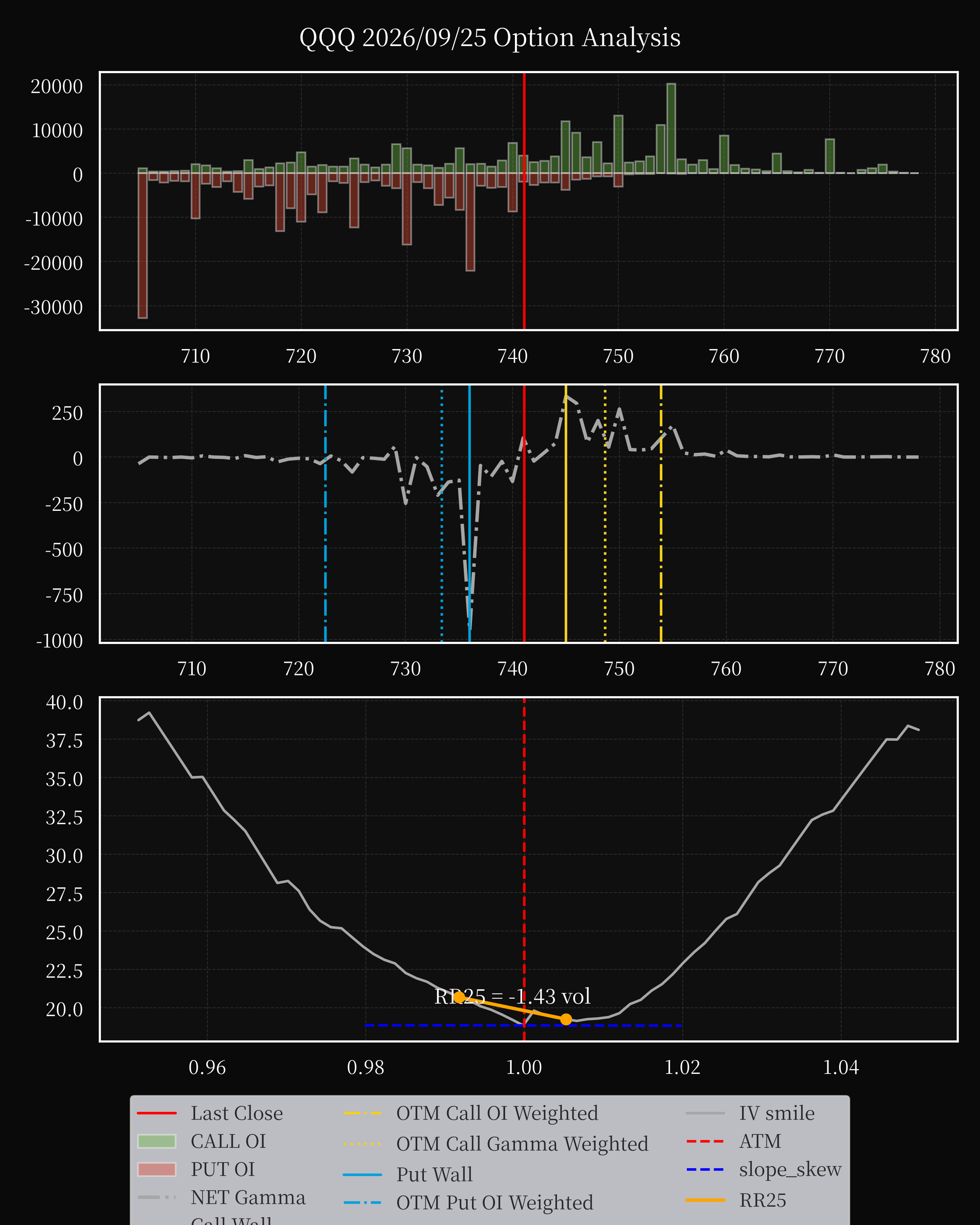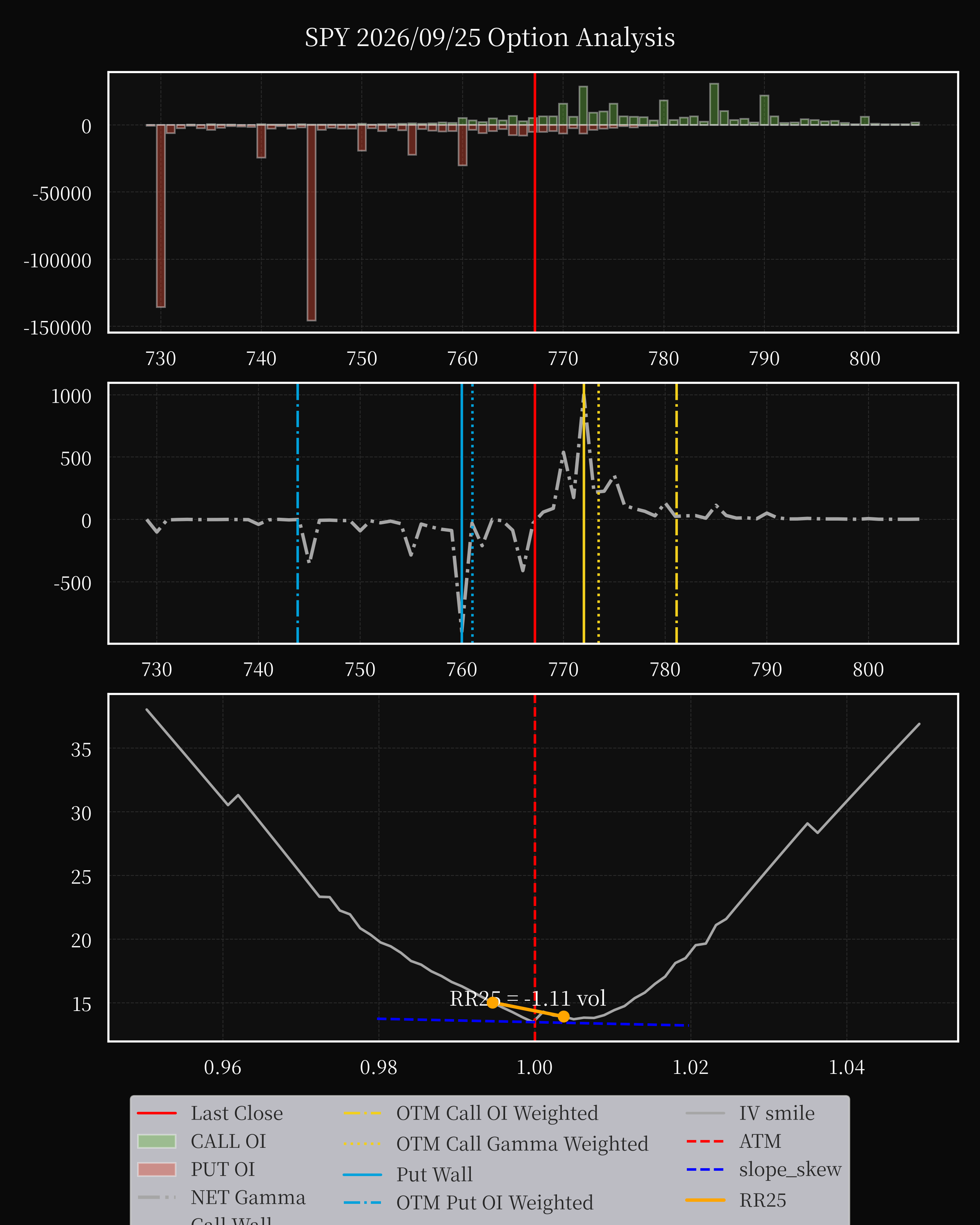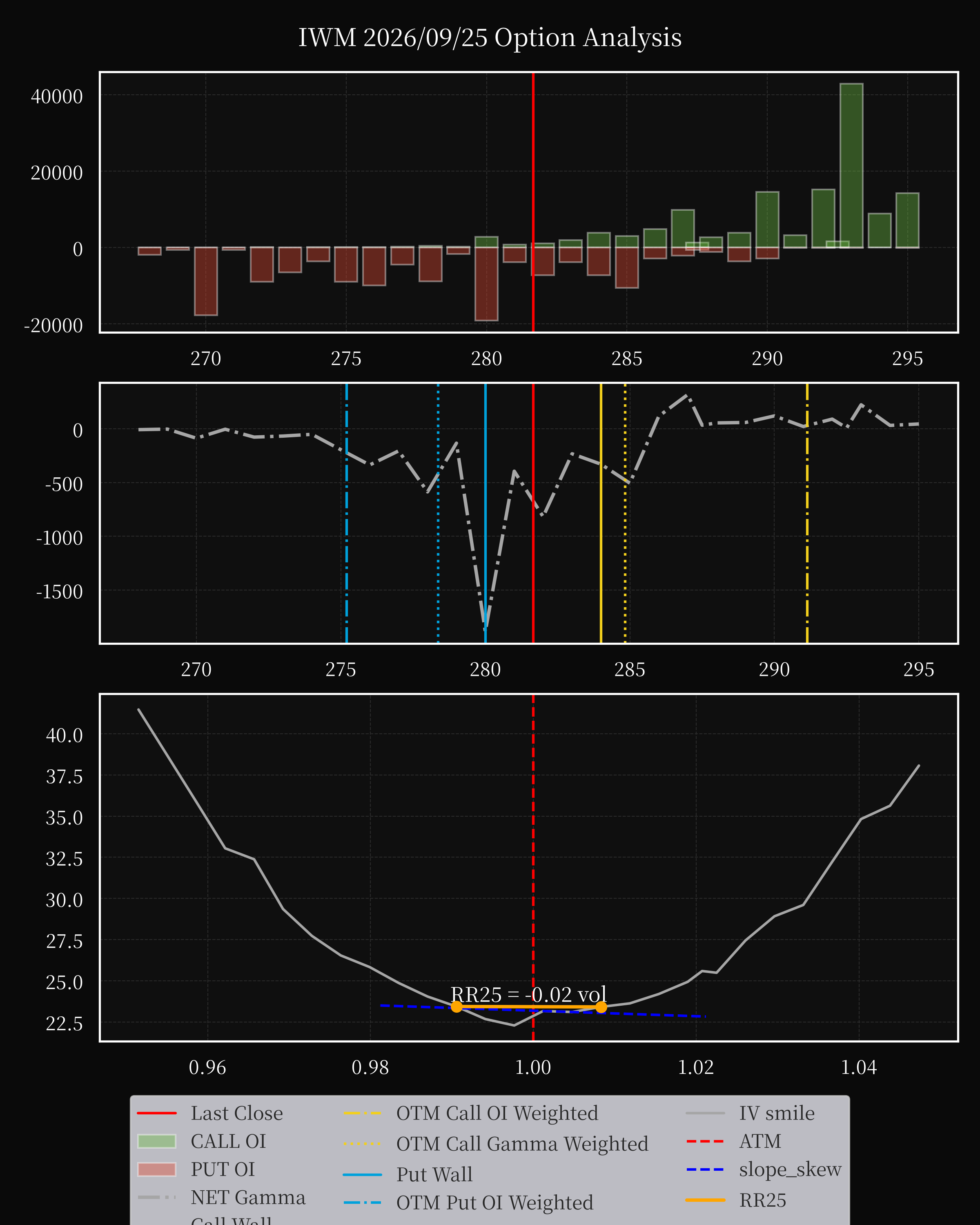
Overall
The U.S. bond market entered a new phase of stress on Thursday as the 30-year Treasury yield surged to 5.47%, its highest level since 2004, amid a confluence of inflationary pressures, geopolitical risks, and a broadening of the yield curve’s upward trajectory. This milestone in the ongoing global selloff reflects deepening concerns over the sustainability of U.S. fiscal policy, the reverberating effects of international conflicts, and the market’s recalibration of risks tied to energy prices and central bank actions. The yield’s ascent to multiyear highs underscores the fragility of bond valuations when confronted with persistent inflationary dynamics and the potential for further monetary tightening.
The 30-year Treasury yield’s climb was most pronounced as investors reassessed the interplay between rising government borrowing and the Federal Reserve’s aggressive rate hikes initiated in 2022. With the U.S. government’s debt burden exceeding $40 trillion, the market’s growing skepticism about the ability to service this obligation without compromising economic growth has intensified. The yield’s rise to 5.47%—a 70-basis-point jump from the previous week—signals a shift in investor sentiment, as the perception of long-term fiscal instability outweighs optimism about eventual policy normalization. This development is compounded by the broader yield curve, where 10-year and 20-year Treasury yields also reached 5.16% and 5.46%, respectively, marking the first time since the early 2000s that the curve has inverted significantly. Such an inversion, historically a harbinger of recession, has prompted renewed scrutiny of the Fed’s dual mandate to balance employment and price stability against the backdrop of elevated public debt.
Geopolitical tensions further exacerbated market volatility, particularly as U.S.-China relations remained fraught over trade disputes and technological competition. The initiation of a Trump-Xi summit, while yielding symbolic progress on security and technology dialogues, failed to resolve underlying frictions, including U.S. restrictions on semiconductor exports to China. These measures, intended to curb Beijing’s technological advancements, have inadvertently disrupted global supply chains and heightened uncertainty about future policy shifts. Concurrently, escalating hostilities in the Middle East, particularly between the U.S. and Iran, introduced fresh risks to energy markets. The interception of Iranian-backed Houthi missiles by Saudi Arabia, coupled with the potential for retaliatory actions, triggered a spike in crude oil prices, which in turn amplified inflationary pressures and eroded corporate bond valuations. The 5% increase in Brent crude prices to $106 per barrel exemplifies how geopolitical flashpoints can rapidly transmute into broader financial market stress.
The bond market’s deterioration also reflects heightened skepticism about the Federal Reserve’s capacity to curb inflation without triggering a severe economic slowdown. While the central bank’s rate hikes have succeeded in cooling demand, the persistence of elevated core inflation—driven by energy costs, labor market rigidities, and supply chain bottlenecks—has constrained policymakers’ flexibility. The Fed’s balance sheet reduction, aimed at withdrawing liquidity injected during the pandemic, further tightened financial conditions, amplifying the impact of rising yields on corporate and consumer borrowing costs. Investors now price in the likelihood of extended high rates, with the 2-year Treasury yield approaching 4.9%, its highest since May 2024. This environment has pressured growth-oriented assets, including equities, while bond investors grapple with the dual threat of rising yields and potential credit downgrades as fiscal deficits widen.
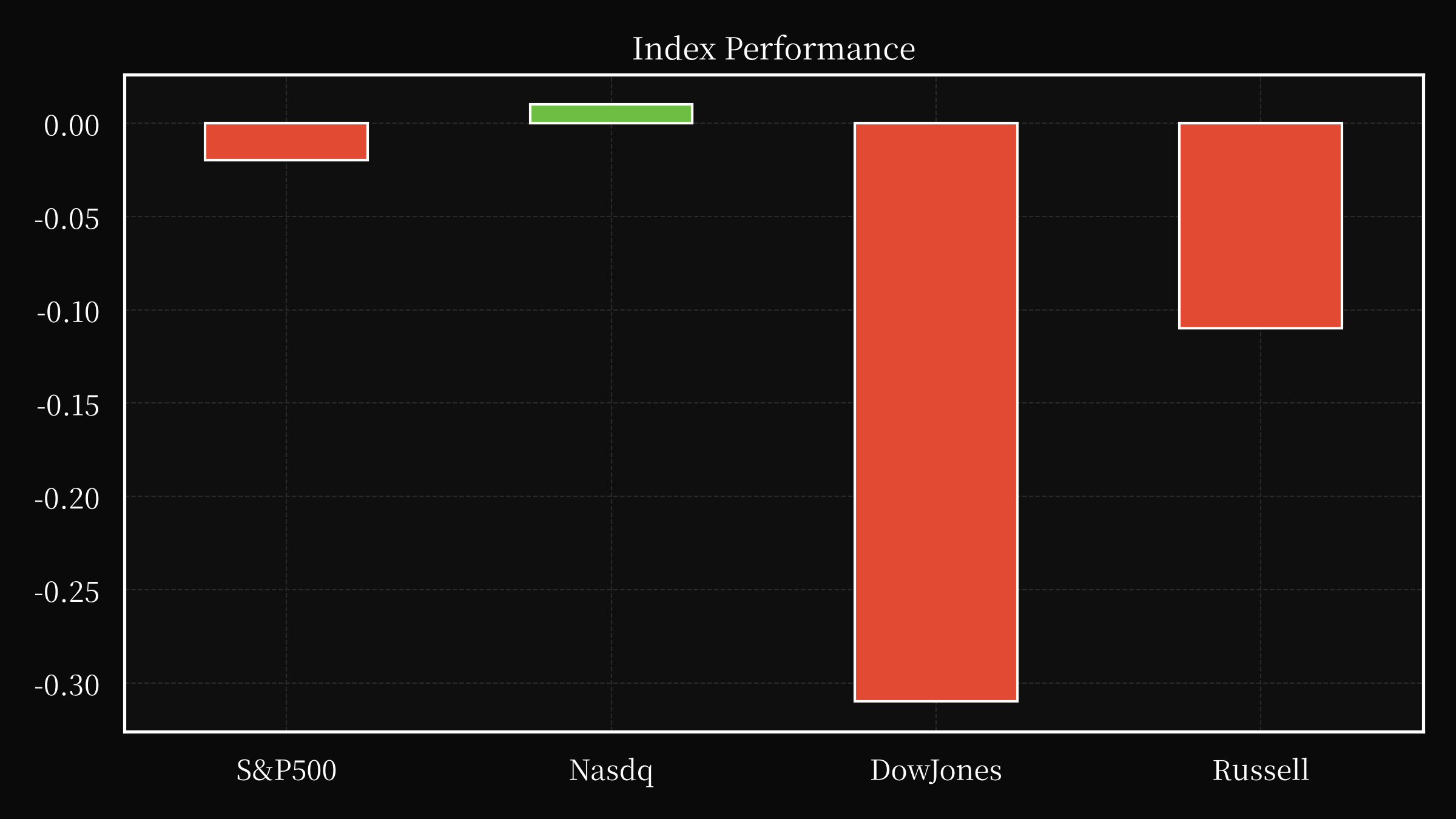
The ripple effects of these developments extend beyond fixed income, influencing equity valuations and corporate strategies. As borrowing costs climb, companies face heightened pressure to maintain profit margins, particularly those reliant on debt financing. Sectors such as real estate, which are sensitive to interest rate fluctuations, have seen marked volatility, while industries dependent on global trade, like automotive and technology, confront uncertainty over input costs and demand sustainability. The market’s reaction to these dynamics is evident in the muted performance of the S&P 500 and Nasdaq Composite indices, which closed slightly lower and marginally higher, respectively, despite mixed earnings reports and macroeconomic data.
Looking ahead, the trajectory of U.S. bond yields will hinge on the interplay between inflation trends, geopolitical developments, and the Fed’s policy calculus. The market’s pricing of multiyear highs in Treasury yields suggests a growing consensus that fiscal discipline remains elusive, with the $40 trillion debt burden serving as a persistent drag on investor confidence. Meanwhile, the specter of further energy shocks, whether through Middle East conflicts or OPEC+ production decisions, looms large, threatening to reignite inflationary pressures. For policymakers, the challenge lies in navigating this precarious equilibrium—curbing inflation without stifling growth—while addressing the structural vulnerabilities exposed by the current crisis. For investors, the imperative is clear: reassessing risk exposures in fixed income, equities, and commodities amid a landscape where traditional benchmarks of stability no longer apply.
The convergence of these factors has transformed the bond market into a barometer of systemic risk, where every policy announcement or geopolitical event reverberates across asset classes. The 30-year Treasury yield’s ascent is not merely a technical milestone but a symptom of a broader recalibration of global financial markets, where the costs of fiscal profligacy and geopolitical fragmentation are increasingly priced into every dollar of debt. As the Fed contemplates further rate hikes and the Treasury seeks to manage its debt servicing costs, the coming months will test the resilience of both markets and policymakers alike. The lesson, stark and unambiguous, is that in an era of heightened uncertainty, the margin for error has never been narrower.
The bond market’s current state underscores a fundamental truth: in a world where debt levels defy historical norms and external shocks are both frequent and severe, the traditional rules of valuation must evolve. Investors are no longer shielded by the relative stability of the past two decades; instead, they must contend with a reality where fiscal sustainability, energy security, and geopolitical stability are inextricably linked. The implications for corporate America are profound, as companies recalibrate capital structures and prioritize liquidity over growth, while households confront the reality of higher borrowing costs and diminished purchasing power. For governments, the imperative is to restore credibility through disciplined fiscal policies that address structural imbalances before they metastasize into crises.
Ultimately, the trajectory of U.S. bond yields will serve as a litmus test for the market’s ability to adapt to an era of persistent volatility. The current selloff, driven by a combination of fiscal, monetary, and geopolitical forces, is unlikely to resolve without significant policy adjustments or external shocks. Whether the Fed chooses to double down on rate hikes or pivot toward a more accommodative stance will determine the pace and magnitude of yield normalization. Meanwhile, the global economy must reckon with the reality of higher borrowing costs, which will constrain investment, dampen consumption, and reshape the contours of growth. In this context, the bond market’s evolution is not merely a financial narrative but a harbinger of the broader economic realignment underway—a recalibration that will define the next chapter of global finance.
The stakes could not be higher. As investors navigate this uncharted terrain, the imperative for prudence is paramount. Portfolios must be stress-tested against scenarios of prolonged inflation, deeper recessions, and renewed financial instability. Corporate strategies must prioritize resilience over expansion, while governments must confront the uncomfortable reality that fiscal prudence is no longer optional but essential. The bond market’s current turbulence, though daunting, offers a critical opportunity to reassess priorities and build systems capable of withstanding the shocks of an increasingly fragmented world. In the end, the path forward demands not just analytical rigor but a willingness to confront the uncomfortable truths about debt, power, and the limits of policy in an age of uncertainty.
The interplay of these forces has rendered the bond market a crucible of modern finance, where the interdependencies between policy, geopolitics, and economics are laid bare. The 30-year Treasury yield’s ascent to 5.47% is more than a statistical anomaly—it is a signal of systemic stress, a warning that the equilibrium of the past decade is unsustainable. For investors, this moment demands vigilance and adaptability, as traditional models of risk management falter in the face of unprecedented challenges. For policymakers, it underscores the urgency of addressing structural vulnerabilities before they erupt into crises. And for the global economy, it serves as a stark reminder that in an interconnected world, no market is insulated from the consequences of fiscal mismanagement or geopolitical miscalculation.
As the market continues its turbulent journey, the lessons of this period will resonate far beyond bond yields. They will shape the contours of corporate strategy, redefine the parameters of monetary policy, and influence the trajectory of economic growth for years to come. The path ahead is fraught with uncertainty, but it is also an opportunity to reimagine the frameworks that govern financial stability. In this crucible of risk and transformation, the ability to anticipate, adapt, and endure will separate the resilient from the obsolete. The bond market’s evolution, for better or worse, will remain a defining narrative of our time—a testament to the enduring power of markets to reflect, and sometimes reshape, the world they inhabit.
The convergence of these pressures has created a perfect storm for fixed income investors, who now face a landscape where traditional assumptions about yield curves, inflation expectations, and risk premiums are being upended. The 30-year Treasury yield’s surge is not merely a function of rate hikes but a manifestation of deeper structural shifts: the erosion of fiscal credibility, the reconfiguration of global supply chains, and the re-emergence of geopolitical rivalries that threaten to disrupt decades of economic integration. These forces, compounded by the lingering effects of pandemic-era stimulus and the inertia of massive debt burdens, have rendered the bond market a battleground for competing visions of economic governance.
For corporations, the implications are equally profound. As borrowing costs escalate, firms must reassess their capital structures, prioritizing debt reduction over expansionary investments. Sectors reliant on leverage, such as real estate and energy, face heightened vulnerability, while industries with strong cash flows and pricing power may find themselves better positioned to weather the storm. The equity markets, meanwhile, reflect a growing skepticism about growth prospects, with investors favoring defensive positions over speculative bets. This shift underscores the market’s recalibration toward stability over growth, a trend that could persist until structural reforms address the root causes of fiscal and monetary imbalances.
The geopolitical dimension of this crisis cannot be overstated. The U.S.-China rivalry, now extending into technology, trade, and regional security, has introduced a new layer of complexity to global markets. Export controls on semiconductors, sanctions on state-owned enterprises, and the weaponization of economic interdependence have transformed what were once routine commercial disputes into existential threats for multinational corporations. The recent acceleration of China’s military modernization, coupled with its deepening ties with Russia and other non-aligned nations, further complicates the strategic calculus for investors navigating this volatile landscape.
Meanwhile, the Middle East remains a tinderbox of uncertainty. The U.S. intervention in Yemen, the ongoing conflict between Israel and Iran, and the fragility of regional alliances have created a volatile environment where energy prices and security risks are inextricably linked. The recent missile interceptions by Saudi Arabia, while a tactical victory, have done little to address the underlying tensions that threaten to erupt into broader conflict. For investors, this volatility translates into heightened sensitivity to oil prices, with even minor disruptions capable of triggering sharp market swings.
The Federal Reserve’s response to these challenges will be pivotal. While the central bank has signaled a commitment to price stability, its ability to balance inflation control with economic growth remains in question. The prospect of further rate hikes, even as the economy shows signs of slowing, introduces a new layer of unpredictability. Markets, already wary of the Fed’s dual mandate, must now grapple with the possibility of a more aggressive tightening cycle—a scenario that could precipitate a recession while failing to fully curb inflation.
In this context, the bond market’s trajectory serves as both a mirror and a catalyst for broader economic trends. Its movements reflect the market’s assessment of risk, but they also influence it, as rising yields alter the cost of capital and reshape investment strategies. The interplay between bond yields, equity valuations, and currency movements will define the next phase of global financial history, with implications for everything from corporate earnings to consumer spending.
As investors and policymakers confront this moment of reckoning, the need for transparency and coordination has never been greater. The opacity surrounding fiscal policy, the lack of clear communication from central banks, and the absence of a unified global strategy to address systemic risks all contribute to market fragility. Without deliberate efforts to align expectations and reinforce institutional credibility, the coming months will likely witness further volatility, with the potential for cascading effects across asset classes.
The bond market’s current state is not merely a financial phenomenon but a symptom of a deeper transformation in the global economic order. It reflects the erosion of the post-2008 consensus that prioritized accommodative monetary policy and fiscal stimulus as tools for managing downturns. In its place, a new paradigm is emerging—one defined by skepticism toward debt sustainability, heightened geopolitical risk, and the re-emergence of structural constraints that had been largely forgotten in the era of quantitative easing.
For those navigating this landscape, the imperative is clear: adapt to a world where uncertainty is the only constant. Portfolios must be constructed with resilience in mind, balancing growth and stability in an environment where traditional diversification strategies may no longer suffice. Corporations must prioritize liquidity and operational flexibility, while governments must confront the uncomfortable reality that fiscal discipline is no longer optional. The stakes are nothing less than the long-term health of global markets and the economies they underpin.
The path forward will demand courage, creativity, and a willingness to challenge entrenched assumptions. It will require policymakers to reconcile competing priorities, investors to reassess their risk appetites, and market participants to embrace a more nuanced understanding of systemic interdependencies. In this crucible of change, the ability to anticipate, adapt, and endure will determine not only financial outcomes but the broader trajectory of economic progress in the 21st century. The bond market’s evolution, for better or worse, will serve as both a barometer and a blueprint for the challenges ahead—a testament to the enduring power of markets to reflect, and sometimes reshape, the world they inhabit.
The convergence of fiscal, geopolitical, and monetary forces has created a perfect storm for financial markets, with the bond yield curve serving as the most visible indicator of systemic stress. The 30-year Treasury yield’s ascent to 5.47% is not an isolated event but a culmination of decades-long trends: the rise of global debt, the erosion of central bank credibility, and the re-emergence of geopolitical rivalries that threaten to upend the post-Cold War order. As investors recalibrate their models to account for these realities, the implications for asset allocation, corporate strategy, and policy formulation will be profound.
The bond market’s current trajectory underscores a fundamental shift in how risk is priced and managed. No longer can investors rely on the stability of historical relationships between interest rates, inflation, and growth. The new normal demands a more dynamic approach, one that acknowledges the volatility inherent in an interconnected world. For corporations, this means rethinking capital structures and prioritizing resilience over expansion. For governments, it necessitates a reckoning with fiscal sustainability in an era where debt servicing costs are no longer marginal. For investors, it calls for a renewed focus on diversification and risk mitigation in the face of unprecedented uncertainty.
The geopolitical undercurrents driving this crisis cannot be ignored. The U.S.-China rivalry, now extending into technology and trade, has introduced a level of unpredictability that challenges traditional models of global commerce. Export controls, sanctions, and military posturing all contribute to a landscape where economic decisions are increasingly intertwined with strategic considerations. This fusion of economics and geopolitics complicates risk assessment, as investors must now weigh not only financial metrics but also the potential for policy shifts and regional conflicts to disrupt markets.
Meanwhile, the energy sector remains a focal point of volatility. The interplay between oil prices, inflation, and geopolitical tensions has created a feedback loop that amplifies market swings. A disruption in the Strait of Hormuz, whether through military action or diplomatic breakdown, could trigger another spike in crude prices, further straining corporate margins and consumer confidence. The recent surge in oil prices, driven by Middle East tensions and OPEC+ production decisions, serves as a stark reminder of how energy markets remain vulnerable to exogenous shocks.
In this context, the bond market’s evolution reflects a broader recalibration of risk and reward. The traditional assumptions that underpinned decades of asset allocation are being challenged by a world where fiscal discipline, geopolitical stability, and monetary policy coordination are all in question. Investors must now adopt a more nuanced approach, incorporating scenario analysis and stress testing into their decision-making processes. Corporations, too, must adapt, prioritizing liquidity and operational flexibility over aggressive growth strategies.
The implications for global markets are far-reaching. Equity valuations, already under pressure from rising yields and slowing growth, face further headwinds as investors reassess risk premiums. Sectors sensitive to interest rates, such as real estate and technology, are particularly vulnerable, while defensive positions gain traction amid heightened uncertainty. The bond market’s trajectory, meanwhile, will continue to influence corporate borrowing costs, shaping investment decisions and capital allocation strategies across industries.
Ultimately, the current crisis is a clarion call for systemic resilience. It demands a rethinking of how markets operate, how policies are designed, and how risks are managed in an era of unprecedented complexity. The bond market’s evolution is not merely a financial narrative but a reflection of deeper structural shifts that will define the next chapter of global economic history. As participants navigate this terrain, the ability to anticipate, adapt, and innovate will determine not only financial outcomes but the broader trajectory of prosperity in an increasingly fragmented world.
The convergence of these forces has created a moment of reckoning for financial markets, where the interplay between policy, geopolitics, and economics will shape the contours of the future. The bond market’s ascent to 5.47% is a symptom of a broader recalibration—one that challenges the assumptions of past decades and demands a new paradigm of risk management. For investors, policymakers, and corporations alike, the imperative is clear: embrace adaptability, prioritize resilience, and prepare for a world where uncertainty is the only constant. The lessons of this period will resonate far beyond bond yields, influencing the strategies and decisions that define the global economy for years to come.
The bond market’s journey to 5.47% is not just a statistical milestone but a harbinger of deeper structural shifts in global finance. It reflects the market’s growing awareness of the limits of fiscal sustainability, the volatility of geopolitical tensions, and the fragility of monetary policy in an era of persistent inflation. As investors recalibrate their models to account for these realities, the implications for asset allocation, corporate strategy, and policy formulation will be profound. The path ahead will require not only analytical rigor but also a willingness to confront the uncomfortable truths about the interconnectedness of economic, political, and financial systems.
In this crucible of change, the bond market’s evolution serves as both a warning and an opportunity. It warns of the dangers posed by unchecked debt accumulation and geopolitical instability, while also highlighting the potential for innovation and adaptation in the face of adversity. The challenge for market participants is to navigate this complexity with foresight and discipline, recognizing that the rules of engagement have fundamentally shifted. The future of global finance will be shaped not by the comfort of past certainties but by the ability to anticipate and respond to an increasingly uncertain world.
The convergence of fiscal, geopolitical, and monetary forces has rendered the bond market a critical battleground for economic stability. The 30-year Treasury yield’s surge is a testament to the market’s sensitivity to systemic risks, from fiscal profligacy to energy shocks and geopolitical disruptions. As investors reassess their positions, the implications for corporate America, global trade, and monetary policy will be far-reaching. The coming months will test the resilience of financial systems, the adaptability of market participants, and the capacity of policymakers to address the structural challenges that threaten long-term growth.
The bond market’s trajectory underscores the necessity of a holistic approach to risk management in an era defined by interconnected crises. It demands that investors, corporations, and governments alike confront the realities of a world where traditional assumptions no longer hold. The path forward will require not only technical expertise but also a deeper understanding of the geopolitical and macroeconomic forces shaping markets. In this context, the bond market’s evolution is not merely a financial phenomenon but a reflection of the broader economic and political currents that will define the 21st century.
The interplay between rising yields, geopolitical tensions, and fiscal policy has created a landscape where uncertainty reigns supreme. The 30-year Treasury yield’s climb to 5.47% is a symptom of a deeper malaise—one that challenges the sustainability of government debt, the stability of global supply chains, and the resilience of financial markets. As stakeholders navigate this terrain, the imperative is clear: embrace adaptability, prioritize prudence, and prepare for a world where volatility is the new normal. The lessons of this period will shape the strategies and decisions that define the future of global finance.
The bond market’s current state is a clarion call for systemic introspection. It highlights the fragility of fiscal sustainability, the volatility of geopolitical rivalries, and the limitations of monetary policy in addressing structural imbalances. For investors, this moment demands a reevaluation of risk models and asset allocation strategies. For corporations, it necessitates a focus on liquidity and operational flexibility. For policymakers, it underscores the urgency of addressing fiscal and monetary challenges before they escalate into crises.
Ultimately, the convergence of these forces has transformed the bond market into a crucible of global economic health. Its movements reflect not only financial dynamics but also the broader geopolitical and fiscal realities shaping the world. The path ahead will require resilience, innovation, and a commitment to navigating uncertainty with clarity and purpose. In this crucible of change, the ability to anticipate, adapt, and endure will determine not only financial outcomes but the broader trajectory of economic progress in an era of unprecedented complexity.
The bond market’s evolution is a testament to the enduring power of markets to reflect and shape economic reality. As investors grapple with the implications of rising yields and systemic risks, the challenge lies in balancing short-term volatility with long-term stability. The lessons of this period will resonate far beyond bond yields, influencing corporate strategies, policy decisions, and the broader economic narrative. In a world where uncertainty is the only constant, the ability to navigate complexity with insight and discipline will define the next chapter of global finance.
The convergence of fiscal, geopolitical, and monetary forces has created a perfect storm for financial markets, with the bond yield curve serving as the most visible indicator of systemic stress. The 30-year Treasury yield’s ascent to 5.47% is not merely a technical milestone but a symptom of deeper structural shifts—fiscal unsustainability, geopolitical fragmentation, and the re-emergence of inflationary pressures. These forces, compounded by energy market volatility and the lingering effects of pandemic-era stimulus, have reshaped investor expectations and market dynamics.
For corporations, this environment demands a recalibration of capital strategies, prioritizing liquidity and risk mitigation over aggressive growth. The rising cost of debt, driven by higher yields and tighter monetary policy, pressures firms to reassess investment decisions and operational flexibility. Meanwhile, the equity markets reflect growing skepticism about growth prospects, with investors favoring defensive positions amid heightened uncertainty.
Geopolitical tensions further complicate this landscape. The U.S.-China rivalry, now extending into technology and trade, has introduced a new layer of complexity to global markets. Export controls, sanctions, and regional security concerns threaten to disrupt supply chains and reshape investment flows. The Middle East’s volatility, particularly in relation to oil prices and regional conflicts, adds another dimension of risk, influencing energy markets and inflationary expectations.
In this context, the bond market’s trajectory serves as both a mirror and a catalyst for broader economic trends. Its movements reflect the market’s assessment of risk, but they also influence investment strategies, corporate borrowing costs, and consumer behavior. The interplay between bond yields, equity valuations, and currency movements will define the next phase of global financial history, with implications for everything from corporate earnings to sovereign debt sustainability.
The convergence of these forces underscores the necessity of a holistic approach to financial stability. Policymakers must address fiscal sustainability, central banks must navigate the limits of monetary policy, and investors must adapt to a world where traditional assumptions no longer hold. The path forward will require resilience, innovation, and a willingness to confront the uncomfortable truths about the interconnectedness of economic, political, and financial systems.
The bond market’s evolution is not merely a financial phenomenon but a reflection of the broader economic and geopolitical shifts reshaping the world. As stakeholders navigate this terrain, the imperative is clear: embrace adaptability, prioritize prudence, and prepare for a future where volatility defines the norm. The lessons of this period will shape the strategies and decisions that determine the trajectory of global markets in the years to come.
The bond market’s evolution underscores the necessity of a holistic approach to risk management in an era defined by interconnected crises. It demands that investors, corporations, and policymakers alike confront the structural vulnerabilities that underpin market instability. The path forward will require resilience, innovation, and a willingness to adapt to a world where traditional assumptions no longer hold.
The interplay between rising yields, geopolitical tensions, and fiscal policy has created a landscape where uncertainty reigns supreme. The 30-year Treasury yield’s ascent is a symptom of a broader recalibration—one that challenges the assumptions of past decades and demands a new paradigm of risk assessment. For investors, this moment calls for a renewed focus on resilience, adaptability, and strategic foresight. For corporations, it necessitates a rethinking of capital structures and operational priorities. For policymakers, it underscores the urgency of addressing fiscal sustainability in an era of persistent inflation and geopolitical fragmentation.
The bond market’s current state is a clarion call for systemic resilience. It reflects the market’s growing awareness of the limits of fiscal sustainability, the volatility of geopolitical rivalries, and the fragility of monetary policy in an age of persistent inflation. As stakeholders navigate this terrain, the imperative is clear: embrace adaptability, prioritize prudence, and prepare for a world where volatility is the new normal. The lessons of this period will shape the strategies and decisions that define the future of global finance.
The convergence of fiscal, geopolitical, and monetary forces has created a perfect storm for financial markets. The 30-year Treasury yield’s ascent to 5.47% is not merely a statistical milestone but a symptom of deeper structural shifts—fiscal unsustainability, geopolitical fragmentation, and the re-emergence of inflationary pressures. These forces, compounded by energy market volatility and the lingering effects of pandemic-era stimulus, have reshaped investor expectations and market dynamics.
For corporations, this environment demands a recalibration of capital strategies, prioritizing liquidity and operational flexibility over aggressive growth. The rising cost of debt, driven by higher yields and tighter monetary policy, pressures firms to reassess investment decisions and risk exposure. Meanwhile, the equity markets reflect growing skepticism about growth prospects, with investors favoring defensive positions amid heightened uncertainty.
The bond market’s evolution is not merely a financial phenomenon but a reflection of the broader economic and geopolitical shifts reshaping the world. As stakeholders navigate this terrain, the imperative is clear: embrace adaptability, prioritize prudence, and prepare for a future where volatility defines the norm. The lessons this period will resonate far beyond bond yields, influencing the strategies and decisions that define the future of global finance.
Watch List
VENU
Venu Holding Corporation held its 2026 Annual Meeting of Shareholders, where shareholders approved an amendment to the company’s 2023 Omnibus Incentive Compensation Plan. This amendment increased the number of shares available for awards under the plan from 7.5 million to 10 million shares of common stock, reflecting a strategic move to accommodate potential future incentive grants. Shareholder voting showed strong support, with 63.25% of the voting shares represented at the meeting, approving all four proposals presented, including the election of directors, approval of a potential debt financing, the incentive plan amendment, and ratification of the company’s independent auditor. The amended incentive plan, now encompassing 10 million shares, was formally adopted on September 23, 2026, and is detailed in Exhibit 10.1 of the filing.
TALO
Talos Energy Inc. announced the appointment of Barbara J. Faulkenberry, a retired U.S. Air Force Major General, to its Board of Directors, effective October 1, 2026. This expansion brings the Board to seven members and leverages General Faulkenberry’s extensive experience in global operations, logistics, strategy, and risk management, honed over a 30-year military career. Prior to joining Talos, she served on the boards of Callon Petroleum Company, Target Hospitality Corp., and USA Truck Inc., demonstrating a track record of governance and strategic oversight within the energy and hospitality sectors. General Faulkenberry holds a distinguished academic background, including degrees from the U.S. Air Force Academy, Georgia College & State University, and the National Defense University. The company will establish a customary indemnification agreement with her, mirroring previous agreements filed with the SEC. This appointment follows the release of a press statement detailing the appointment, which is attached as Exhibit 99.1. The Board has yet to determine specific committee assignments for General Faulkenberry, signaling a strategic approach to leveraging her expertise across the company’s operations.
WTTR
Select Water Solutions, Inc. (WTTR) has entered into a membership interest purchase agreement to acquire Pilot Water Solutions LLC, a subsidiary known as the “Target Company,” from Pilot OFS Holdings LLC, Minerva Infrastructure IA LLC, and other parties for $600 million. This acquisition, dubbed the “Pilot Acquisition,” involves a combination of $600 million in cash and equity consideration valued at approximately $100 million in Class A common stock, plus a $15 million contingent payment tied to operational milestones. The deal includes a true-up payment mechanism if the Company’s stock price declines by the sixth-month anniversary of the closing, designed to protect Pilot OFS Holdings LLC. The transaction is subject to customary closing conditions and regulatory approvals, including HSR Act review. A parent company of Select Water Solutions, Inc. has secured debt financing to support the acquisition. The Purchase Agreement contains termination rights for both parties, with a $35 million termination fee potentially payable in certain breach scenarios. This acquisition aligns with Select Water Solutions’ strategy to evaluate strategic alternatives for its Peak Rentals business, which was recently sold for $41.5 million in cash and a $35.3 million seller note. This acquisition is expected to close in the fourth quarter of 2026.
ATCH
AtlasClear Holdings, Inc. recently announced its financial results for the fiscal year ended June 30, 2026, as detailed in a press release now filed as Exhibit 99.1. This filing, submitted as an Item 2.02 Form 8-K, provides an update on the company’s results of operations and financial condition. While specific details of the financial performance are contained within the attached press release, this filing serves as the formal disclosure required by the Securities and Exchange Commission. The information presented is intended to comply with regulations regarding the reporting of financial outcomes and is a key update for investors and stakeholders regarding AtlasClear Holdings, Inc.’s performance.
SCHL
Scholastic Corporation reported its fiscal first-quarter results ending August 31, 2026, affirming its full-year guidance for a 2% to 4% revenue growth and approximately $135 million to $145 million in Adjusted EBITDA. Despite a seasonally small quarter, the company demonstrated positive momentum across its businesses, particularly in Children’s Books and Entertainment, driven by strong Book Fair bookings and expanding content capabilities. However, increased budget pressures impacted sales within the Education segment, prompting continued cost-structure adjustments and transformation efforts. The quarter’s revenue decreased by 4% to $216.8 million, largely due to lower Children’s Book Publishing and Distribution revenues and the impact of sale-leaseback transactions. Adjusted operating loss increased to $88.7 million, reflecting these factors. Looking ahead, Scholastic remains confident in its strategic priorities and aims to translate last year’s progress into further gains, maintaining a target Adjusted EBITDA range of $135 million to $145 million. The company anticipates free cash flow of approximately $35 million to $40 million and expects to continue returning capital to shareholders through share repurchases. Net debt stood at $86.8 million, reflecting proceeds from the sale-leaseback transactions, while capital expenditures and working capital requirements resulted in net cash used of $94.6 million.
NXGL
NexGel, Inc. recently released a new shareholder update presentation titled “Strategic Review & Proposed Platform Reorganization” (Exhibit 99.1) to provide an overview of the company’s strategic direction. This document outlines the company’s plans for a potential platform reorganization. The information detailed within this presentation is being disseminated through Form 8-K filing to ensure timely communication with shareholders. This filing serves as a formal update regarding NexGel’s evolving strategy and intended operational changes. The company is actively pursuing a revised approach to its business model, as detailed in the accompanying presentation, and is committed to keeping shareholders informed throughout this process.
HURA
TuHURA Biosciences, Inc. has secured a revolving credit facility with Parkview Holdings One LLC, formalized through a Loan Agreement dated April 21, 2026. This agreement establishes a borrowing capacity of up to $50 million, with a maturity date set for April 21, 2031. On September 21, 2026, the company successfully drew down $650,000 under the facility, intending to utilize these funds for general corporate operations. A full and detailed description of the Loan Agreement is available as Exhibit 4.1, which was concurrently filed with the company’s Form 8-K report on April 22, 2026. This financing arrangement represents a key component of TuHURA Biosciences’ ongoing financial strategy.
PNBK
Patriot National Bancorp, Inc. is entering into an agreement to sell shares of its voting common stock and non-voting common stock, along with a five-year warrant, to various purchasers. The purchase price for the voting and non-voting common stock is $1.15 per share, and each purchaser will also receive one warrant share for every five shares of voting or non-voting stock purchased. The warrant grants the holder the right to purchase non-voting common stock at $1.15 per share. Key terms include a defined “Outside Date” triggering automatic termination if the closing doesn’t occur, provisions for adjusting the exercise price and number of shares, and covenants regarding accuracy of representations and warranties, including those related to banking laws, GAAP, and economic conditions. The agreement also outlines conditions for the closing, such as the execution of necessary documents and the absence of material adverse effects. Furthermore, the agreement contains clauses addressing antitrust considerations, shareholder rights, and governing law, specifying New York law as applicable. Finally, the agreement includes provisions for adjustments to the warrant terms and outlines the Company’s obligations regarding share issuance and registration.
AESI
Atlas Energy Solutions Inc. has finalized a significant equipment purchase agreement with Wyoming Machinery Company (WMC) for a power generation project, securing a $340.5 million investment for balance-of-plant (BoP) equipment slated for shipment between June 2027 and December 2027. This agreement, formalized on September 18, 2026, includes installment payments totaling approximately $340.5 million, with a 10% holdback until WMC fulfills its obligations. The transaction is bolstered by a cost reimbursement agreement with a frontier AI lab, solidifying the project’s viability. Furthermore, Atlas Energy Solutions has entered into a separate $273.0 million Purchase Agreement with WMC for approximately 328 megawatts of generator equipment and associated services, with delivery expected between April 2027 and February 2028. This deal effectively fulfills a portion of a previously established framework agreement between Atlas Energy Solutions’ subsidiary, ProjectCo, and Caterpillar Inc., streamlining the acquisition process and positioning the company for future power generation endeavors.
IAN Financial Vision is an AI-native financial research platform combining proprietary knowledge graphs, quantitative valuation models, and large language models to generate point-in-time investment research. All reports are produced using a structured research workflow with human review prior to publication..