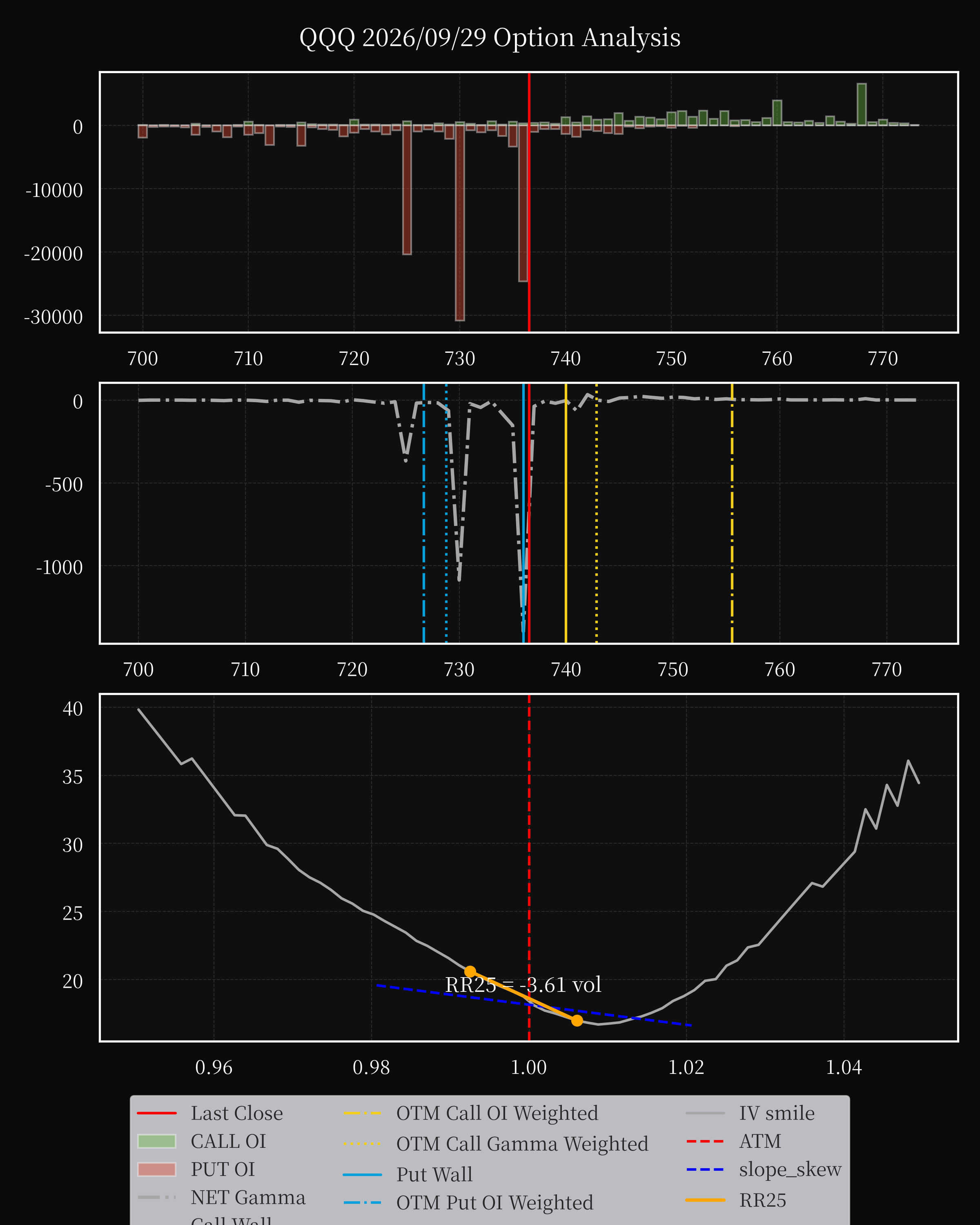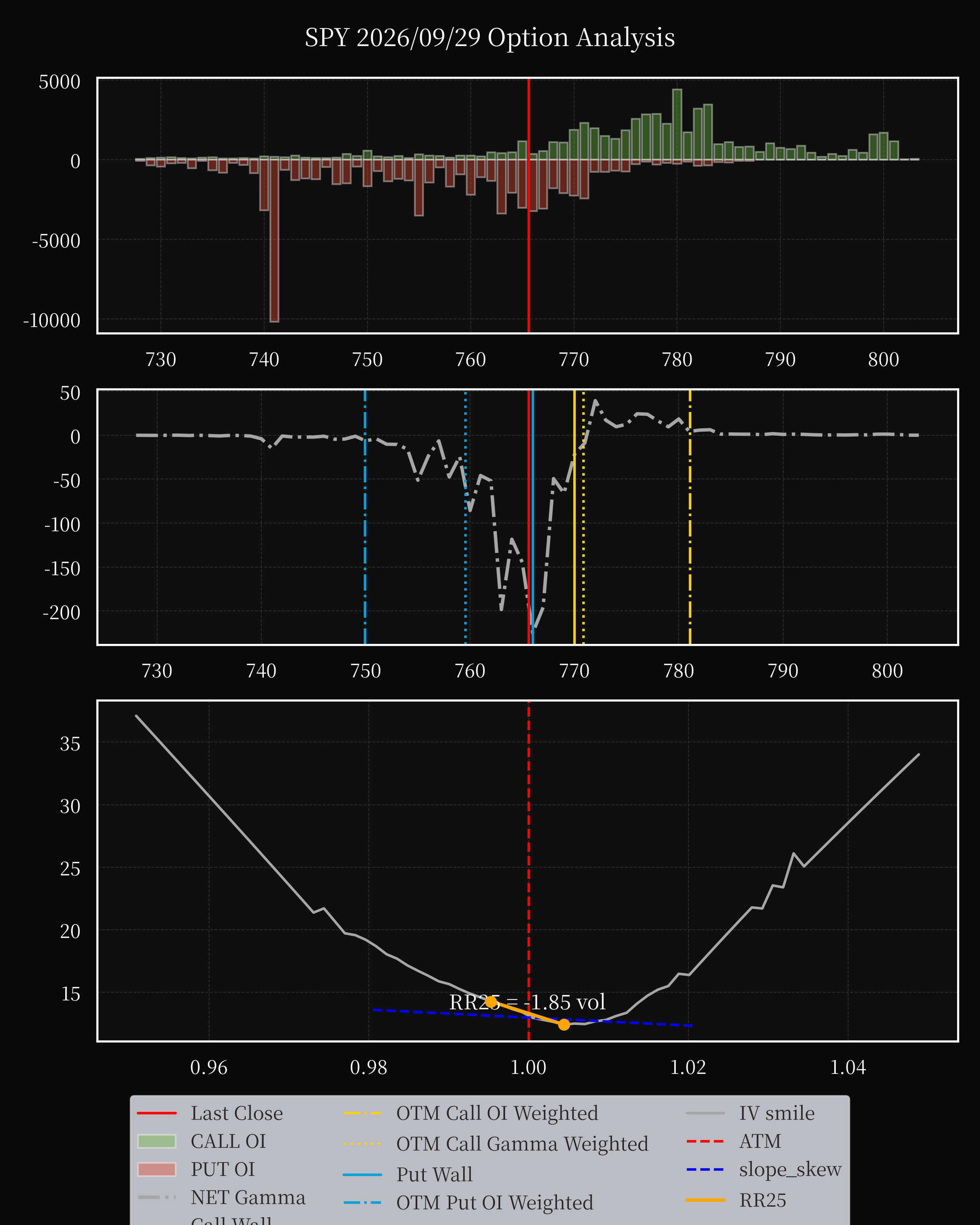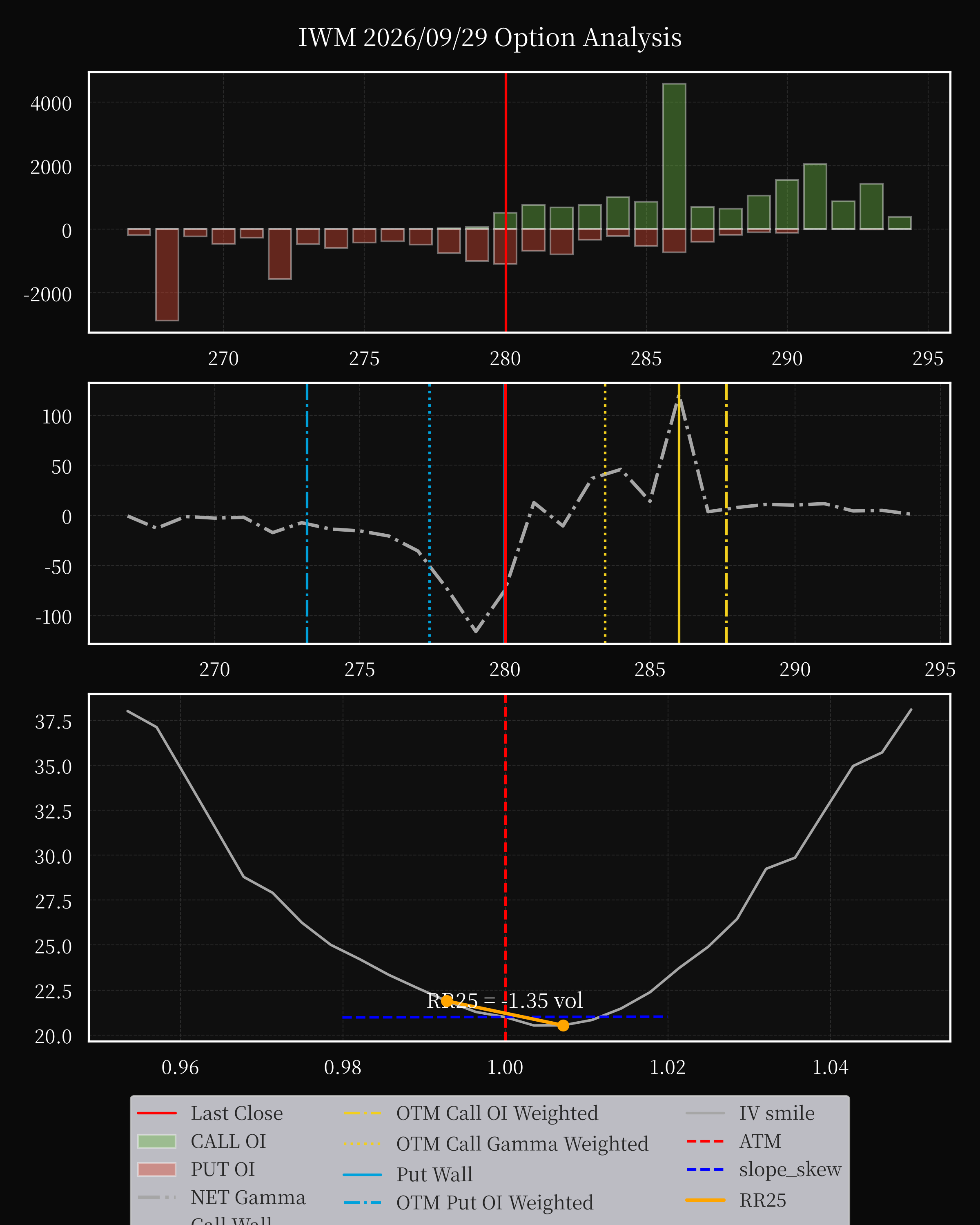
Overall
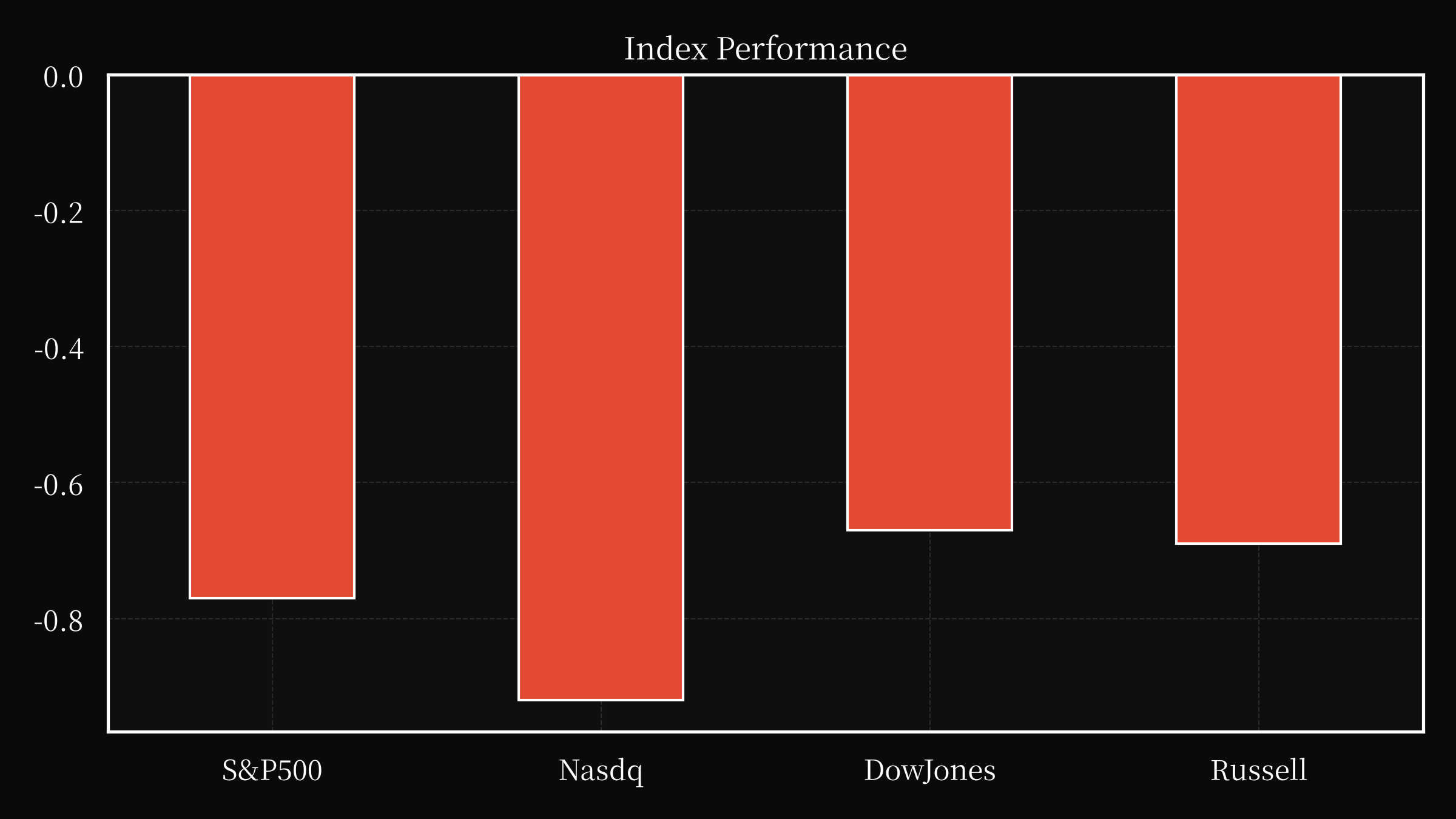
The U.S. bond market experienced a significant upward trajectory on Monday, with the 10-year Treasury yield climbing to 5.241%, marking a 19-year high and approaching levels not seen since 2007. This surge in yields reflects a confluence of factors, including heightened geopolitical tensions over Iran, persistent inflationary pressures, and expectations of continued Federal Reserve rate hikes. The 10-year yield’s ascent to 5.25% by midday underscores the market’s recalibration to a risk-on environment, where investors demand higher returns to offset perceived systemic risks. Shorter-dated maturities also saw sharp increases, with the 2-year yield rising in tandem, signaling a steepening yield curve that often precedes economic slowdowns or recessionary concerns. The 30-year Treasury note, meanwhile, breached 5.57%, its highest level since 2004, as long-term investors reassessed the sustainability of fiscal policies and the Fed’s inflation-fighting resolve.
The immediate catalyst for the yield spike was the rejection of a proposed Iran deal by President Donald Trump, which escalated fears of prolonged energy supply disruptions. Brent crude prices, already volatile, closed at $105.28 per barrel, up 0.9%, as markets priced in the risk of a broader conflict. Saudi Arabia’s partial restoration of oil exports via a critical pipeline, though still below capacity, provided marginal relief but failed to quell concerns about regional instability. The Red Sea’s vulnerability to Houthi attacks further complicated supply dynamics, reinforcing the link between geopolitical uncertainty and energy price volatility. These developments directly influenced bond markets, as investors sought safe-haven assets amid fears of inflationary spirals and economic deceleration.
Equities faced a dual headwind from both macroeconomic and corporate-specific factors. The Dow Jones Industrial Average, Nasdaq Composite, and S&P 500 all posted losses, with the latter declining 0.8% as investors digested the implications of rising borrowing costs and a potential slowdown in consumer spending. The S&P 500’s underperformance was exacerbated by sector-specific headwinds, notably in the technology and travel industries. Boeing’s stock fell over 6% following revelations of a software glitch in its 737 MAX aircraft, which could delay certification and further erode confidence in the company’s operational reliability. This aligns with broader trends where corporate governance issues and regulatory scrutiny weigh on valuations, particularly in capital-intensive sectors.
The Federal Reserve’s policy trajectory remains a critical variable, with markets pricing in continued rate hikes to combat inflation. The 10-year yield’s proximity to the 5.303% threshold—last touched in 2007—highlights the Fed’s success in anchoring inflation expectations, albeit at the cost of heightened market sensitivity to policy signals. Analysts note that the current yield environment reflects a delicate balance between inflationary pressures and the Fed’s dual mandate of price stability and maximum employment. The recent data on Treasury yields suggests that investors are increasingly skeptical of the Fed’s ability to maintain a dovish stance, particularly as fiscal deficits and defense spending remain elevated.
Corporate actions also shaped market dynamics, with Nvidia’s $235 billion buyback program driving its stock higher despite broader market weakness. This move underscores the AI-driven tech sector’s resilience, as firms leverage buybacks to offset earnings volatility and signal confidence in long-term growth. Conversely, companies like AMD and Micron faced pressure amid concerns over AI hardware demand cycles and supply chain bottlenecks. The divergence in performance across tech sub-sectors highlights the importance of differentiation in a rapidly evolving industry, where innovation timelines and market share battles dictate valuation outcomes.
Geopolitical risks extended beyond the Middle East, influencing energy and commodity markets. China’s tightening of travel restrictions for AI professionals and its push to secure critical technologies reflect a broader global competition for technological supremacy. Meanwhile, Japan’s energy security strategy—diversifying imports and reducing reliance on Middle Eastern oil—illustrates how regional players adapt to supply shocks. These developments ripple through global markets, affecting commodity prices, currency valuations, and trade flows. The interplay between national policies and market forces underscores the interconnected nature of modern financial systems, where localized events can trigger cascading effects across asset classes.
The bond market’s sharp rise also exposed vulnerabilities in equity valuations, particularly for growth-oriented stocks reliant on low-cost capital. As Treasury yields climb, the cost of debt for corporations increases, compressing margins and reducing the present value of future cash flows. This dynamic disproportionately impacts high-growth firms with extended revenue horizons, such as those in the tech and biotech sectors. The S&P 500’s underperformance relative to the Nasdaq, despite similar exposure to AI and semiconductors, further illustrates the market’s nuanced assessment of risk and growth potential.
Regulatory and policy shifts added another layer of complexity. The U.S. Treasury’s proposed restrictions on tax-aware investing strategies, targeting hedge fund tactics that exploit regulatory loopholes, signal a broader crackdown on financial engineering. These measures aim to curb excessive risk-taking and ensure equitable tax treatment, though they may also reduce liquidity in certain markets. The announcement coincided with heightened scrutiny of corporate governance practices, as seen in Boeing’s crisis, reinforcing the need for transparency and accountability in public companies.
Looking ahead, the interplay between monetary policy, geopolitical risks, and corporate fundamentals will remain central to market direction. The Fed’s ability to navigate inflation without triggering a recession will determine the trajectory of interest rates, while geopolitical developments in the Middle East and Asia will continue to shape energy and commodity prices. For equities, the focus will shift to companies that can sustain profitability amid rising costs and evolving consumer preferences. The current environment demands a disciplined approach, with investors prioritizing resilience over speculative growth.
In summary, the U.S. bond market’s surge reflects a complex web of macroeconomic, geopolitical, and corporate factors. While the immediate drivers are clear, the long-term implications hinge on policy decisions, technological advancements, and the resilience of global supply chains. Investors must remain vigilant, balancing short-term volatility with the broader economic narrative. The coming weeks will test the market’s ability to absorb shocks and adapt to a rapidly changing landscape, where uncertainty is the only constant.
Watch List
JEF
Jefferies Financial Group Inc. announced a strong third quarter, achieving record net revenues of $2.22 billion and net earnings attributable to common shareholders of $261 million, driven by robust performance in Investment Banking and Equities. The Board of Directors declared a quarterly cash dividend of $0.40 per share and increased the share buyback authorization to $250 million. Notably, the company repurchased 1.3 million shares during the quarter and a total of 8.3 million year-to-date. Despite a more subdued market for Fixed Income and challenges in Asset Management, the Investment Banking and Equities businesses saw record net revenues, particularly in Advisory and Equity Underwriting, fueled by a strong market opportunity and market share gains, especially in the healthcare, industrials, and energy sectors. Capital Markets net revenues also rose by 11% to $802 million, driven by growth in equities trading. Looking ahead, Jefferies remains optimistic about its trajectory, anticipating higher operating margins and earnings as the sale of Tessellis and the wind-down of legacy merchant banking investments conclude. The company is focused on improving earnings consistency and quality, further bolstered by the strategic alliance with SMBC, which has increased SMBC’s equity ownership to approximately 20%. This joint venture with SMBC Nikko, slated to launch in January 2027, aims to scale a leading wholesale equities and equity capital markets business in Japan, serving as a template for future collaborations. The CEO and President highlighted continued momentum and a strong backlog, reinforcing confidence in the company’s future performance.
INBX
INHIBRX is a biotechnology company focused on developing innovative biologic treatments for life-threatening conditions, particularly in oncology. Founded in 2018, the company has a strong track record with INBRX-101, its lead antibody targeting osteoblast-specific protein (OSOP), which has been acquired by Sanofi, and INBRX-109 (Ozekibart), a tetravalent DR5 agonism targeting chondrosarcoma. To date, over 175 patients have been treated with INBRX-109, and more than 20 years of academic research support its potential. Currently, INHIBRX is pursuing multiple key milestones. Phase 3 data from the HexAgon-HN study, evaluating INBRX-106 (an OX40 agonist) in combination with pembrolizumab for first-line or relapsed/metastatic head and neck squamous cell carcinoma (HNSCC), demonstrated a significant improvement in objective response rate (ORR) compared to pembrolizumab alone, with a 48.3% cORR in the combination arm. The company is planning to meet with the FDA to discuss a registrational trial design for INBRX-109 in clinical trial setting for colorectal cancer. Furthermore, INHIBRX is expanding its Phase 2 portion of the HexAgon-HN study to include HPV+ patients, leveraging the strong mechanistic rationale and potential accelerated approval pathway. The company is also exploring opportunities in Ewing sarcoma, with preclinical data indicating significant anti-tumor activity. With approximately $219.5 million in cash and an experienced leadership team, INHIBRX is positioned to capitalize on its innovative approach and address unmet needs in oncology, targeting potential blockbuster opportunities in both HNSCC and sarcoma markets.
SCYX
SCYNEXIS, Inc. has secured a significant funding agreement with the Biomedical Advanced Research and Development Authority (BARDA) to advance its second-generation fungerp antifungal candidate, SCY-247. The $214 million BARDA Contract, commencing in September 2026, will provide initial support of approximately $18.5 million to conduct a Phase 2 clinical study evaluating SCY-247 for the treatment of invasive candidiasis and prevention of fungal infections in high-risk patients. This contract includes up to six potential extension options, extending the funding commitment up to ten years and potentially supporting the drug’s development through an NDA submission to the FDA. The arrangement is structured as a cost-share agreement, with SCYNEXIS contributing to near-term program costs while BARDA covers eligible expenses. Importantly, this funding does not impact the company’s existing development plans for its ADPKD product, SCY-770, or its projected cash runway extending into 2029. The project is being funded in part by a U.S. Department of Health and Human Services contract (number 75A50126C00007). SCYNEXIS announced the agreement through a press release issued on September 28, 2026, which is filed as an exhibit with this report.
SABR
Sabre Corporation has executed a series of complex financial transactions involving the issuance and refinancing of debt to optimize its capital structure. On September 28, 2026, Sabre Financial Borrower, LLC issued $1.35 billion in 9.875% Senior Secured Notes due 2032 (SPV Notes) to Sabre GLBL, utilizing proceeds to prepay a portion of Sabre GLBL’s existing intercompany loan and subsequently repurchase $251.888 million of its own 10.750% Senior Secured Notes due 2029 through a tender offer. Further, Sabre Financial repurchased $930.682 million of its outstanding 11.125% Senior Secured Notes due 2029 via a tender offer, resulting in the complete satisfaction and discharge of those notes. Following this final repurchase, Sabre Financial deposited funds to fully satisfy the SPV Notes Indenture and related costs. The SPV Notes are guaranteed by Sabre Financing and certain foreign subsidiaries, with a $400 million limit. These transactions involved covenants limiting Sabre Financial’s financial flexibility, including restrictions on dividends. Notably, Sabre Financial completed a tender offer to repurchase the remaining 2029 SPV Notes, redeeming $69.318 million at a premium, effectively concluding the refinancing. These actions were facilitated by a new intercompany loan agreement with Sabre GLBL and the subsequent consent solicitation and amendment of the 2029 SPV Notes Indenture.
BGC
BGC Group, Inc., headquartered at 499 Park Avenue in New York City, announced an update to its financial outlook for the third quarter of 2026 via a press release distributed on September 28, 2026. The update, detailed in Exhibit 99.1 attached to this Form 8-K filing, reflects the company’s revised expectations for the period ending September 30th. While specific details of the revised outlook weren't disclosed in the filing itself, the announcement signals a strategic adjustment to BGC Group’s financial projections. This filing, along with the attached exhibit, constitutes a formal communication to investors regarding the company’s current assessment of its performance and future prospects. The inclusion of the exhibit index further clarifies the documents incorporated into this report.
ACET
Adicet Bio, Inc. announced promising preliminary data from its Phase 1 study of prula-cel (ADI-001), an autologous alpha beta CD19 CAR-T therapy, for patients with systemic lupus erythematosus (SLE) with or without lupus nephritis (LN). The study, involving 22 patients with a heavily pretreated history, demonstrated high rates of immunosuppressant-free responses and significant clinical improvements, including complete renal responses (CRR) in 50% of LN patients and Durable Remission of Immune Signatures (DORIS) remission in 54% of all patients at the 12-month mark. Notably, patients achieved rapid reductions in SLEDAI-2K and PGA scores, with 85% achieving a PGA score below 0.5 after 12 months. The treatment was generally well-tolerated, with no Grade 3 or higher infections reported and no dose-limiting toxicities observed. Adicet is now preparing to initiate a pivotal, single-arm study in LN patients with inadequate response to two immunosuppressants, aiming for enrollment in the fourth quarter of 2026, pending FDA alignment. The company also intends to explore expanding the study to include lupus patients without nephritis, reflecting the substantial unmet need in the U.S., where approximately 35,000 LN and 35,000 non-renal SLE patients have organ/life-threatening disease.
CMBM
Cambium Networks Corporation has finalized the sale of its defense business and certain broadband product lines to Airspan Communications Limited, facilitated by joint administrators appointed to Cambium Networks, Ltd (CNL). The transaction, completed on September 22, 2026, involved a total purchase price of US$27.5 million in cash, including a potential contingent “Book Debt Upside Amount” of up to US$7.5 million based on accounts receivable collections, subject to a US$2.5 million holdback. Airspan paid the base price, less transaction costs, to CNL, acting through its administrators. The sale also included transitional services, intellectual property licenses, and a license to occupy CNL’s UK facilities. Following the sale, Cambium Networks anticipates winding down all remaining operations of CNL and its affiliates, including a planned liquidation and dissolution process. The company’s ordinary shares are considered highly speculative, and shareholders should expect a complete loss of investment. The proceeds from the sale will primarily be used to repay outstanding debt under the Company’s secured credit facility, with no funds anticipated for unsecured creditors or shareholders.
COLA
Columbus Acquisition Corp/Cayman Islands recently adjourned its Extraordinary General Meeting of Shareholders, originally scheduled for September 10, 2026, due to a decision made by the Chairman to postpone further business without a shareholder vote. The meeting was subsequently reconvened on September 28, 2026, and again adjourned to September 29, 2026, utilizing a virtual conference hosted by Loeb & Loeb LLP. Shareholders who already submitted proxies are reminded they do not need to vote again unless they wish to modify their choices, with a specific note regarding street name holders needing to contact their broker for proxy revocation. The record date for voting remained August 17, 2026, and the company provided contact information for shareholder inquiries and document requests through Advantage Proxy, Inc. and its transfer agent. A press release announcing the adjournment was filed as Exhibit 99.1 to the current report, and investors are encouraged to review the definitive proxy statement, filed with the SEC on August 19, 2026, for comprehensive details regarding the business combination with WISeSat.Space Corp. and the potential participants involved in soliciting shareholder votes.
MGLD
The Marygold Companies, Inc. has entered into a merger agreement with Flower AcquireCo, LLC (Parent), a company controlled by Madison Dearborn Partners, LLC (MDP), to be acquired for $2.00 per share of common stock, representing a 100% premium over its closing price. The merger will result in the Company surviving as a privately held entity, with its common stock delisted from the NYSE American. Equity financing commitments have been secured from MDP. The transaction is subject to customary conditions, including stockholder approval, regulatory approvals, and the absence of legal prohibitions. Holders of Company Common Stock and Company Preferred Stock will not have the right to dissent or exercise appraisal rights. Approximately 75% of the Company’s voting shares have already agreed to the merger through voting and support agreements. The Board approved the merger, and the closing is anticipated to occur in the first half of 2027. The Company has amended its bylaws to reflect the merger. This transaction is expected to provide a significant return to shareholders and is contingent upon the satisfaction of various conditions, including the receipt of regulatory approvals and the completion of a termination fee payment if the deal doesn’t close. The Company’s forward-looking statements regarding the merger are subject to risks and uncertainties.
ASST
Strive, Inc. announced on September 28, 2026, that it purchased 1,107 bitcoins between September 21st and September 25th, 2026, at an average price of approximately $85,396 per coin, including associated fees and expenses. Alongside this significant bitcoin acquisition, the company also provided an update to its financial holdings, including adjustments to its cash reserves, bitcoin position, and investments in Strategy Inc.’s Variable Rate Series A Perpetual Stretch Preferred Stock (STRC Stock) and its own Variable Rate Series A Perpetual Preferred Stock (SATA Stock). The company’s announcement included a standard cautionary statement, highlighting potential risks associated with its investments, such as legal proceedings, management distraction, dilution from share issuances, and reactions from clients and customers. These risks underscore the inherent uncertainties surrounding Strive’s strategy, particularly concerning the performance of its bitcoin holdings and the impact of the ongoing merger transaction. Investors are advised to consult Strive’s Form 10-K filing for a more comprehensive understanding of these factors and the company’s overall financial situation.
IAN Financial Vision is an AI-native financial research platform combining proprietary knowledge graphs, quantitative valuation models, and large language models to generate point-in-time investment research. All reports are produced using a structured research workflow with human review prior to publication..