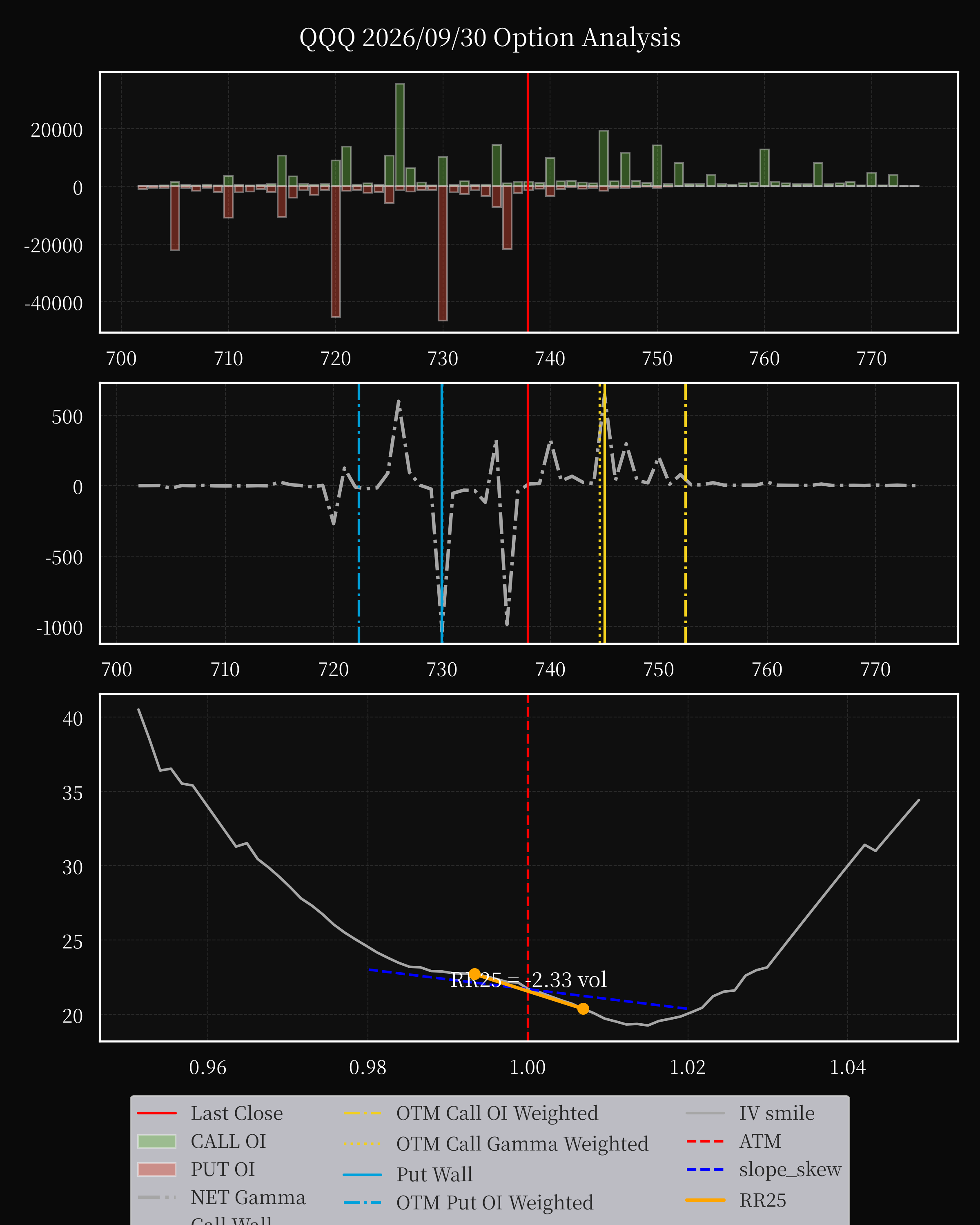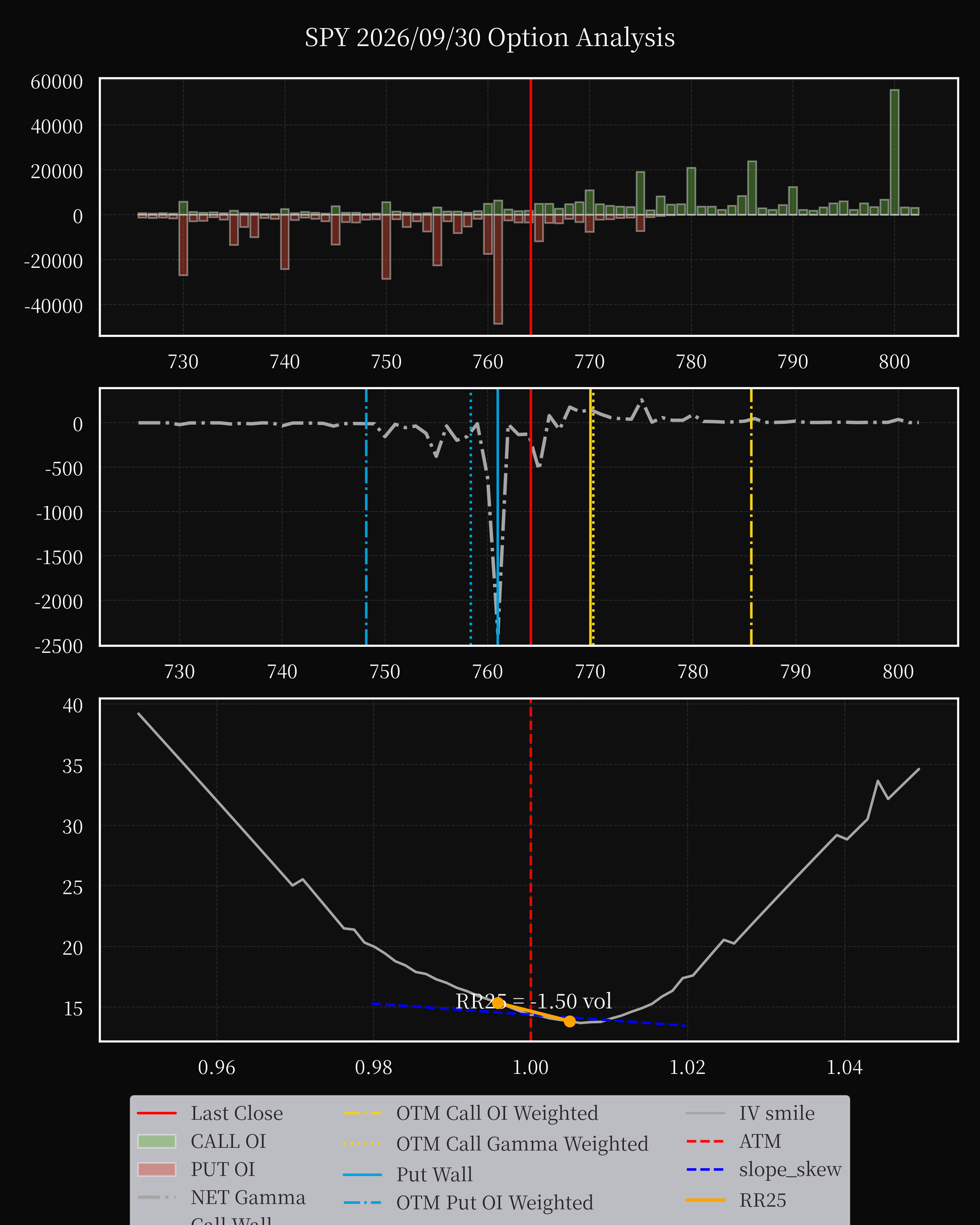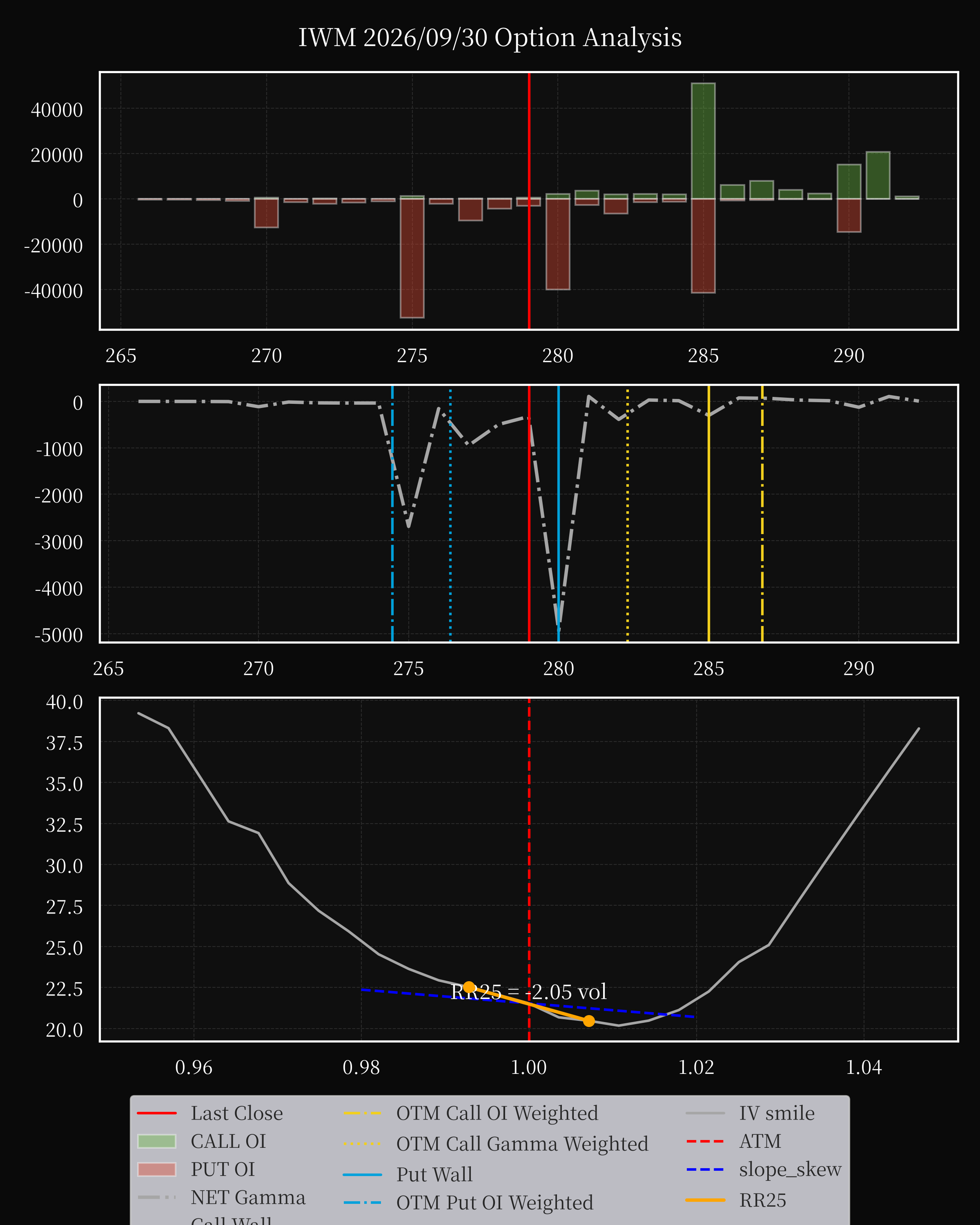
Overall
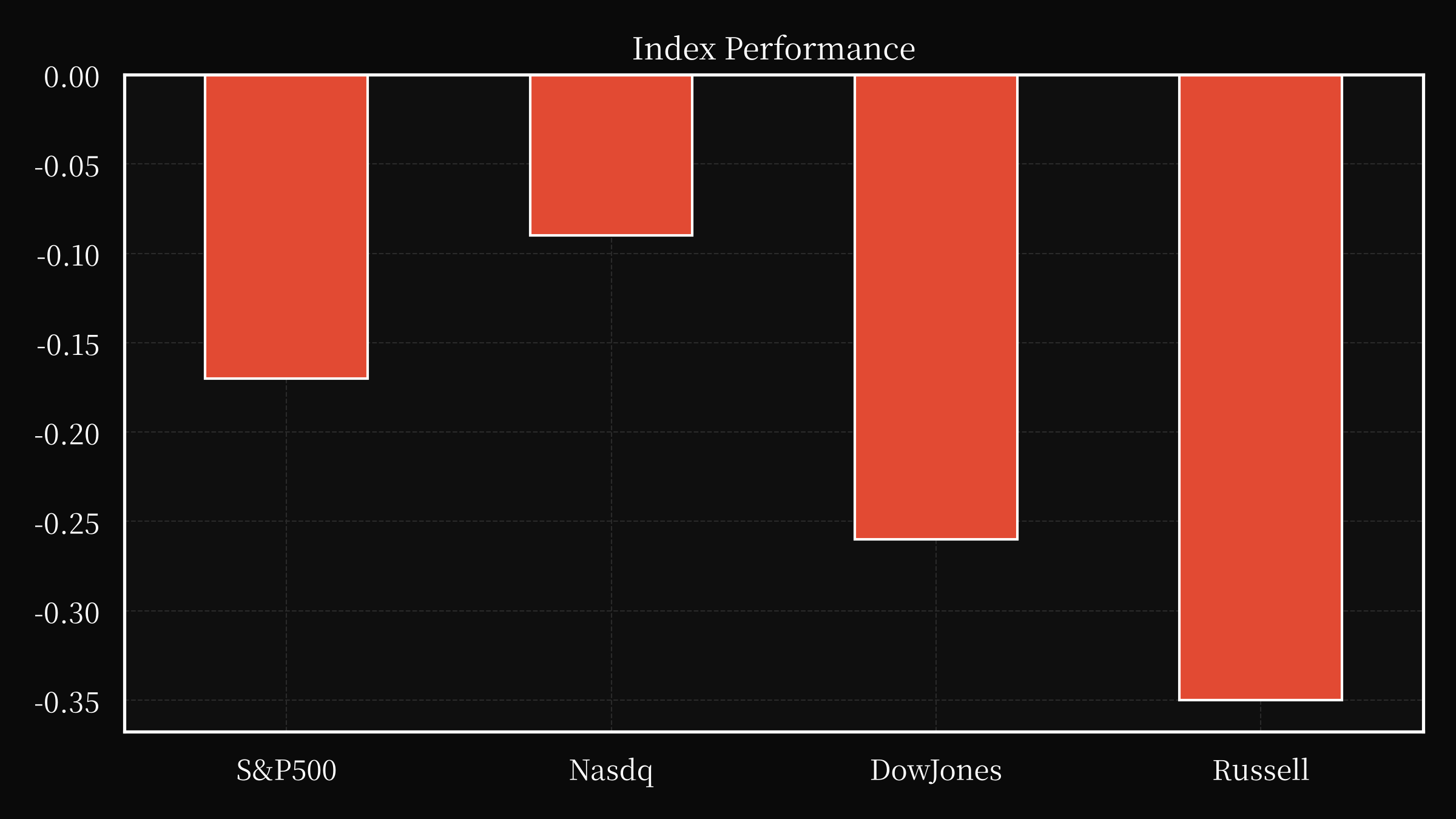
The U.S. bond market experienced a pronounced shift toward higher yields on Tuesday, with the 30-year Treasury yield advancing to a 24-year high and the 10-year benchmark reaching 19-year territory. This upward trajectory in long-term yields reflects a complex interplay of macroeconomic signals and central bank signaling. The 2-year Treasury yield, however, diverged from this trend, retreating in afternoon trading, a movement that coincided with commentary from New York Fed President John Williams. His remarks, emphasizing patience in the Federal Reserve’s rate-setting process, introduced a nuanced layer to market expectations, suggesting a potential pause in tightening cycles. This divergence between short- and long-term yields underscores the evolving dynamics of monetary policy and investor sentiment, particularly as the Fed grapples with inflationary pressures and the broader economic implications of rising borrowing costs.
The bond market’s volatility was further amplified by concurrent developments in the equity and commodity sectors. While the 10-year yield climbed, the 2-year yield fell, creating a flattening yield curve that often signals market uncertainty about future growth. This dynamic was compounded by a decline in oil prices, which saw Brent crude futures drop 2.6% to $102.59 per barrel. The reduction in energy costs, driven by recovering oil flows from the Middle East, alleviated some inflationary pressures but also highlighted the fragility of global supply chains. The interplay between energy markets and bond yields illustrates how commodity price movements can influence both inflation expectations and central bank behavior, creating a feedback loop that shapes investor positioning.
Equity markets, meanwhile, exhibited mixed performance, with the Dow Jones Industrial Average closing 0.3% lower and the Nasdaq falling 0.1%. The S&P 500, however, faced broader headwinds, with approximately 300 companies posting declines. This underperformance was attributed to a confluence of factors, including weak consumer confidence, rising job market concerns, and heightened geopolitical risks. The Conference Board’s latest data revealed a 12-year low in consumer confidence, exacerbated by persistent inflation and elevated energy prices. These conditions have eroded household purchasing power, prompting a cautious approach among investors. The market’s sensitivity to macroeconomic indicators underscores the critical role of consumer sentiment in driving equity valuations, particularly in sectors reliant on discretionary spending.
The Federal Reserve’s policy stance, as articulated by Williams, emerged as a pivotal factor influencing market expectations. His suggestion that the central bank might delay further rate hikes introduced a degree of ambiguity into the policy outlook, challenging the prevailing narrative of aggressive tightening. This shift in tone from a key Fed official reflects the broader challenge of balancing inflation control with economic stability. The Fed’s dual mandate—price stability and maximum employment—remains in tension, as rising borrowing costs threaten to dampen growth while inflationary pressures persist. The market’s reaction to Williams’ comments highlights the importance of central bank communication in shaping investor behavior, with even subtle shifts in tone capable of altering risk appetite and asset allocation strategies.
Geopolitical developments further complicated the market landscape, with the U.S.-Israel conflict in the Middle East continuing to exert upward pressure on energy prices. The conflict’s impact on oil supply chains has been mitigated by recent production adjustments, yet the specter of regional instability remains a key risk factor. Additionally, the Supreme Court’s recent decision to uphold the administration’s deportation policies introduced regulatory uncertainty, particularly for sectors with significant exposure to immigration-related legal challenges. While the immediate market reaction was muted, the long-term implications of such rulings could reverberate through labor markets, regulatory frameworks, and corporate strategies.
The intersection of monetary policy, geopolitical risks, and macroeconomic data has created a volatile environment for investors, necessitating a recalibration of risk management approaches. The bond market’s upward shift, coupled with equity sector underperformance, signals a broader reevaluation of growth assumptions and inflation expectations. As the Fed navigates the complexities of its policy framework, market participants must remain vigilant to the evolving interplay between central bank actions, commodity dynamics, and geopolitical developments. The coming weeks will likely test the resilience of portfolios, with the potential for further yield volatility and sector-specific dislocations.
In this context, the role of analytical frameworks in dissecting market movements becomes paramount. The ability to synthesize macroeconomic indicators, central bank signals, and geopolitical developments into coherent narratives is essential for informed decision-making. Investors must weigh the implications of rising yields on fixed-income assets, assess the impact of inflationary pressures on equity valuations, and monitor the ripple effects of global events on supply chains and consumer behavior. The current environment demands a nuanced understanding of interdependencies, as no single factor operates in isolation.
The convergence of these elements—bond yield dynamics, equity market responses, and macroeconomic pressures—highlights the interconnected nature of modern financial markets. The Federal Reserve’s evolving stance, while providing some clarity, also introduces new uncertainties, requiring investors to adopt flexible strategies. The interplay between short-term policy adjustments and long-term structural trends will continue to shape market outcomes, emphasizing the need for continuous analysis and adaptation. As the U.S. economy navigates its complex trajectory, the ability to anticipate and respond to these forces will define the success of investment strategies in the months ahead.
The broader implications of these developments extend beyond immediate market reactions, influencing long-term capital allocation and risk management practices. The bond market’s upward trend, for instance, may signal a shift in investor preferences toward fixed-income assets as a hedge against inflation or a response to central bank interventions. Conversely, the equity market’s caution reflects a growing awareness of the risks associated with overleveraged corporate structures and the potential for earnings disappointments. These trends underscore the importance of diversification and the need to balance growth-oriented investments with defensive positions.
Ultimately, the market’s response to the day’s events illustrates the delicate balance between optimism and caution that defines modern investing. While the Fed’s signals offer a degree of stability, the persistence of inflationary pressures, geopolitical uncertainties, and sector-specific challenges ensures that volatility remains a defining feature of the landscape. Investors must remain attuned to these dynamics, leveraging analytical rigor to navigate the complexities of an environment where traditional assumptions may no longer hold. The coming weeks will serve as a critical test of resilience, with the capacity to adapt to evolving conditions determining the trajectory of portfolios in an increasingly interconnected global economy.
Watch List
ASBP
Aspire-Lakewood Holdings, Inc. recently announced the dismissal of Turner Stone & Company, LLP as its independent registered public accounting firm, effective September 24, 2026. Turner’s departure followed the identification of material weaknesses in the Company’s internal control over financial reporting, as disclosed in its Form 10-K for the year ended December 31, 2025. Despite these weaknesses, management affirmed that the consolidated financial statements for 2025 and subsequent interim periods were prepared in accordance with US GAAP. Importantly, there were no disagreements between management and Turner regarding accounting principles, financial statement disclosures, or auditing procedures. Following Turner’s departure, the Company’s Audit Committee approved CBIZ CPAs P.C. as its new independent auditor for the fiscal year ending December 31, 2026, with no prior consultation between the parties regarding accounting matters. This transition reflects a proactive step by Aspire-Lakewood Holdings, Inc. to address internal control deficiencies and establish a new relationship with its auditing firm.
ALK
Alaska Air Group is executing a comprehensive strategy to drive growth and profitability, centered around a strengthened commercial platform and significant operational improvements. The company aims to generate approximately $4 billion in loyalty cash remuneration by 2030, driven by the success of the Atmos Rewards program and its robust card portfolio. Cargo revenue is projected to reach $750 million, representing a key growth driver with a targeted contribution of 1-2 percentage points to pre-tax margin. A cornerstone of the strategy is the successful integration of Hawaiian Airlines, unlocking significant synergies and growth opportunities, including expanded scale, relevance, and loyalty programs. This integration has resulted in a four-cabin offering, a strengthened Pacific Northwest presence, and a significant boost in international long-haul flights, particularly from Seattle. The company is focused on achieving a 60% diversified revenue mix by 2030, with premium revenues exceeding 40%. Furthermore, Alaska Air Group is investing in key initiatives to enhance its commercial platform, including expanding its global network with joint business arrangements, developing a new debit card product, and optimizing its fleet for long-haul routes. The company is targeting a 13% annual growth rate in program cash and anticipates achieving a 11-13% pre-tax margin and exceeding $10 in earnings per share by 2027. With a strong focus on cost discipline, operational efficiency, and strategic investments, Alaska Air Group is positioning itself for sustained earnings expansion and a structurally resilient business model.
GBTG
Global Business Travel Group, Inc. completed a merger with Gaia Purchaser, Inc. and formed a subsidiary of Parent, effective September 29, 2026, following the execution of a merger agreement. As part of the transaction, shareholders of Global Business Travel Group received $9.50 per share in cash, extinguishing all outstanding Class A common stock. Simultaneously, a $1.5 billion senior secured first-lien term loan facility and a $250 million senior secured first-lien revolving credit facility were established with JPMorgan Chase Bank, N.A., secured by the company’s assets. Furthermore, the company repaid all outstanding loans under its previous credit agreement and addressed the treatment of equity awards, including options, restricted stock units, and performance stock units, converting them into cash payments based on the per-share price. The New York Stock Exchange (NYSE) suspended trading of Global Business Travel Group’s stock prior to the closing. Finally, the board of directors resigned, and the company’s charter and bylaws were amended as part of the merger. A press release announcing the completion of the merger was also issued.
DYN
Dyne Therapeutics announced encouraging additional clinical data from its Phase 1/2 ACHIEVE trial evaluating zeleciment basivarsen (z-basivarsen, DYNE-101) for myotonic dystrophy type 1 (DM1). The data, presented in a press release and accompanying presentation, stemmed from a pooled dose group of 25-26 participants from the MAD portion of the trial, utilizing doses of 3.4 mg/kg, 5.4 mg/kg, and 6.8 mg/kg every four and eight weeks. Key findings revealed sustained improvements in hand myotonia, as measured by video hand-opening time (vHOT), with a mean decrease of 3.2 seconds at 6 months compared to the placebo group. Furthermore, participants in the pooled dose group demonstrated improvements in function, as assessed by the 5xSTS and 10MWR tests, and in muscle strength via quantitative muscle testing (QMT). Improvements were also observed in the Myotonic Dystrophy Health Index (MDHI) patient-reported outcome measure. Importantly, the company highlighted a favorable safety profile with no related serious adverse events. The ACHIEVE REC’s vHOT data, with a baseline vHOT of 8.3 seconds, is expected to support a potential Biologics License Application (BLA) submission for U.S. Accelerated Approval in the third quarter of 2027, pending topline data anticipated in the first quarter of 2027. These results are being compared to a matched natural history cohort from the END-DM1 study, and the data are also informing the ongoing global Phase 3 HARMONIA clinical trial, which will serve as a confirmatory trial for traditional approval in the U.S.
IVVD
Invivyd, Inc. recently announced positive topline results from its Phase 3 LIBERTY study evaluating its lead investigational product, VYD2311, a novel mRNA vaccine. The study demonstrated that VYD2311 exhibited superior safety and tolerability compared to currently available mRNA-based COVID-19 vaccines. Following this encouraging outcome, Invivyd intends to submit VYD2311 to regulatory authorities for review and potential approval. The company released a press release detailing these findings, which is attached as Exhibit 99.1 to this Form 8-K filing and is incorporated into this report as Item 8.01. This announcement represents a significant milestone for Invivyd as it progresses VYD2311 towards potential market availability, particularly given the observed advantages in safety and tolerability.
MDB
MongoDB’s 2026 Investor Day outlined a strategy focused on durable growth within a large market, driven by the company’s Intelligent Data Platform for the AI era. Key highlights included a transition of CEO Ben Cefalo, significant product innovation centered around Atlas, particularly the new Atlas Agent Engine and Atlas Infinite, designed to meet the demands of AI applications. The company’s customer base is diversifying across industries like financial services, healthcare, and retail, with a strong 23% CAGR in Q2 FY26. MongoDB is capitalizing on the growing demand for AI-powered solutions, evidenced by a 2x higher throughput and 35% faster reads in the public preview of MongoDB 9.0. A core element of the strategy is the “Run Anywhere” capability, enabling portability across on-prem, multi-cloud, and hybrid environments, crucial for enterprise adoption. The company is actively building out its ecosystem through partnerships with hyperscalers and AI natives, focusing on integrating with frameworks like LangChain and LlamaIndex. Revenue growth is expected to drive margin expansion, with a target of achieving GAAP profitability this year. MongoDB is investing heavily in key areas including strengthening core database capabilities, launching Atlas Agent Engine, and expanding its reach into the AI native market, with initial revenue contributions from these initiatives expected to ramp up in FY28 and FY29. The company is also focused on capturing legacy migration opportunities and deepening its partner ecosystem to accelerate growth.
SFHG
Samfine Creation Holdings Group Limited (SFHG) operates commercial printing services in Hong Kong and the People’s Republic of China through a network of subsidiaries, including Samfine Creation Limited, New Achiever Ventures Limited, and Samfine Printing (Shenzhen) Co., Limited. The company’s operations are primarily focused on providing printing services and related products. As of June 30, 2026, the Group’s financial statements reflect activities across these entities, with inter-company transactions fully eliminated upon consolidation. A significant aspect of SFHG’s financial structure involves prepaid expenses, primarily for advertising, marketing, and consultancy services, which are non-refundable and accounted for over their service periods. The company’s financial position as of June 30, 2026, showed a net loss, working capital of HK$6.66 million, and short-term borrowings of HK$24.05 million, offset by HK$28.93 million in cash reserves. The company’s share structure was recently adjusted through a 1-for-5 share consolidation effective February 27, 2026, and a subsequent dual-class share structure implementation. Management has assessed the Group’s ability to continue as a going concern, concluding that sufficient liquidity exists to meet obligations, supported by ongoing negotiations with lenders and cost optimization measures. The company’s financial performance is influenced by factors such as revenue from printing services, operating expenses, and legal proceedings. Furthermore, the Group’s operations are subject to various regulatory requirements, including those related to mandatory provident funds and tax regulations in both Hong Kong and the PRC. As of September 29, 2026, no material subsequent events were identified that would impact the financial statements.
CCL
Carnival Corporation announced strong third-quarter 2026 results, achieving an all-time high net income of $1.9 billion and record revenues and net yields in constant currency, demonstrating robust demand. The company’s full-year outlook has been significantly upgraded, projecting an operational improvement of over $150 million in adjusted net income compared to its June guidance, largely due to improved cost discipline and overcoming a spike in fuel prices. Notably, record third-quarter customer deposits reached nearly seven percent growth on flat capacity, and 2027 bookings for occupancy and pricing are at record levels. The company completed approximately $1.2 billion in share repurchases year-to-date. CEO Josh Weinstein highlighted the company’s accelerating demand and stronger cost control, reinforcing the consistency of their commercial execution. Looking ahead to 2027, bookings are already at record levels, providing a solid foundation for continued yield growth. The company anticipates a net yield increase of approximately 2.3 percent in 2026, surpassing the previous record, and 2.7 percent for 2027. Customer deposits also reached a record $7.6 billion, despite flat capacity growth. Key developments included continued booking strength, a $500 million redemption of seven percent coupon notes, and the launch of the Carnival Rewards loyalty program. Furthermore, S&P upgraded Carnival’s credit rating, and the company announced plans for newbuild ships and ship transformations. The company’s sustainability report was also released, detailing its ongoing progress towards its goals. Carnival Corporation expects to continue distributing cash to shareholders through its dividend program and share repurchase activities, while maintaining a strong balance sheet.
JELD
JELD-WEN Holding, Inc. has entered into a commitment and consent letter with key lenders to restructure its debt obligations. This “Transaction” involves a $410.2 million commitment from existing Noteholders for new first lien notes, alongside a potential offering of new floating-rate first lien term loans for lenders unable to take the new notes. The company is aiming to refinance its existing 4.875% Senior Notes due 2027 and 11.50% Term B Loans due 2028, with the new notes maturing in five years and carrying interest at either 10.50% or 11.50% annually, potentially with a principal increase option. Proceeds will be used for fees, expenses, and a discounted repayment of the existing Term Loans. The deal is subject to customary conditions and includes covenants restricting alternative financing arrangements during the commitment letter’s term. The company intends to use the new notes to fund general corporate purposes and the repayment of existing debt. Confidentiality agreements were also established to facilitate discussions surrounding this transaction, and projections related to the deal were prepared by the company’s management, acknowledging the inherent uncertainties and limitations of such forecasts.
GENK
Gen Restaurant Group, Inc. has entered into a purchase agreement with Roth Principal Investments to sell shares of its Class A Common Stock through a series of transactions, including Market Open Purchases, Intraday Purchases, Purchases, and Post-Market Purchases. These sales will be conducted based on volume-weighted average prices, with discounts applied to reflect the VWAP, and subject to specific timing and volume limitations. The company intends to use proceeds from these sales for working capital, general corporate purposes, and potentially expanding its business operations. Roth Principal Investments will initially withhold a 10% commitment fee from each purchase until the total reaches $500,000, along with reimbursement for legal fees. The agreement includes registration rights for the company to file for securities offerings. The Purchase Agreement and Registration Rights Agreement contain standard terms and conditions, and the company retains the right to terminate the agreement under certain circumstances, with no termination penalties except in limited cases. The agreement also includes provisions for adjusting the purchase price to account for corporate events and a maximum price per share that Roth Principal Investments could be obligated to pay.
IAN Financial Vision is an AI-native financial research platform combining proprietary knowledge graphs, quantitative valuation models, and large language models to generate point-in-time investment research. All reports are produced using a structured research workflow with human review prior to publication..