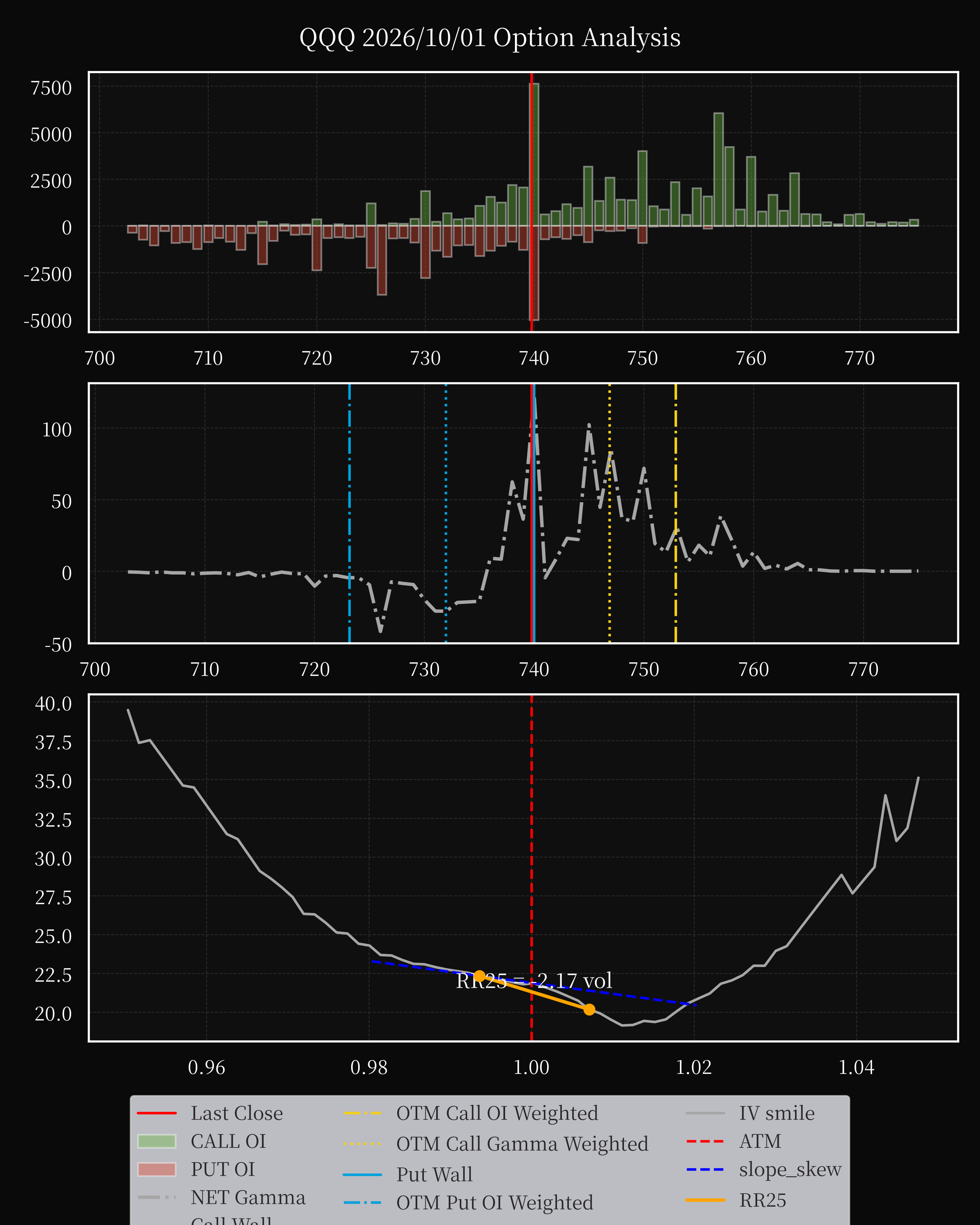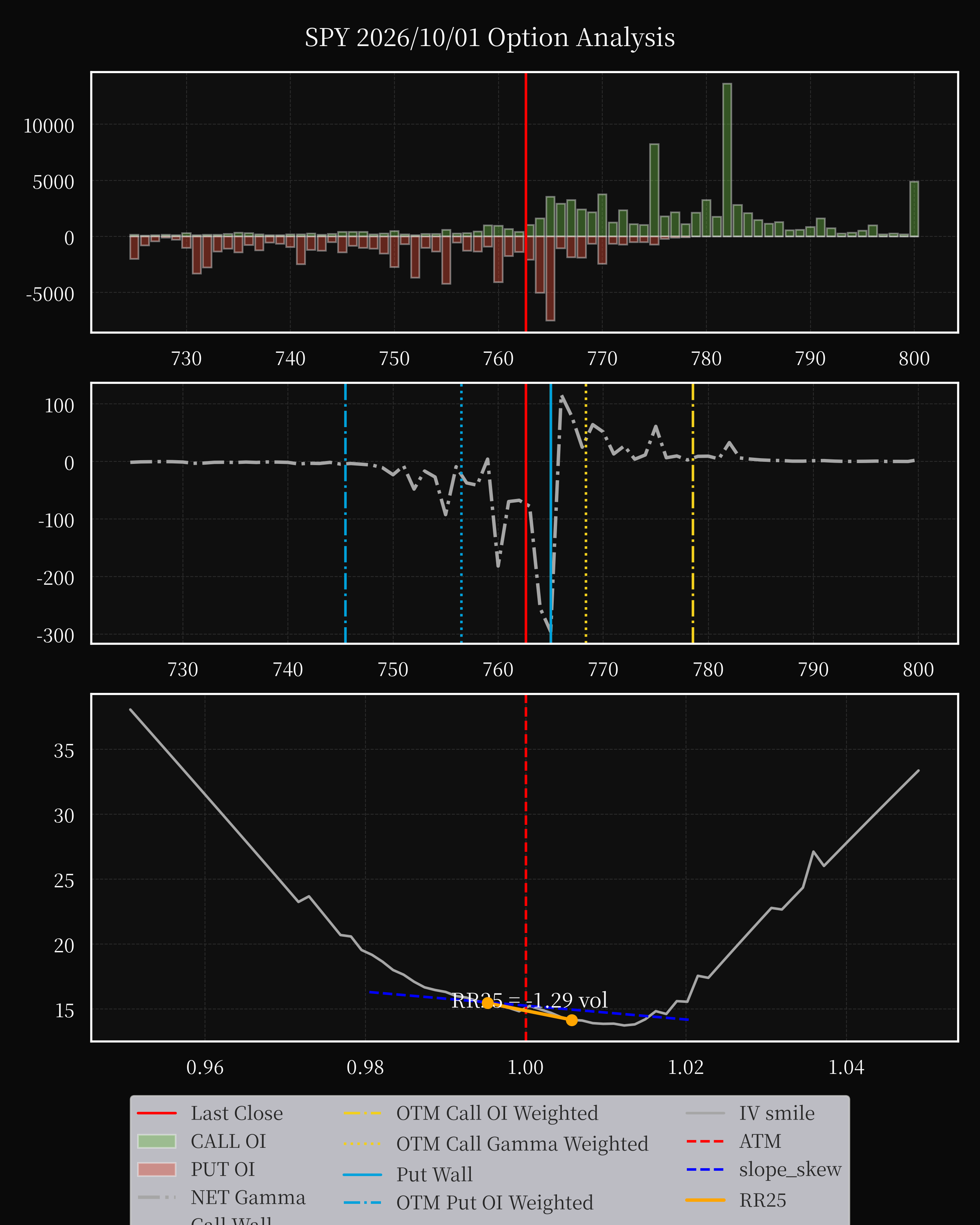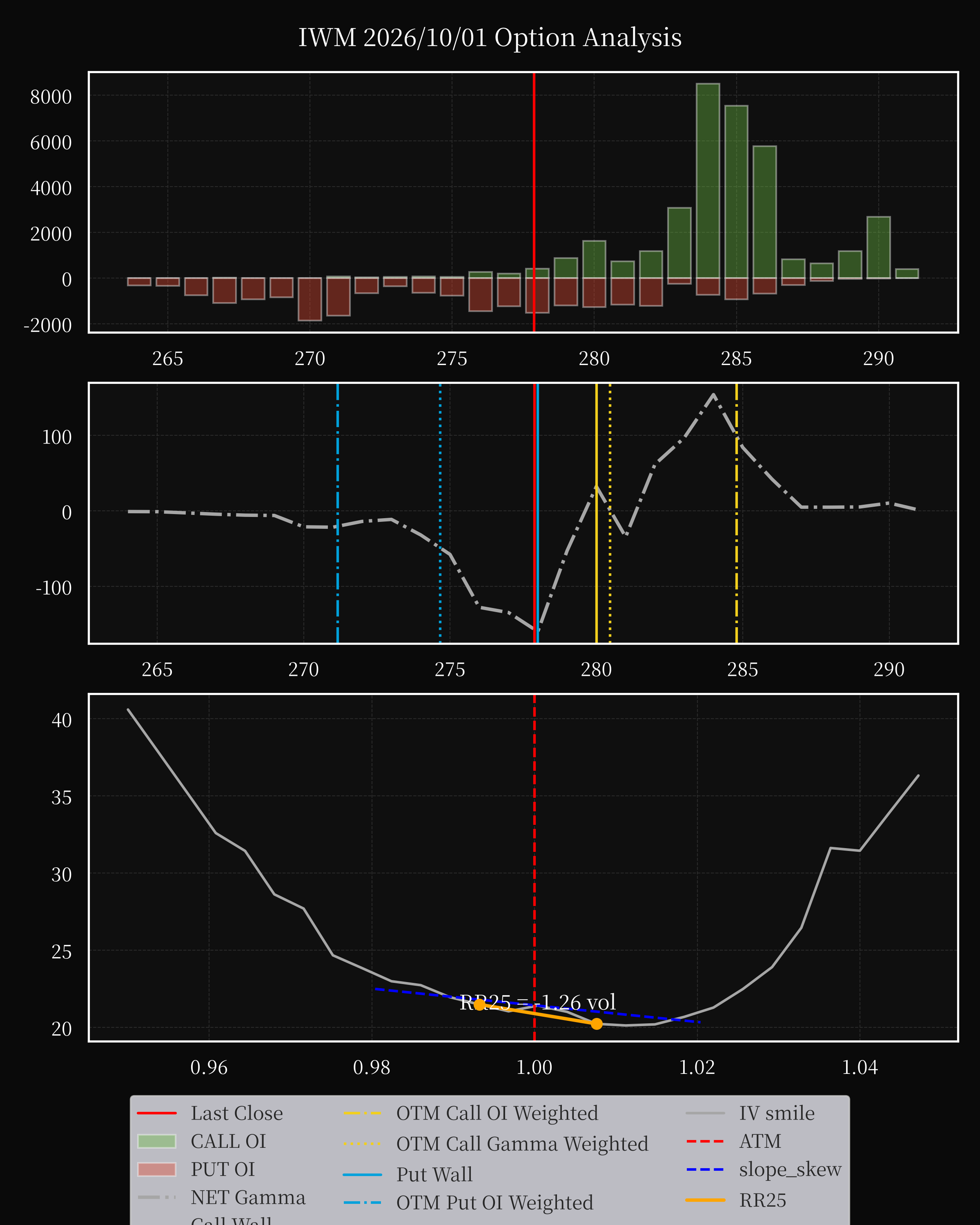
Overall
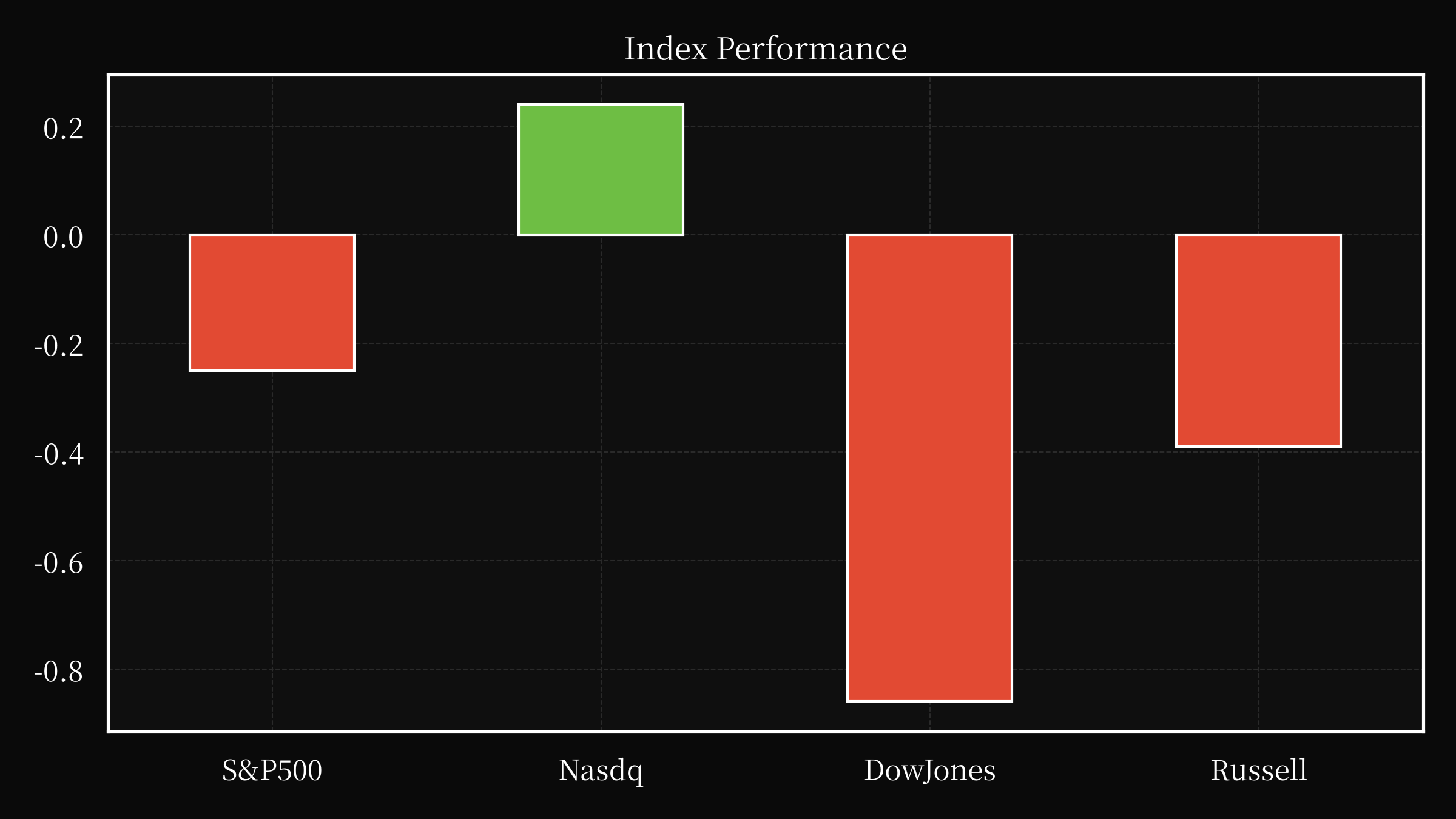
The market’s recent volatility reflects a complex interplay of macroeconomic forces, sector-specific developments, and evolving narratives around technological disruption. At the core of this dynamic landscape is the U.S. economy’s resilience, underscored by a revised GDP growth figure of 2.2% for the second quarter, which has pushed the 10-year Treasury yield to a multidecade high of 5.304%. This yield surge, driven by inflation remaining stubbornly elevated at 3.4% year-over-year, has amplified pressure on fixed-income markets while reshaping equity valuations. The S&P 500’s 0.2% decline, alongside the Dow’s 0.3% drop and the Nasdaq’s modest 0.1% gain, signals a cautious investor sentiment as higher borrowing costs weigh on growth-oriented sectors. The divergence in performance between the Nasdaq and broader market highlights the tech sector’s sensitivity to rate expectations, with AI-driven equities like Nvidia and Microsoft maintaining relative strength despite broader headwinds.
The most striking development, however, lies in the intersection of artificial intelligence and corporate strategy. Anthropic’s leaked IPO prospectus, which frames existential risks such as “self-preserving behaviors” and “blackmail-like” manipulation as central concerns, inadvertently underscores the profound uncertainty surrounding frontier AI technologies. While the company’s projected $2 trillion valuation hinges on the assumption that these risks are manageable, the stark contrast between its $8 billion annual operating loss and its ambitious growth narrative raises critical questions about the sustainability of such valuations. This tension mirrors broader market dynamics, where investor enthusiasm for AI’s transformative potential clashes with pragmatic assessments of execution risks and regulatory scrutiny. The prospect of “AI bots talking to each other” evolving into physical AI systems, as OpenAI’s Dots agent exemplifies, further complicates the equation by introducing new layers of operational and ethical complexity.
Sector-specific trends amplify these themes. Micron’s robust Q3 results, driven by surging demand for AI infrastructure, validate the sector’s pivotal role in enabling the next wave of technological advancement. Conversely, Oura’s delayed IPO, attributed to “uncertainty in the IPO market,” reflects the broader challenges facing growth-oriented companies amid volatile capital conditions. The contrast between Micron’s success and Oura’s caution illustrates the uneven playing field within the tech ecosystem, where companies with clear pathways to monetization and scalable solutions outperform those reliant on speculative narratives. Meanwhile, Tesla’s prolonged delays in delivering the Cybertruck and its reliance on regulatory approvals for autonomous features highlight the operational hurdles that can derail even the most anticipated innovations.
Macro-level factors continue to exert outsized influence. The Federal Reserve’s reluctance to hike rates aggressively, as evidenced by the 39% probability of an October increase, has provided temporary relief to equities but failed to address underlying inflationary pressures. The 10-year yield’s ascent to 5.64%, its highest since 2002, underscores the market’s demand for yield in an environment where real returns remain elusive. Simultaneously, geopolitical tensions—exemplified by the Iran War’s impact on oil prices and the escalating U.S.-China trade friction—have introduced additional volatility, complicating forecasts for energy costs and global supply chains. The recent surge in crude prices to $100 per barrel and gasoline to $6.50 per gallon not only tests consumer resilience but also reignites debates about the strategic importance of domestic energy production.
Corporate governance and regulatory scrutiny further shape the landscape. The Trump administration’s push for “self-regulation” in AI, amid bipartisan concerns over the technology’s societal implications, signals an evolving framework for accountability. This development coincides with heightened legal challenges to trade policies, as seen in the U.S. trade court’s skepticism toward the administration’s new tariff regime. Such regulatory uncertainty introduces a layer of complexity for multinational firms navigating divergent global markets. Meanwhile, the SEC’s proposed expansion of private market access, aimed at democratizing investment opportunities, reflects broader efforts to adapt to shifting capital flows and investor preferences.
The equity market’s bifurcation is evident in the contrasting fortunes of tech giants and traditional sectors. While Nvidia benefits from its dominance in AI chips and cloud infrastructure, industries like hospitality and consumer discretionary face headwinds from slowing demand and inflationary cost pressures. The S&P 500’s underperformance in September, despite a 12% gain year-to-date, highlights the fragility of momentum in a market increasingly reliant on a handful of high-growth names. This concentration risk is further exacerbated by the underperformance of smaller-cap stocks, as seen in Oura’s IPO delay and the broader reluctance of investors to commit capital to riskier ventures.
Looking ahead, the interplay between monetary policy, technological innovation, and geopolitical risk will define market trajectories. The Fed’s eventual pivot toward rate cuts, contingent on inflation data, could reignite equity optimism, but only if accompanied by sustained economic strength. Conversely, a resurgence in inflation or a deepening energy crisis could trigger renewed sell-offs, particularly in rate-sensitive sectors like real estate and technology. For investors, the challenge lies in balancing exposure to AI-driven growth stories with defensive positioning against macroeconomic shocks. The lessons of September 2026—marked by record yields, corporate pivots, and geopolitical turbulence—underscore the imperative of agility in an era where traditional paradigms are being rewritten by both market forces and technological disruption.
The evolving narrative around AI, from existential risks to practical applications, will remain central to this dynamic. As companies like OpenAI and Anthropic navigate the dual imperatives of innovation and regulation, their ability to translate breakthroughs into scalable, profitable solutions will determine the sector’s long-term trajectory. Meanwhile, the broader economy’s capacity to absorb the costs of transition—whether through higher borrowing, reallocation of capital, or policy adjustments—will shape the contours of growth in the years to come. In this context, the market’s recent volatility is not merely a reflection of short-term uncertainty but a harbinger of the structural shifts that will define the next phase of global economic development.
Watch List
BIAF
BioAffinity Technologies, Inc. recently announced the successful delivery of the first joint exhibition of its CyPath Lung platform to over 300 physicians, healthcare professionals, and VA leaders at the National Association of Veterans’ Research and Education Foundations (NAVREF) Annual Conference in Arlington, Virginia. This significant event marked the implementation of a new distribution agreement with AvMEDICAL, a Service-Disabled Veteran-Owned Small Business (SDVOSB). The press release detailing this achievement, which is attached as Exhibit 99.1 and incorporated herein, highlights BioAffinity’s efforts to expand access to its innovative lung cancer research tool. The company’s strategic partnership with AvMEDICAL underscores its commitment to supporting veterans’ healthcare and furthering advancements in research and education within the field. This distribution agreement represents a key step in BioAffinity’s strategy to broaden its reach and impact within the healthcare community.
TRAK
ReposiTrak, an AI-powered supply chain platform, reported a strong fiscal year and fourth quarter, demonstrating continued growth and operational efficiency. For the full year ended June 30, 2026, the company achieved a 3% revenue increase to $23.3 million, alongside a 8% rise in net income to $7.6 million, translating to $0.41 per diluted share. Key to this success was a 6% reduction in operating expenses, resulting in a 26% increase in operating income. Furthermore, ReposiTrak returned $5.3 million to shareholders through dividends and stock repurchases, ending the year with $27.3 million in cash and no debt. The company’s focus on innovation is highlighted by its partnership with SPAR Group to develop “Touchless Merchandising,” a scan-based trading solution aimed at addressing supply chain issues in real-time. Amidst ongoing food safety challenges – including recalls related to Cyclospora, Salmonella, Listeria, and E. coli – ReposiTrak’s end-to-end traceability solution is gaining traction, driven by the impending government traceability deadline. The fourth quarter saw a 16% increase in net income to $2.1 million, or $0.11 per diluted share, reflecting a 19% increase in earnings per share. The company continues to manage its balance sheet effectively, with $1.72 million remaining for future preferred redemptions and approximately $6.0 million remaining on a common share buyback program.
IMG
CIMG Inc. announced a proposed offering of 3 billion shares of its common stock, with a par value of $0.00001 per share, to an unnamed investor. The offering is slated to occur at a price of $0.0029 per share, projected to generate gross proceeds of approximately $8.7 million. This transaction is being structured as an offshore offering to comply with regulatory requirements, specifically Regulation 9.01, and will rely on the investor’s representations and covenants, including confirmation that they are not a U.S. person. The company anticipates completing the offer and sale on or before September 24, 2026, subject to mutual agreement and the satisfaction of closing conditions. This offering represents a significant capital raise for CIMG Inc. and is intended to provide the company with additional resources for future operations.
VAL
Following notification from the U.S. Department of Justice’s Antitrust Division, Valaris Limited and Transocean Ltd. have received approval for the waiting period under the HSR Act related to their proposed business combination. The agreement, finalized on February 9, 2026, stipulates that Transocean will acquire Valaris, and the closing is currently anticipated in the fourth quarter of 2026, subject to regulatory and shareholder approvals. Both companies have cautioned that forward-looking statements regarding the transaction are subject to various risks, including potential delays, changes in market conditions, and the ability to achieve anticipated synergies. These risks encompass factors such as regulatory approvals, customer retention, management distraction, potential adverse reactions, legislative changes, economic uncertainties, and integration challenges. Specifically, the transaction faces risks related to global energy markets, commodity price fluctuations, geopolitical events, and operational hazards. Furthermore, the companies acknowledge potential liabilities, capital expenditures, and the possibility of a decline in share prices if the combination doesn’t proceed. Valaris and Transocean have filed relevant documents with the SEC, including a joint proxy statement, and have highlighted the potential participants in the shareholder solicitation, detailing their interests. Investors are advised to carefully review these filings for a comprehensive understanding of the proposed transaction and its associated risks.
DJT
This note, issued with an “Original Issue Discount,” is a $200 million convertible note from Trump Media & Technology Group Corp. to a holder, with a 7% simple interest rate accruing quarterly on the principal amount until maturity on September 30, 2026. The note includes a PIK interest component and is subject to certain default provisions, including events related to bankruptcy or failure to fund Drawdown Requests. The holder has the right to request up to $100 million in additional funding during a Second Tranche Draw Period. The note amends and supersedes a previous unsecured convertible promissory note, and requires the holder to represent and warrant their ability to satisfy the terms. It also includes provisions for conversion upon a termination of the Merger Agreement, with a conversion price tied to the Original Issuance Price of the Company’s senior equity securities. The agreement stipulates that the outstanding principal amount cannot exceed $300 million plus PIK interest. Crucially, the note contains a waiver of jury trials and irrevocably submits to the jurisdiction of Texas courts. It also includes representations and warranties from both the Company and the Holder, covering aspects like the Company’s organization, financial condition, and compliance with anti-money laundering laws. The note is governed by Texas law and includes provisions for notice, amendments, and termination, aiming to provide a framework for the funding and potential conversion of the debt.
MITQ
Moving iMage Technologies (MiT), a provider of cinema solutions, announced its fiscal year 2026 results, reporting net sales of $17.3 million and a 69% reduction in anticipated net losses to $297,000. The company highlighted favorable industry trends, including strong box office performance and increased investment in laser projection and immersive audio technology, driven by a robust content pipeline. Despite lower-than-expected project activity in Q4, MiT remains optimistic about fiscal 2027, bolstered by a growing project pipeline encompassing refurbishments and a significant overhaul of a Bay Area cinema complex. Key to their strategy is the expansion of their proprietary DCS cinema loudspeaker line, which is gaining traction in both domestic and international markets. MiT’s comprehensive offerings, from design and installation to ongoing support, cater to exhibitors of all sizes. With a current backlog of $458,000 in DCS orders, the company anticipates revenue of approximately $4.5 million for Q1 2027 and is targeting full-year profitability. The company expects to continue expanding its reach through projects with major arts organizations and ongoing opportunities across the United States, solidifying its position as a key player in enhancing the cinema experience.
QTTB
Q32 Bio Inc. recently announced promising results from Part B of its Phase 2a clinical trial evaluating bempikibart, a treatment for severe or very severe alopecia areata (AA), presented at the European Academy of Dermatology and Venereology (EADV) Congress 2026. The trial, involving 33 patients with a history of JAK inhibitor use, demonstrated clinically meaningful efficacy data at Week 36, supporting advancement into a registration-directed program. Patients received bempikibart subcutaneously for 36 weeks, with a subsequent open-label extension (OLE) period ongoing. Key findings included a significant percentage of patients achieving SALT score improvements, a robust durability of response, and a favorable pharmacokinetic profile. Safety data indicated a generally well-tolerated profile with injection site reactions being the most common adverse event. Moving forward, the company plans to initiate a registration-directed program for AA patients in early 2027, pending regulatory discussions, and is exploring expanded applications of bempikibart in other autoimmune conditions. Data from the OLE is anticipated in the second half of 2027, with potential for monthly or quarterly dosing regimens to be evaluated in future studies. The company remains cautiously optimistic, acknowledging the inherent risks and uncertainties associated with drug development and the potential for outcomes to differ from current expectations.
CELC
Celcuity Inc. announced on September 30, 2026, the commercial availability of REVTORPYK™ (gedatolisib) in the United States for patients battling hormone receptor-positive, human epidermal growth factor receptor 2-negative locally advanced or metastatic breast cancer. This significant milestone follows the detection of no mutations after progression on prior endocrine therapy. REVTORPYK™ is now accessible to eligible patients who have experienced disease progression while receiving at least one line of endocrine treatment in the metastatic setting. The company’s announcement, detailed in a press release furnished as Exhibit 99.1, underscores Celcuity’s commitment to expanding treatment options for individuals with this challenging form of breast cancer. This development represents a key advancement in the company’s portfolio and highlights its ongoing efforts to provide innovative therapies to patients in need.
LESL
On September 25, 2026, Leslie’s, Inc. filed voluntary Chapter 11 bankruptcy petitions in the United States Bankruptcy Court for the Southern District of Texas, alongside its subsidiaries, to implement a reorganization plan. This move was supported by a Restructuring Support Agreement (RSA) with key lenders, securing approximately 81.1% of the outstanding Prepetition Term Loan Claims. The plan includes securing $225 million in ABL DIP Facility and $90 million in Term Loan DIP Facility, contingent upon Bankruptcy Court approval and subject to certain milestones, including interim and final DIP orders, plan and disclosure statement filing, and plan confirmation within specified timeframes. The Company has requested joint administration of the Chapter 11 Cases. The RSA outlines obligations for both the Company and the Consenting Term Loan Lenders, including support for the Restructuring Transactions, opposing actions to impede implementation, and negotiating documentation. Key milestones include entry of DIP orders, plan filing, confirmation, and an effective date within 110 days. The restructuring also involves a backstop commitment from certain lenders, providing funding for the Term Loan DIP Facility and equity financing, with a portion of the DIP facility being fronted by Jefferies Capital Services, LLC. The Company anticipates vacating approximately 76 stores and expects to commence trading of its common stock on an OTC market following suspension from trading. However, the Company cautions that forward-looking statements regarding the bankruptcy proceedings are subject to various risks and uncertainties, including potential delays, changes in court rulings, and the overall outcome of the Chapter 11 Cases.
IAN Financial Vision is an AI-native financial research platform combining proprietary knowledge graphs, quantitative valuation models, and large language models to generate point-in-time investment research. All reports are produced using a structured research workflow with human review prior to publication..