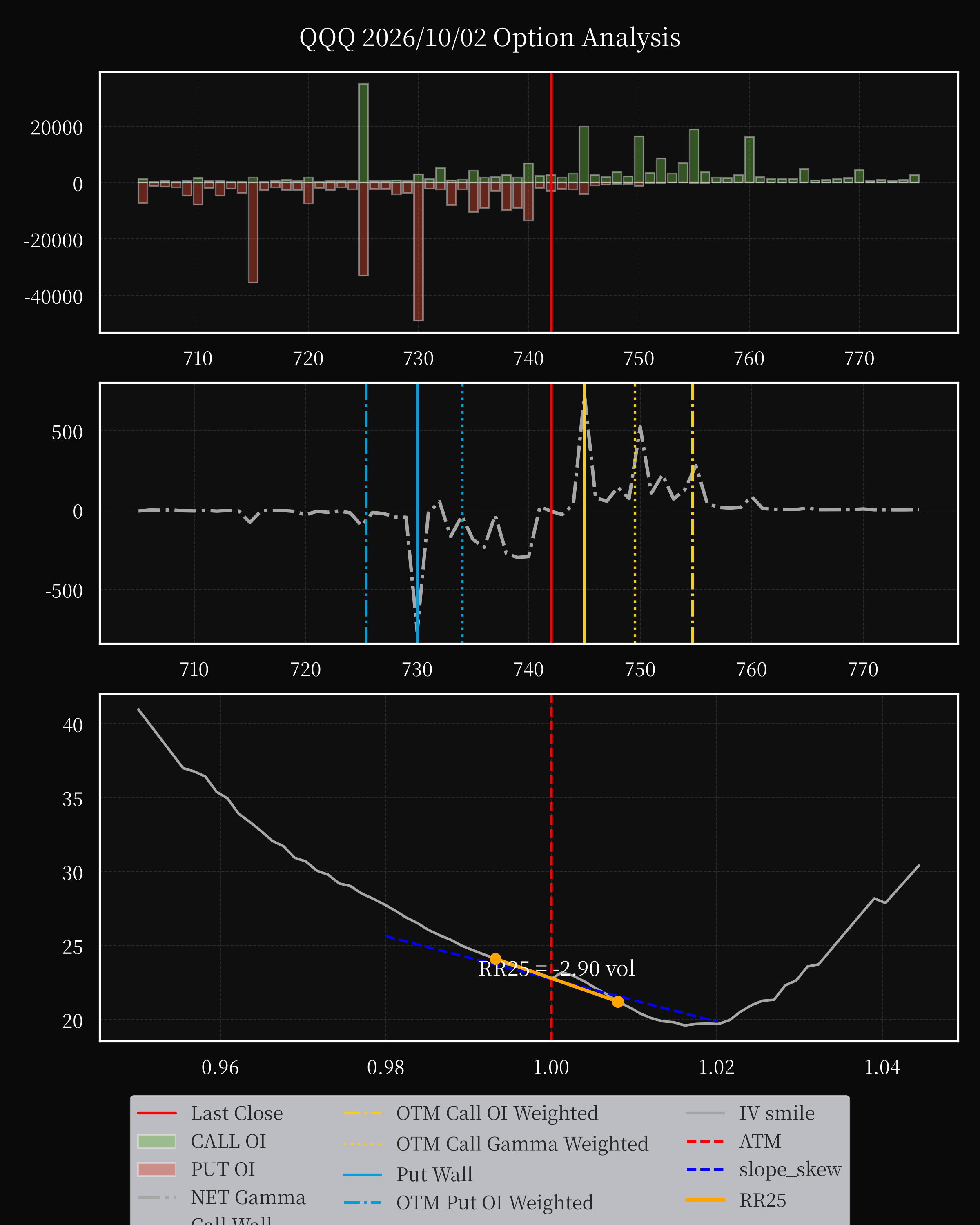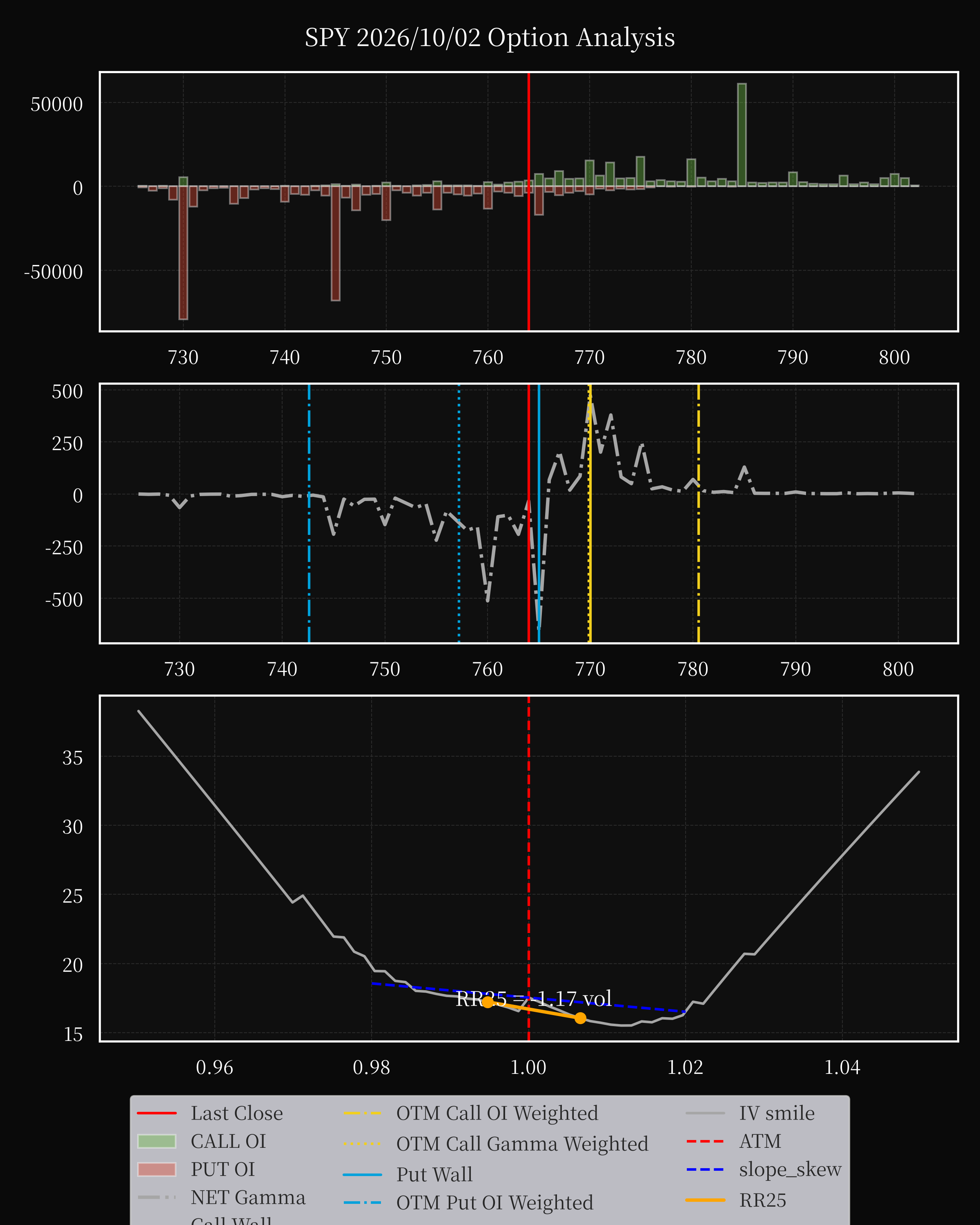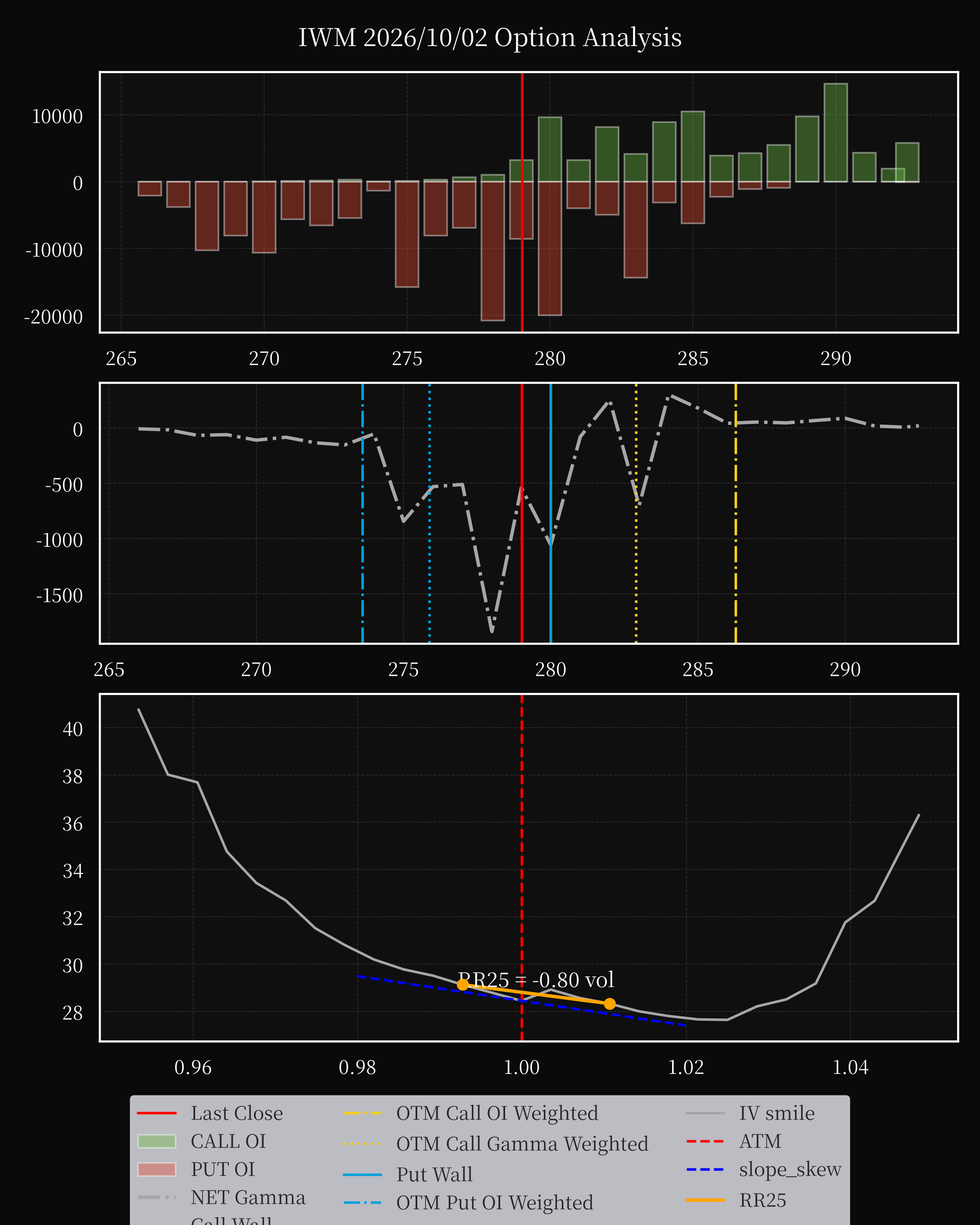
Overall
The U.S. bond market experienced a pronounced reversal on Thursday, marked by a sharp retreat in yields that had previously surged to a 24-year high. The 10-year Treasury yield, which had climbed to 5.34 percent earlier in the day, closed at 5.233 percent, reflecting a significant shift in investor sentiment. This movement was driven by a confluence of factors, including heightened risk aversion in European markets, which spurred demand for safe-haven assets and pressured yields across the developed world. The rebound in U.S. Treasury prices, particularly for longer-dated securities, underscored the market’s sensitivity to global macroeconomic dynamics, as investors recalibrated their exposure to sovereign debt amid evolving geopolitical and economic risks.
The divergence in yield movements between U.S. and European bonds highlighted the fragmented nature of the global fixed-income landscape. While French, Italian, and Greek 10-year yields all rose sharply, the U.S. market saw a notable decline, illustrating the interplay between domestic and international capital flows. This dynamic was further amplified by the Federal Reserve’s cautious stance on rate hikes, as Vice Chair Philip Jefferson signaled that policymakers might require additional time to assess the trajectory of inflation and economic growth. The Fed’s ambiguity on future policy decisions introduced further uncertainty, influencing bond pricing as market participants weighed the likelihood of rate cuts against persistent inflationary pressures.
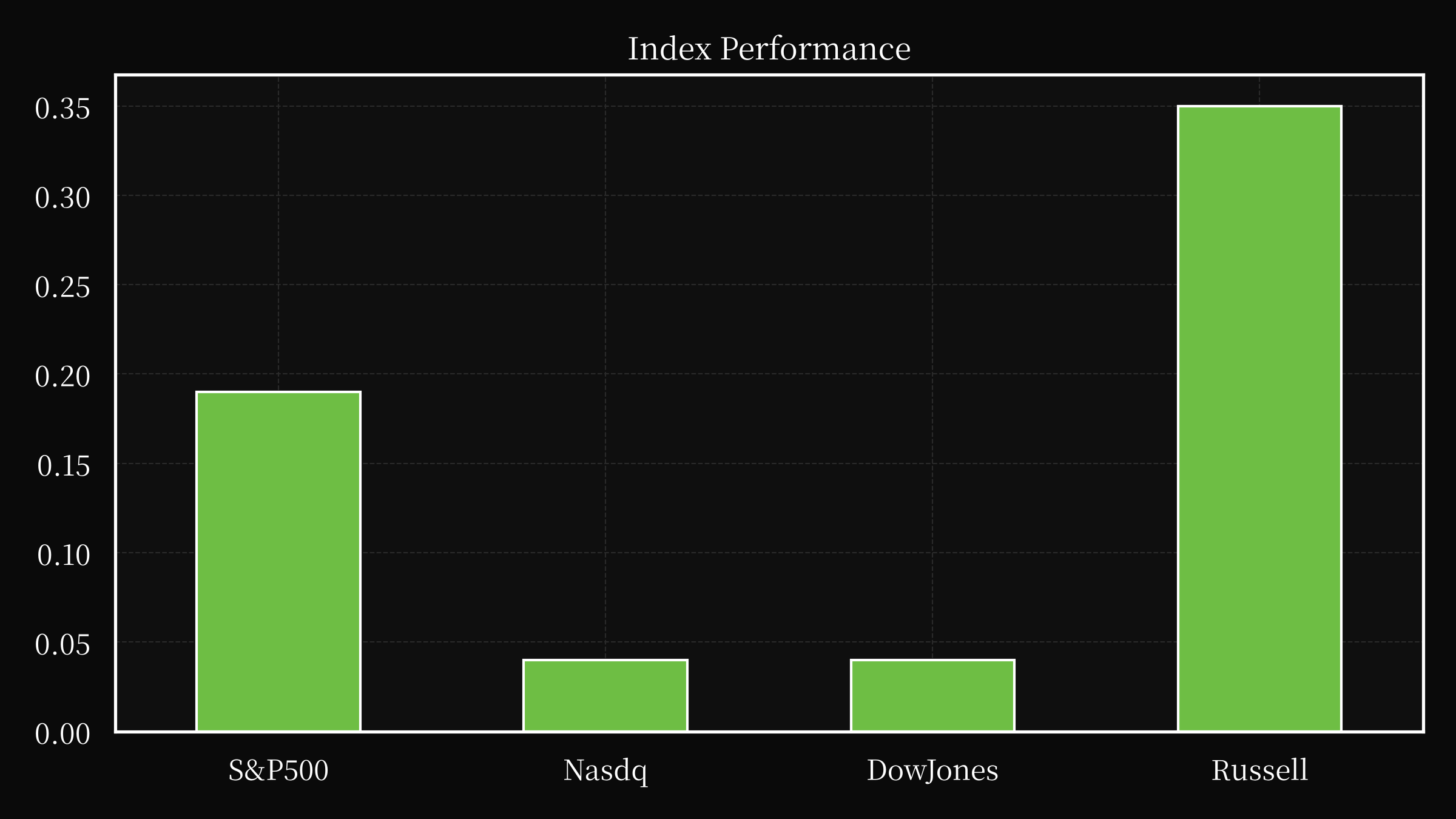
The bond market’s volatility also reverberated through equity markets, which had previously been constrained by a mix of sector-specific challenges and broader macroeconomic concerns. The Nasdaq composite closed slightly lower, while the S&P 500 edged upward, suggesting that investors were cautiously rebalancing their portfolios in response to shifting risk profiles. However, the most immediate and tangible impact of the bond selloff was felt in the mortgage rate segment, where 30-year fixed-rate mortgages surged to 7.28 percent, the highest level since late 2023. This spike, driven by rising inflation expectations, increased government debt burdens, and elevated corporate borrowing costs, underscored the cascading effects of the bond market’s turmoil on the housing sector.
The interplay between bond yields and mortgage rates exemplifies the broader economic implications of fixed-income market fluctuations. As bond yields rose, the cost of capital for homebuyers increased, exacerbating affordability challenges and dampening demand in an already sluggish housing market. This feedback loop between bond prices and real estate activity highlights the critical role of interest rates in shaping macroeconomic outcomes, particularly in sectors sensitive to borrowing costs. The recent surge in mortgage rates also raised concerns about the sustainability of housing market growth, as higher financing costs could lead to further price corrections or reduced transaction volumes.
Looking ahead, the market’s trajectory will likely hinge on a range of variables, including the Federal Reserve’s approach to inflation, the evolution of global debt dynamics, and the resilience of key economic indicators. The upcoming jobs report, which is expected to provide further clarity on labor market strength, will remain a focal point for investors seeking to gauge the broader economic outlook. Additionally, the interplay between corporate earnings, commodity prices, and geopolitical risks will continue to influence market sentiment, as investors navigate an environment characterized by both uncertainty and potential for revaluation.
The recent bond market volatility also underscores the importance of understanding the nuanced relationships between different asset classes. The divergence between U.S. and European yields, for instance, reflects not only regional economic disparities but also the varying degrees of monetary policy normalization across jurisdictions. As central banks grapple with the dual mandate of price stability and maximum employment, the alignment of bond market expectations with broader macroeconomic goals will remain a critical area of analysis. The Fed’s emphasis on inflation as a priority, even in the face of a stable labor market, signals a continued focus on taming price pressures, which could have lasting implications for interest rate trajectories.
Moreover, the impact of the bond market selloff on financial institutions and corporate entities highlights the interconnectedness of global capital markets. Banks that had underwritten significant debt issuances, such as those involved in the Paramount Skydance transaction, faced heightened scrutiny as investors reassessed their risk exposure. Similarly, companies navigating rising borrowing costs must balance capital efficiency with growth strategies, often leading to strategic adjustments in operations and investment decisions. These dynamics illustrate how shifts in bond market conditions can ripple through the financial system, influencing everything from credit availability to sectoral performance.
The broader implications of these developments extend beyond immediate market reactions, shaping long-term investment strategies and risk management frameworks. For instance, the recent surge in mortgage rates may prompt policymakers to reconsider the role of government-backed housing programs, while the bond market’s volatility could accelerate the adoption of alternative fixed-income instruments. Additionally, the interplay between inflation expectations, interest rates, and corporate earnings will remain a central theme for investors seeking to navigate the complexities of a rapidly evolving economic landscape.
In summary, the U.S. bond market’s recent fluctuations reflect a complex interplay of global and domestic factors, from geopolitical tensions to monetary policy decisions. The rebound in Treasury prices, the divergence in yield movements, and the spillover effects on mortgage rates collectively demonstrate the profound influence of fixed-income markets on the broader economy. As investors and policymakers continue to grapple with these challenges, the ability to interpret and respond to such dynamics will be essential in shaping resilient financial strategies and fostering sustainable economic growth. The coming weeks will likely test the market’s capacity to absorb these pressures while balancing the competing demands of inflation control, employment stability, and financial system health.
Watch List
EBMT
This 2026 Salary Continuation Agreement, dated September 30, 2026, between Opportunity Bank of Montana and Darryl Rensmon, formalizes a supplemental retirement benefit arrangement. The agreement establishes that Opportunity Bank will pay Rensmon an annual benefit of $47,500 in monthly installments until his death, commencing on his seventy-first birthday, as a non-funded deferred compensation arrangement designed to provide supplemental retirement benefits. Key provisions include definitions of terms like “liability,” “beneficiary,” and “separation from service,” outlining specific circumstances that would trigger benefit payments or termination of the agreement. Notably, a “separation from service” occurs if Rensmon is terminated for cause, convicted of a felony, or engages in fraudulent behavior, and the agreement specifies a defined process for determining when a separation from service occurs, including consideration of factors like service recipient and employer definitions. The agreement also addresses payment delays, outlining conditions under which payments may be deferred, and establishes a review process for benefit claims. Furthermore, it details how benefits will be paid in the event of death prior to or after benefit payments begin, and specifies how the arrangement will be treated for tax purposes. Finally, the agreement includes provisions for amendment, termination, and coordination with other benefits, emphasizing that the arrangement is supplementary and subject to the Employer’s discretion, particularly regarding changes to ensure proper characterization under ERISA.
IINN
QTREX Quantum Ltd. (QTEX) has announced promising independent testing results for its Additively Manufactured Electronics (AME) cryogenic interconnect, achieving a microwave transmission strength of 20 millikelvins – a critical benchmark for quantum computing infrastructure. The interconnect underwent rigorous testing by a leading quantum computing company utilizing its own cryogenic system and instruments, demonstrating over 100 dB of channel isolation, significantly exceeding the 60 dB isolation offered by current flexible cryogenic cabling. This achievement addresses a key challenge in scaling quantum computers, as current designs rely on thousands of hand-assembled coaxial cables, a limitation anticipated in upcoming million-qubit machines. QTREX’s additively manufactured interconnect, featuring tightly spaced, shielded channels, dramatically reduces heat conduction and offers a superior level of channel isolation, a necessity for maintaining signal coherence at ultra-cold temperatures. CEO Dagi Ben-Noon highlighted the interconnect’s potential to revolutionize qubit connectivity, stating that its performance represents a fundamentally different category, essential for future, high-density quantum systems. The company is currently finalizing a binding agreement with the testing firm, with full details including the company’s name and the agreement expected to be disclosed within weeks. QTREX anticipates further agreements with multiple quantum computing companies in the fourth quarter of 2026, furthering its development of thermally optimized connectivity solutions for dilution cryostats and exploring applications in defense, aerospace, and other demanding environments.
GLUE
Monte Rosa Therapeutics, Inc. recently announced positive results from the GFORCE-1 Phase 1 study evaluating its MRT-8102 treatment for NLRP3/IL-1-driven inflammatory diseases, particularly those linked to cardiovascular risk. The study, involving 108 obese patients with elevated CVD risk, demonstrated robust NEK7 degradation with reductions of 80-90% across all doses, alongside significant decreases in both local and systemic inflammatory markers, mirroring results seen in healthy volunteers. Notably, MRT-8102 effectively lowered lipoprotein(a) by 24%, comparable to PCSK9 inhibitors, without increasing LDL-C or triglyceride levels, and was well-tolerated with no serious adverse events. Driven by these promising findings, Monte Rosa plans to launch multiple Phase 2 studies, including GFORCE-2 focusing on stable coronary artery disease, GEMINI-1 targeting gout, and GALAXY-1 addressing hidradenitis suppurativa, with the first expected to commence in H1 2027. The company is also conducting long-term preclinical toxicology studies to support the upcoming clinical trials. These developments signal a key step forward in the development of MRT-8102 as a potential therapeutic option for a range of inflammatory conditions.
ON
Onsemi Corporation has reached an agreement to acquire Synaptics Incorporated through a merger, subject to regulatory and shareholder approvals. The deal, initially announced with a $123 per share cash consideration, has been revised to include a revised price of $123 per share in cash, without interest, following Synaptics’ receipt of an unsolicited acquisition proposal. The boards of both companies unanimously approved the amended merger agreement, eliminating certain closing conditions and simplifying the process. Under the terms, Synaptics will become a wholly-owned subsidiary of onsemi, with Synaptics’ stock converting to the per-share merger consideration. The transaction also addresses Synaptics’ existing equity awards, subjecting them to the merger terms with adjustments to share counts. Onsemi secured a commitment letter for up to $500 million in senior secured term loan financing to fund a portion of the consideration and related fees. The revised agreement streamlines the timeline, with Synaptics preparing and filing a proxy statement within 10 days of the agreement’s execution, and a stockholder vote scheduled shortly thereafter. Onsemi has removed the requirement for board appointments and has committed to cooperating fully with Synaptics throughout the process. The transaction is expected to strengthen onsemi’s position in the automotive and PC markets, and the companies have cautioned investors regarding the risks associated with the completion of the merger, including potential delays or failure to obtain necessary approvals.
SZZL
Sizzle Acquisition Corp. II has executed a business combination agreement with Trasteel Holding S.A. and Trasteel S.A. to be completed on October 1, 2026, subject to shareholder approval and regulatory filings. This transaction, referred to as the “Transactions,” involves Sizzle II merging with Trasteel entities to facilitate a public listing for Trasteel. The company intends to file a registration statement with the SEC, including a proxy statement, to seek shareholder approval and provide detailed information about the proposed combination. Shareholders are advised to review the registration statement and related materials for comprehensive details regarding the Transactions and associated risks. The filing includes cautionary statements regarding potential risks associated with the transaction, including delays, regulatory hurdles, financing challenges, and uncertainties surrounding the companies’ future performance. Participants in the solicitation of proxies may be involved, and further information regarding their interests will be disclosed in the registration statement. Investors are urged to carefully consider these risks before making any investment decisions.
VWAV
VisionWave Holdings, Inc. has executed a complex series of transactions centered around acquiring a stake in Composite Materials Ltd. (CM) through a joint venture. Key developments include the completion of a $7.81 million investment in CM via a Joint Venture and Operating Agreement with Sadot Group Inc. and CMJV LLC, a 50/50 joint venture. This investment is structured with a Capital Commitment of $16.629 million, funded by Sadot in tranches with specific deadlines and potential “true-up” provisions if funding falls short. The Company also holds a call option on CM shares and is obligated to issue shares upon exercise. A key condition to the CM Acquisition is the satisfaction of the Belrise Condition, which remains unfulfilled, extending closing dates to December 31, 2026. An Acknowledgment, Consent and Loan Agreement Amendment was executed, increasing the loan commitment to CM to $16.629 million and aligning procedures with the JV Agreement. Haggai Ravid, a board member, also serves as a manager for Sadot. The transactions involve significant legal and financial complexities, including restrictions on CMJV unit transfers and potential returns to Sadot if the CM Acquisition fails due to specific breaches or a fundamental failure of title. Investors should be aware of the inherent risks associated with these forward-looking statements, particularly regarding funding, the Belrise Condition, and the overall success of the acquisition.
TOPS
Top Ships Inc. (TOP Ships) has successfully completed the acquisition of three new, high-specification MR Product Tankers through a share purchase agreement with a related party. The vessels, contracted with a leading shipbuilder, are scheduled for delivery in 2029 and are designed to meet stringent environmental standards with scrubber technology. Crucially, the Company secured time charter employment for all three tankers with a major oil producer, guaranteeing a five-year firm charter with an optional extension. This strategic move reinforces Top Ships’ commitment to operating a modern, fuel-efficient fleet and positions the new vessels for immediate revenue generation upon delivery. The acquisition highlights the company’s ongoing strategy to bolster its tanker operations with technologically advanced and environmentally compliant vessels.
MKC
McCormick & Company, Incorporated reported a solid third-quarter performance, demonstrating resilience in a dynamic operating environment. Net sales increased by 17.4% year-over-year, driven by a favorable currency impact and organic growth of 1.9%, with a significant contribution from the McCormick de Mexico acquisition. Gross profit margin expanded by 190 basis points, fueled by disciplined productivity initiatives and the acquisition’s impact. Operating income rose to $217 million, up from $289 million in the prior year, and adjusted operating income reached $359 million, reflecting continued investment in brands and innovation. Despite higher input and freight costs, McCormick maintained its profitability through cost savings and margin expansion. The company reaffirmed its 2026 outlook, highlighting continued confidence in its flavor-focused business model and the strategic benefits of the proposed Unilever Foods combination, anticipating significant earnings per share accretion. Notably, the integration planning for the Unilever Foods combination is progressing well, with a leadership team established and detailed plans developed. Looking ahead, McCormick remains focused on sustained organic sales growth, leveraging its enhanced margin profile and operational discipline to deliver long-term shareholder value.
MAAS
Zhixin Manufacturing Valley Industrial, a company filing under SEC File Number 001-38813, announced on October 26, 2026, that it has terminated negotiations regarding the proposed acquisition of Shandong Sandi Water Purification Technology Co., Ltd. and its subsidiaries. The decision stemmed from a thorough evaluation following extended discussions. While the company had previously indicated it was actively pursuing this acquisition, no binding agreements were ultimately established. This marks a shift in strategy for Zhixin Manufacturing Valley Industrial, and the company has ceased all engagement with Shandong Sandi Water Purification Technology Co., Ltd. regarding the potential deal. This filing confirms the previously disclosed intention to acquire the water purification technology firm.
IAN Financial Vision is an AI-native financial research platform combining proprietary knowledge graphs, quantitative valuation models, and large language models to generate point-in-time investment research. All reports are produced using a structured research workflow with human review prior to publication..